Sunday and Shrimp

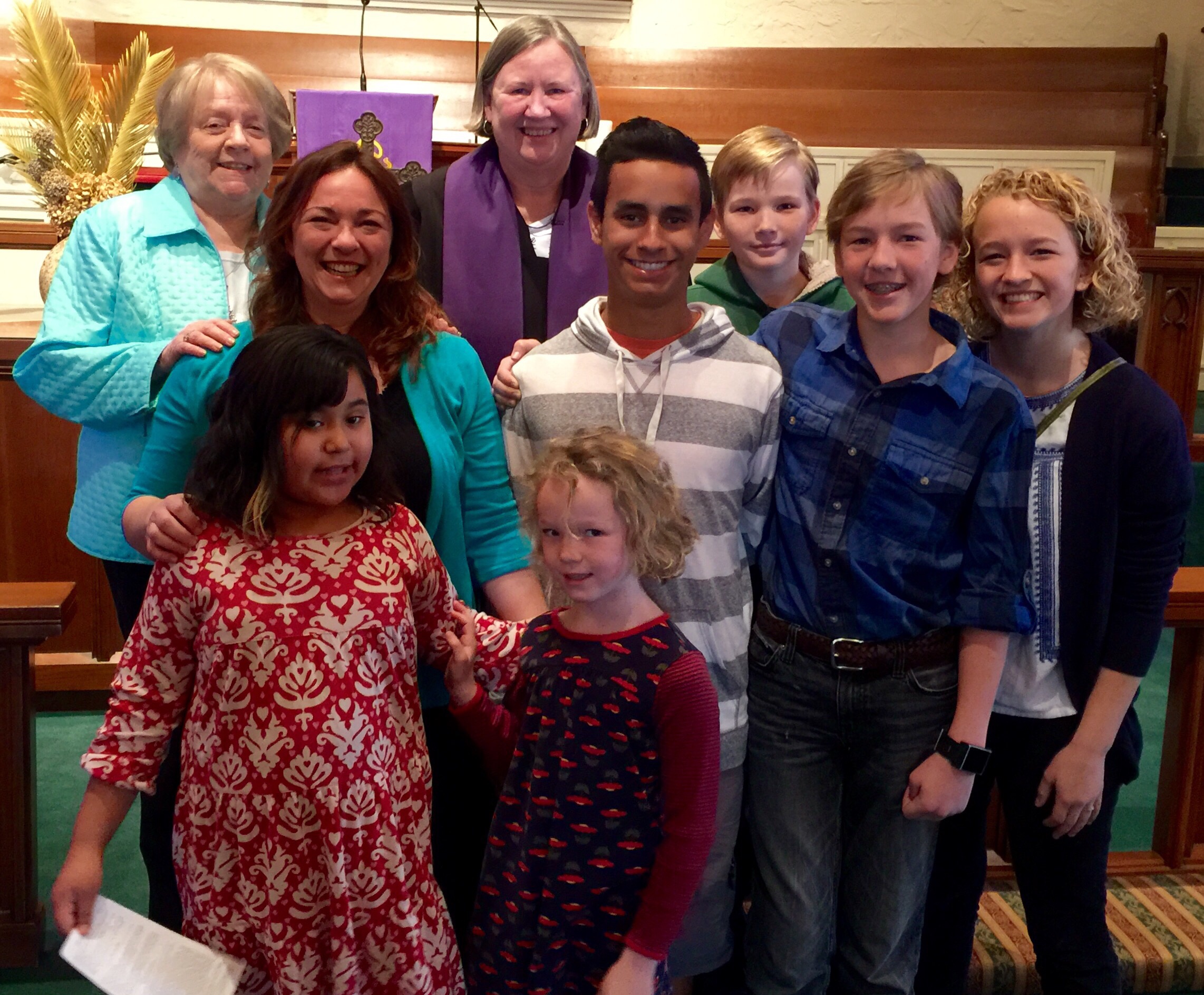
When I’m homesick for Georgia, I sometimes think the problem is just a landscape issue; Lubbock looks so different from the place where I grew up. But a short visit with my aunts at St. Simons Island reminded me that it is people, not just places, that I miss. Since most of my “people” are in central and southwest Georgia, we didn’t visit with a whole lot of family on this coastal trip, but we did catch up with my dad’s sisters at church. As I listened to the familiar voice of Aunt Marcia, preaching in the pulpit, and Aunt Margot, whispering commentary beside me in the pew, I was reminded of all the people, long separated from me now, who nurtured me as I grew up. As the daughter of a Methodist preacher, I reluctantly grew accustomed to moving from one small town to another every few years, but I also became confident of a welcome in each new situation. I was a child of the church, and a warm, new, church family welcomed me over and over. That sense of expectation has never left me, and it has served me well through multiple moves as an adult. Still, I look forward to a homecoming that does not end!  
 
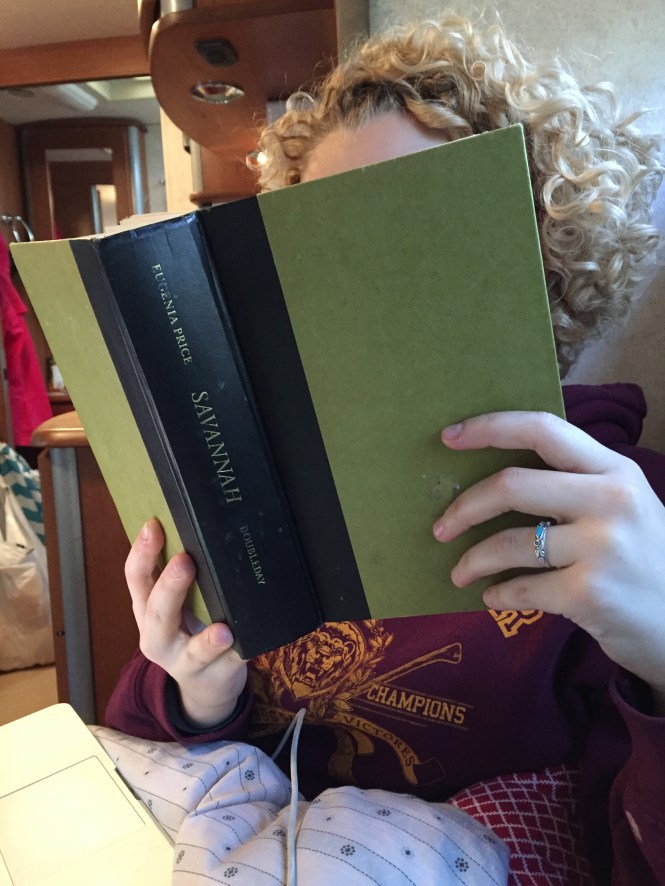
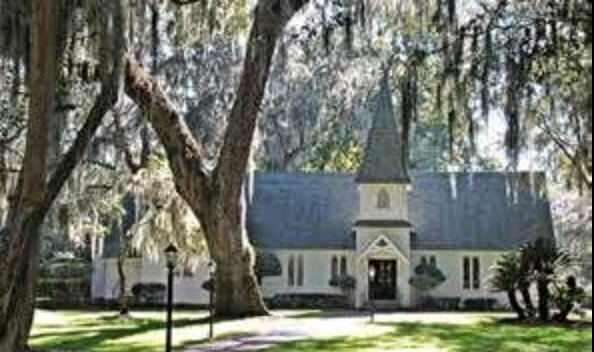
 Growing up, all the girls at my house loved the historical novels of Eugenia Price. I was disappointed not to find any audio versions of her stories, but I did pack a hard copy of The Beloved Invader, set on St. Simons. Jane gobbled it up in a couple of long RV rides.  
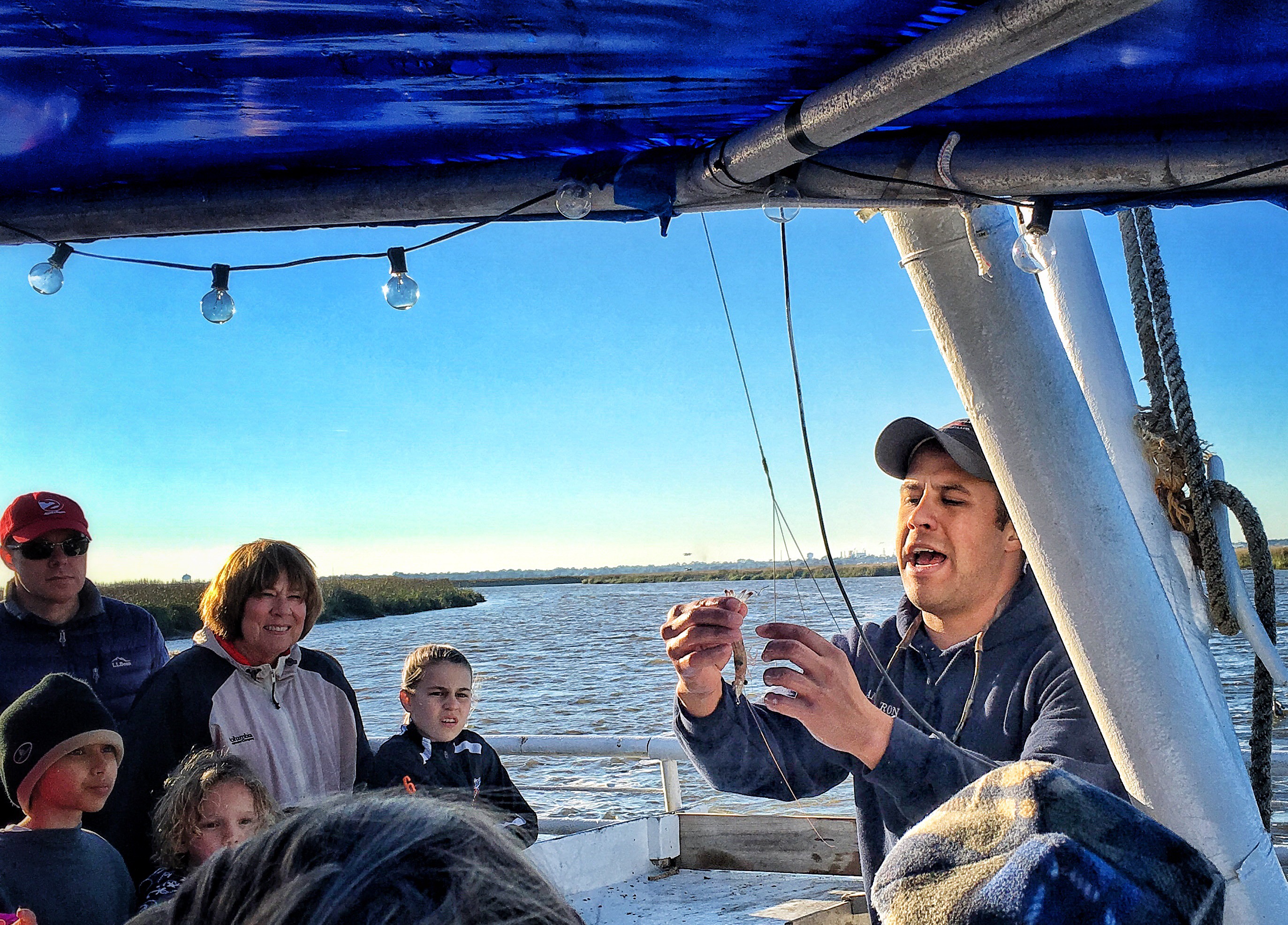
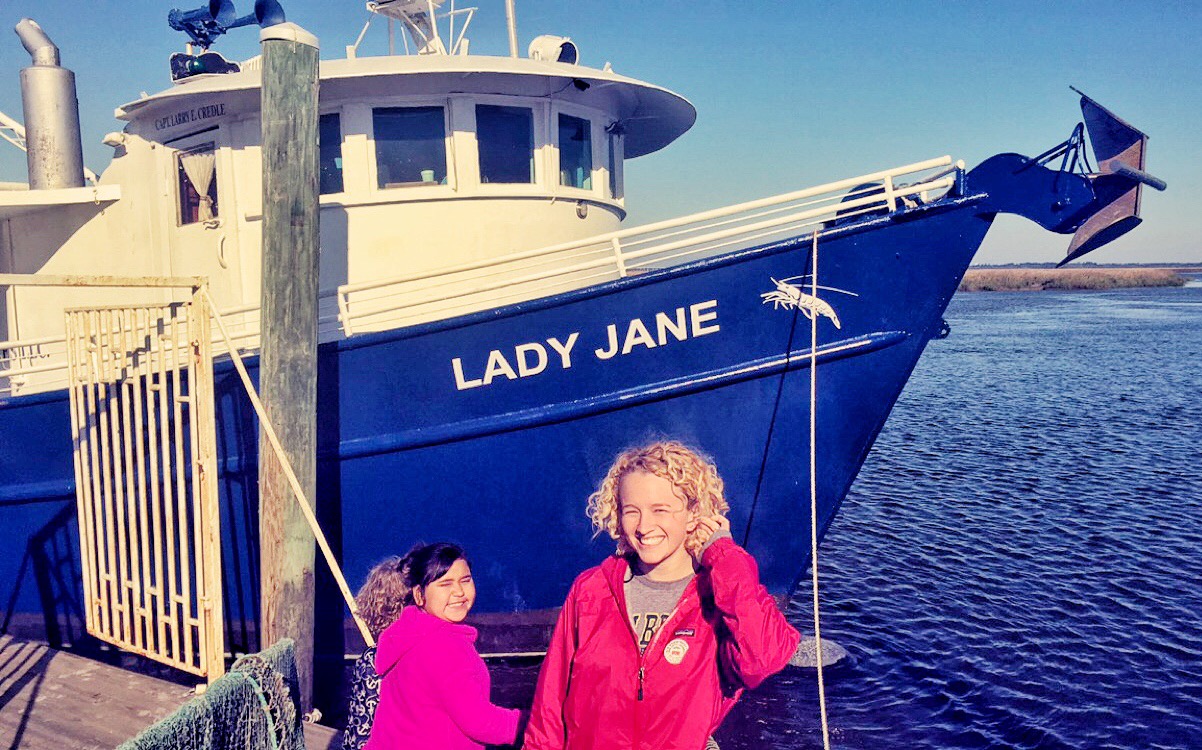
It was too cold for the beach, but we zipped up our jackets and cruised through the salt marshes on a shrimp boat. The crew trawled the net a few times, and then taught us about the creatures they netted.     
Tongue fish. Ew.  
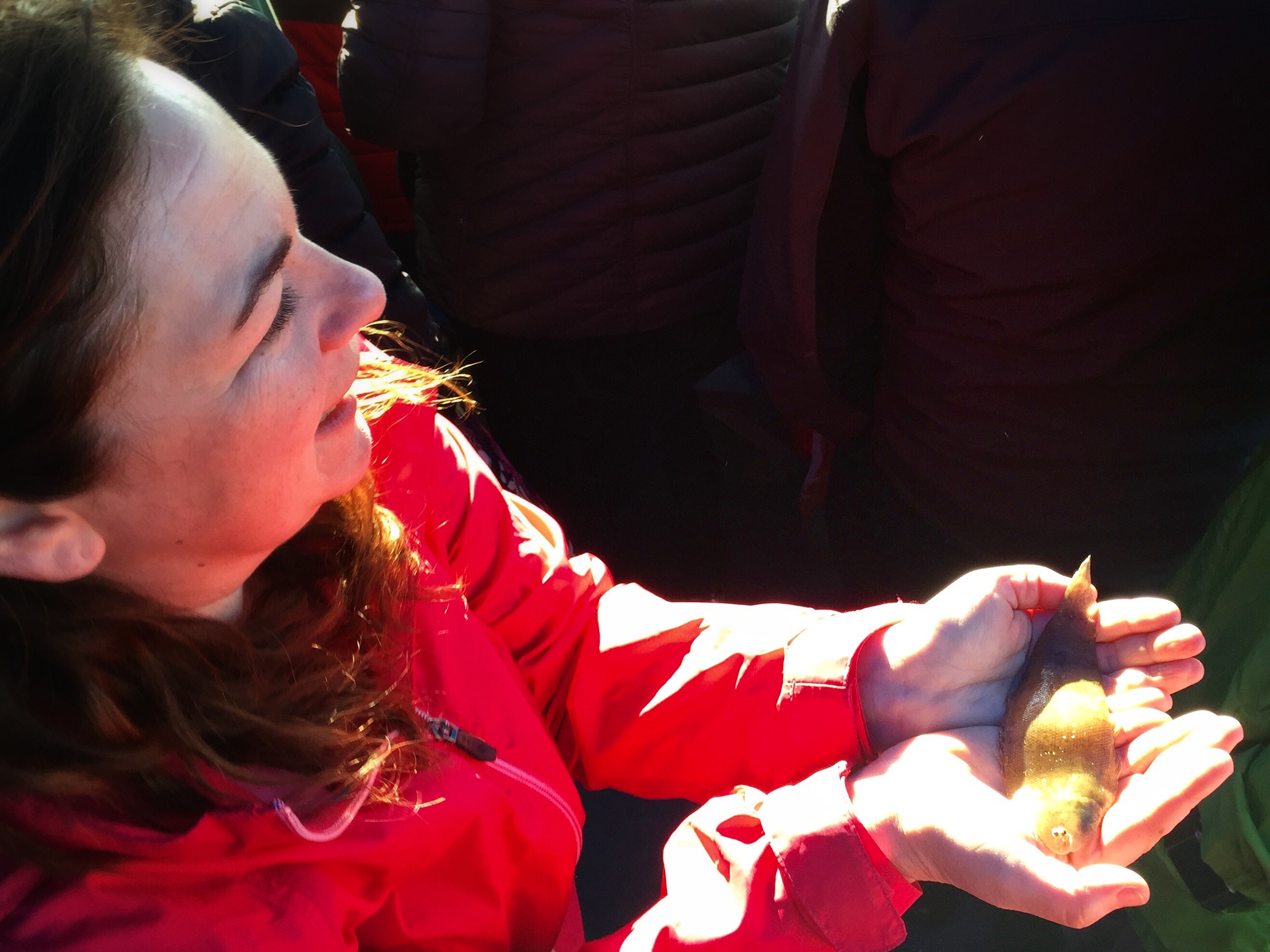
Tickling a horseshoe crab 

Pelican side-show 
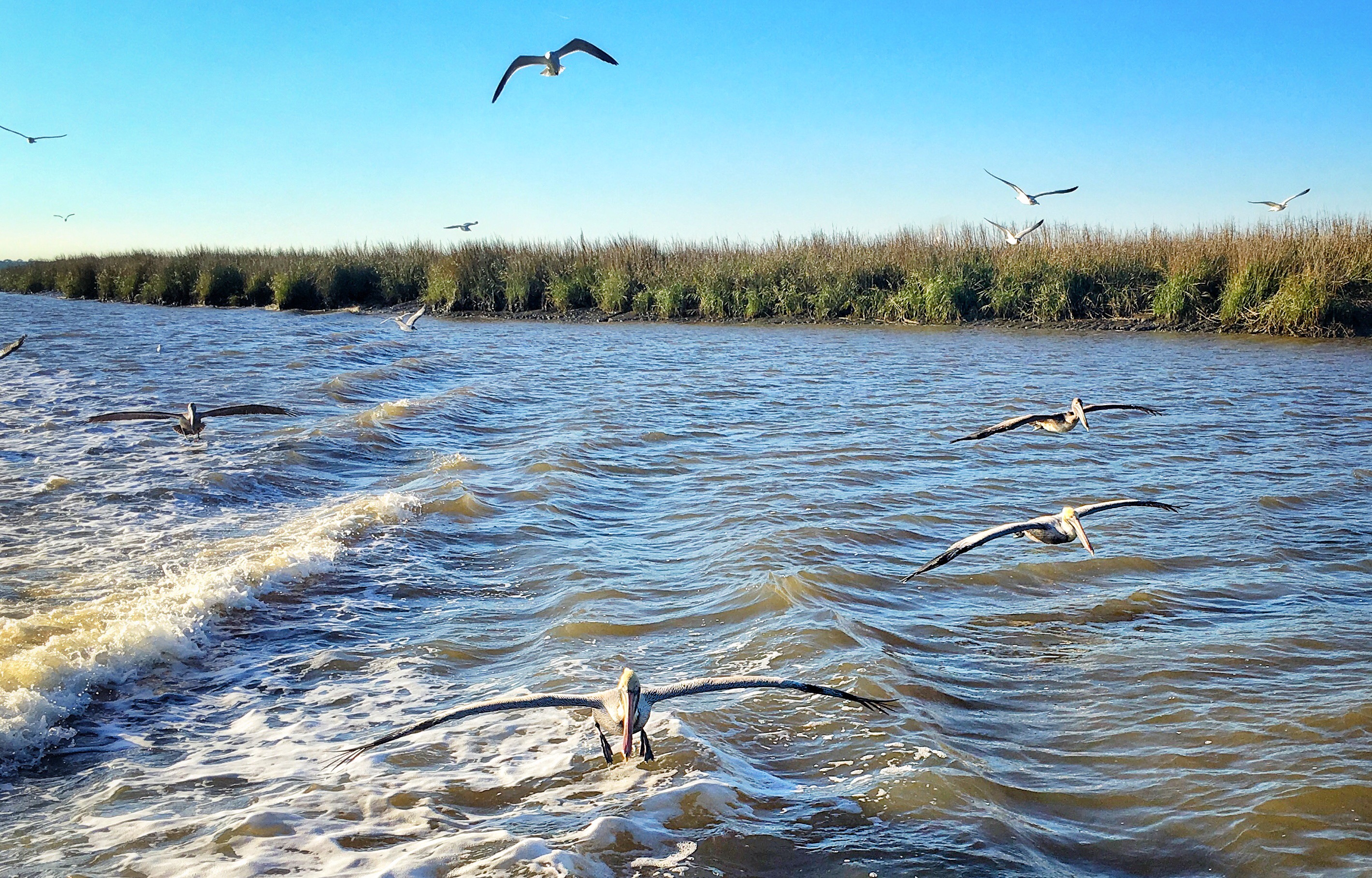
I’ve heard a salt marsh described as an enormous apartment complex for creatures. Even when it seems still, I imagine it bristling with the activity of thousands of animals, birds, fishes, insects, and all kinds of other living things too small to see. It’s also really beautiful.
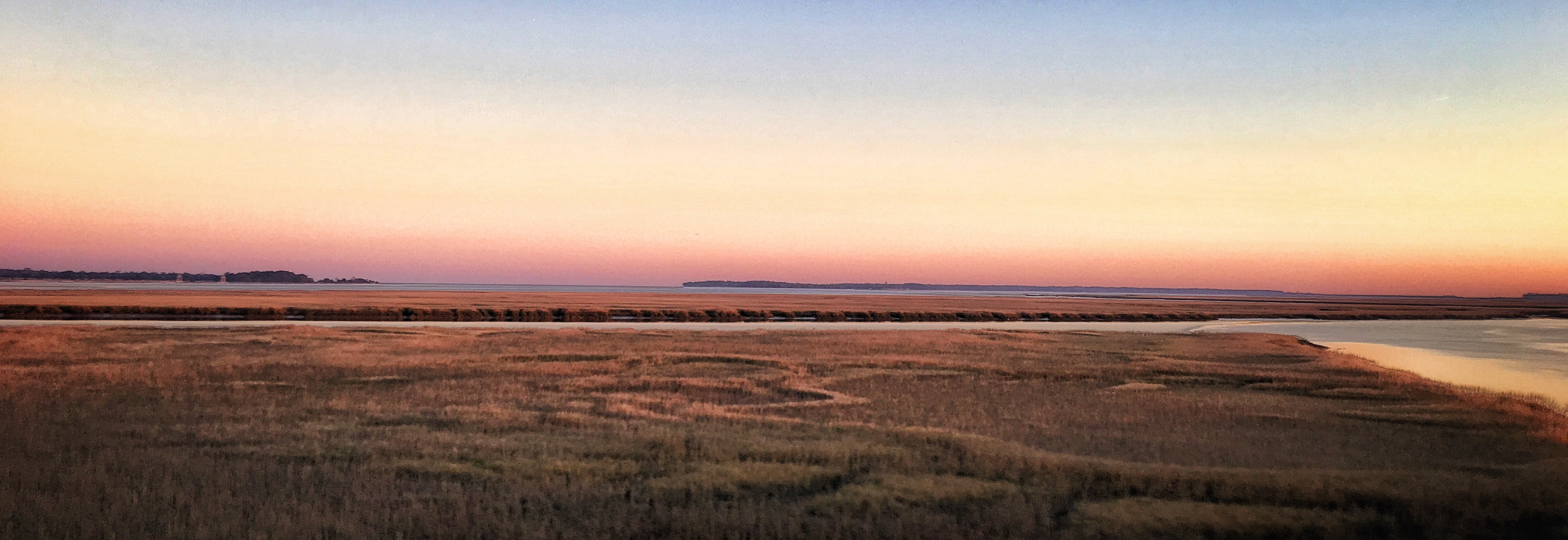
“Oh, what is abroad in the marsh and the terminal sea?

Somehow my soul seems suddenly free

From the weighing of fate and sad discussion of sin,

By the length and the breadth and the sweep of the marshes of Glynn.”

-Sidney Lanier, “The Marshes of Glynn”

Land of Trembling Earth

imageimage

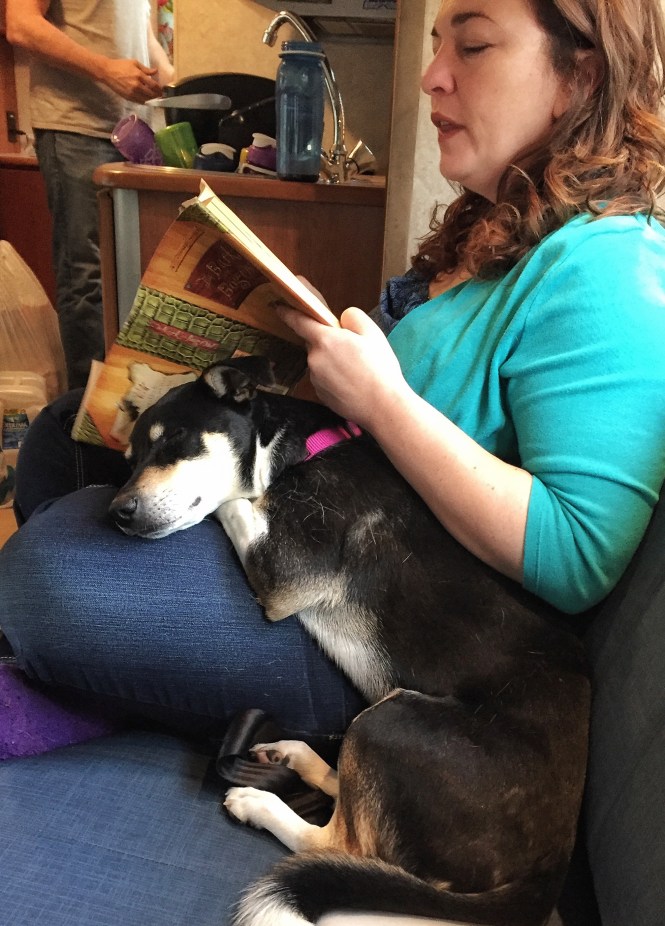
Sometimes it feels like the members of our family are at war with each other. In the confines of the RV, these tendencies toward insult, offense, anger, tirade, and tears are painfully magnified. Reading a book together is often a salve to our hurt feelings. We get still and quiet, and we call a truce for the sake of a story.

image

One of our favorite series is The Wilderking Trilogy by Jonathan Rogers. We knew Jonathan when we lived in Nashville, and we enjoyed his large family and his attachment to our common homeland. (He grew up in Warner Robins, Georgia.) Back then, the older kids eagerly awaited each new installment of Aidan’s adventures on an imaginary island, whose landscape resembles South Georgia. Since the younger kids didn’t remember the stories so well and we were visiting the Okefenokee Swamp, which figures significantly in Secret of the Swamp King, we began reading through the trilogy again. We drove into the swamp, just as Aidan, a character modeled loosely on the Bible’s David, began his swampy sojourn. From then on, our eyes were peeled for feechies. (I can’t tell you what a feechie is, you’ll have to read the books!)

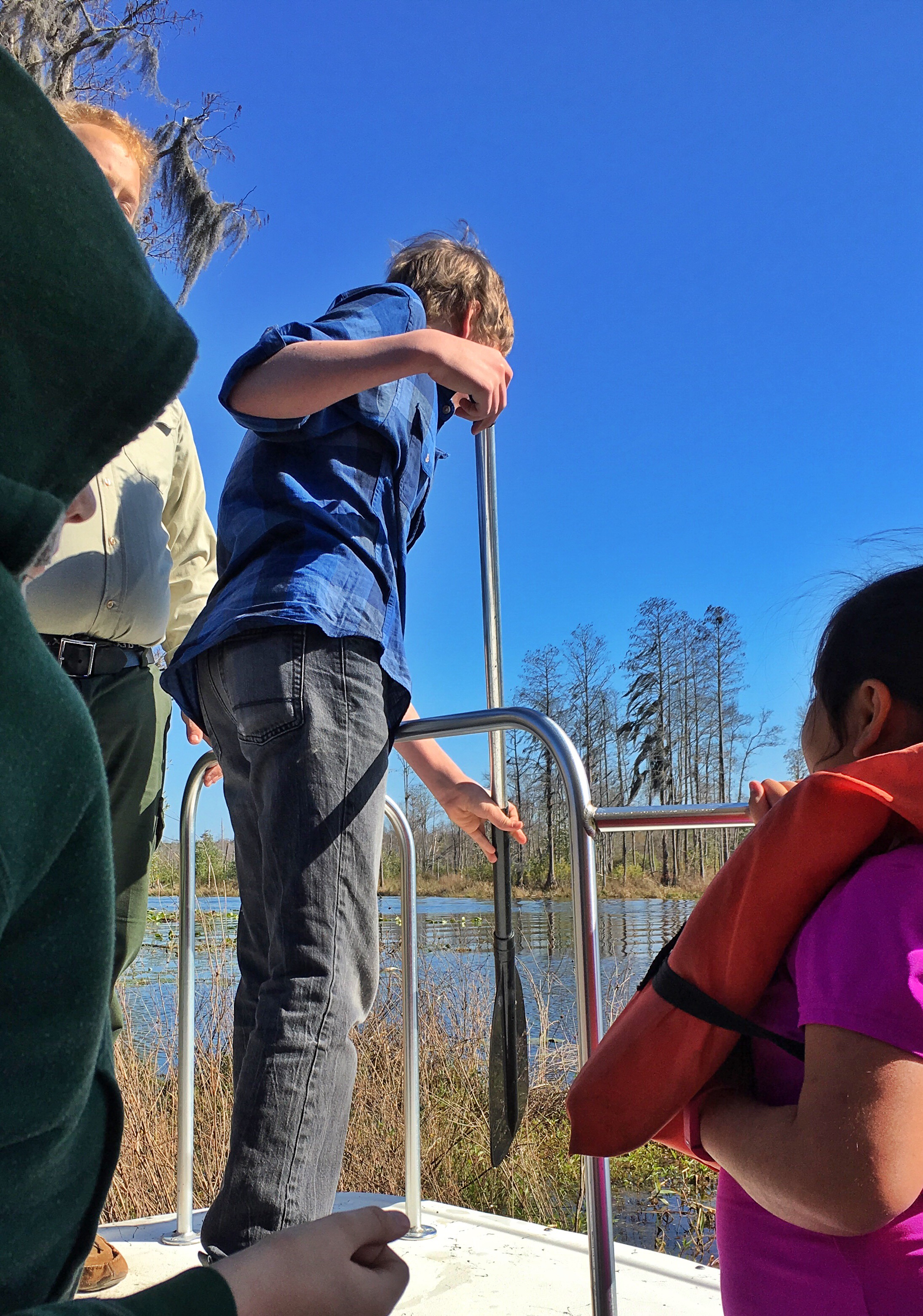
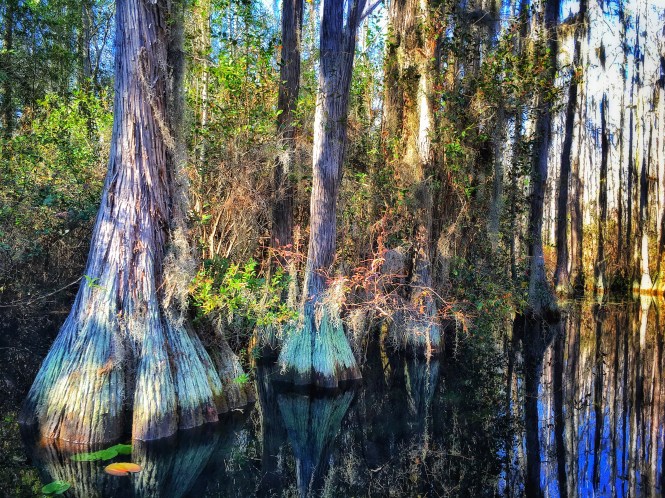
   On a guided tour, we took turns “poking the peat.” Peat is grassy refuse that is carried along in the water until it piles together enough to form the “land” in the swamp. It’s not always very stable. This is how Okefenokee got its name, which means “land of trembling earth.”

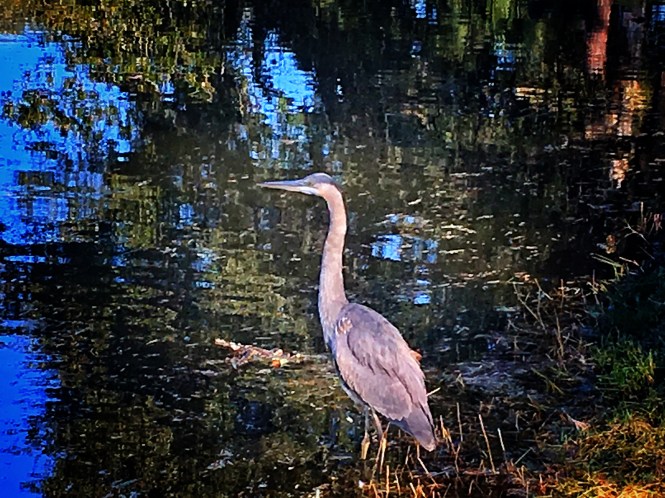
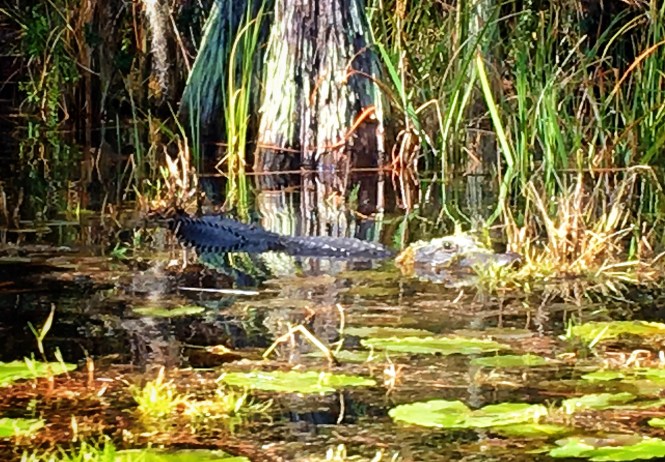
 We learned that the scales on an alligator’s back are called “scoots,” and they act like solar panels. They also have an extra set of clear eyelids, like built-in goggles, for seeing underwater.

imageThere were water birds than we could come up with names for.

image

Swinging through the woods feechie-style

image

imageimage

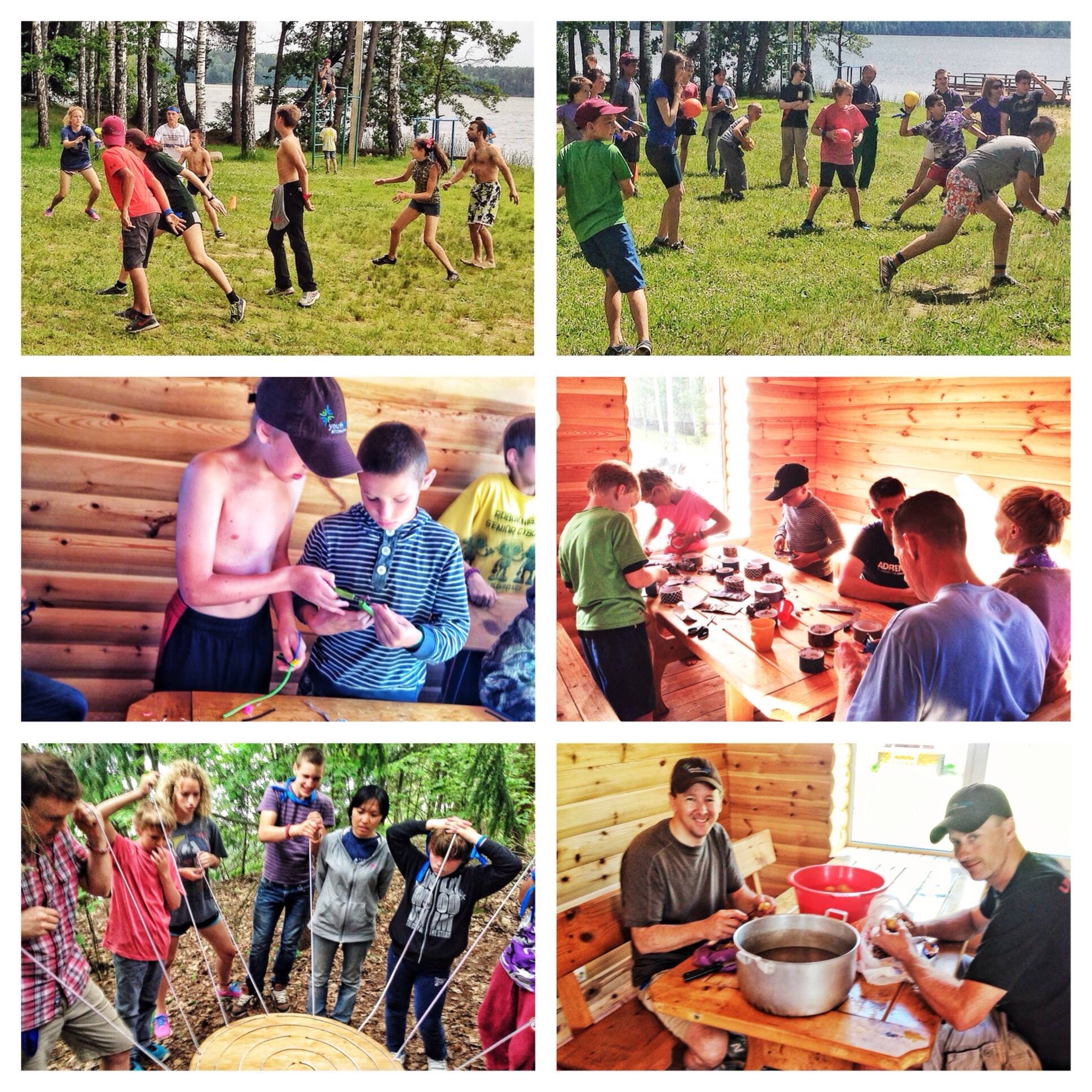
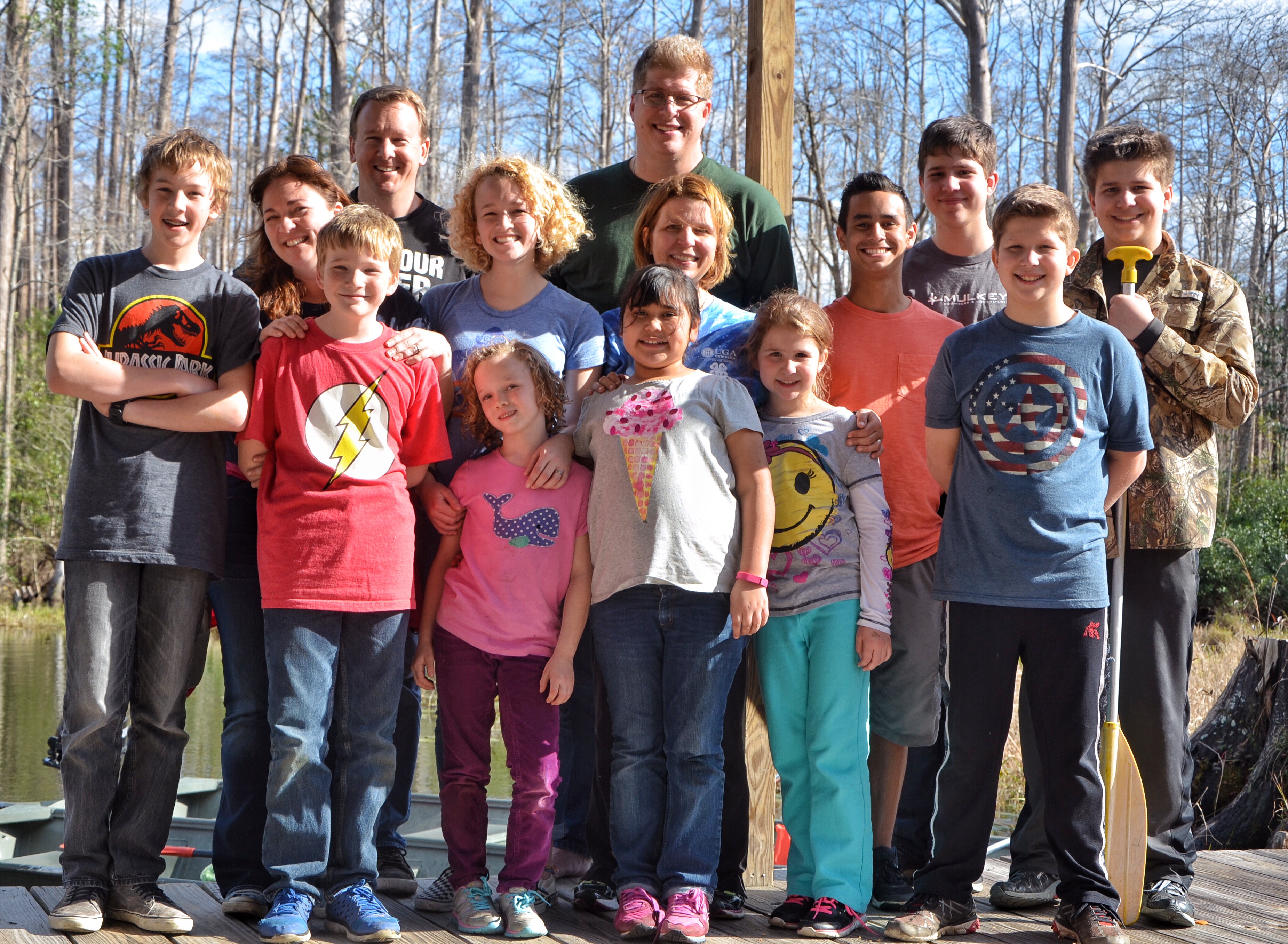
Completely unbothered by the five-hour trek, our friends, the Brownes, drove down from Monroe to join us for a day in the swamp. We met the Brownes through Lifeshape, a group within Chick-fil-A that matches employees with ministries around the world. Brandon has traveled to Russia several times teaching leadership and business seminars to equip local orphanage mentors and help connect them with job opportunities in their communities. A couple of summers ago, our family was invited to participate in summer camp in Belarus along with kids from a nearby orphanage and the church members in their town that mentor them. That’s when the Browne and Mulkey kids cemented their friendships.  

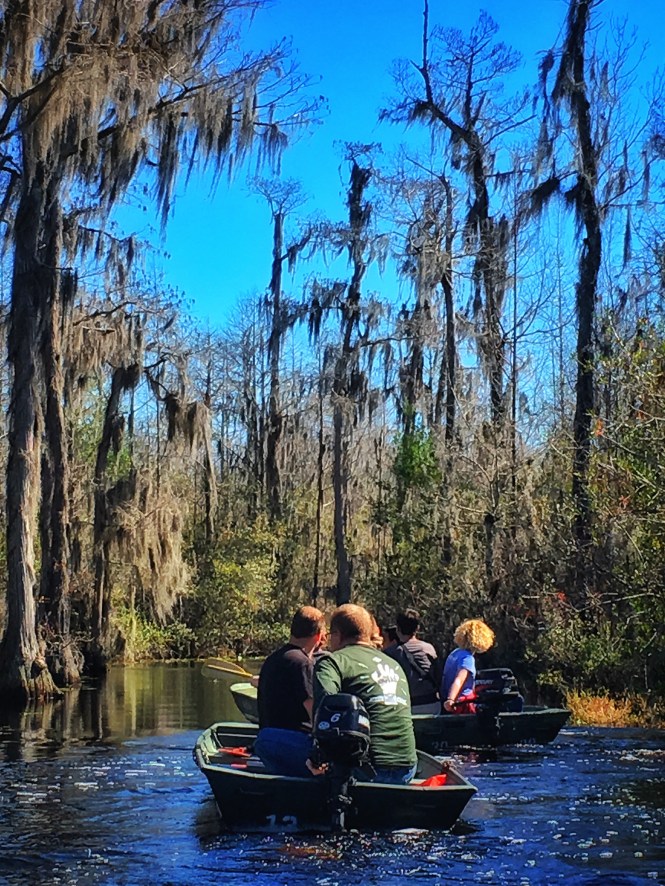
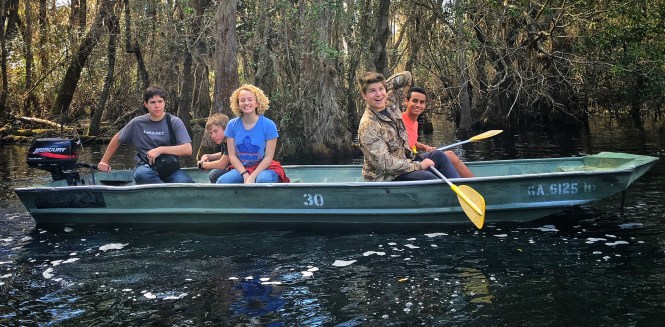
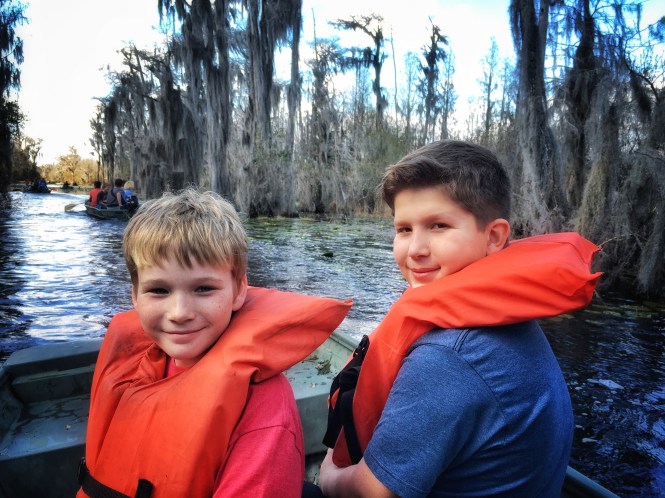
Our swamp time was no less exciting. We rented boats and wandered through the watery wilderness all day.

image

image

image

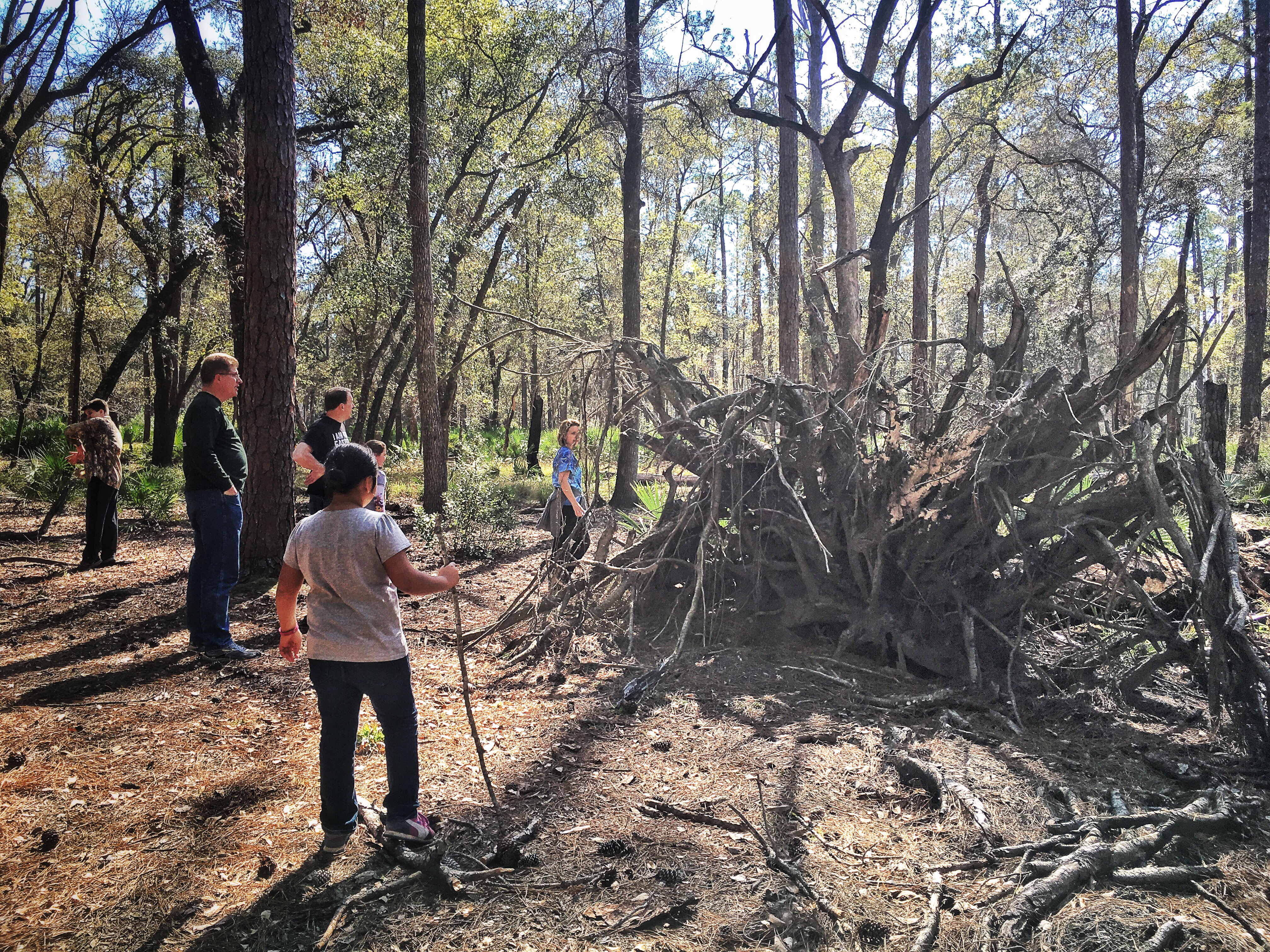
image   Checking out the fire damage at Billy’s Island (named for Seminole Chief Billy Bowlegs). The last big fire burned for almost one year.

image

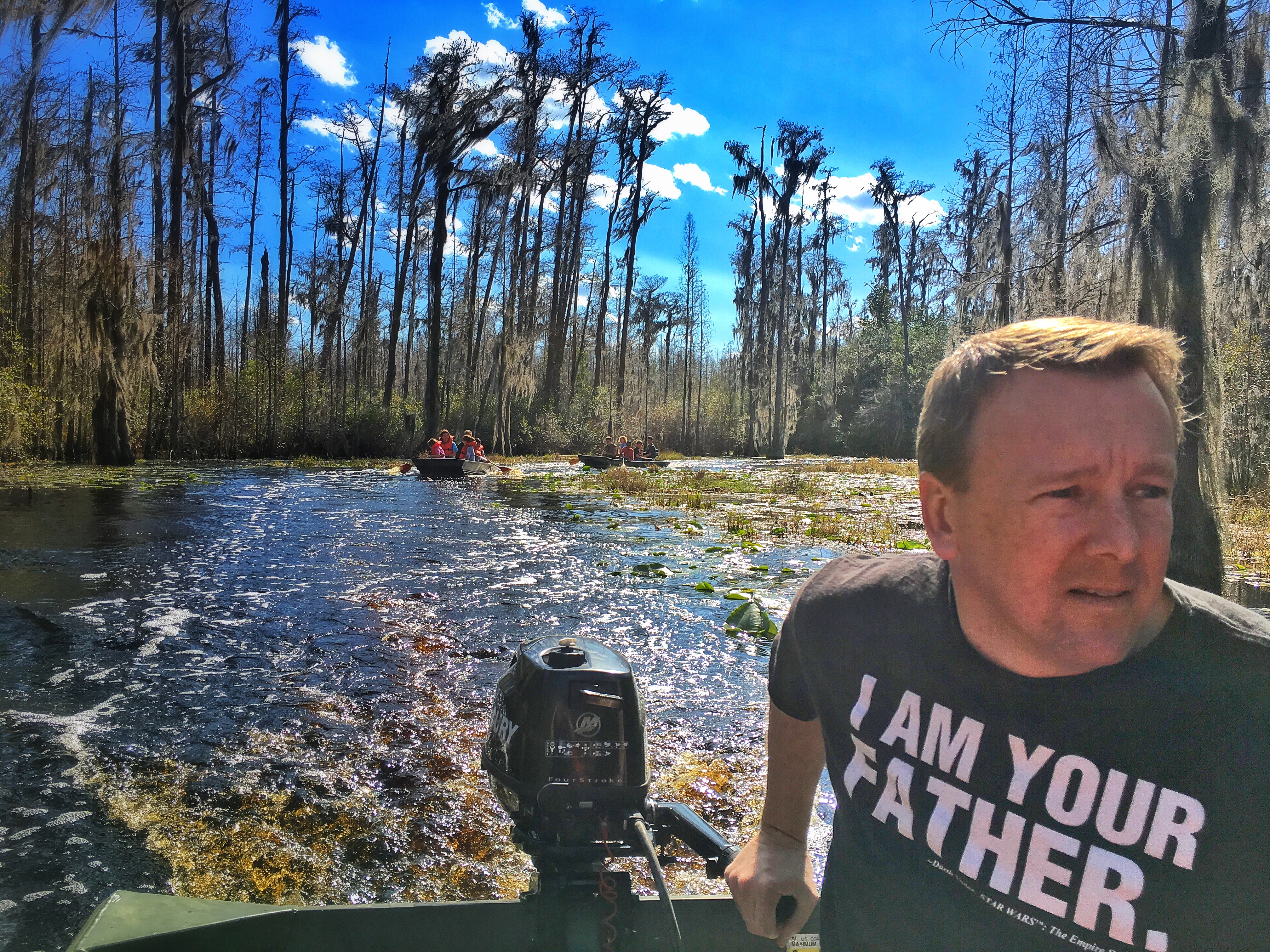
Not only is there a very cute captain driving this boat, but in the pic you can see how yellow the water is. The ranger claimed tannins kill 98% of the bacteria, so it’s safe to drink. My kids drank a lot; no diarrhea, yet…

On our way out of the swamp, two friends from my school days in Jesup met me for breakfast. For a few hours Becky, Shellie, and I were transformed into the chattering, giggling girls we used to be. And we were a little surprised, I think, that we had changed so quickly into grown-ups, with children of our own, who are the age we were at the height of our friendships. My kids ate breakfast at an adjoining table, eyebrows raised at the sudden increase in my twang and the rapid rate of our conversation, some of which was completely incomprehensible to them!

image

Moon River and Me

image

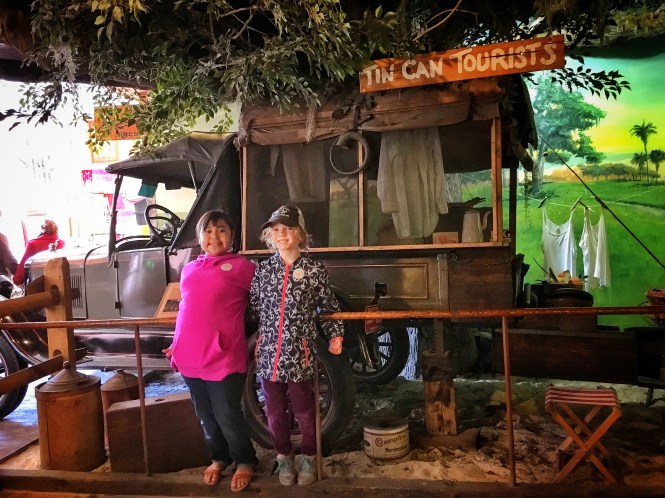
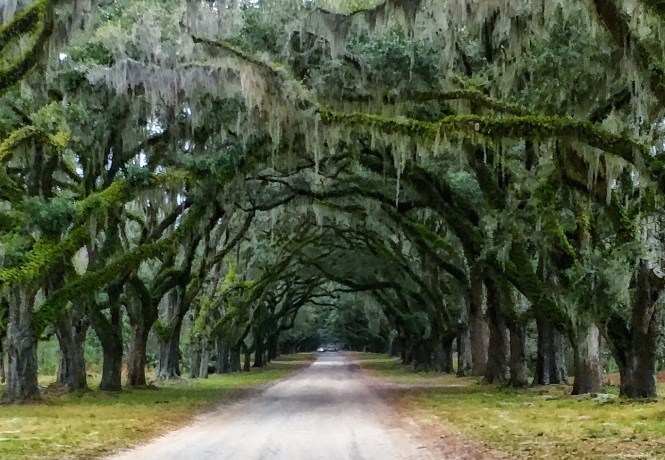
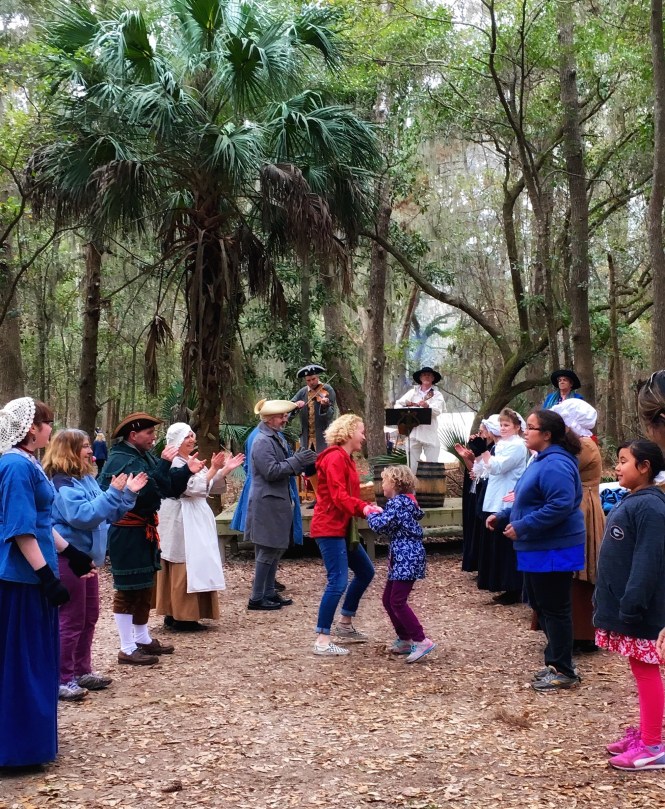
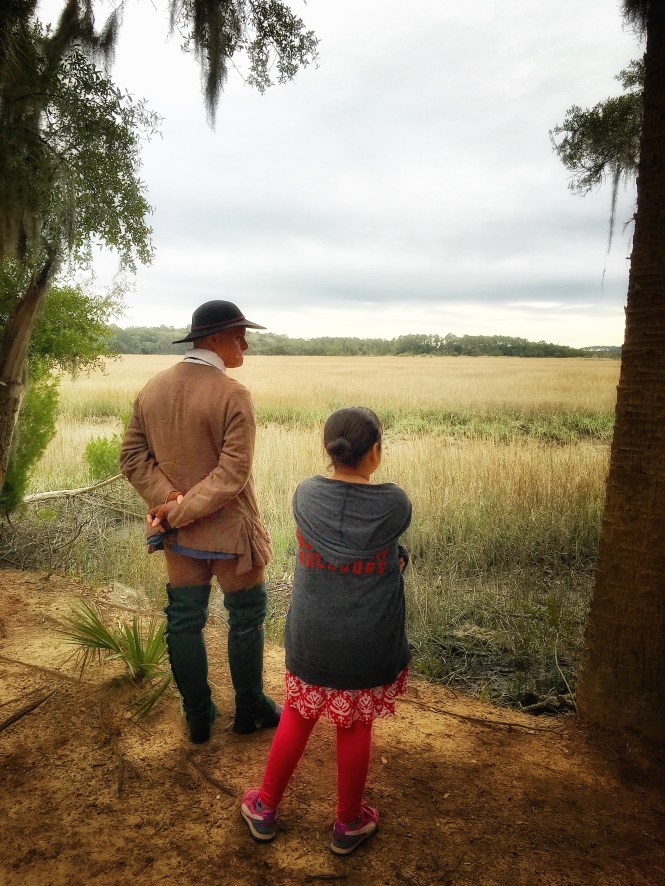
Like Tin Can Tourists of old, we love free stuff, so we made a beeline for Savannah and the Georgia History Festival. All weekend, museums and historical sites were free. We started at Wormsloe Plantation and the Colonial Faire and Muster event.

image

image

image

image

image

image

image

image

image

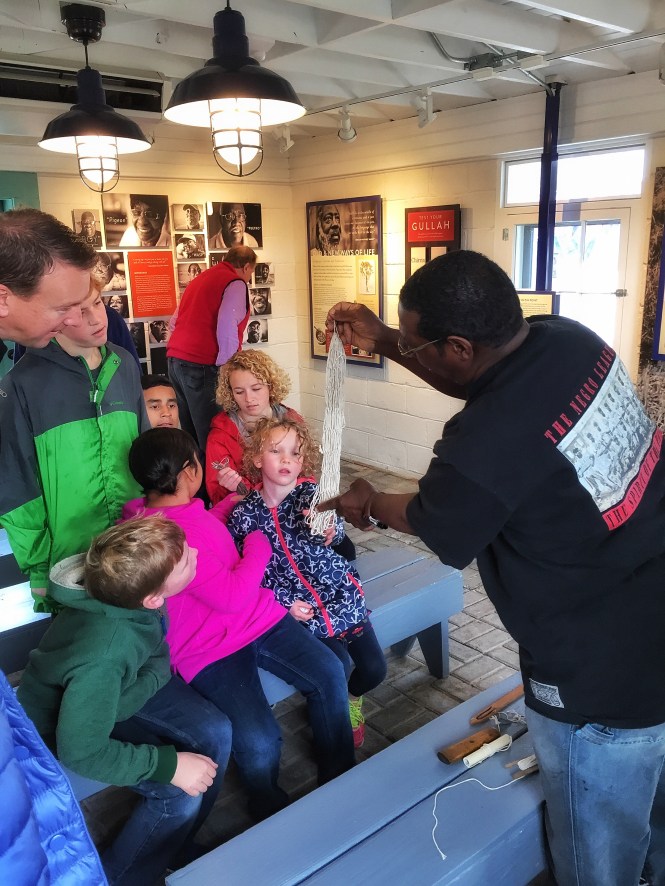
Crossing Moon River (an inlet named after the Johnny Mercer song from Breakfast at Tiffany’s), we camped at Skidaway Island. Nearby is Pin Point, a once-isolated coastal community established on land purchased by freedmen. Supreme Court Justice Clarence Thomas grew up there; everyone called him “Boy” back then. At Pin Point, we were greeted with key lime cupcakes, lessons in Gullah lingo, and demonstrations of crab net knitting. The small museum there, usually open Thursday-Saturday, walks visitors through the workings of an oyster factory and offers a glimpse into a unique American community. It’s a little off the tourist path, but it is well worth experiencing.

image

image

image

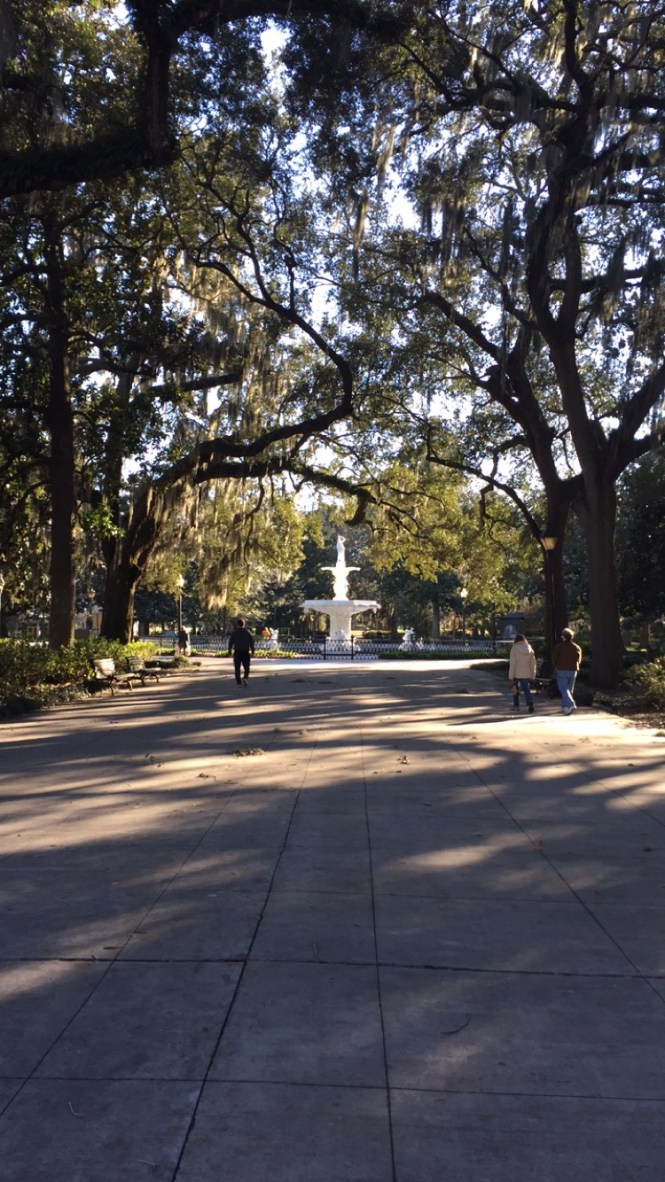
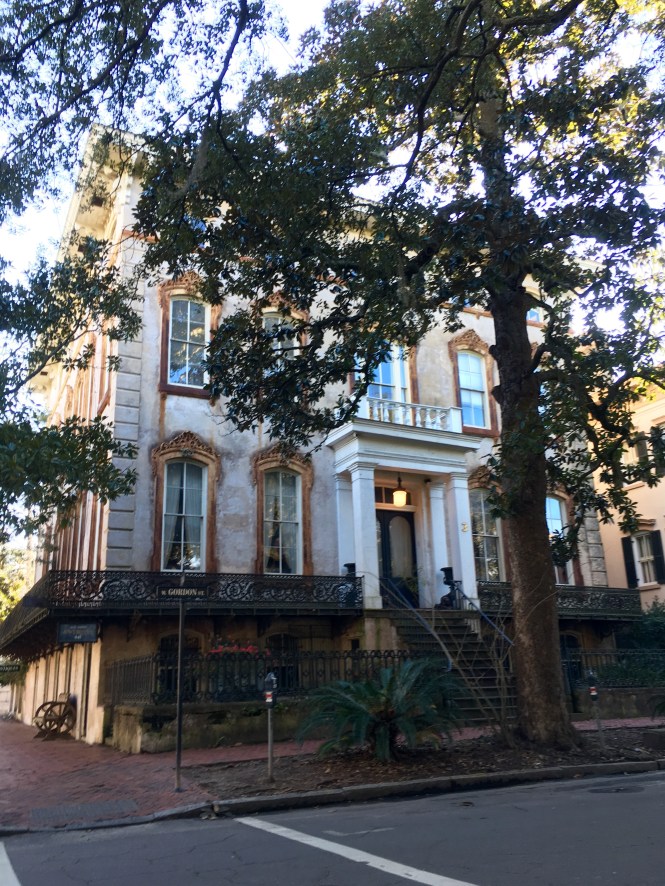
In the city, we wandered through shady old squares, trying to convince the kids to resist handling the Spanish moss. Every time I washed clothes, I dreaded finding a wad of moss (and its itchy inhabitants) in some kid’s pocket. So far, no one is scratching. We walked through a historic home, looked for Forest Gump’s bench, and visited the synagogue of Congregation Mickve Israel. It was founded in 1733, just six months after Oglethorpe established the Georgia colony, by settlers fleeing persecution in Portugal.

image

image

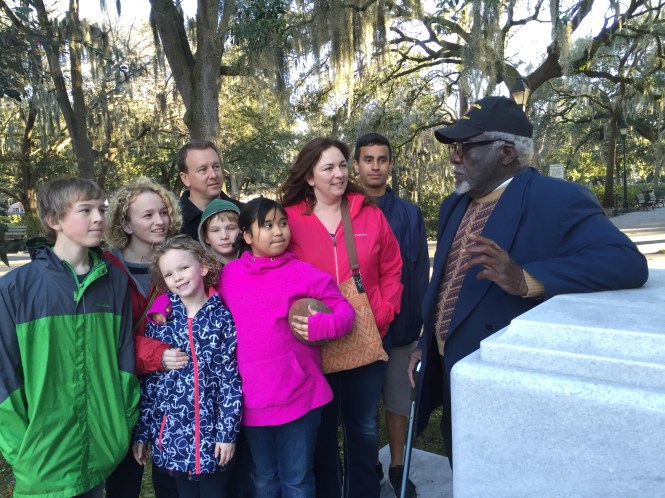
As we strolled along, admiring tributes to heroes from Tomochichi to Casimir Pulaski, we ran into a living hero, Lt. John White. Lt. White was having his picture taken beside the World War II memorial for a news article, and the photographer asked us to be in the photo, too, posing as tourists listening to White’s stories. And did we get stories! Lt. White greeted us in the language of one of the Polynesian islands where he served with the first African-American combat unit. Later, he was the first black police officer sworn-in for Savannah and the state of Georgia, and he was a bodyguard for the Rev. Martin Luther King, Jr., when King visited Savannah. He also told us about his memorable arrest of a preacher, who signed people up for insurance all over Florida and then murdered them. The murderer confessed in his sleep!

image

Here’s a link to the news article:

http://savannahnow.com/accent/2016-02-11/looking-pearls-savannahs-john-white-innovater-treasured-legend

image

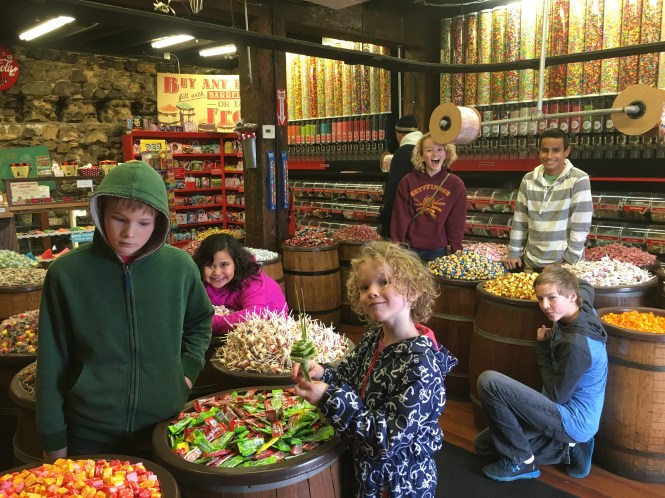
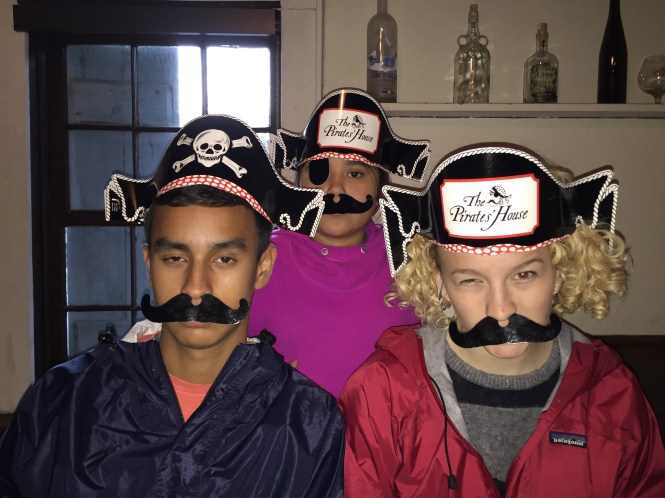
We celebrated Fat Tuesday at the Old Pirate House and the Savannah Sweet Shop.

image

image.jpeg


Fried Bobby

After a long day of driving, we rested briefly at the home of our old friend, Mary, in Columbia. Mary fed us, and we attempted to catch up on the events of the eighteen years since we’d last seen each other. We last visited Mary when she was living in a convent in Chicago (not as a nun). She worked in various programs hosted by the order, and her tour of the convent and community peaked my interest in Dorothy Day and the Catholic workers movement. Nowadays, she is married to George, a native of Greece and a marine geologist, and they have a daughter, Sophia. They work at the University of South Carolina. I was delighted to find Mary much like always; she’d just returned from studying in Paris when I first met her, and she was continually slogging through some novel written in French. Now she’s learning Greek, so she can talk to her in-laws.

image

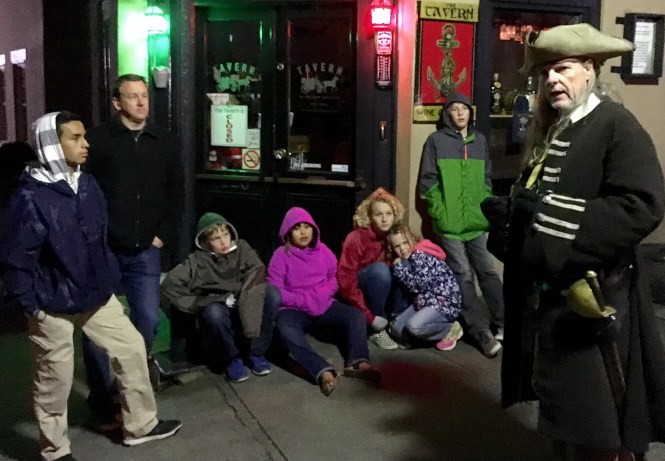
We managed to make it to Charleston without ever encountering rain, but we ran ourselves a little ragged trying to squeeze two days of activities into one: boat ride to Ft. Sumter, dress parade at the Citadel, eating and strolling and eating and strolling. After dark, we scared ourselves silly with a pirate and ghost tour.

Raising the U.S. flag over Ft. Sumter and working on the hardest Jr. Ranger badge ever. We decided it should’ve earned a Sr. Ranger designation.

We don’t have camellias in Lubbock, so I stopped to greet every one I met in Charleston.

Cadets punctuated every sentence with copious “yes ma’ams” on the Citadel campus.

image

There may have been a few nightmares following the ghost tour.

As we walked past the rows of stately, pastel-colored houses, I recalled an ill-fated trip to Charleston in my youth. I confessed it, while we trekked to lunch on King Street:

When I was in college, I was crazy about a boy named Bobby. He had large, beautiful brown eyes, a sister (my good friend) with red hair, and was destined to take over the family farm in South Georgia. I’d been told our great-grandfathers were childhood friends. Clearly, he was my destiny, and I pestered his sister to fix us up. Finally, I got my way.

We enjoyed a series of epically charming dates, to my mind at least. One Friday evening, having exhausted the romantic destinations available locally, I suggested we drive to Charleston. “I’ve never been there,” I bemoaned, “We could get there in time to see the sun come up at the beach.”

The sunrise was lovely. If Bobby, possibly fatigued from a long night of driving, was somewhat reserved, I had enough enthusiasm for both of us. We went to town, strolled the beautiful old neighborhoods, and ate shrimp and grits.

Our happy idyll ended in a car wreck just outside of Charleston. We weren’t injured, though Bobby, who’d been napping in the reclined passenger seat, slid under the seatbelt and woke up in the footboard. The car, however, was a mess, and we were hours from home. A policeman dropped us at a McDonald’s, where we used the payphone to call Bobby’s sister. She arrived after dark, and we rode back to Athens in silence and with the windows rolled down. We stank from our morning at the beach.

I didn’t hear much more from Bobby after that. Crushed, I harassed his sister for an explanation of what went wrong.    “Well,” she finally conceded, “I think he was a little overwhelmed. Like on the drive to Charleston when you talked so much and asked so many questions.”
“What questions?” I pressed.
“You know,” she answered gently, “Stuff like ‘What are you thinking about?’ It made him kind of nervous because he wasn’t thinking about anything, really, and he had to come up with something.”
“Oh,” I said, a little more shine wearing off my Charleston adventure.

We arrived at Kickin’ Chicken, our lunch destination. The children were still shaking their heads about my irresponsible behavior.
“You won’t even drive after dark anymore!”
“I can’t believe you wrecked the car; what did Poppy say?”
“Now I know what NOT to say to a boy.”
“Hey look at that!” I interrupted, pointing to the side dishes on the restaurant menu.

Bobby Fries: French-fried potatoes with cheese, bacon, and a special ranch sauce.

We ordered a large basketful.

The Dodge


For the first time in the history of our family, we left town before our estimated time of departure. We were motivated by fear. A winter storm was approaching, and we needed to get out of town ahead of a nasty wind. Problem was, where to go? We wanted to travel down the Atlantic coast from Charleston to the Keys, and since we had time constraints, it was necessary to get to Charleston quickly. Unfortunately, the storm that brought wind to Lubbock was also spawning a wall of thunderstorms from Louisiana to Georgia. Little red tornado symbols dotted our route.
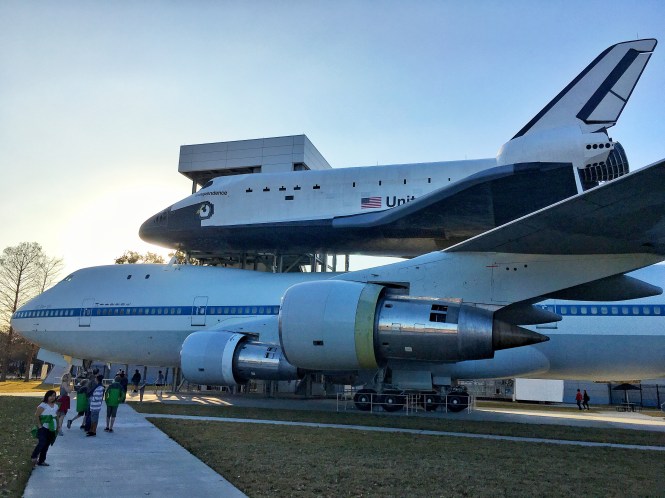
At Abilene, we decided to veer south. If we had to wait out bad weather for a day, why not visit the Space Center in Houston rather than a casino campground in Shreveport? (We aren’t big gamblers, but the bathrooms are really nice at those RV parks.)

image

Mission Control from the Apollo missions era

image

Saturn rocket

image

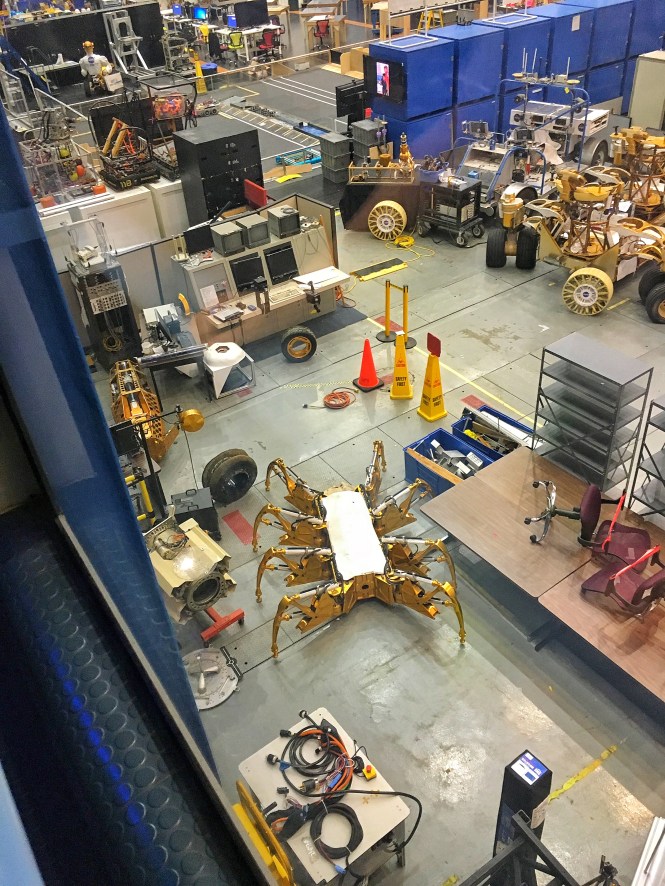
An engineering project on the testing floor


image

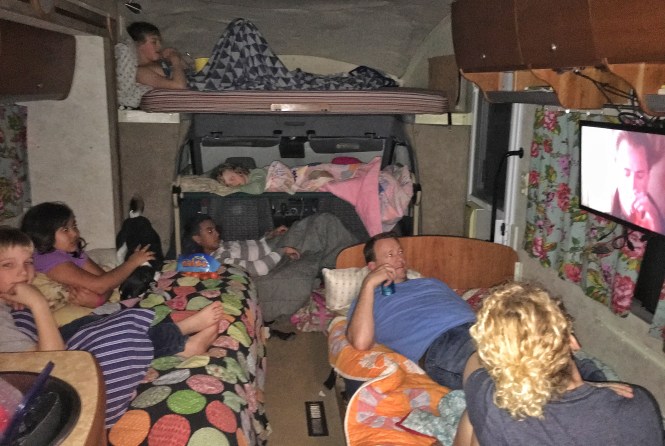
We capped off our visit by watching The Right Stuff and instantly creating a new generation of Chuck Yeager and John Glenn fans. In the movie, Yeager casually agrees to test a new plane, which might be capable of breaking the sound barrier, as he sips his beer in a ramshackle desert bar. Georgia exclaimed, “Just like that? He didn’t have to sign any papers?” Poor 21st century kid. I pretty much have to sign a release form for her to even get out of bed in the morning.

image

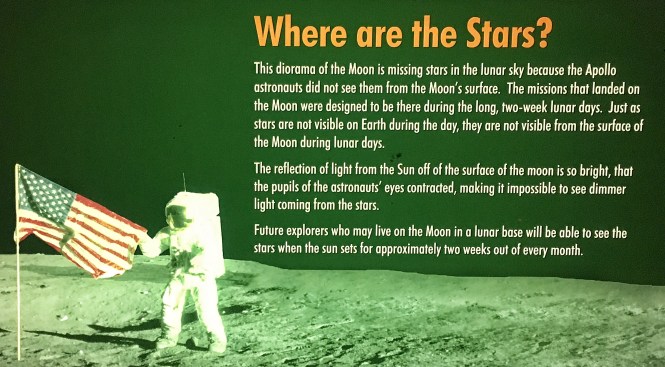
Brandon told the kids about how many people believed the first moon landing was faked. This led them to the source of all reliable information on conspiracies, odd occurrences, and strange facts: the Good Mythical Morning podcast. (My boys are still loyal to Rhett and Link, despite not being invited into the studio when we staked out their parking lot on a trip to Los Angeles. I think if they’d known about our Middle Georgia roots, we’d have been shown right in.) Here’s a link to their show on debunking the moon landing conspiracy theories:


We camped on Galveston Island. Galveston looms large in my imagination because of a book I read several years ago about the Hurricane of 1900.

It wasn’t rainy, but there was a thick, spooky fog hanging over the beach much of the time we were there. My mind was already on the weather, as I tracked the progress of the storms ahead of us, and I decided we should download the audiobook of Isaac’s Storm. I love Erik Larson books. His books are non-fiction, but they read like novels, and they are packed with juicy details, which he excavates from mounds of decaying letters, journals, and historic documents. We explored the old downtown, searching for remnants of the great city described in Larson’s book. A friendly dog-walker pointed us toward the neighborhood, close to the beach, where Isaac Cline’s well-built home had stood, and we rode a ferry to the Bolivar peninsula at the same spot where a locomotive full of passengers disappeared into the bay on the day of the hurricane.

Isaac’s Storm is full of all kinds of crazy weather stories, but it is most compelling because it draws a tragic picture of how the pride of the age contributed to the loss of 6,000 Galveston residents. We chewed on the warning, as we traveled east, keeping well behind the big green blobs on the weather.com radar maps.