Empire State

I’ve visited New York City a few times because I have a good friend, Alicia Hansen, who has lived there for many years. She once hosted our whole family for a week in her one-bedroom apartment. Even with our best tip-toeing efforts, we nearly caused her to be kicked out of the building! This time, we visited her in the Berkshire mountains, where the neighbors are not directly underfoot.
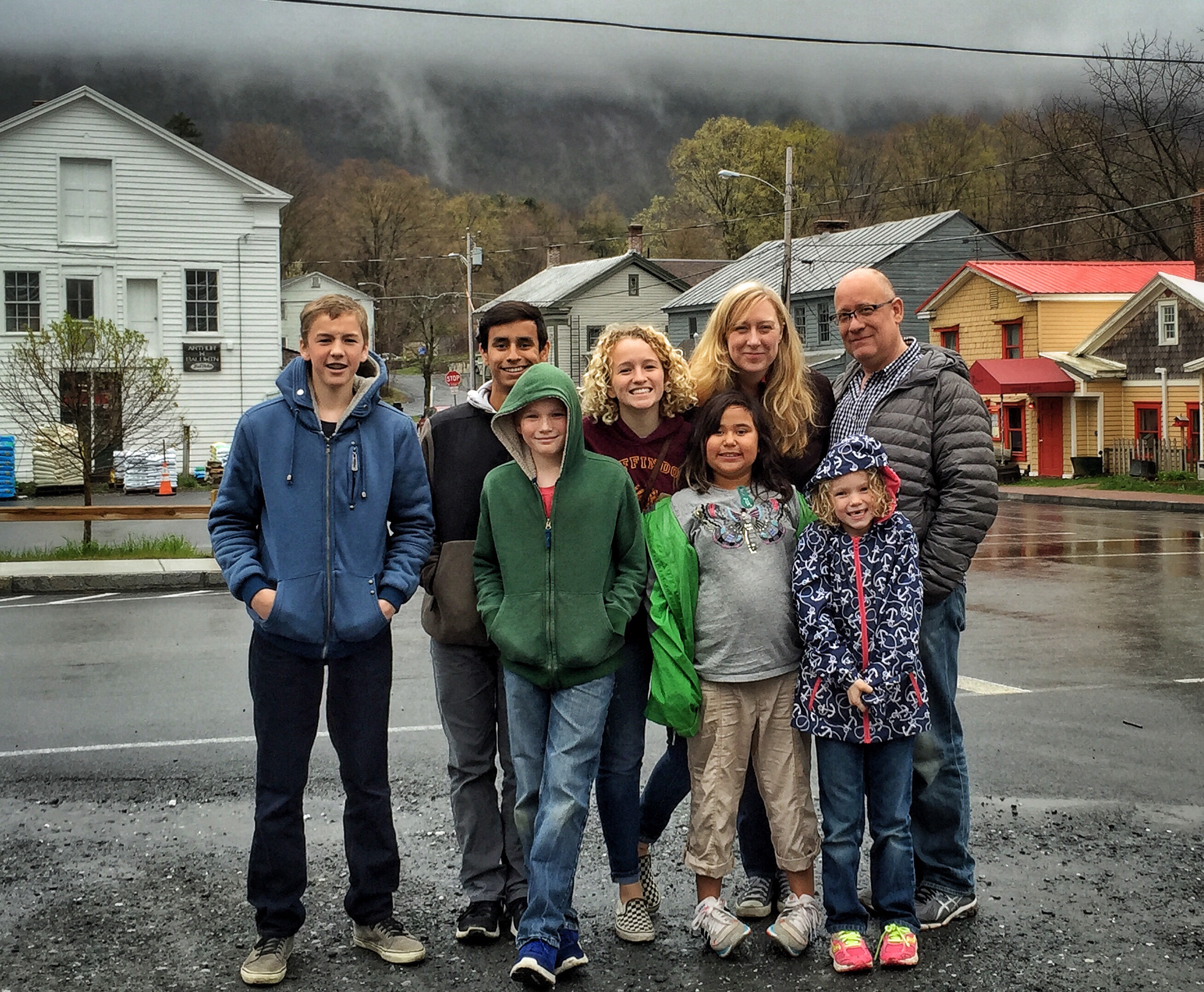
While Jane searched in vain for traces of the wilderness mission outpost described in the Jonathan Edwards biography she was reading, we did find evidence of the novelists and artists the Stockbridge area has long attracted. Herman Melville and Nathaniel Hawthorne lived, worked, and mutually admired each other for a time here. (They seemed have left a footprint in almost every place we visited in New England.) We also stopped in at the nearby Norman Rockwell studio and museum.
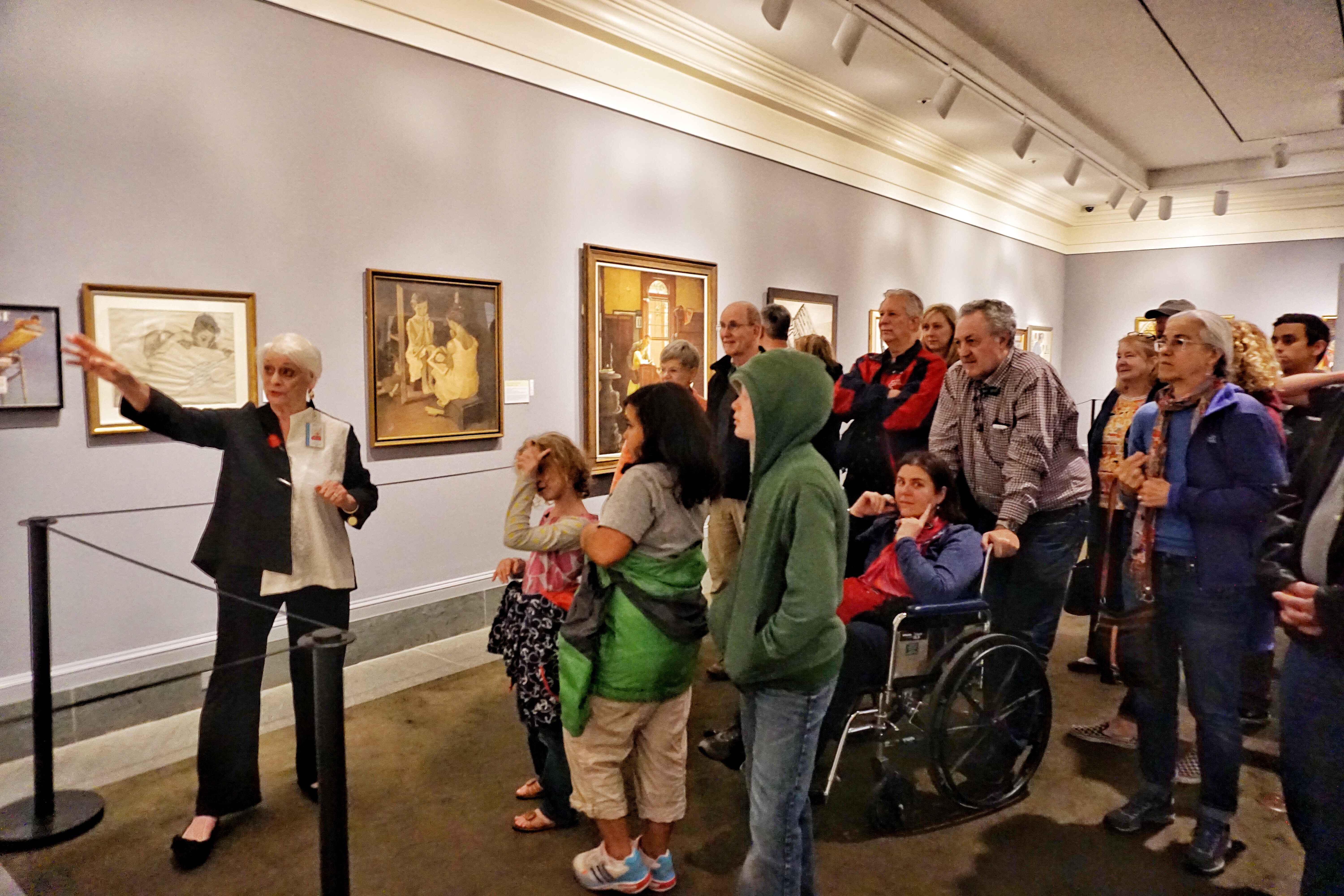
The museum docent told funny stories about various local people who served as models for Rockwell’s work over the years.
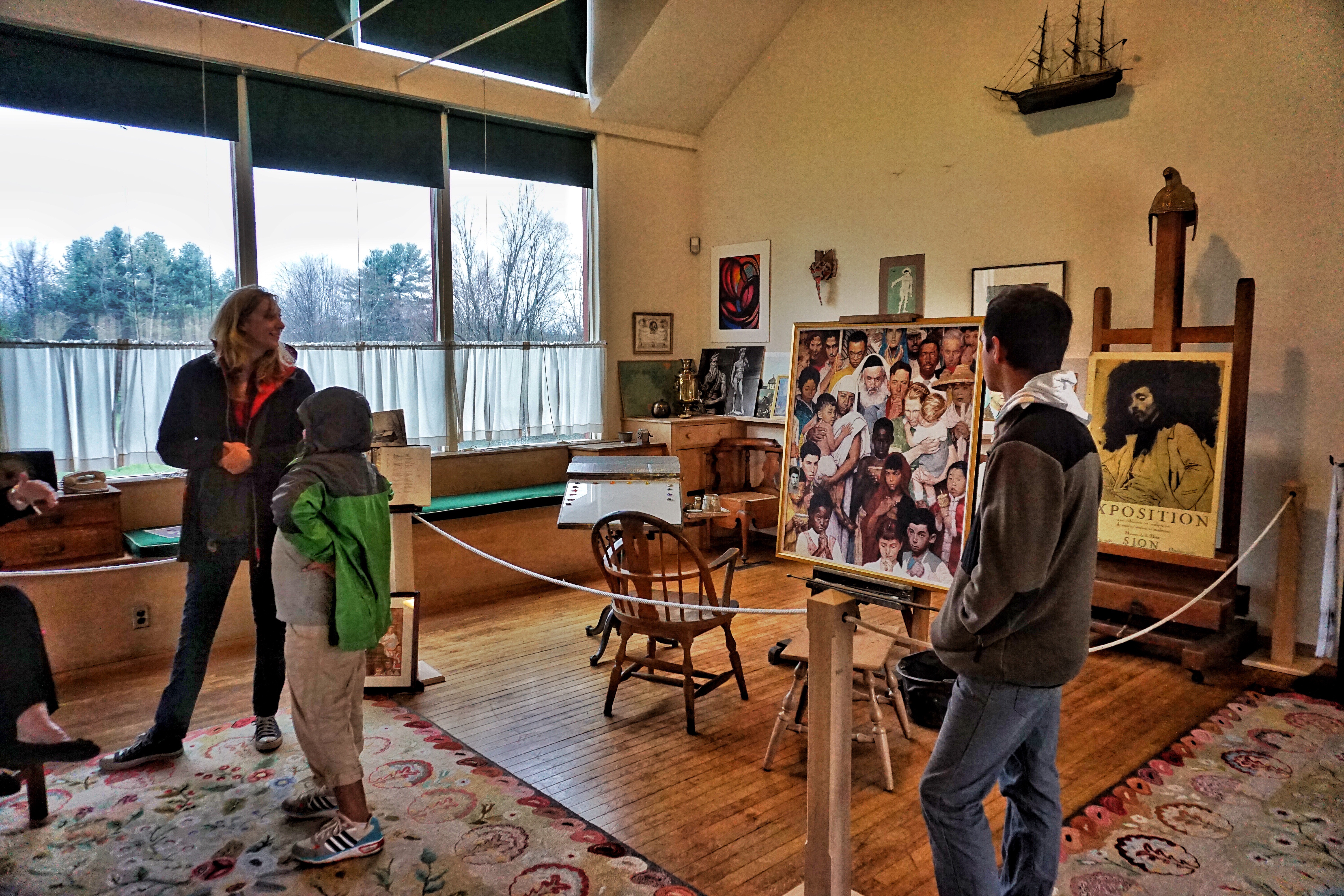
Rockwell’s work was often criticized by fans of the modern art movement, which developed during his career, and it might be tempting to dismiss his art as dashed-off magazine illustration. However, a tremendous amount of planning went into each picture. The scenes were staged, photographed, and sketched before any painting took place. And the paintings are much larger than what fits on a Saturday Evening Post cover. Rockwell was a perfectionist, and he worked in his studio for hours and hours almost every day. To me, his great achievement was storytelling. My grandmother had a Norman Rockwell coffee table book that I poured over as a child, and its picture stories deeply shaped my sentiments about America.
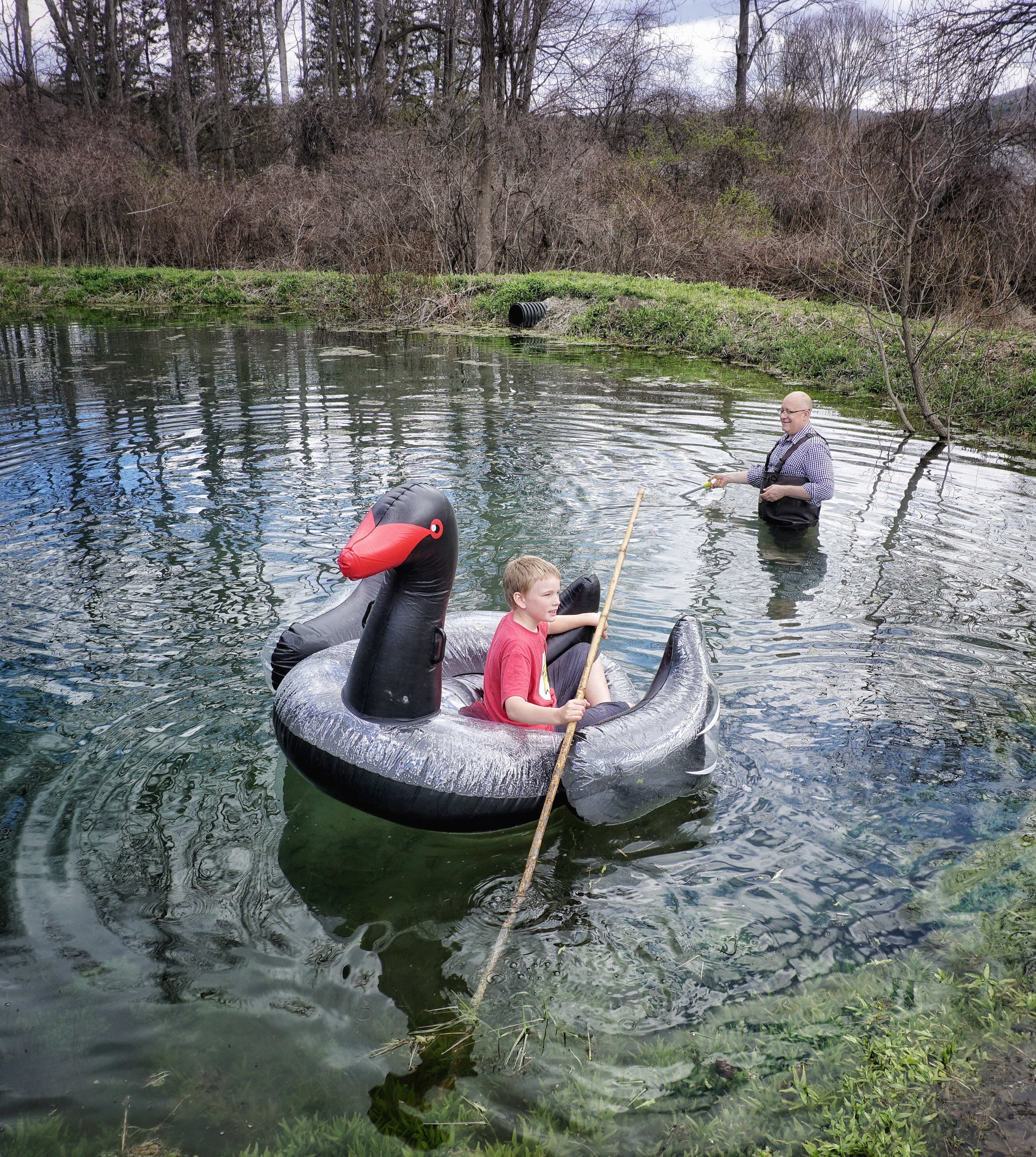
Alicia’s boyfriend, Adam Chinitz, is a Mulkey-kid-whisperer.

After a weekend getaway, Alicia and Adam were back to the city and NYC SALT, an after-school photography program for high school students. The last time we visited New York City, we enjoyed hanging out in the photography studio with all the students and volunteer professionals who participate in SALT. Now many of those students are graduating from college! Last year, the Today show interviewed Alicia about the program, and we got to see her on TV!

http://www.today.com/parents/photography-program-nyc-salt-teaches-high-schoolers-life-lessons-beyond-t34651

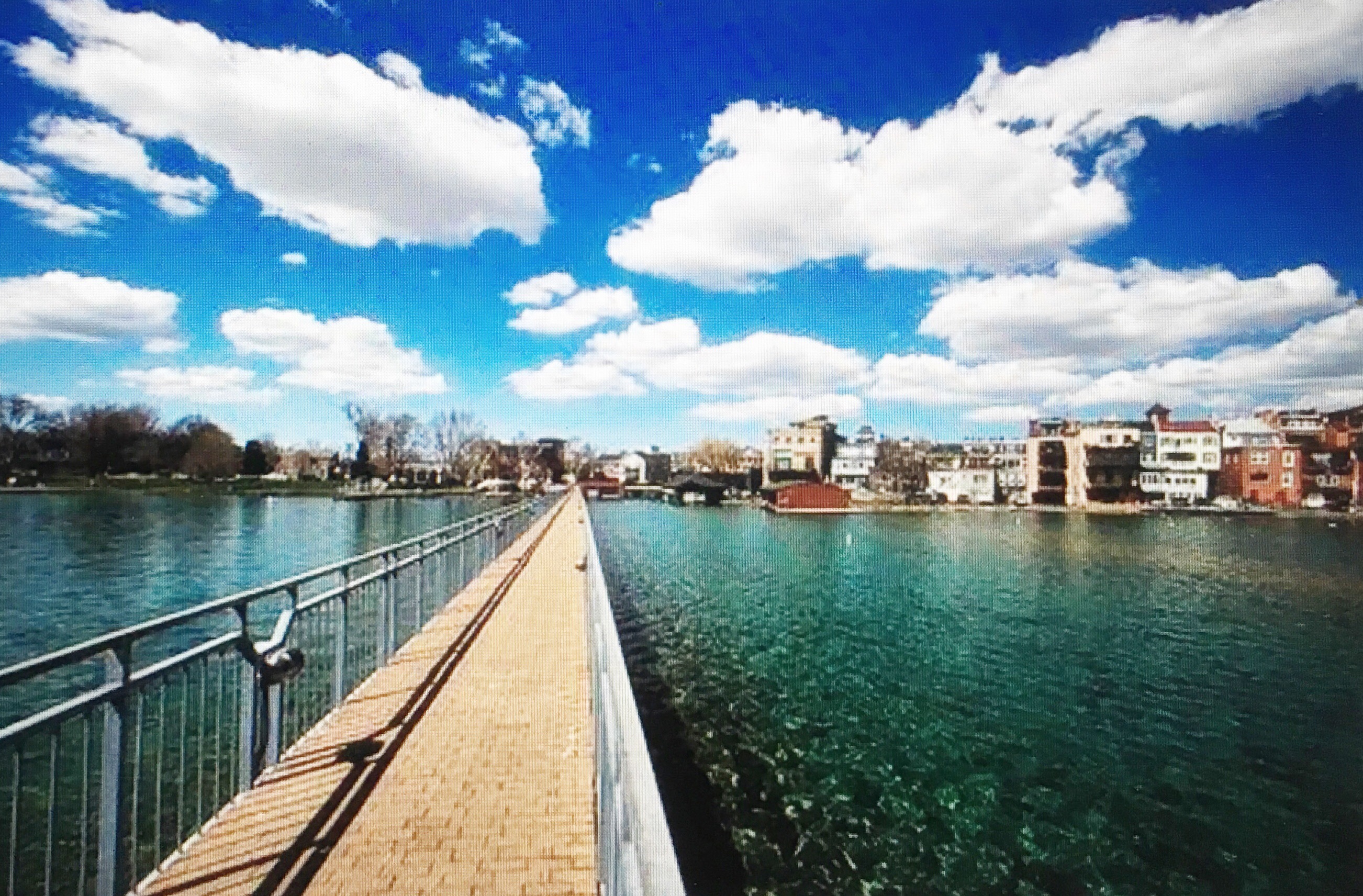
After traversing miles and miles of green, rolling farmland, we reached the Finger Lakes area of northwestern New York. We passed by quaint town squares on mirror lakes surrounded by brightly colored, 19th-century homes. Every green thing was in bloom.
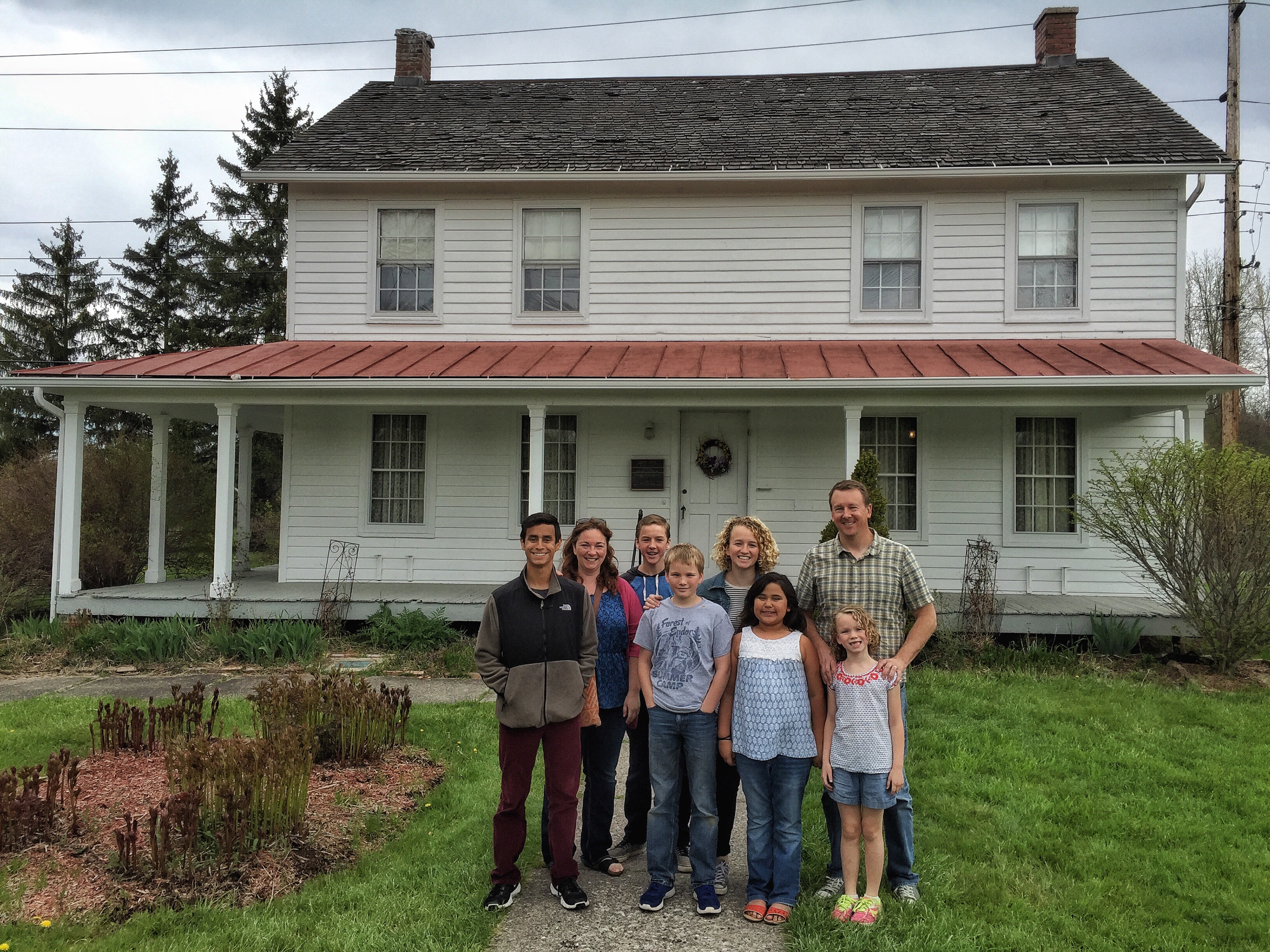
In Auburn, we visited the Harriet Tubman home place. Tubman bought a farm and retired to Auburn, where she also operated a small hospital and retirement home. Until recently, the museum has been run by an enthusiastic, but underfunded group. Now, President Obama has declared the property a National Historic Park, so we are eager to see what it will look like in the future.
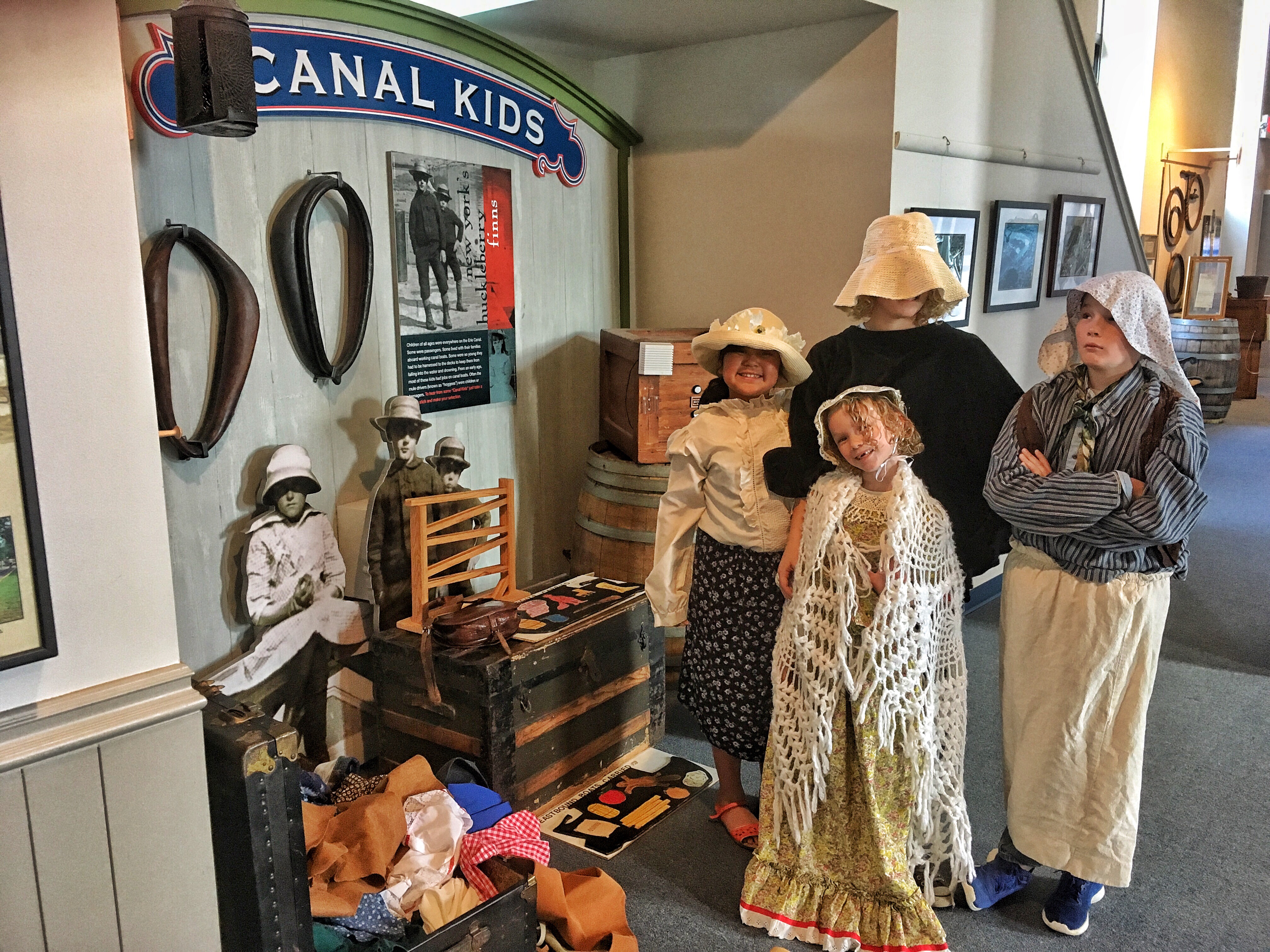
 

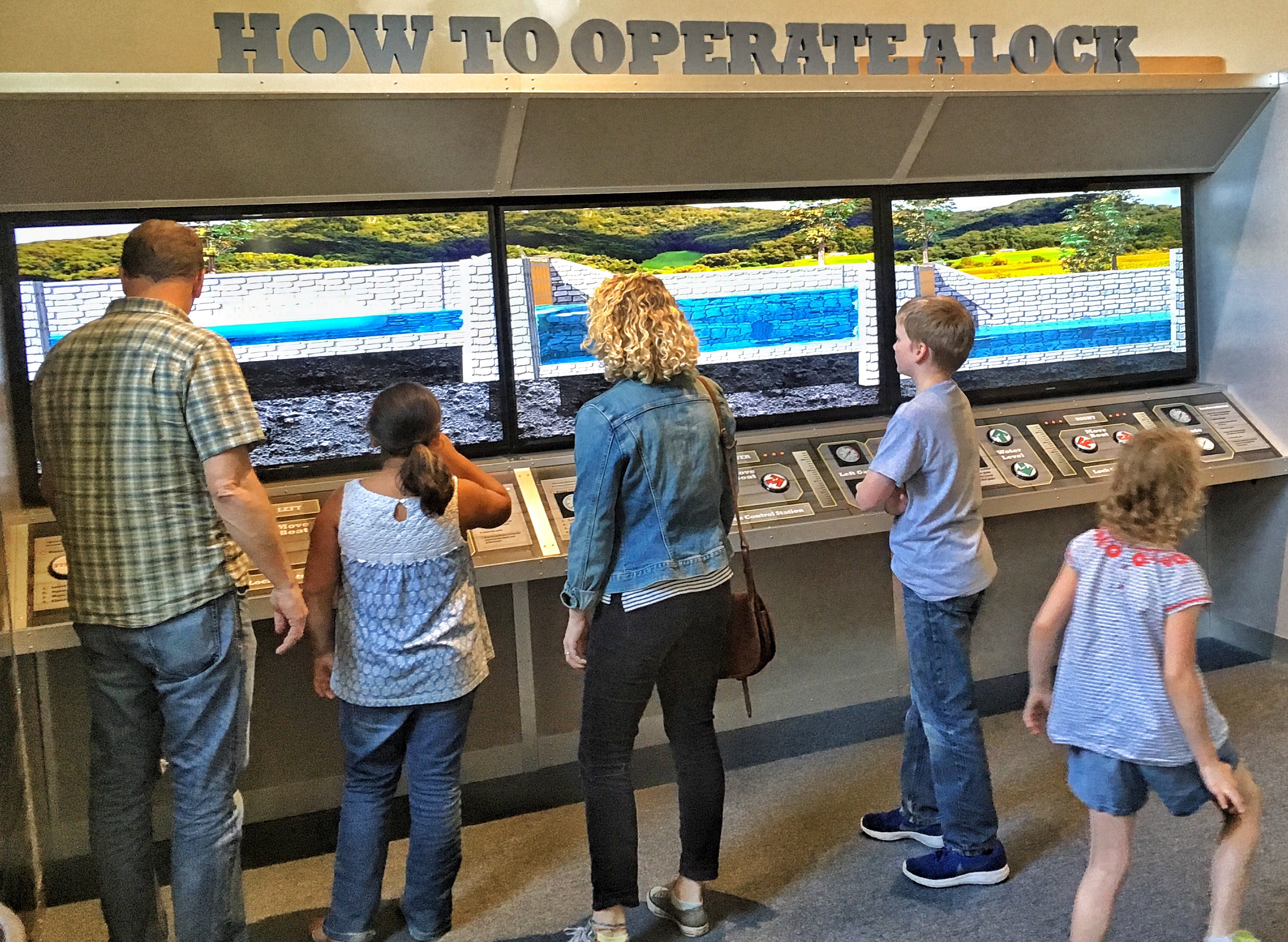
Next, we stopped at Erie Canal Discovery Center in Lockport. The Erie Canal was an engineering marvel that reduced travel between New York City and Buffalo from two weeks to five days and opened trade to the west in the early 1880s. The mostly amateur engineers who designed the canal navigated the sharp elevation change at Lockport by cutting five consecutive locks into the Niagara Escarpment. Outside, we watched the two remaining locks in action.
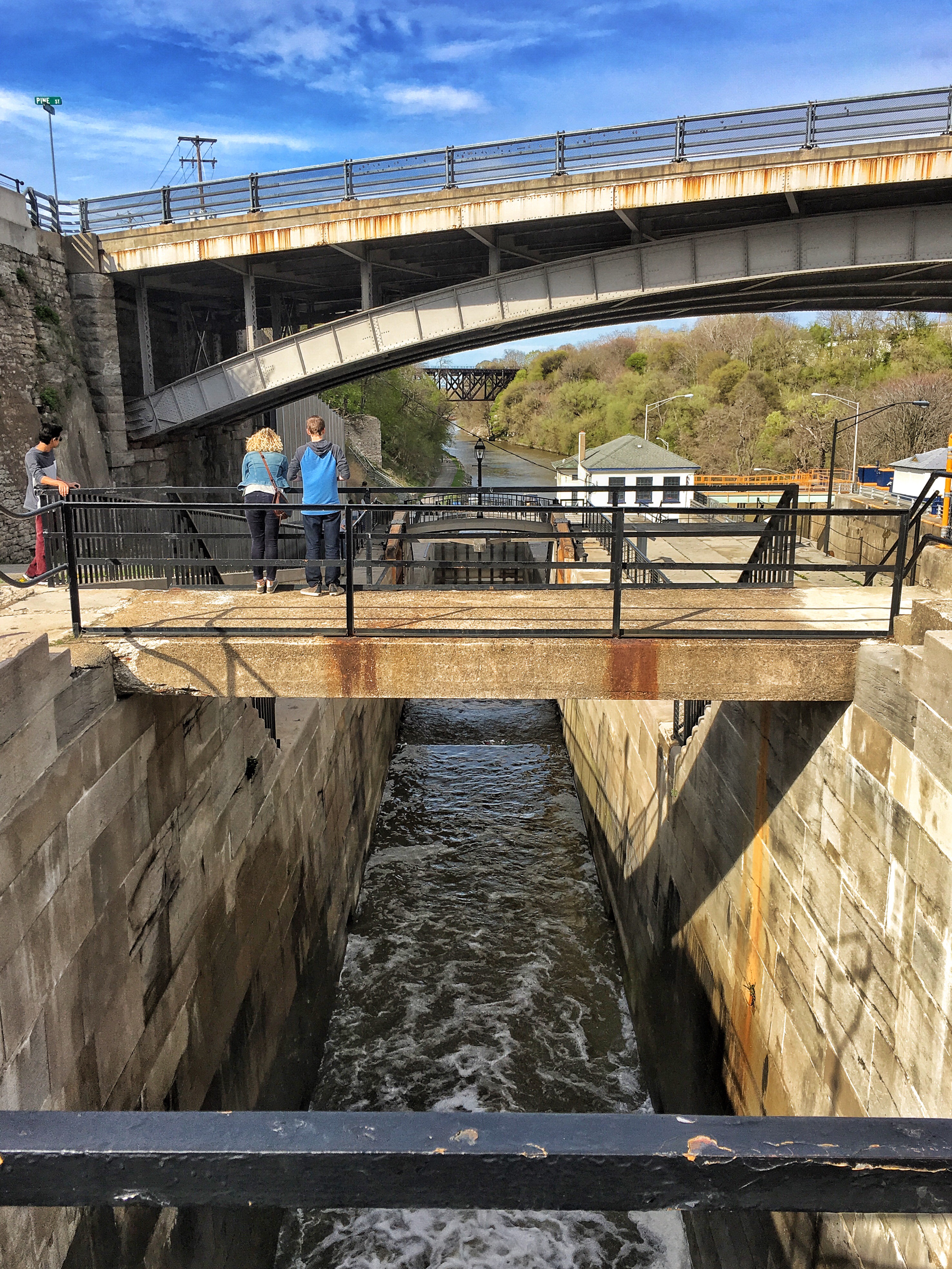
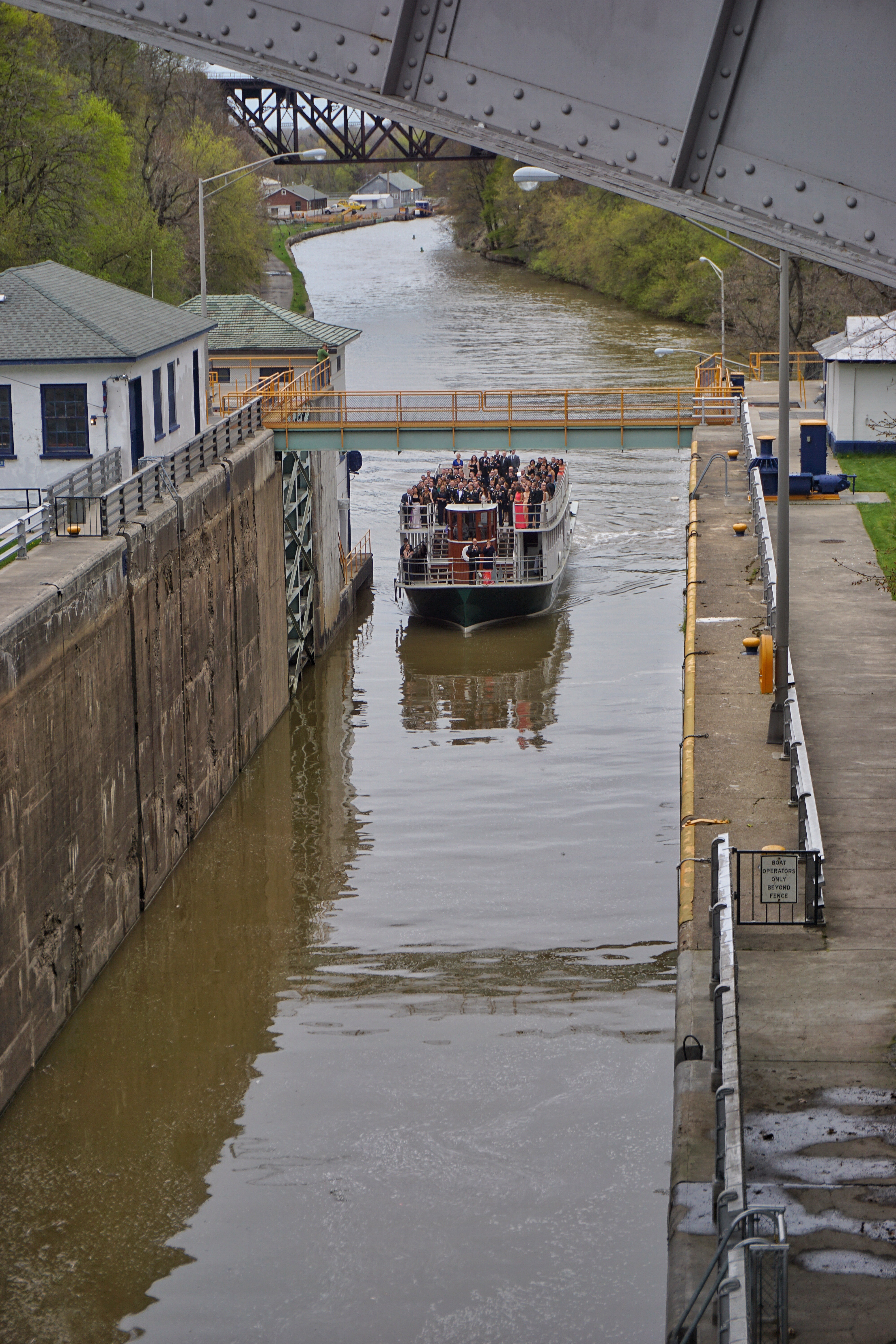
Brandon loved this part of the trip; he spent an hour chatting with the lock keeper, while we watched this party barge.
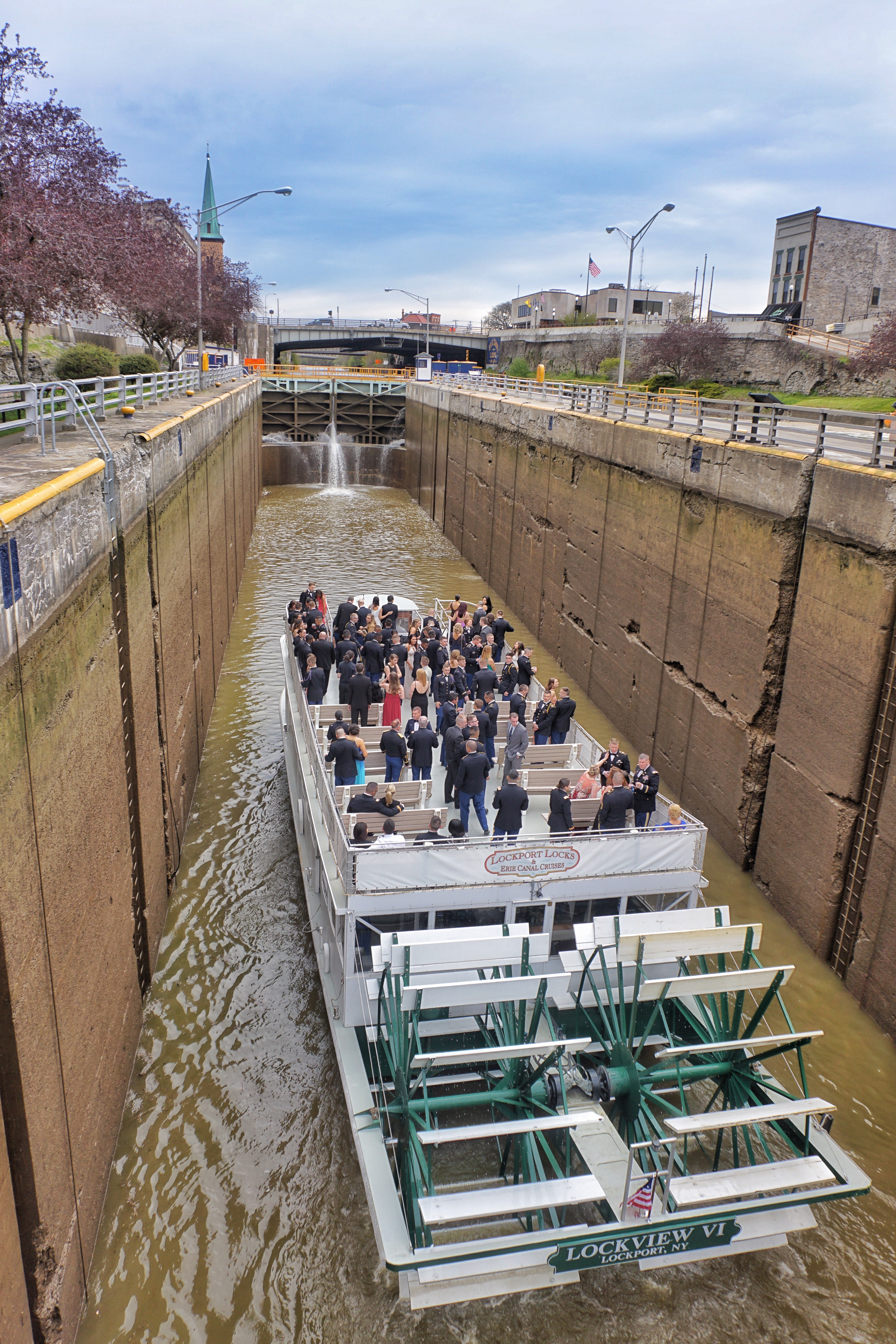
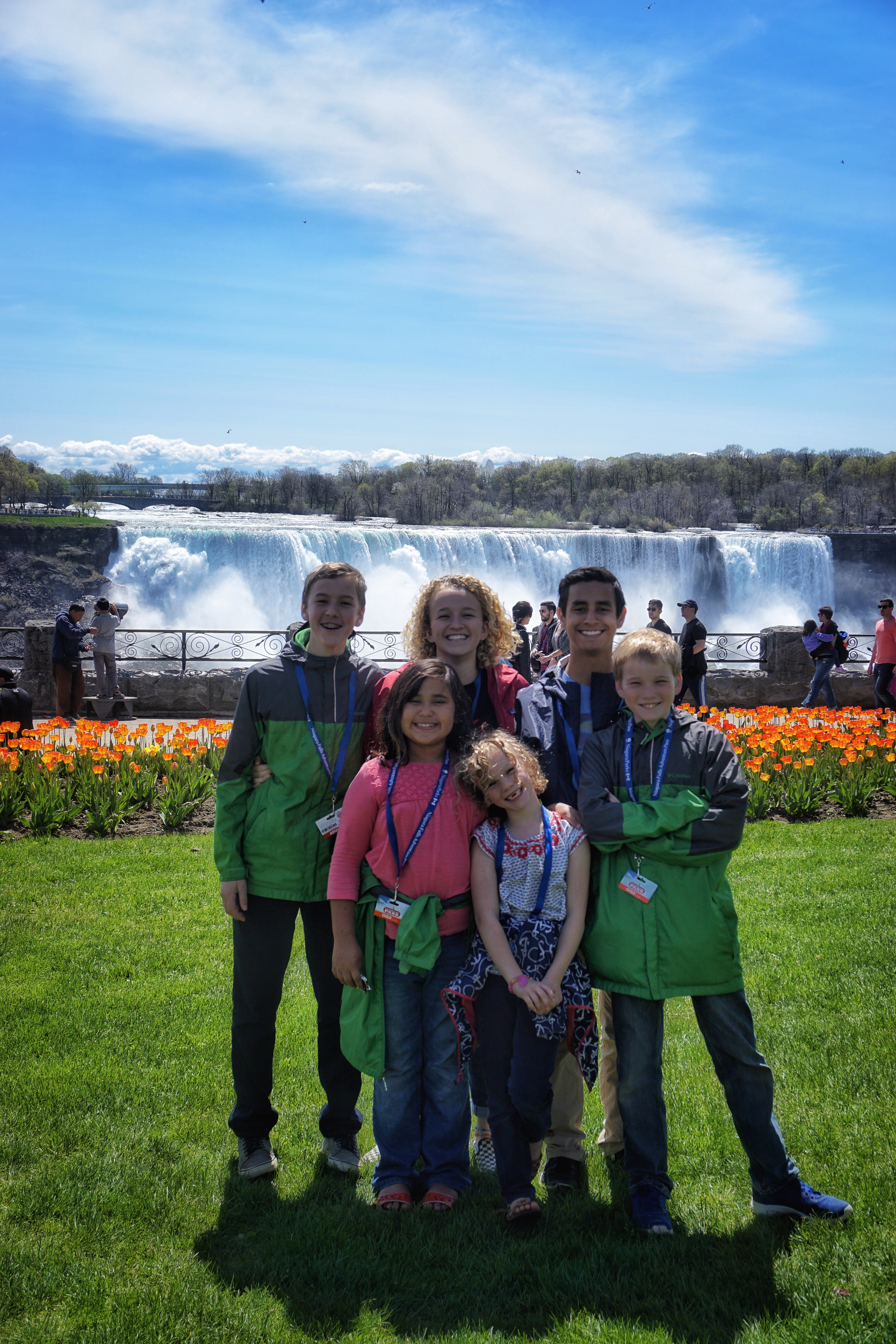
 

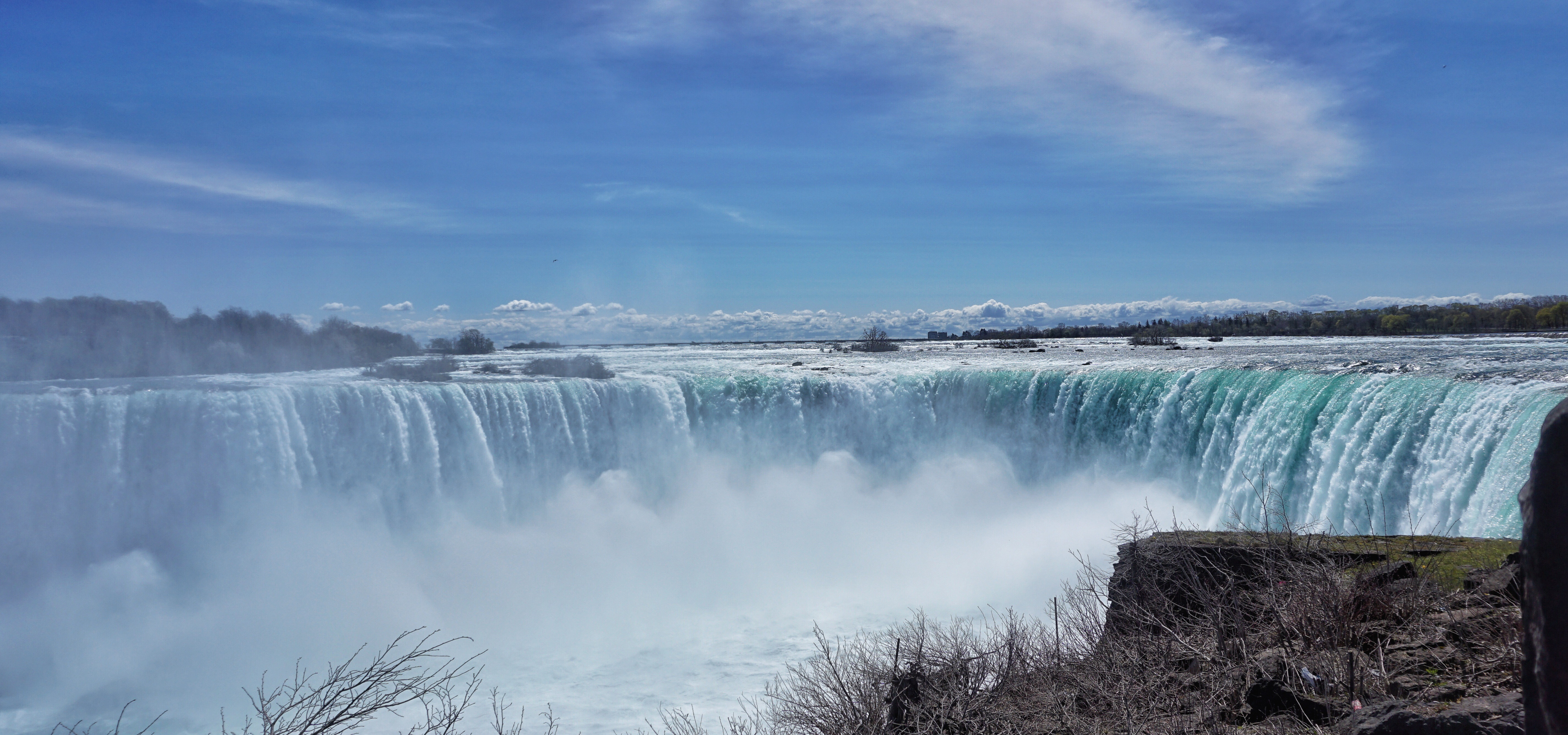
Finally, we reached the grandaddy destination of our tour: Niagara Falls. (I confess, we were not wholly in New York for this part of the trip; the Ontario side was too alluring. The kids were disappointed to cross the border with very little difficulty. “We could have been drug mules!” they complained.)
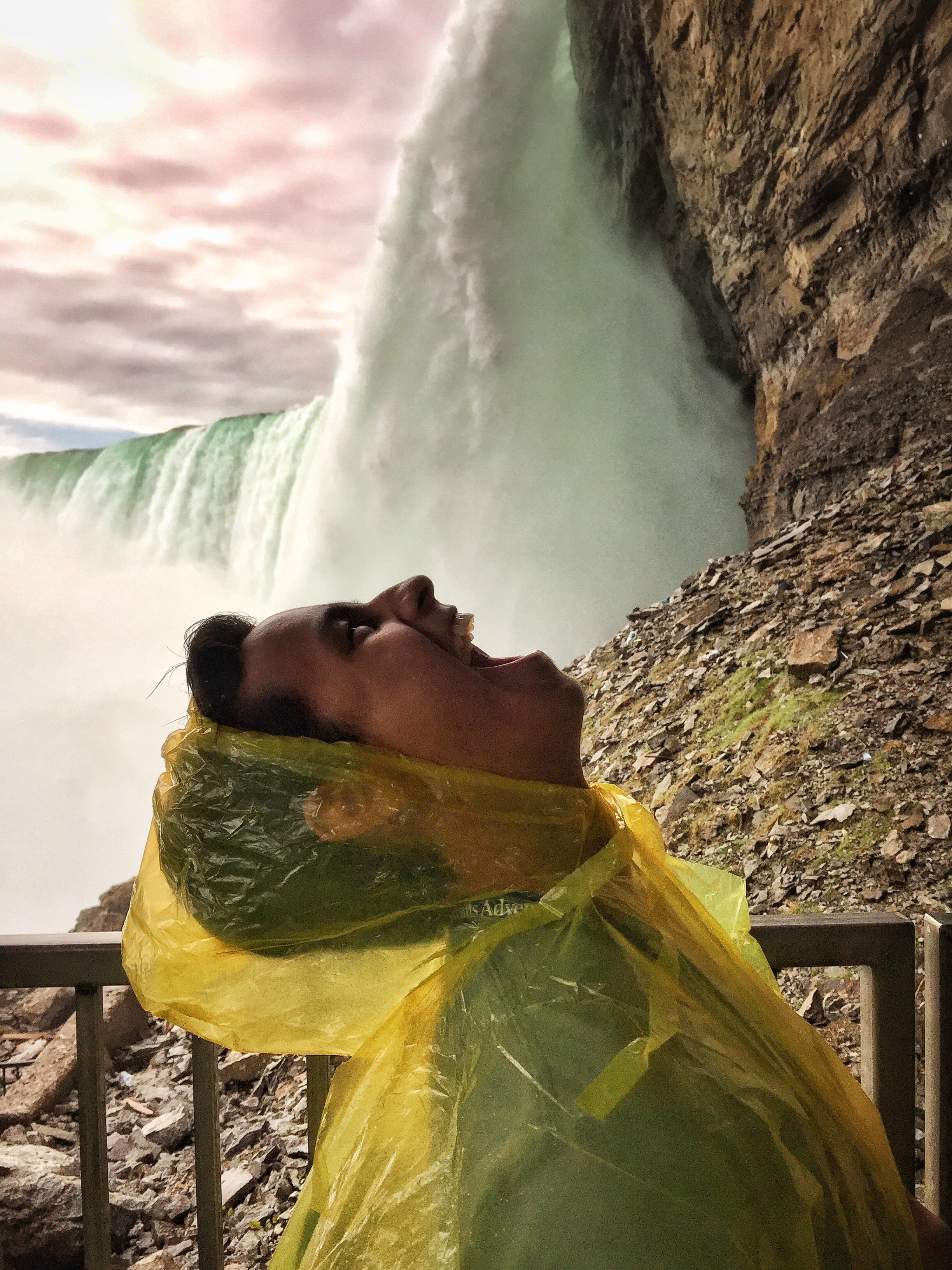
The falls made such a gorgeous racket that they mostly drowned out the tin trumpets of all the cheesy, surrounding tourist traps.
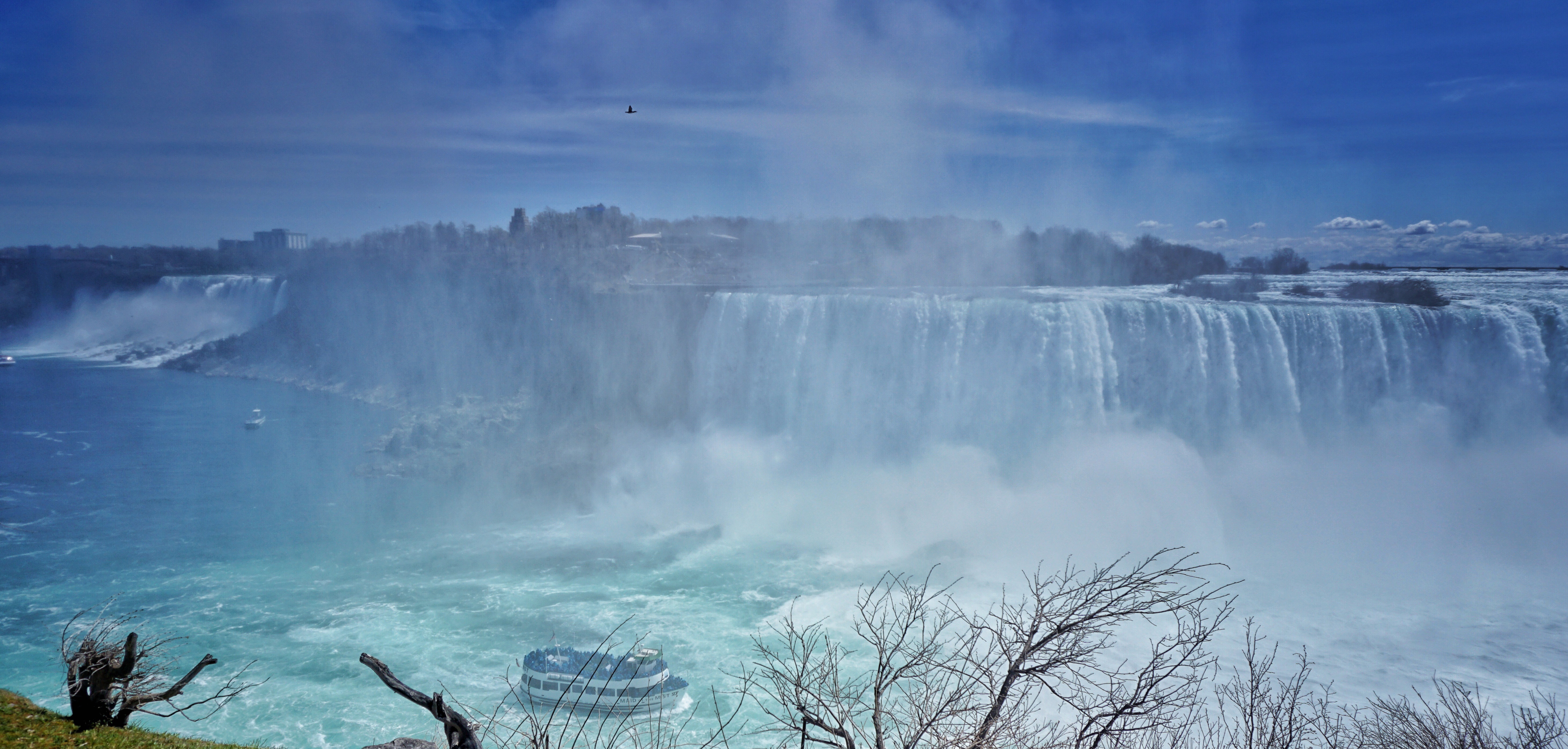
We loved it here!
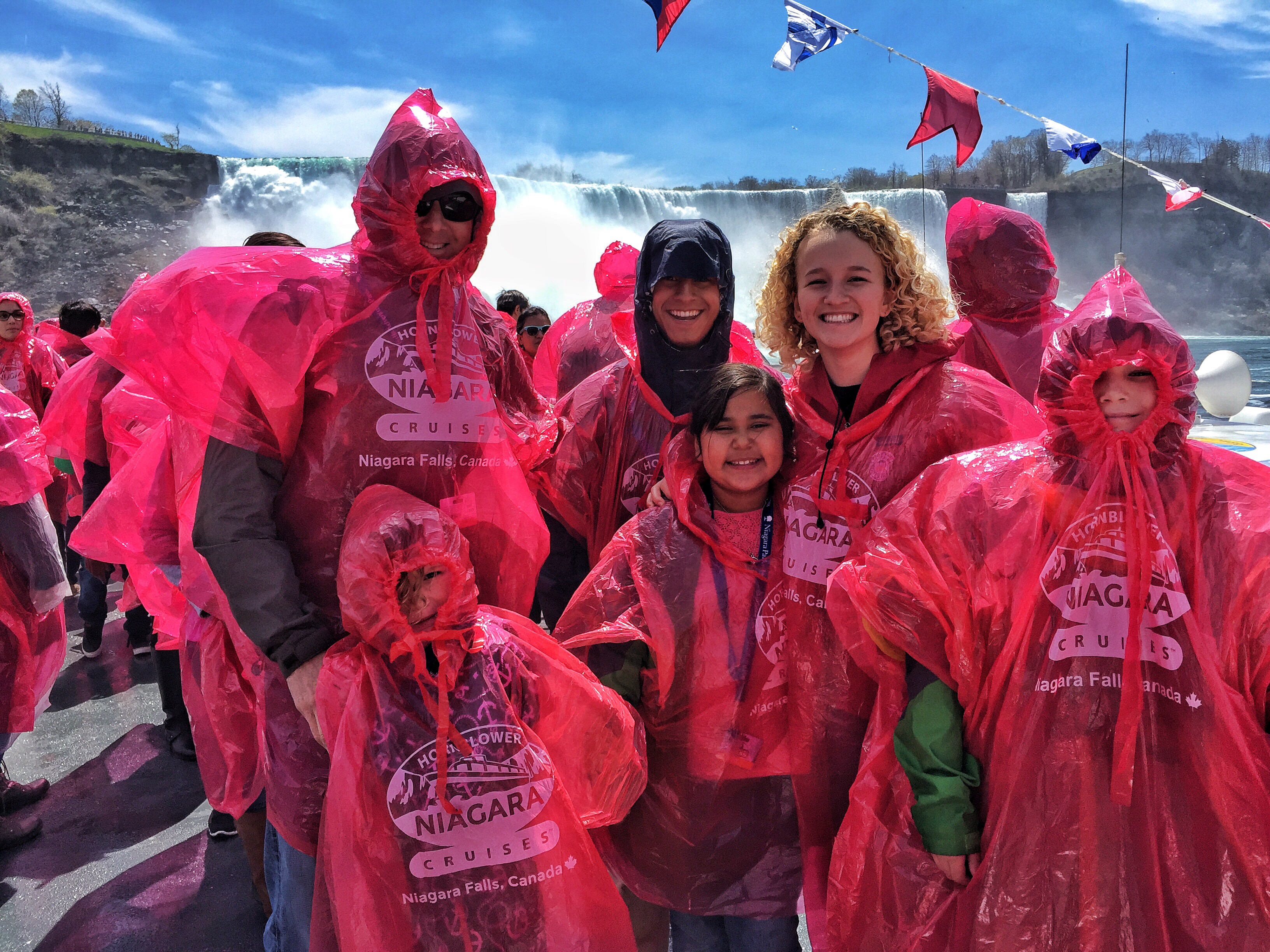
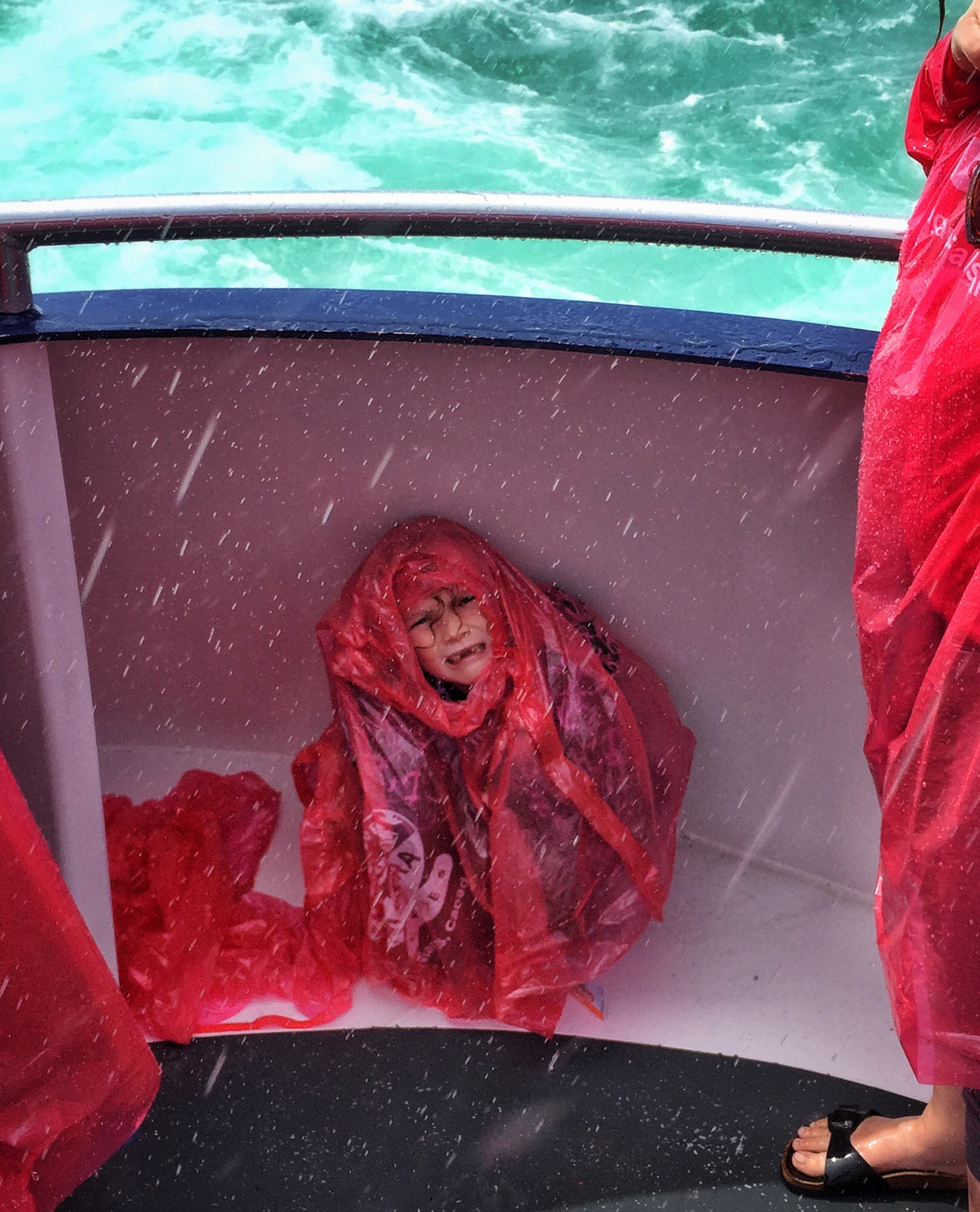
Even Nan.
The Secret Life of Lobsters

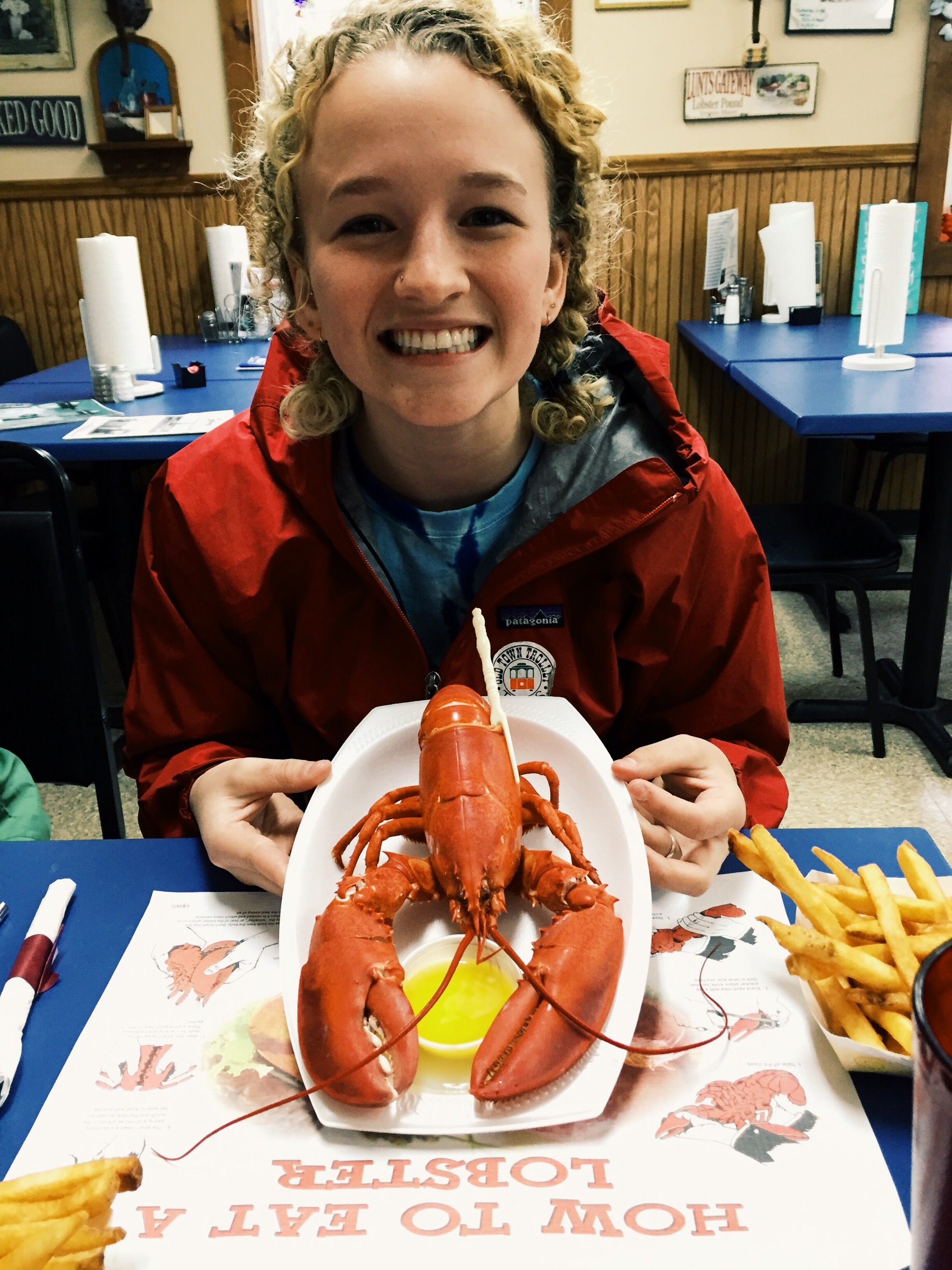
Brandon wanted to see Maine most. For years, he’s talked about how much he’d like to visit the Maine coast and taste its famous seafood. May 1st is a little early in the tourist season, though, and many of the campgrounds were still closed. We finally found one close to Acadia National Park; it opened the day we arrived! Our early visit meant we had the park all to ourselves, but as a downside, places like Monhegan Island—a must see, I’d been told—could not be accessed. The park also no longer allows RV’s to drive up Cadillac Mountain, so we could not join the Sunrise Club. This disappointment was actually a relief to some members of our party, who did not fancy the 4 AM wake-up call required to haul ourselves up the mountain in time to see the first rays of sunlight strike the United States. And even though Maine was not in her full green-leafed glory, just yet, she was still a feast for the senses.


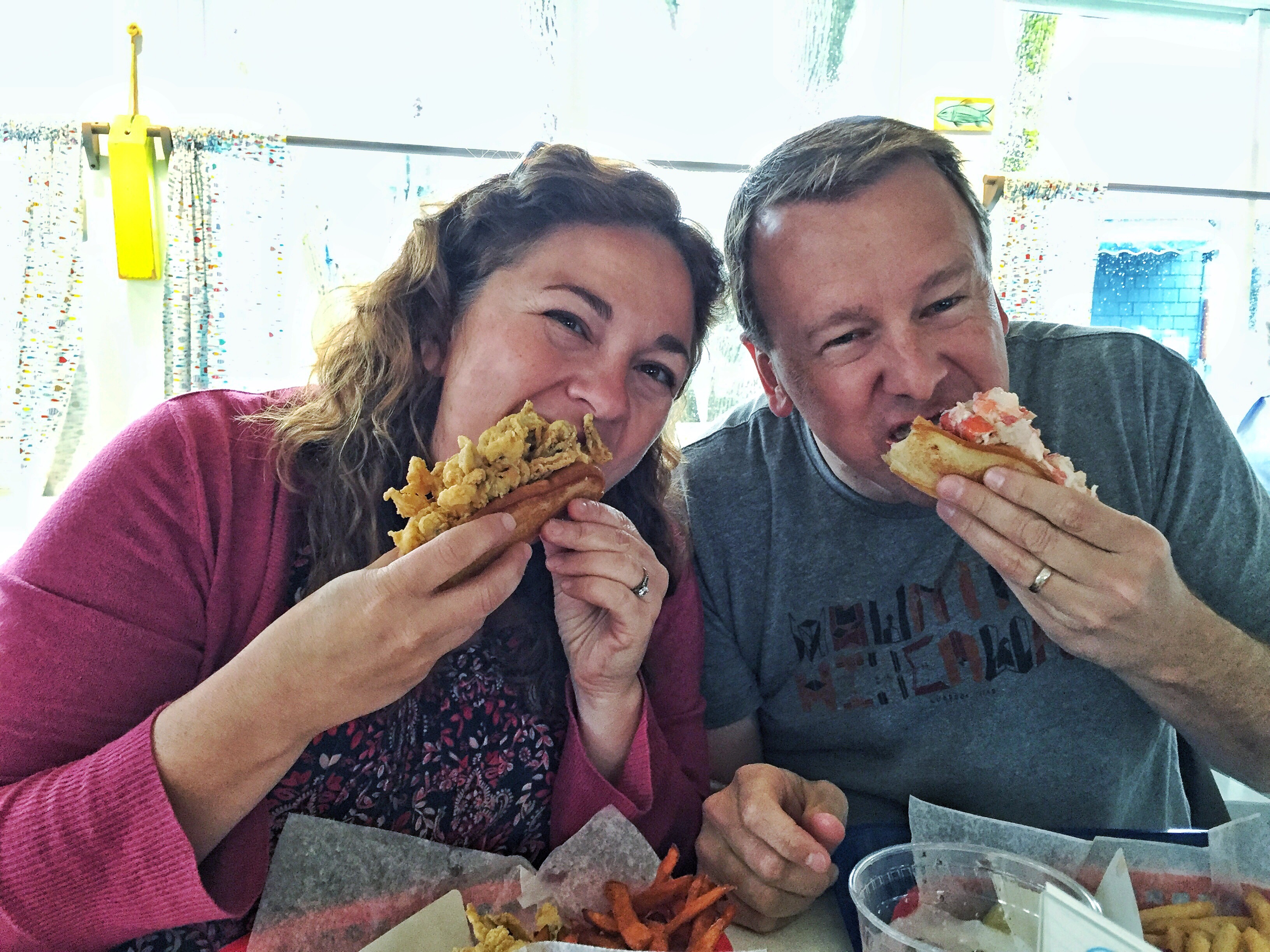
Just over the state line in Portsmouth, we tried lobster and clam rolls at Bob’s Clam Hut. Clams are an acquired taste, I concluded, but Brandon’s lobster only whetted his appetite for more.

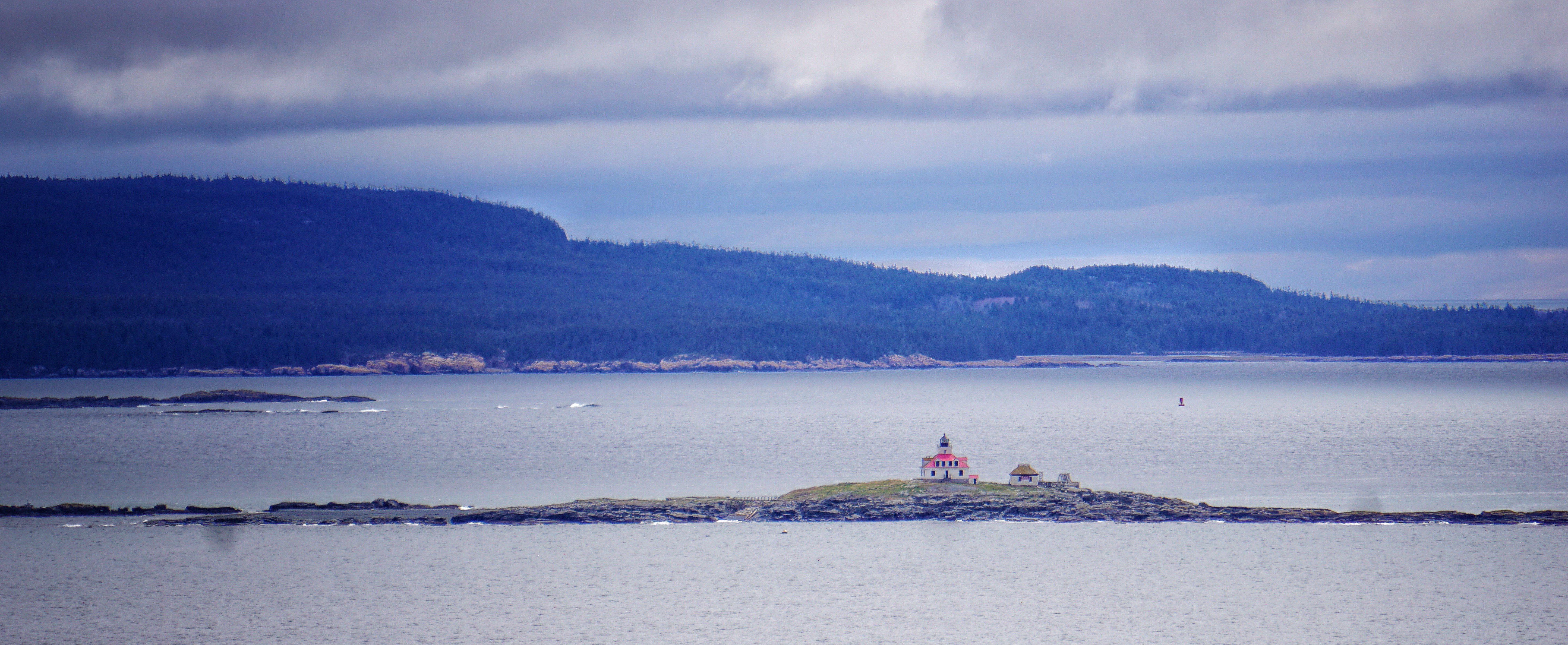
So, we took a break from classic New England literature and listened to Trevor Corson’s The Secret Life of Lobsters: How Fishermen and Scientists are Unraveling the Mysteries of Our Favorite Crustacean. The author spent a few years living alongside the lobstermen of Little Cranberry Island, which we could spot from Acadia. He paints a vivid picture of the lives and personalities of the people who have made their living from Maine waters for many generations. It was a peak behind the curtains of the tidy, clapboard houses we wondered about while driving through one coastal village after another.

Through years of keen observation and self-regulation, these fishermen have pioneered some very effective lobster conservation practices. However, they need the research and cooperation of scientists to help negotiate the increasing governmental restrictions designed to regulate lobster populations. Thus, readers meet some seriously obsessive scientists; since 9th grade, one researcher has been so captivated by lobsters that she suffers sleep deprivation in her zeal to observe lobster behavior for 18 and 24-hour stretches. Readers also learn more about the sex lives of lobsters than they may have ever wished to know! Sometimes the book’s description of lobster courtship contained such erotic language that the kids would scream for mercy, and I’d have to fast-forward the book! Despite the periodic censoring, we soon admired the complex creature. There’s a good reason scientists stay up all night watching lobster tanks; their behavior is mysterious! From a molting process so violent the lobster can actually die ripping-off the old shell, to kidney-bean-sized “super lobster” larva leaping into the air with outstretched claws to do the only actual swimming in its lifecycle, to the bizarre, weeks-long mating ritual which ends with a female “unzipping” her shell for the male she has “knighted,” lobsters are downright fascinating. The book is worth a try, especially if you are in lobster country. And if you worry all the science will kill your appetite, never fear; the last chapter is about how to cook a lobster properly!

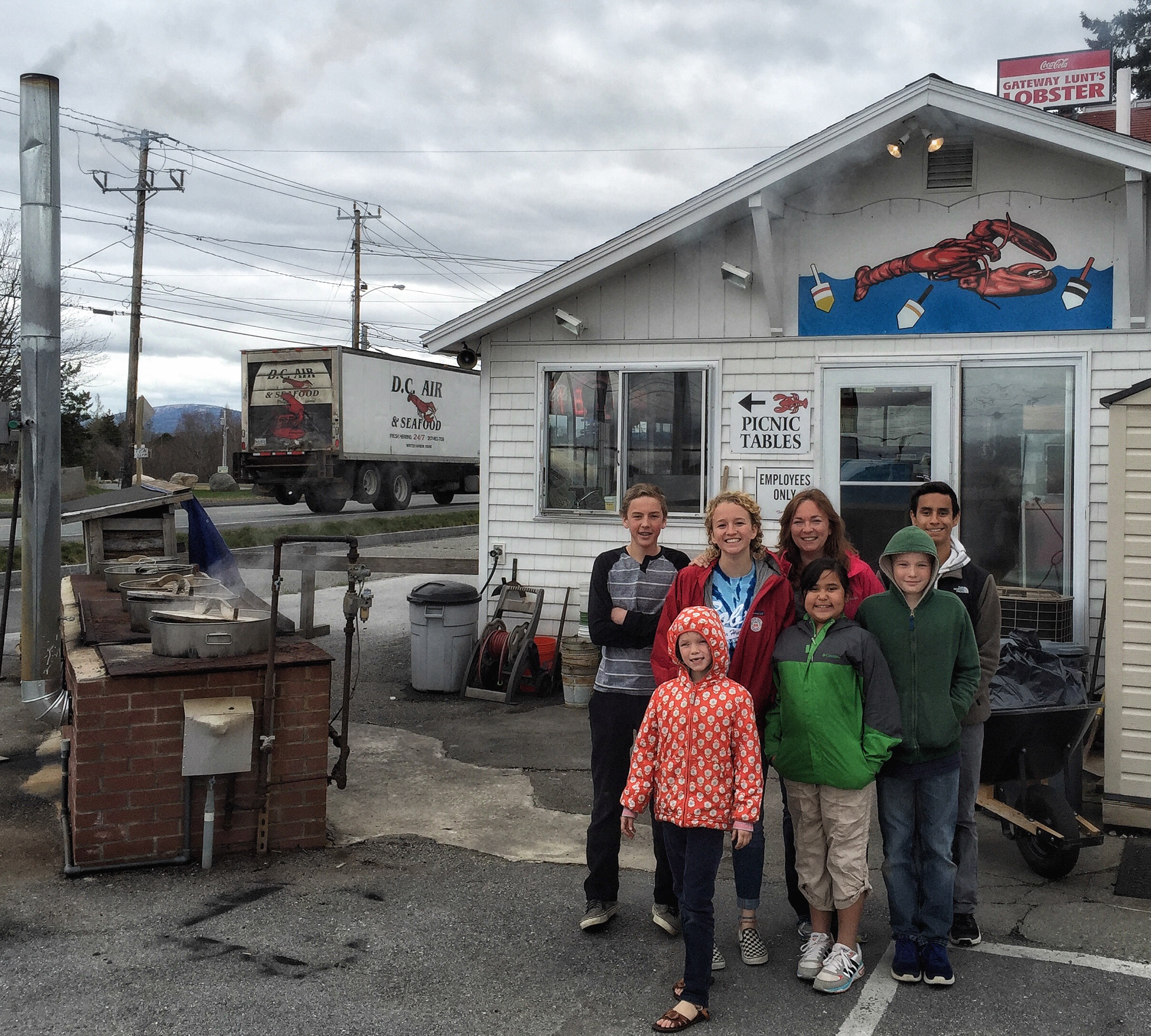
Steam rising from the pots at the lobster pound across from our campground in Trenton

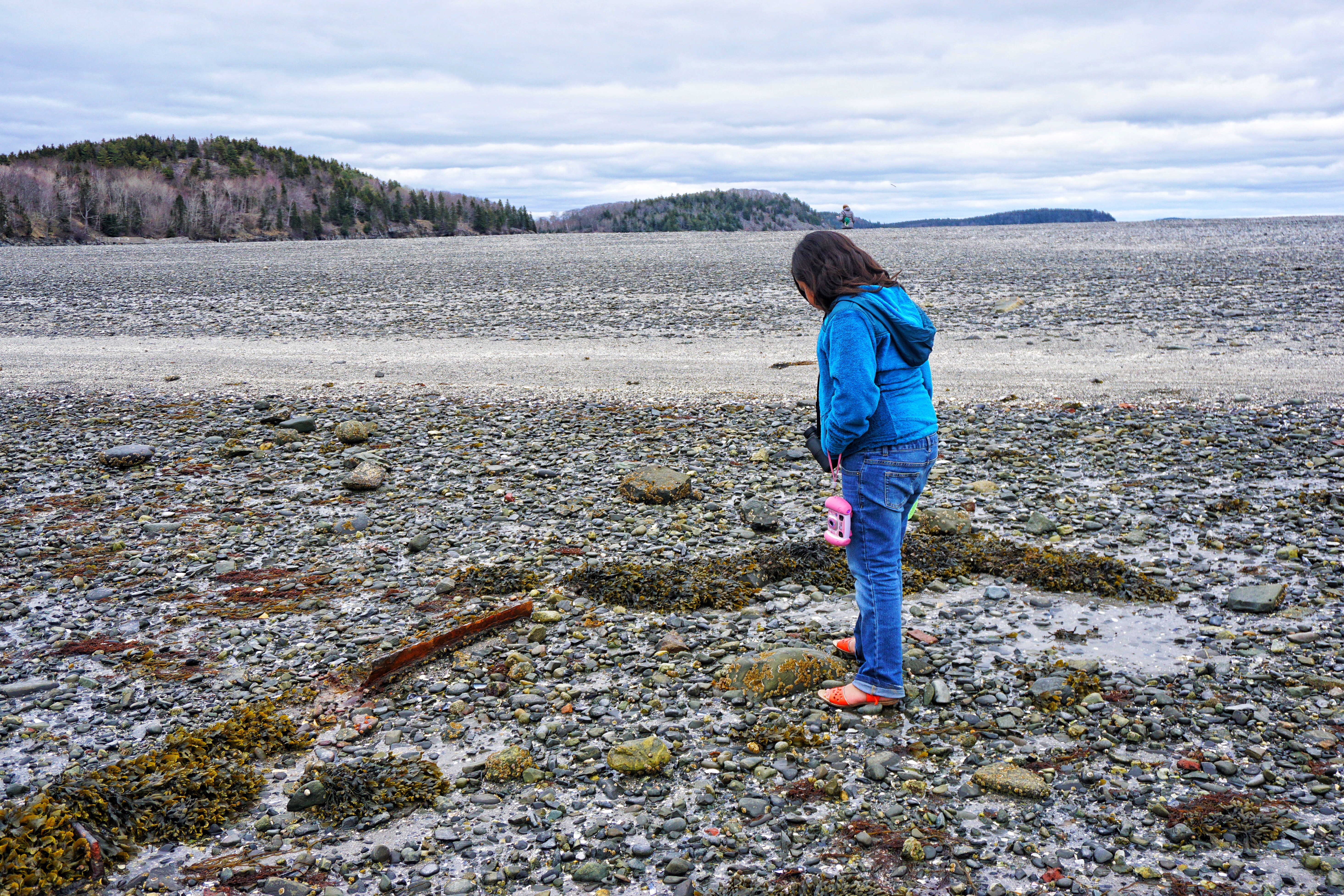
Walking across the “bar” of Bar Harbor, a strip of land that emerges between the big island and the little one when the tide goes out

We searched for beached treasures, but the gulls and terns beat us to them!

Acadia is the oldest national park east of the Mississippi.  It was started with a great deal of donated land from private citizens, and it includes a large portion of Mount Desert Island (pronounced “dessert” or “desert,”depending on whom you ask) and several surrounding islands.

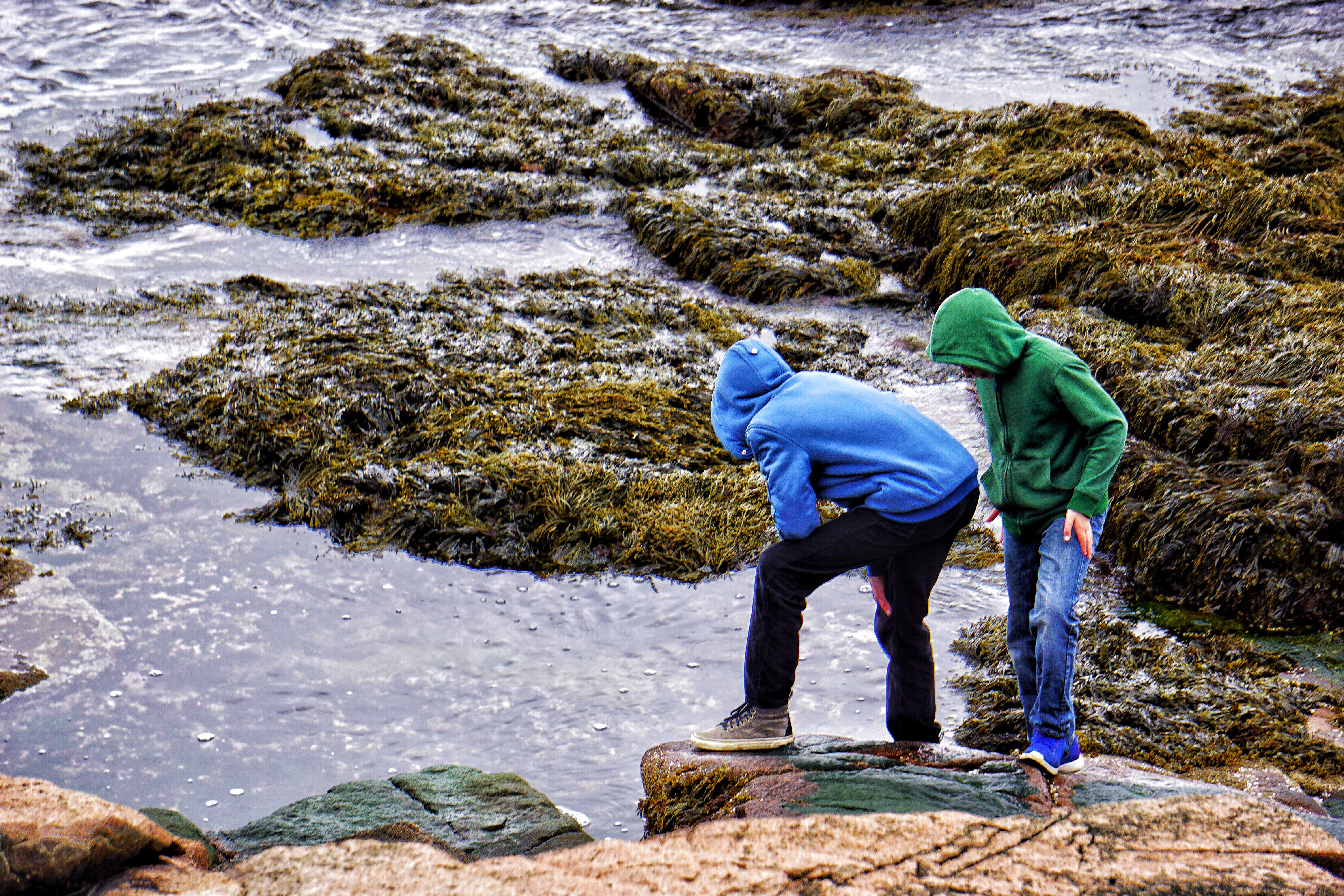
Investigating tide pools along the rocky shoreline at Acadia

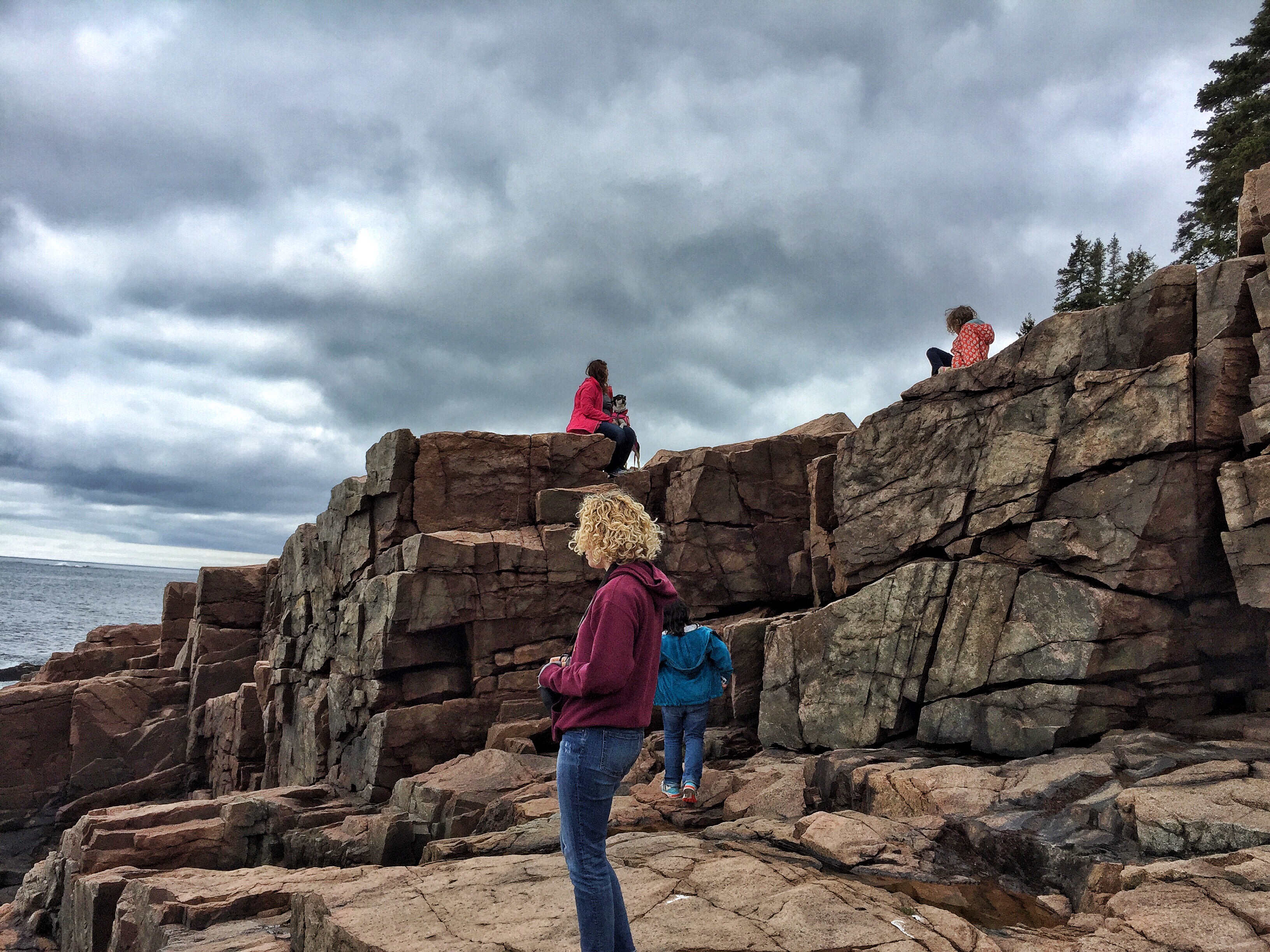
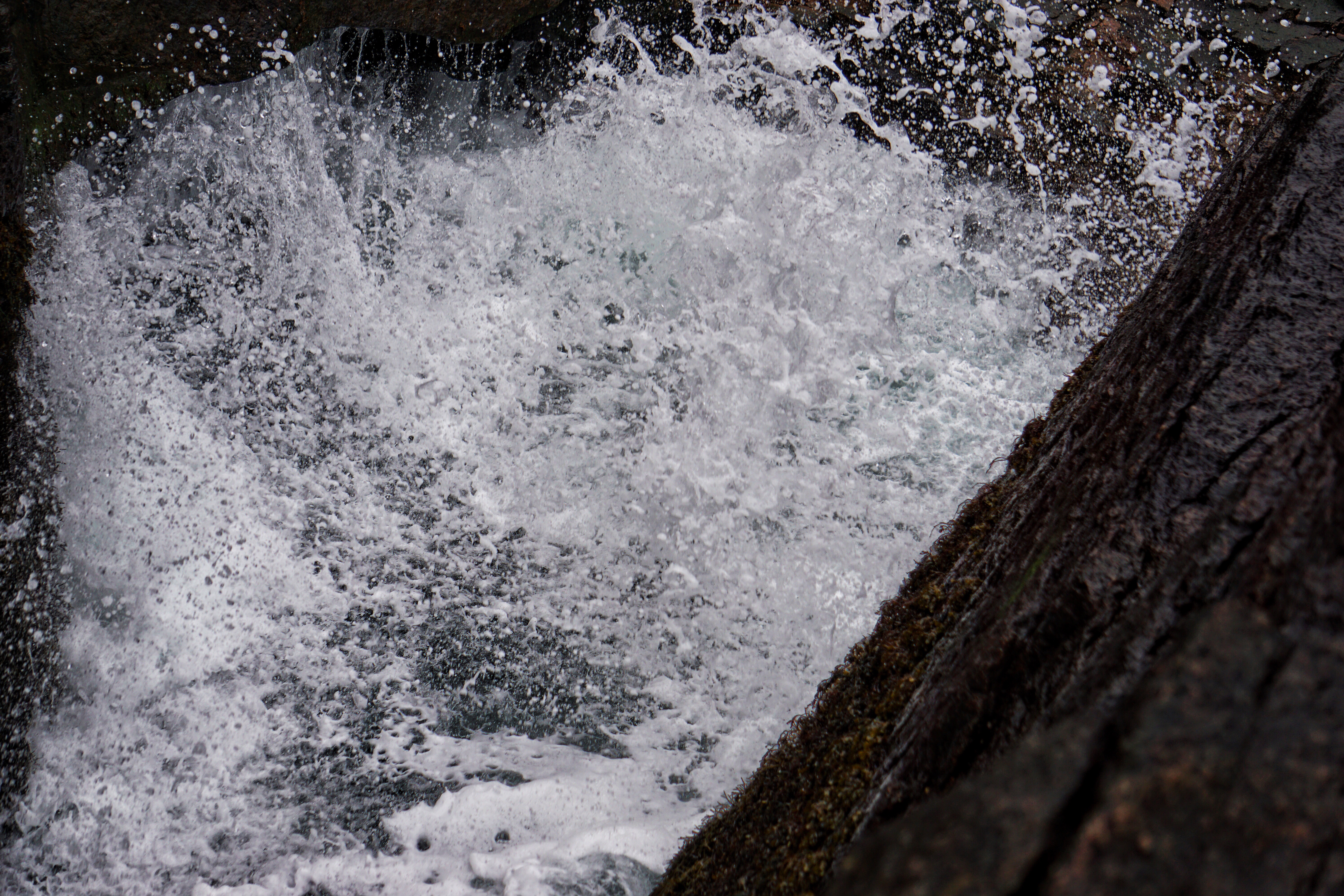
Waiting for the big boom when a wave rolls in and forces air and water out of the cavern at Thunder Hole


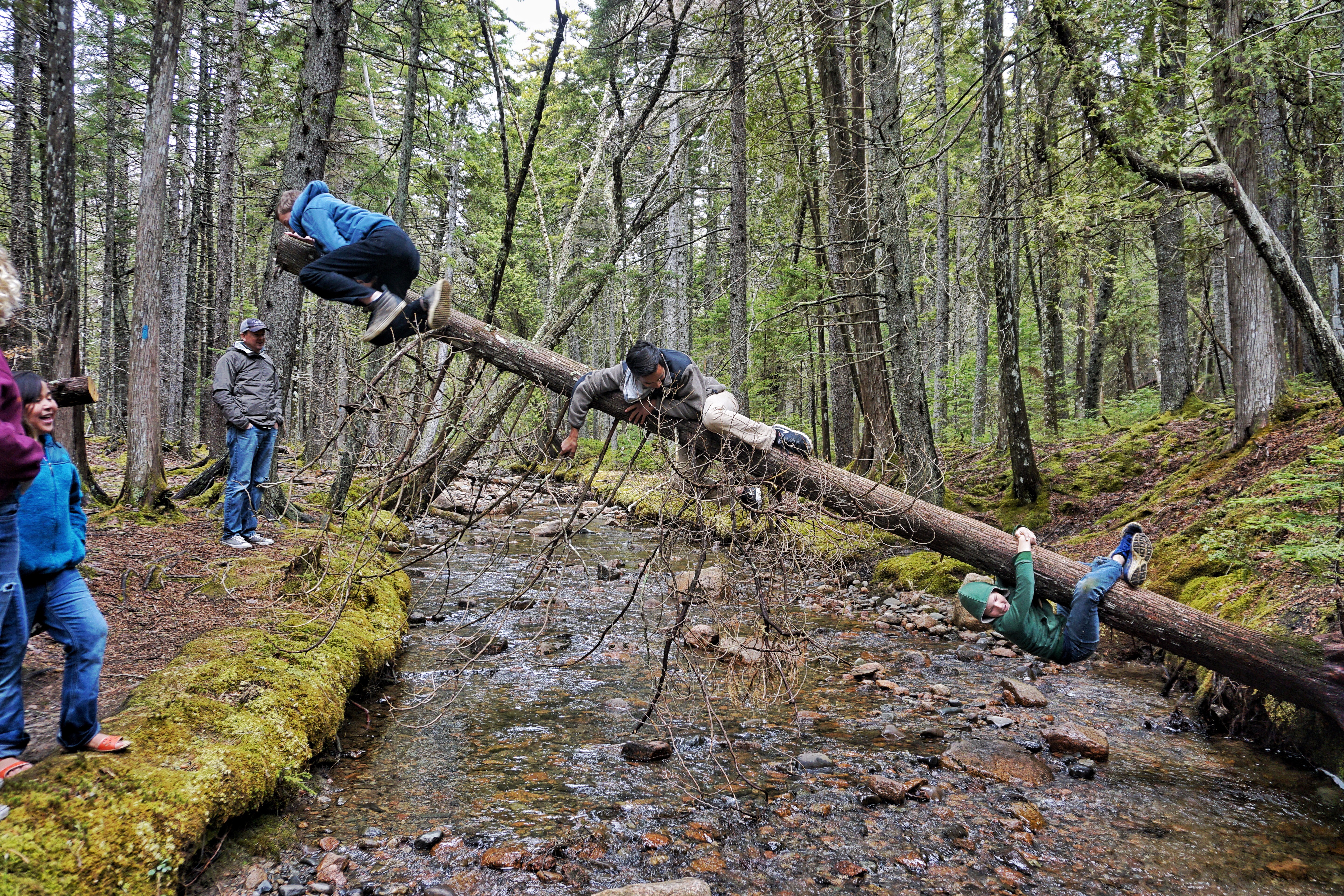
We mostly kept to the outer loop road at Acadia, but the interior trails were fun, too!

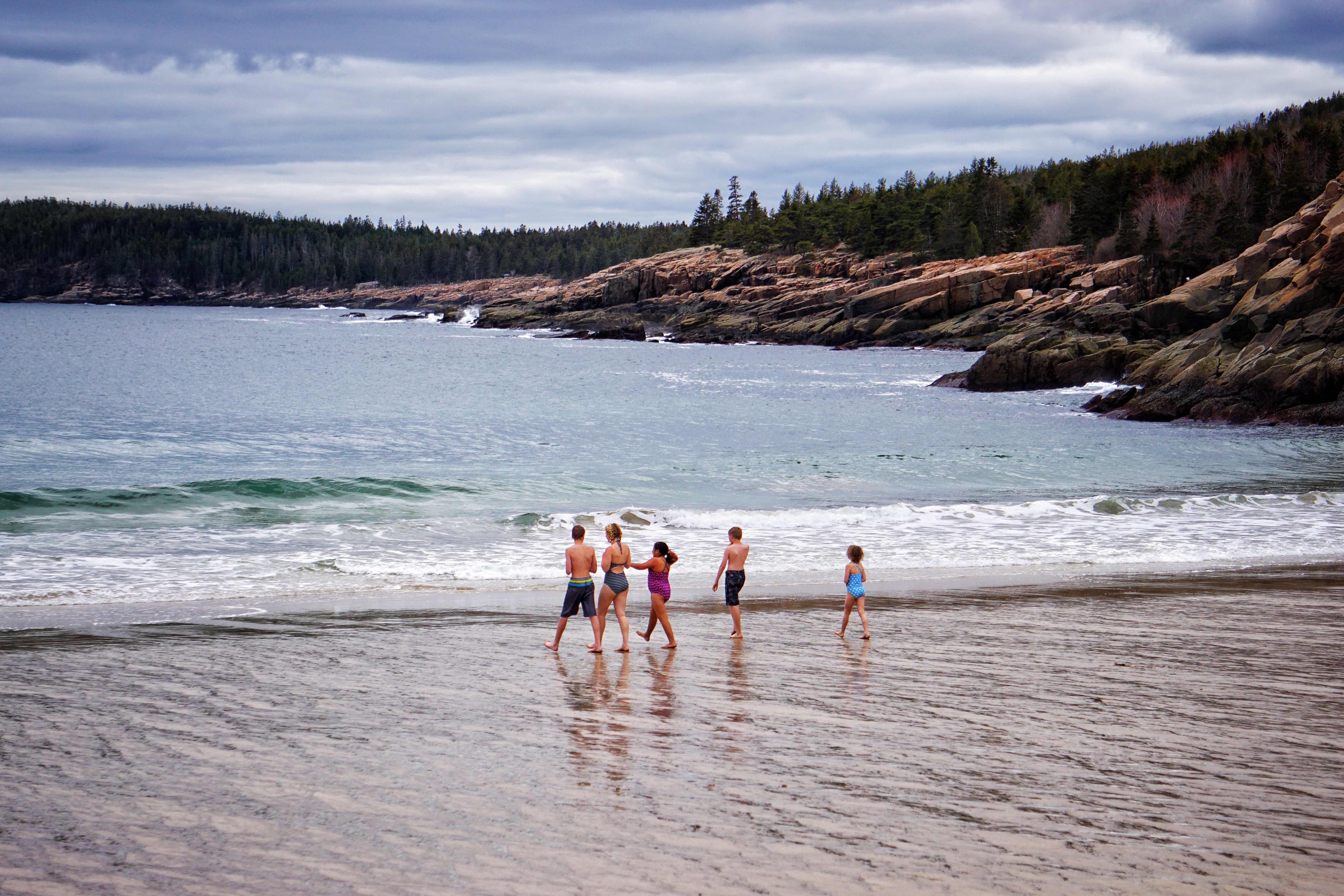
At Sand Beach, the kids attempted to stay submerged to the neck for a full minute to win the prize of a daily soft drink for the rest of the trip. They looked like steamed lobsters when they emerged.