The Committee to Make Our Children Fly

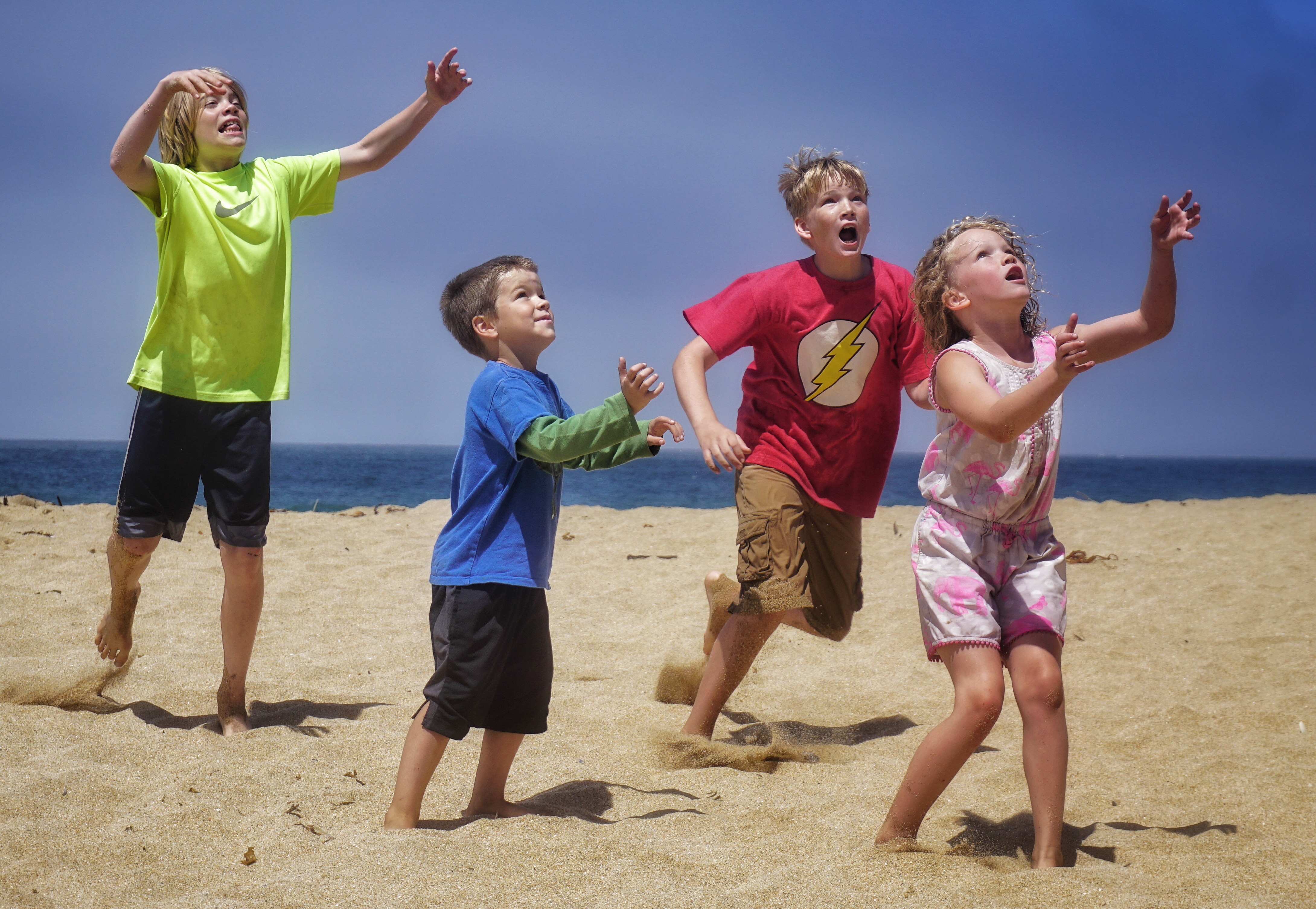
At low points during our travels, I’ve wondered, “Why are we doing this?” Especially when the source of the dark moment was a sullen, tearful, or frightened child, the patent “It’s for them!” didn’t always sound convincing. This summer, I blushed to see an answer to my question in print when I read Adam Gopnik’s Through the Children’s Gate: A Home in New York. In one chapter, Gopnik describes the earnest, hilarious efforts of private school parents to produce the best-yet kindergarten production of Peter Pan. The parents are captivated with the idea of making their little actors fly on stage: “The flying children haunt us; we see them hovering overhead at night, free of wires and entanglements, launched without obvious trickery or cheap effects.” The ridiculousness of the situation is not lost on Gopnik. He asks, “But do the children really want to fly? This is kindergarten, after all, they’re doing well just to tie their shoes and use the bathroom. Is the whole elaborate apparatus we construct ‘to keep from disappointing them’ for us or them?

It’s a question I frequently ask, not only when planning routine-disrupting, year-long excursions across the country, but whenever I’m slogging through the various rituals of “the good life” as prescribed by suburban American culture. Is all of this necessary? Gopnik continues, worrying that the child’s response may not be what we hope for at all, but something more like: “You made me fly, and there I was, so happy on the ground.” Gopnik has hit the mark; this is the exact response of one of my children to our great adventure. He tells people who ask how he liked our travels that he will never leave Lubbock again.

Sometimes, it’s delightful to find kinship with a character or situation in a book; other times it’s horribly convicting. “Oh, no,” one shudders, stomach sinking, “That’s me.” I laughed to see myself in Gopnik’s ambitious kindergartener parents, but I’m shaken to think about the implications of another book we listened to recently. Toward the end of our final road trip, we played some stories to prepare for the upcoming start of school. Tom and Jake will read Inferno this year, and I thought listening to Rod Dreher’s How Dante Can Save Your Life would help them see how relevant the poem can be to modern readers. What I didn’t realize is that the context for the story is Dreher’s personal battle against making an idol of his family. In the book, Dreher confesses that he has made family relationships, rather than God, the object of his worship to the point that he is physically ill. I’m not new to this dilemma! I have a difficult time loving a thing without enthroning it in my heart. Think Gollum, moaning after his “precious.”

Had the prospect of family change–Jane leaving for college–so terrified me that my instinct was to shoo everyone into an escape pod and exit the situation? I thought this must be at least a little true. It didn’t invalidate the experience; there were many rewards over the course of this year, but it disturbed me, nonetheless. And now, like Job, the thing I dreaded was upon me.

The week before Jane left was mercifully busy, and the parties, visits, notes, and texts from well-wishers were a soothing balm. I kept my tears in check.

Like many parents, I slept more soundly before having children. Now, I often wake in the night, for no apparent reason, and feel compelled to check on the kids sleeping down the hall. There I was, at 4 A.M. on Jane’s last morning at home, peering worriedly into her dark room. It was still remarkably messy despite being almost empty! This made me smile, but I couldn’t go back to sleep.

The narrow ribbon of highway winding through the Texas Panhandle is loooong. We drove in silence for awhile, still recovering from the first wave of grief that followed last goodbyes to Tom and Jake when Jane dropped them off at school, and the waving, receding figure of a friend, who lingered in the driveway as we pulled away. I kept thinking that I should be imparting some nuggets of wisdom, since it was our last stretch of time together for awhile, but nothing sounded right in my head, so we turned on the radio and sang loudly. Thank goodness for 80’s pop.

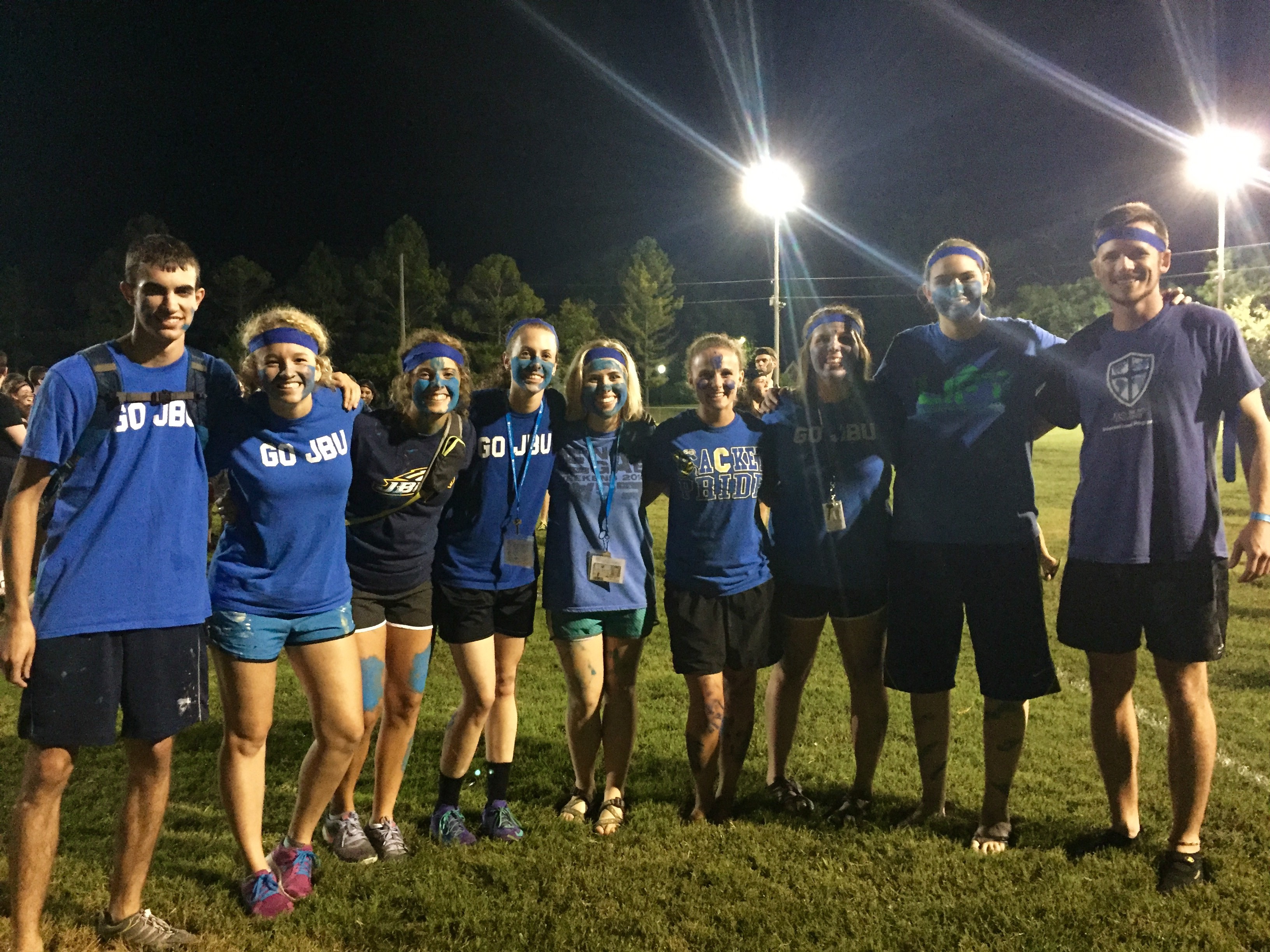
As we pulled up to Jane’s dorm, cheers erupted, and a hoard of undergraduates surrounded our cars. In thirty seconds, Jane’s belongings were lifted from the vehicles and deposited in her room. Buoyed on their cheerful greetings, we floated into her room and rushed along the rapids of freshman orientation. It was loud and friendly and busy. No one seemed to notice that Jane trailed an entourage of small children wherever she went. We met nervous parents, giddy students and cheerleading RAs, DDs, and OLs. A staff member, who used to work with a friend at our Lubbock church, stopped by the room to meet Jane and invite her over for dinner. The owner of a shop we were visiting downtown offered her a part-time job. Strangers everywhere, on campus and off, said how glad they were she’d come. The much-adored president of the University, Dr. Pollard, provided one of his signature welcomes, quietly inspiring and reassuring.
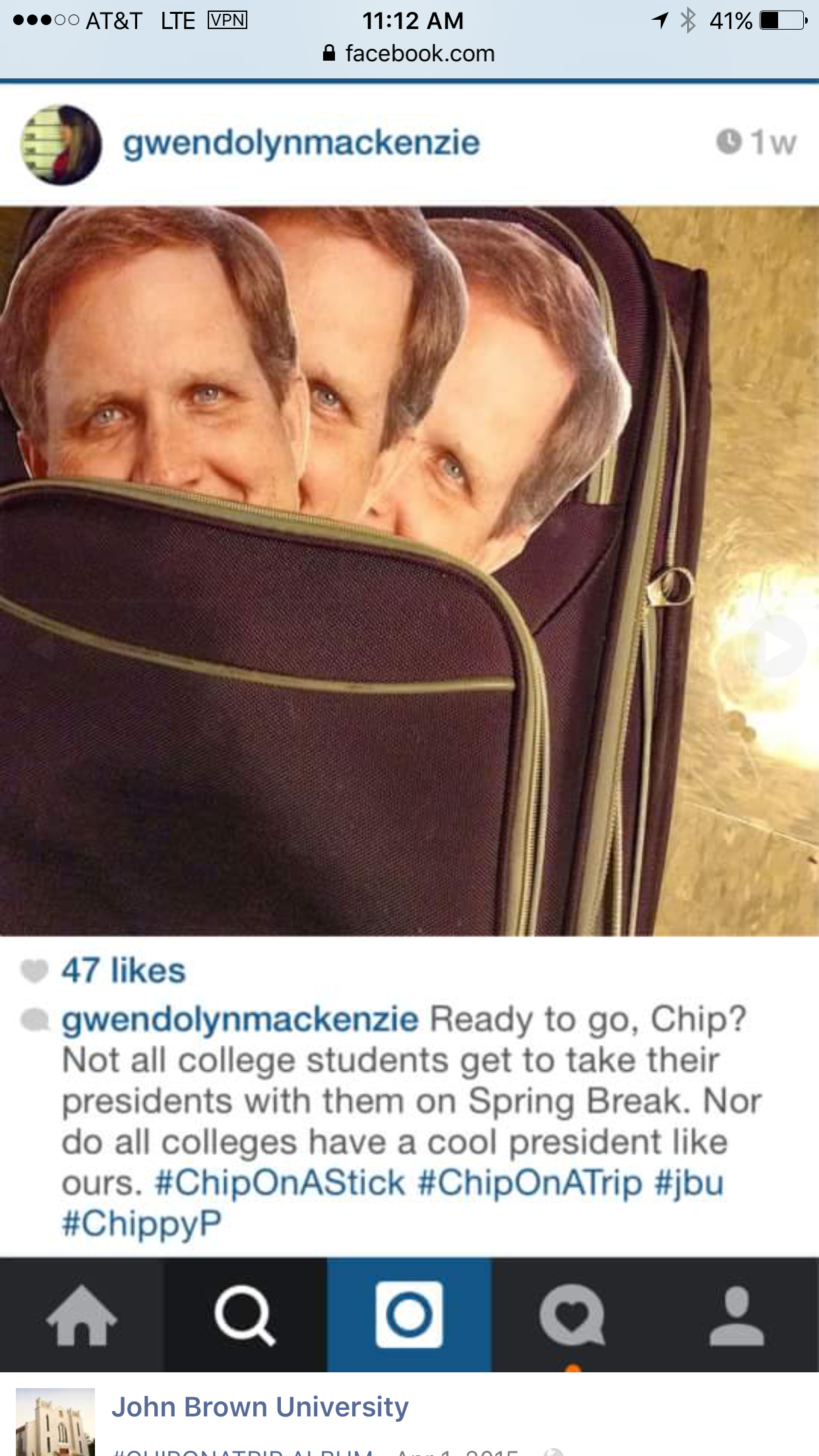
 

Last Spring Break, Dr. Pollard’s face was printed and pasted on sticks so that students could take him on vacation.
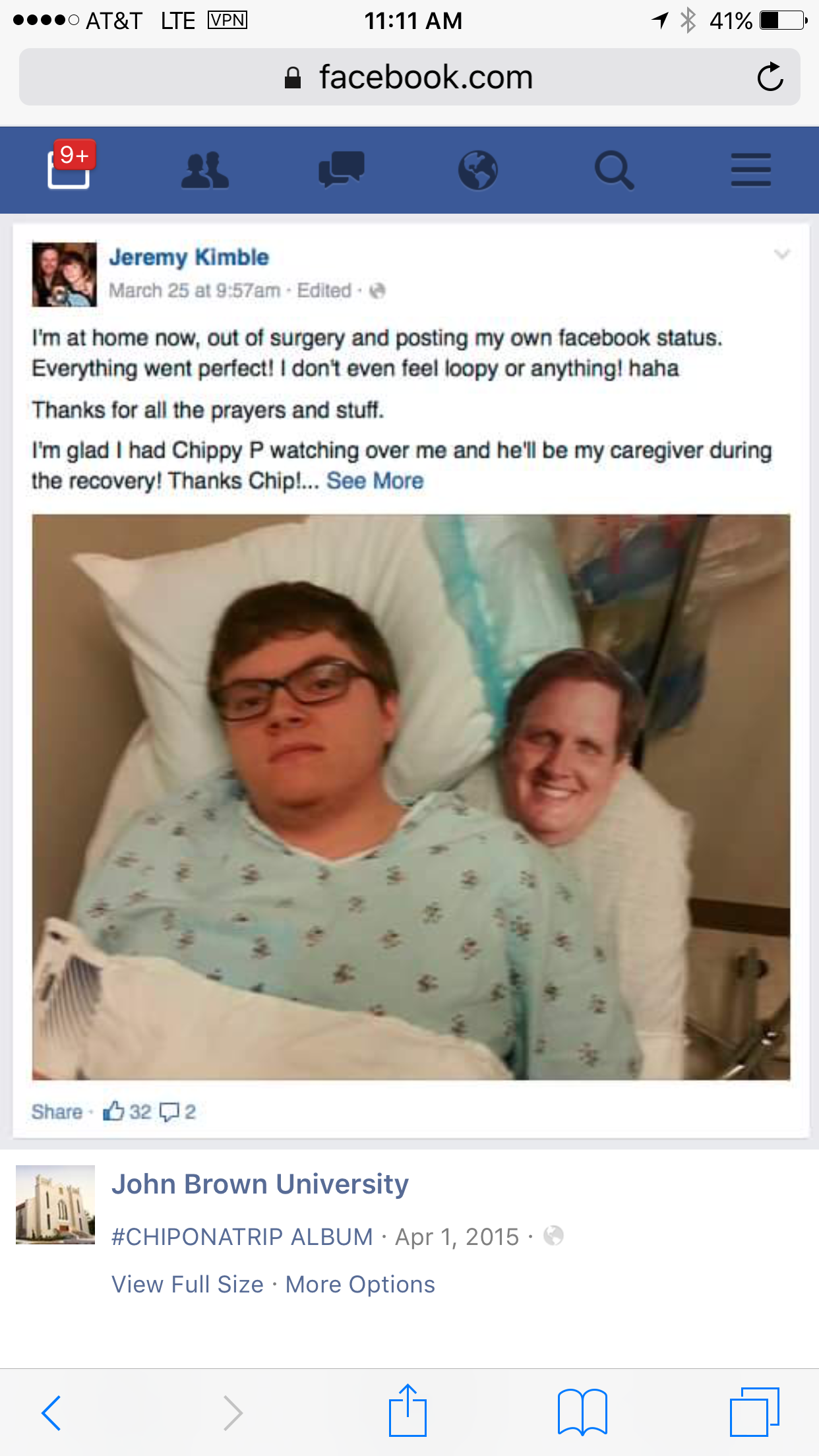

 

“This is like a big hug,” Brandon commented in amazement, remembering the sink-or-swim introduction to our big state university. (Which we both loved, by the way. But oh, the allure of a small, liberal arts college. They don’t have everything, but what they do have, they do very, very well.)
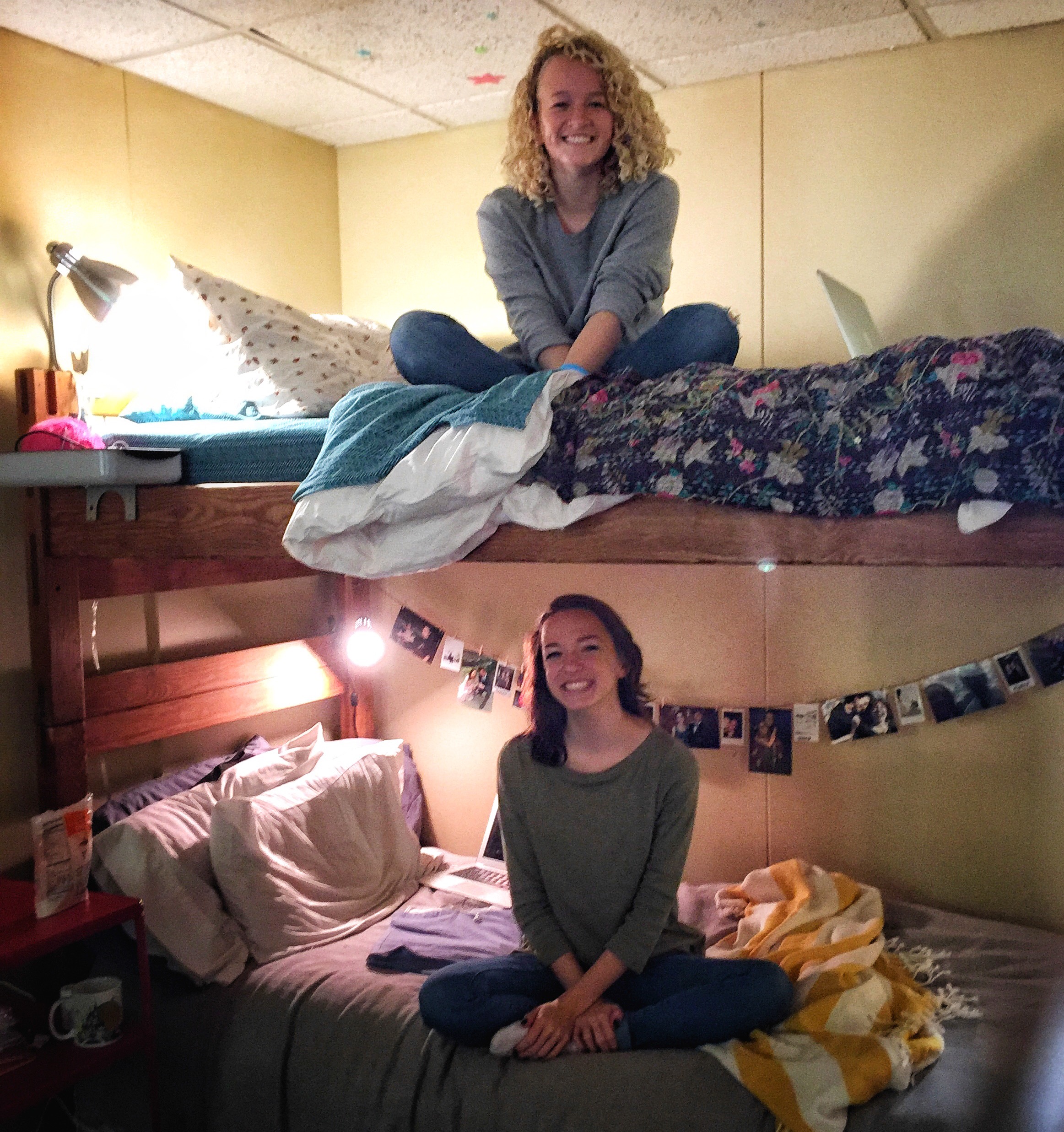
I went to bed that first night after drop-off reasonably pleased. Getting Jane settled had been a happy whirlwind. But about 4 A.M., I awoke again. Jane and her roommate, Grace, had bunked their beds, and Jane took the top. Just before we left her room, I noticed there was no guardrail for the top bunk like the ones we have at home. I lay awake, sure that Jane had fallen from her bed. Was she on the cold floor, right now, paralyzed or dead? Perhaps she was minutes from disaster, and if I texted a warning now, I could prevent the fall? Or what if my text startled her and caused her to fall? Now I was paralyzed. I poked at Brandon, who was snoring contently. He listened to my concerns with genuine sympathy, I think, but he really was very groggy. That left me with only God to appeal to. God, who I know loves Jane and me, but who also seems to work important growth through the very terrors I try so hard to avoid. Tricky. Finally, I went back to sleep with Monday’s handwriting assignment, which I’d given Georgia (cursive) and Nan (print), running through my brain: I will both lay me down in peace, and sleep: for thou, LORD, only makest me dwell in safety. It’s a psalm of David.

Feeding the campus deer, Doug. I posted a photo of Doug and Jane on Instagram, and some folks thought Doug was stuffed. Doug is alive and well, patrolling the campus. He’s also featured on a series of tshirts by a local screen printer.
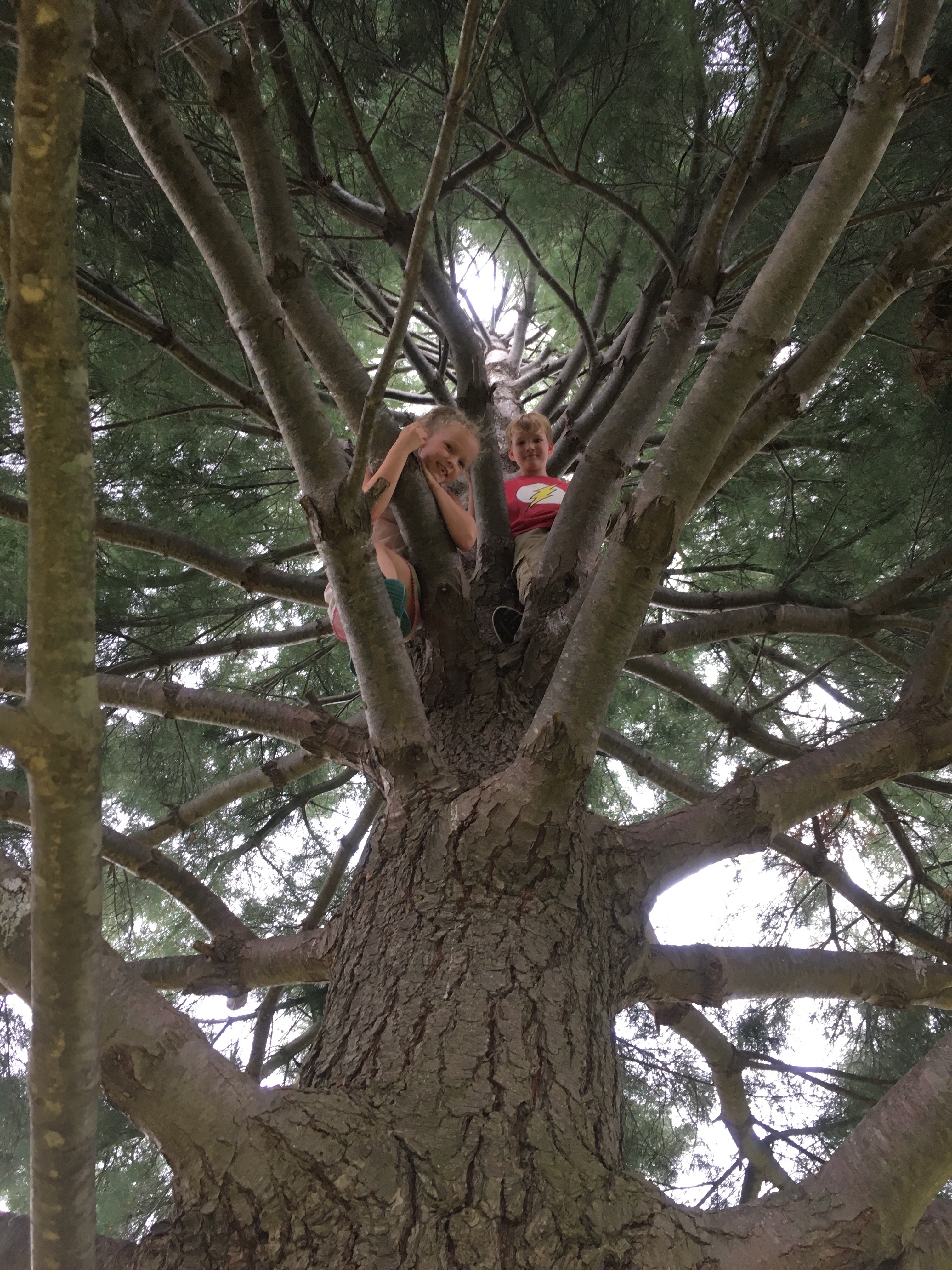
Pete approved of the excellent tree-climbing possibilities at JBU.
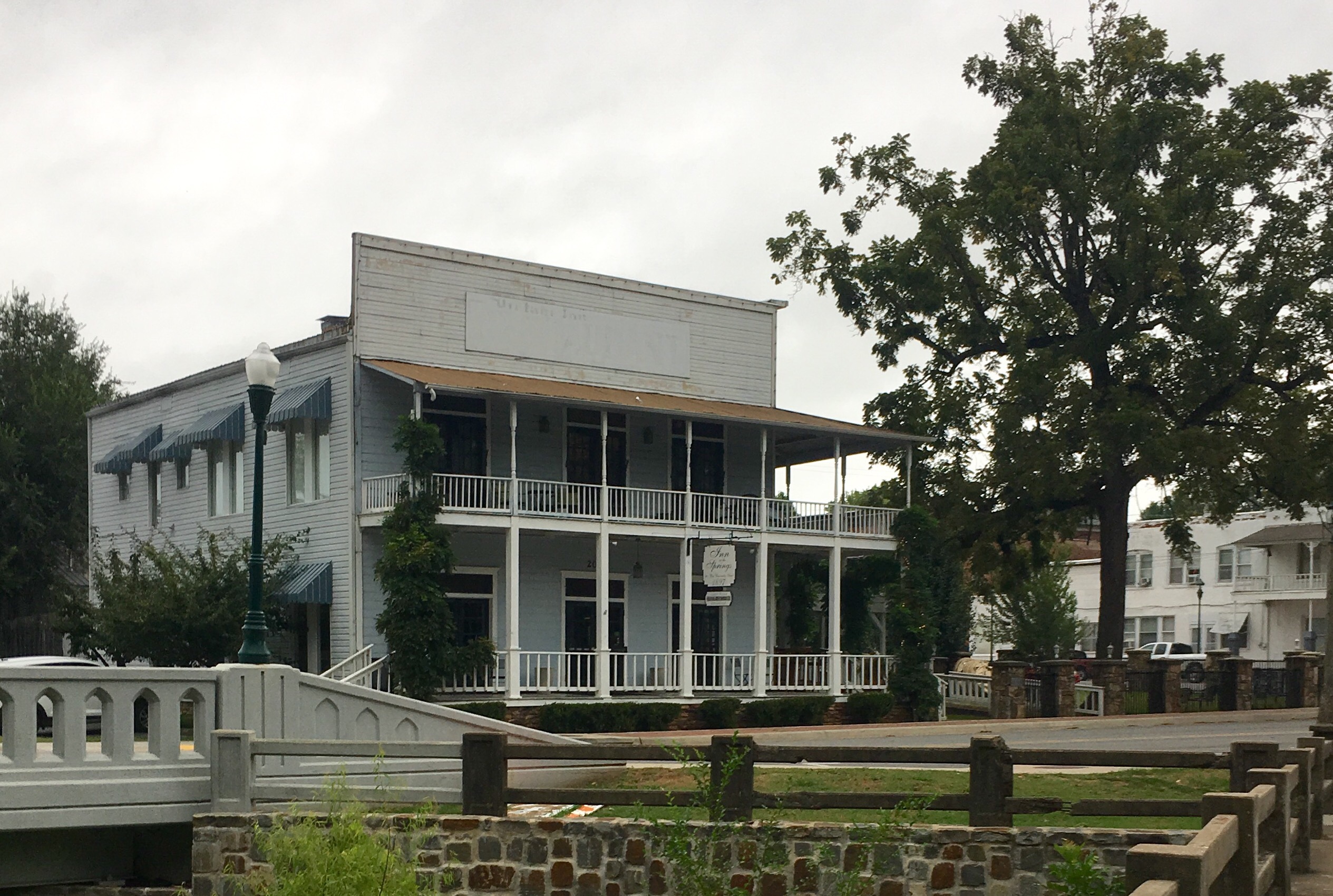
“Our” inn at the springs
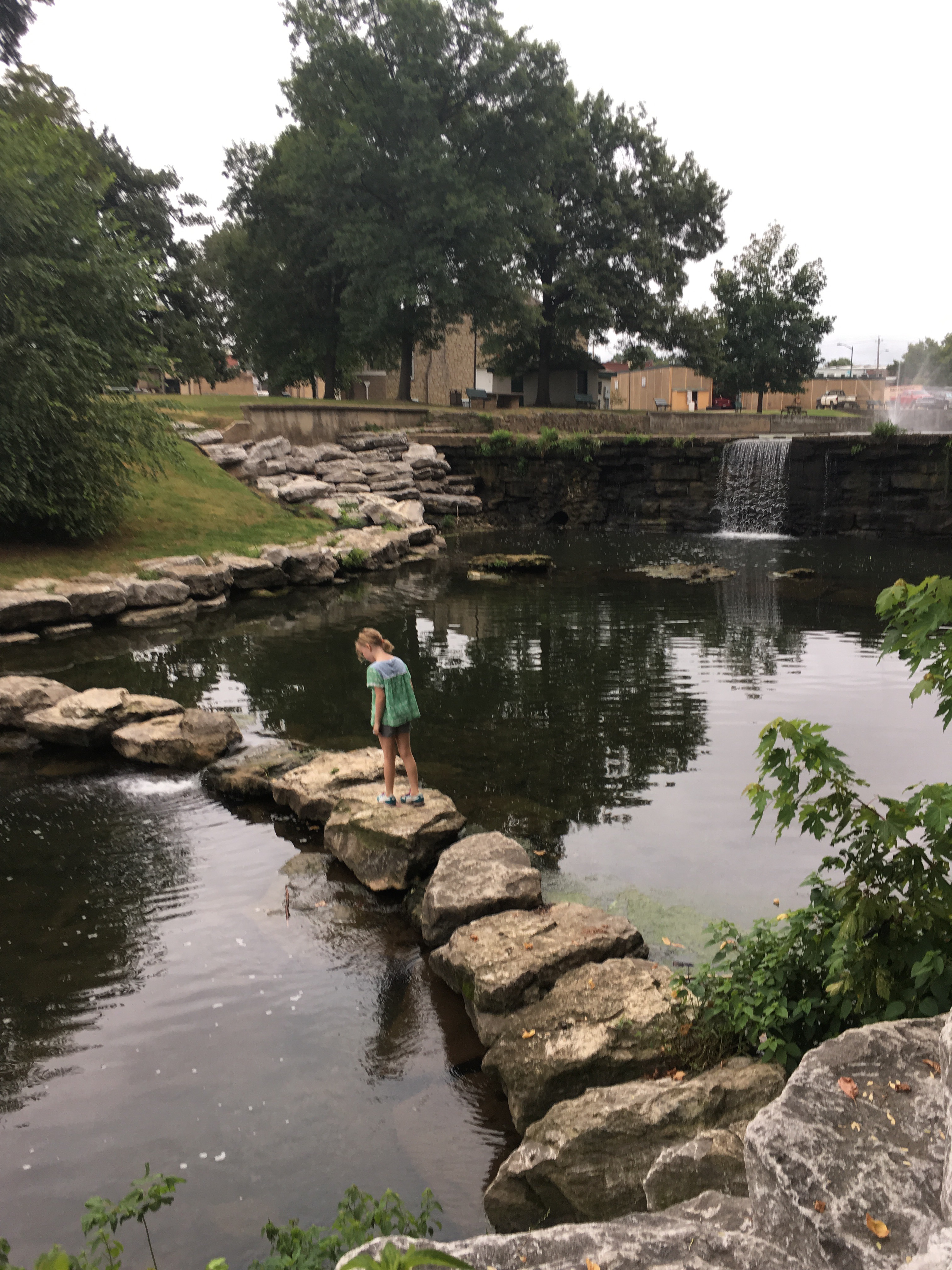
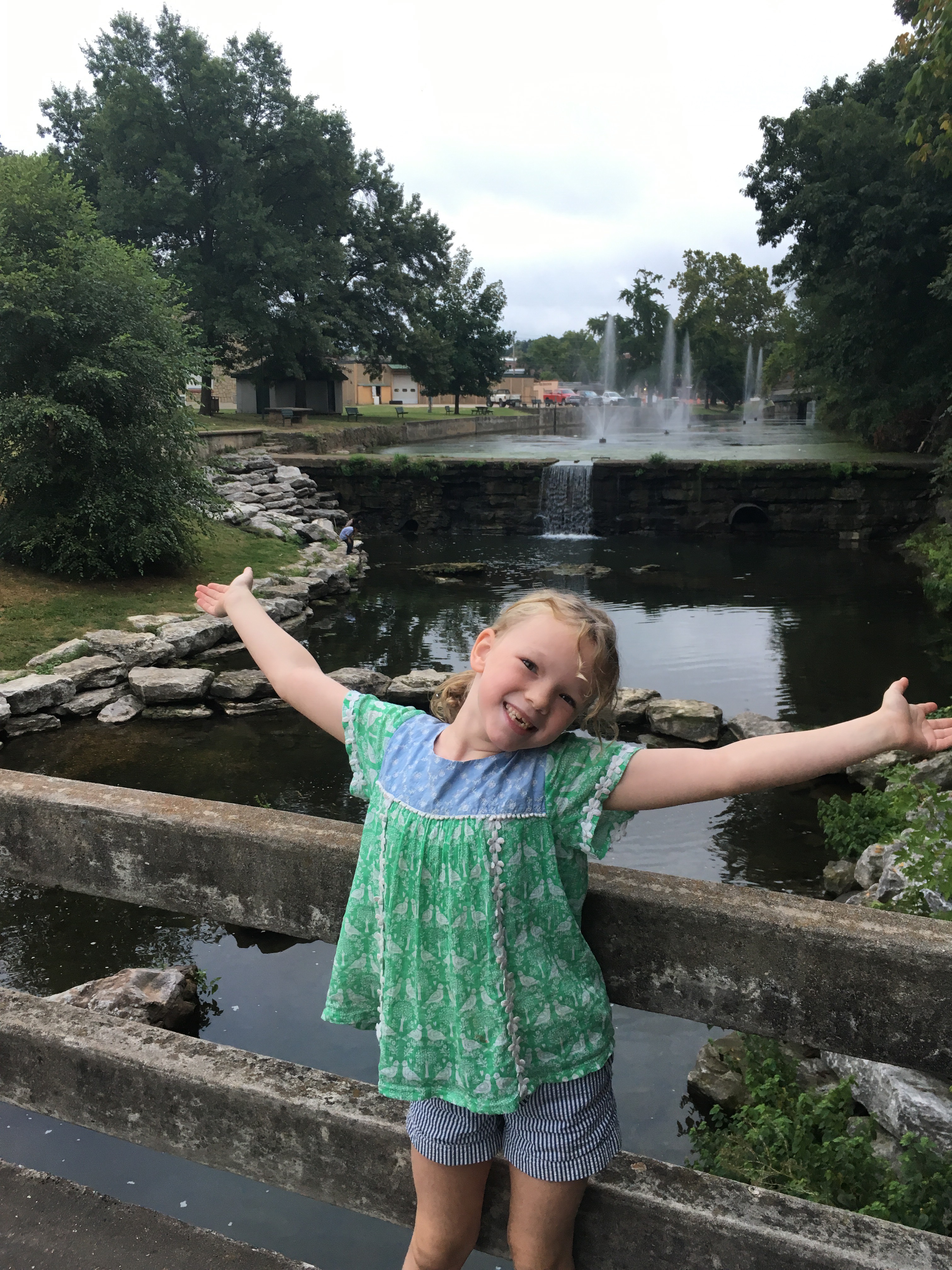
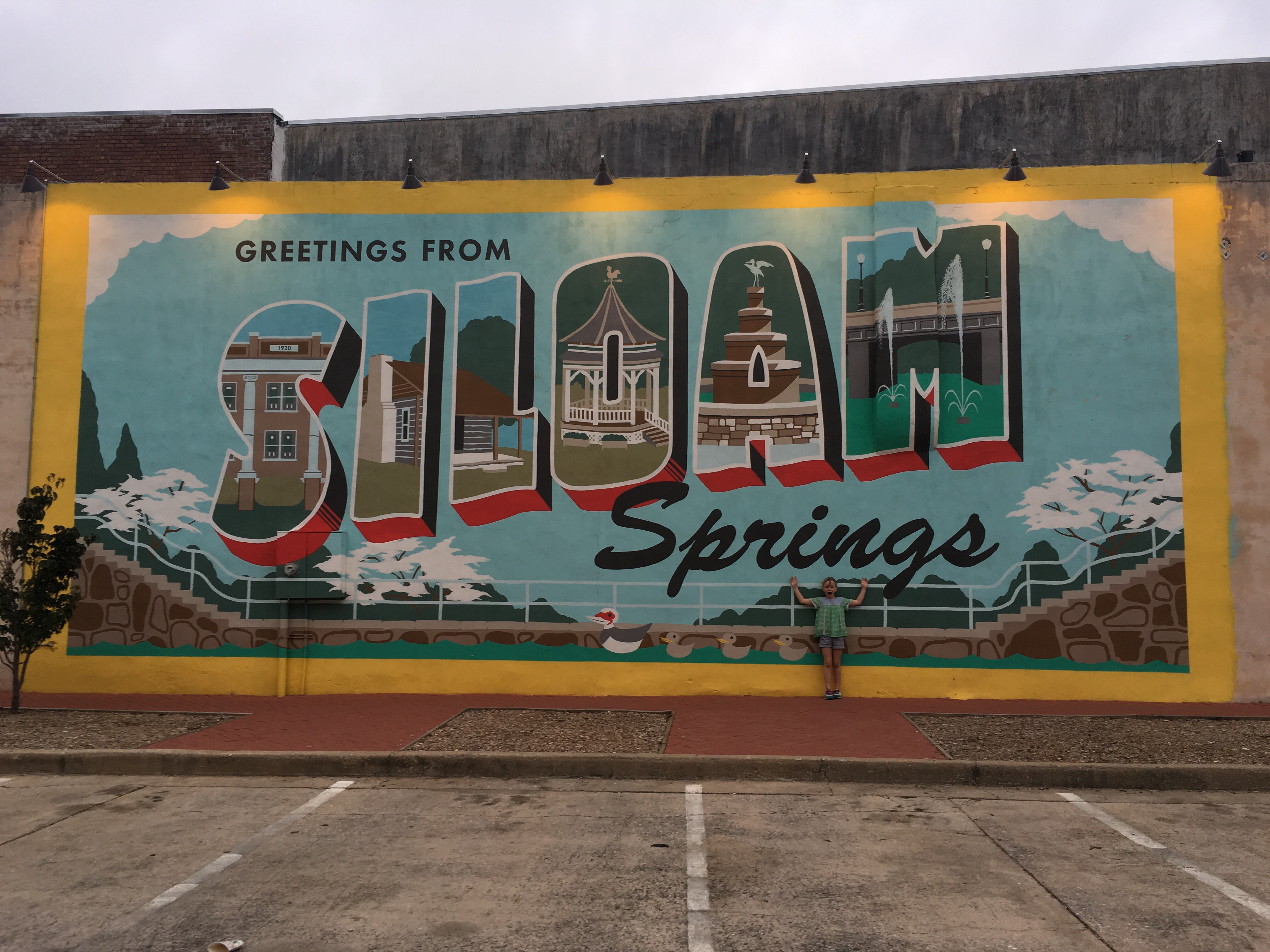
All the younger kids liked Siloam Springs. Nan, especially. As soon as she got out of the car, she announced, “Is this it? I LOVE it. I’m definitely going to college here.” I’m choosing to dwell on the cuteness, rather than the possible reality, of this statement for now.
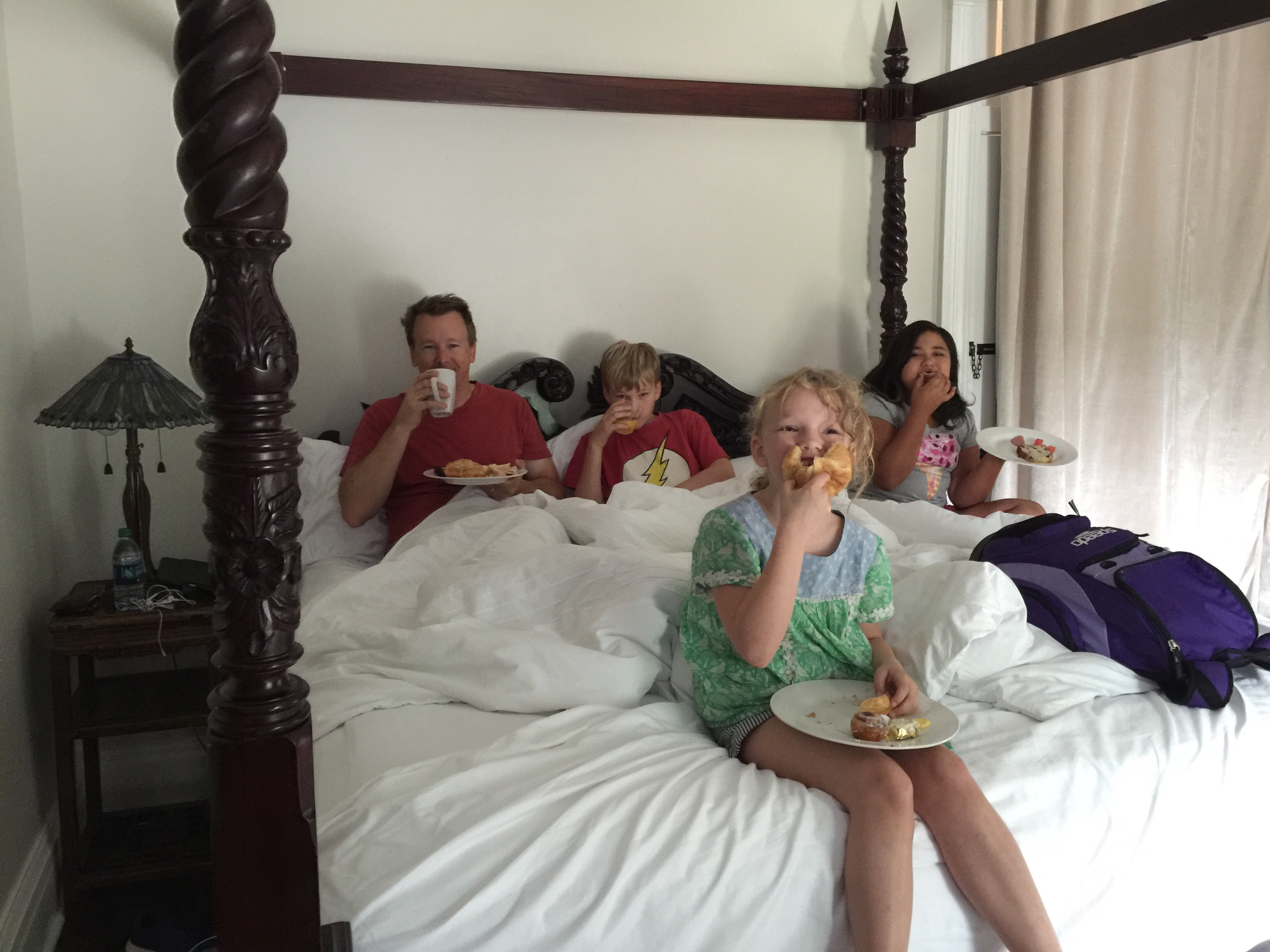

In typical Mulkey fashion, we were so busy enjoying our inn room that we missed a couple of parent events, one of which instructed parents that it was now time to leave. Oops.

Back in Lubbock the next evening, I stood in the doorway of Jane’s room, which was soon to be overtaken by eager brothers who’ve been (in their opinions) stacked like sardines in one room for twelve years. A low moan rose out of my belly, one that’s only familiar from the few times in my life when death has visited me closely, and I began to cry. Should I be this overwrought? I wasn’t, like David, being called to entrust my child to God in death, merely to sleep peacefully in Texas while she sleeps in Arkansas. Yet, I couldn’t shake free of fear.

I watched nesting birds fly in and out of the eaves outside Jane’s window. I hate fledgling time. It makes me terribly uncomfortable watching all those ill-equipped babies hopping around on the ground and flapping weak, uncertain wings. I keep my cat on house arrest, and I wonder how the bird mothers can push them out of the nest. I know, as well as their mamas do, that they can’t survive in the nest forever. They have to fly.

How to cope with the sadness that has inevitably arrived, despite my 10,000-mile long escape plan? Then David arose from the earth, and washed, and anointed himself, and changed his apparel, and came into the house of the LORD, and worshiped: then he came to his own house; and when he required, they set bread before him, and he did eat. (2 Samuel 12)

In his welcome to students and parents, Dr. Pollard addressed the anxieties of leaving home and starting something new. “Be at peace,” he urged, “You are a beloved child of God.” These are not idle words; Dr. Pollard, like so many other parents, has actually walked David’s road: I shall go to him, but he shall not return to me.

So, I will wash my face and worship. I’ll teach math and reading and go to swim team practice and football games in Texas. Jane will wash her face and worship. She will go to class and work and make friends in Arkansas. We will be at peace. We are beloved children of God.

If you’d like to know more about Jane’s college, John Brown University, here’s a link to an article written by its president, Dr. Charles Pollard:

This is not Disneyland

and some fun youtube videos:


Though This Be Madness, Yet There’s Method In’t!

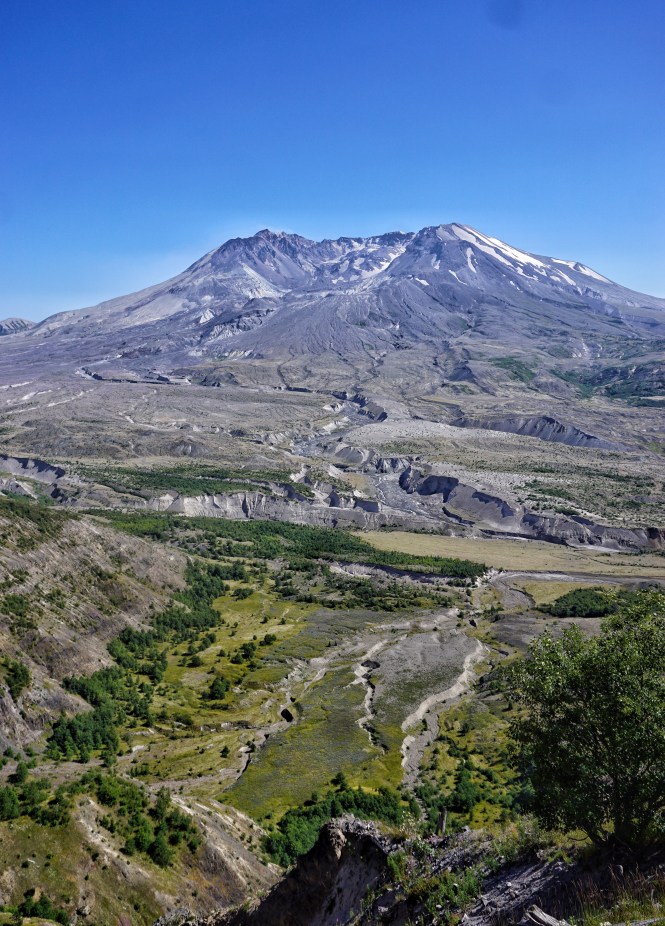
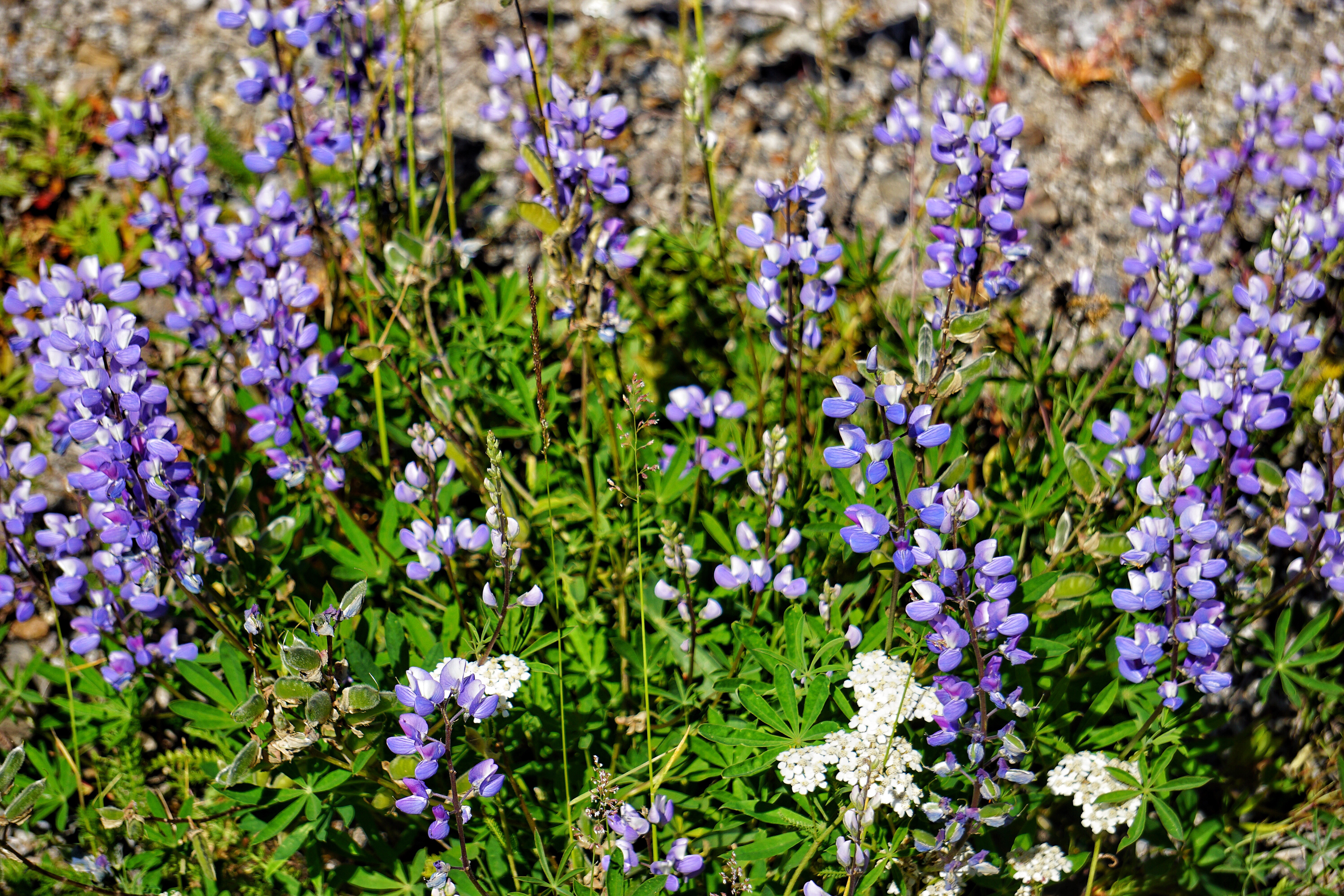
Mount Saint Helens was a highly anticipated stop for the whole family.  Brandon and I remember the news coverage of the eruption from when we were little, and the kids, well, what kid doesn’t love an active volcano?  The park was full of enthusiastic, young rangers, who bubbled over with tasty, geological tidbits.  While there was plenty of discussion about the scale and drama of the 1980 eruption, many presentations focused on the astounding, almost immediate explosions of life that followed the devastation. Prairie Lupines bloomed, for instance, in the nutrient-poor pumice, fixing nitrogen in the soil and preparing the ground for the return of other plants. Wildflowers blanketed the ground, and it felt like Bluebonnet time in Texas.

Here’s an interview with some folks who were flying over Mt. St. Helens when the 1980 eruption occurred:
https://itunes.apple.com/us/podcast/witness-archive-2012/id1003007466?mt=2&i=368638068

In Portland the next day, we visited a church Jane read about in byFaith, our denominational magazine.  Nathan Lewis, the pastor, had written an article about the church’s efforts to be good neighbors to a nearby Islamic Center. Here’s a link to the story:

http://byfaithonline.com/can-muslims-and-christians-be-good-neighbors/

I often describe myself as a “cradle Christian”. For as long as I can remember, church-life has been the backdrop of my memories. However, it took a long time for me to understood why corporate worship is so essential to my spiritual growth. As we stood among strangers, speaking familiar words of praise, confession, forgiveness, and assurance, I was suddenly connected to a much larger body of worshippers, near, far, past, present, and future, all acknowledging a worthy king.  It made me long for heaven.  It also made me want to get back to my particular band of worshippers in Lubbock.  “I think we should try to make it home in time for church next Sunday,” I announced as we loaded up in the RV.  A cheer rang out.  The race was on.

To fit the remaining ten days of our trip into six, we began cutting or abbreviating our Oregon and Northern California plans. We satisfied ourselves with the mountains, rainforests, and beaches we’d already visited in Washington, and we gave up coastal redwoods for the giant sequoias we could examine at Yosemite. We skipped the lava tubes at Lassen when we discovered there are also some in New Mexico. Instead of camping at Crater Lakes, we made a brief stop. We almost regretted the out-of-the-way drive until we peaked over the edge of the crater. Six miles long, 1,900 feet deep, and just this blue. Breathtaking!


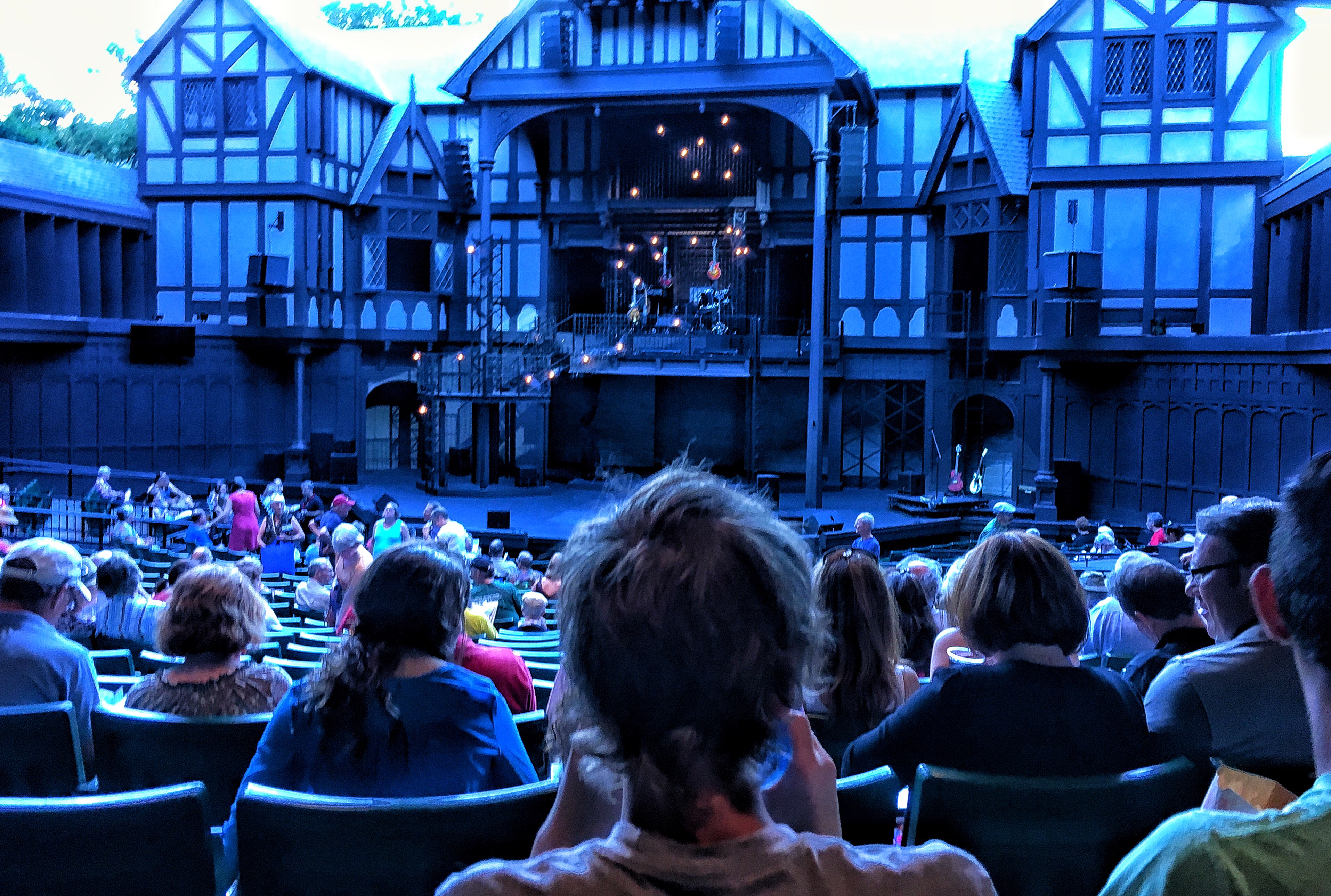
The kids are studying the Medieval, Renaissance, and Reformation periods in history and literature this Fall, so we were fortunate to see a production of Hamlet at the Oregon Shakespeare Festival in Ashland.  The acting was fabulous, and occasional gloomy choruses accompanied by electric guitar added a gothic-rock mood to the show.  We’d listened to Charles and Mary Lamb’s story version of Hamlet on the drive down, so even the little girls could follow the play.  Brandon, who prefers a story with a happy ending, was disappointed that despite the updates to the play, Hamlet still did not redeem his mom, patch up things with Laertes and Ophelia, and win back his crown.

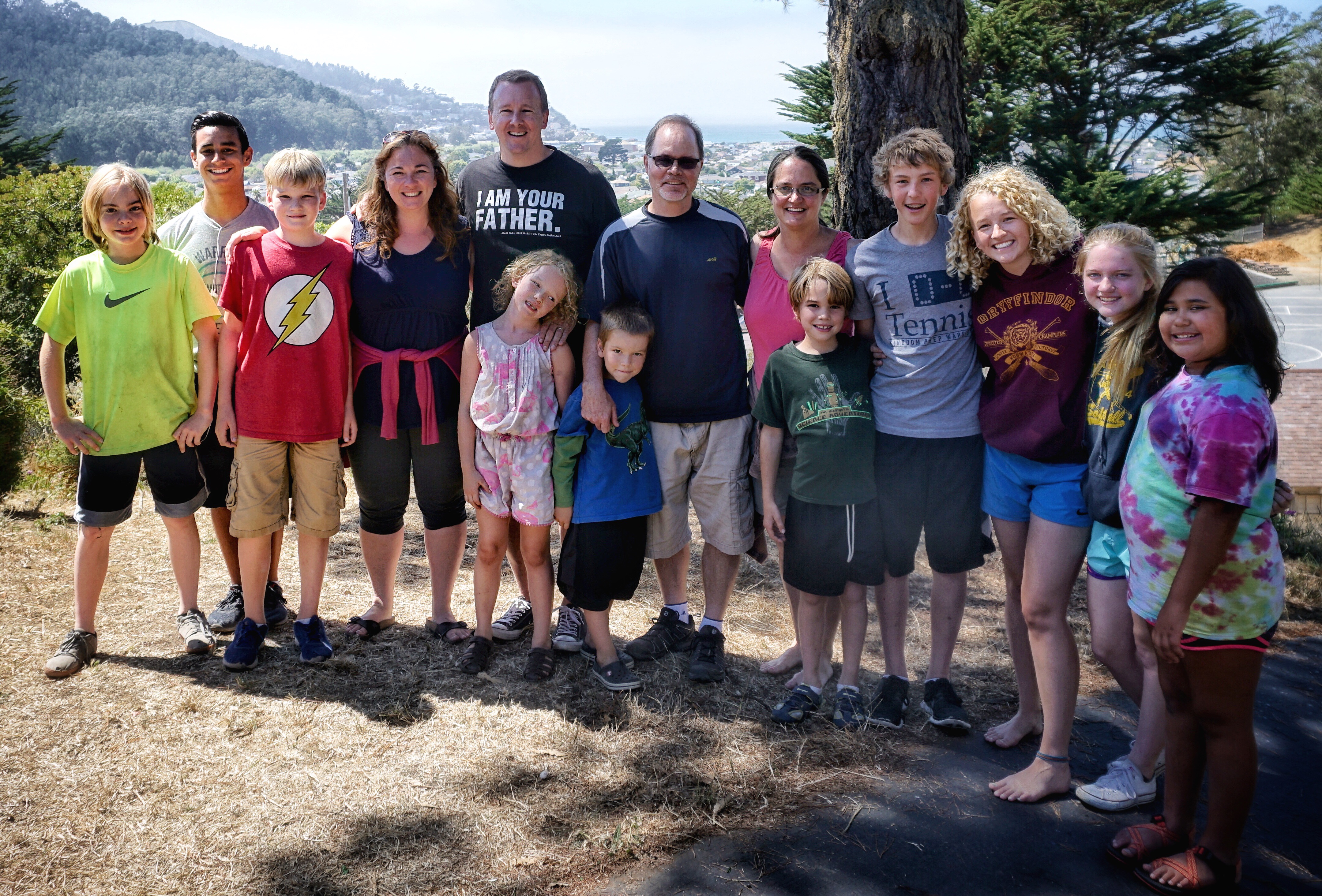
Just outside San Francisco, we spent a couple of nights with our friends, the Shargels.  We last saw Lynn and Steve seventeen years ago when we passed through Jackson, MS on our first move out to Lubbock.  What a fun reunion!  We were delighted to see our kids become fast friends.


The Shargels live on the campus of the school where Steve teaches.  It’s on a hill overlooking the ocean. Fog and cool temperatures roll in each afternoon, and a sharp, sweet scent of eucalyptus and pine hangs in the air.

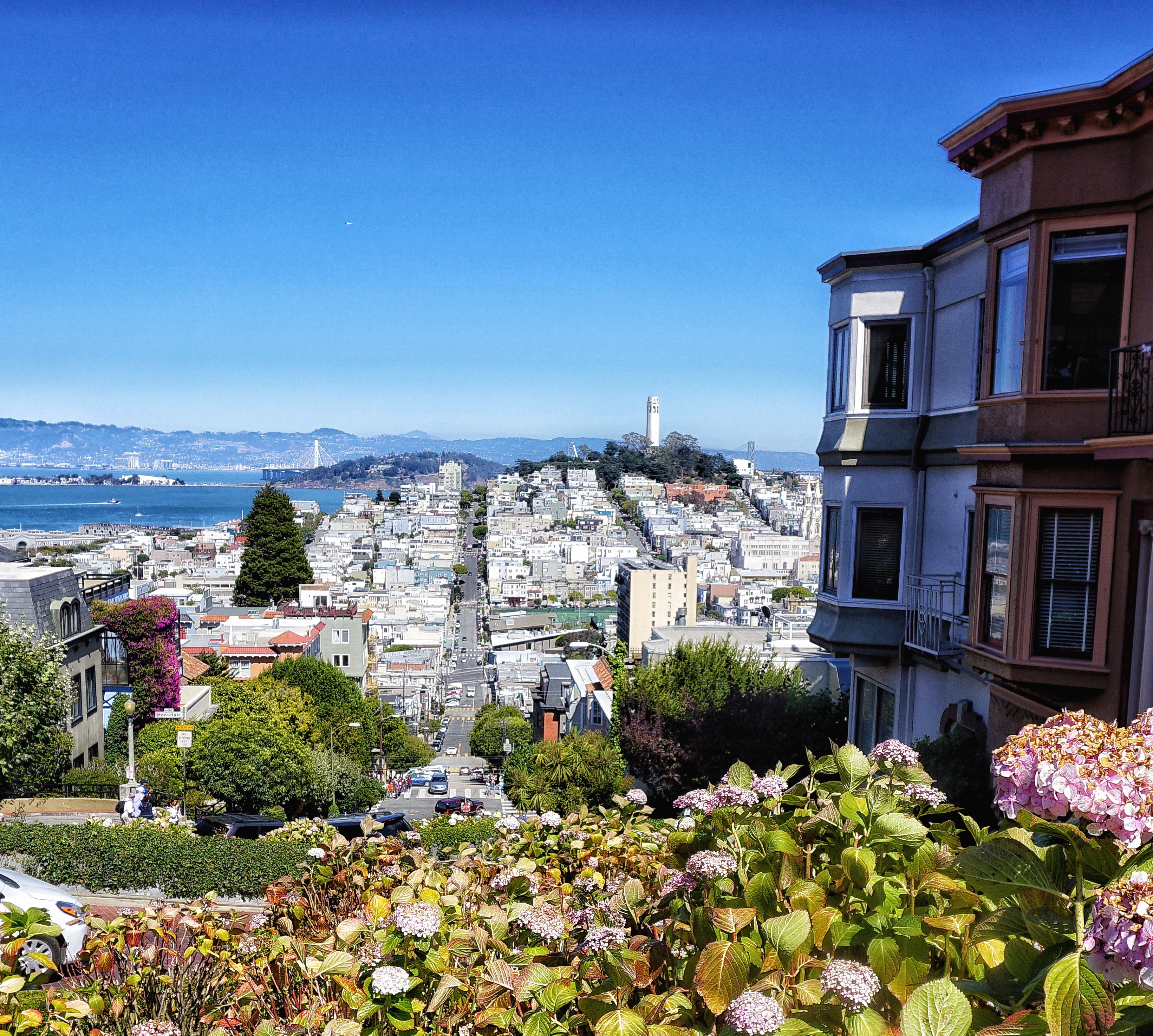
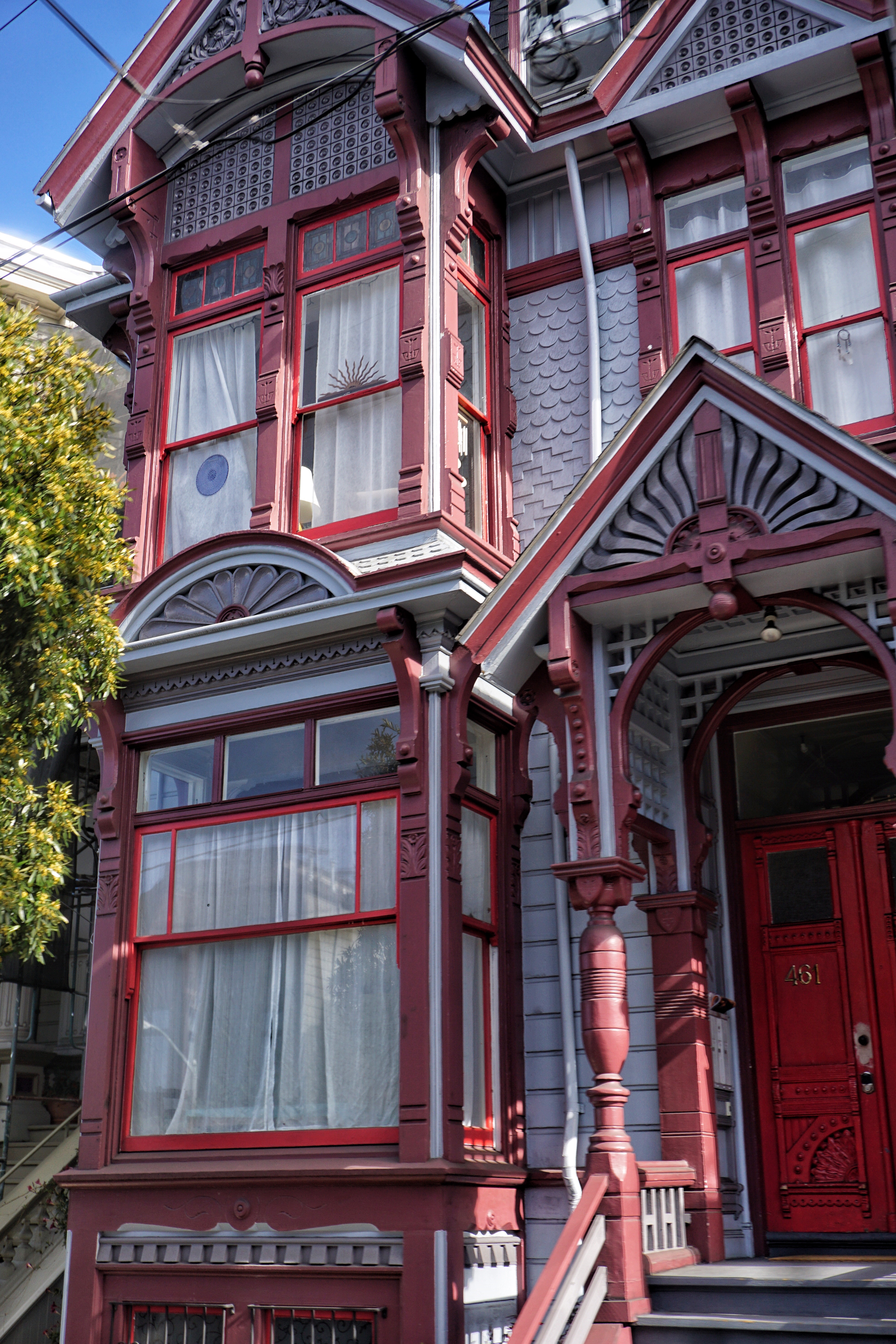
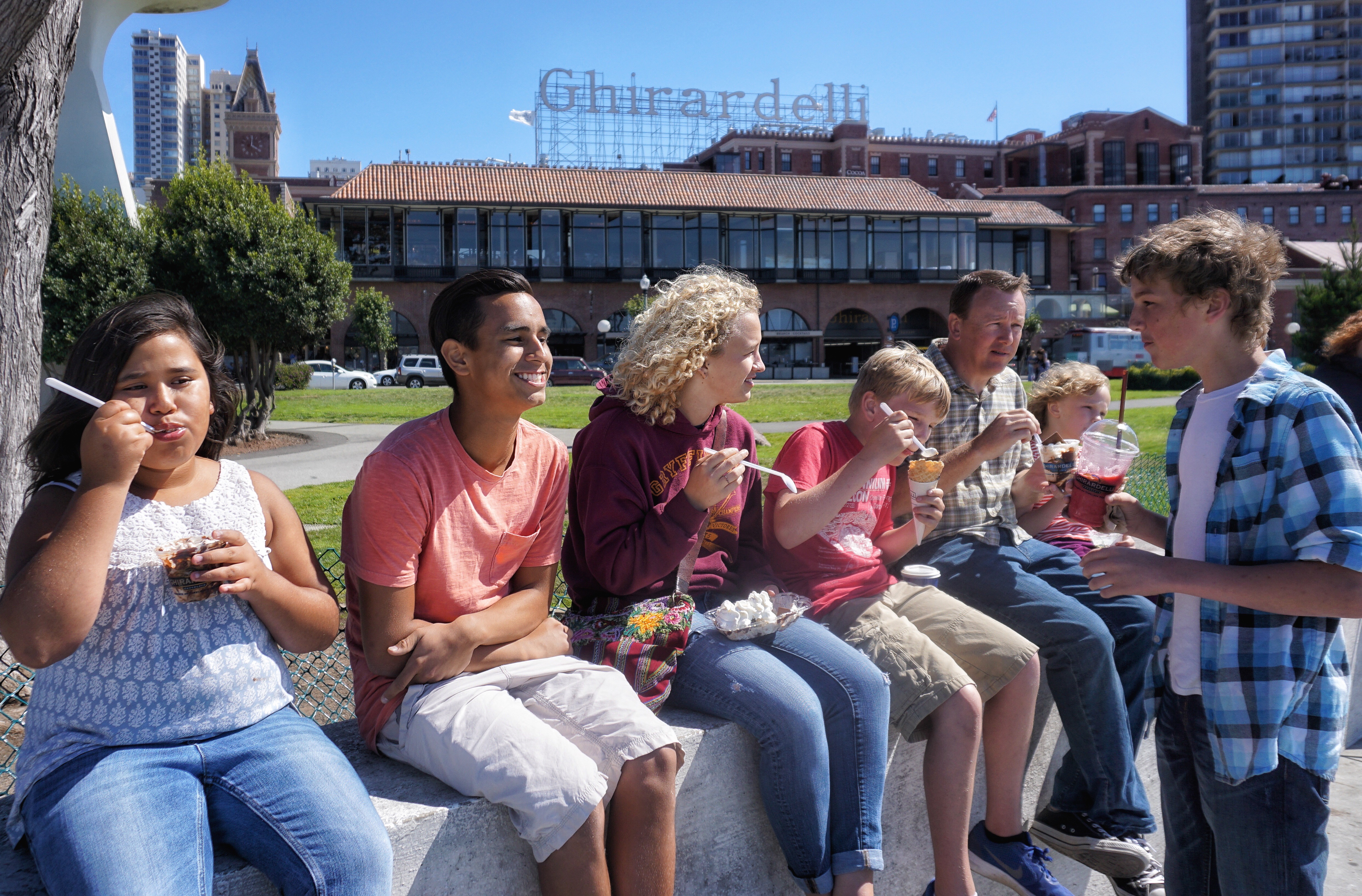
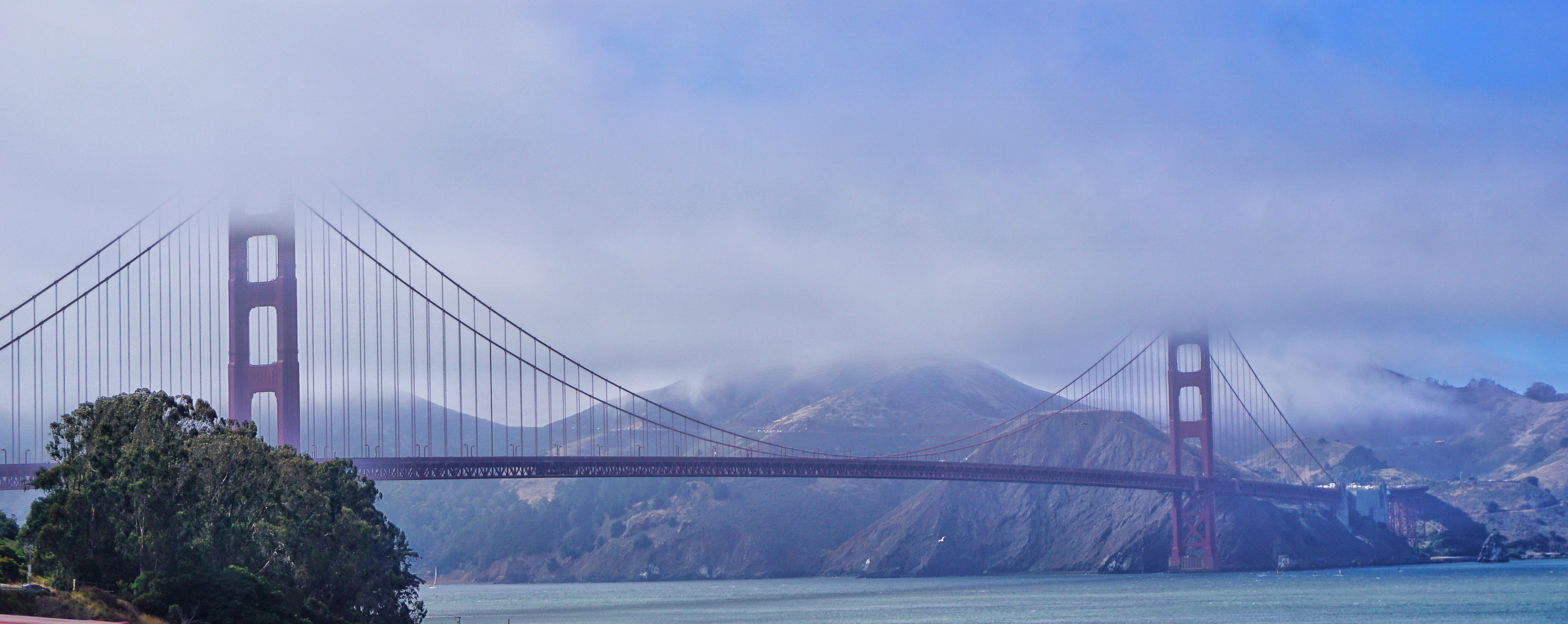
I trimmed our San Francisco tour down to one day, and the Shargels, a little horrified at the thought of our trying to park an RV in the city, lent us their vehicle.

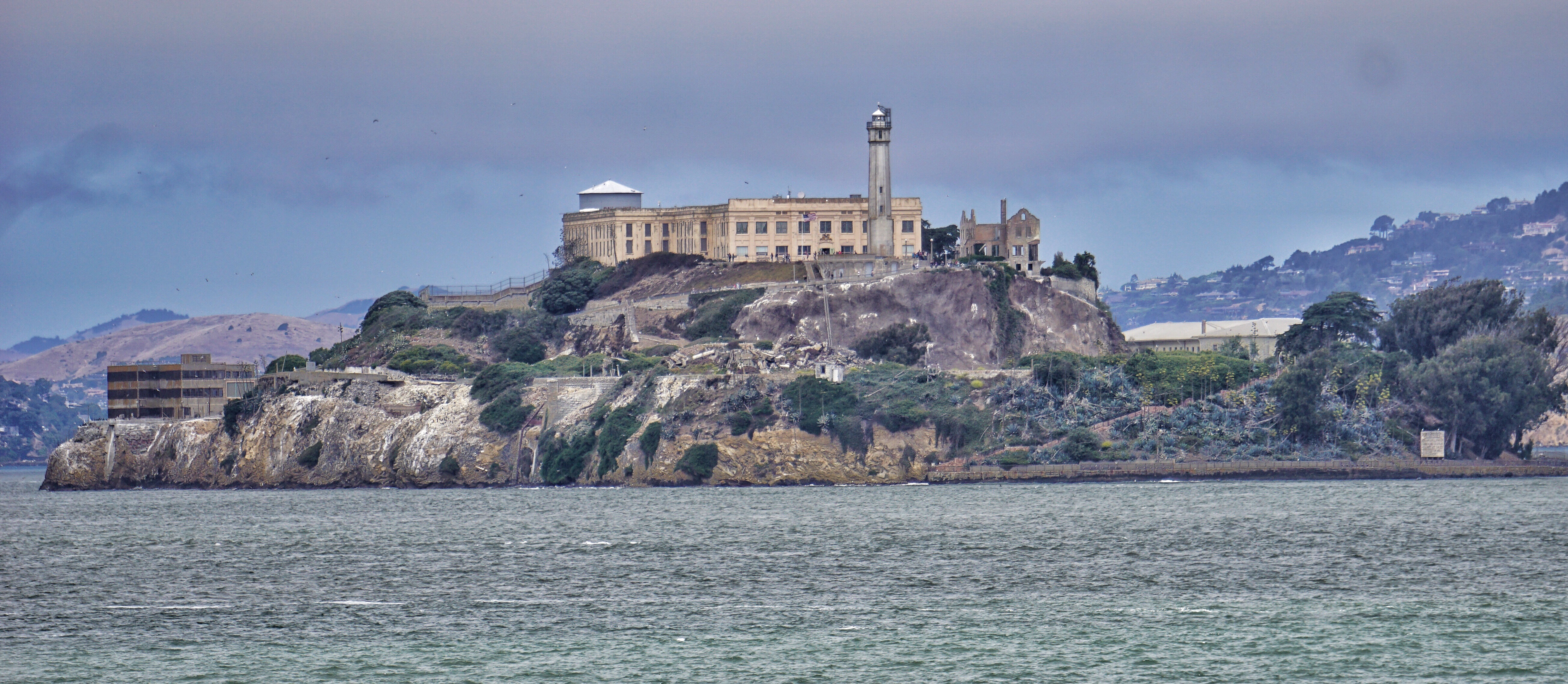
After watching Escape From Alcatraz, the kids are still debating the fate of some of the inmates.

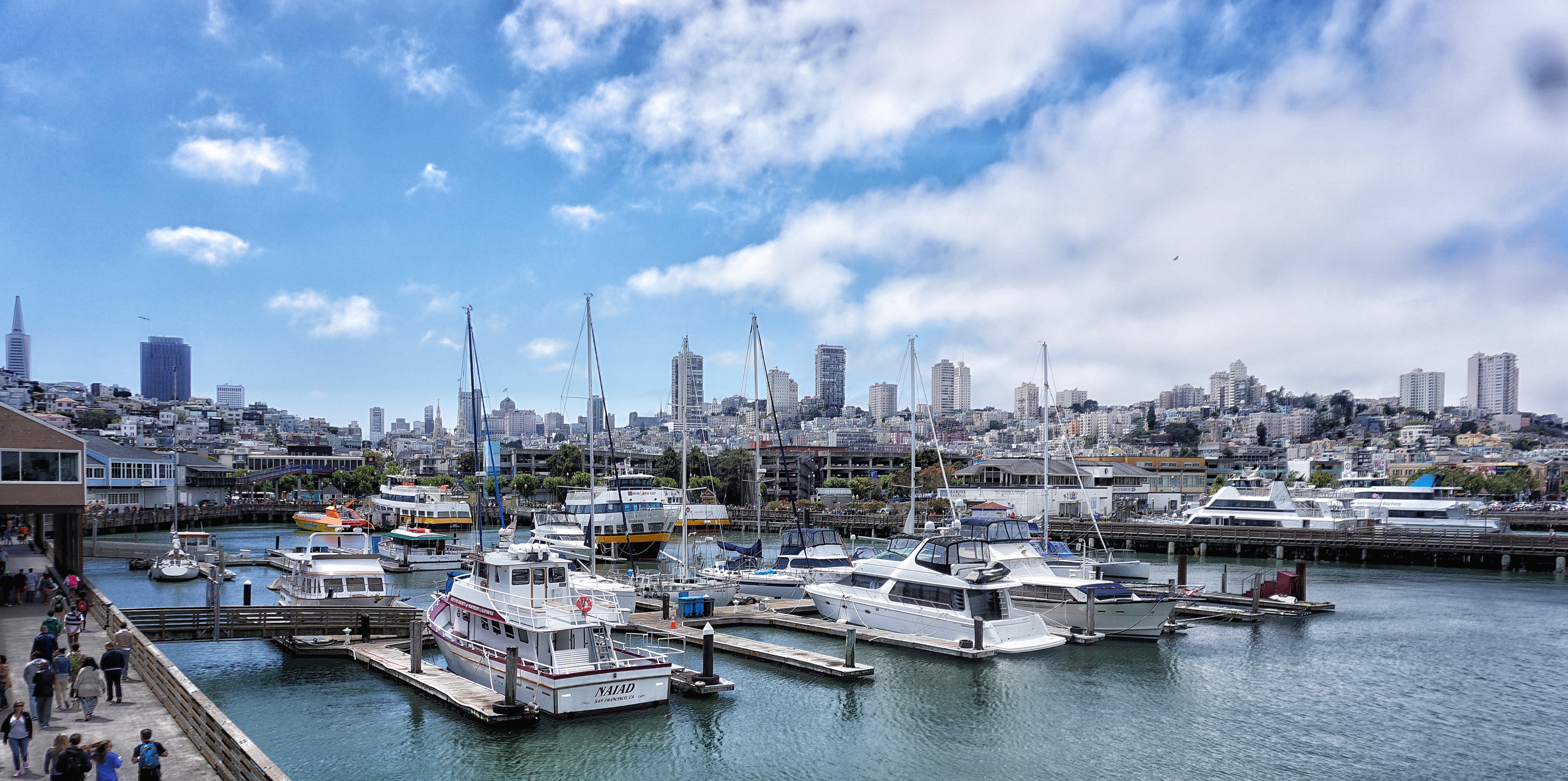
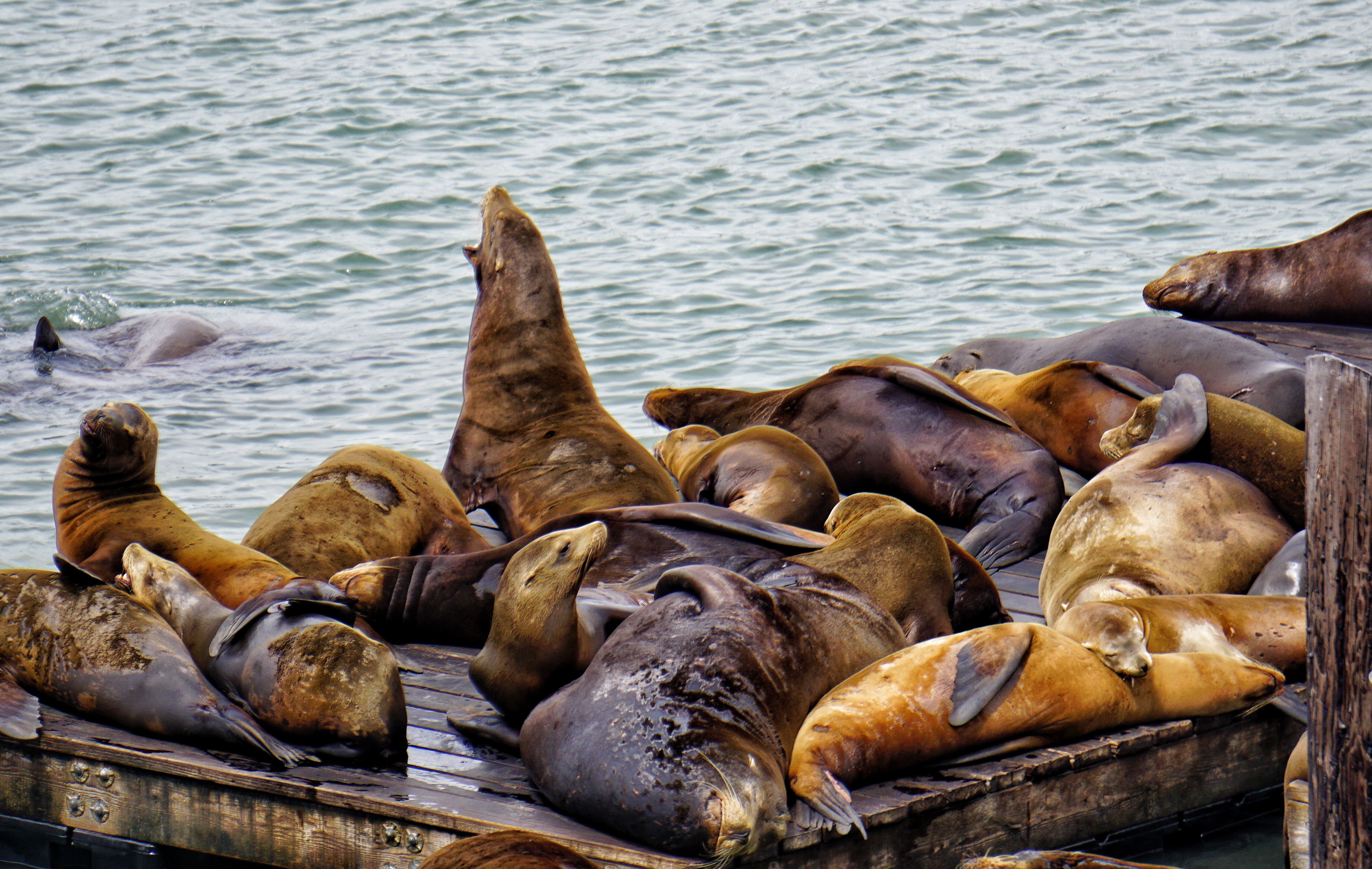
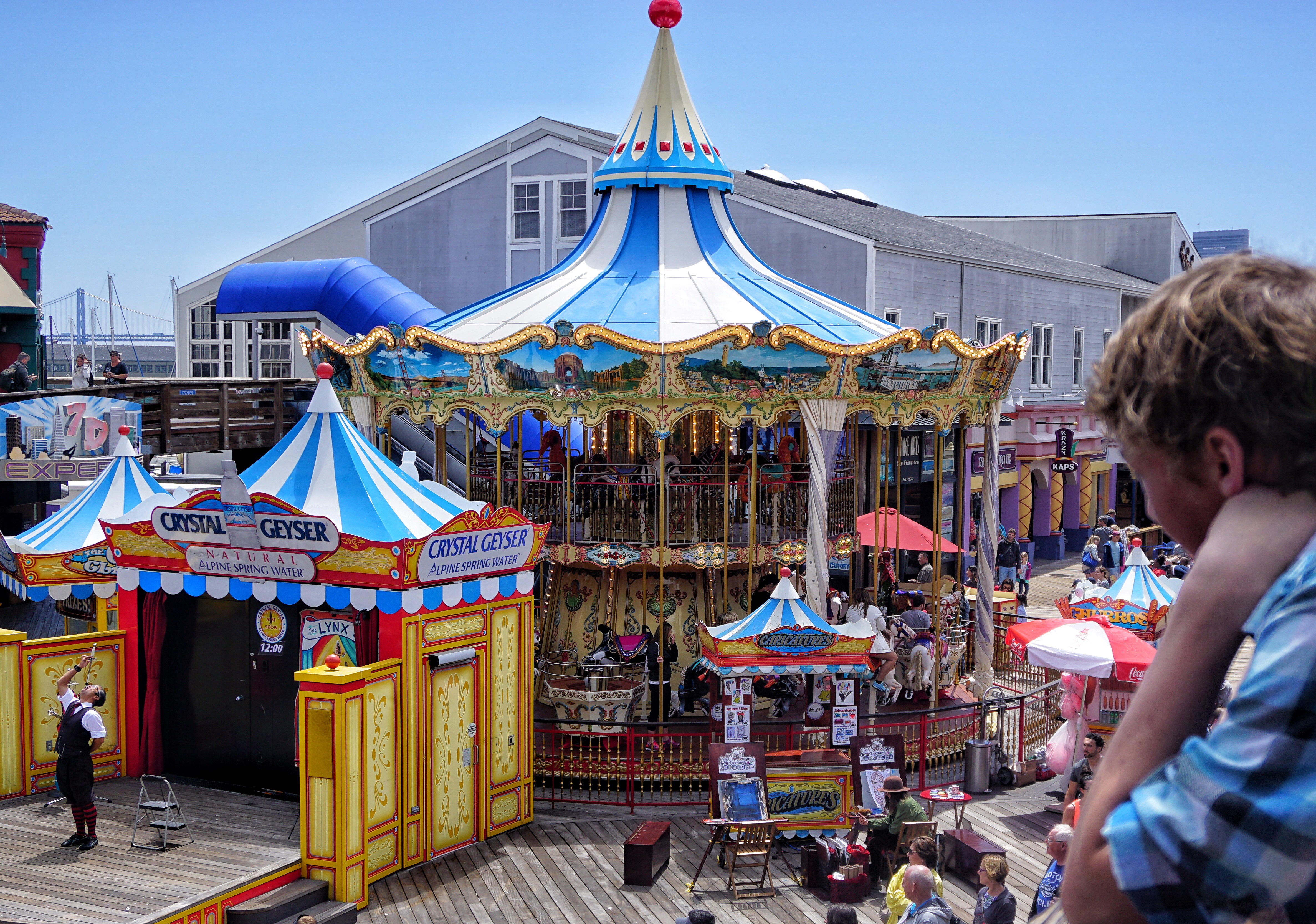
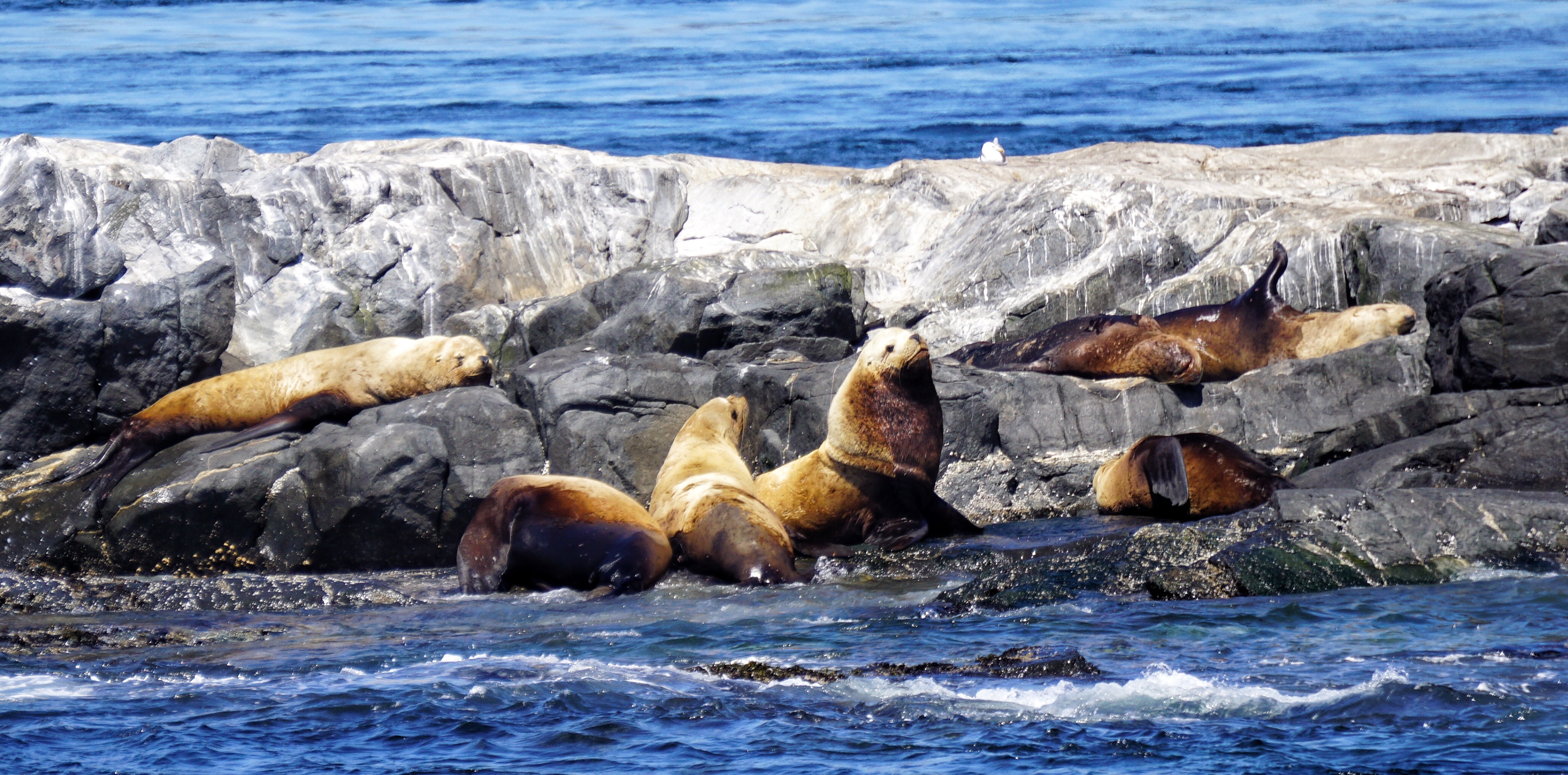
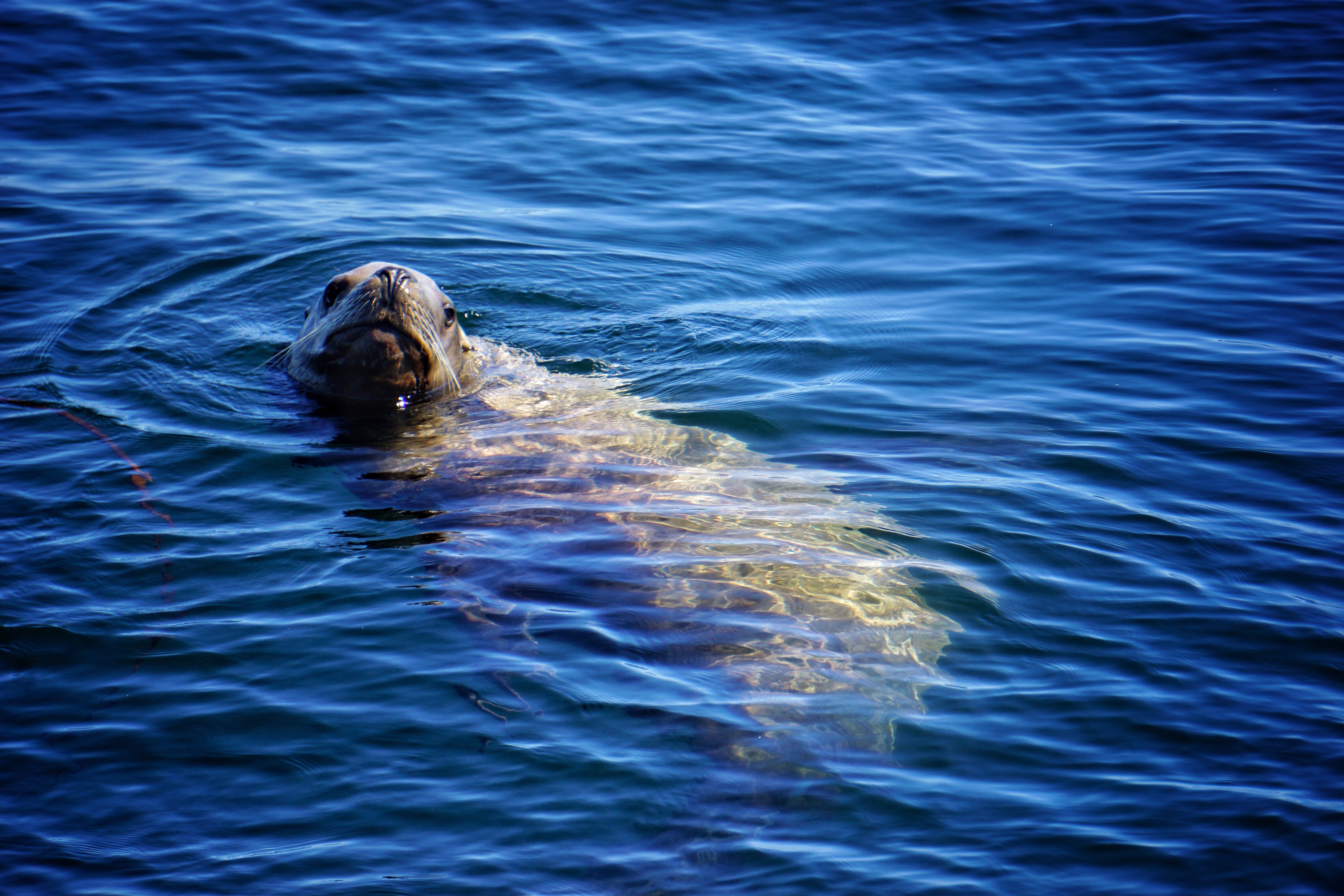
Sea lions and sword-swallowers at Pier 39

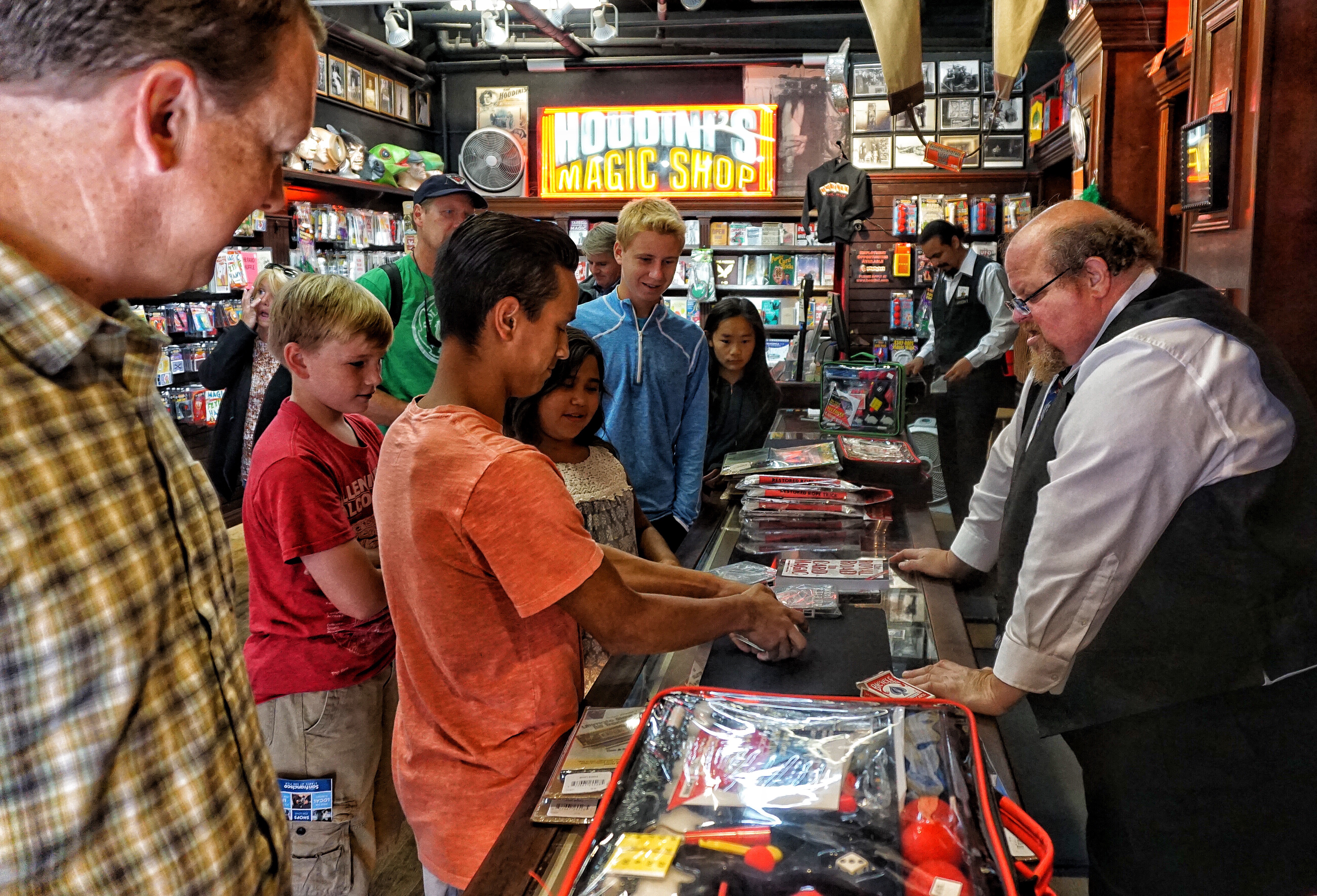
Jake, showing off some of his card tricks, in the magic shop

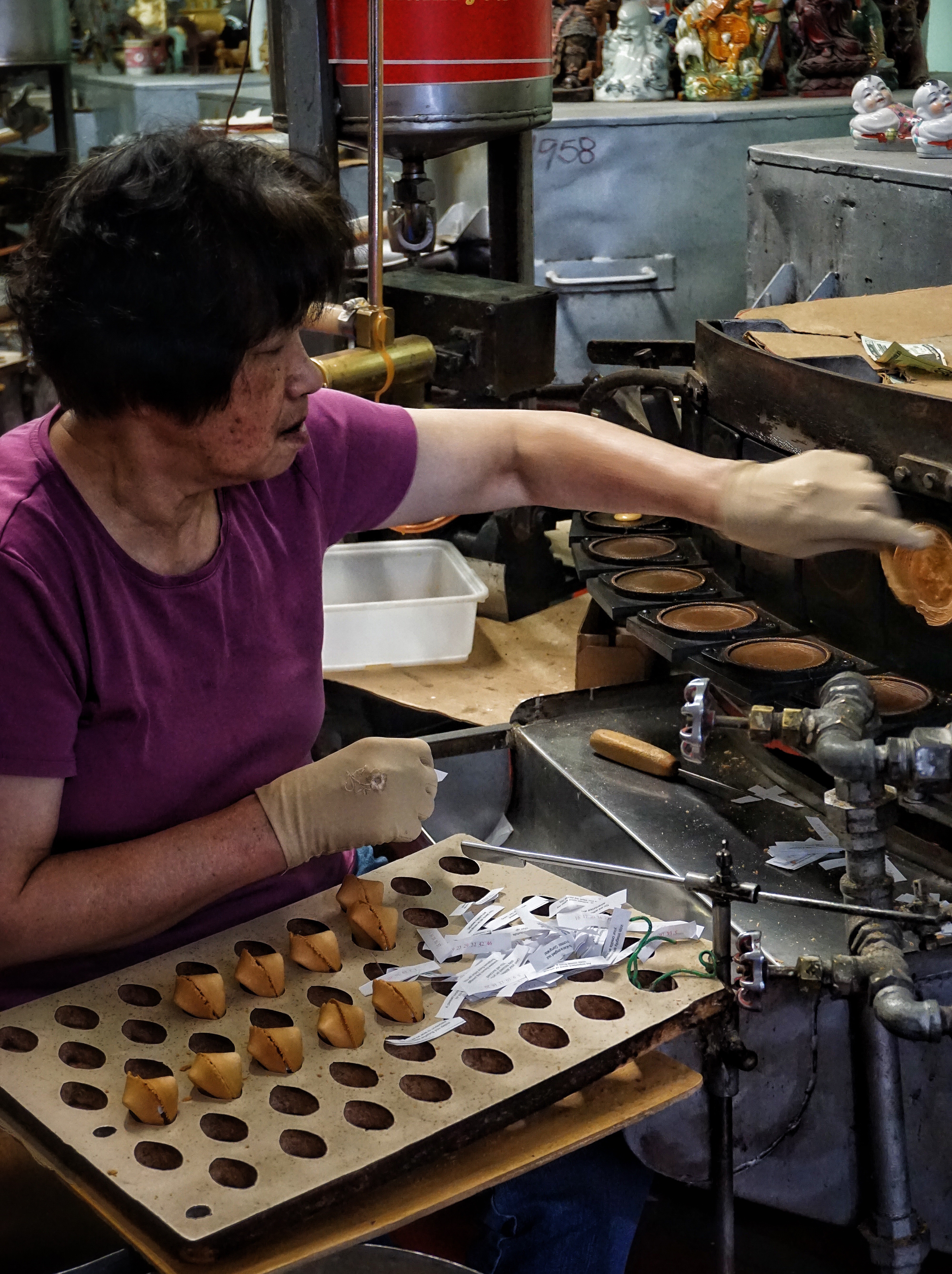
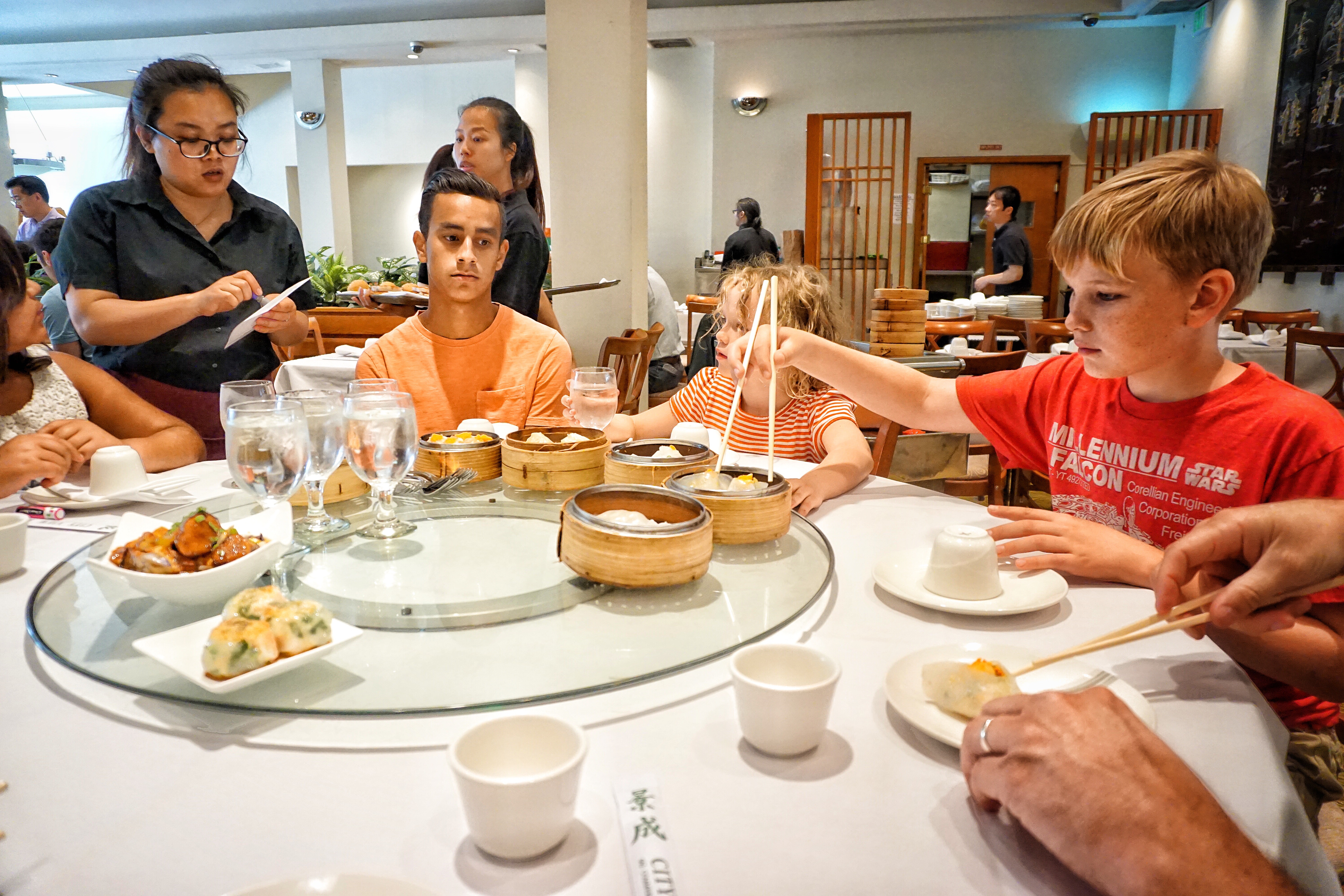
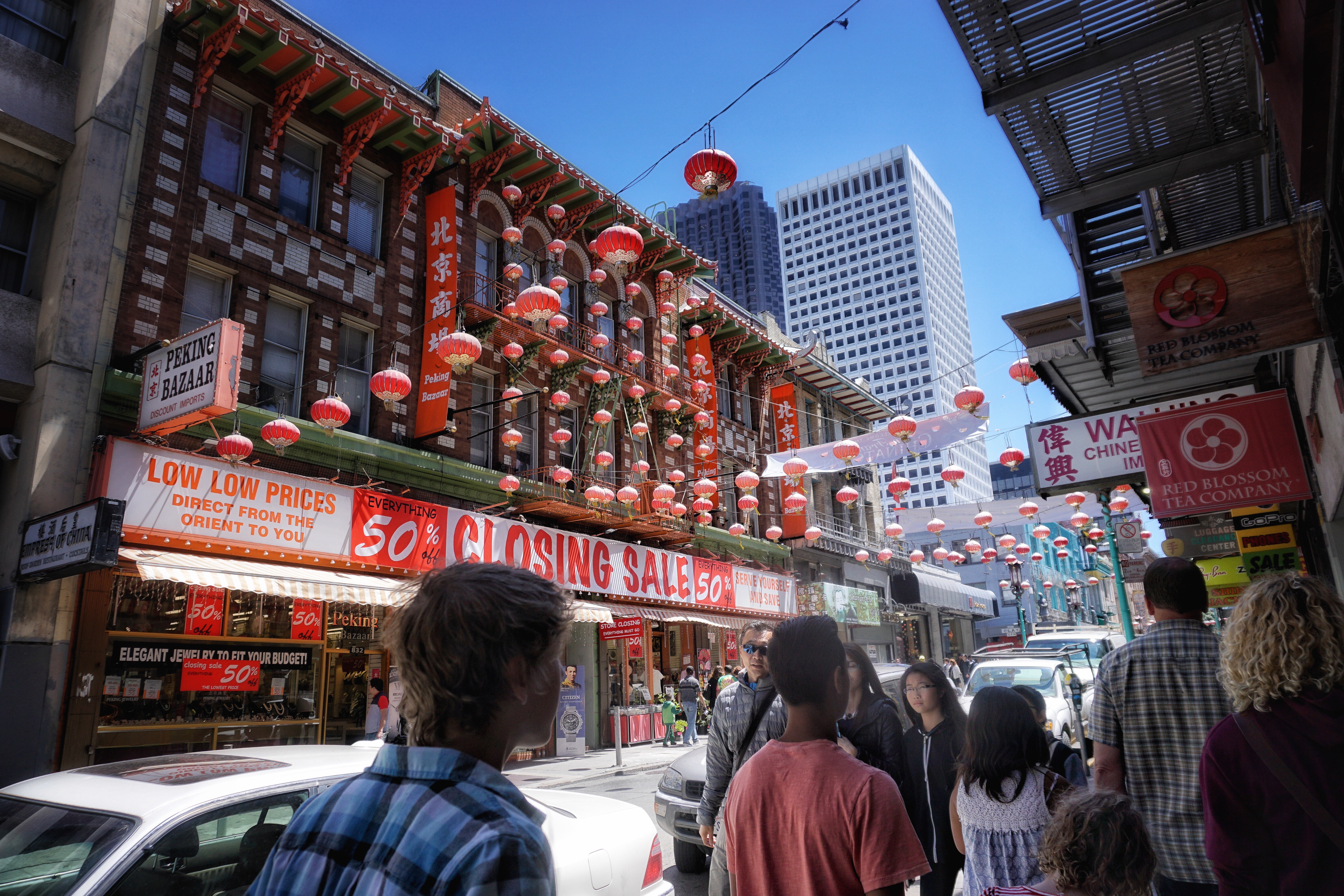
In Chinatown, we peeked into a fortune cookie factory in Ross Alley and found good dim sum (Thanks, Emily Angehr, for training us young).

CRIME…

Usually, there is a point on these trips when my plans are thwarted in some way, and I REALLY lose my cool. This time that moment occurred on a street corner in Chinatown. It may have colored my family’s vision of San Francisco forever.

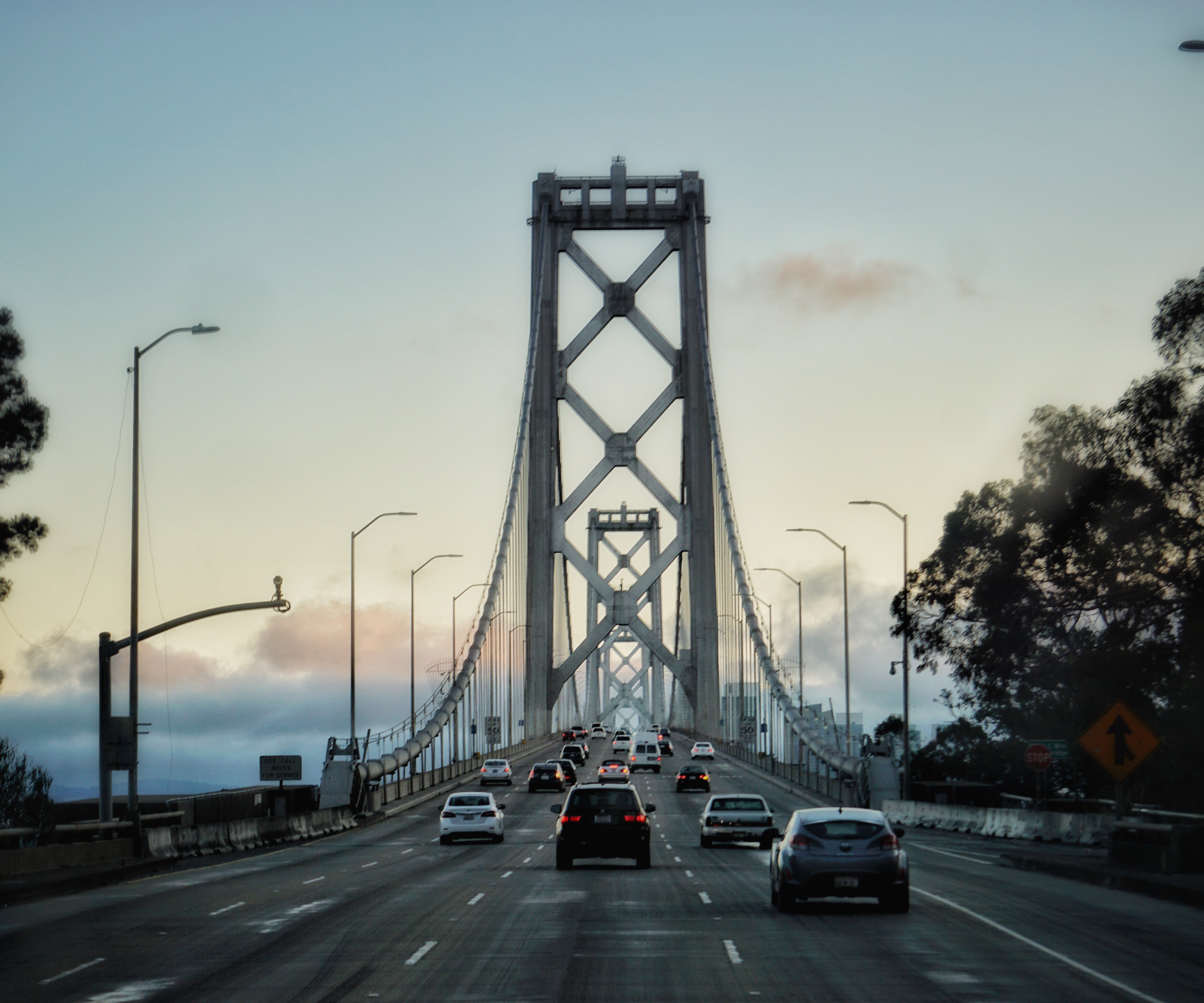
In order to get to all the places I wanted us to see, I purchased all-day transit passes.  I fretted over the expense, but concluded it would be worthwhile because a single ride on the cable cars is pretty pricey, but we’d make up the cost hopping on and off all along the line from Fisherman’s Wharf to Chinatown, and then we’d take a bus to Golden Gate Bridge, farther away.  What I did not anticipate is that once we got off the initial car, it would be impossible to get all eight of us back on a cable car for the return ride at the height of tourist season.  We stood on the hot street corner, full of Chinese food and watching one overloaded trolley after another pass without stopping.  I fumed as time slipped by, and I mentally conceded the Golden Gate Bridge walk. We walked up a steep hill to another cable car line.  They were full, too. I was so angry, both at my miscalculation and the MUNI sales charlatan, that I may have stomped my foot at a cable driver and cried.  (It’s all a little hazy, but I’m sure my kids could write a book about how not to respond to disappointment.)  Finally, we decided to walk back, and as I struggled to calm down and enjoy the moment, I realized we were seeing all kinds of neighborhood details we’d have missed from the cable car.  Soon, I was embarrassed by my nasty, public display. How will I ever convince my children to exercise self-control after that hissy fit?

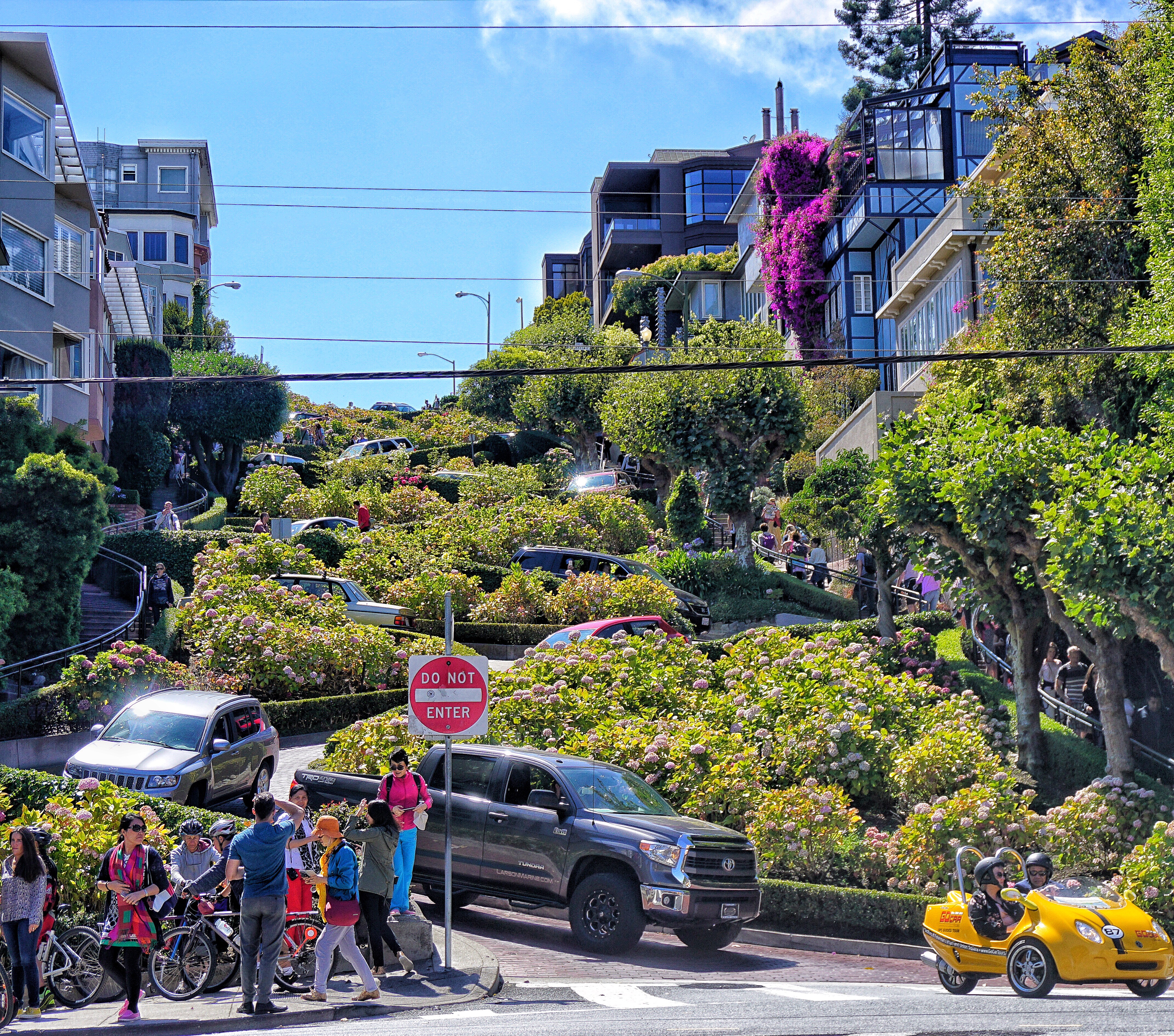
The little girls recognized spots like Lombard Street from the cartoon versions in Inside Out.

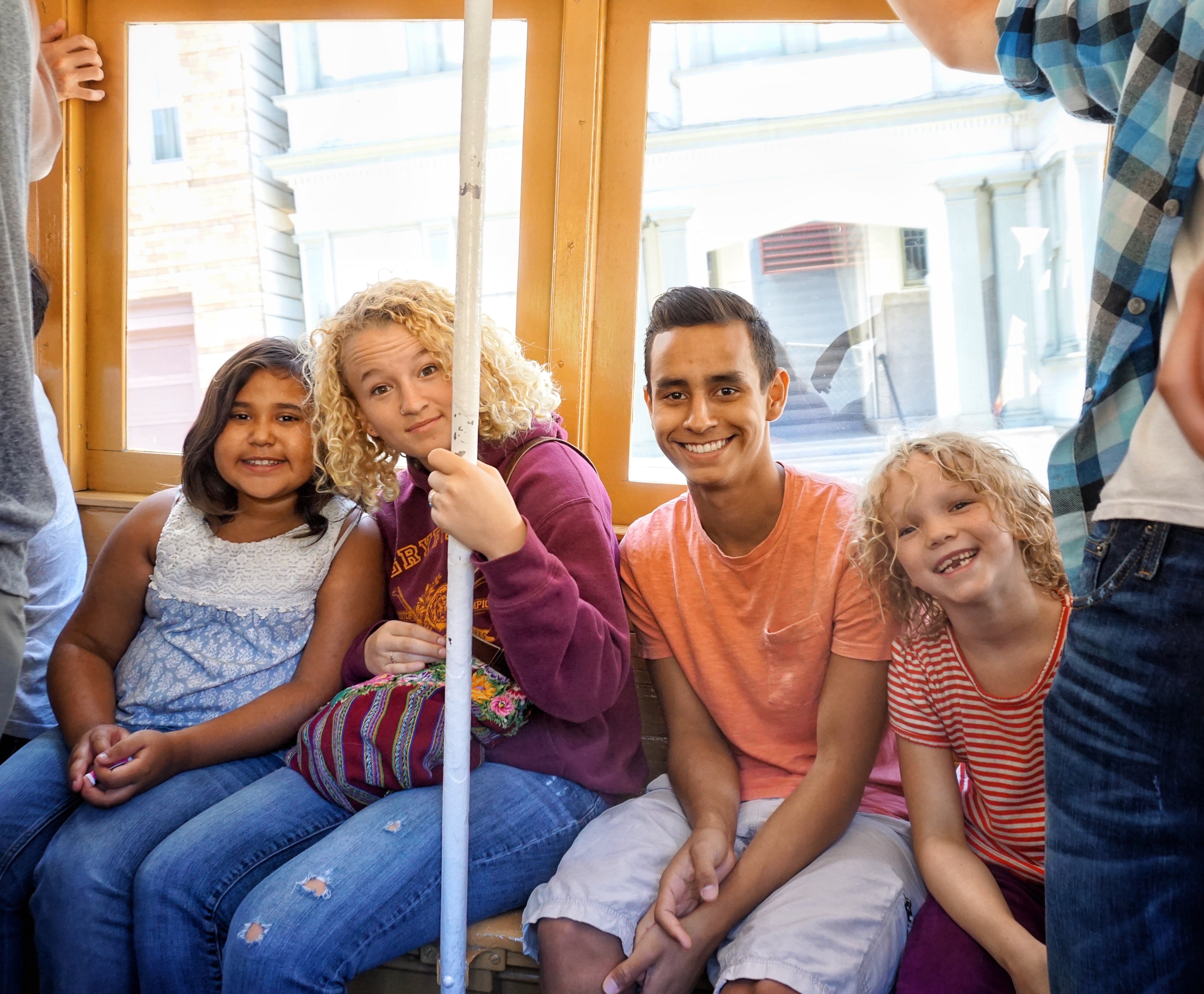
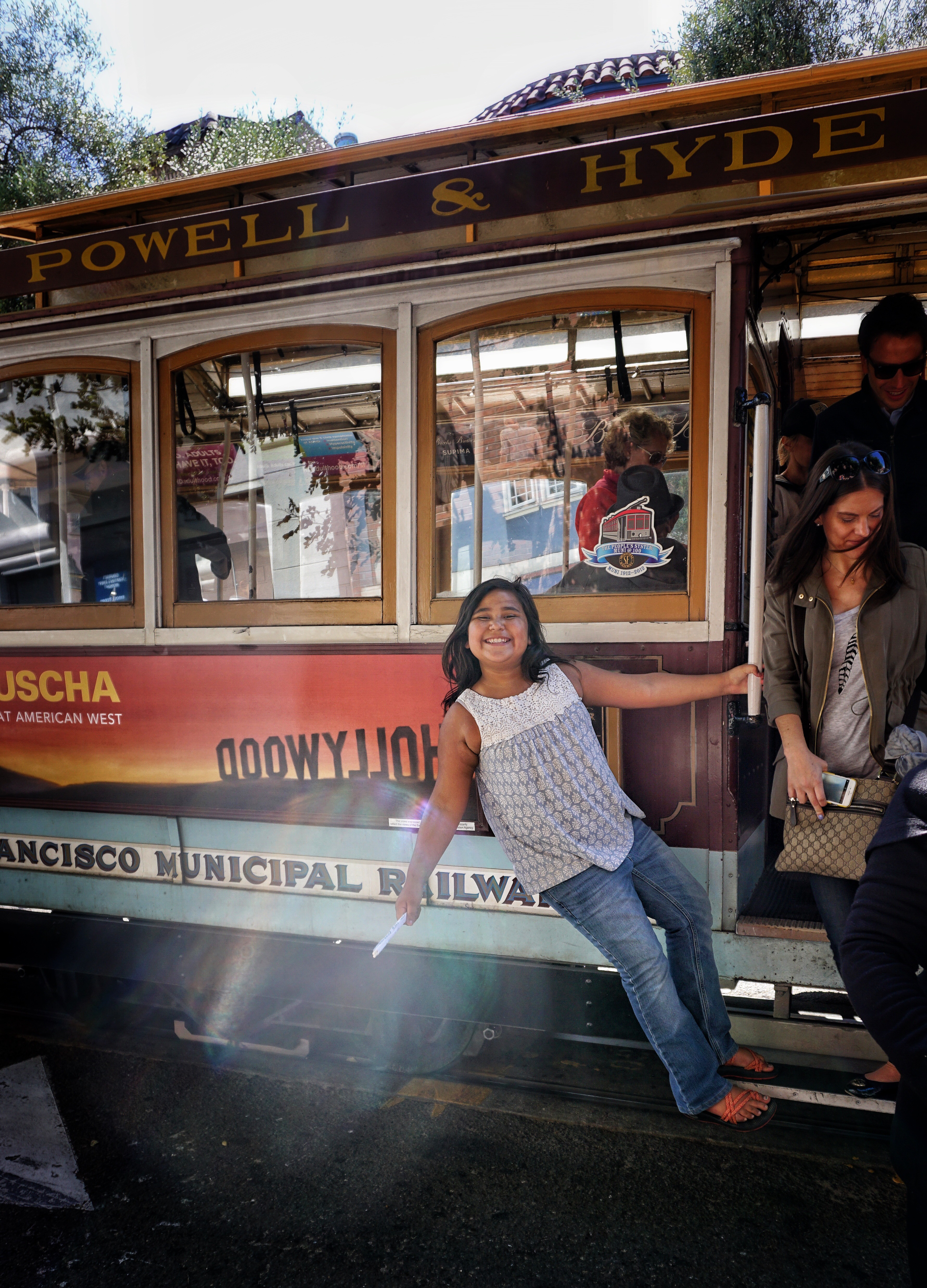
When we’d walked almost all the way back to the wharf, an absolutely unmerited miracle occurred.  There was room for us on a cable car! In my zeal to board, the kids say I elbowed in front of some foreign tourists, who are probably still cursing my American entitlement attitude.  I waved my all-day passes at the attendant and cried, “This is our last chance!” We squeezed in, Brandon and Tom clinging to the outside of the car, and we swooped up and down rollercoaster-style from Lombard to the Bay.


…AND PUNISHMENT…

Steve’s mom, Marilyn, is a most delightful Californian, gregarious and outdoorsy. “And what did you learn from that experience?” she’d ask one after another of my kids after thoughtfully interviewing each about his likes and dislikes. She did not approve of attempting to grasp San Francisco in one day, and she was proved right, as my ugly-tourist episode evidenced.  But Yosemite in one day?  That idea was anathema. She could not help but warn against it.  I contended that we were tired, anxious about the start of school, and missing our friends and family, but she shook her head.  I stubbornly pressed on, but I paid the price.


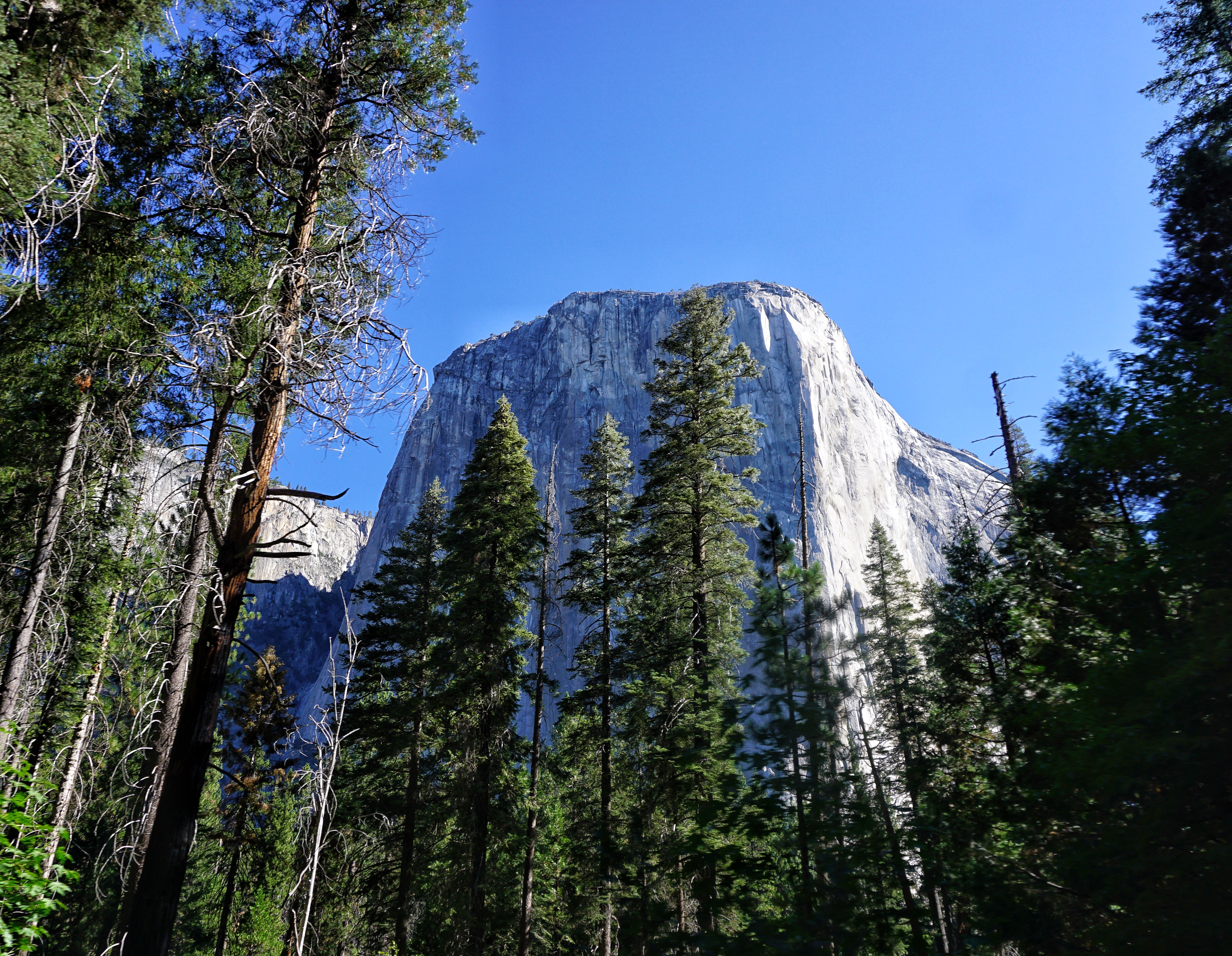
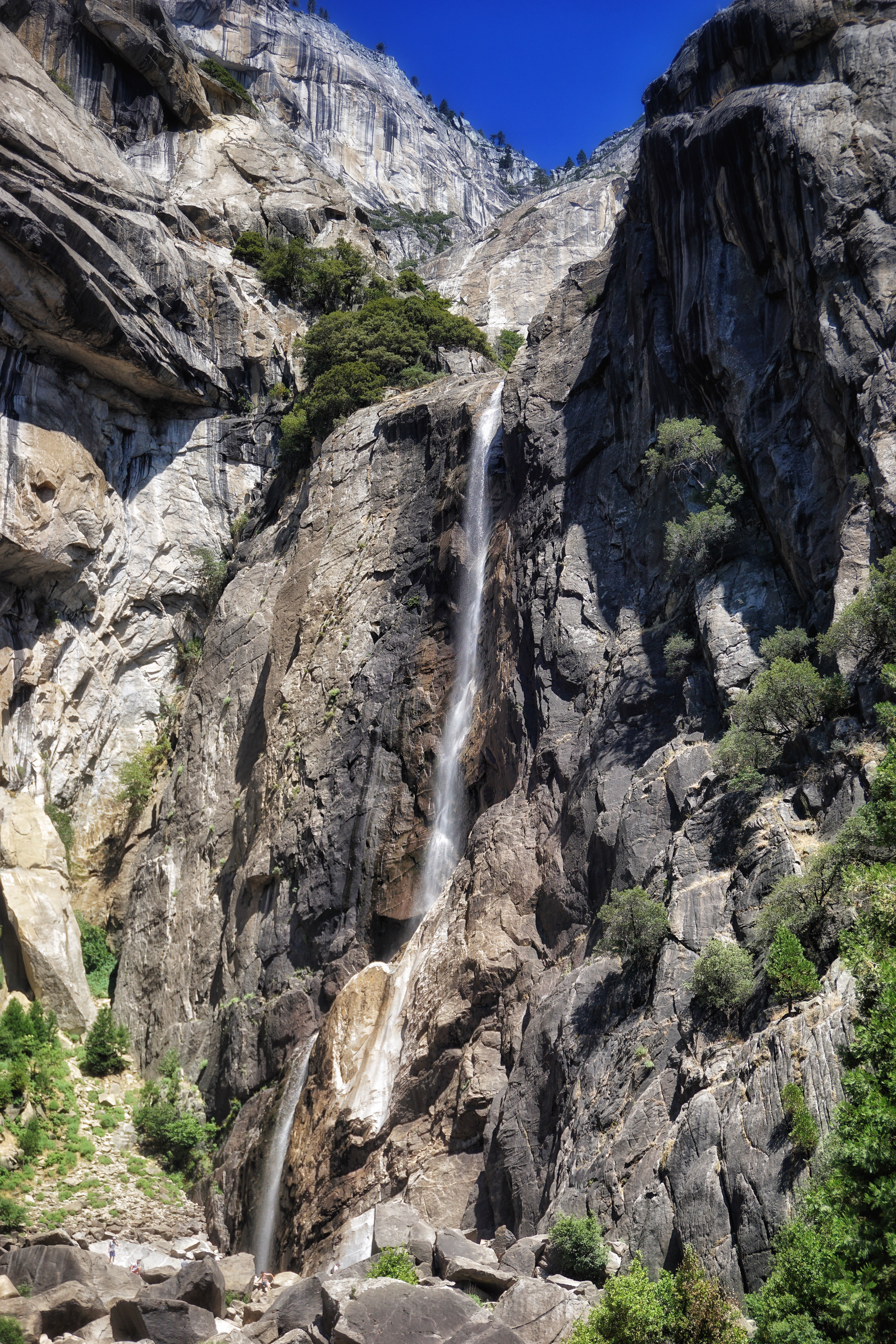
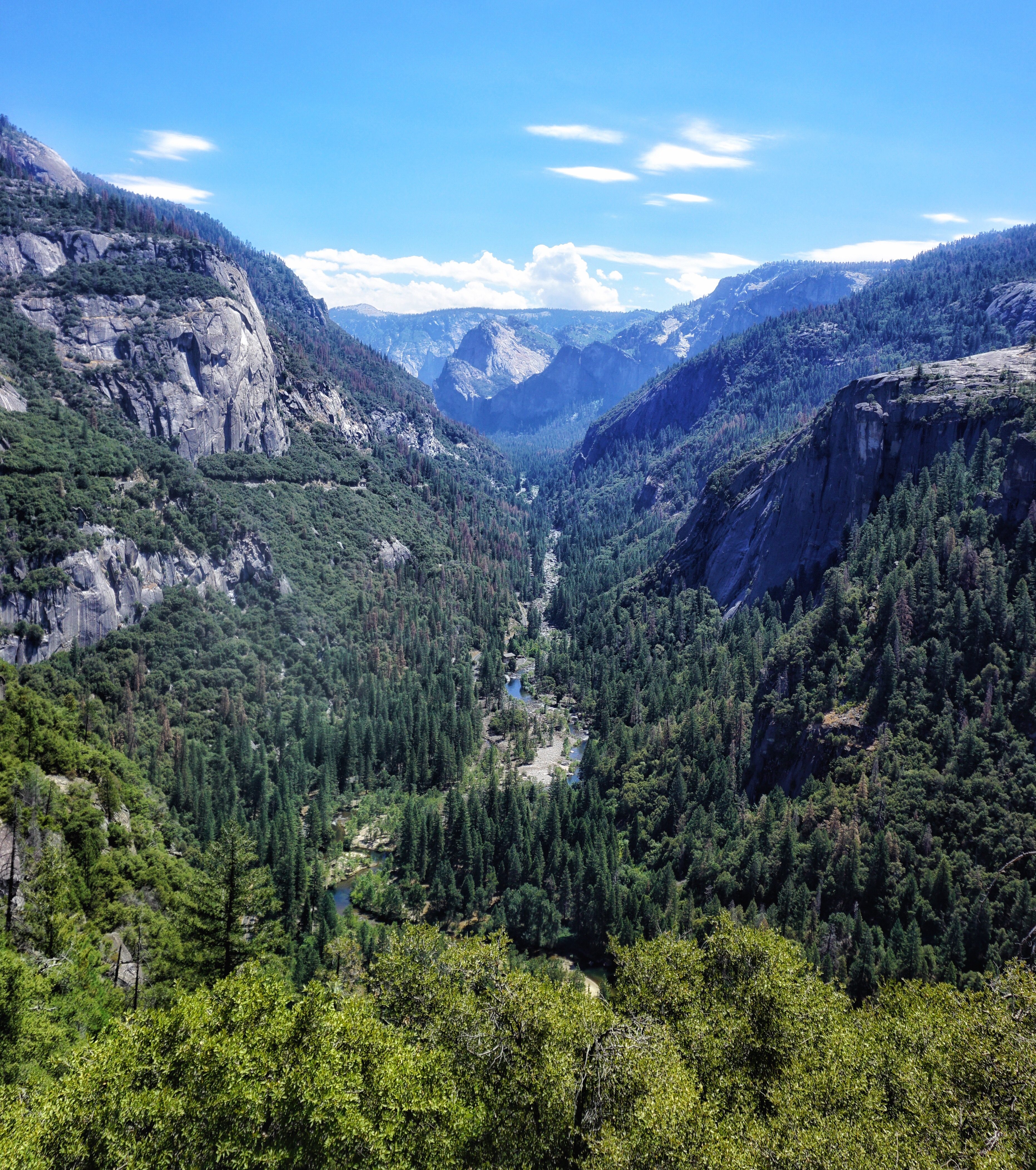
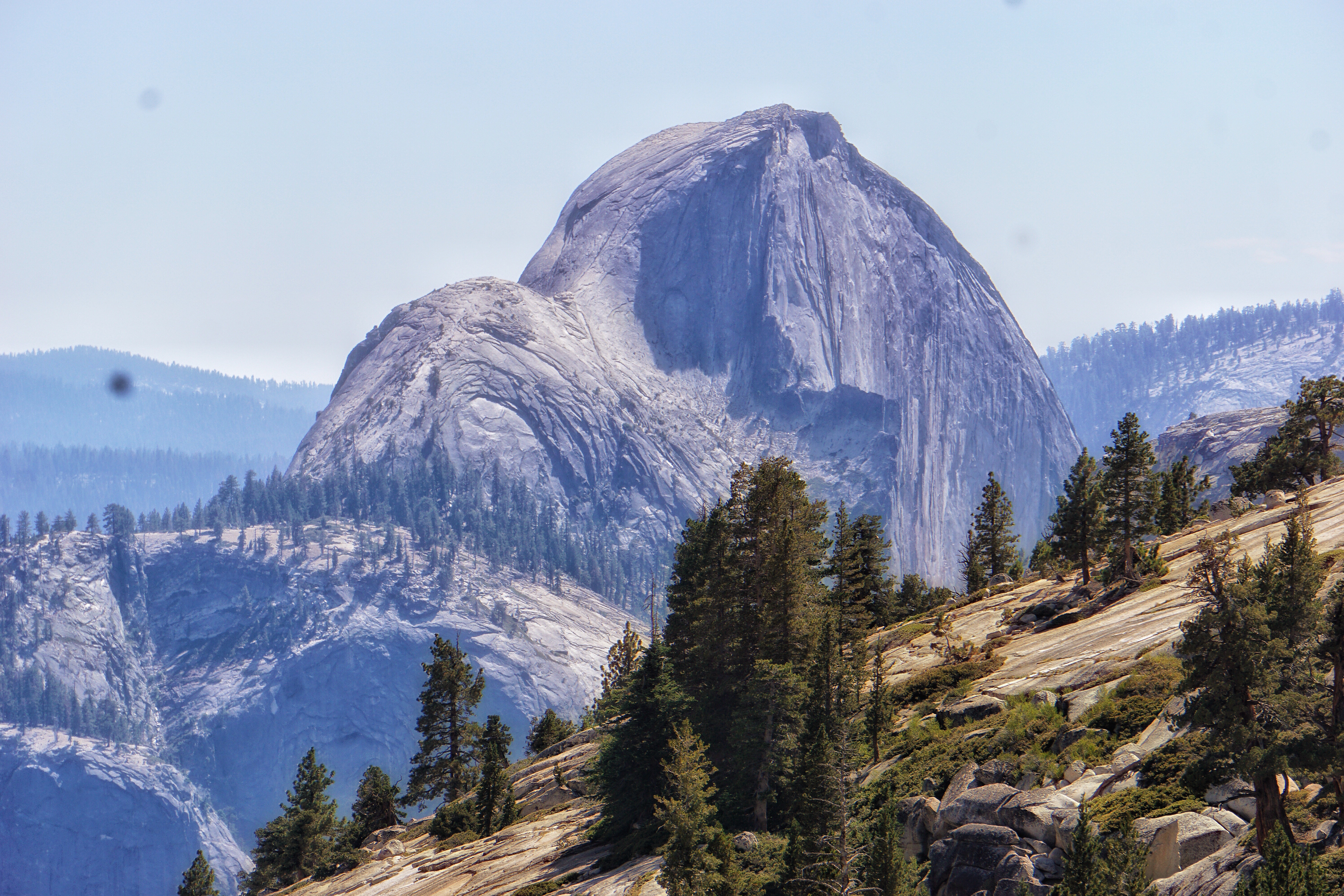
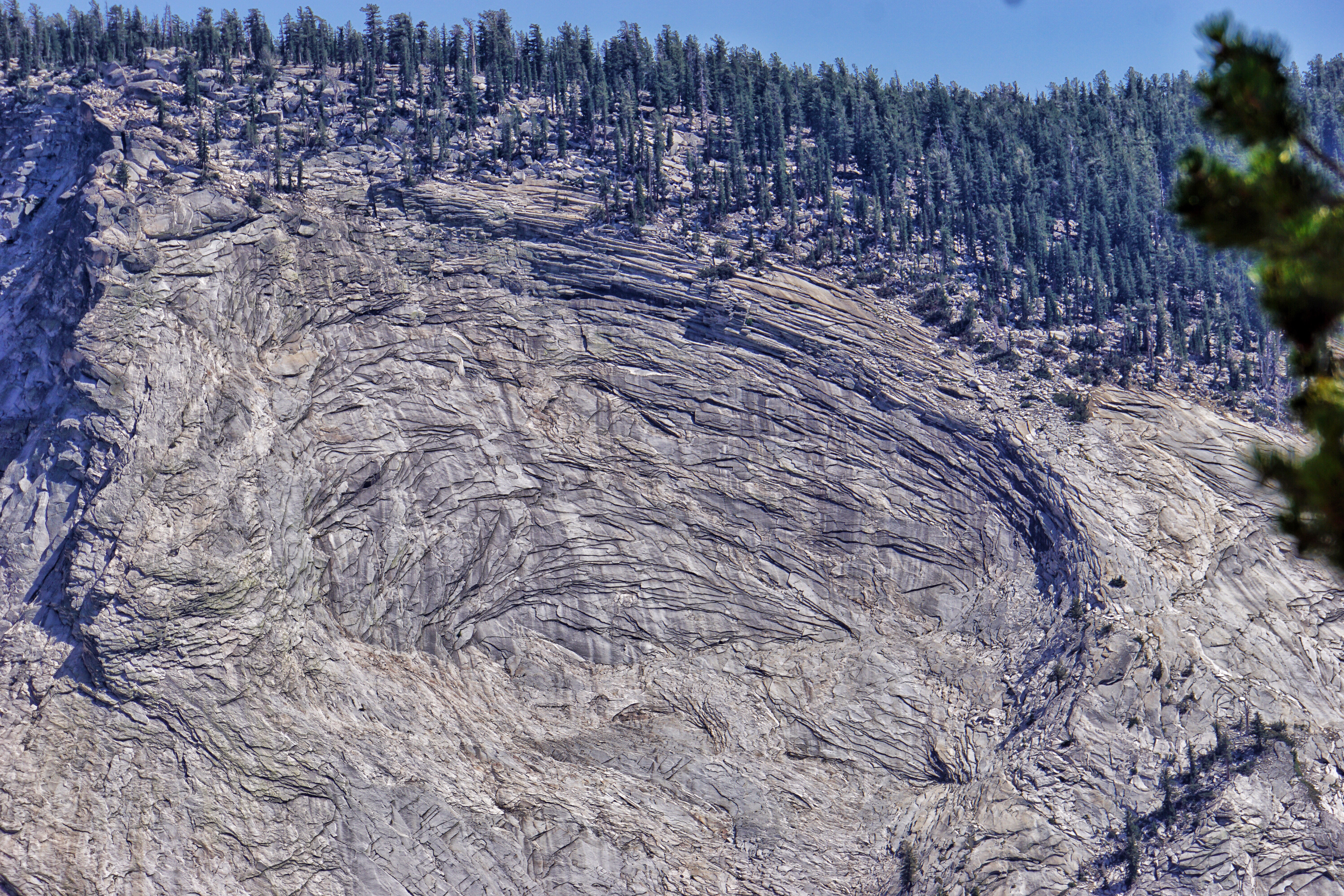
While we drove through the Yosemite Valley, oohing and aahing at the skyscraper granite, I read aloud from a biography of John Muir, champion of wild places. “We are now in the mountains and they are in us, kindling enthusiasm, making every nerve quiver, filling every nerve and cell of us.”  Suddenly, I was aquiver!  Was Muir driving home his point from the Great Beyond? I dropped the book and fled to the RV toilet.

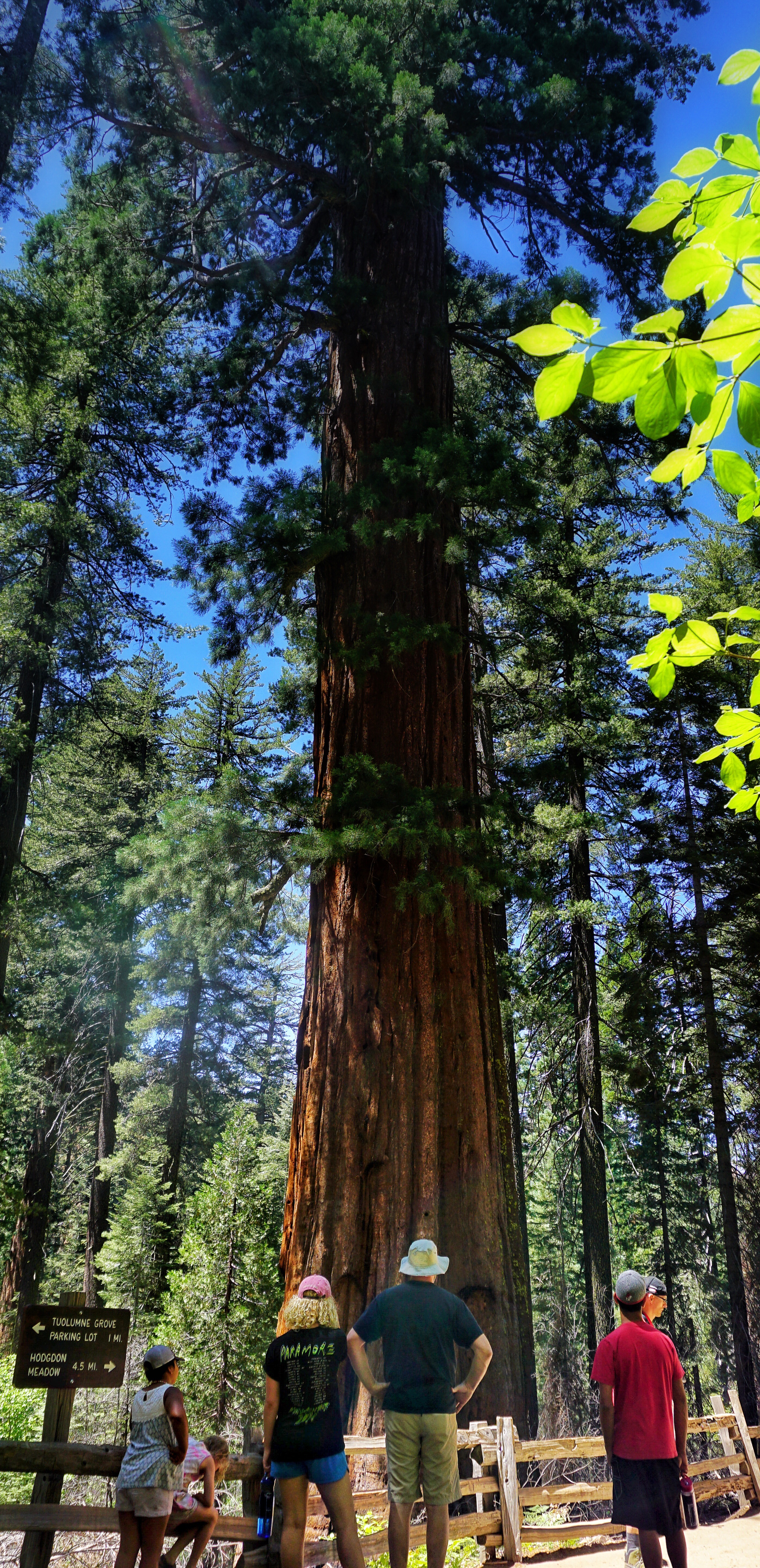
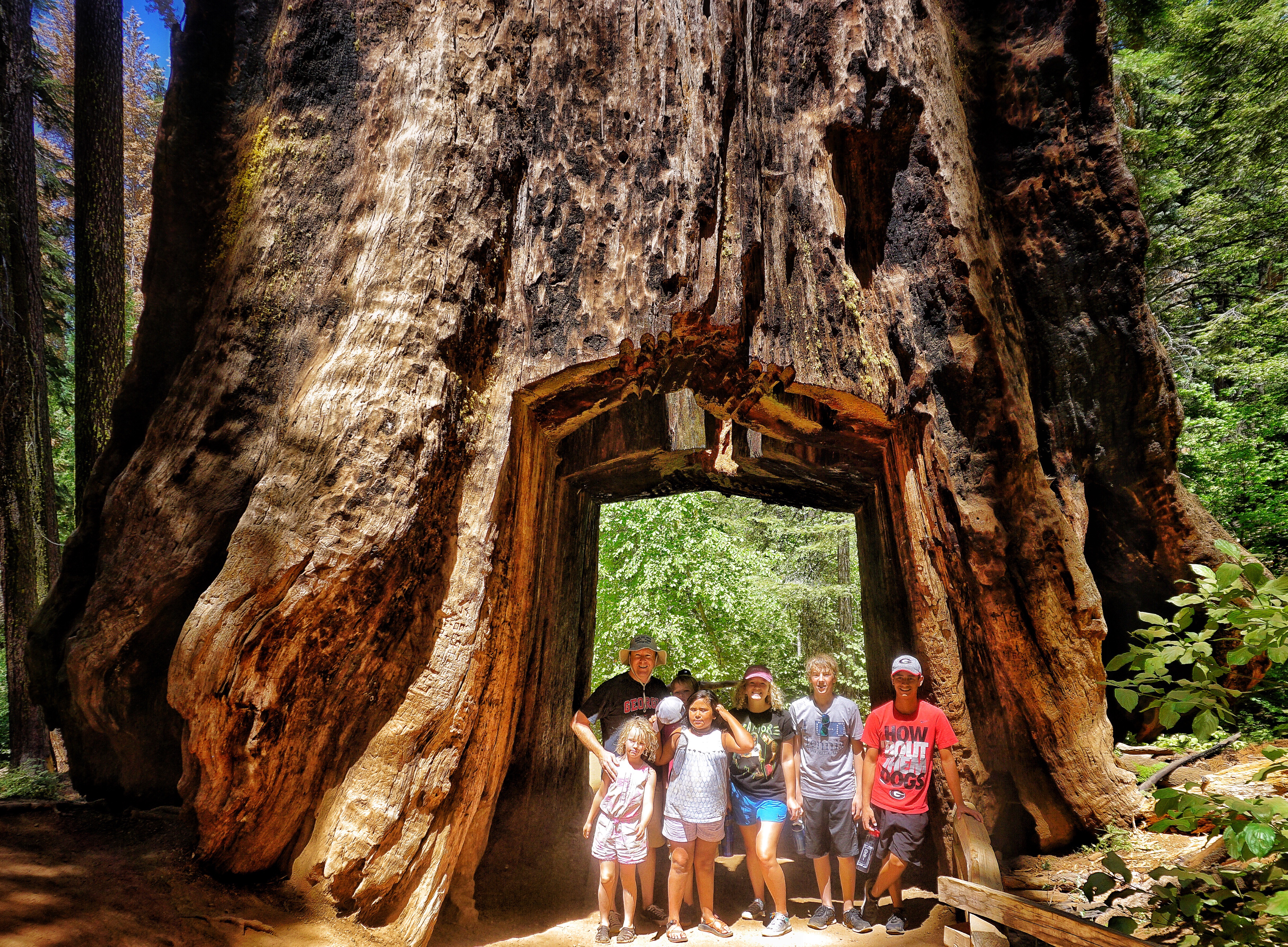
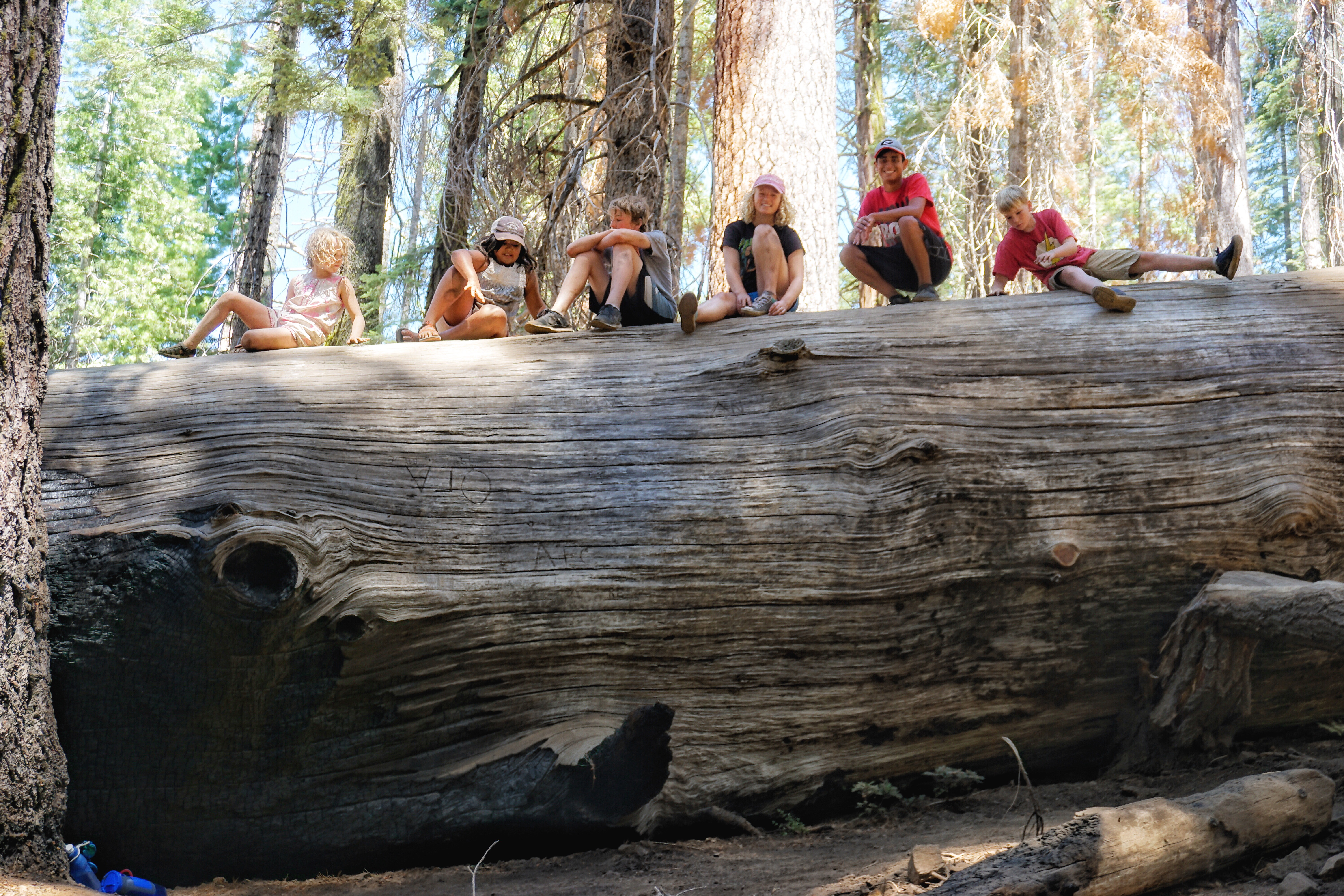
The Mariposa Grove, home of the largest sequoias at Yosemite was closed, but a ranger directed us to another grove on the road to Tioga Pass. By the time we reached the trailhead, I felt a little better.  We filled our water bottles and loped leisurely downward in search of big trees, taking little note of the ragged faces of the returning hikers we passed along the trail.  Soon, however, John Muir’s Revenge visited me again.  I glanced around desperately for some off-trail privacy.  There were a few broad-leaf trees, but I didn’t recognize them.  Could they be trusted in an emergency?  “Between every two pines is a doorway to new worlds,” Muir urged. Finally, I located a clump of dogwoods, and telltale bits of toilet tissue assured me that I was not the first to seek shelter among them.


We reached the end of the trail, all of us a little more winded than we expected for a downhill hike, and I pretty dehydrated after two more off-trail excursions.  Immediately, we noticed just how “up” we had to go to get out.  I labored along, pausing every few minutes to gasp for air and wondering if this sojourn was an exercise in penance for my San Francisco sins or my irreverent attempt to whisk the family through Muir’s favorite haunt.  I would not escape so easily now, I lamented.  In fact, since I’d already left so much of myself behind in the woods, why not just drop down dead and become food for the sequoias? Perhaps this would satisfy Mr. Muir? “Another day in the Sierras in which one seems to be dissolved and absorbed…” he seemed to cajole.


“Just toss some brush over me and keep going,” I urged Jane, who had a hand on my back by now, pushing me forward.

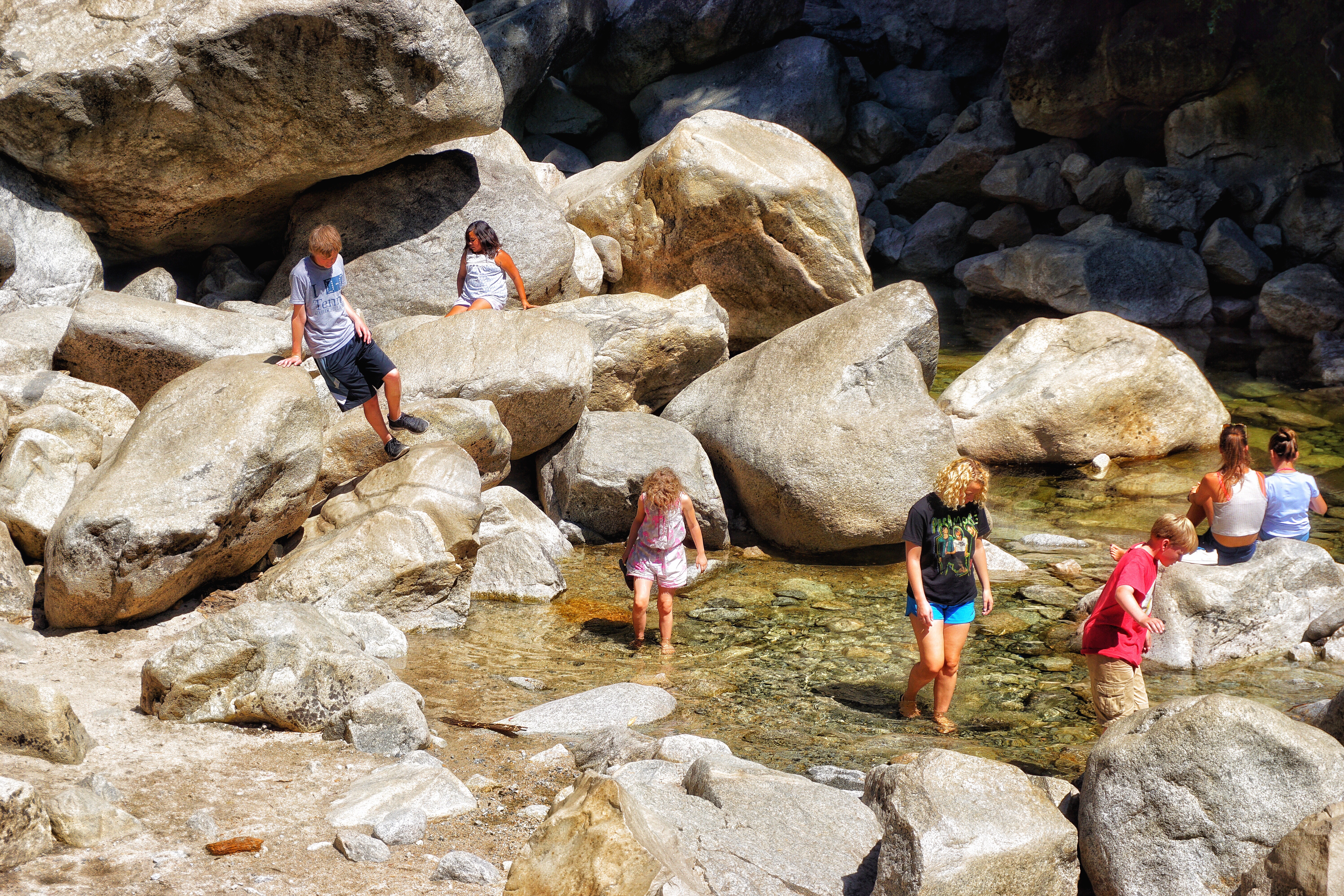
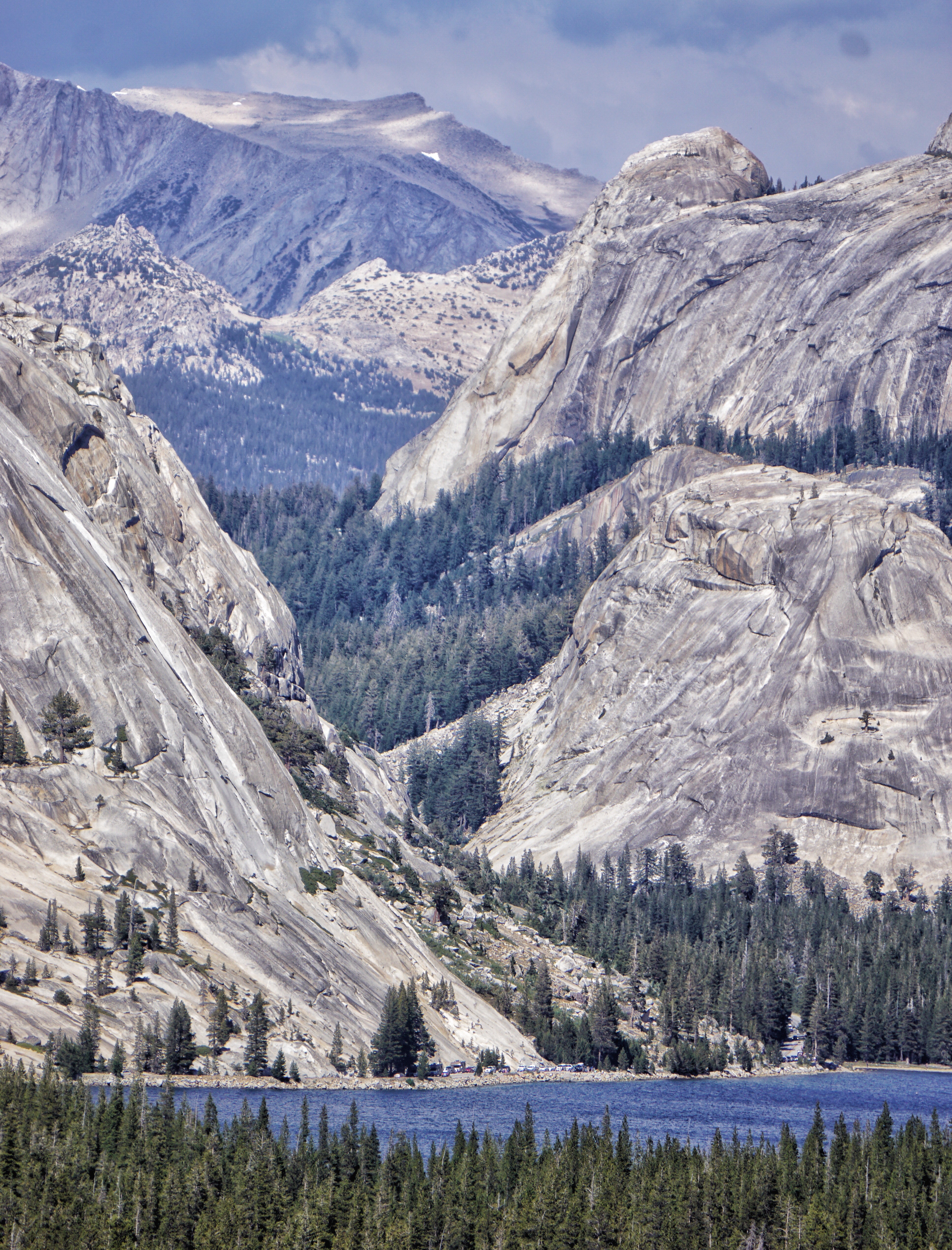
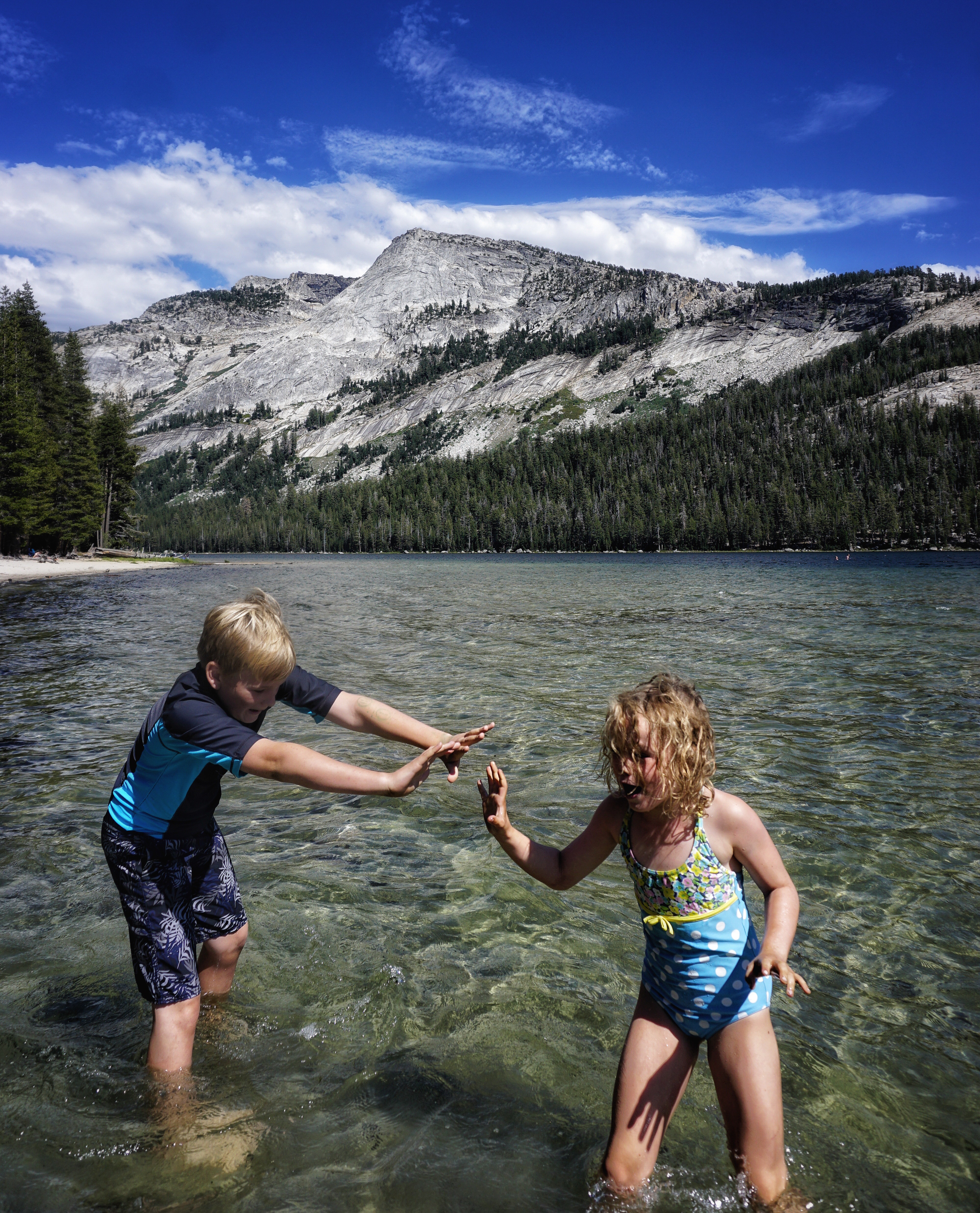
Eventually, we made it back to the RV.  Having chastised me for my arrogant haste, now Yosemite delighted us with views of sparkling lakes and dramatic glacier carvings as we drove through the high country toward Mammoth Lakes.

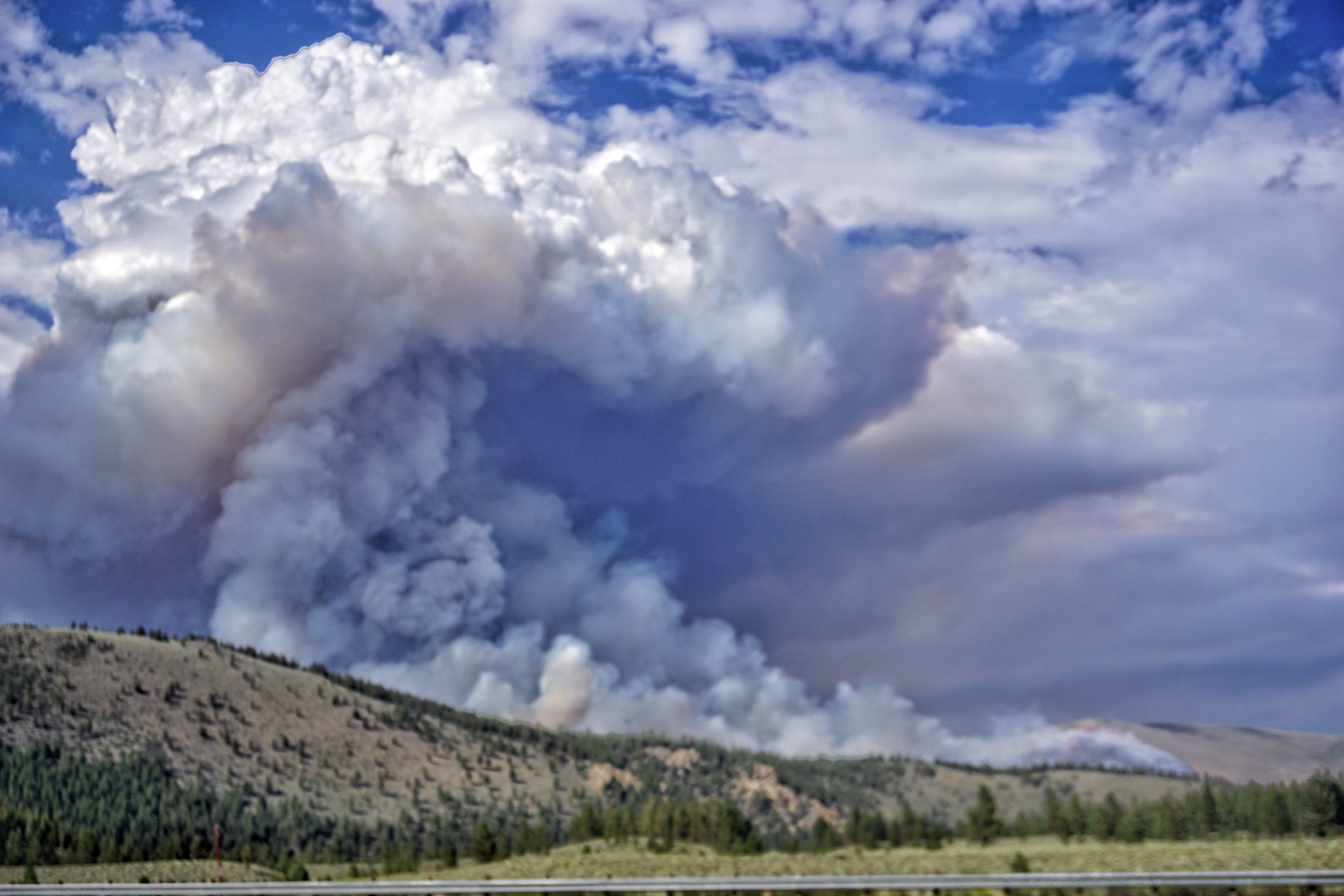
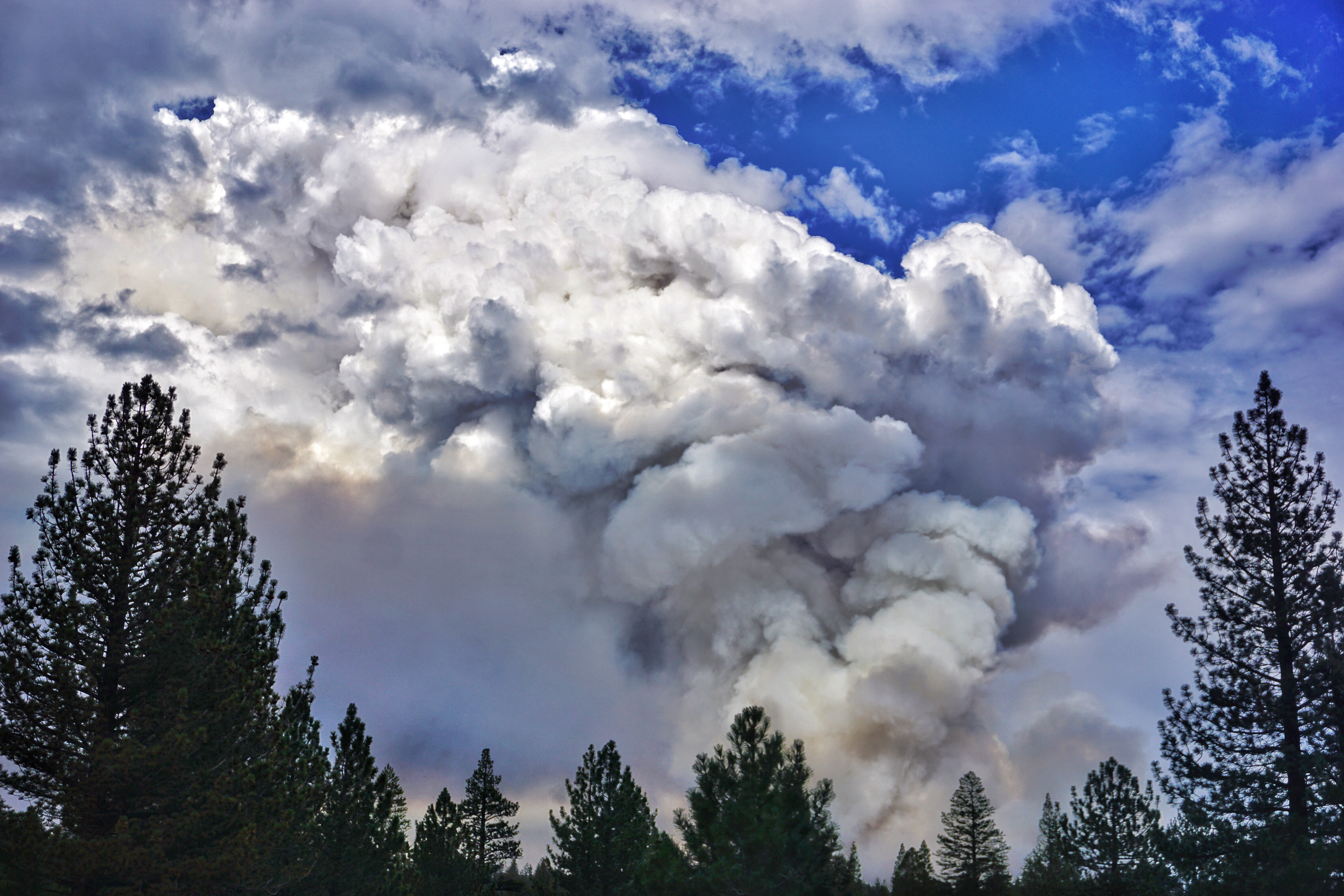
Smoke from a fire burning beyond the hills

…AND GRACE

Washed, fed, and rested, we steeled ourselves for the long two days of driving it would take to make it back to Lubbock.  Despite our united home-going efforts, coexisting in a stinky RV on leftover provisions is a test. We were in our pew on Sunday morning with plenty to confess, and thankfully,  we found sufficient mercy to cover us.

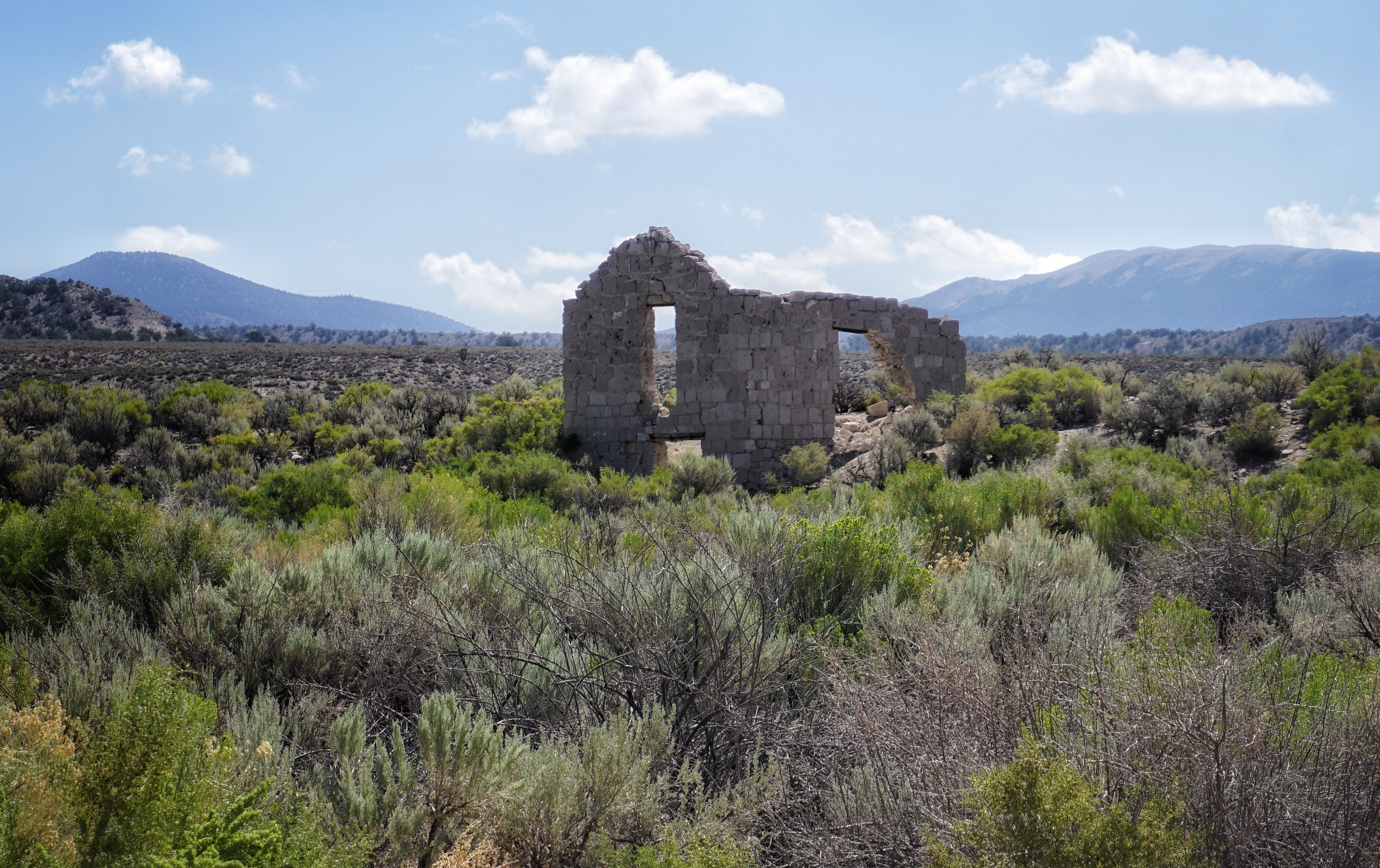
Ghost towns and Joshua trees and miles and miles of quiet on the road home

Three Washingtons

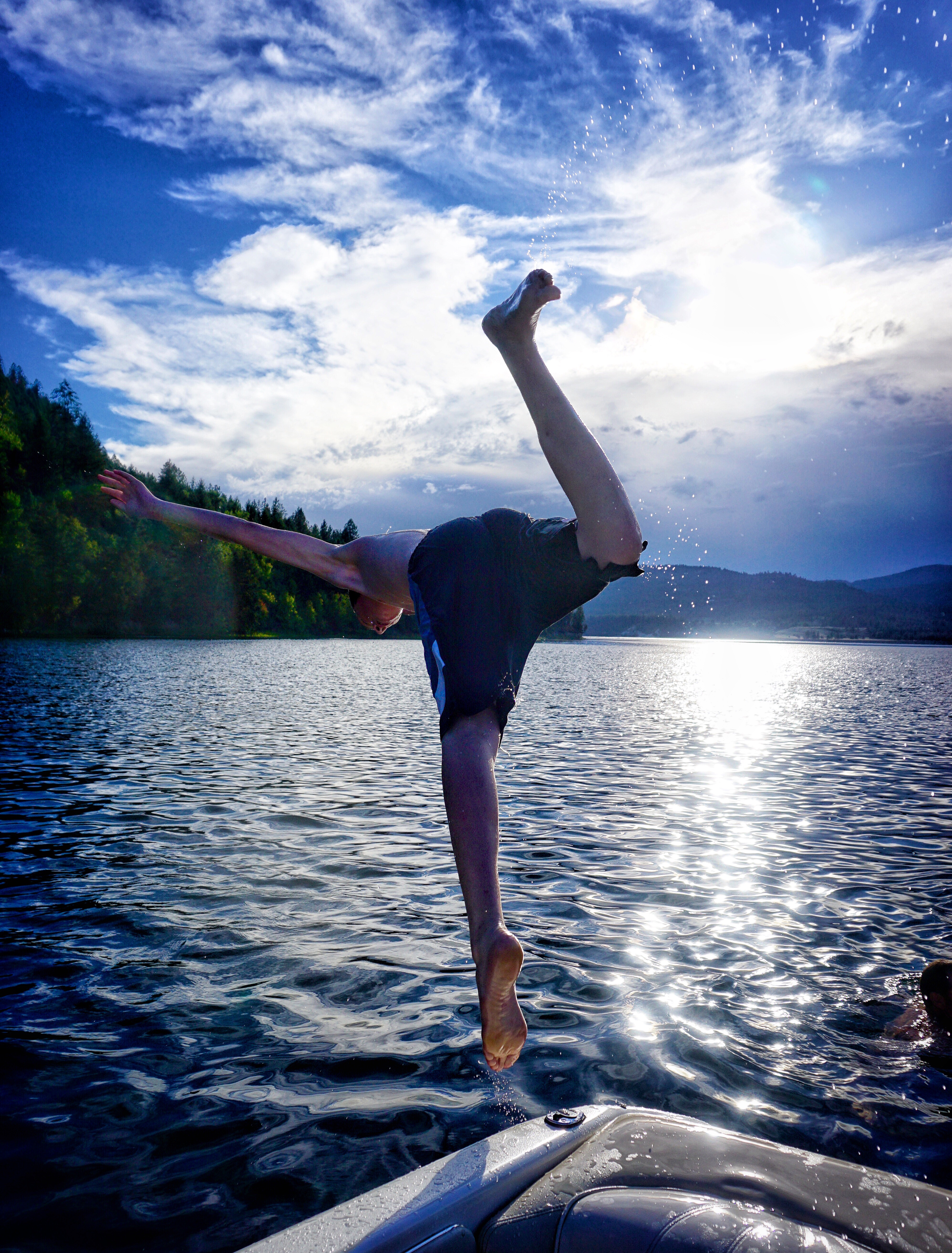
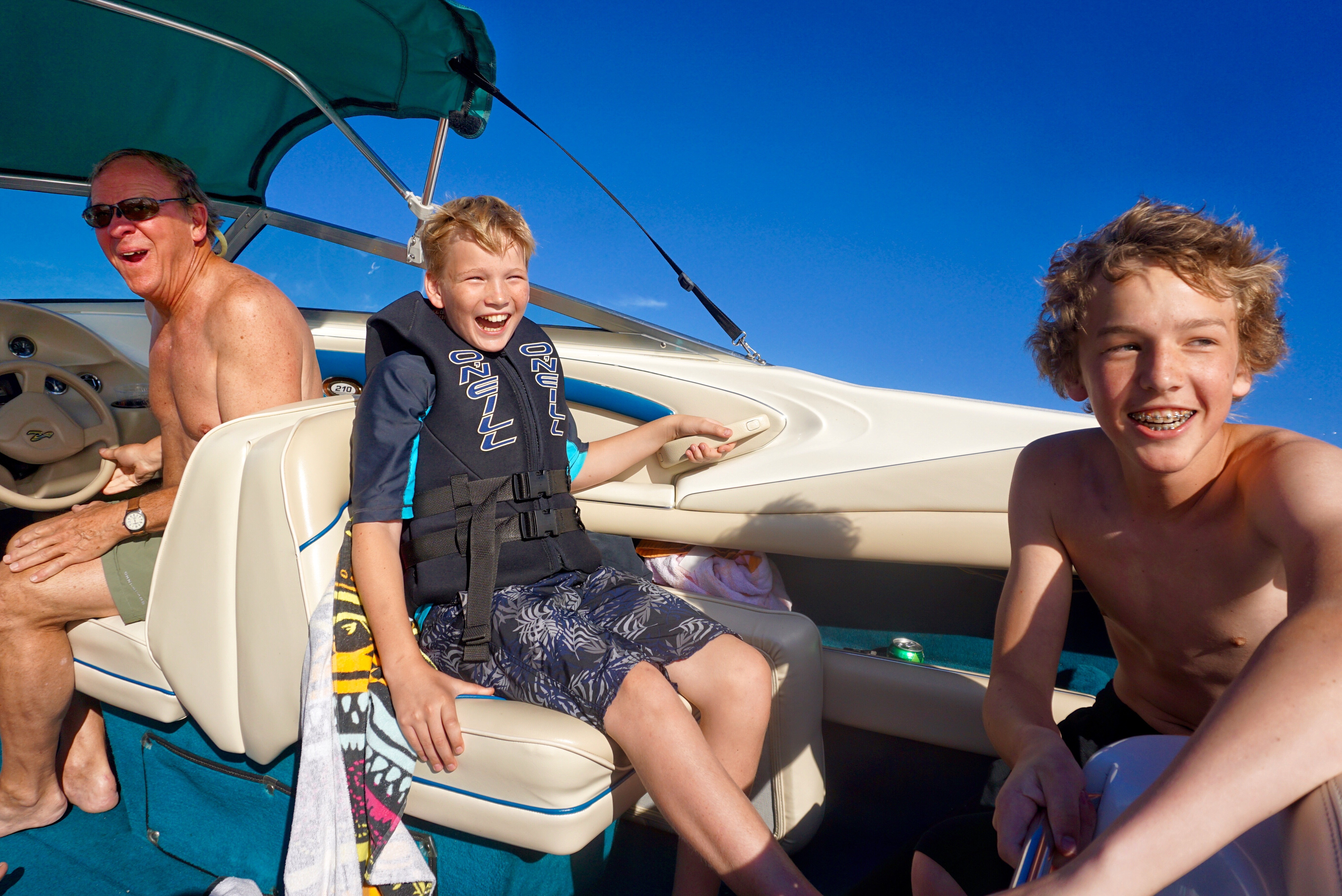
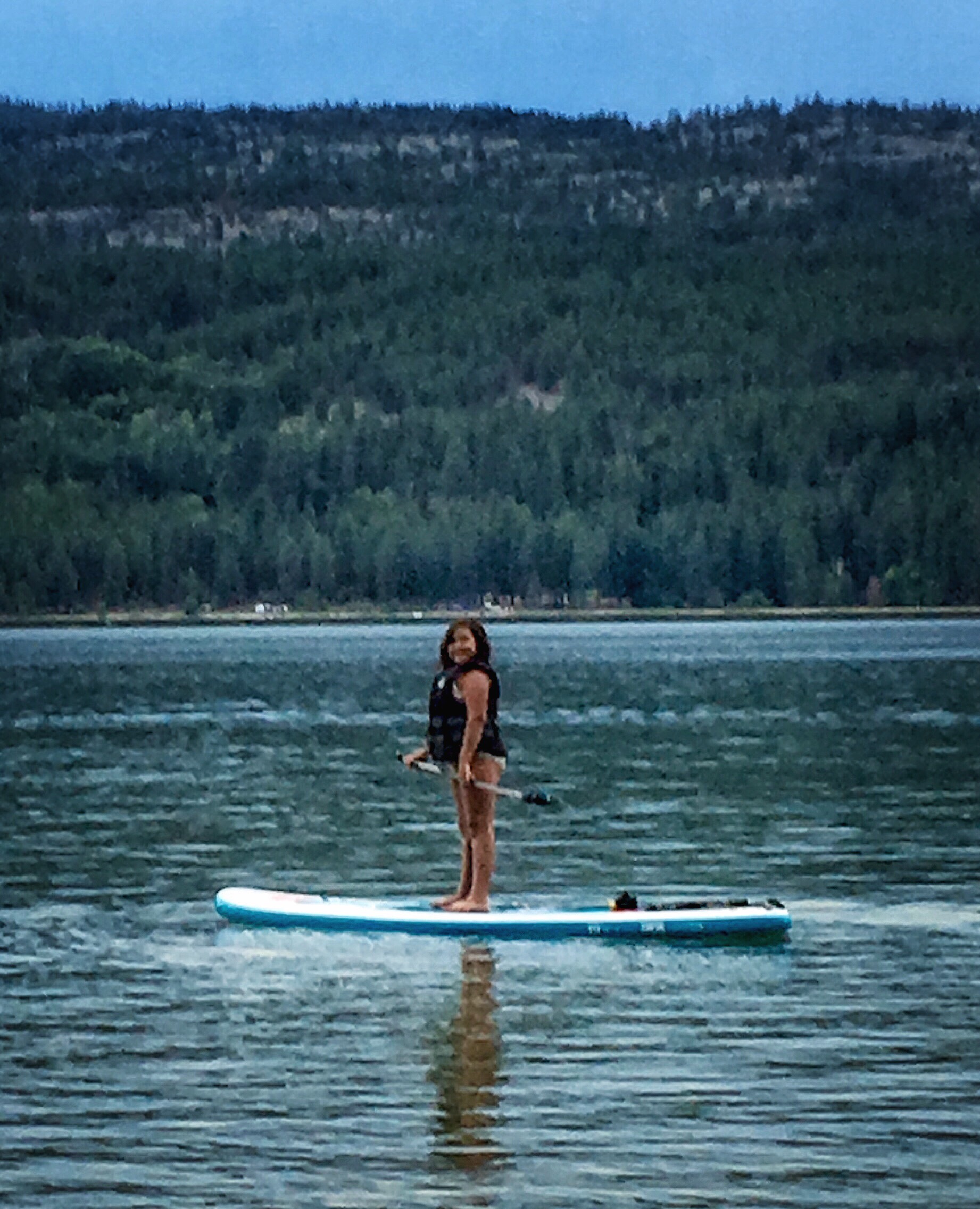
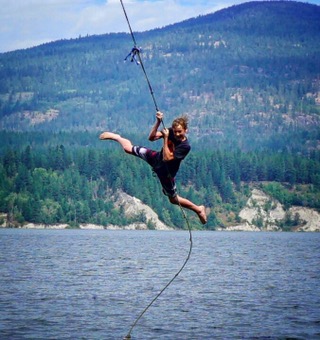
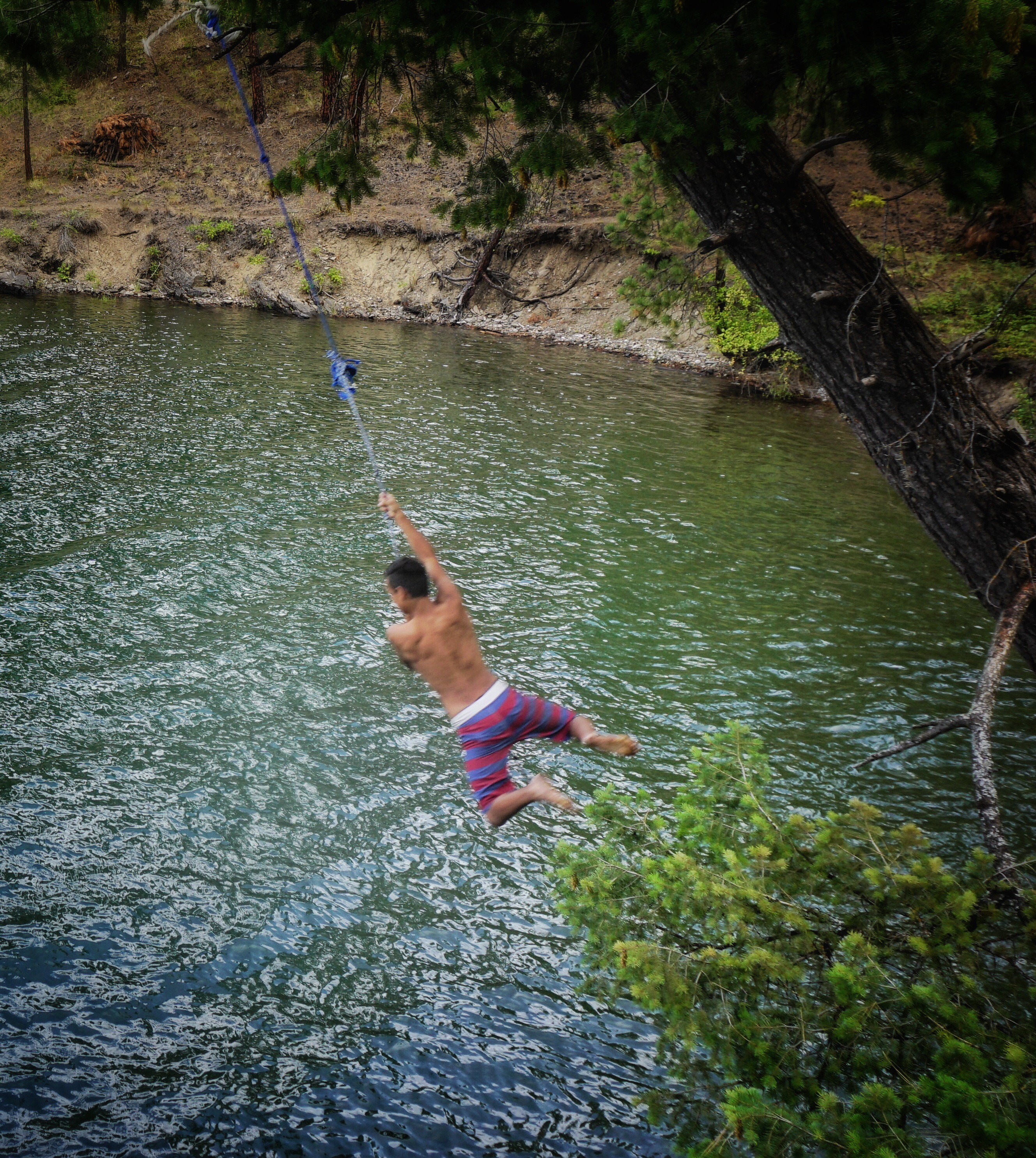
My mother’s cousin, Suzy, and her husband, Pat, moved from Virginia to California in the 1970’s. They enjoyed city-living in San Francisco, finished medical school, and traveled with friends. But when it was time for a family, they joined the “urban refugees” of that day and made their home in a rural logging town in need of an internist. Suzy worked in the school system and raised two boys, and the family’s spare time was filled with hiking, mountain biking, swimming, and skiing. Suzy and Pat hosted us at their lake house, entertaining us with stories of their adventures in small-town Washington and delighting the kids with water escapades.“Uncle” Billy, friends with Suzy and Pat since they met 40 years ago in Bolivia, joined in the fun.


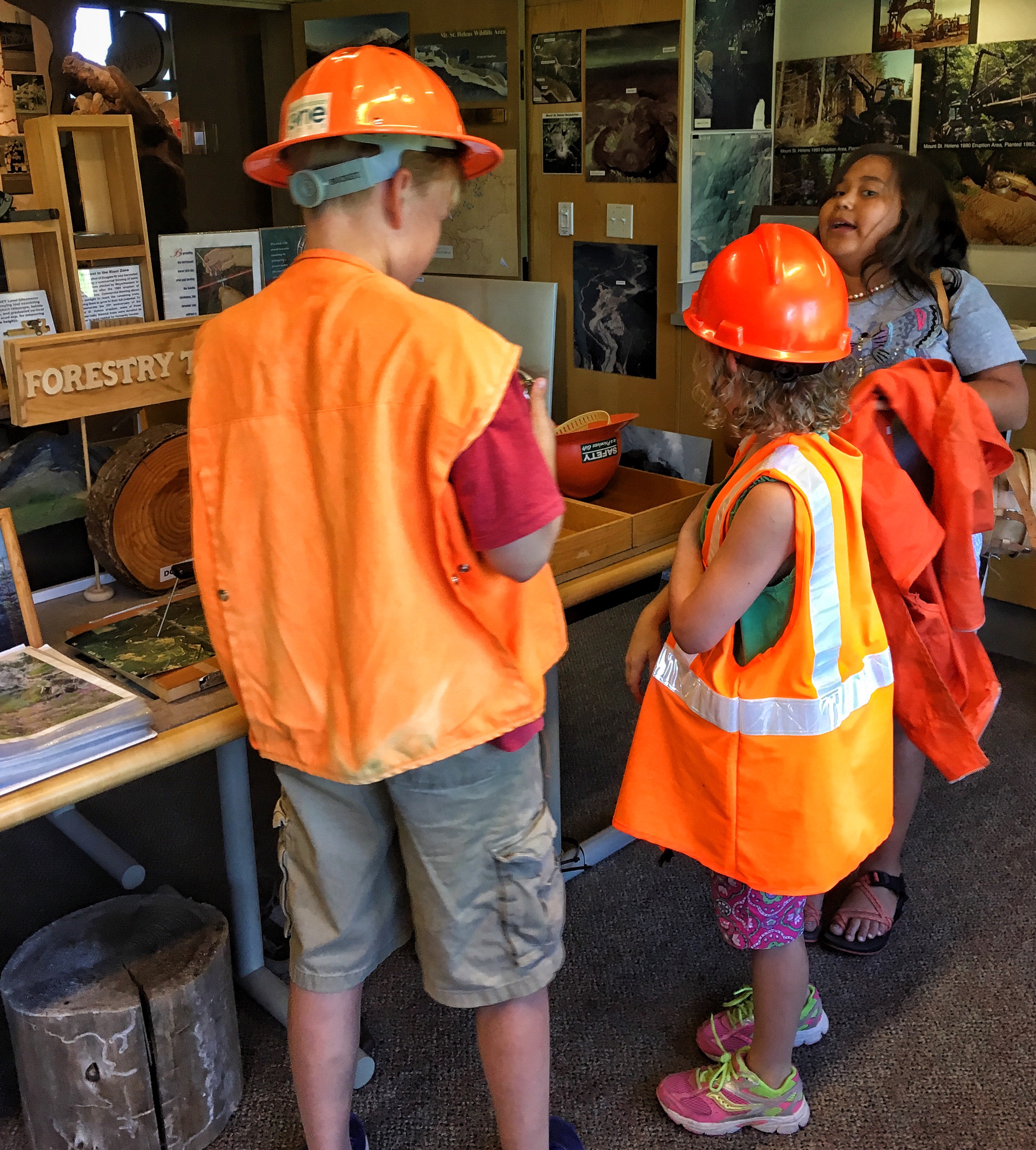
Learning about the northwestern logging industry

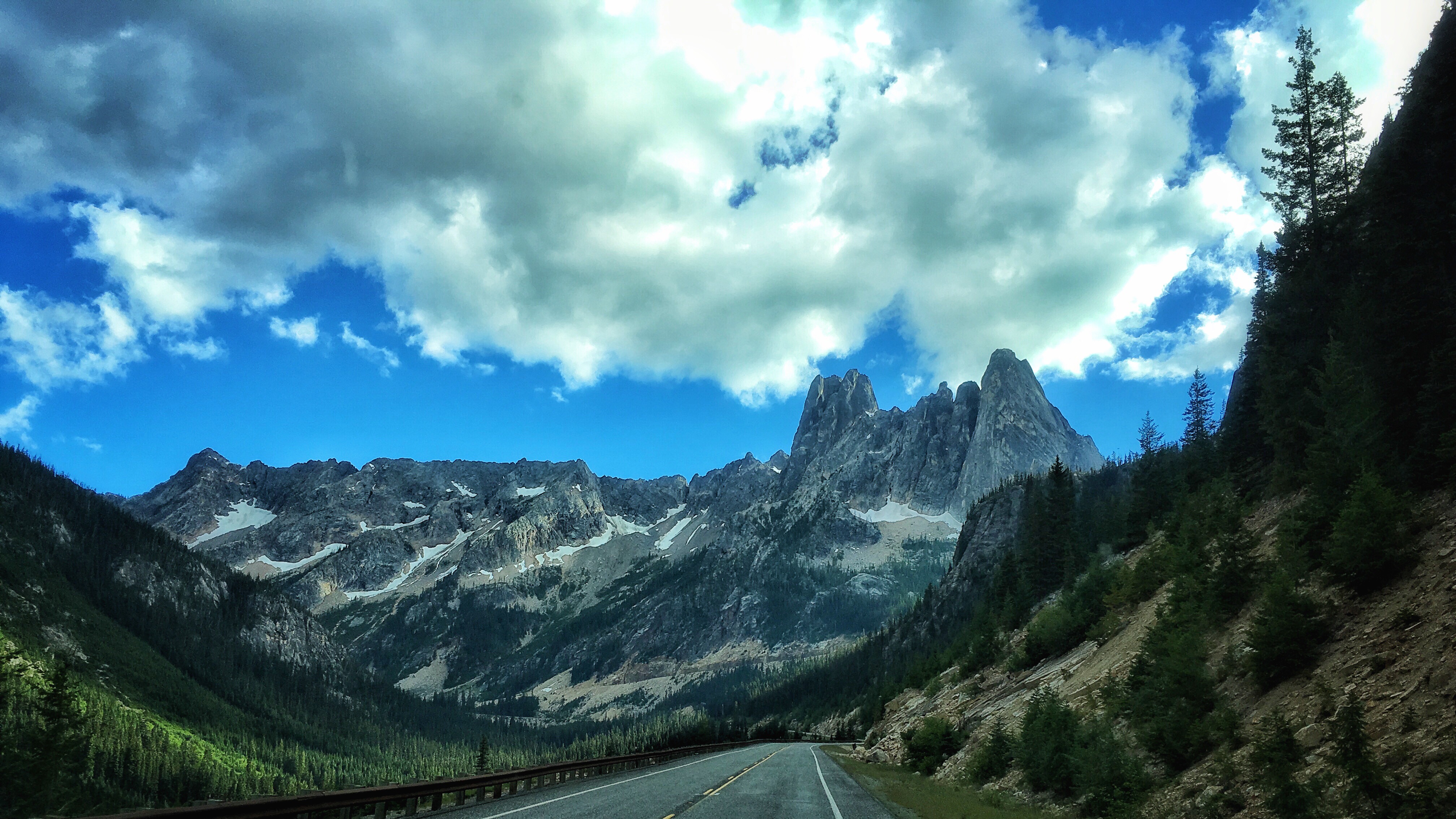
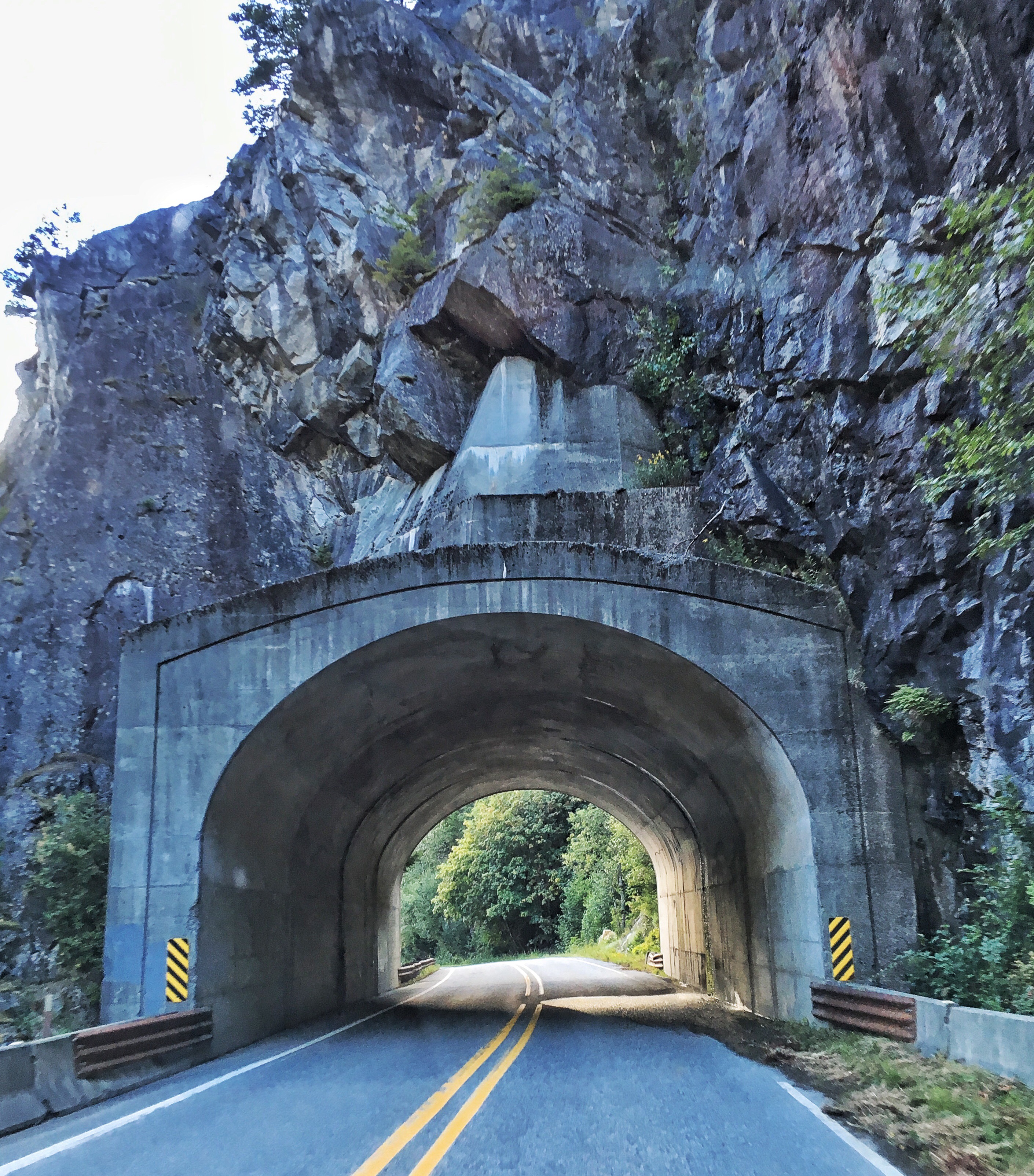
Gorgeous (and slightly terrifying) drive through the Cascades


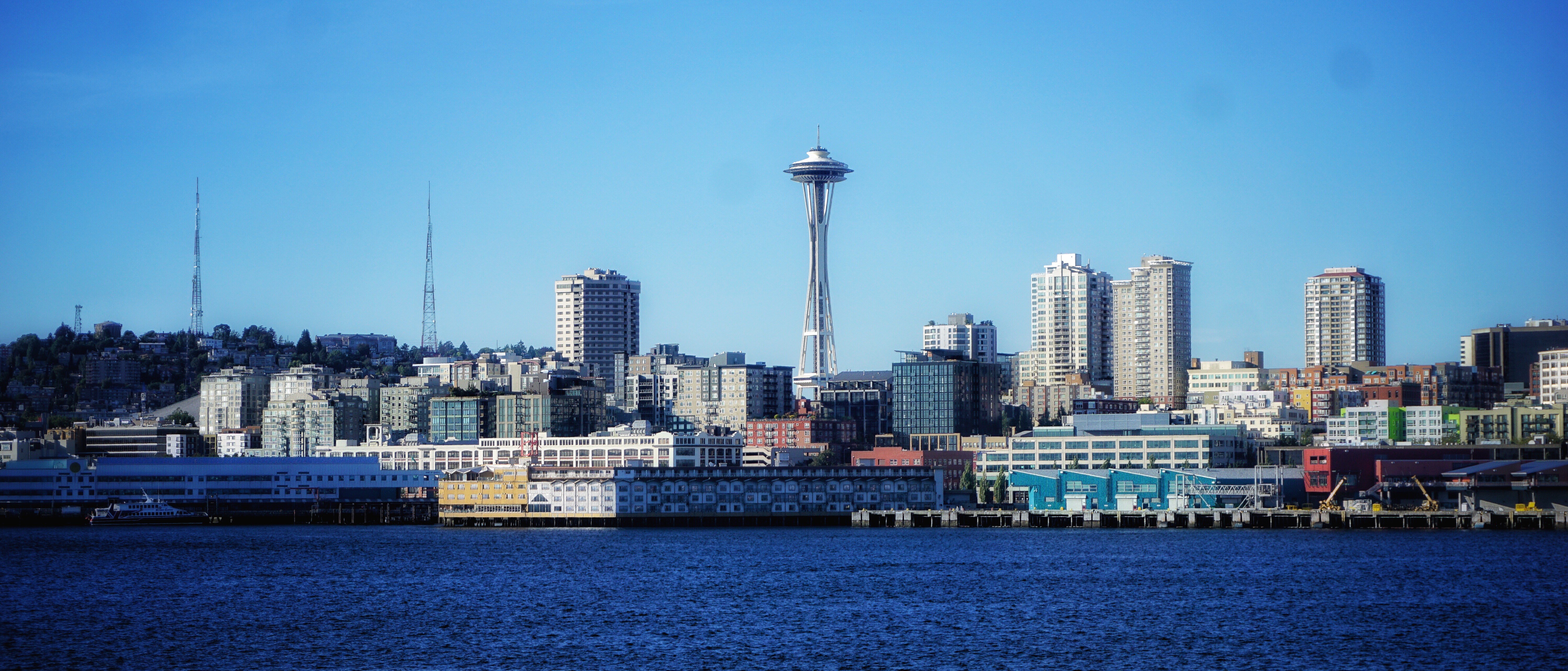
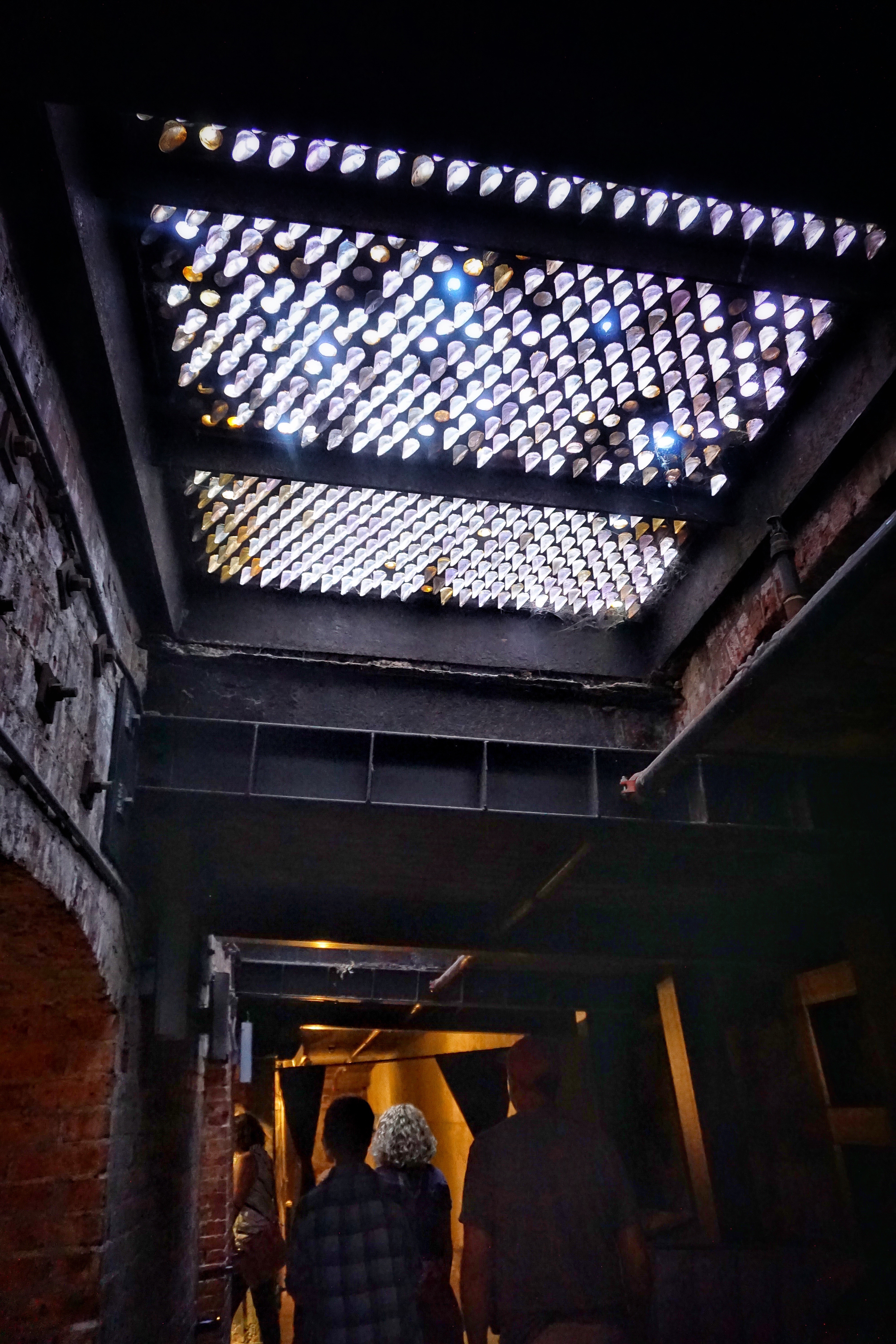
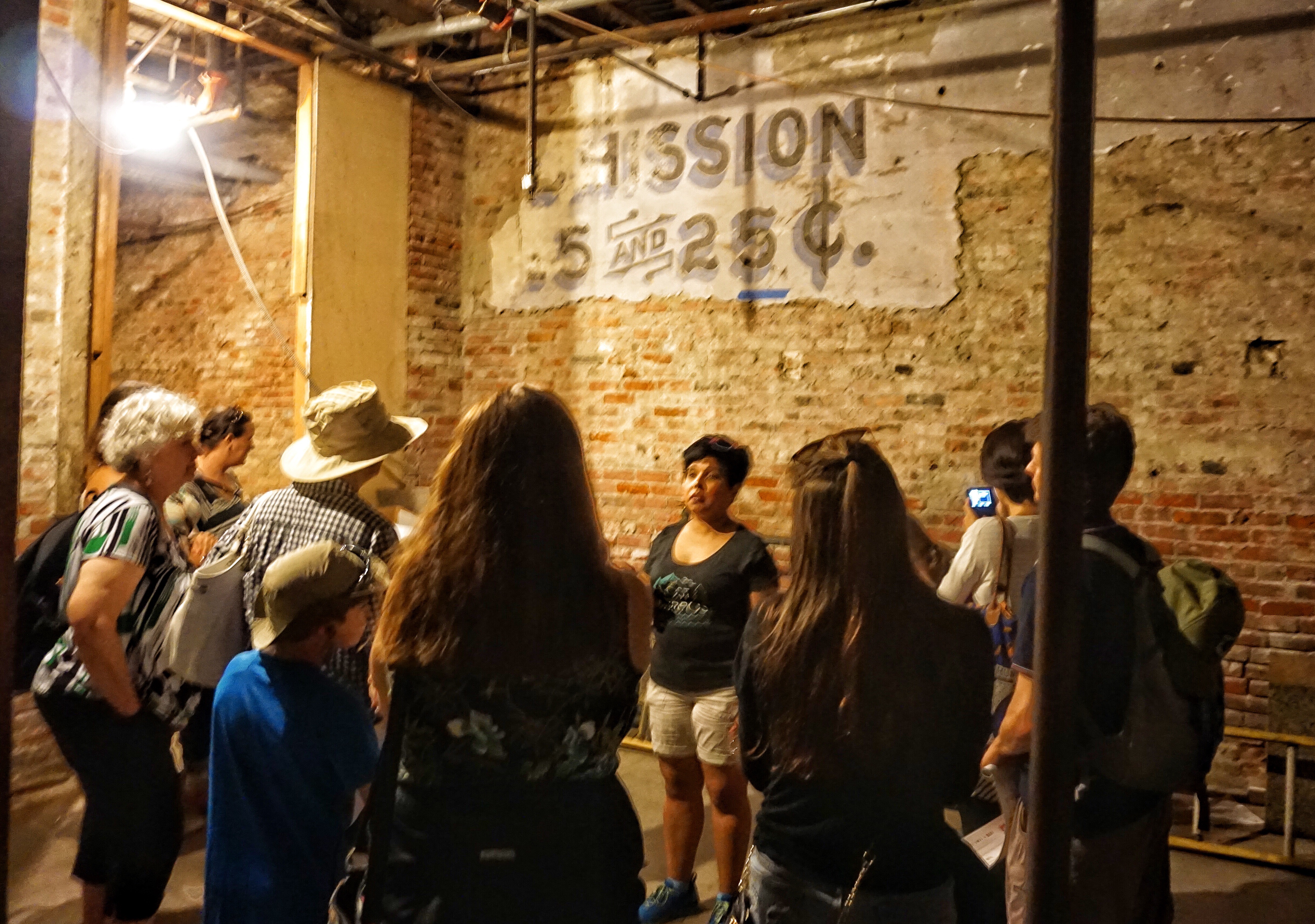
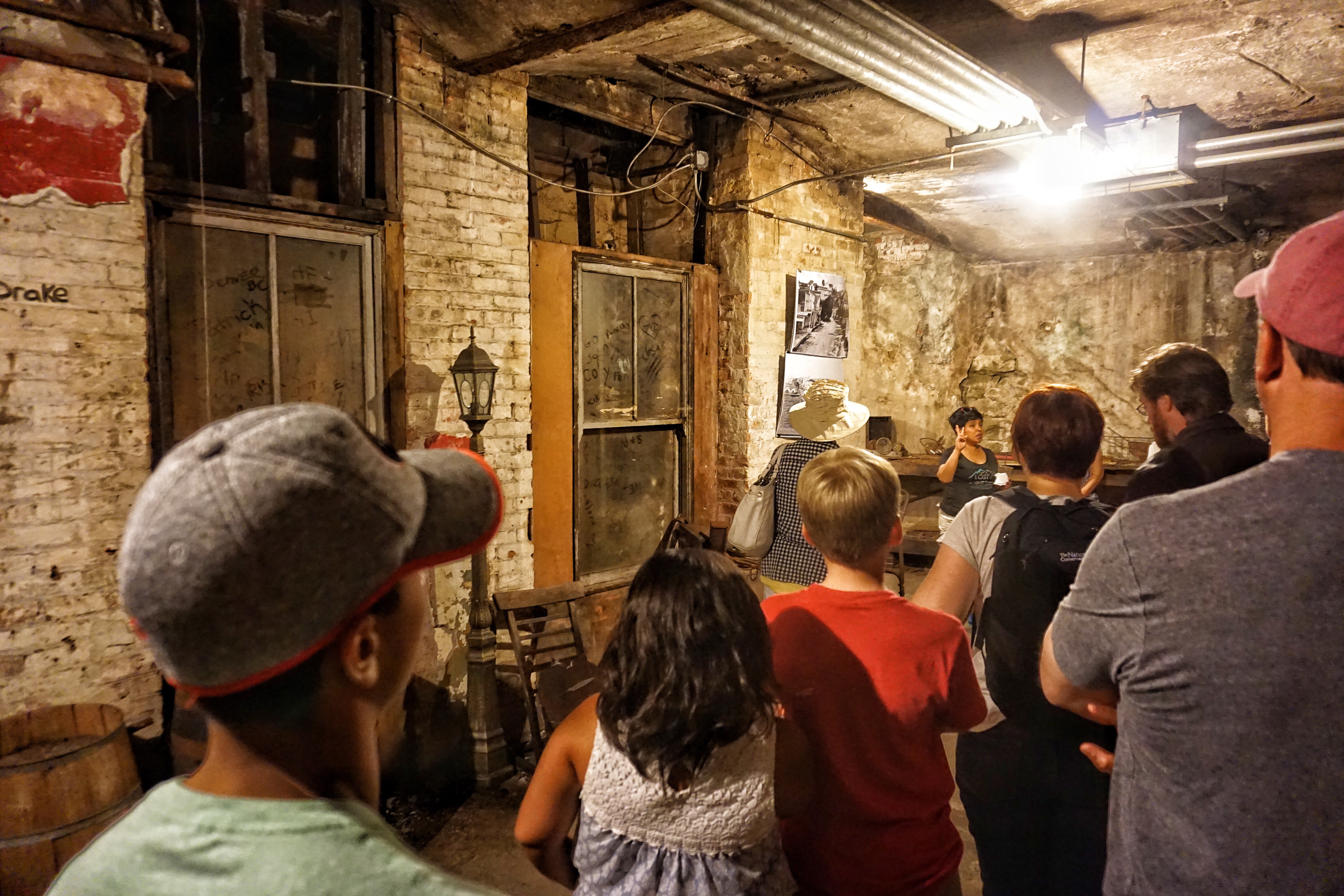
In Seattle, we started with a tour under the city. The first years of the city were a muddy mess. The town flooded daily with the tides; sewage and seawater created deadly pools in deep wagon wheel ruts. When Seattle burned in 1889, the city constructed buildings of brick, at least three stories tall. Then they built the streets at second-story height. (For the two years until sidewalks joined the streets and buildings, ladies climbed ladders to reach the street after shopping.) Under the raised sidewalks, the lower channels remain, and we wandered through them, listening to stories of scrappy Seattle, a town that avoided financial ruin in the late 1800s by outfitting Klondike-bound prospectors with gold-sniffing gophers and stolen house pets, like Buck from The Call of the Wild, for use as sled dogs. The city improved its earnings from $325, 000 to $25 000,000 in eight months. Our tour guide reminded us that Boeing in 1916, Microsoft in the 1979, and Amazon in the 1994 are evidence of the continuing legacy of financial genius in Seattle.

Glass prisms in the sidewalk above light underground lanes

Underneath the J&M, where Wyatt Earp introduced faro to Seattle, and Jimi Hendrix and Kurt Cobain brought new sounds.

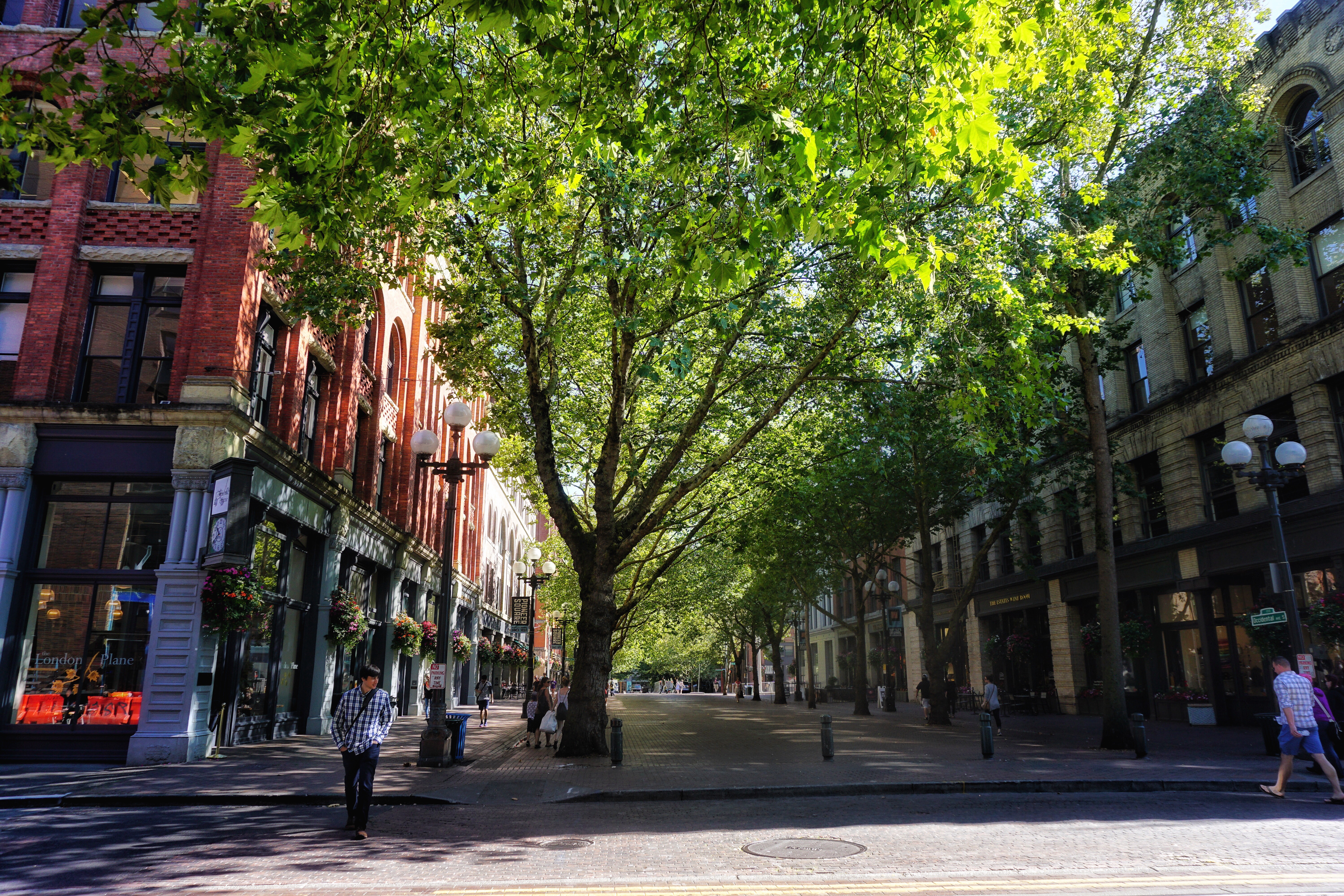
As we wandered the lively, green city, I marveled at the gritty determination that possessed the early settlers of the Pacific northwest. One of my favorite books about this time is The Living by Annie Dillard. It’s a big, sprawling adventure story, and Dillard’s descriptions of the area made me long to see it for myself, but a reader shouldn’t get too attached to any one character; the environment is so harsh, they almost all succumb!

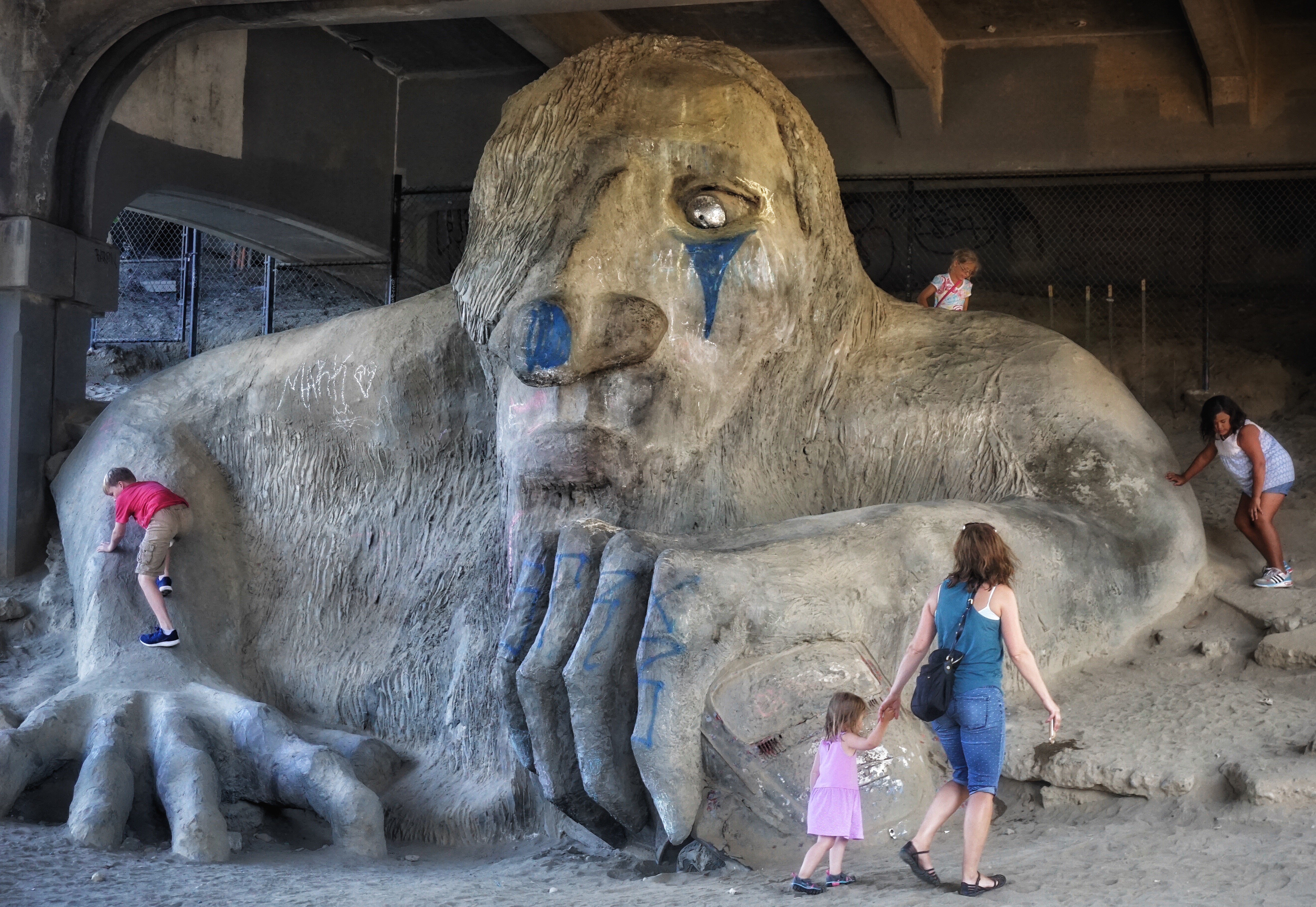
The car-crushing Fremont troll under the Aurora Ave. bridge

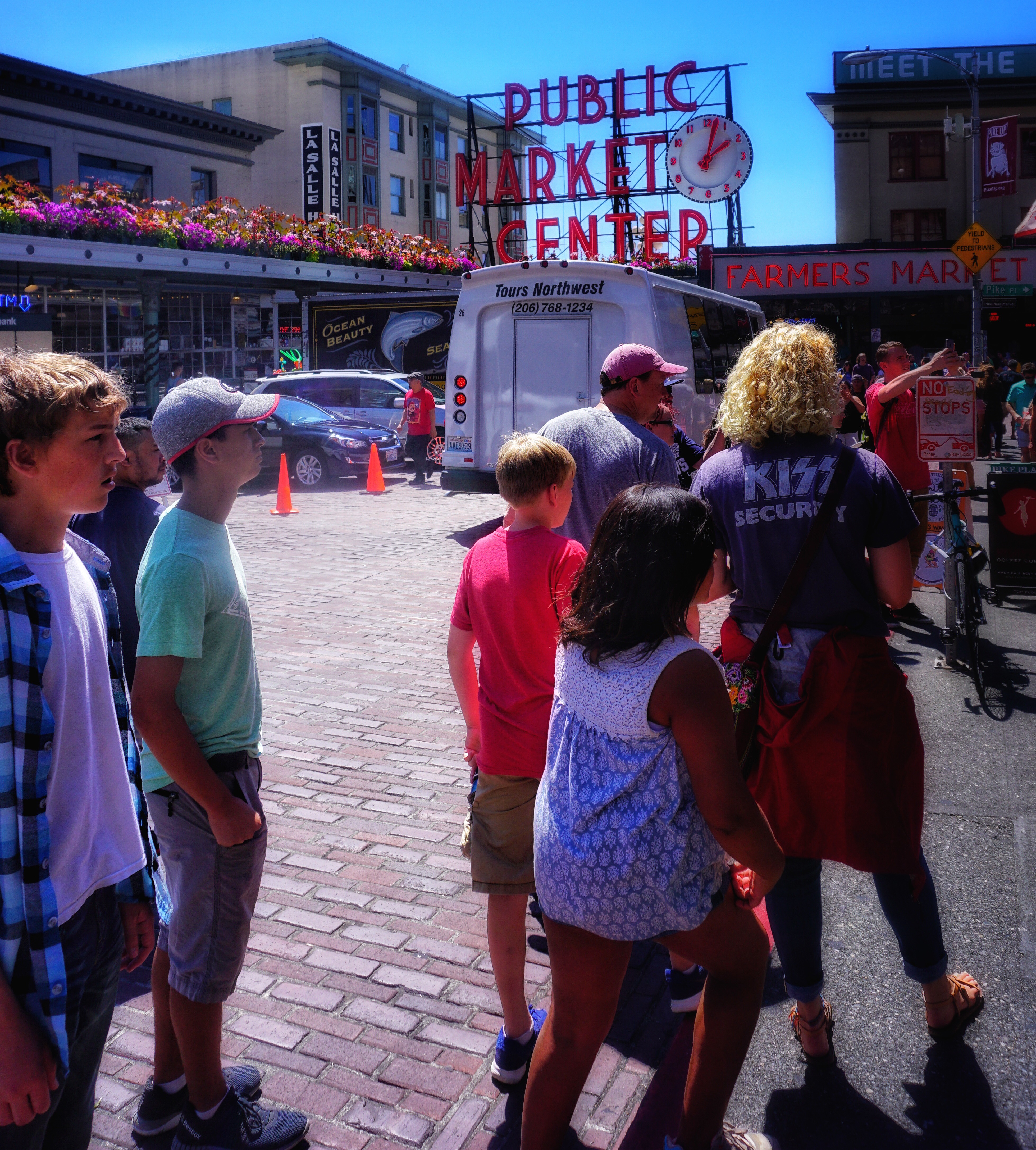
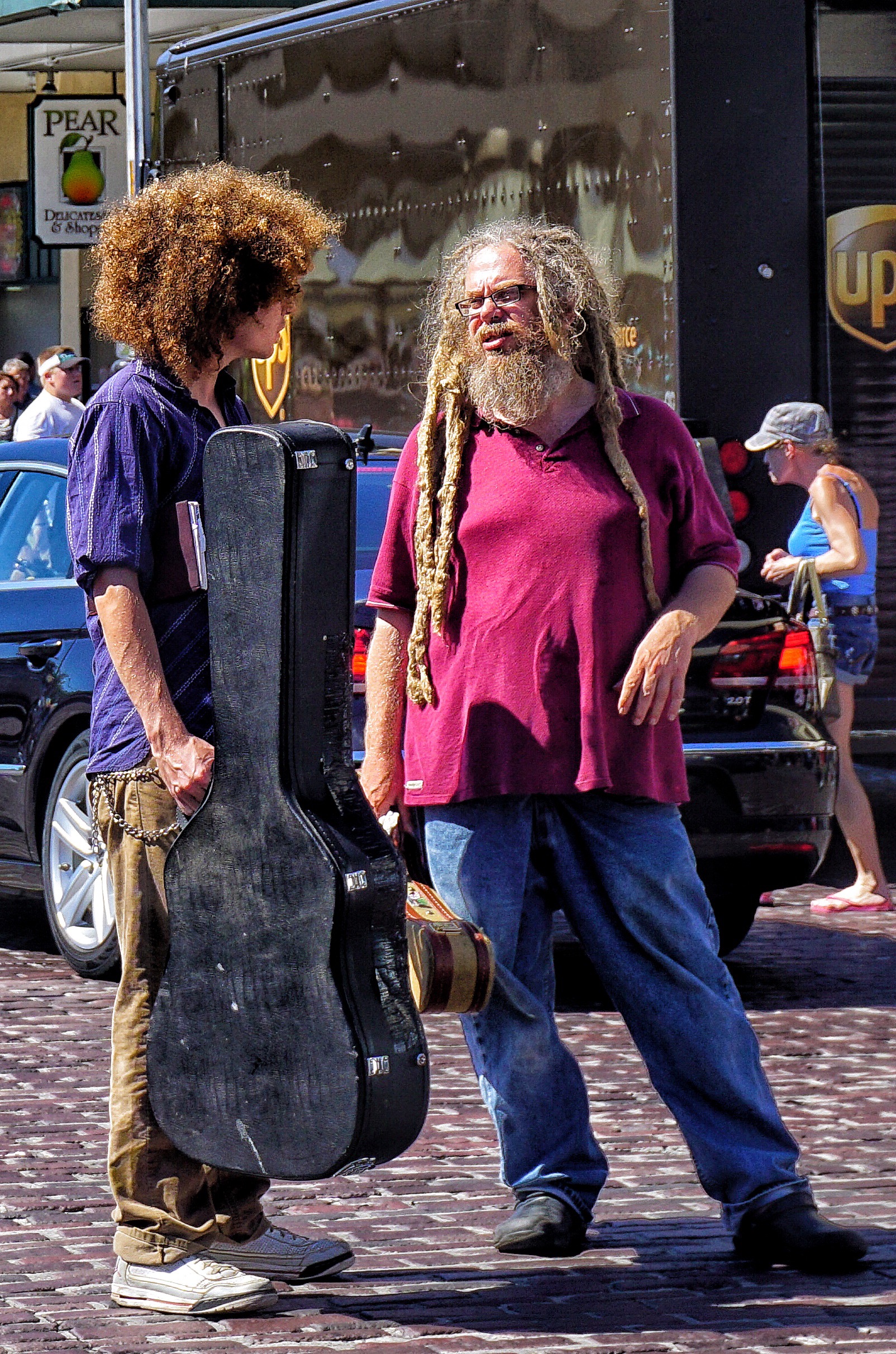
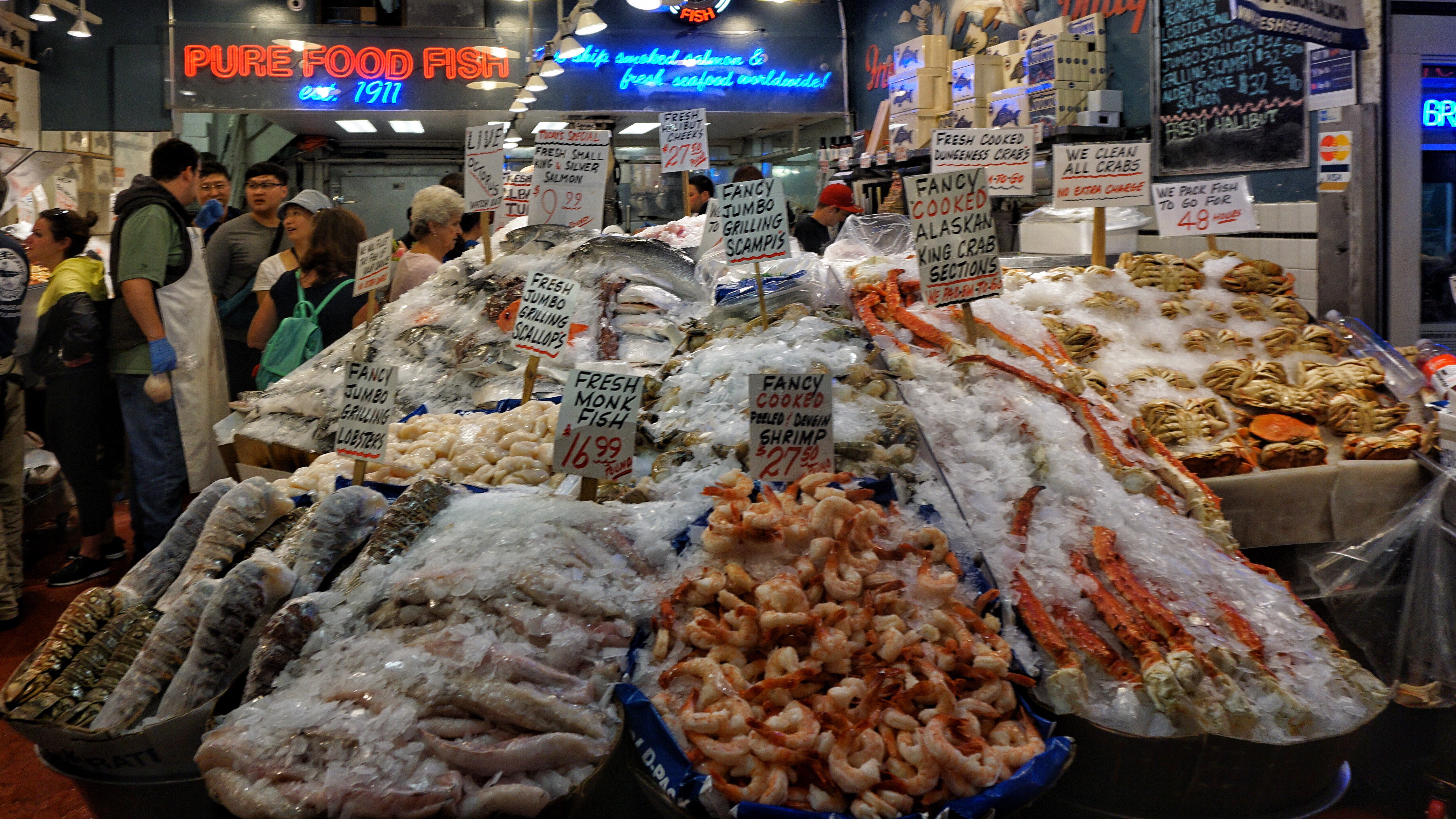
Excellent people-watching opportunities at the fish market

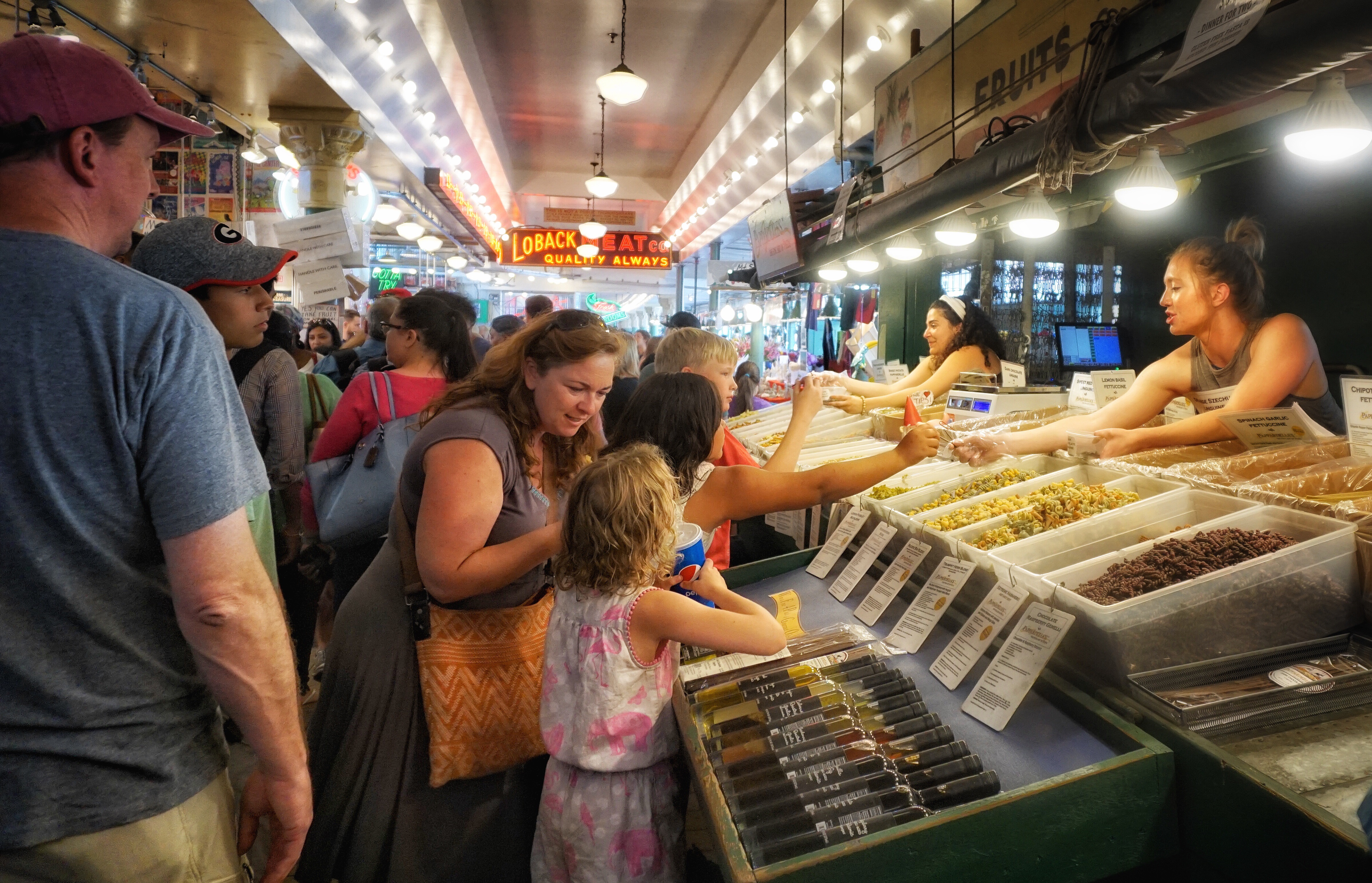
Captured by a savvy saleswoman, we left with a pound of chocolate pasta!

Here’s a fish thrower:

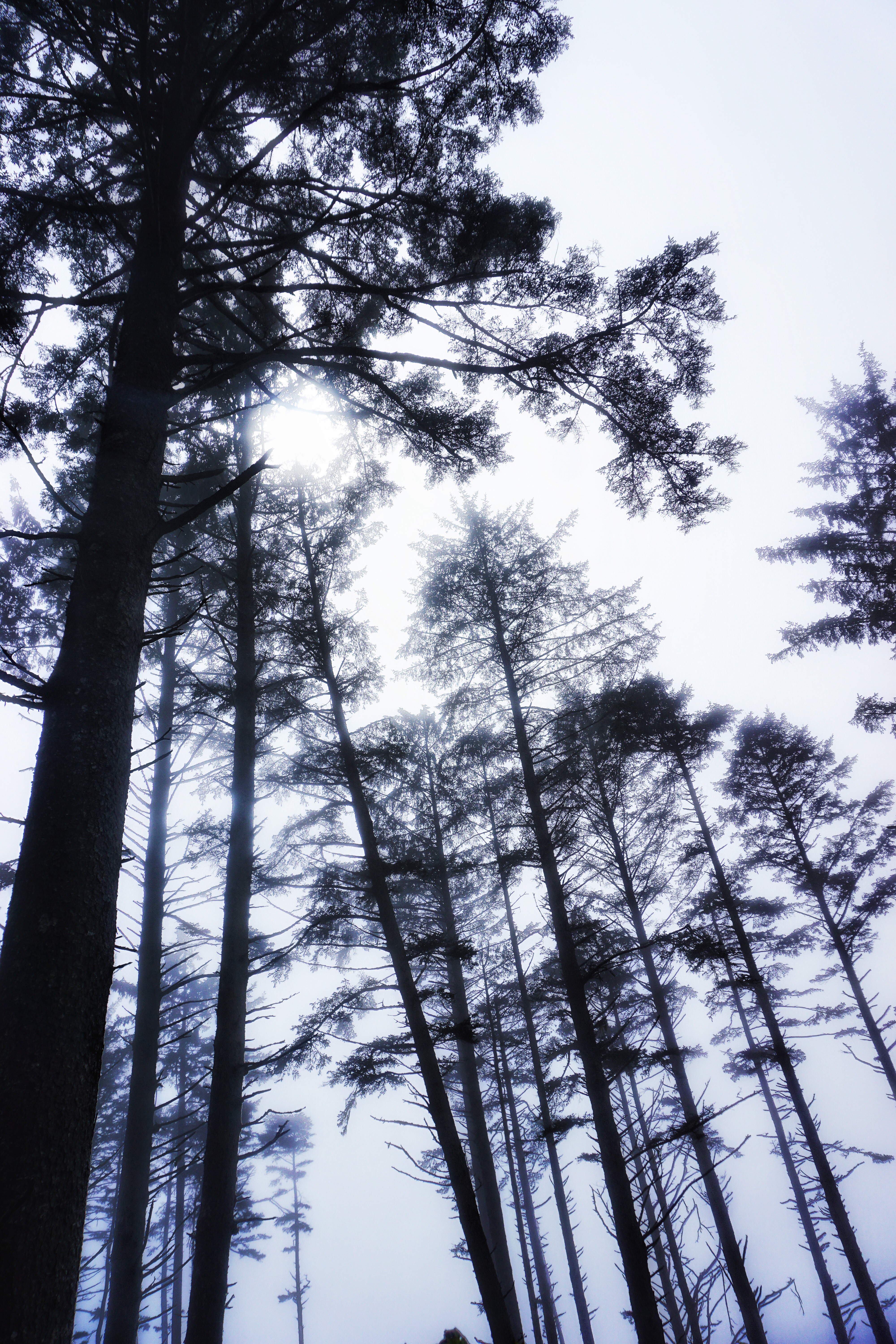
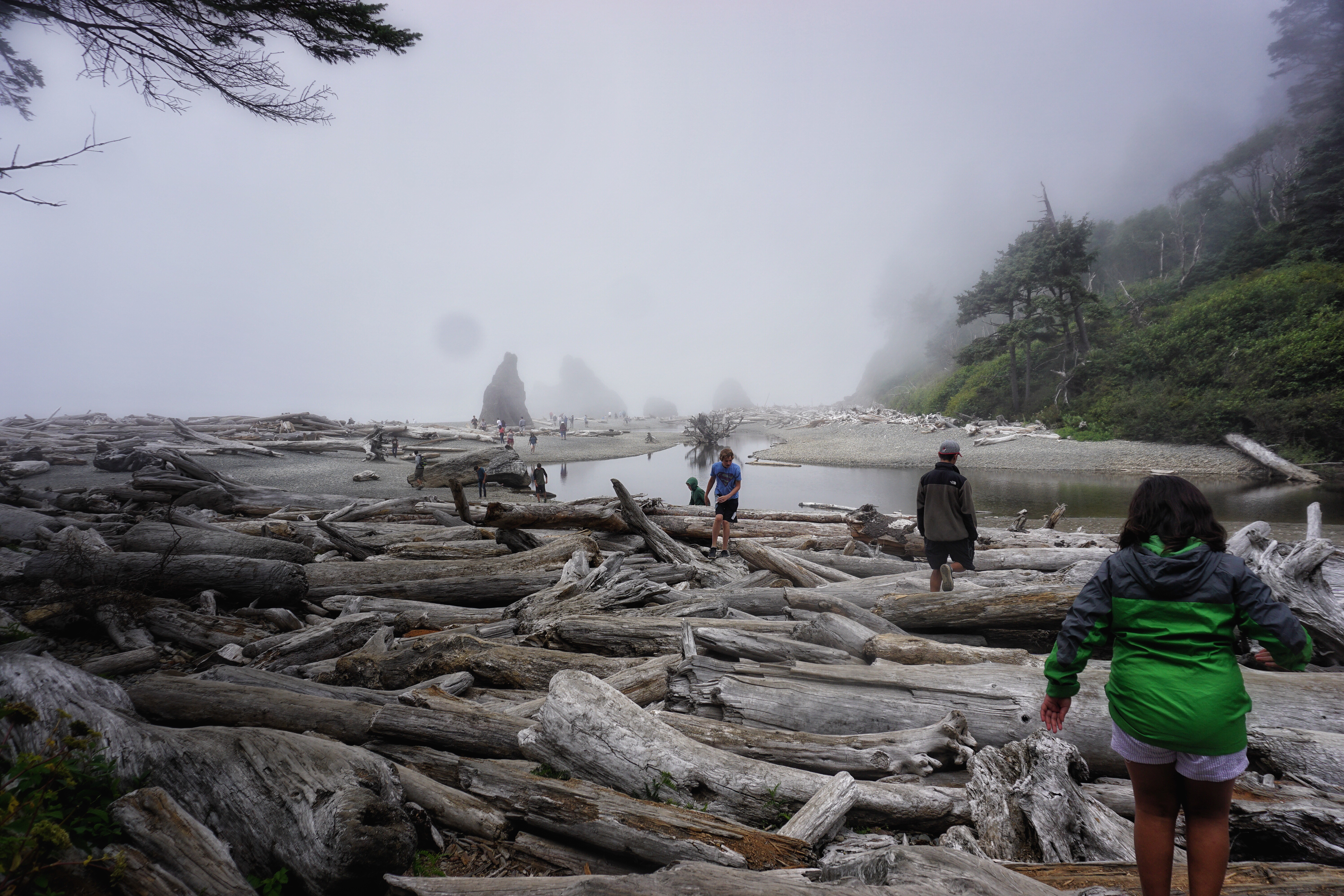
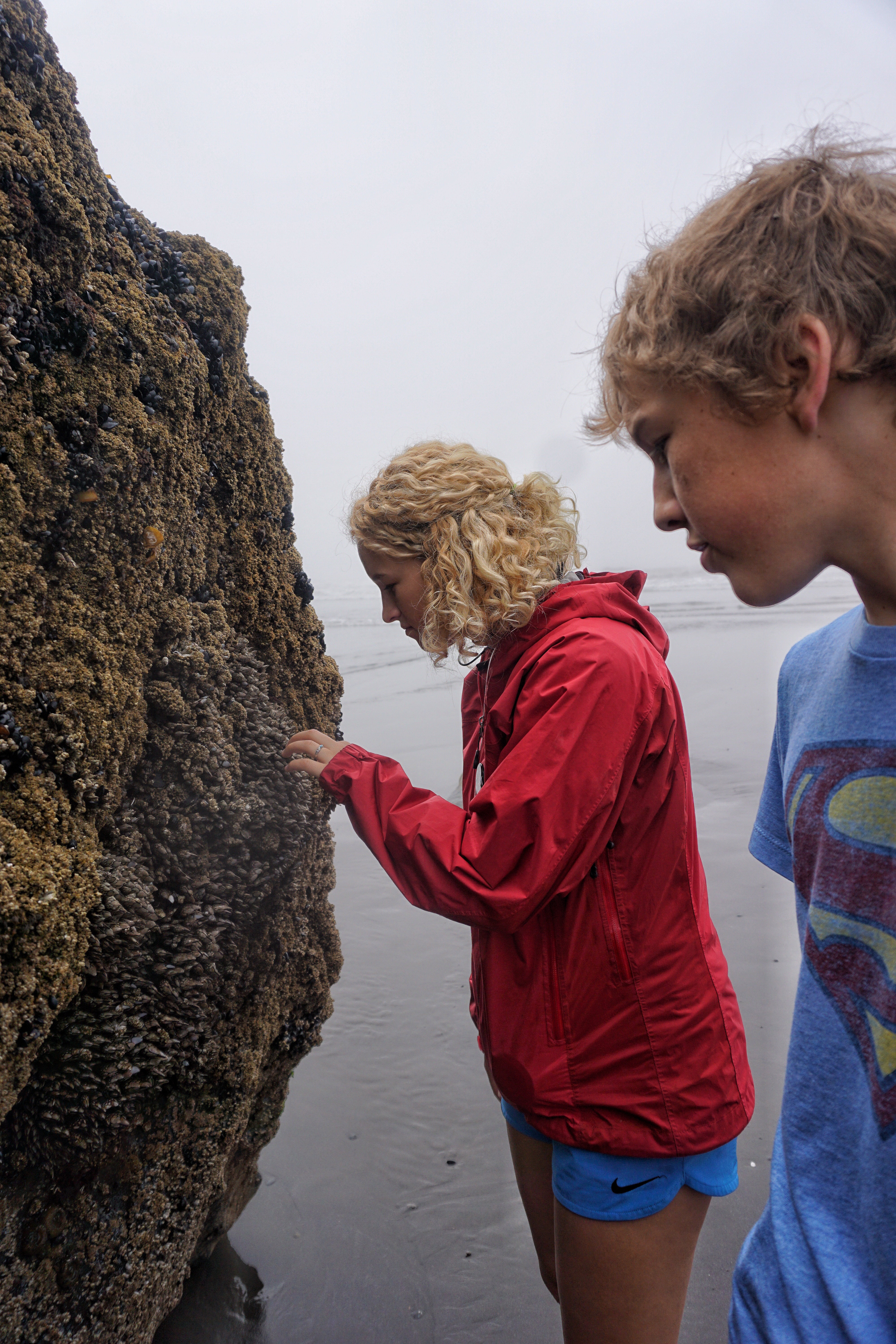
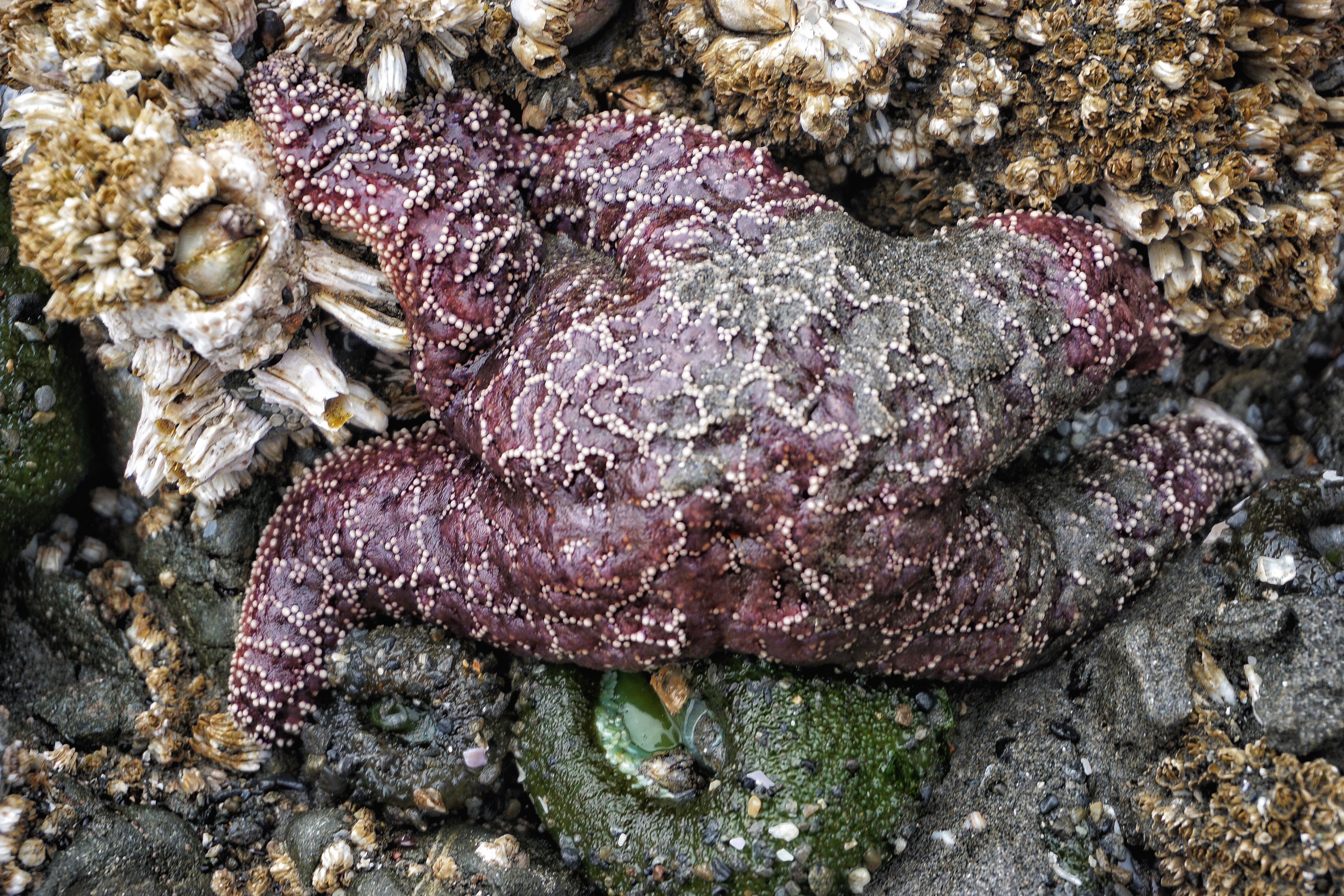
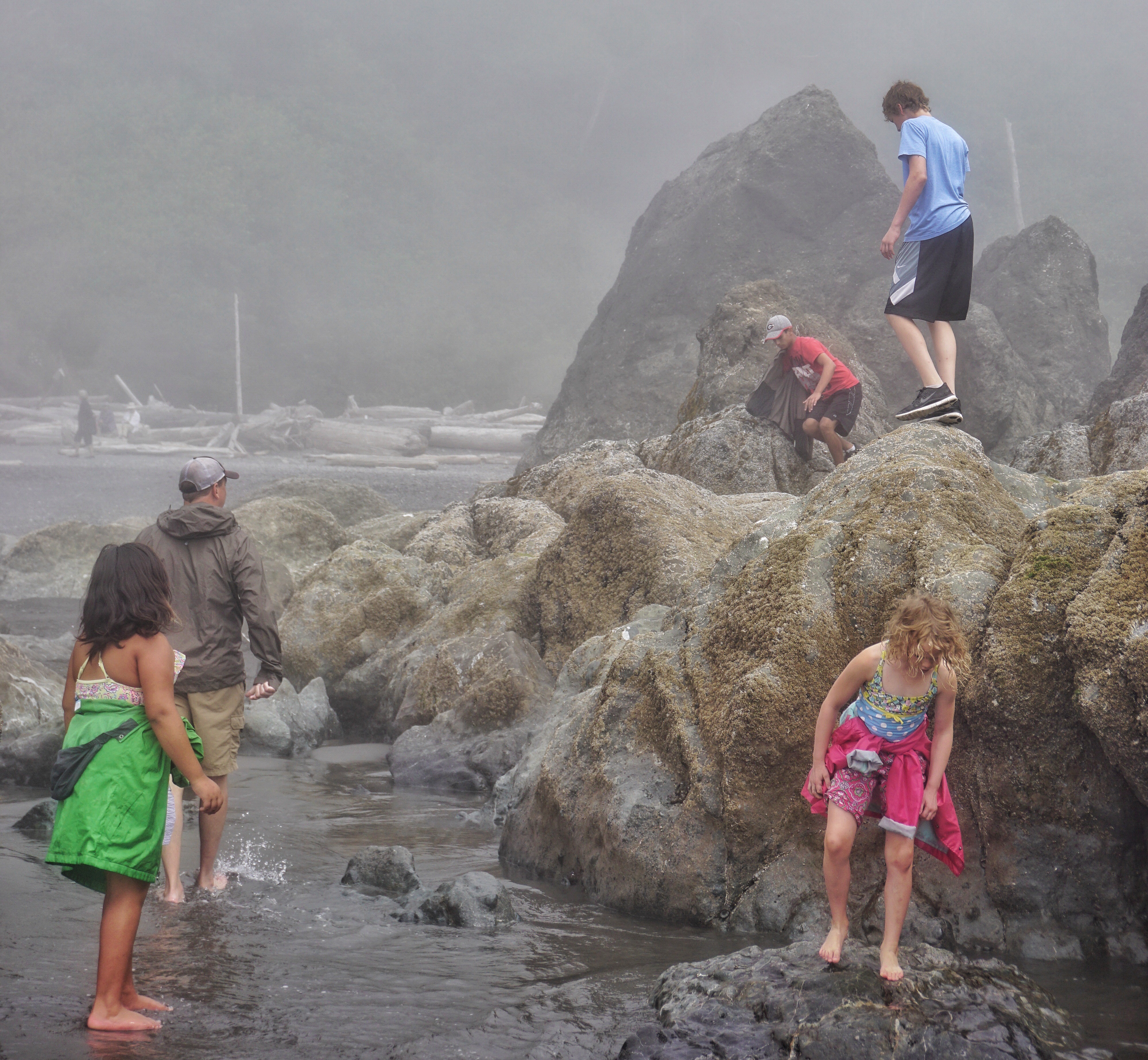
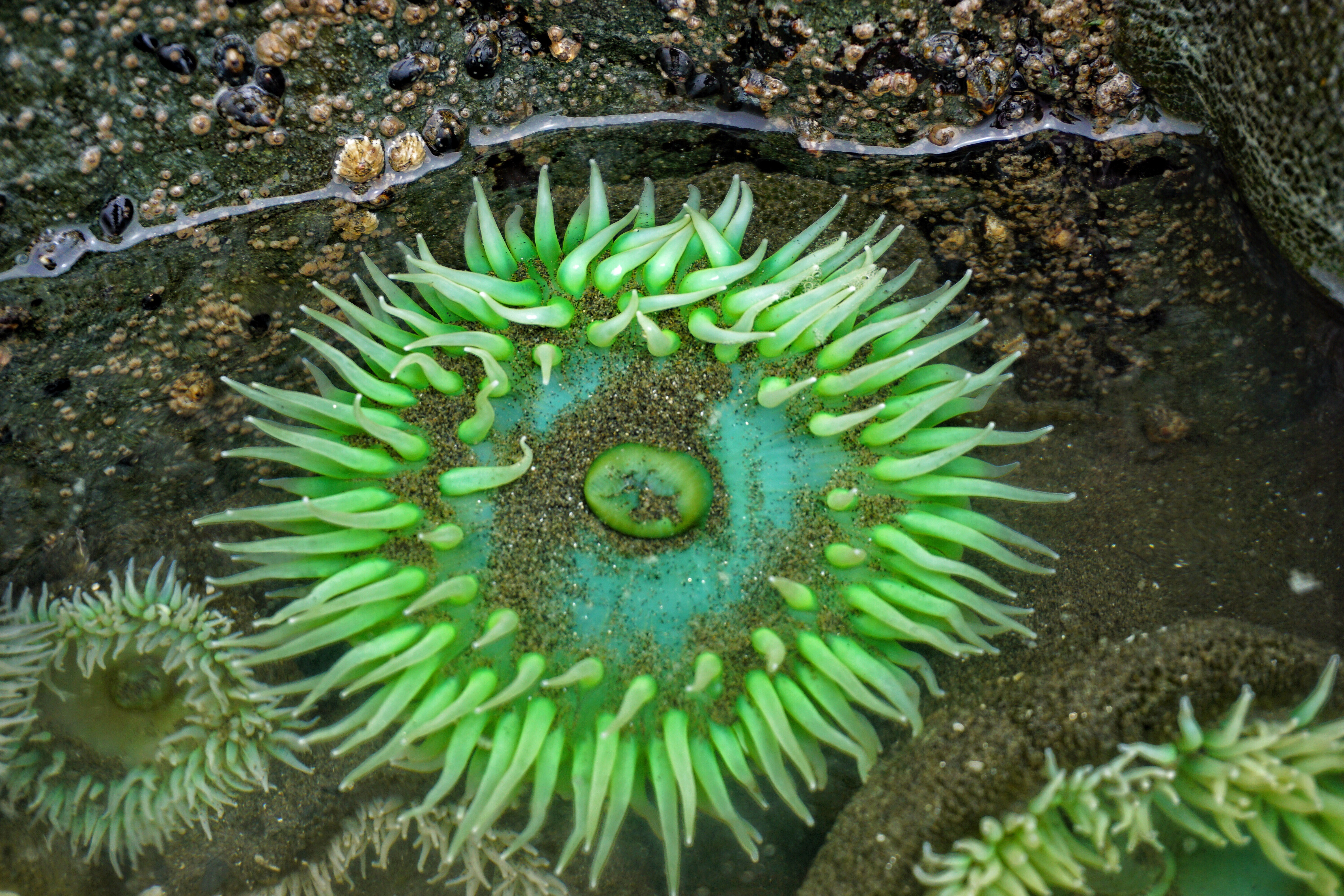
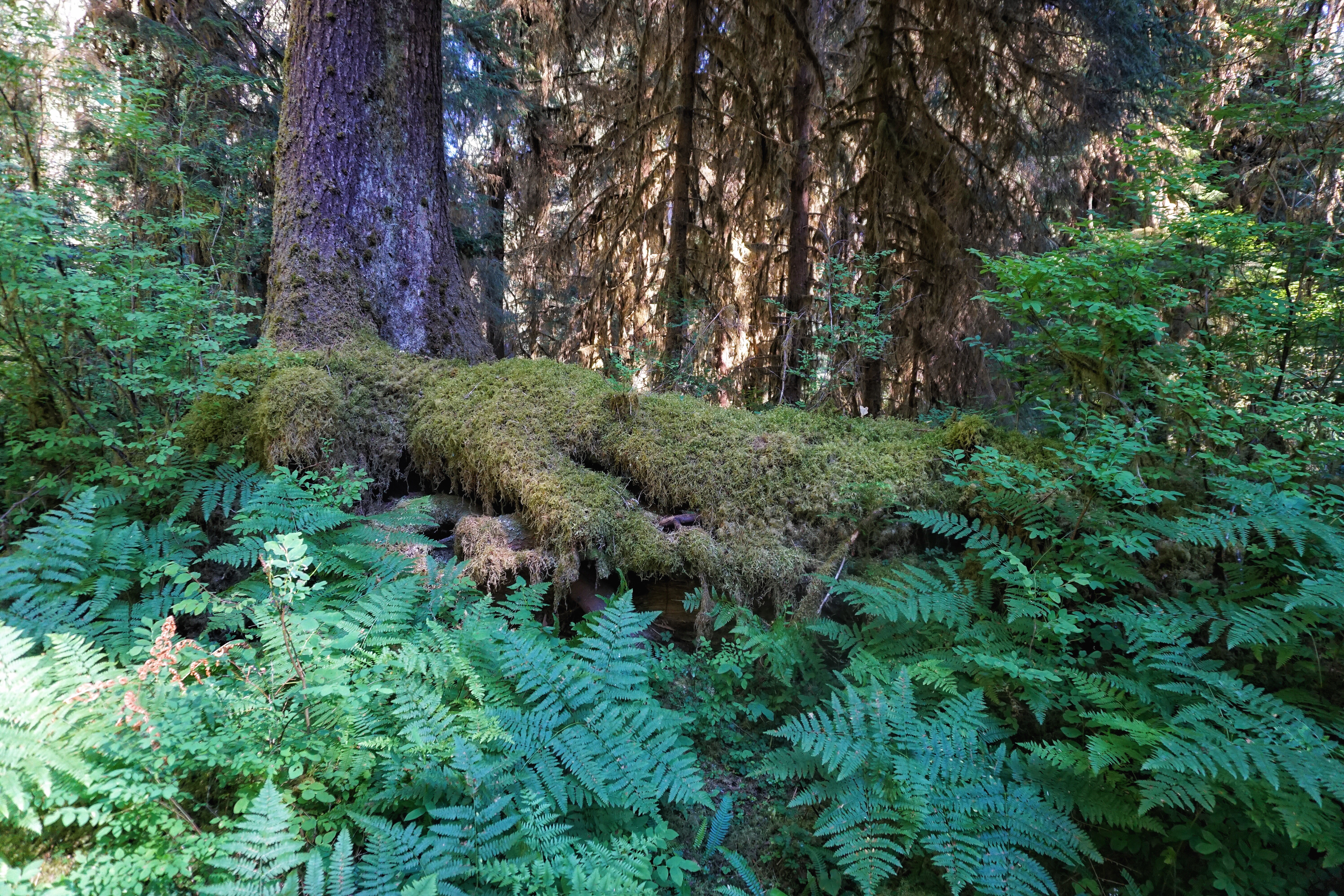
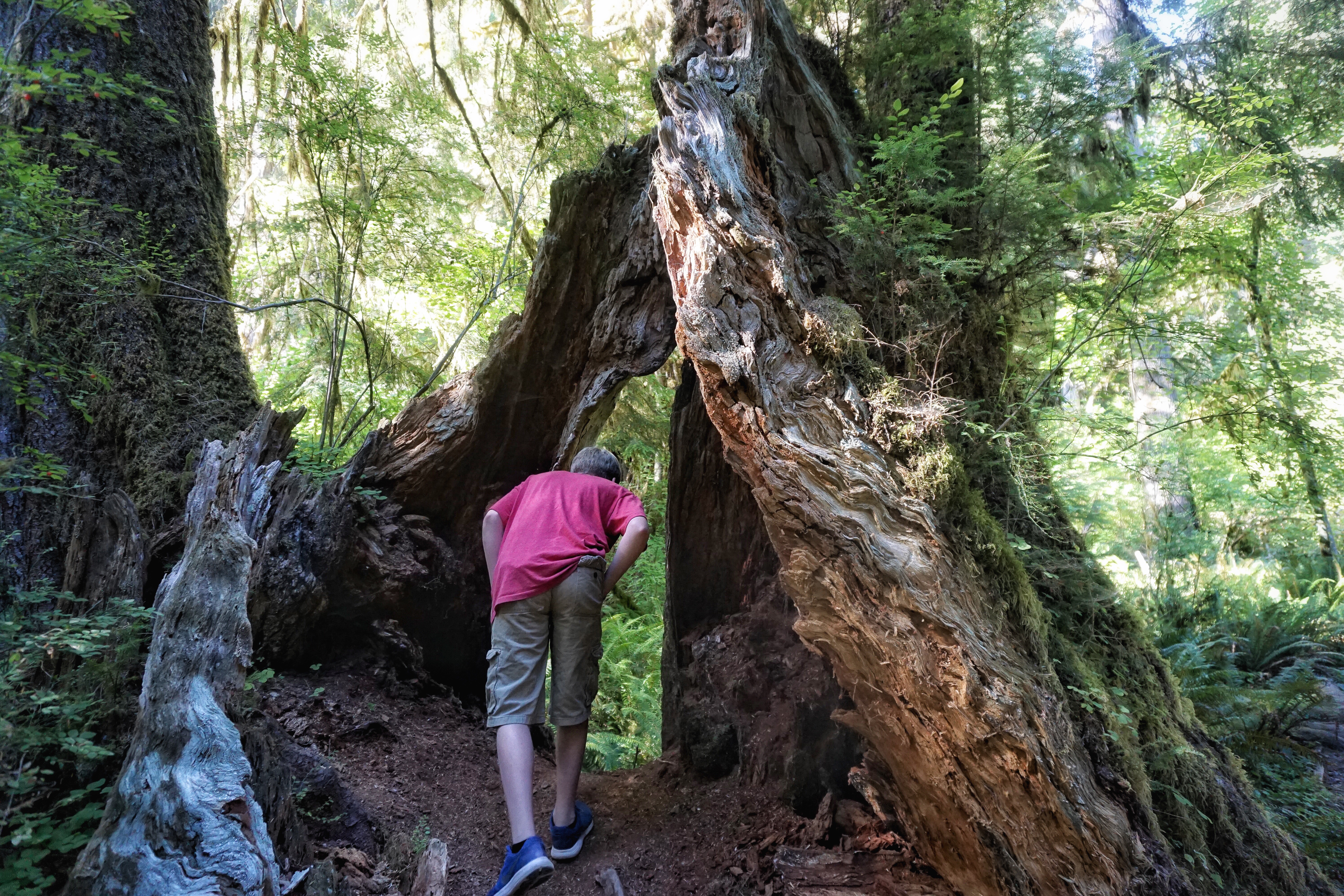
From Seattle, we boarded a ferry to Bainbridge Island, and from there crossed a few more big bridges, to reach the Olympic Peninsula. There we explored foggy beaches, tide pools rich with odd sea creatures, soggy temperate rainforests, and dry mountain meadows dotted with lavender and Roosevelt elk. We listened to The Boys in the Boat, the story of the working-class Washington rowers who win gold at the Berlin Olympic Games. Even better than the tense sports drama of the story is the transformation of Joe Rantz, a young man who has survived the poverty of the Great Depression and abandonment by his family by steely self-reliance, into a member of a team that performs in absolute cooperation.


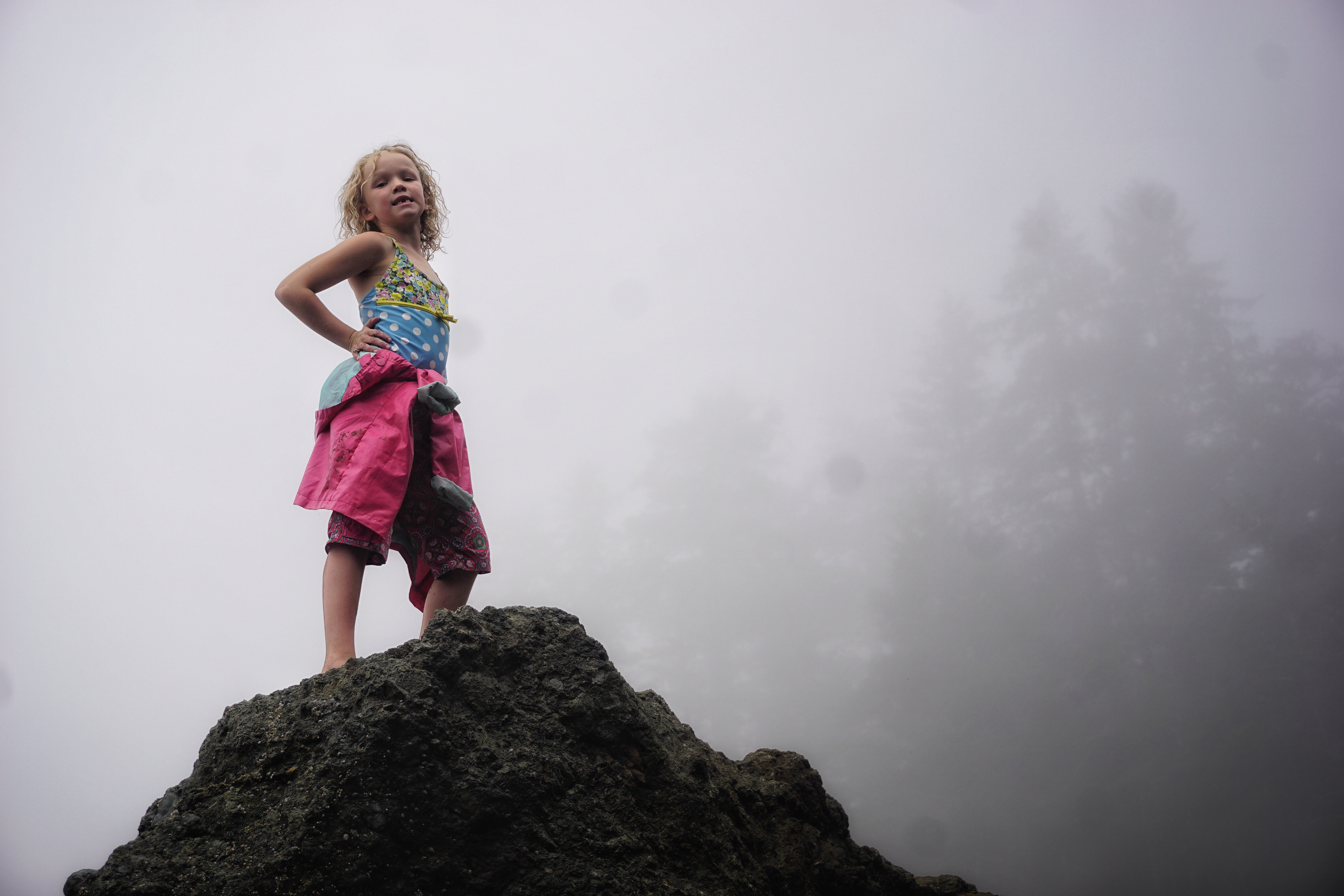
Ruby Beach


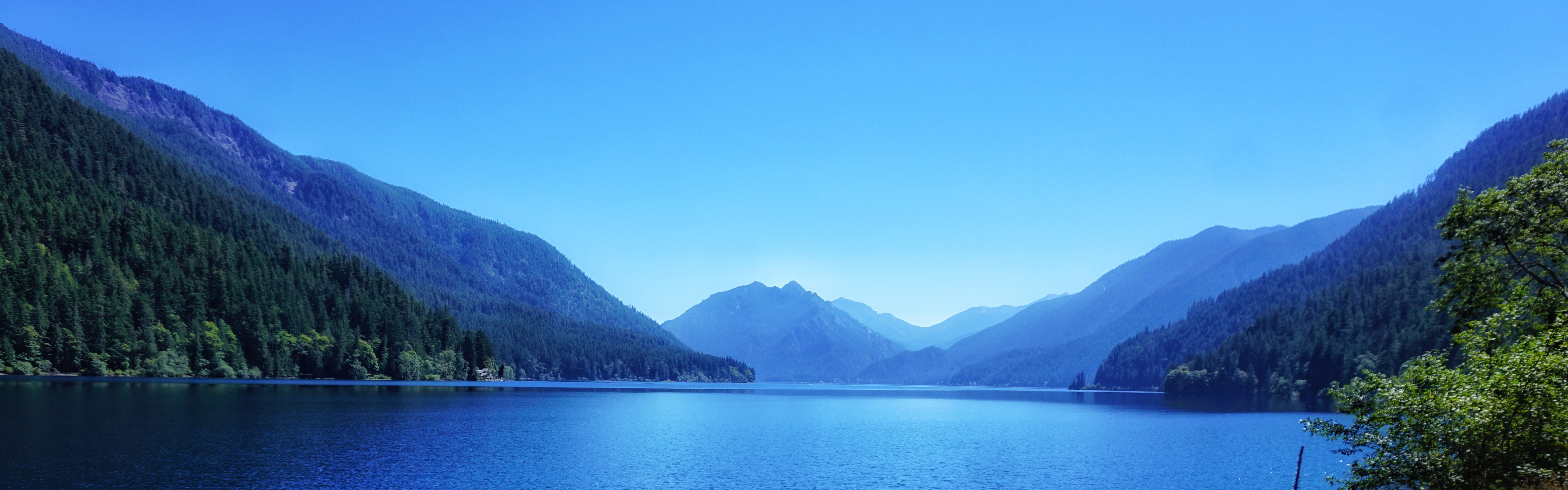
Crescent Lake

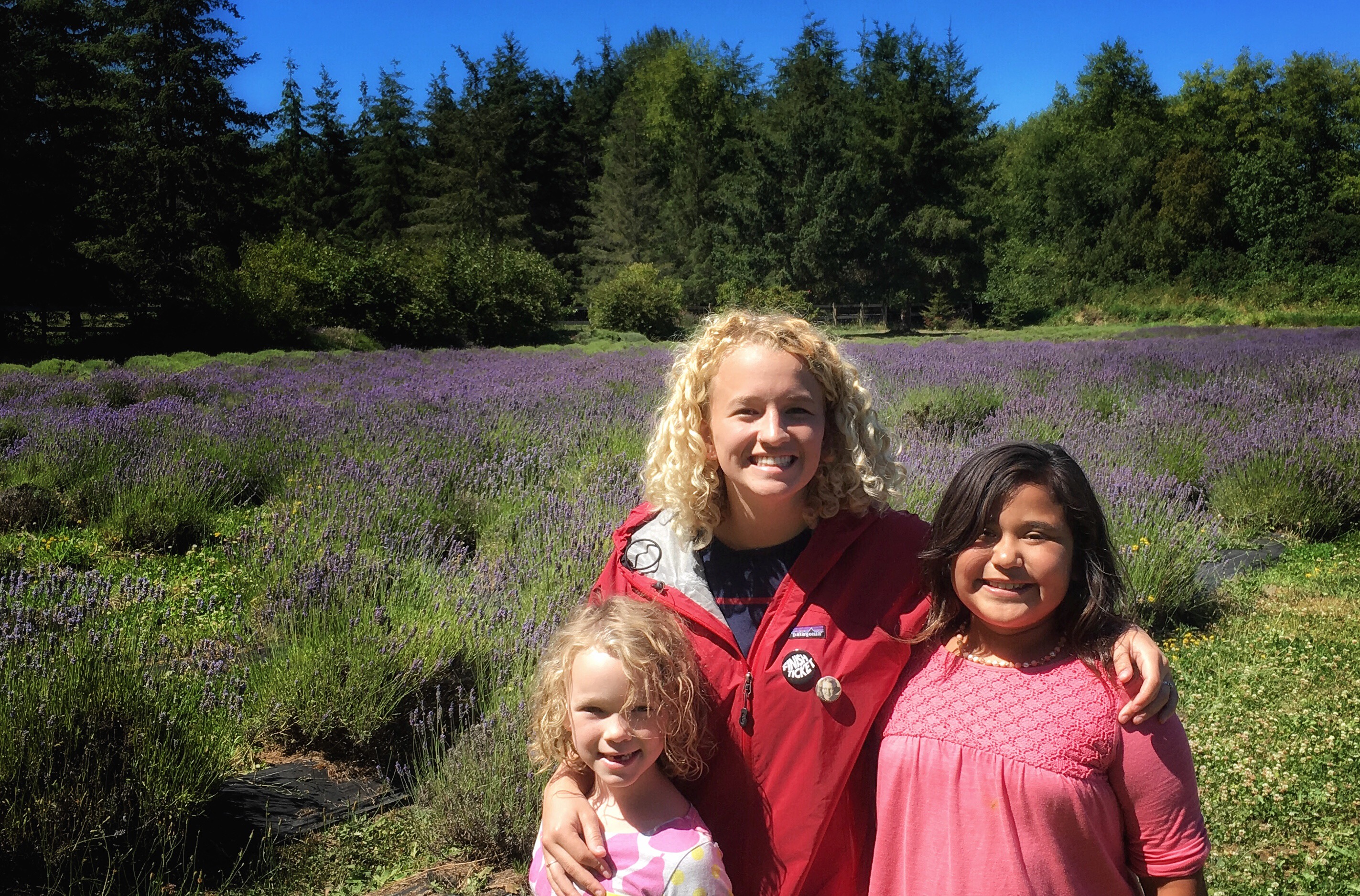
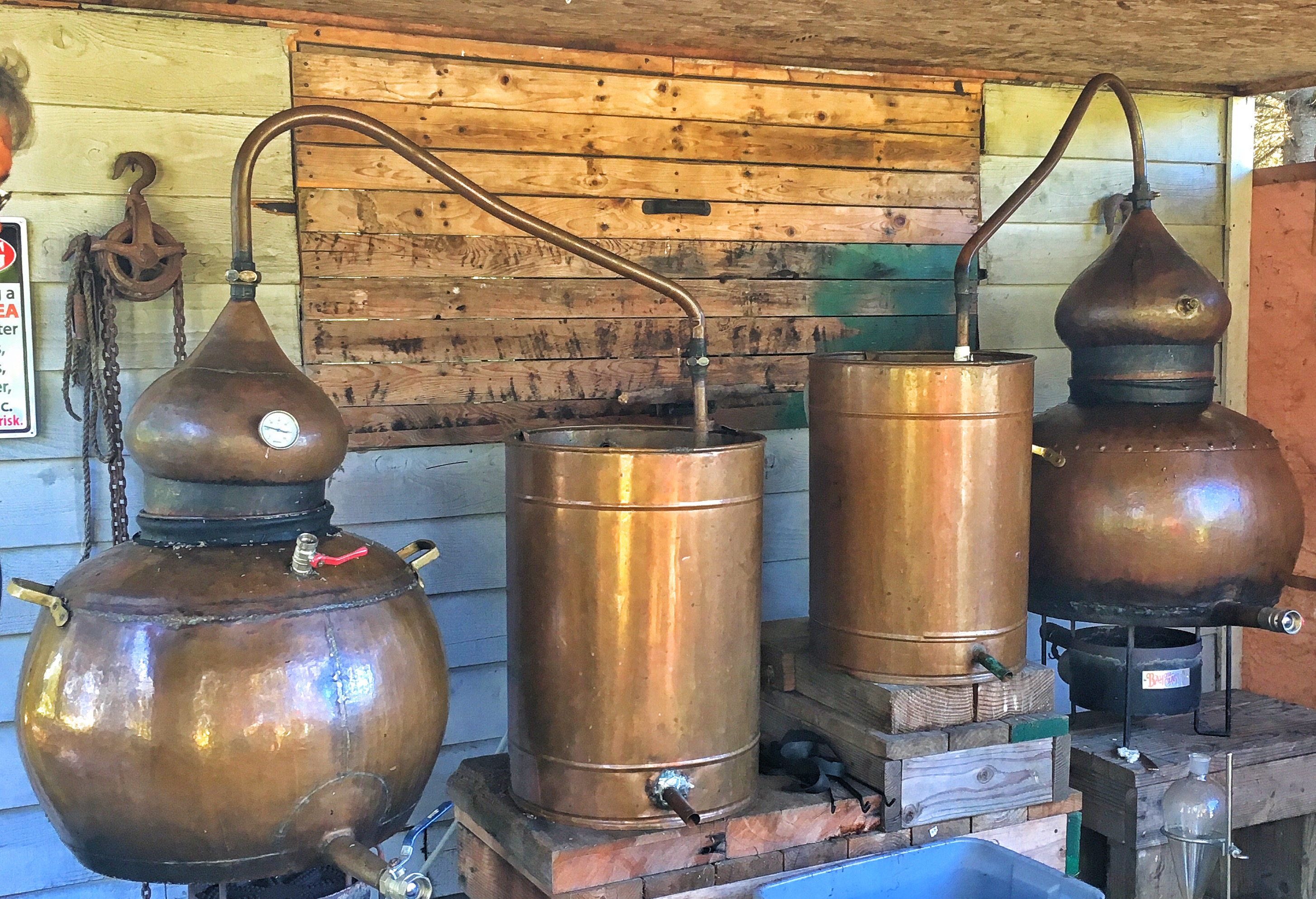
Oil-distilling contraption at a lavender farm

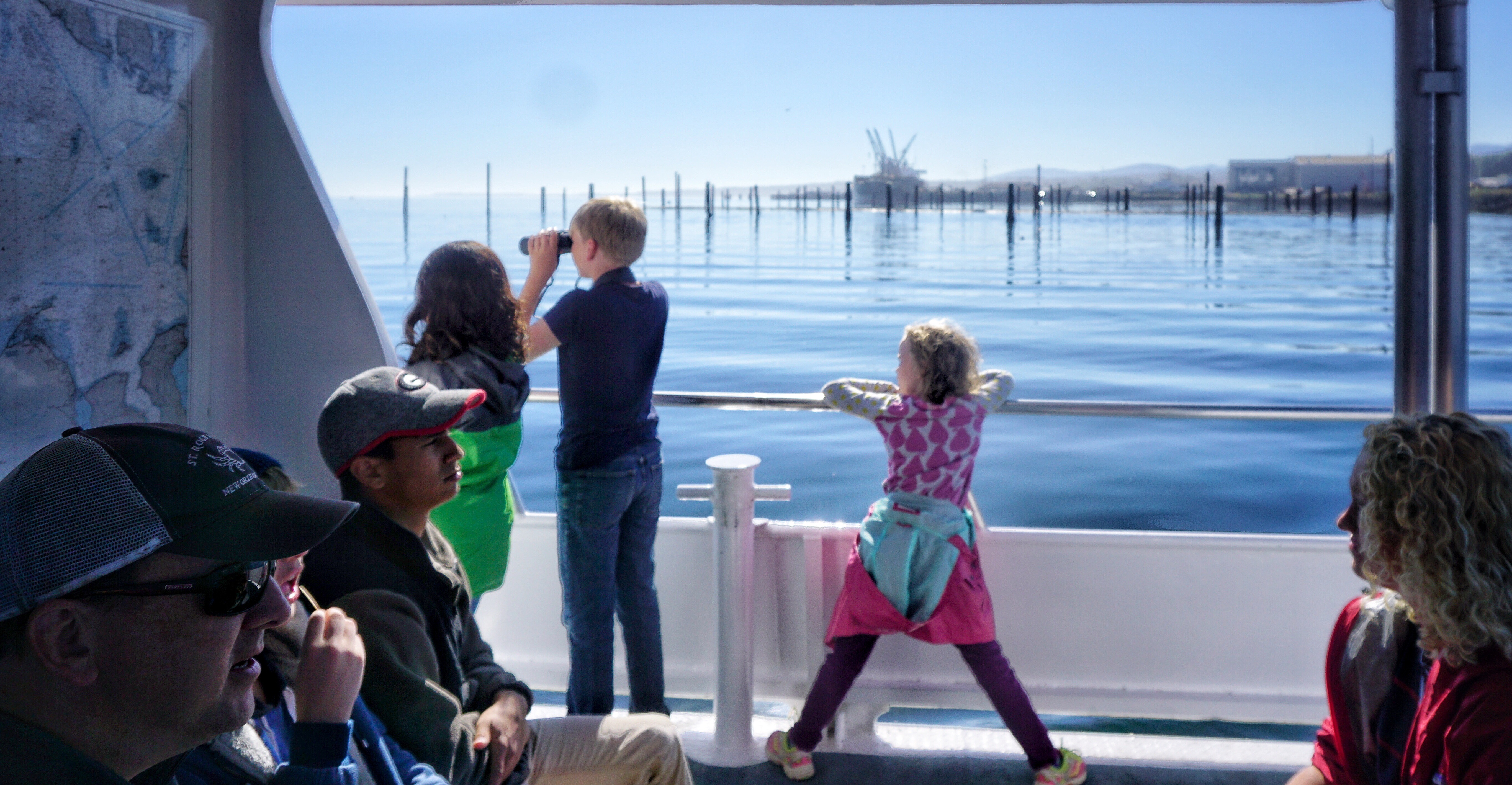
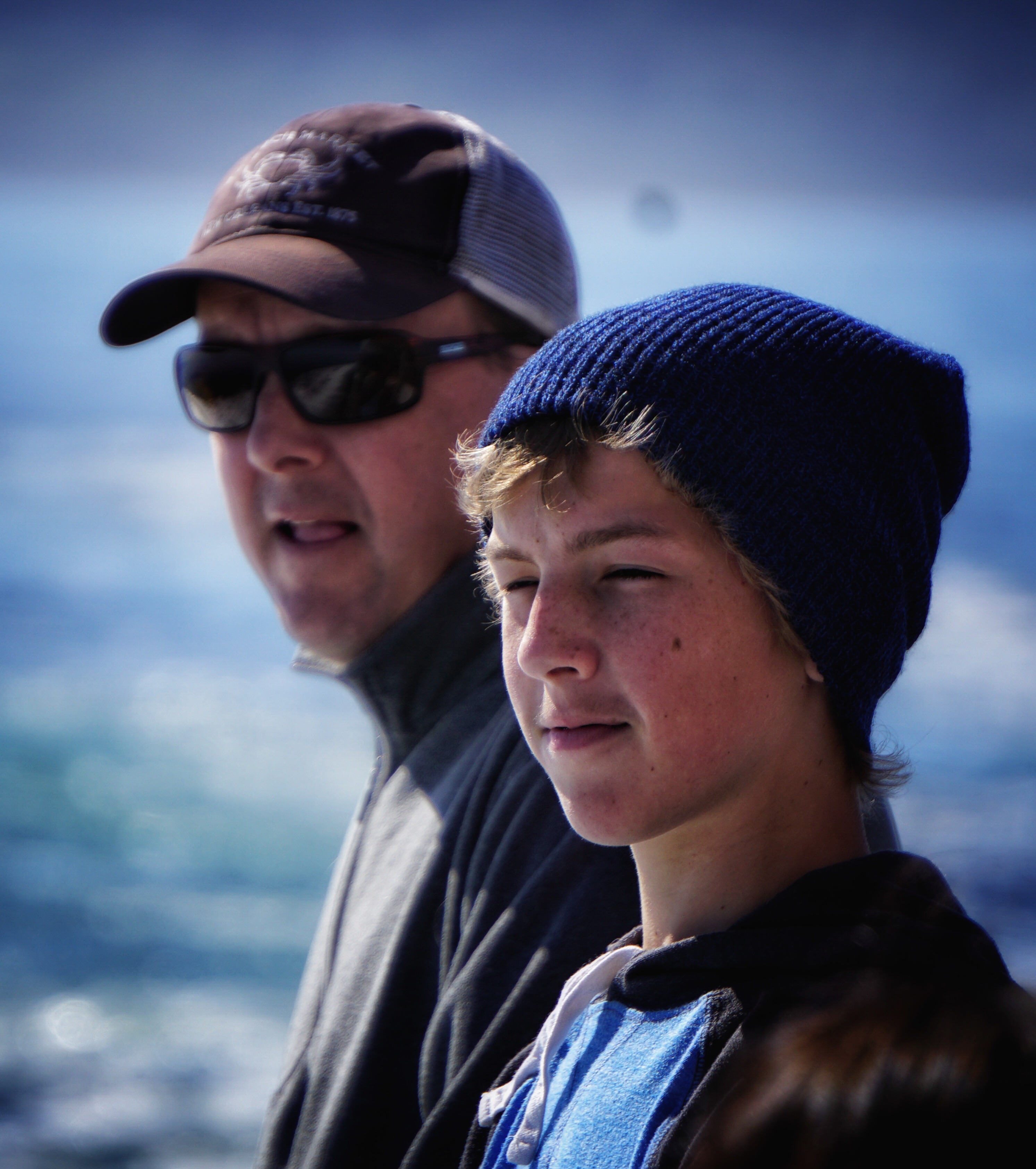
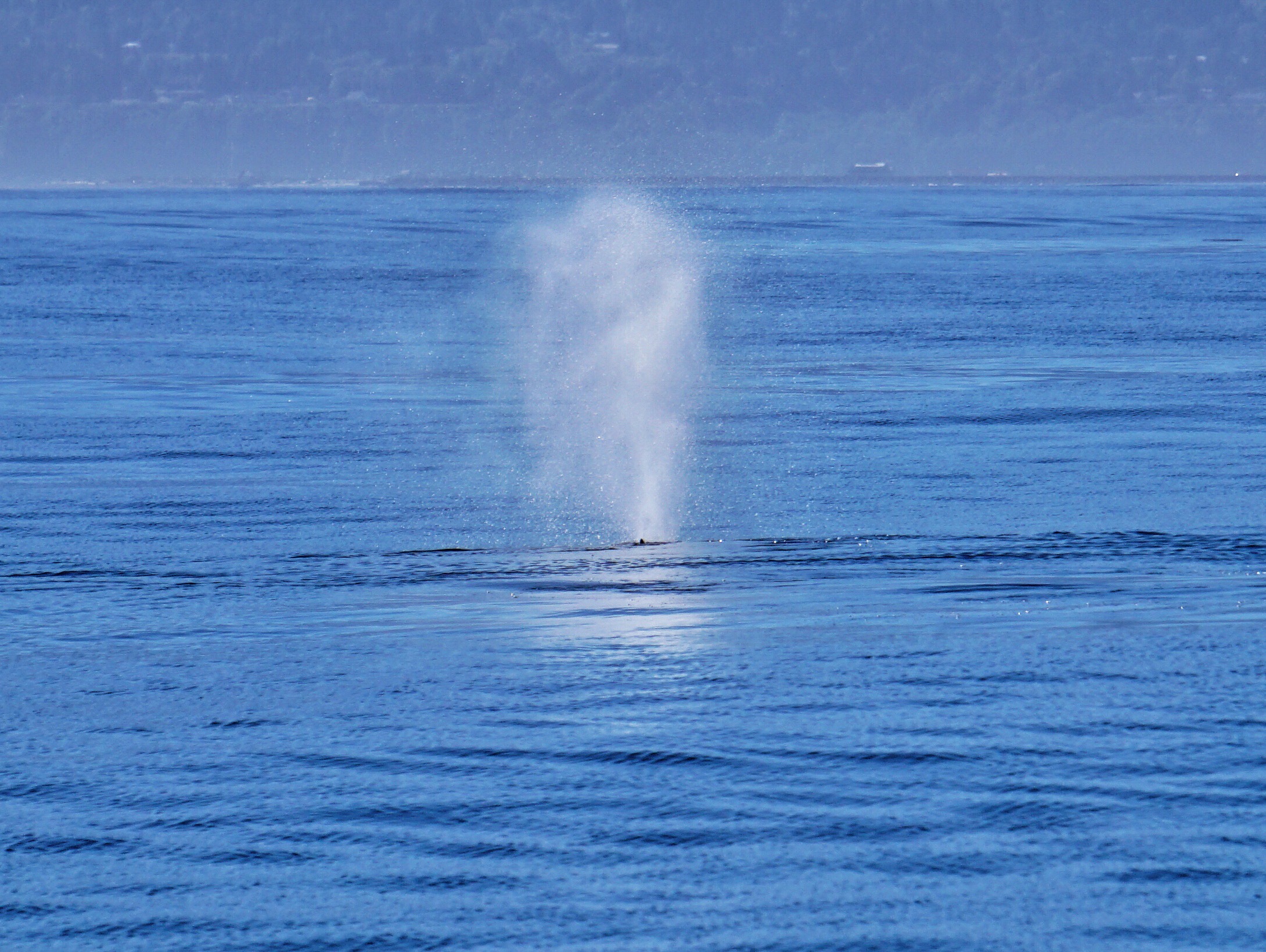
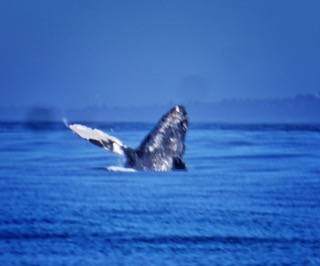
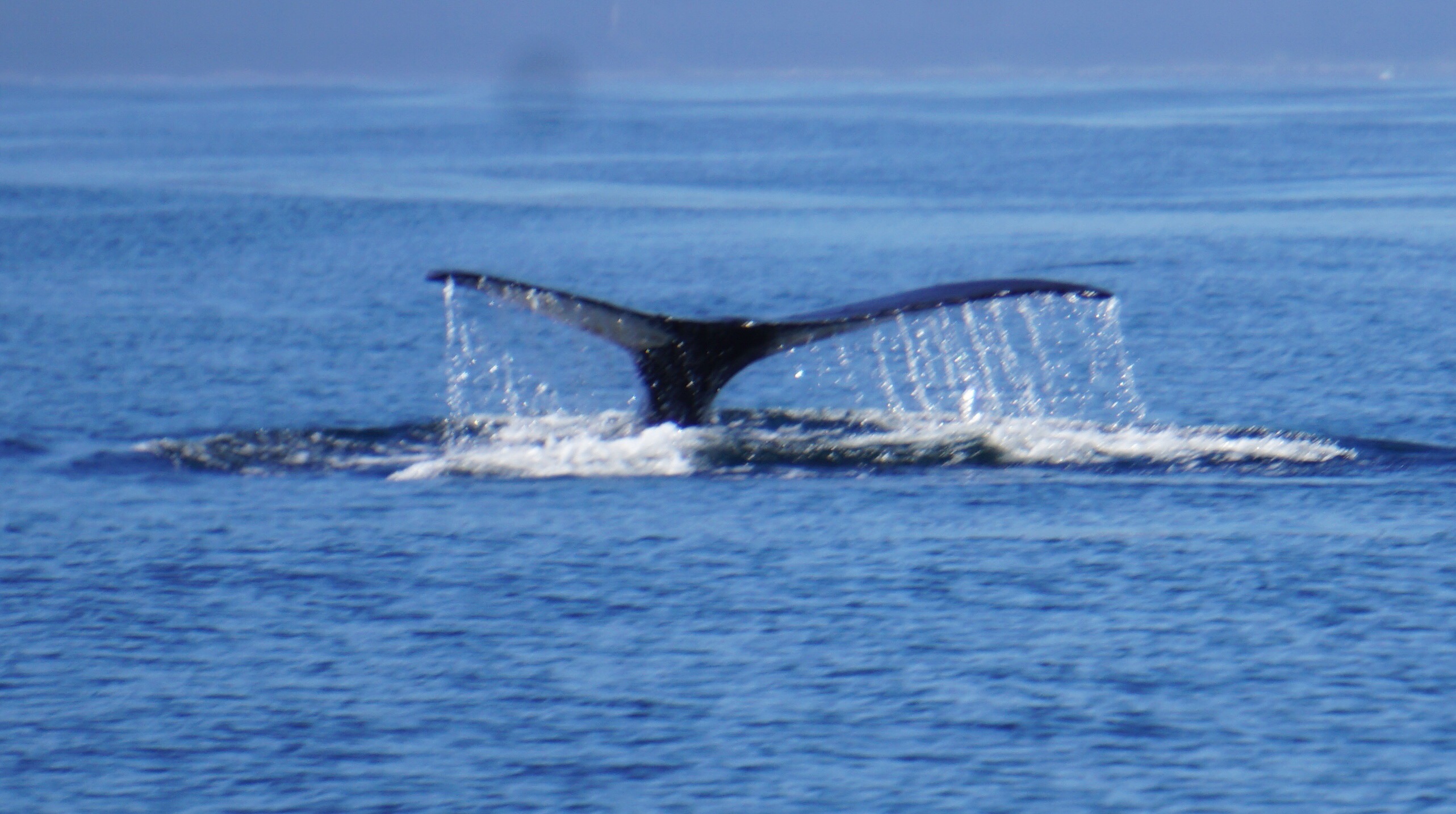
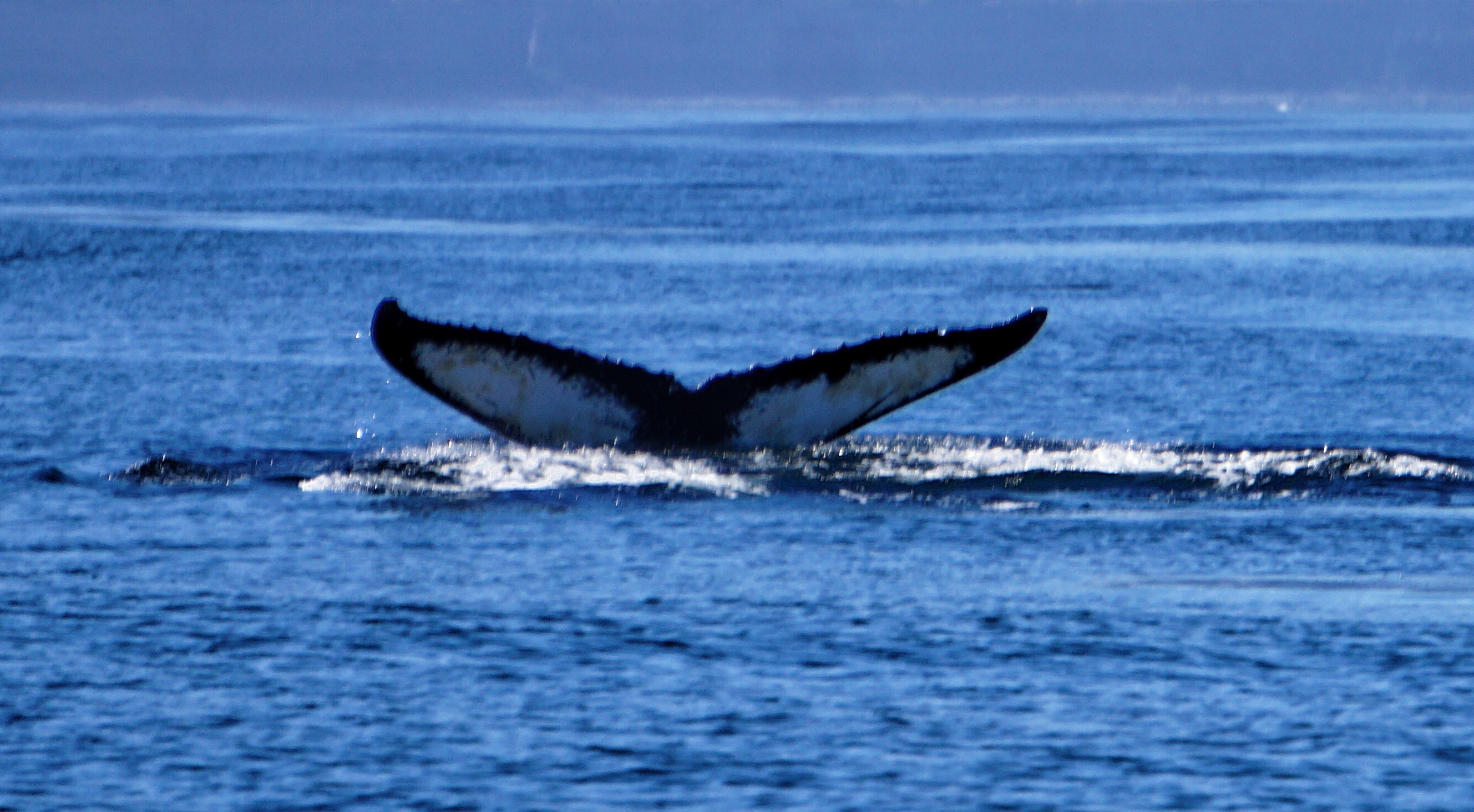
Whale watching in the Strait of Juan de Fuca


We saw lots of humpback and gray whales. When one giant followed  alongside our boat for awhile, just underneath the surface of the water, I may have jumped up and down, clapping my hands in the style of a small child.