After we deposited our firstborn in Northwest Arkansas for college a year ago, my blog went dark. Though the RV remained mostly stabled in my sister-in-law’s barn, we managed some small adventures. Still, I couldn’t bring myself to write about them. My sense that the party-was-over stubbornly sullied many lovely moments. I missed Jane, and a much enjoyed season in the life of our family had ended. My anxiety was confirmed when she came home at Christmas, delightful as ever, but palpably distinct from that former girl, whose world had been primarily shaped by the rest of us.
I tried to make allowances for sadness and track my progress back and forth across the stages of grief according to Maslow, but somewhere along the way, I gave up on “healthy” grieving and camped out in despair. Eventually, I was comforting myself with food and entertainment, picking fights (or avoiding all company), and finding it difficult to sit through corporate worship. I couldn’t even fully enjoy Jane’s summer return. Finally, an email-devotional entitled “How to Fight for Joy” caught my eye. It was a list of strategies for addressing depression–a summary of the John Piper book When I Don’t Desire God. His book asserts that joy must be continually pursued by practicing spiritual disciplines—contemplating scripture, praying, participating in community, enjoying creation. It was not new information, but the idea of actively going to battle against my dark mood was appealing. More importantly, it reminded me that my soul was made to be delighted by Christ, and nothing else—even really good things—can satisfy me. For a few weeks I flew high, but as the date for Jane’s return to school approached, resentment crept in again. Waging war is exhausting.
In two cars brimming with well-wishers and Jane’s “necessities,” we set out once again for Siloam Springs. Tom and Jake stayed behind because their classes had already started, but we substituted Cousin Faith and a well-worn couch (for Jane’s new digs). As I’ve mentioned before, driving through the Panhandle of Texas and Southern Oklahoma is not for the faint of heart, but as the drab, no-nonsense plains gave way to green, hilly pastureland, I became a little giddy with anticipation. Instead of feeling last year’s anxiety over the unknown, we were excited to return to a charming, familiar town full of people who made us welcome. Jane genuinely enjoyed every class she took last year, often calling home to discuss what she was learning or debate some idea she was considering, and this year’s classes sounded just as interesting. She was moving into a townhouse with seven other girls and making plans to “join” and “try-out” and “apply for.” It was astonishing to discover I was looking forward to the new school year.
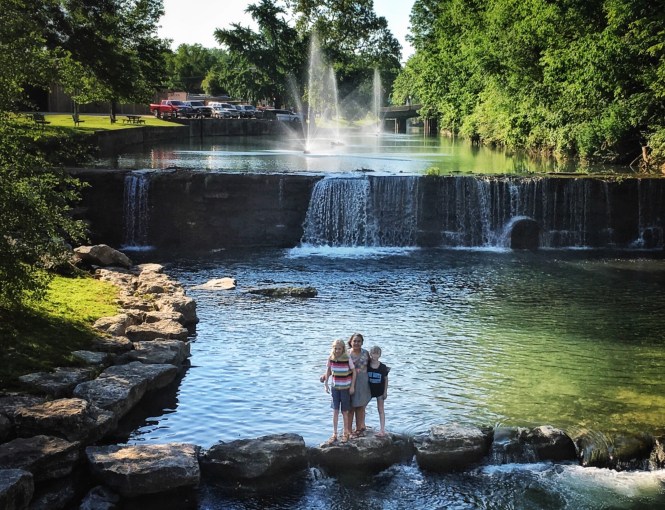
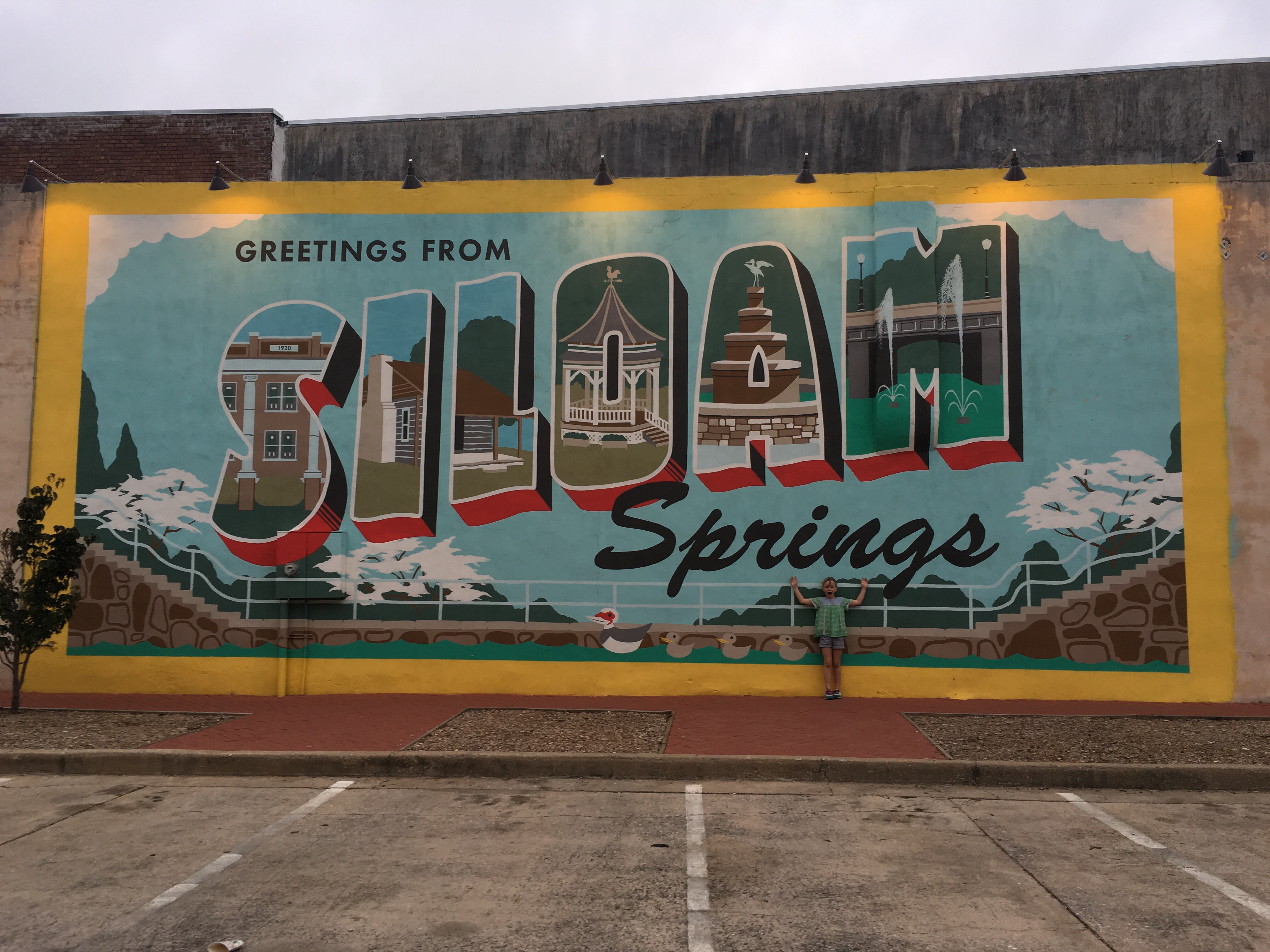
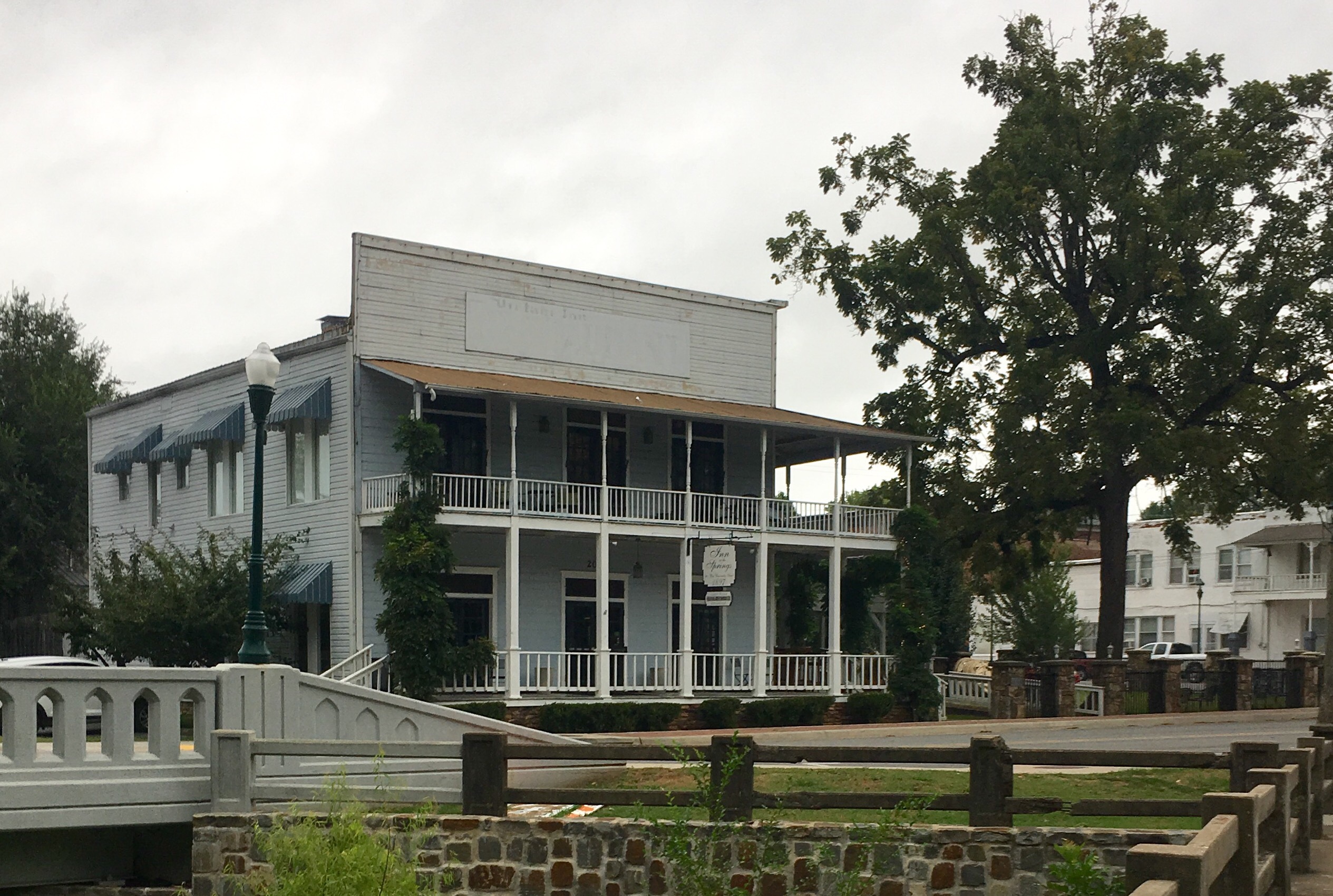
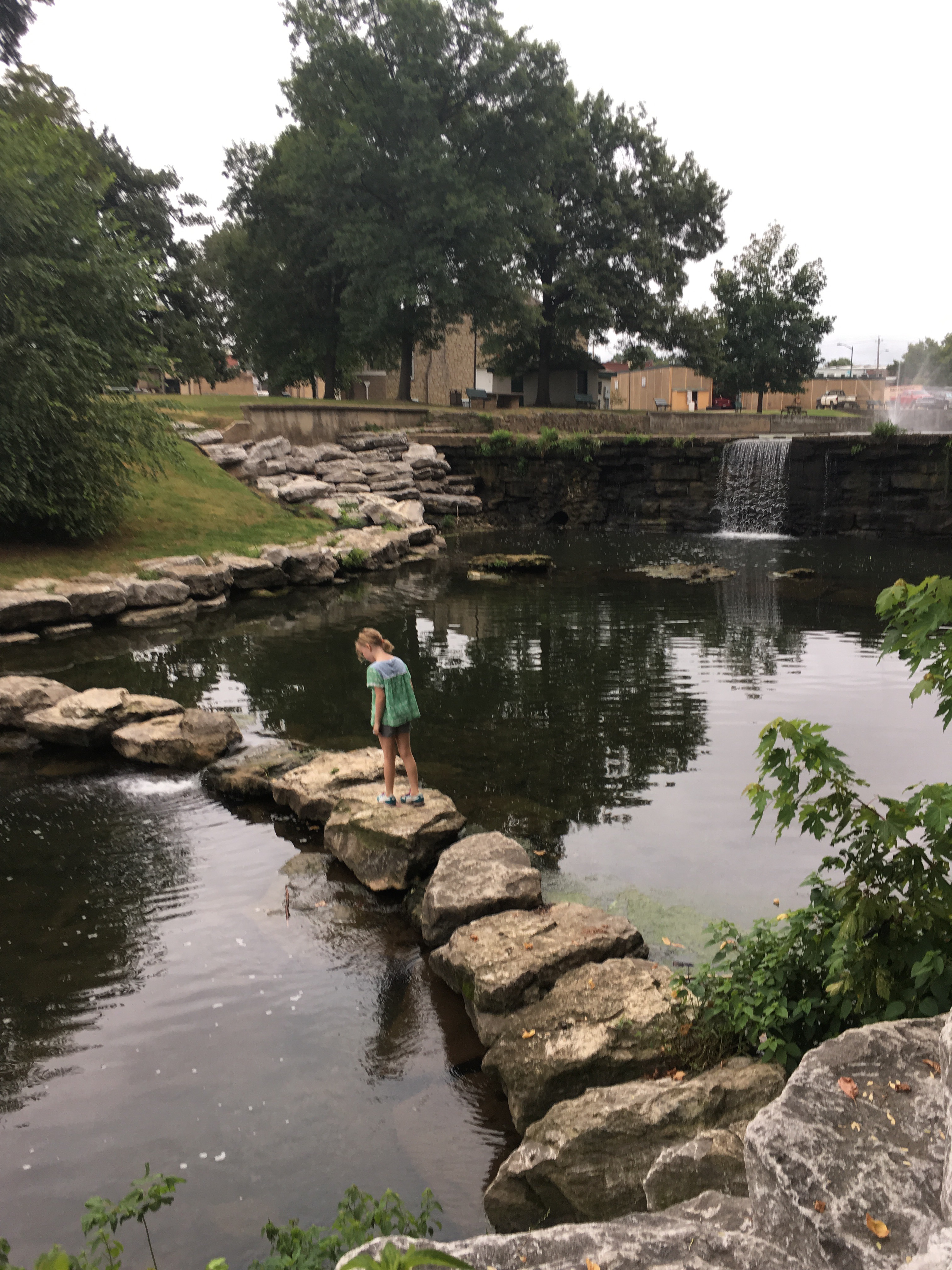
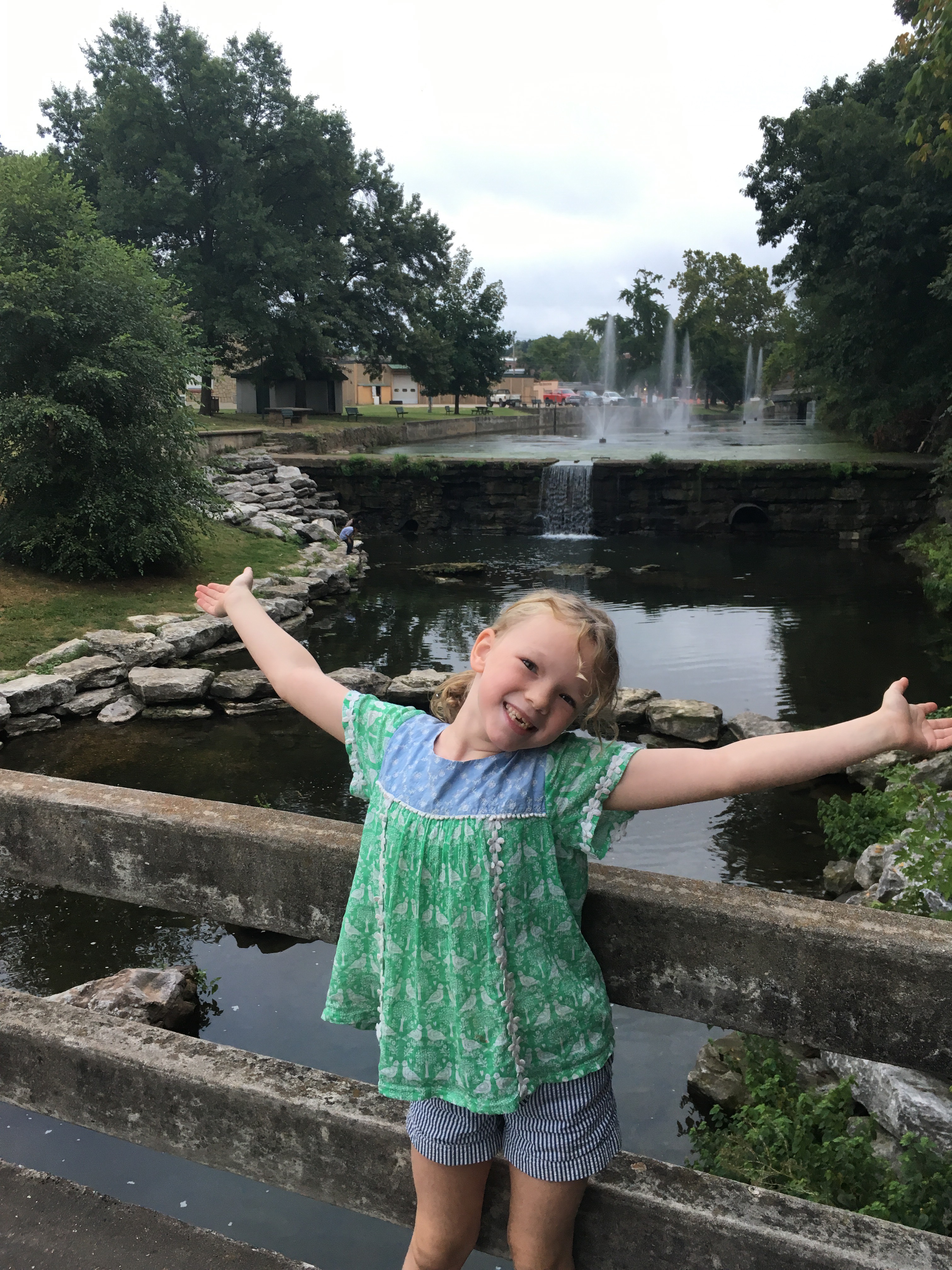
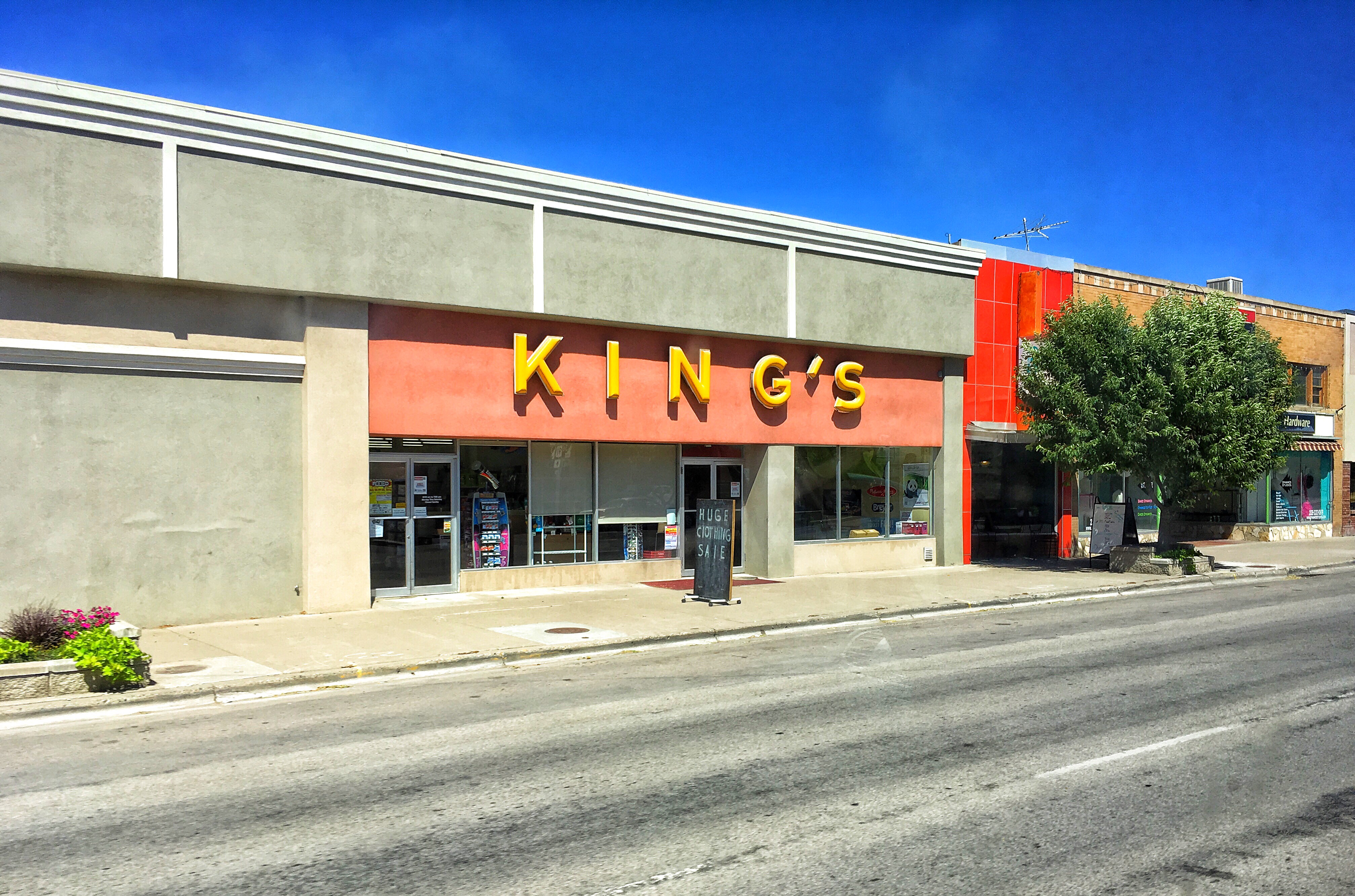
Downtown Siloam Springs
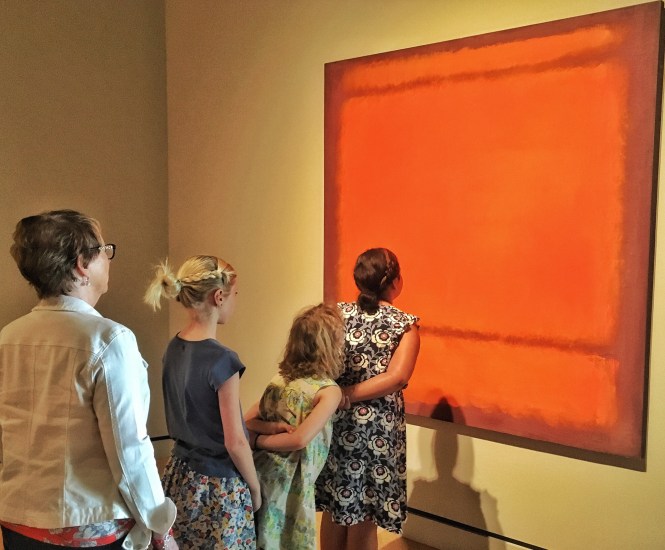
After unloading in Siloam Springs, we drove up to Crystal Bridges Museum of American Art in Bentonville. Jane’s boyfriend, Teague, had worked there all summer, and he gave us an “insider’s” tour of the sprawling campus, which is as beautiful outside as the artwork inside.

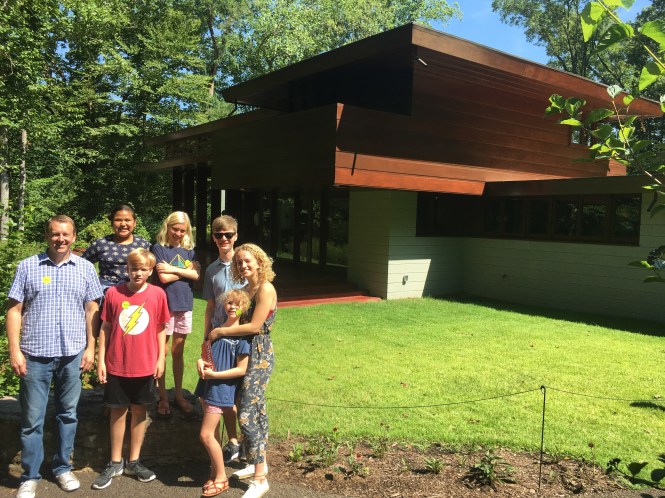
An endangered New Jersey Frank Lloyd Wright house that was rescued and reassembled on the museum property


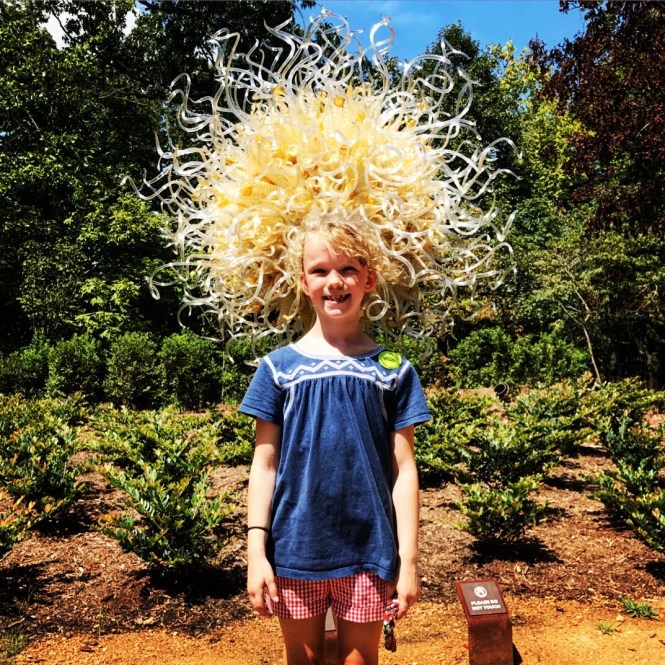
Dale Chihuly’s glass sculptures were hidden along a wooded path like giant Easter eggs for a special summer exhibit.
Since we were only a few hours away from the upcoming solar eclipse’s path of totality, we decided to drive to Kansas City and spend the night with some Lubbock friends, the Obenhauses, who’d moved over the summer.

We enjoyed getting a taste of their leafy, stroll-able, 1920’s Midwestern neighborhood. But there was a problem: rain in the forecast. Eager visitors like us had flocked to town (KC had sold out of Moon Pies), but because of the weather, it was unlikely anyone would be able to view the eclipse.

Having purchased appropriate eyewear (my mother called me repeatedly to double check the manufacturer, ISO, and product numbers on our eclipse glasses) and gotten so close to the action, we were not willing to give up the quest. Brandon and I studied traffic patterns and weather radar, trying to guess where the clouds and crowds would break. Early Monday morning, we drove east supplied with PopTarts, peanut butter, water, and toilet paper (in case the predicted traffic gridlock stranded us in rural Missouri). We trolled music apps for sun-related songs to inspire us.
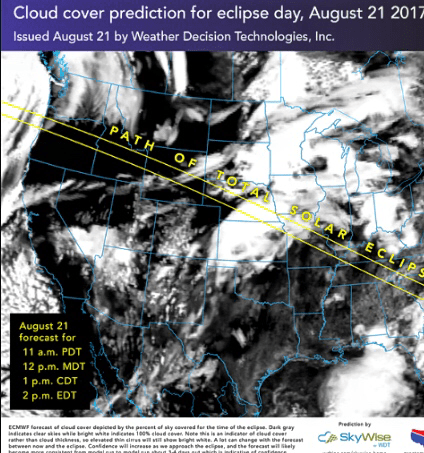
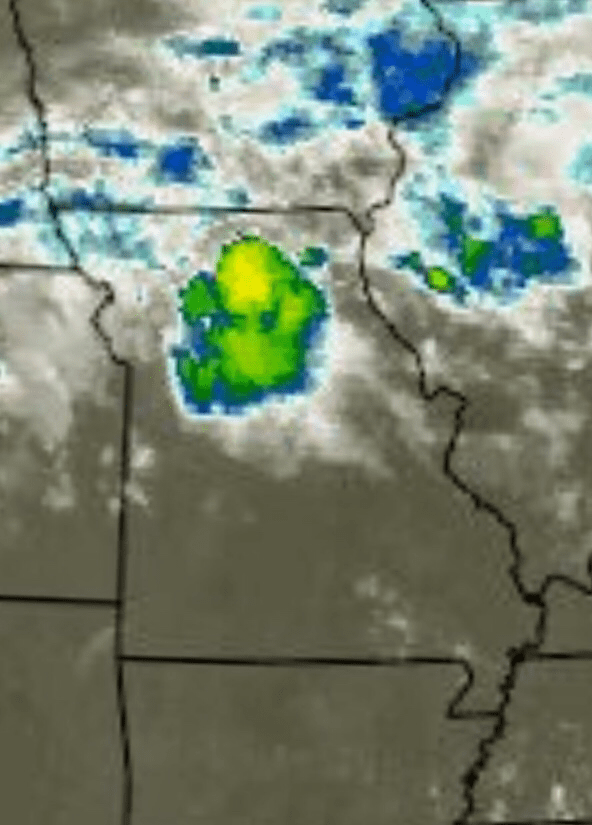
We pressed on past one town after another, even skipping the very tempting party at the stately, domed capitol building perched above the Missouri River in Jefferson City. As the weather maps updated, we could see a narrow band of clear skies in a rural area outside St. Louis, but if we overshot it, we’d be back in cloud-covered territory again. Glancing across a long open pasture, we noticed church at its edge. The sky above the area was a happy, cloudless blue. “Maybe that’s our spot,” we both wondered aloud. Brandon turned around and followed a dirt road off the main highway to St. John’s Lutheran Church of Boeuf Township, where the Reverend Paul Landgraf, oblivious to the August heat in wrist-to-toe black and a crisp clerical collar, invited us to watch the eclipse. He and several parishioners were finishing up a Bible study. Across the parking lot, an amateur astronomer from New York City was setting up a camera and binoculars, and some metalwork artists from Iowa were testing out their welding helmets. We donned our eclipse glasses and gazed up with caution. Already, a black apple-bite was missing from the sun.


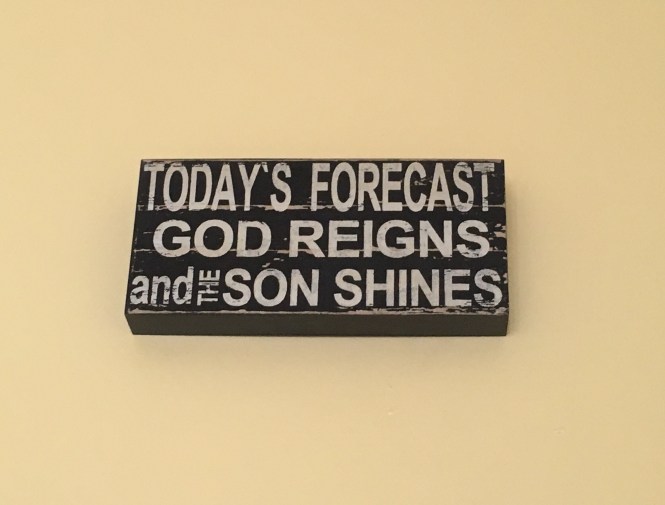
An eclipse-ready sign above the bathrooms in the church’s fellowship hall

Eclipse watchers in welder’s helmets

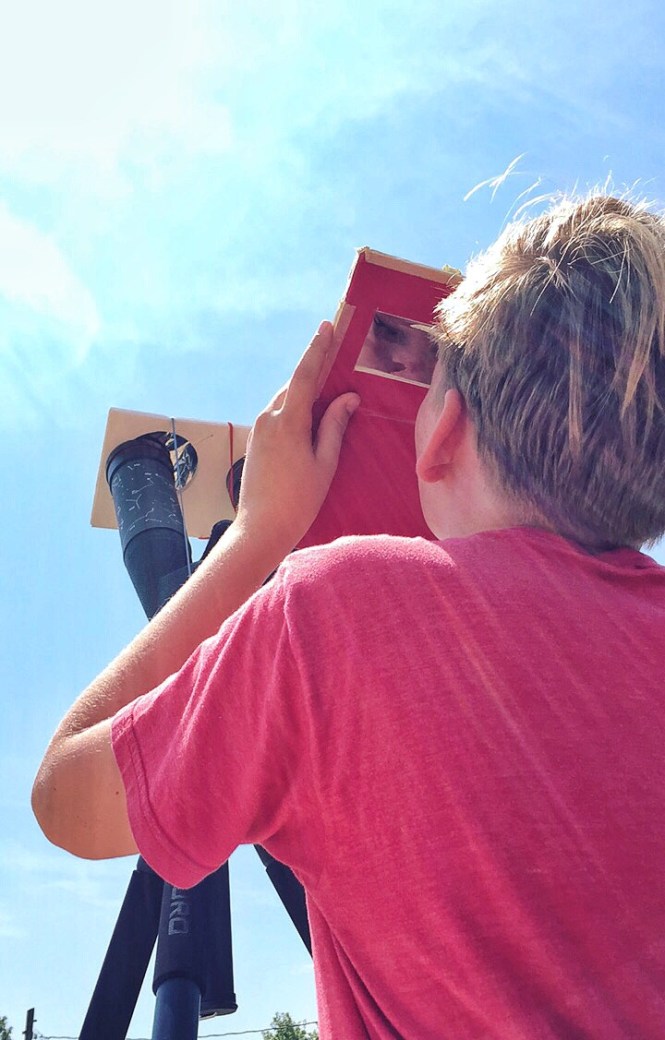


Peter Tagatac, of the New York City Amateur Astronomy Association, teaching us about the different types of eclipses

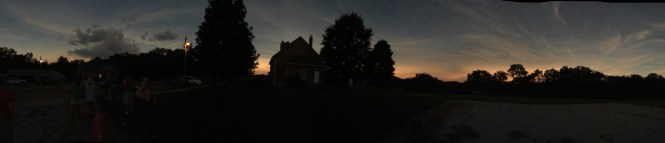
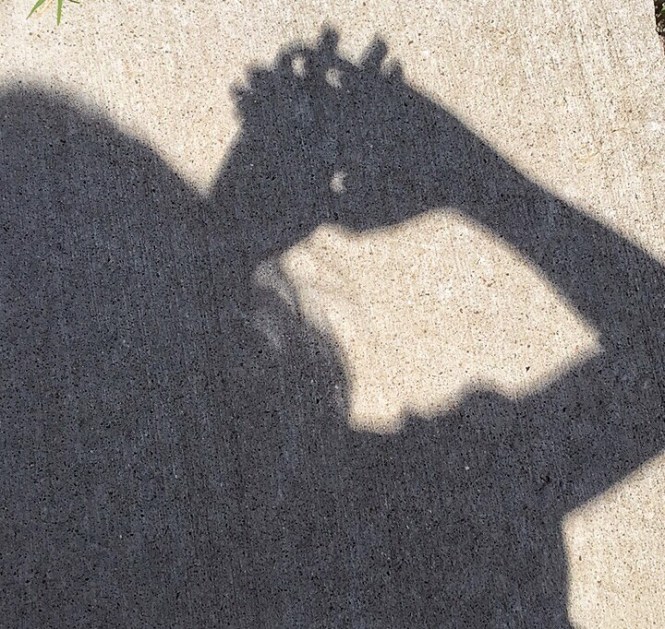
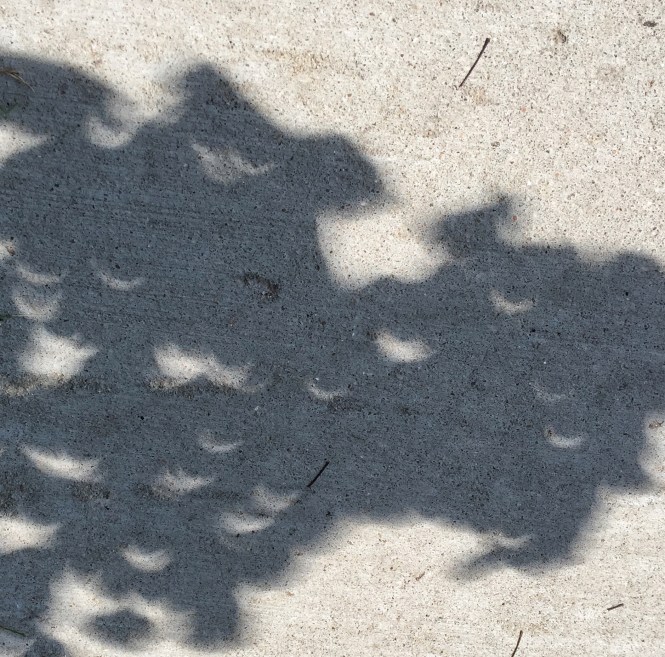
For the next half-hour, we exchanged stories with our fellow stargazers, fiddled with a homemade pinhole camera, and looked for crescent shadows on the ground. Peter Tagatac, the astronomy enthusiast, shared his equipment and expertise with delighted children (and adults). As the crescent of sunlight still visible narrowed, we noticed an eerie change in the light, as if we were looking at each other through a sepia-toned filter. The air cooled. Cicadas, who’d been singing with gusto all around us, suddenly went silent. The sky grew darker and darker, and our group murmured to each other in excitement, eyes glued to the sky. “This is really gonna happen,” an astonished onlooker whispered.
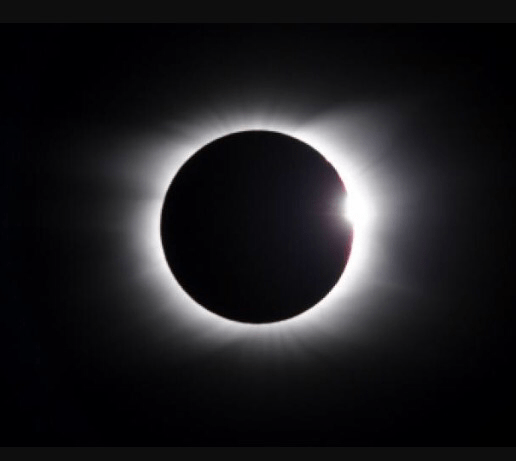
When a bright ring glowed in the black sky, we pulled off our glasses and admired the eclipse with naked eyes, almost-strangers marveling to each other without inhibition. To the right of the sun, Venus popped out brightly. Confused crickets struck up a nighttime chorus. I may have cried a little. And bounced.
Too soon, a bit of light peeked out on the other side of the moon, and all the preceding events began to unfurl in reverse. We were most amazed by the power of the sun when a thin sliver of sunlight immediately brightened the dark landscape around us.
We watched a while longer, but conscious of the long drive back across the state, we finally began to pack up and say our goodbyes. Even the congested highways couldn’t shake us from our state of happy wonder, and when we finally crawled into bed back in Arkansas, we were still smiling.
This morning we helped Jane move into her townhouse, lingering longer than we should have over questions of curtain height and rug placement. No one really wanted to leave.

In the car, we replayed our favorite eclipse road trip song “Here Comes the Sun” by The Beatles. It most evoked the joy of that first bit of sunshine bursting out and lighting up the eclipse-induced night. I sang along through my tears, but in the moment, I identified more with the lyrics of Bonnie Tyler’s “Total Eclipse of the Heart.” (That song is a good deal longer than I recalled and a perfectly campy 80’s lament, so I will spare you the link to the video.)
I have always considered myself a cheerful person, but I am beginning to think melancholy will be a continual companion as I grow older, particularly since I am so prone to base my happiness on a very specific, fleeting set of circumstances. Struggling against sadness may always be a battle, and the sunshine I seek may be elusive until the cloudless day of heaven. Still, a passage from Micah that I discovered this summer reminds me that I do not fight alone:
“Rejoice not over me, O my enemy;
when I fall, I shall rise;
when I sit in darkness,
the Lord will be a light to me.
I will bear the indignation of the
Lord
because I have sinned against him,
until he pleads my cause
and executes judgment for me.
He will bring me out into the light;
I will look upon his vindication.”




































 On the Road with the Archangel