The Phoenix City

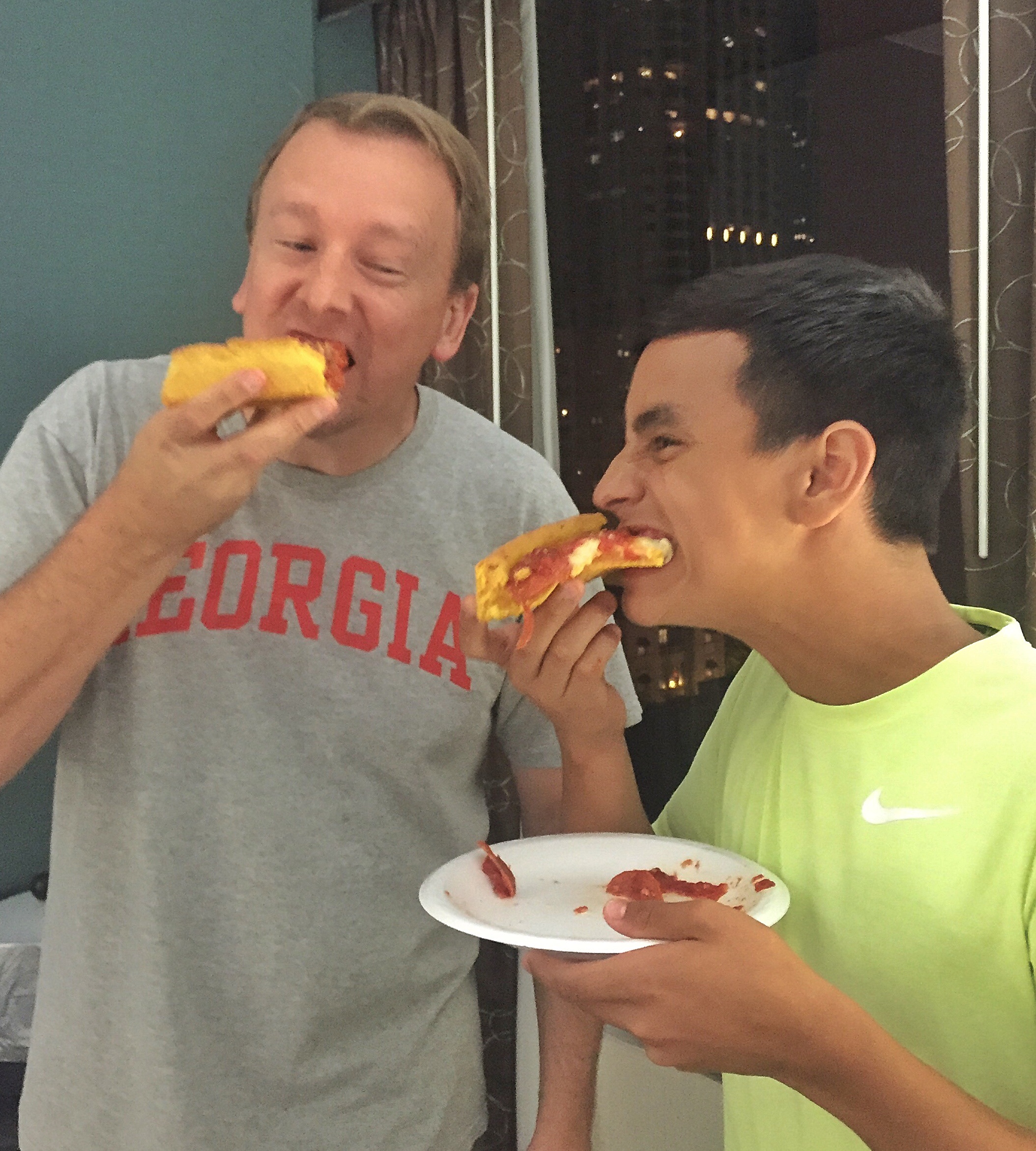
With no RV parking and Labor Day weekend crowds, Chicago was a conundrum. As we drove toward the city, I googled things like “dog-friendly hotels,” “parking secrets of The Loop,” and “RVs on Lakeshore Drive”. Miraculously, we found a nice hotel downtown that we could pay for with AMEX points. Brandon dropped us all at the front door and parked the RV in a lot about fifteen minutes away. He caught an Uber ride back to the hotel, and we feasted on Chicago deep-dish.
image

It was hot. Lewis Grizzard used to say there are two seasons in Chicago: winter and the Fourth of July. One of our tour guides said he’d been wearing a sweatshirt all summer, and the forecast called for more cool weather the week after we left, so maybe Grizzard didn’t exaggerate. Our hotel was just far enough north to make walking to the parks and museums a real trek, so we took a few more Uber rides during our visit. They were as cheap as the “L” for a family our size and so much fun! We rode with a failed stock exchange trader, two comedians, and a Senegalese graduate student, who spoke to us in Shakespearean soliloquies the whole ride.

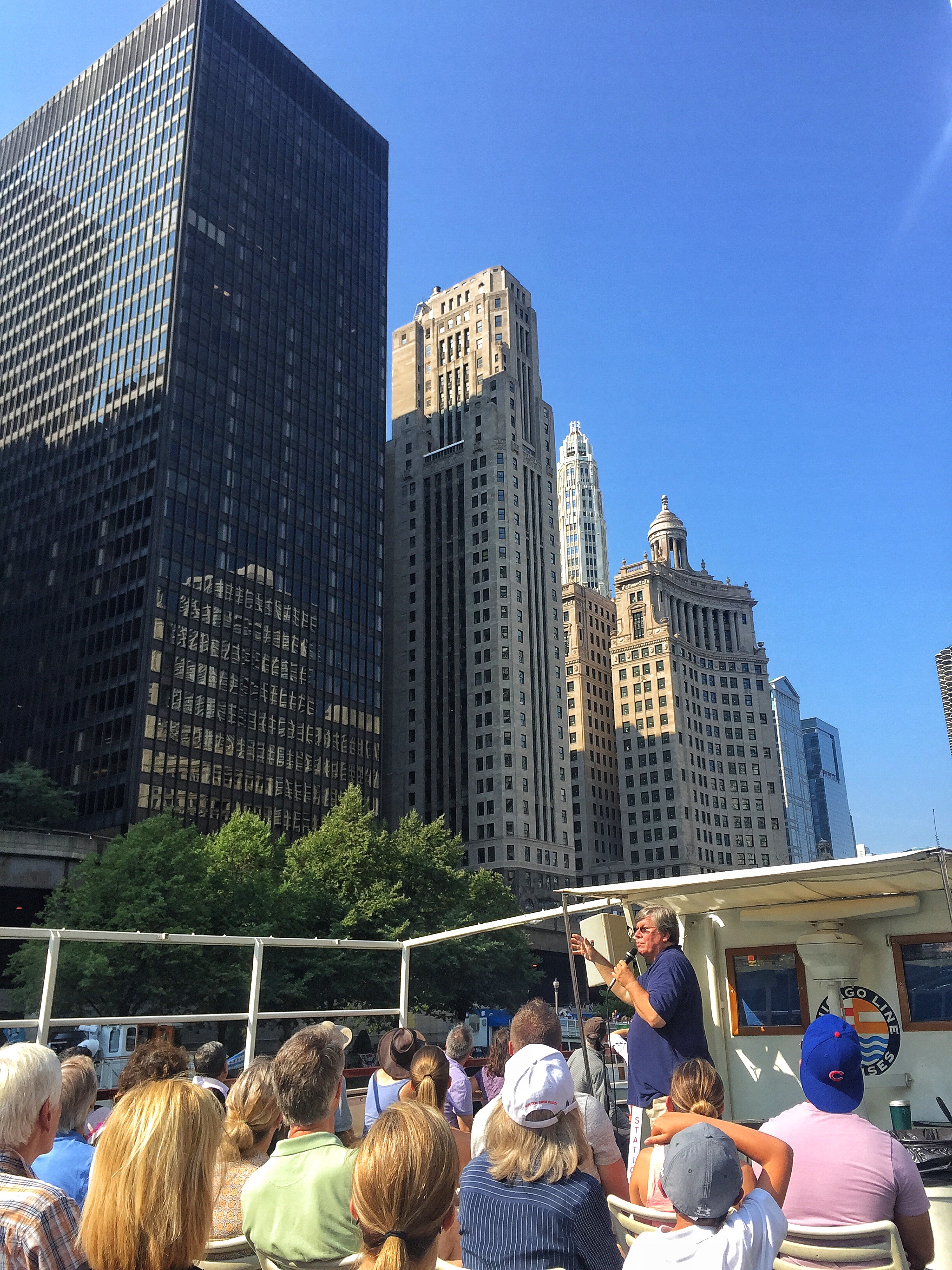
My brother-in-law, Dave, recommended an architectural boat tour as the best way to get an overview of Chicago. He was right. A native Chicagoan narrated our boat ride through the city on the Chicago River, teaching us about architecture and local history. It was fabulous! We’d seen an old, white tower on our walk to the Navy Pier and wondered what it could be because it was so incongruous to the surrounding buildings. Our guide said it was an old water tower, and the ornate exterior was really just a facade to dress up a functional necessity. Because it was narrow and made of stone, however, it is the only downtown structure to survive the Great Chicago Fire of 1871. The fire was about four miles long and one mile wide, but the stockyards and railway yards were saved. So, a new city was built on the old one, this time using steel and stone instead of wood for construction, earning Chicago the nickname “Second City.”

Since all the old stuff burned down, I thought I’d be disappointed in Chicago’s architecture. I like a crumbly, ornate building. Instead, I finally learned how to appreciate Mies van der Rohe and his “less is more” buildings. Our guide led us from Beaux Arts and Art Deco into Mid-Century Modern and Postmodern architecture in such an engaging manner that I found myself suddenly enjoying buildings I’d previously snubbed.
image

Postmodern, Art Deco, and Beaux Art buildings all in a row
image

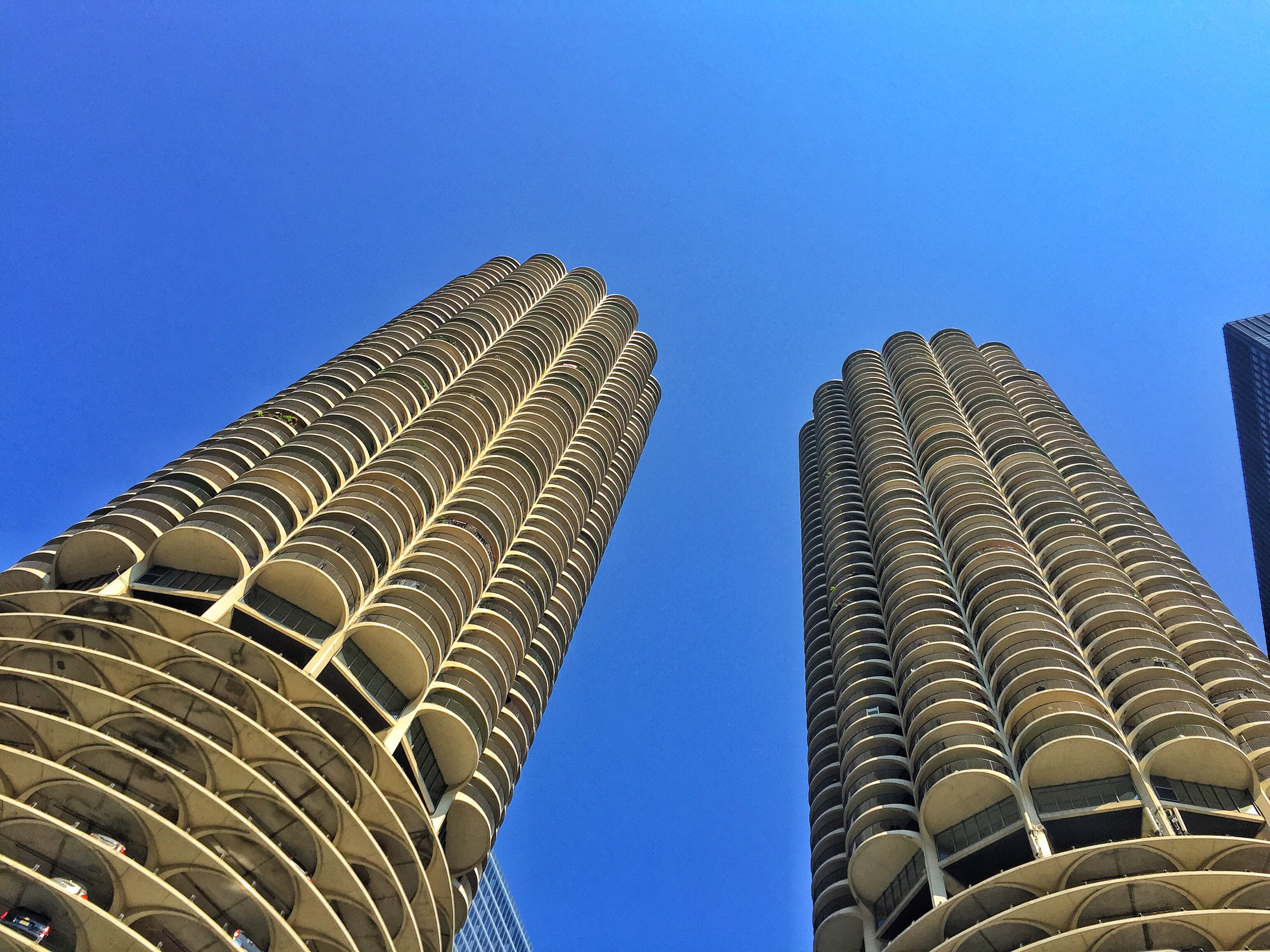
Mid-century architect Bertrand Goldberg thought these buildings evoked trees. Chicagoans saw corn cobs.
Continue reading

Show Me St. Louis

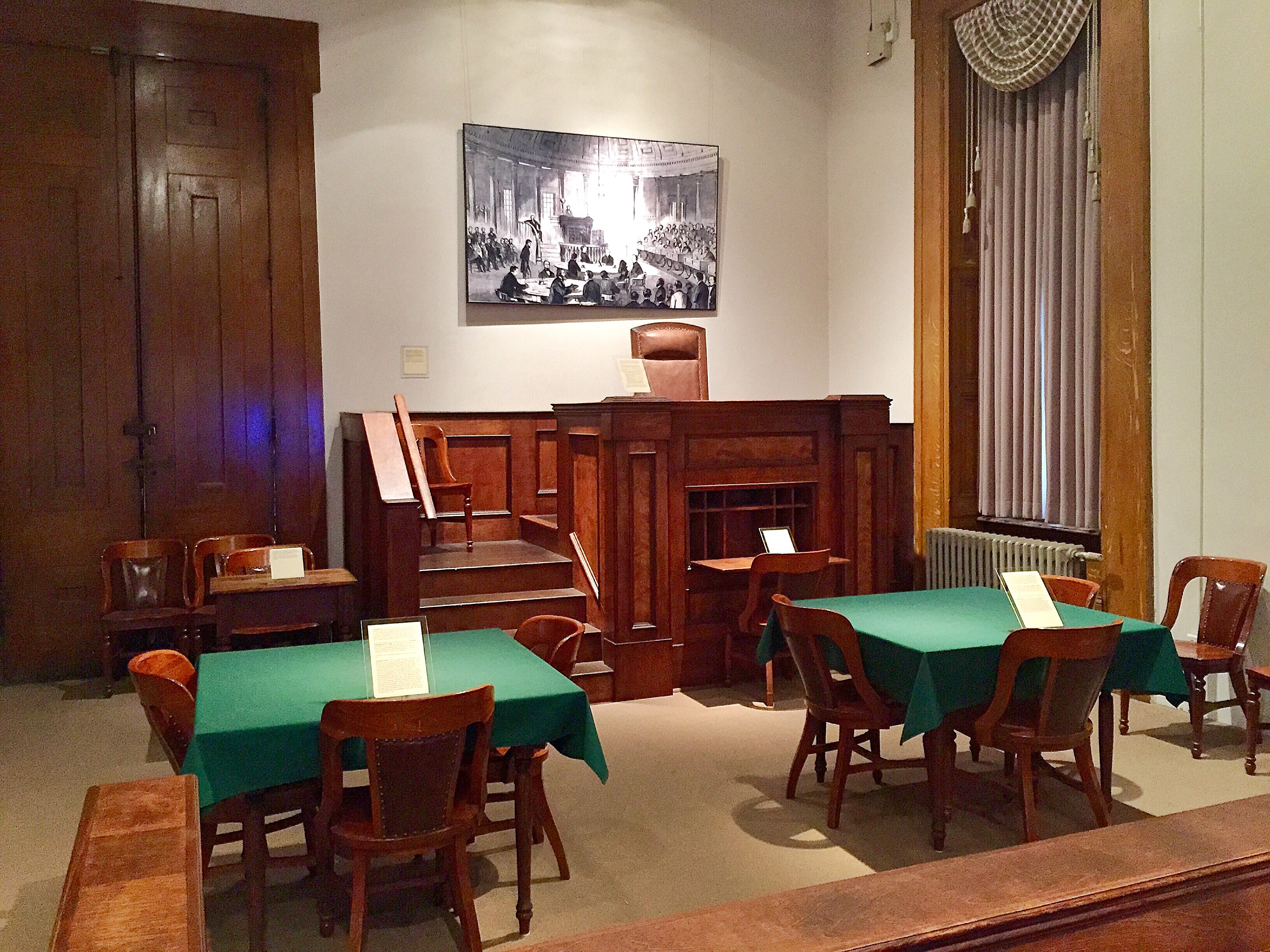
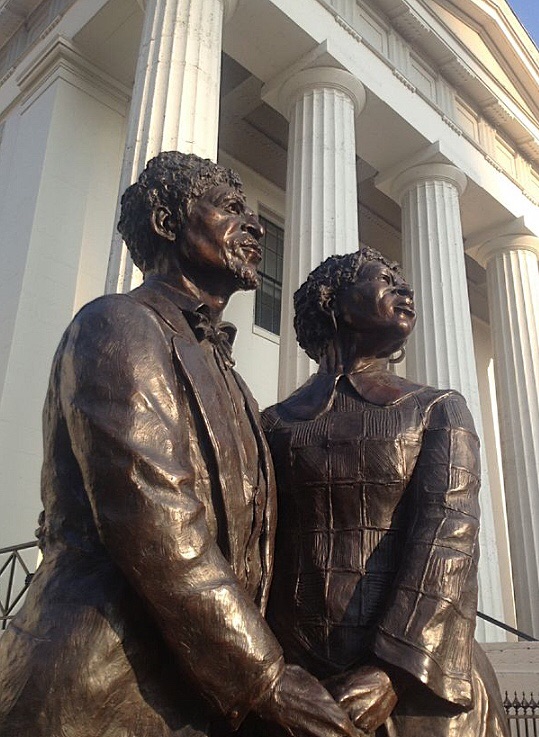
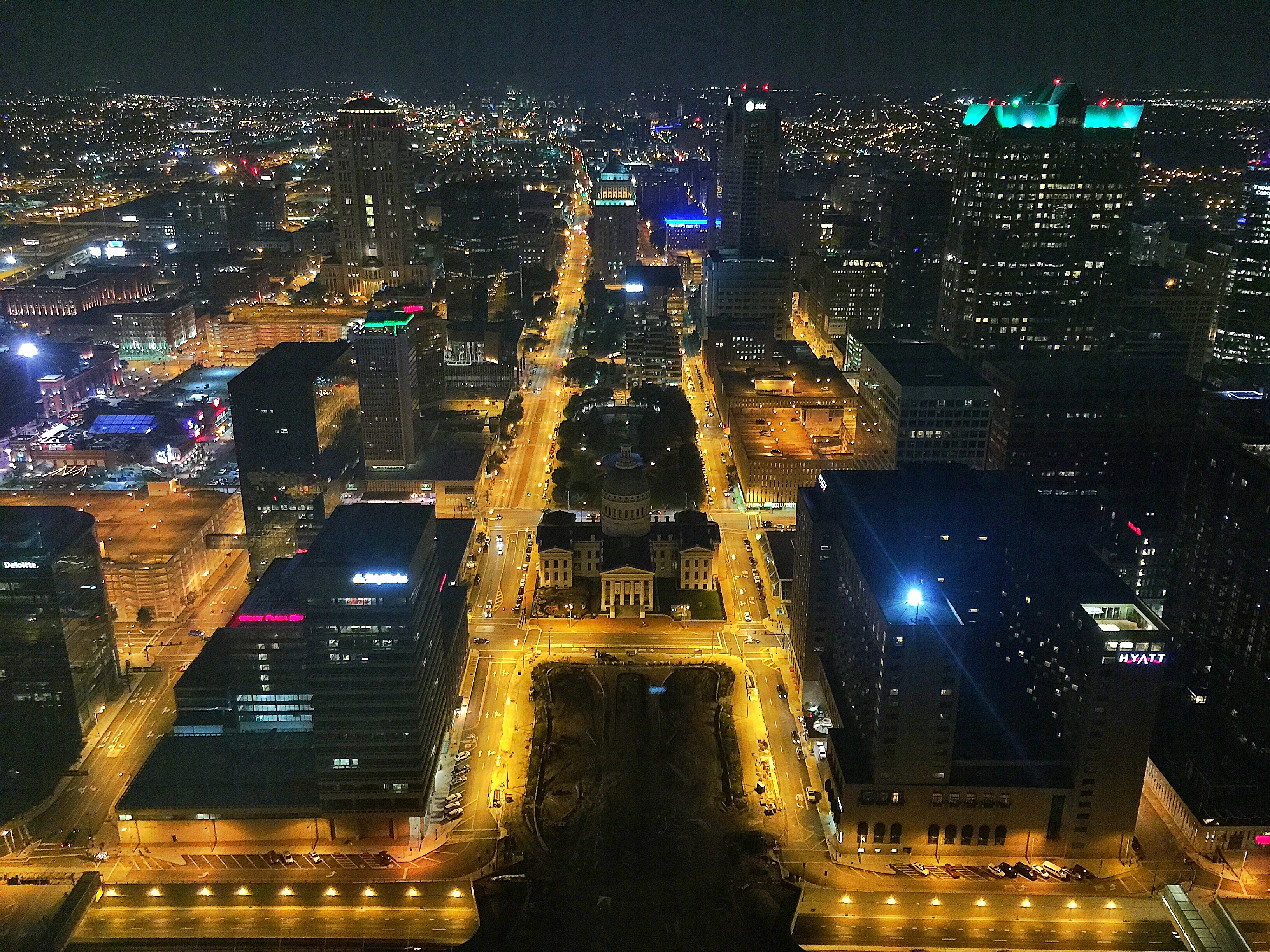
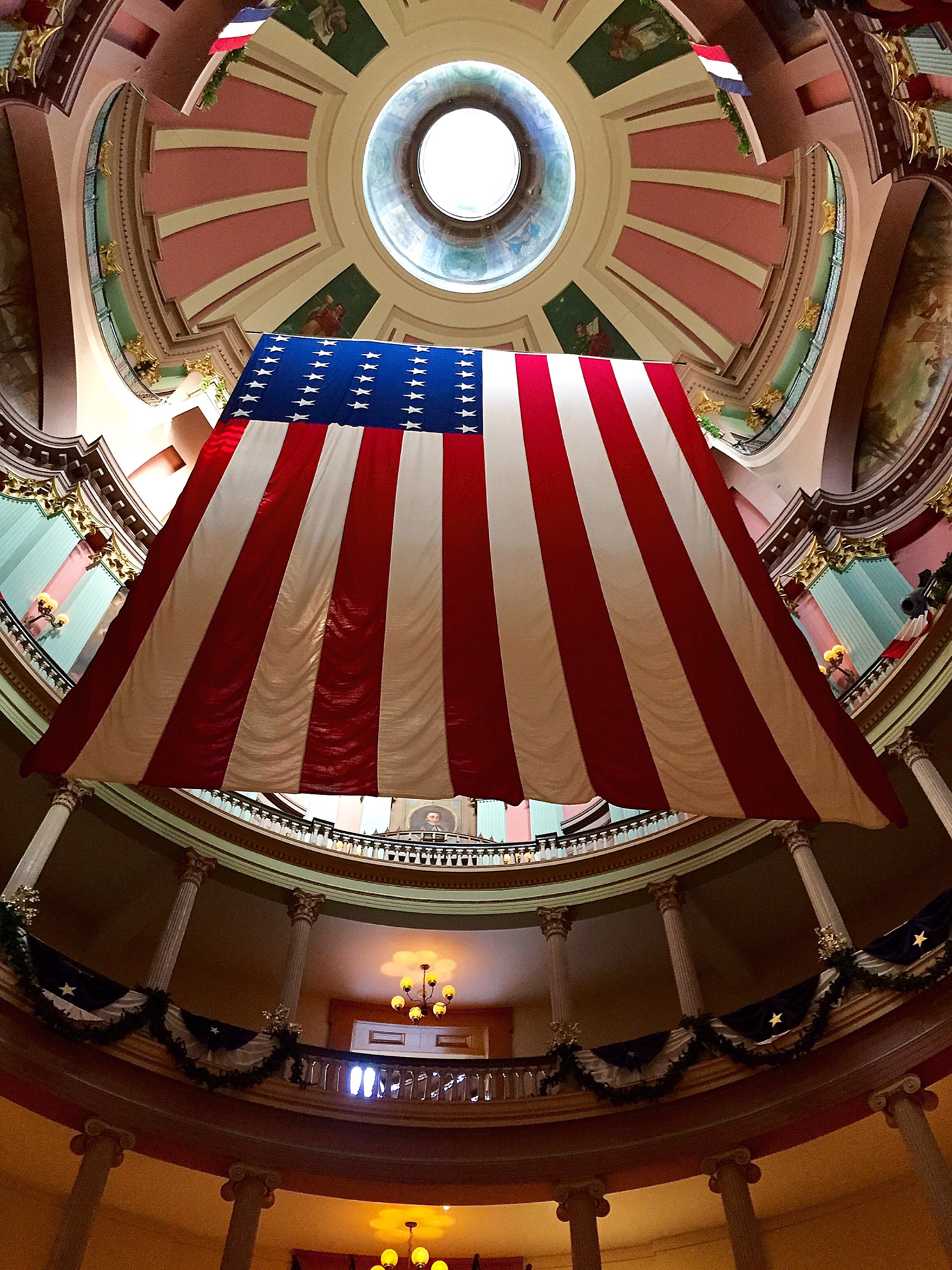
We arrived in St. Louis in the early evening and drove straight to the Old Courthouse. This building once housed the Missouri Supreme Court, where Dred Scott sued for the freedom of himself, his wife, Harriet, and their daughters, Eliza and Lizzie. After an eleven-year ordeal, the United States Supreme Court ruled that Scott, and anyone else of African descent, possessed none of the rights and privileges guaranteed by the Constitution. After the ruling his owners freed him in the Old Courthouse, where the original case began, but Scott died less than a year later. One museum commentator said, “The Scotts were two ordinary people who were willing to sacrifice themselves for the sake of others.”

image

image

image

image

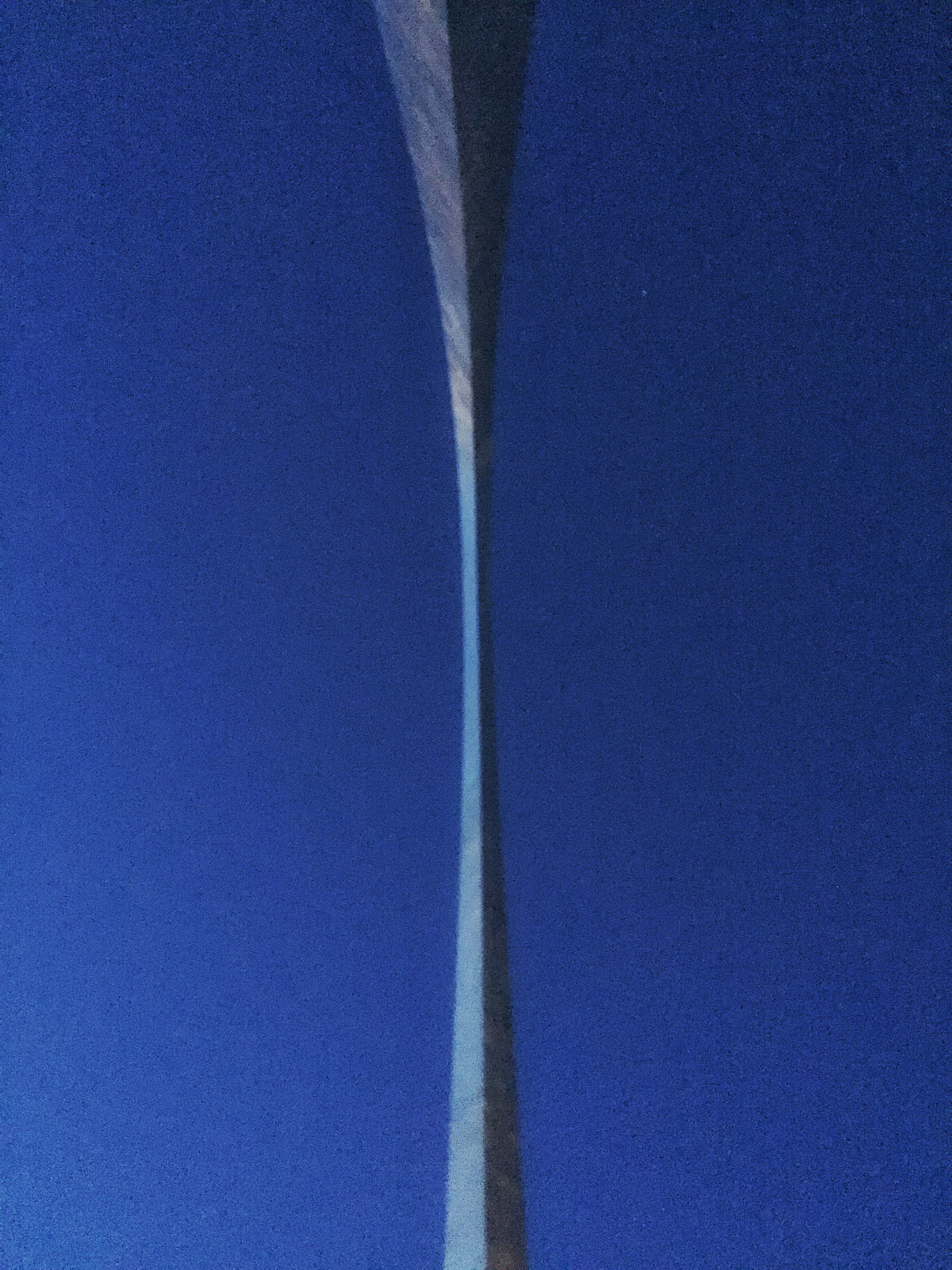
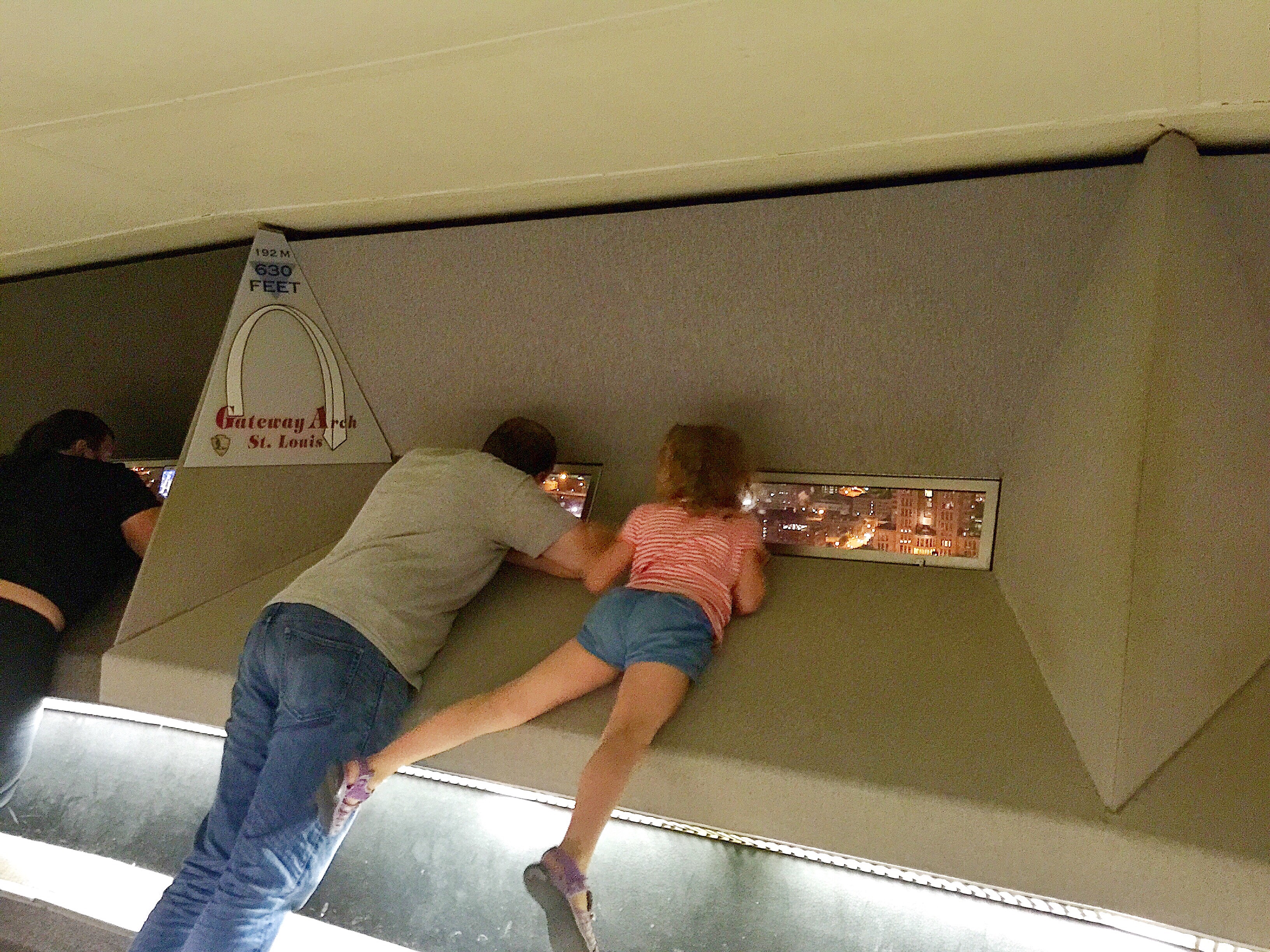
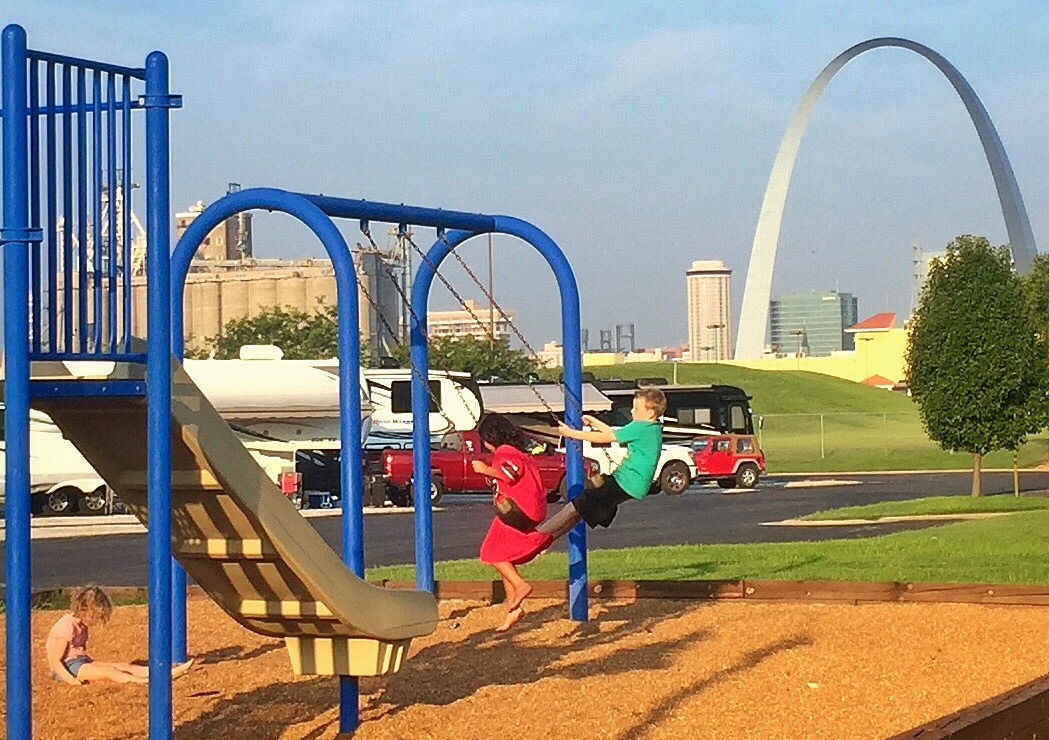
Next we walked over to Jefferson National Expansion Memorial, or the Gateway Arch, which turns 50 this year. Whoa. I was in Lewis and Clark mode; all the kids are deep in stories about the explorers, or Sacajawea, or Seaman, the dog on the expedition. Instead, we quickly tossed on our math hats and got our eyes all crossed trying to understand the advanced math required to grasp the Arch. (Only Brandon and Jane could even remotely follow the explanation.) The architects got the formula for it SORT OF like you would for a hanging chain or a parabola, but not exactly, more like a catenary, but not really, more like a modified catenary, or maybe a weighted catenary. Huh? Anyway, it’s a huge marvel, that only worked because the engineers didn’t get it wrong by even one-sixty-fourth of an inch. And nobody died, even though I didn’t see any safety measures, other than hold-on-tight, being taken by the workers. Try to youtube a video on the construction, if you’ve never been in the monument. We rode up to the top in a tiny little car, and we sort of fell in love with St. Louis, the rest of our visit further confirming the feeling.

image

image

image

We slept at the Casino Queen RV Park across the river in East St. Louis with all the gamblers and Cardinals fans. It seemed like a promising locale in terms of ambiance, but the other campers were disappointingly quiet and well-behaved. The early risers in our group, Peter, Nan, Georgia, and me, are often obliged to keep silent for two hours until the rest of our party awakes; we were counting on a rowdy populace to blame for getting our day started earlier. Early morning is when all the laundry, blogging, and cereal-eating gets done. Sometimes there is not even a Cheerio left. Early bird, y’all…

image

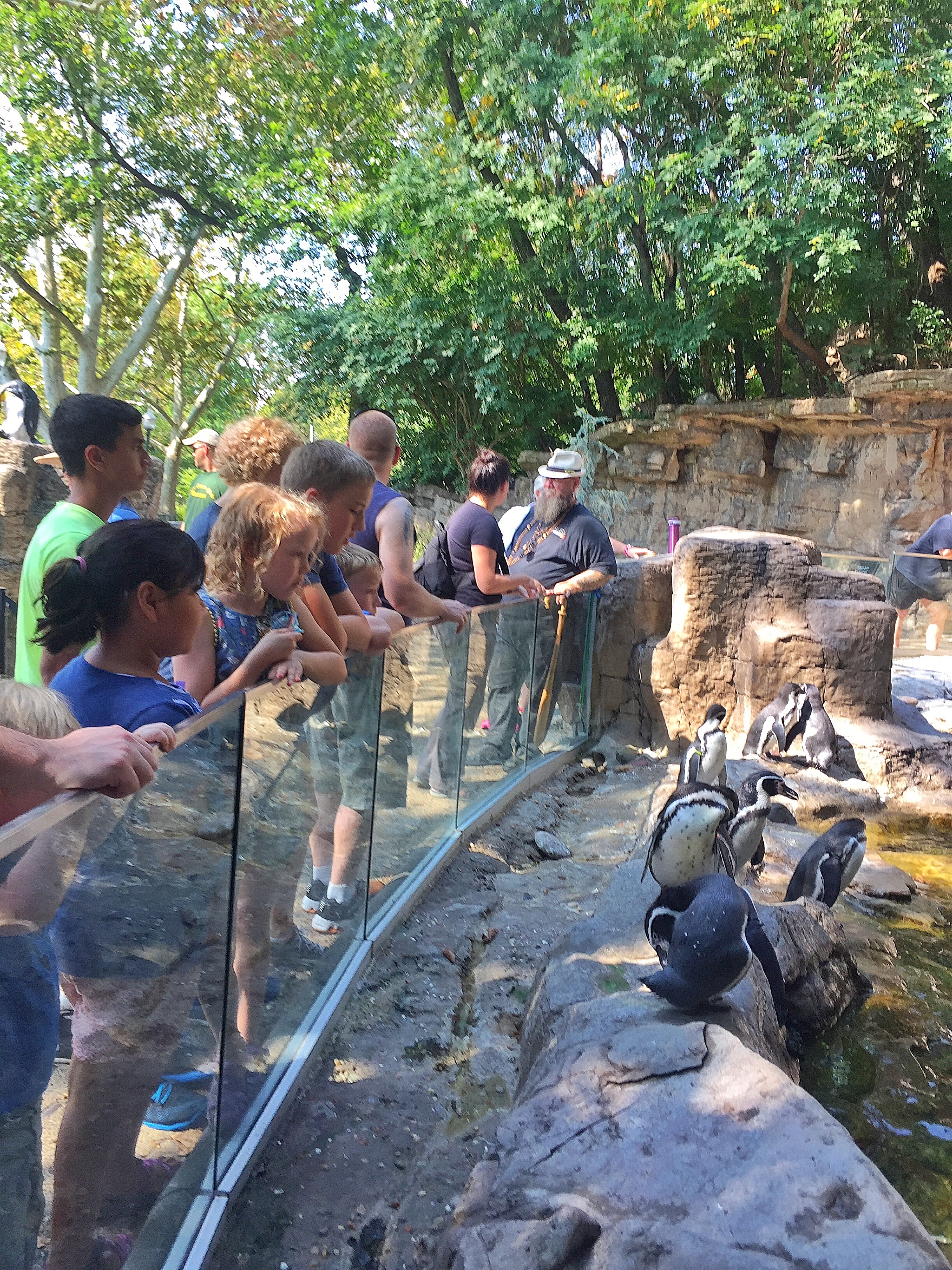
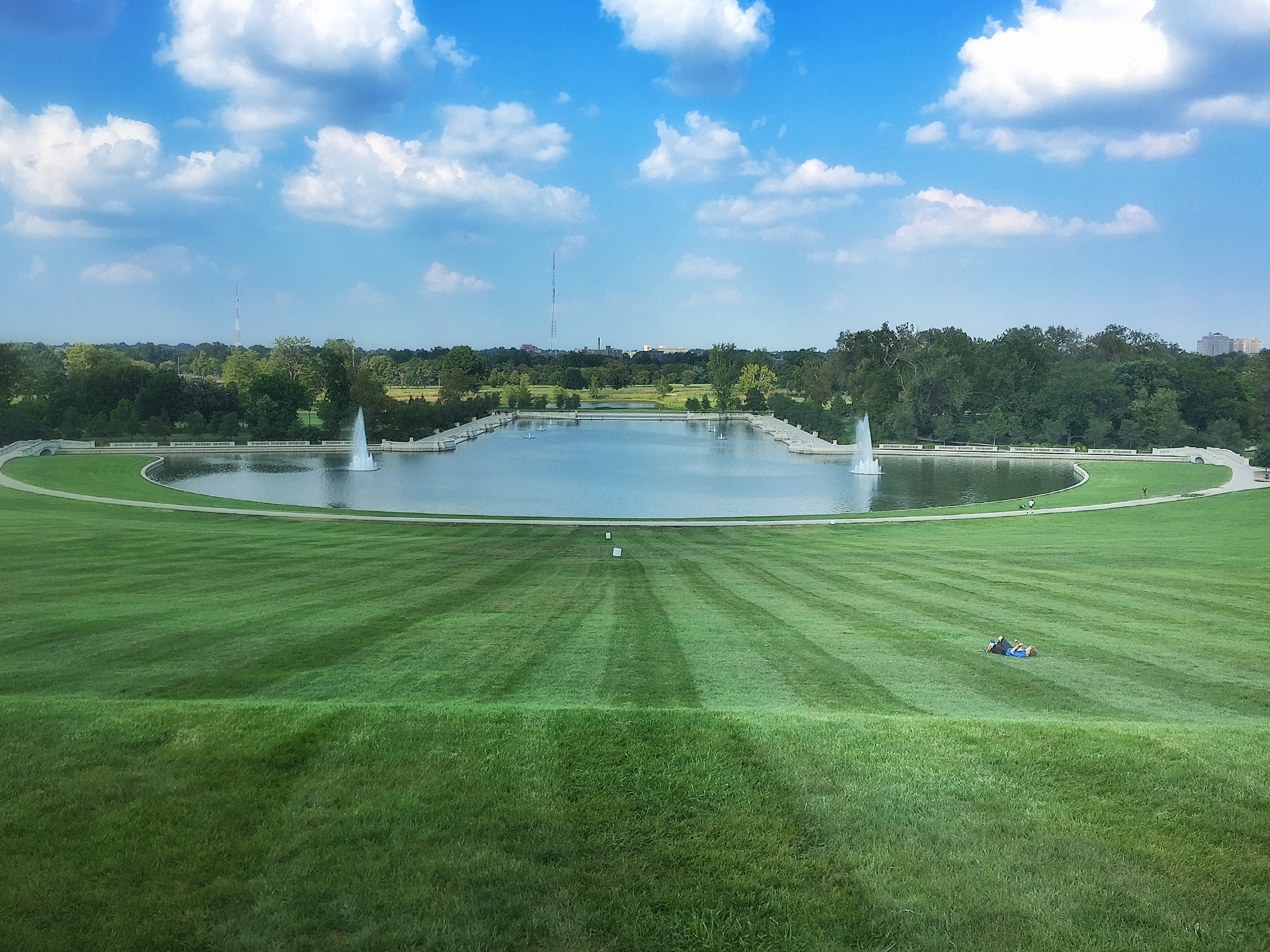
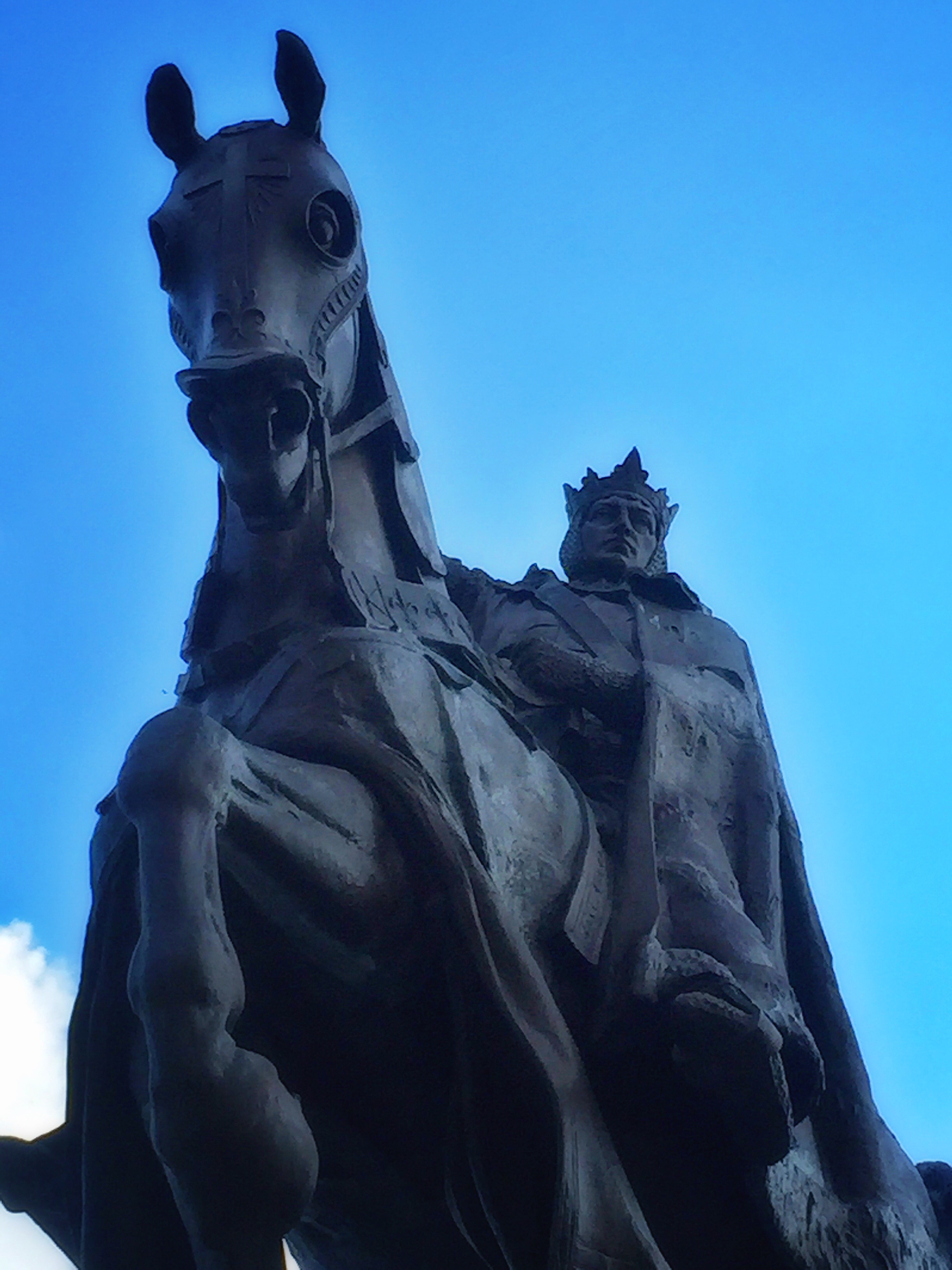
Brandon needed to work, so he dropped us off in Forest Park, site of the 1904 World’s Fair. We’d watched Meet Me in St. Louis on the road, so we (the girls) sang all of our favorite songs as we drove in circles looking for the Zoo entrance. It’s free! And we could practically pet the penguins. Over the hill, we found the art museum, also free! Out front were gorgeous rolling lawns (we rolled), a reflecting pool, fountains, and Louis IX, St. Louis’s namesake.

image

image

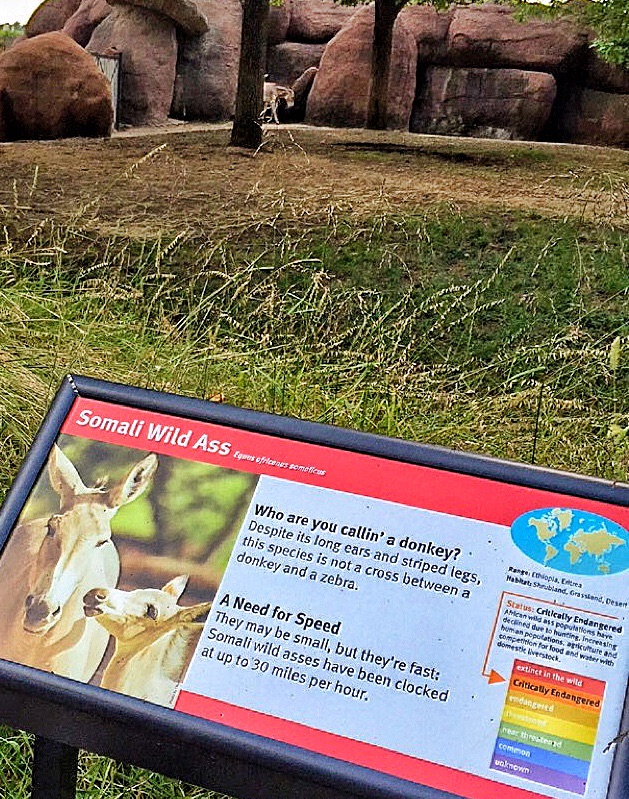
Our favorite animal at the zoo and the inspiration for days of “ass” jokes.

image

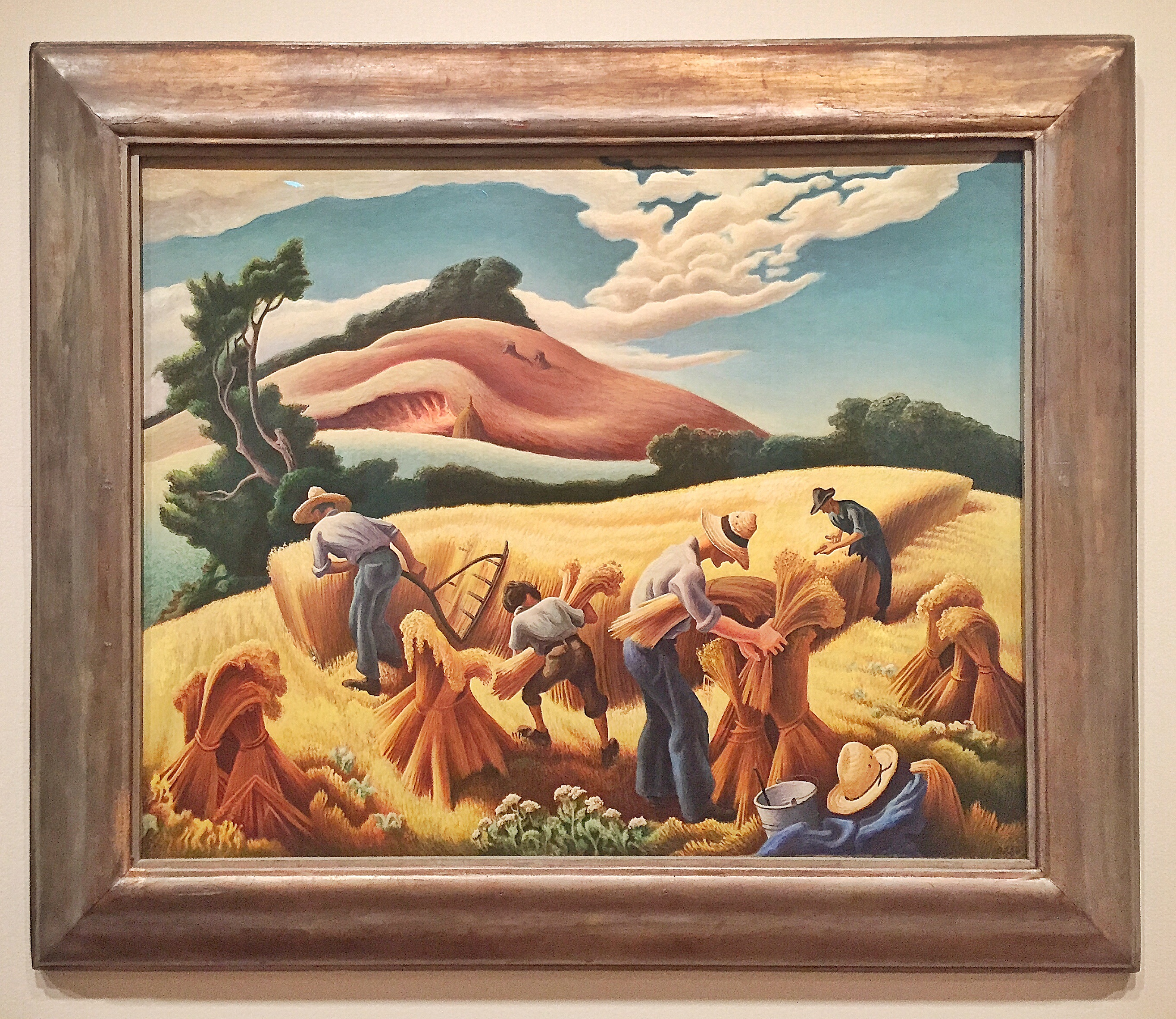
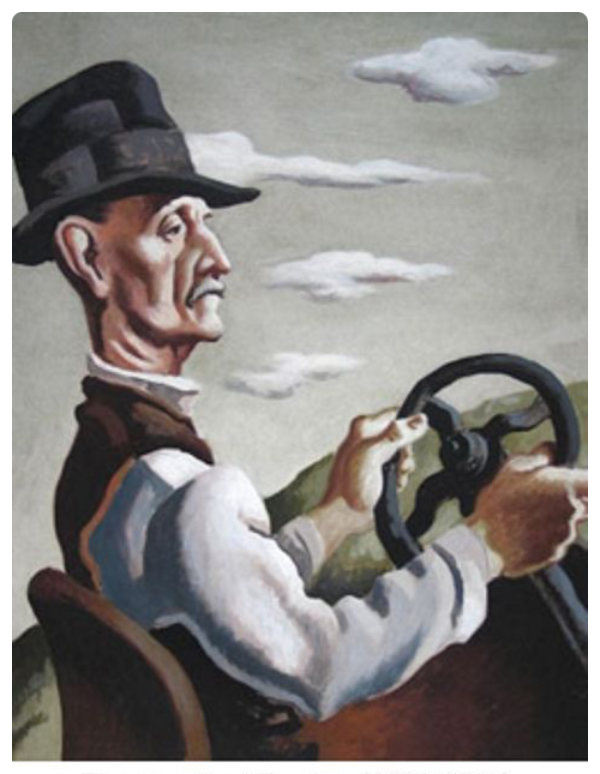
Cradling Wheat by Thomas Hart Benton, one of my favorite American muralists and the artist responsible for The Yankee Driver on the cover of this blog.

image

image

Eventually, Brandon picked us up, but his work was interrupted by a small electrical fire (!) in the RV caused by an errant water jug that crashed into something…electrical? He’s a Boy Scout; he took care of it.

At supper, we met our old friend, Jennifer Wainscott, for burgers at Bailey’s Range. My burger had a mac-n-cheese patty on it. Jennifer was a student at Texas Tech and a member of our church when we first moved back to Lubbock. We’ve tracked her progress from RUF intern at Appalachian State to graduate school at Covenant Seminary. For someone like me, who has spent her life moving, it is salve to the soul to enjoy a reunion, especially when you find yourself taking up just where you left off years before.

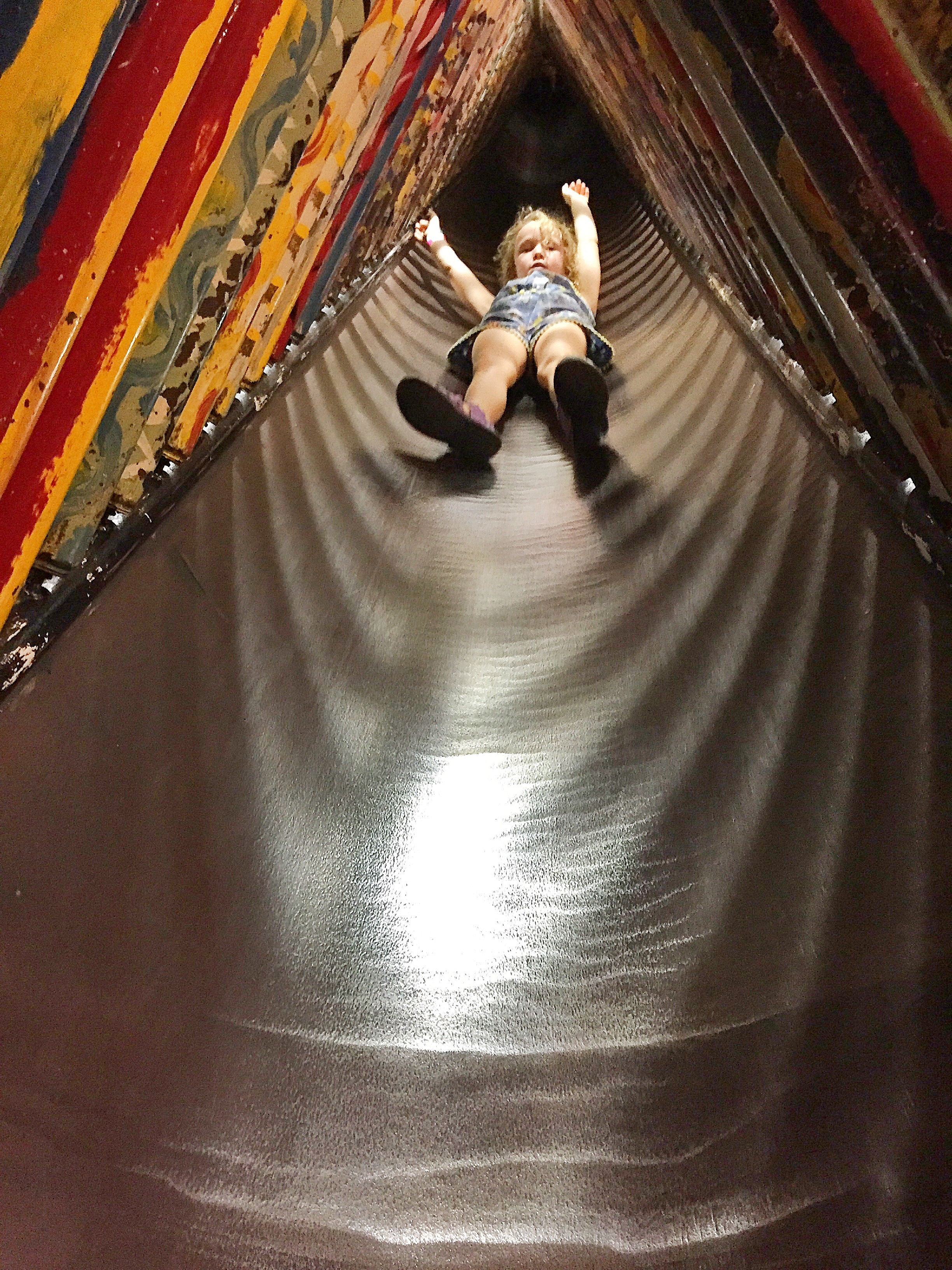
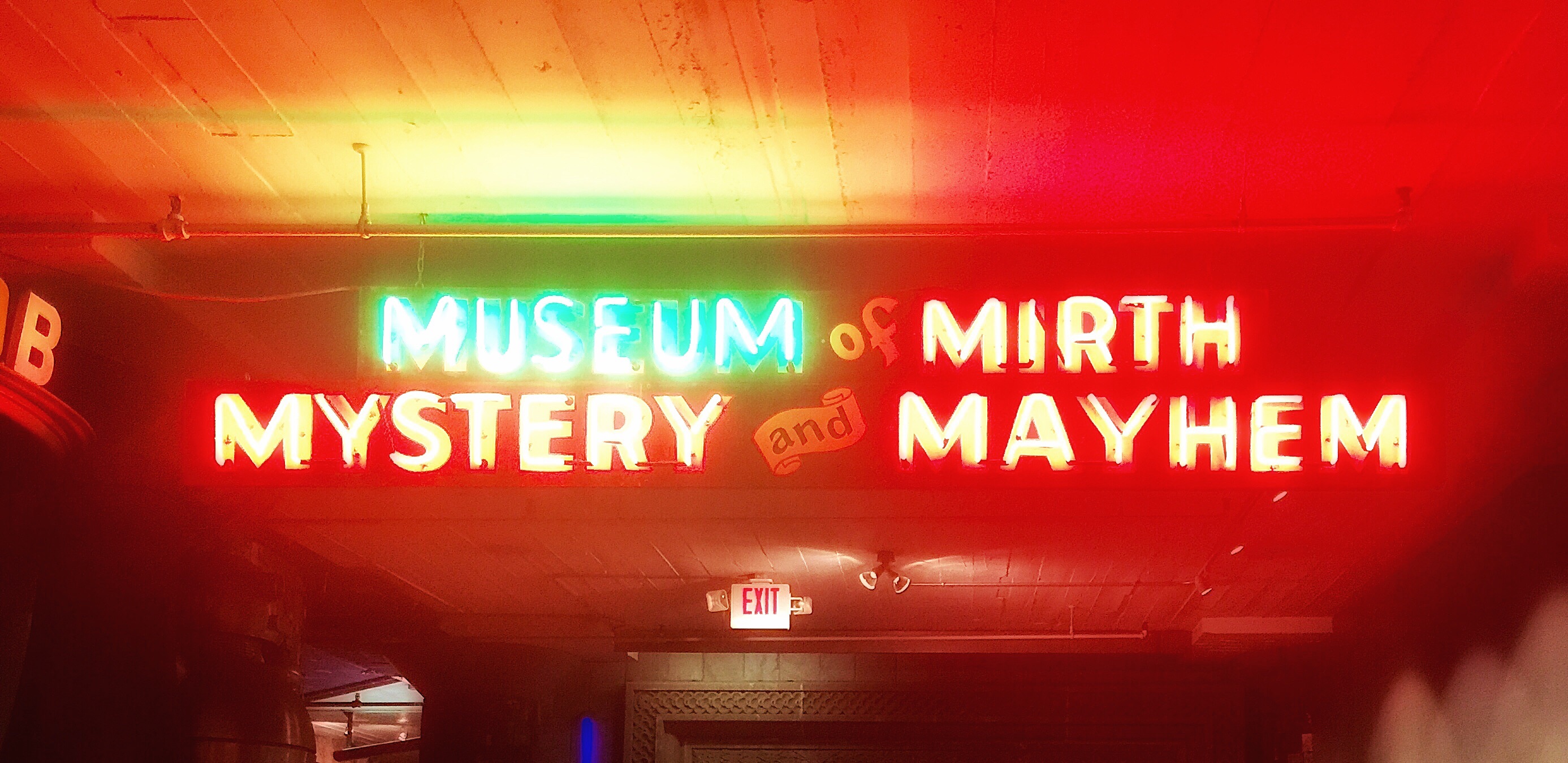
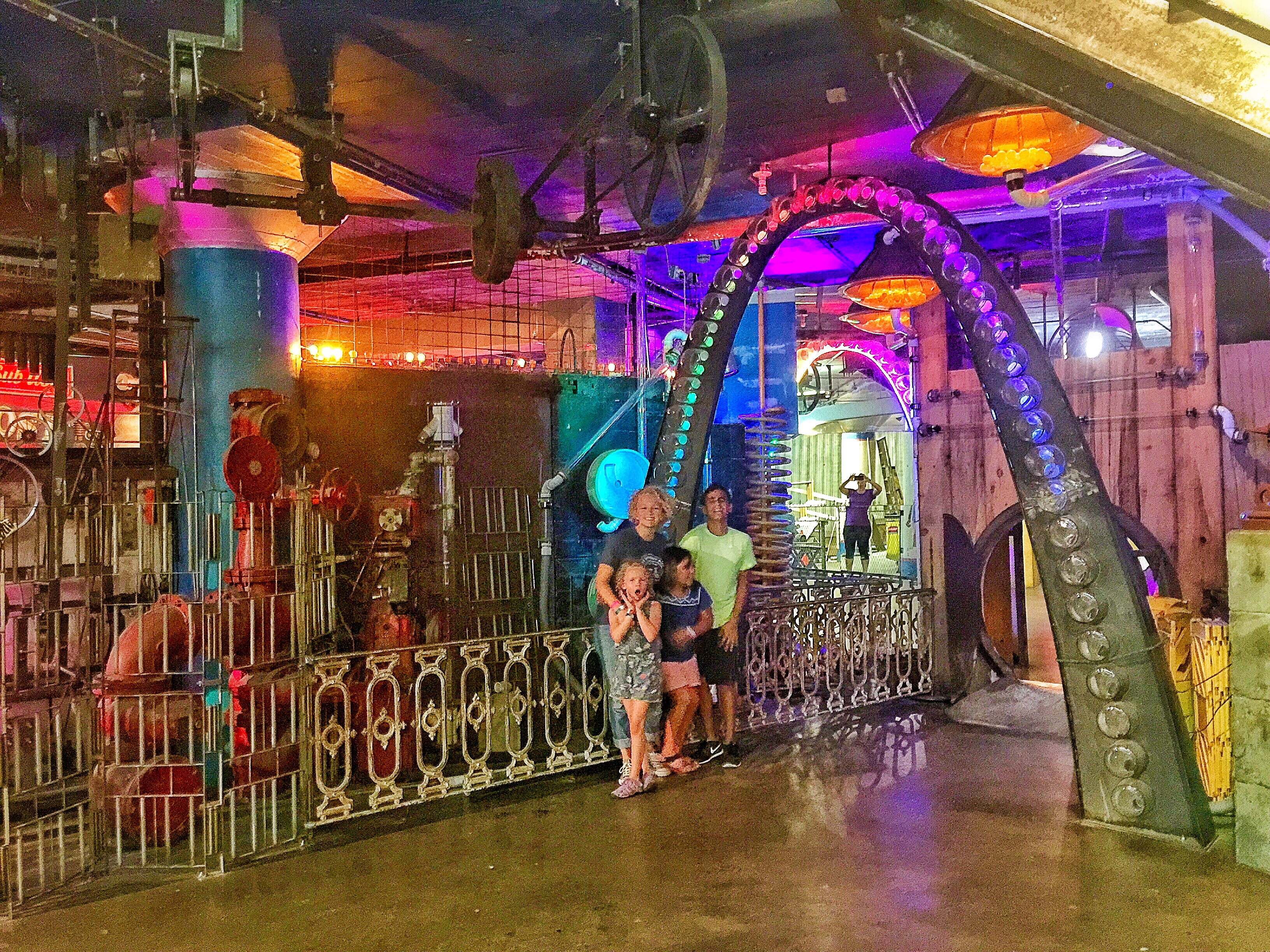
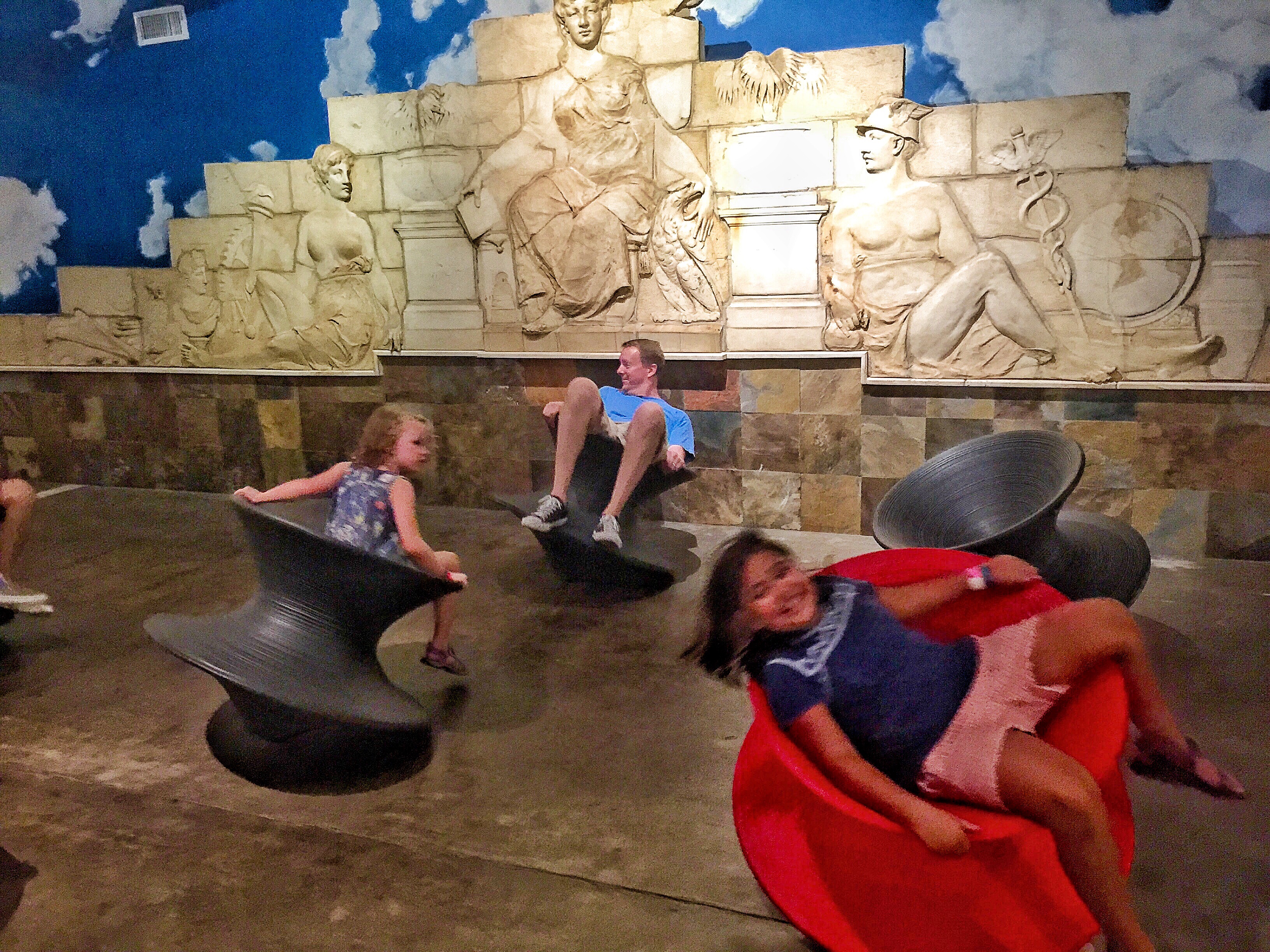
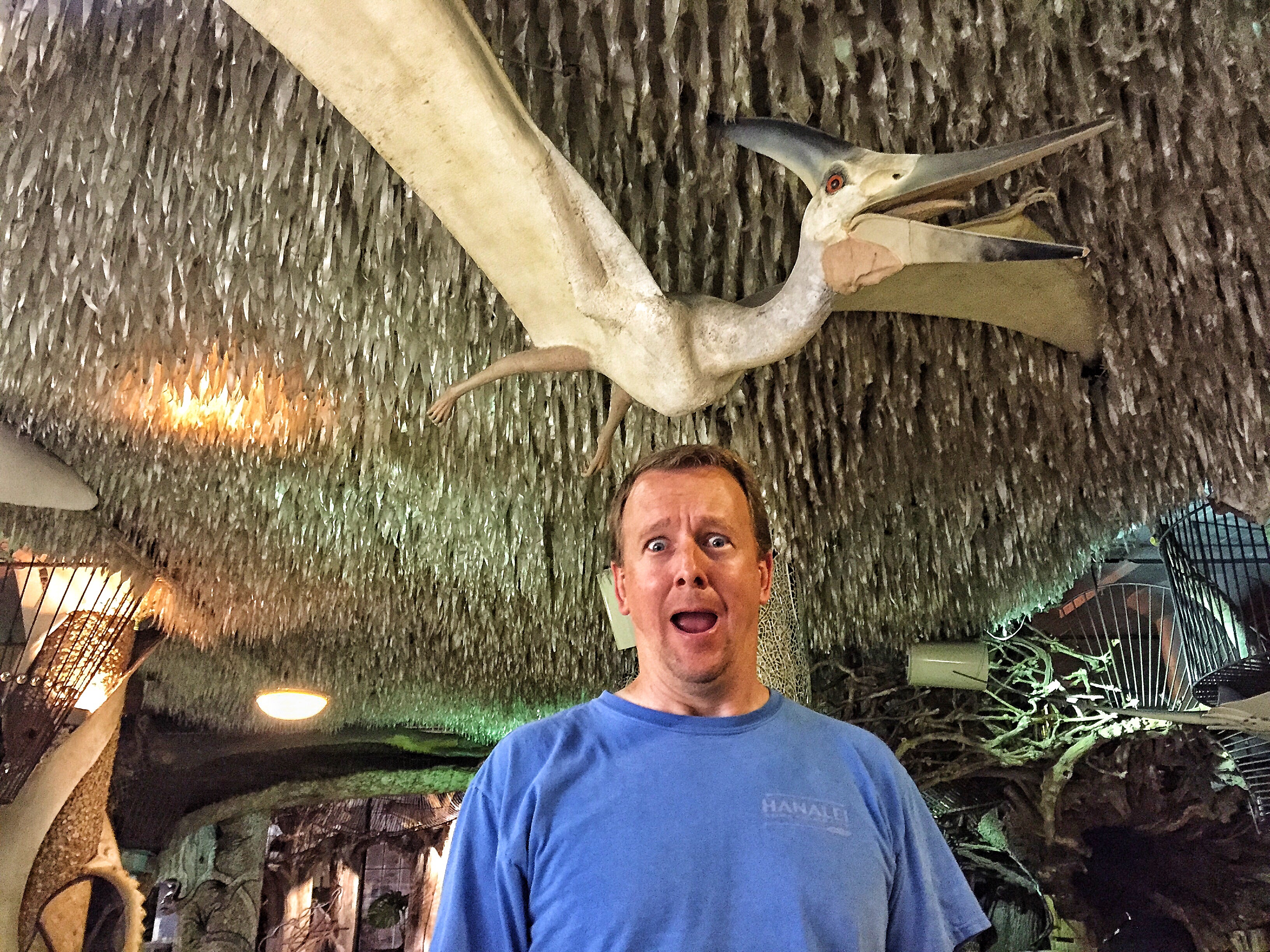
We burned off our burgers until midnight at The City Museum, a playground made of architectural salvage. It’s unlike any place I’ve ever seen. At night, it’s a little bit eery, but we still had so much fun that we were proudly comparing our bruises, blisters, and crushed appendages the next morning.

image

image

image

image

image

image

image

image

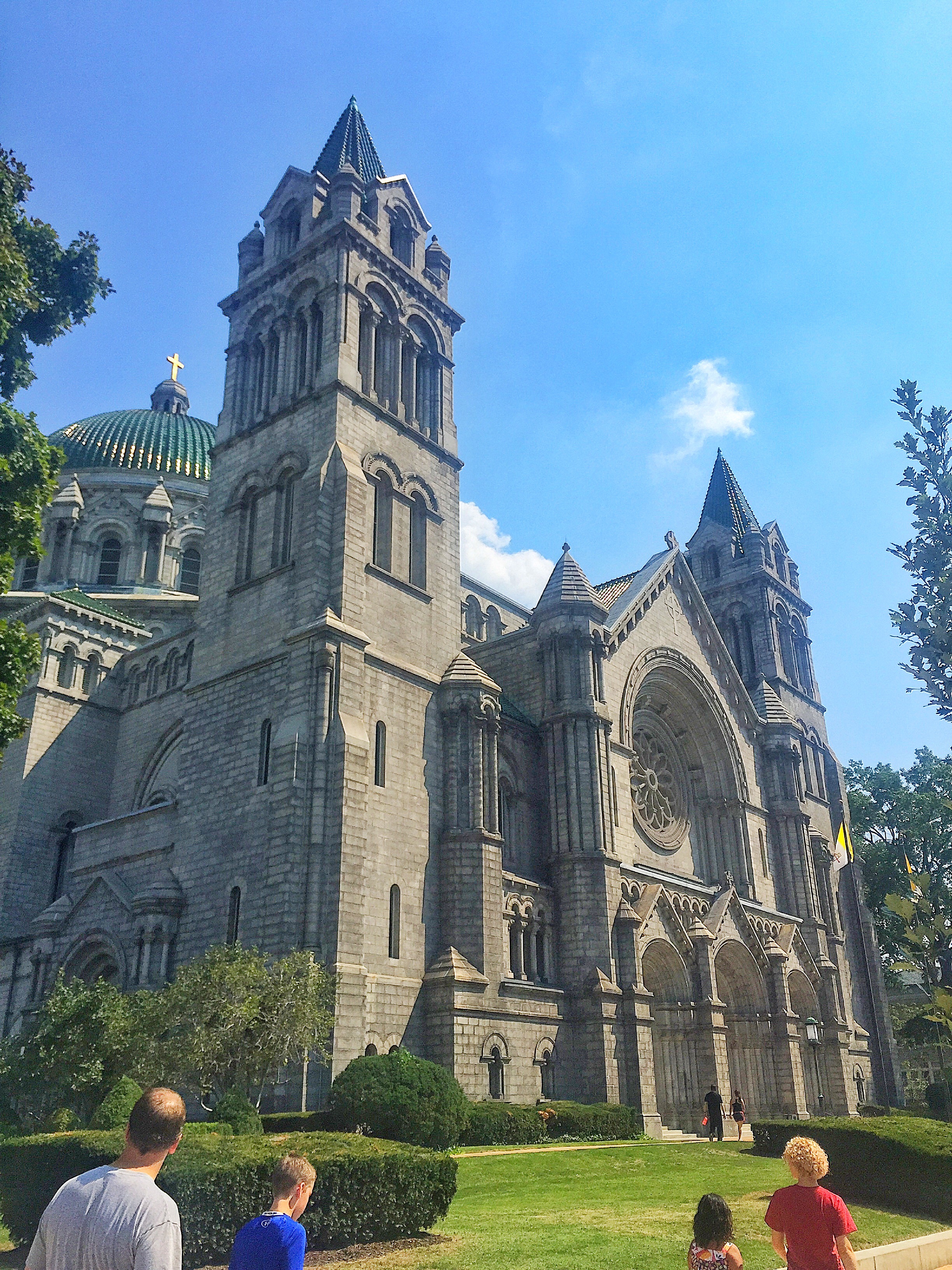
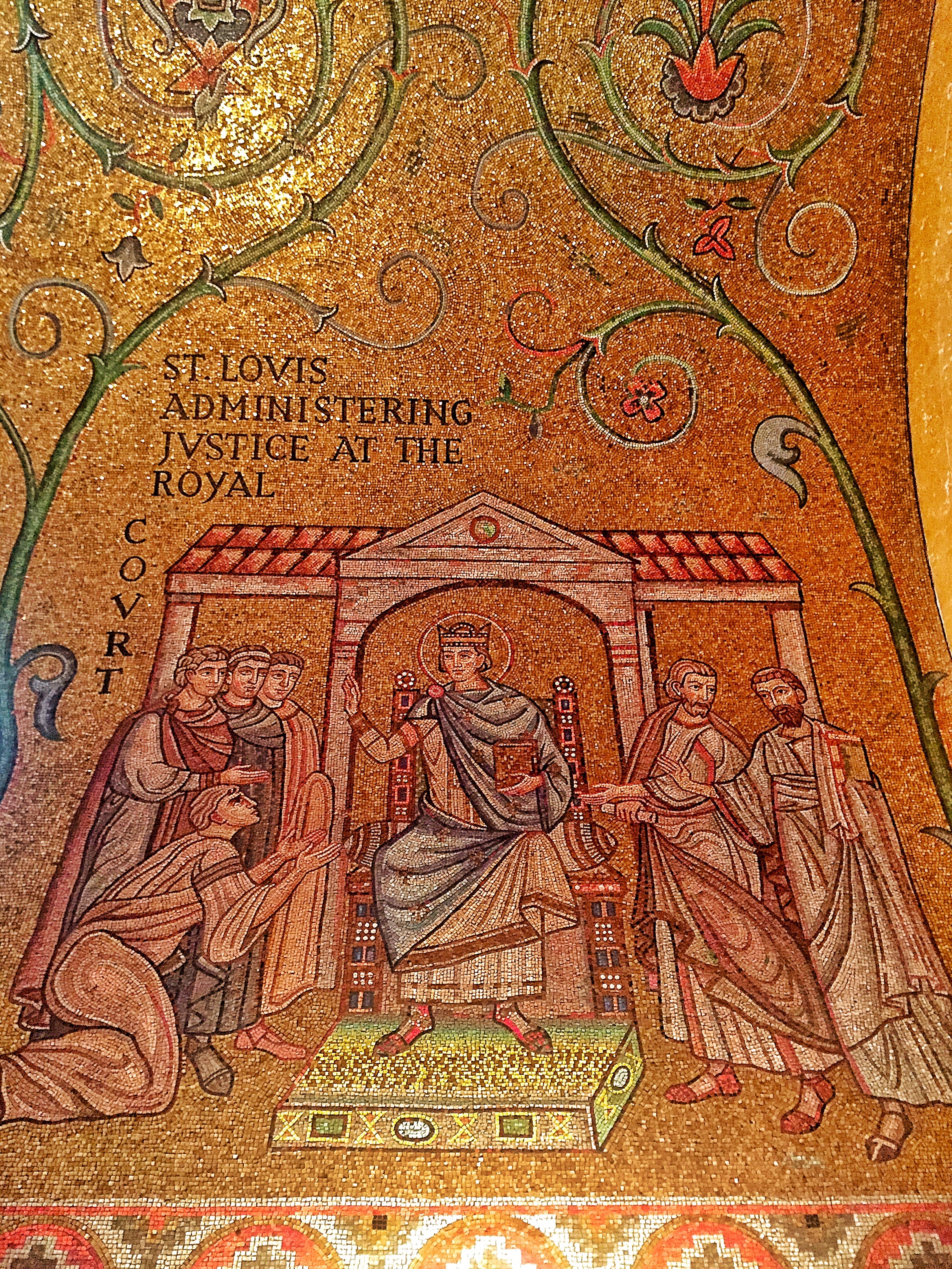
Jennifer said we shouldn’t leave town without visiting the St Louis Cathedral Basilica, and I’m glad we didn’t. It houses the largest collection of mosaic art in the world. Started in 1907, the building was complete by 1914, but the mosaics weren’t finished until the 1980s. I heard a tour guide remind his audience that the Catholics of St. Louis did not pour all of their money into the cathedral during construction, which you might legitimately guess looking around. He chanted off a long list of schools, hospitals, and charitable services correspondingly supported.

image

image

image

image

Louis IX of France is known as a model Christian king, and his rule is called “the golden age of St. Louis.” He lived in the 1200s, and he spent his reign campaigning against blasphemy, gambling, interest-bearing loans, and prostitution. He banned trials by ordeal, and brought presumption of innocence to criminal procedure. He was a patron of Gothic art and architecture, building Sainte-Chapelle in Paris.

image

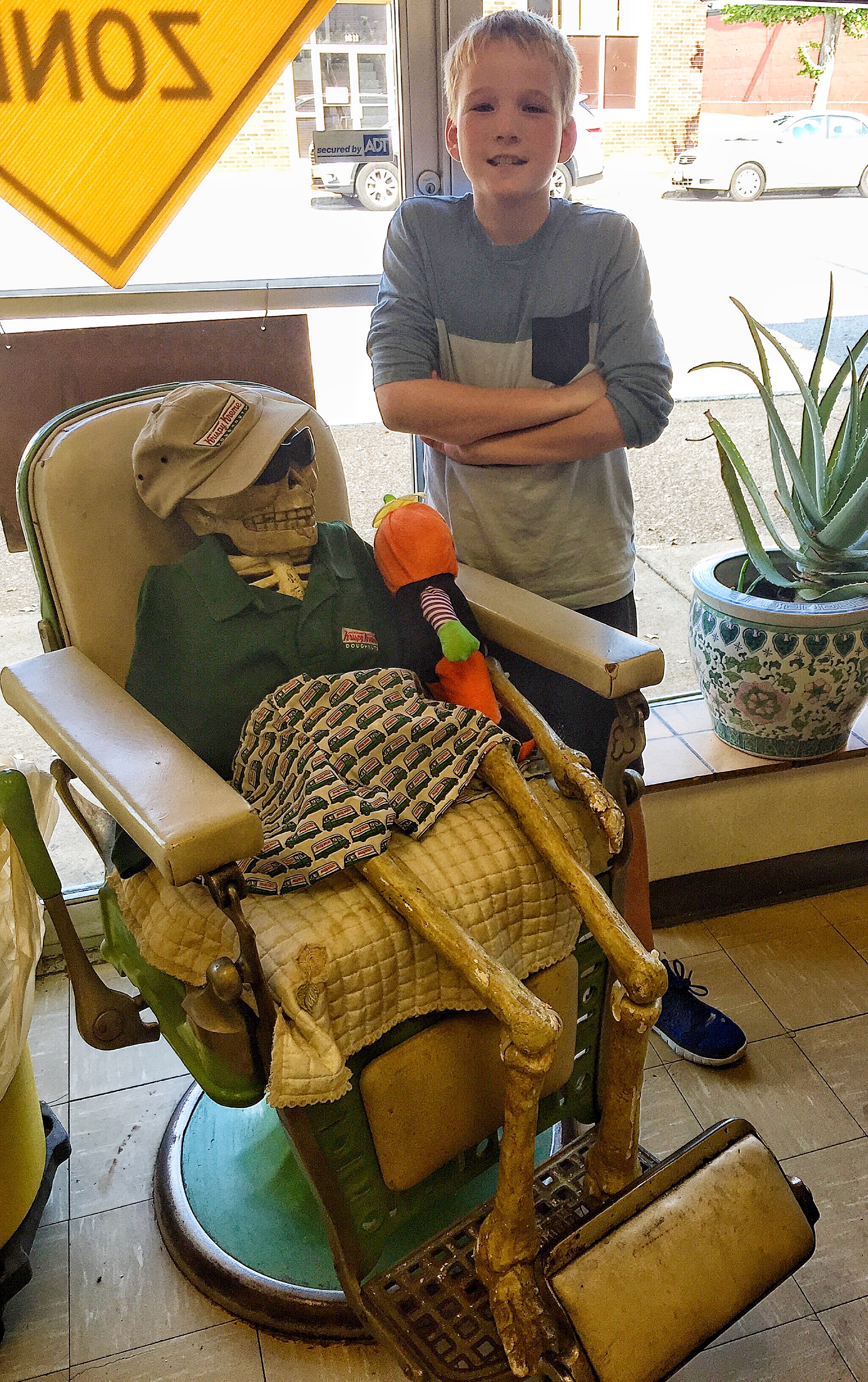
This is the guy who showed up late for doughnuts at John’s Donuts. Fortunately for us, we arrived bright and early and set out for Chicago on a sugar high.

image

Little House in Missouri

image

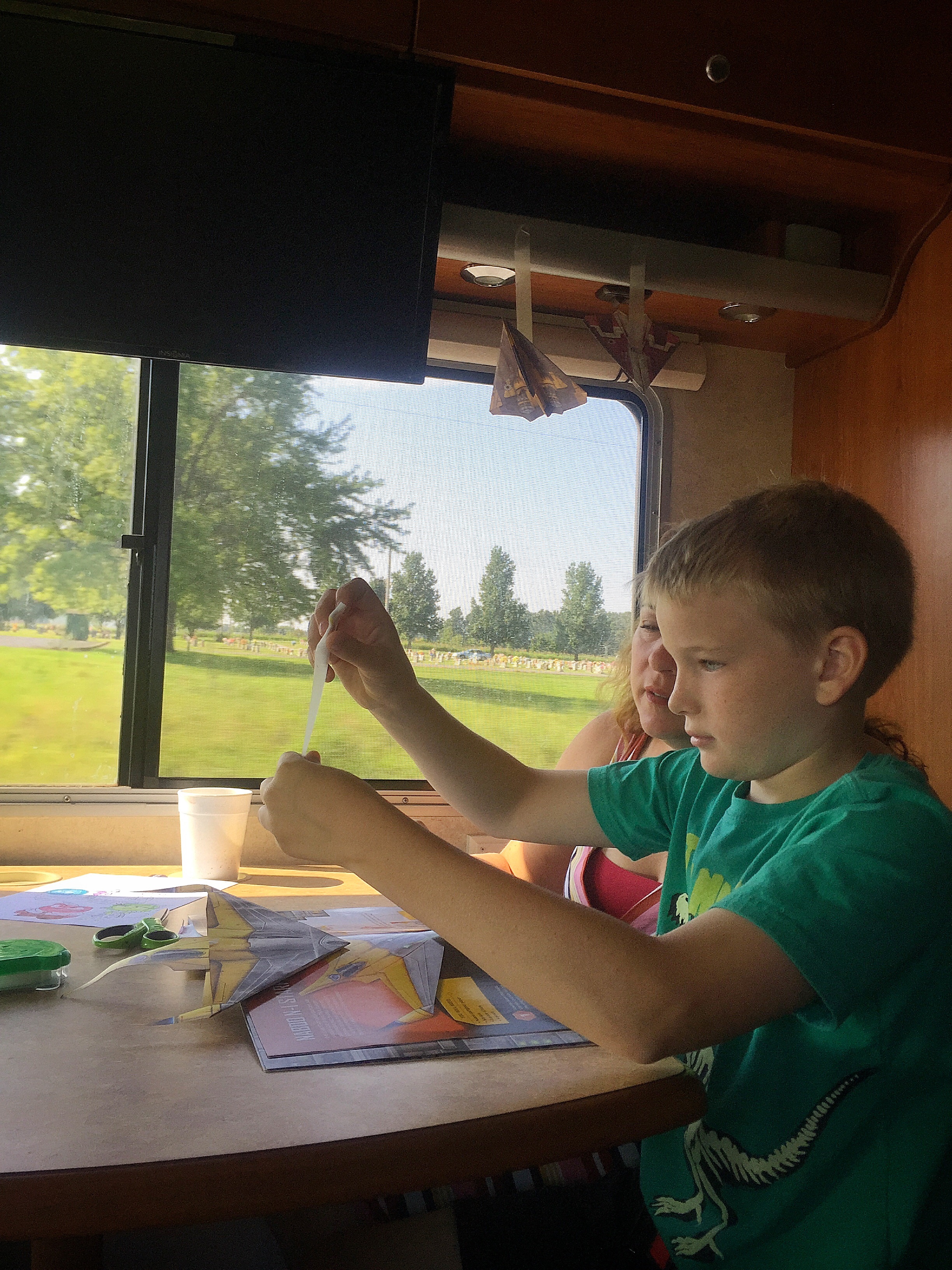
Peter working on paper airplanes during a long drive.

image

Epic tetherball contest.

image

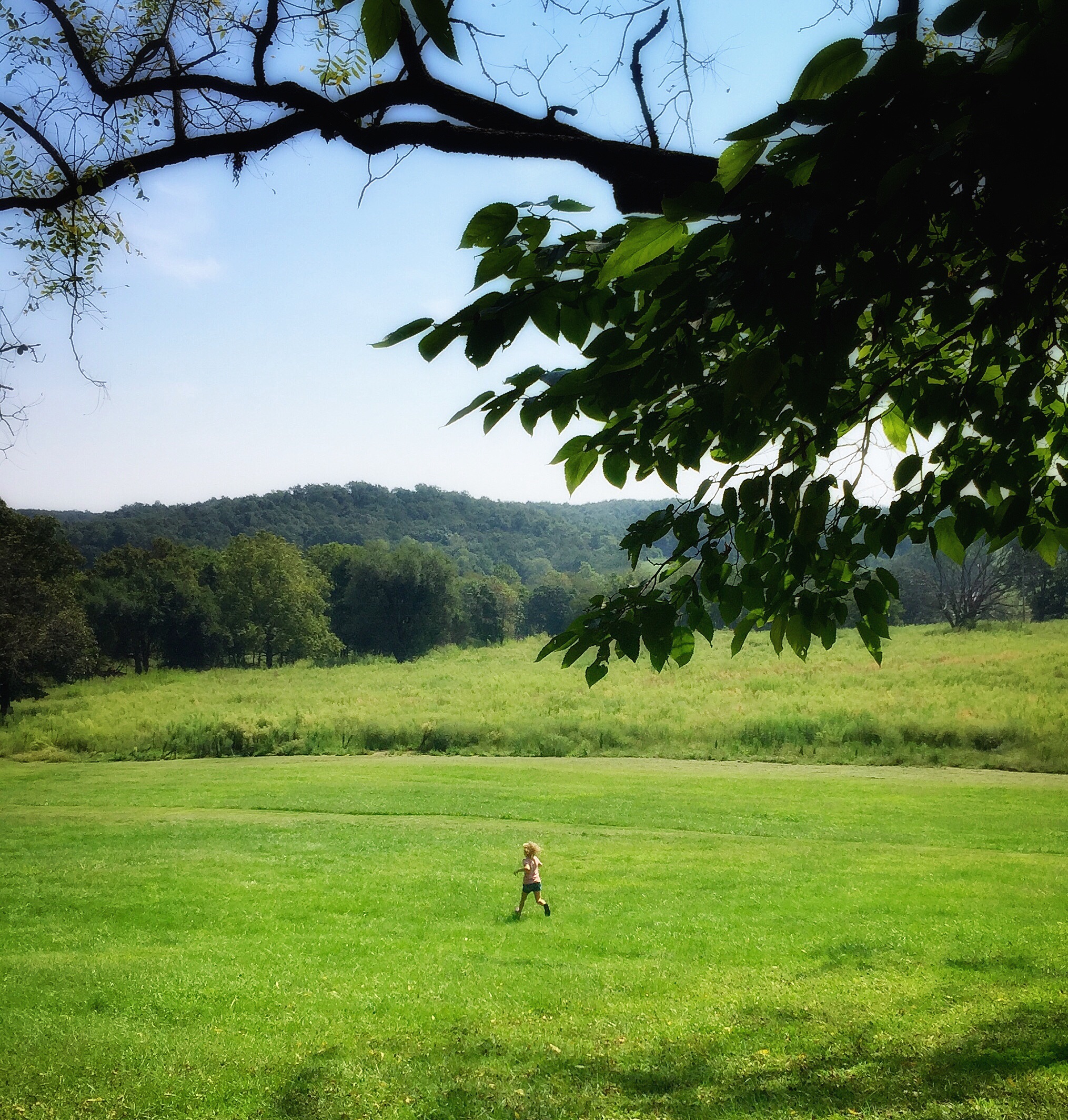
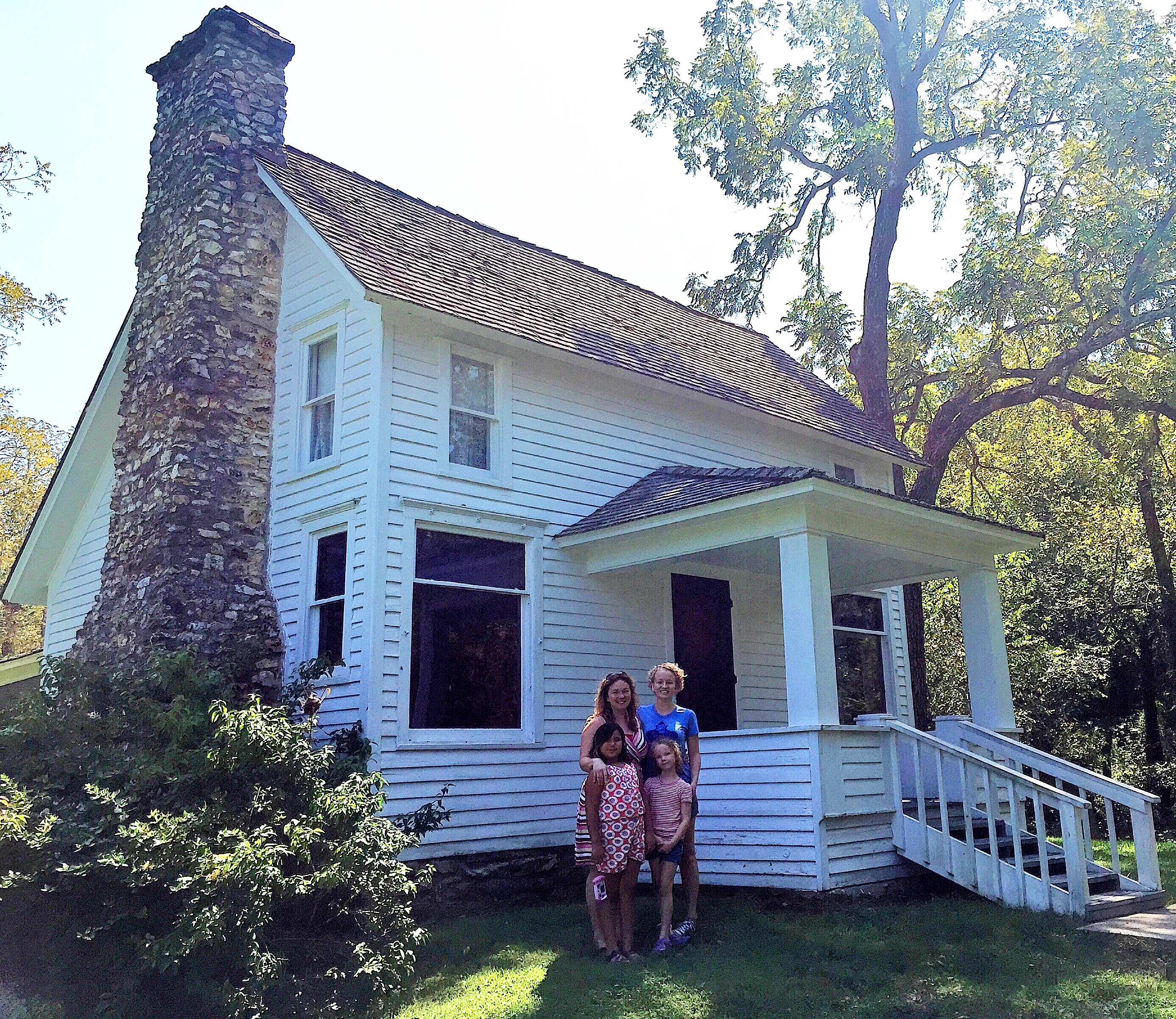
After Tulsa, we visited Rocky Ridge Farm in Mansfield, MO, which was the home Almanzo and Laura Ingalls Wilder. Laura wrote the Little House books here. Mansfield is in the Ozarks. It is rolling pastureland edged by leafy woods. The pastures are pocked with rolled hay bales. (I went on a trip one time with a girl who told me the “truth” about hay bales as we drove along. With perfect solemnity she warned me they were really hay animals, who ate up all the cows at night. You’ll notice there aren’t cows in harvested hayfields.) There is a kind of sunshine that pours through shade trees on a blue sky day and dapples things like old, white clapboard farmhouses. It’s my favorite kind of beautiful. I forget it in Lubbock, where there aren’t so many trees, and it surprises me every time I come back to it. I start feeling sentimental and usually get to crying. So, I had to wear my sunglasses most of the tour.

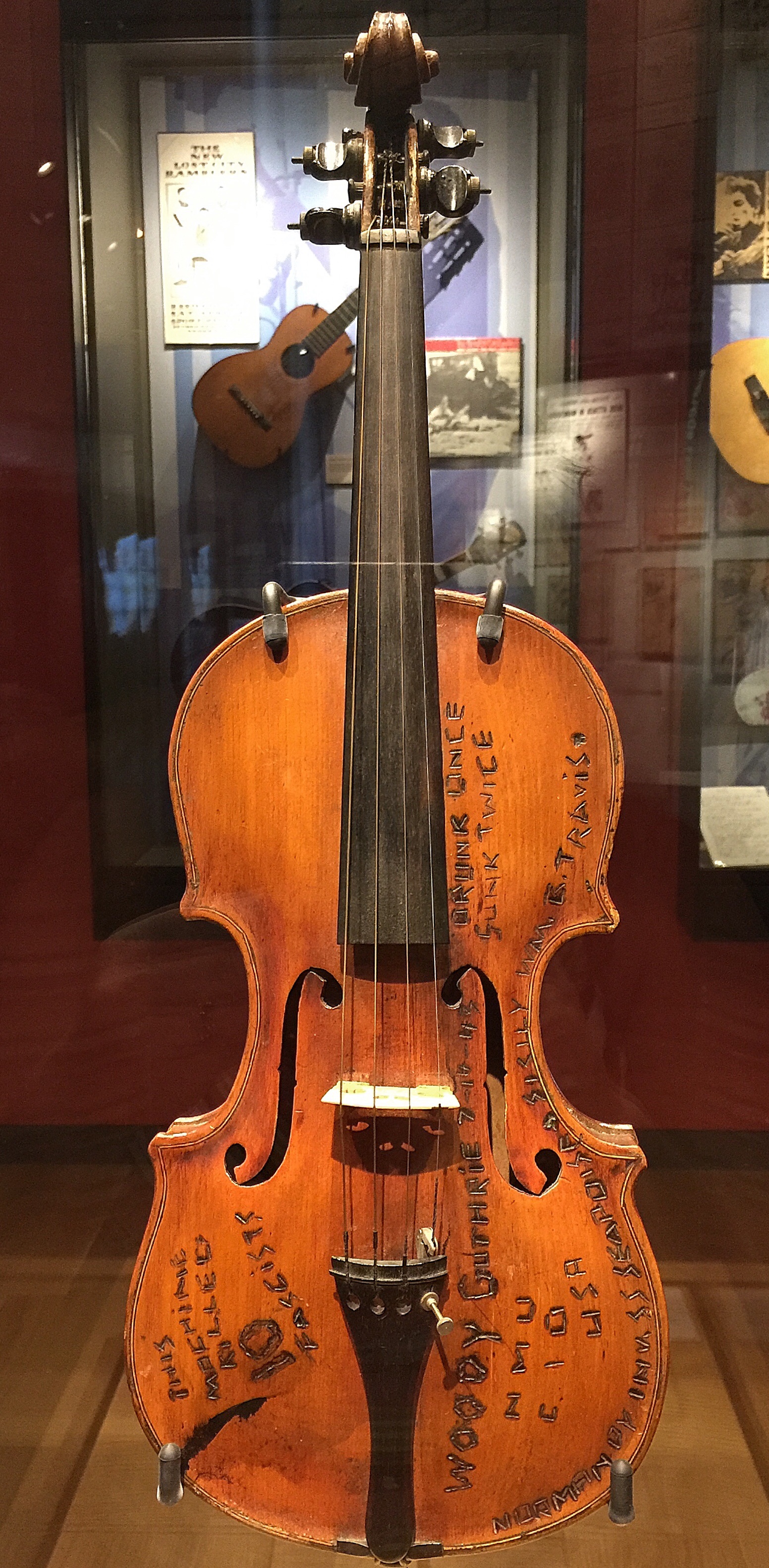
I just finished reading Little House in the Big Woods to the littlest girls, and they’re eager to start the next installment, Little House on the Prairie. Hopefully, we’ll have made some progress in it by the time we get to DeSmet, SD, where there’s another Laura home place. We saw Pa’s fiddle and lots of other treasures we recognized from the stories. One of my favorite items was the Christmas clock Almanzo traded for his hay in The First Four Years. I’m always amazed at how hard the Ingalls and Wilders worked and how resilient they were in coping with hardship. Laura and Almanzo came to Mansfield in a wagon following the death of an infant son and a fire that left them with few belongings. With a hundred dollar bill, which caused a panic when it went missing temporarily on the journey, and a loan from the Mansfield bank, they purchased a 40-acre farm with reliable spring-fed water in apple country, and they built a successful farming enterprise. The house started as a one room log cabin, but it was gradually transformed into a comfortable ten-room house over the course of seventeen years. I also had no idea how famous their daughter, Rose, became. She was a renowned journalist and novelist long before her mother began writing.

image

Oklahoma!

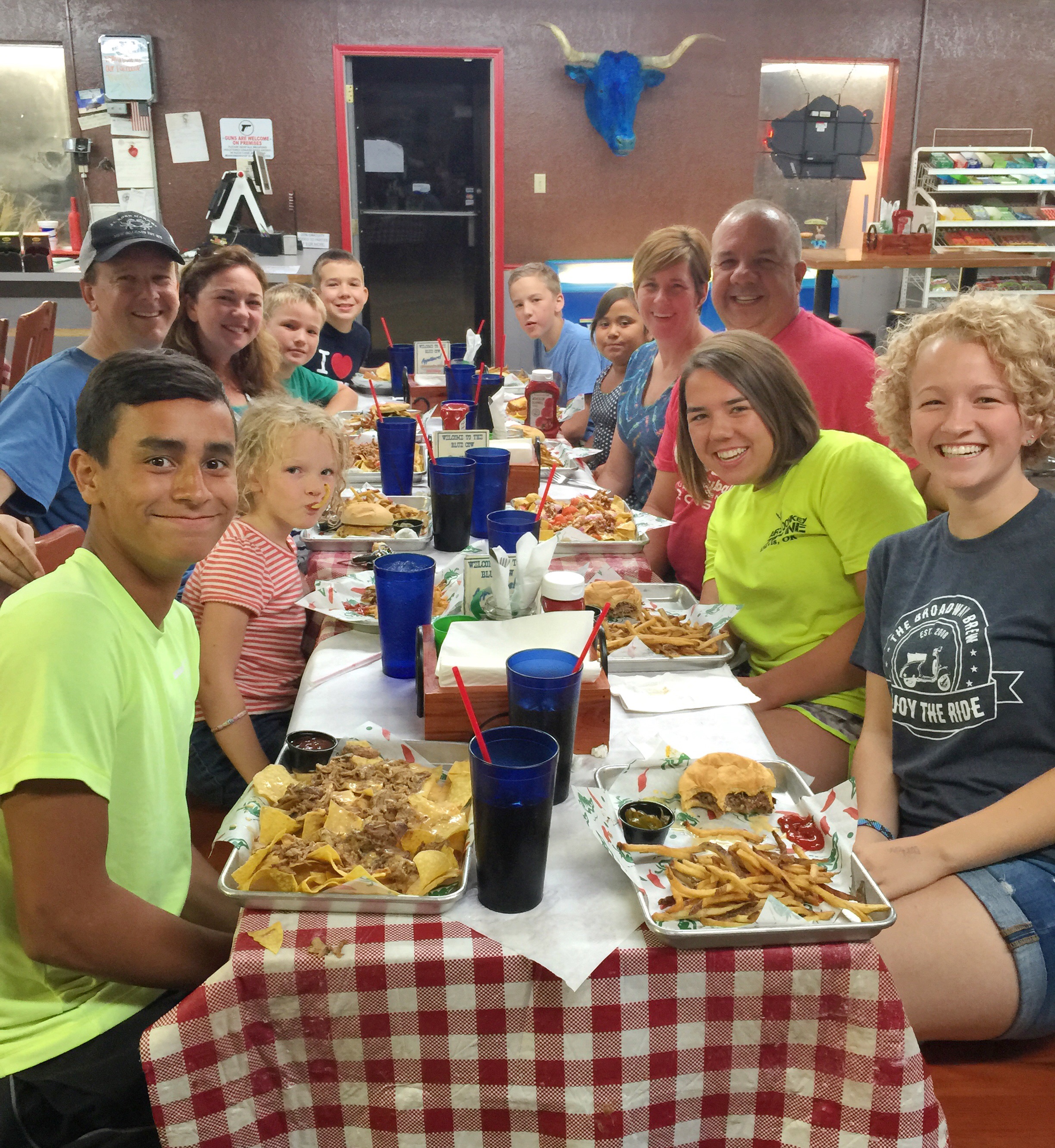
On our first night out, we ate supper and stayed with friends in Elgin, OK. Elgin is a little town close to the Wichita Mountains, giant granite mounds squeezed out of relatively flat land all around. Because we experienced one delay after another, including a last minute visit to the repair shop, it was after 8 P.M. before we arrived. This did not surprise our friends, the Fants, who are familiar with Mulkey Standard Time (MST).They’re our former neighbors and the first people to greet us when we moved to Lubbock several years ago. It was fun to catch up on each other’s lives and chow down at the Blue Cow Store.

image

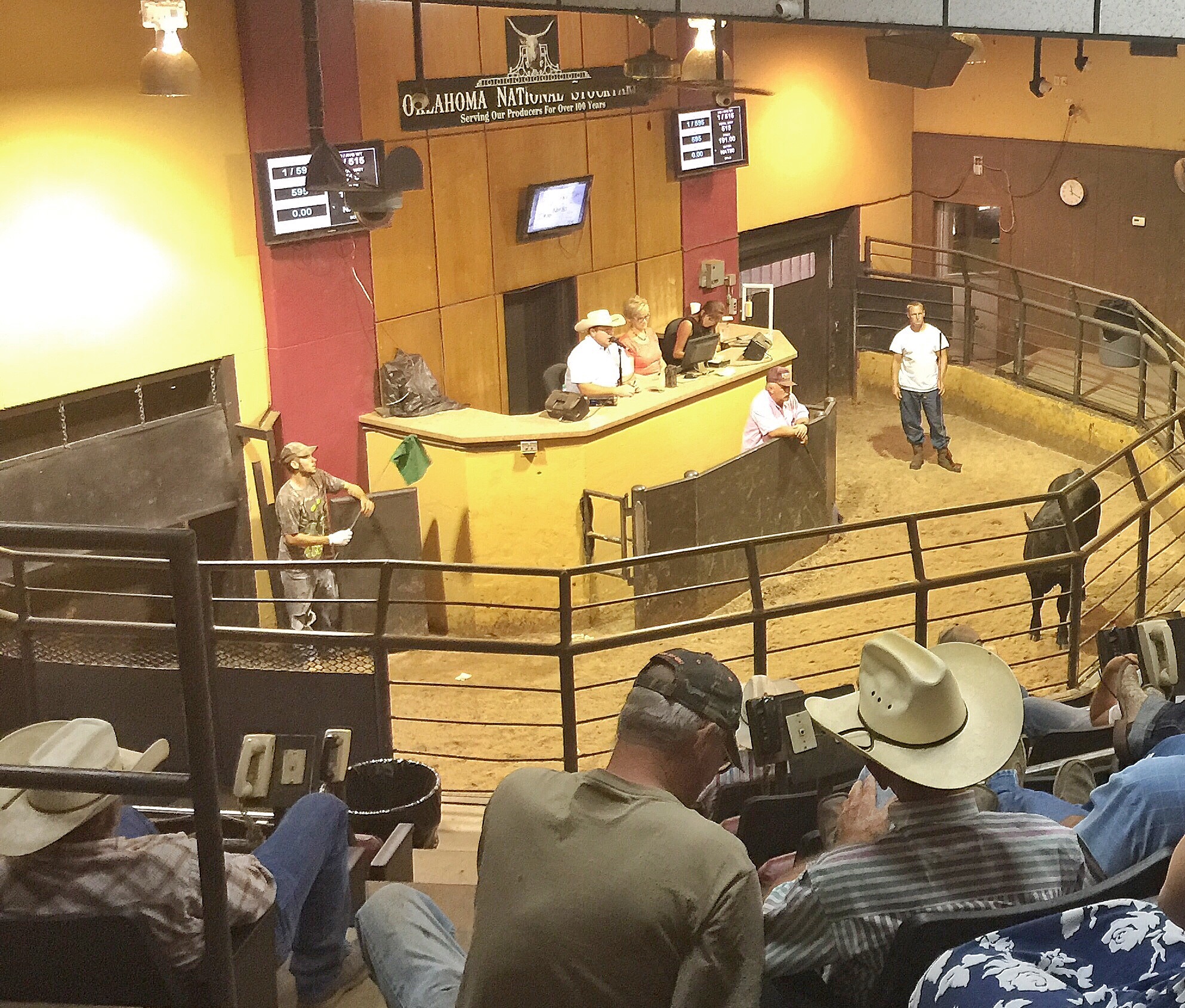
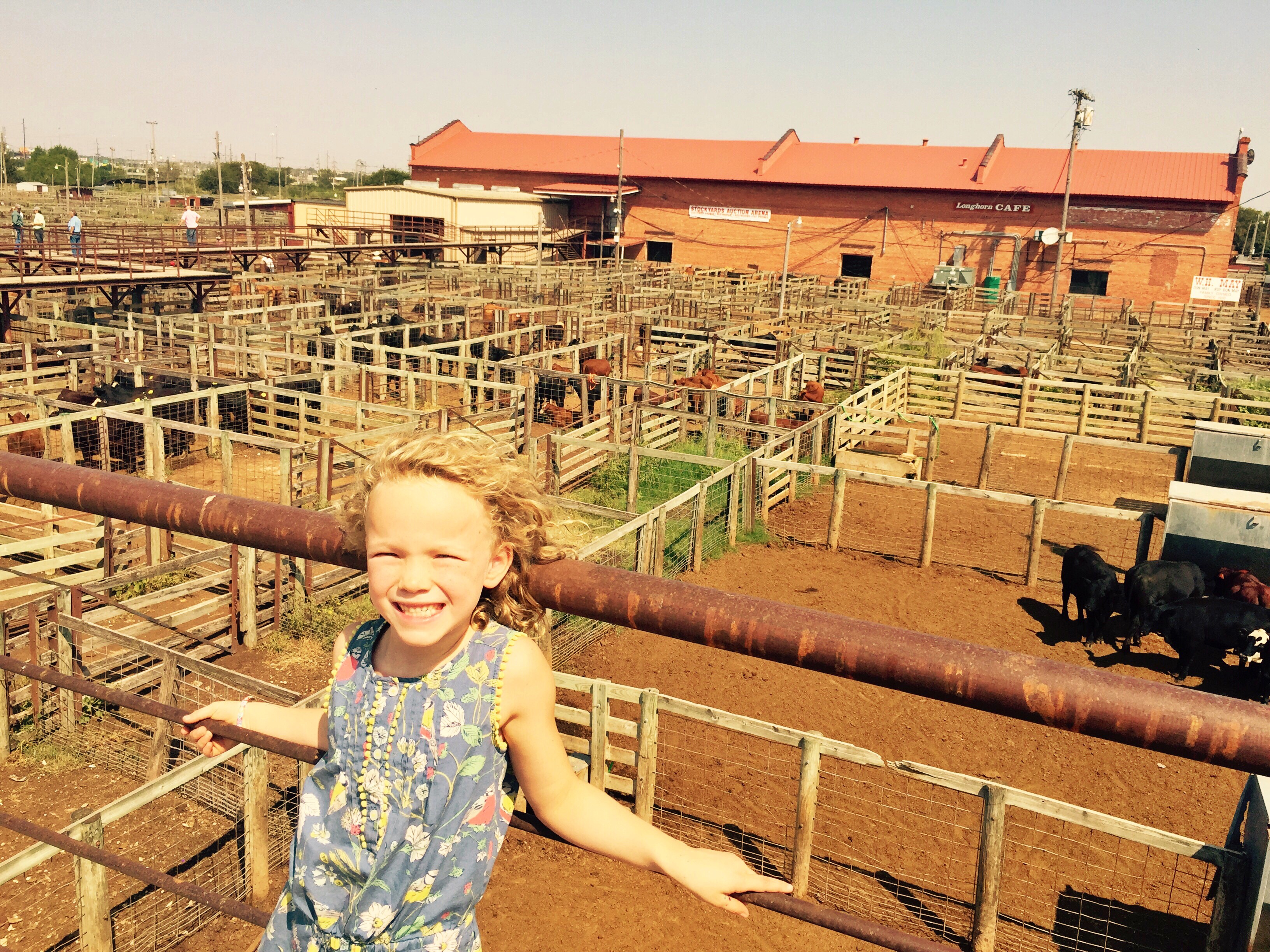
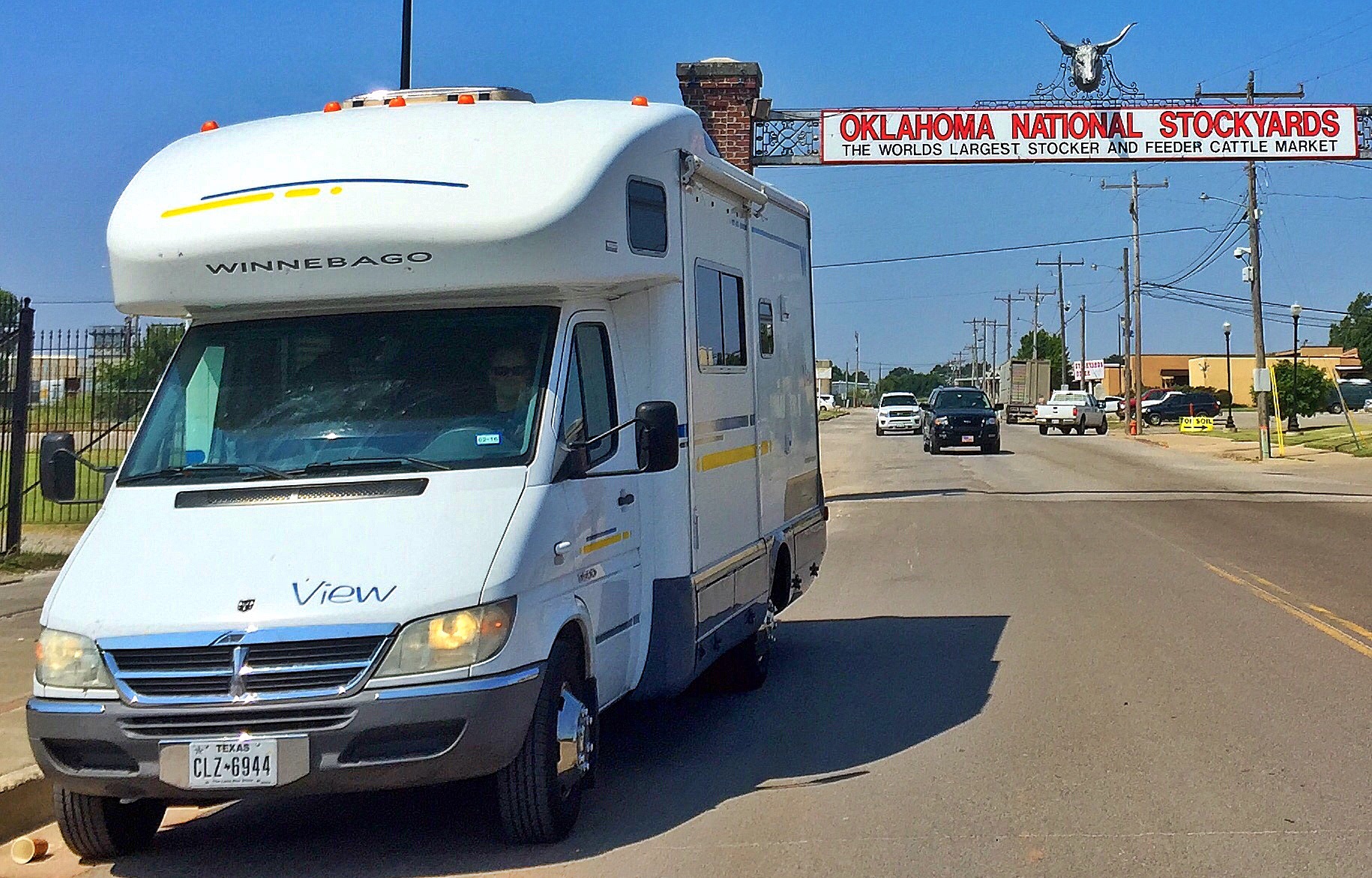
The next morning, we drove to Oklahoma City and watched a bit of the auction at the Oklahoma National Stockyards.  A mini-stadium full of half-reclining cattlemen communicated in winks and nods with a yodeling auctioneer and a seller’s agent while we tried in vain to decipher what characteristics made one cow a better buy than another. We discussed the terms yearling, heifer, bull, steer, castration, wean, feeder, and slaughter to the horror of our teenaged boys.image

image

image

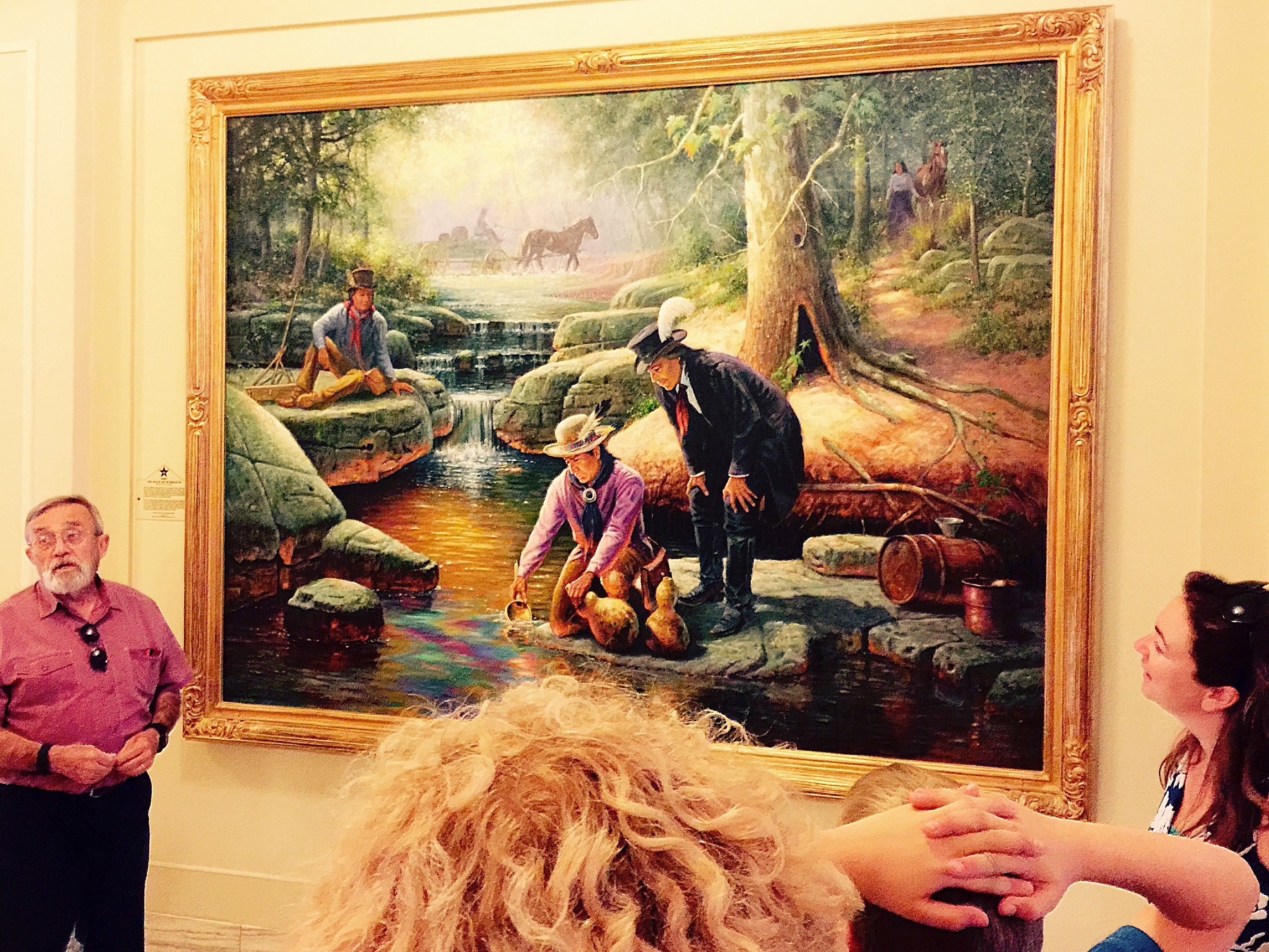
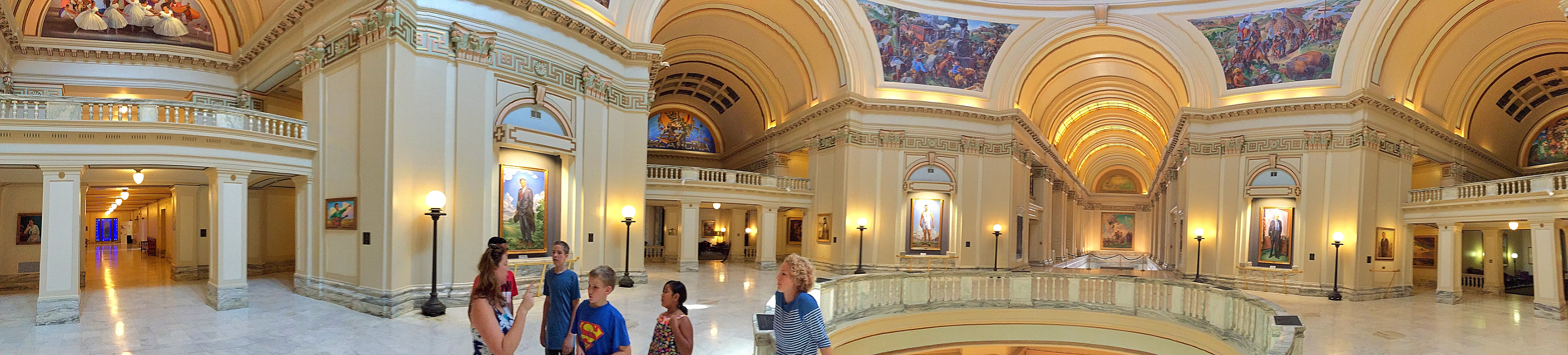
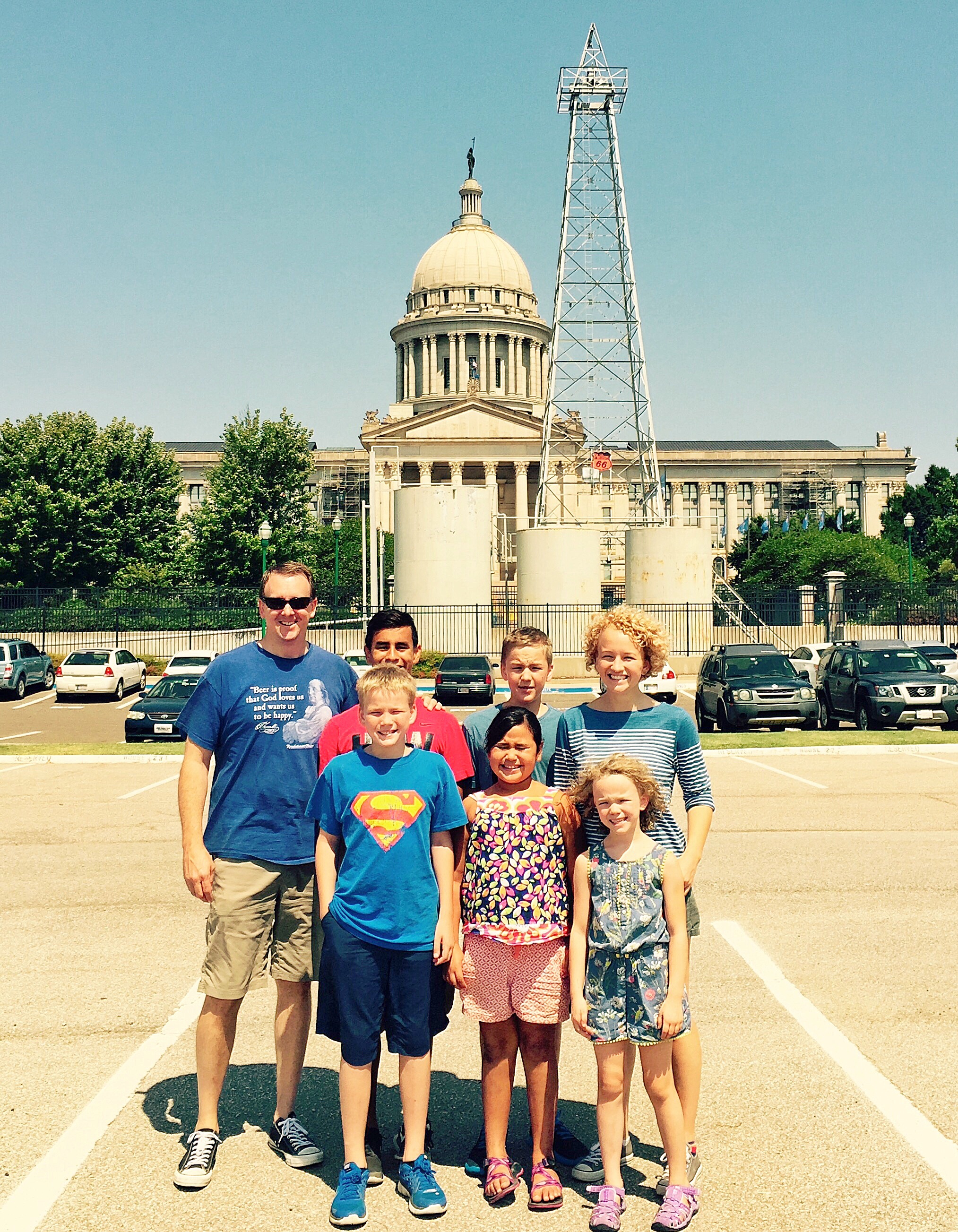
Downtown, we visited the Capitol. It’s a gorgeous building, despite having an oil derrick in the front yard. There are vigilant gryphons on the outside and a statue by a self-taught Native American senator named Enoch Kelly Haney on top of the dome. The inside is all marble and painted plaster rosettes and stained glass. We got a crash course in Oklahoma history as we toured the art-filled building. Each kid picked a notable Oklahoman for further research, and they’ll present their findings after we set up camp tonight. How much do you know about Jim Thorpe, Will Rogers, John Hope Franklin, Sequoyah, Ada Lois Sipuel Fisher, and Maria Tallchief? Shout out, and we’ll post a biography of your choice.

image

image

image

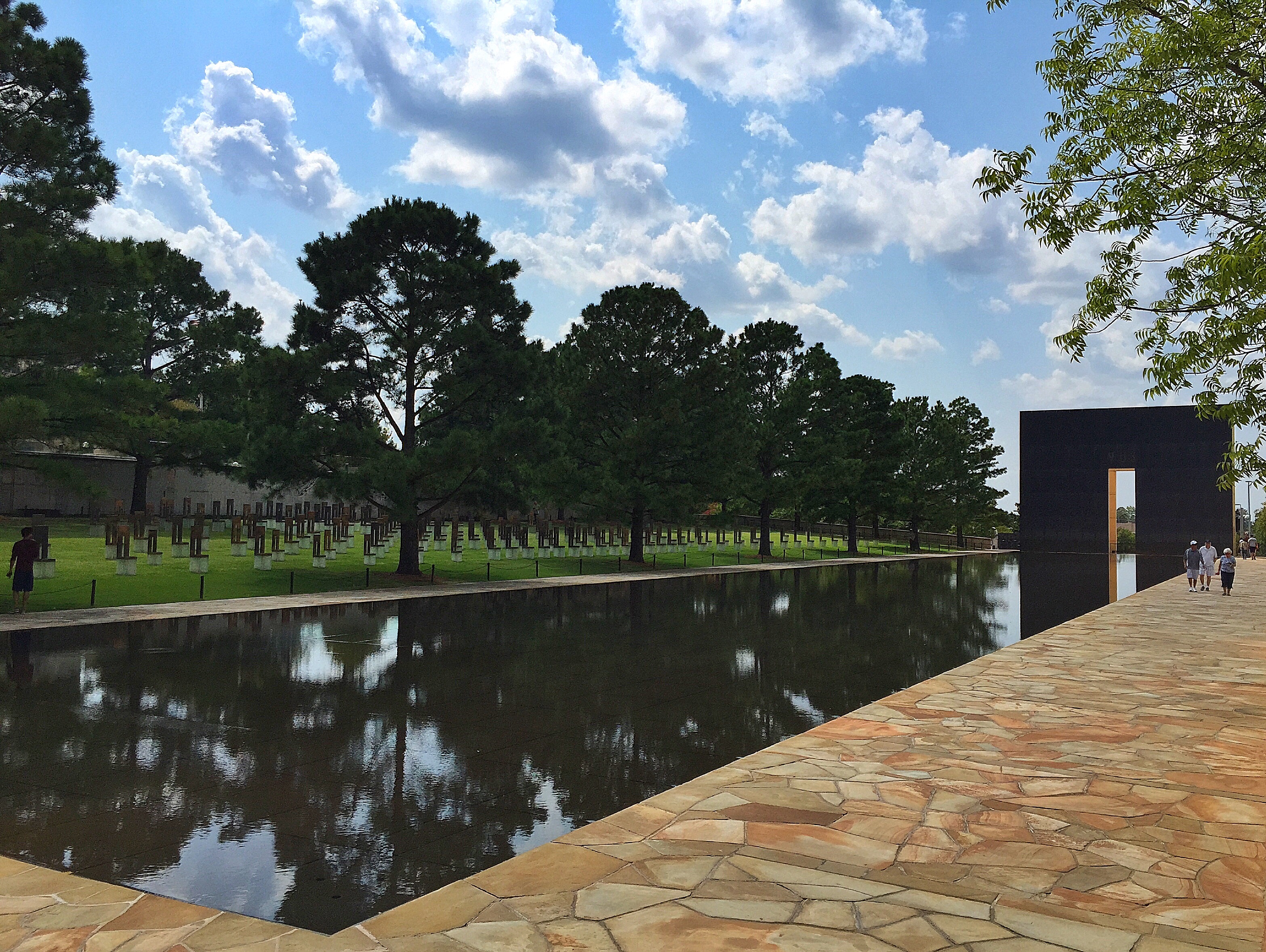
Next was a visit to the Oklahoma City Memorial. I’ve seen pictures, but they don’t make the same impact as a personal visit. It’s a well-thought-out, serene spot. The big kids spent most of the afternoon asking questions about why the bombing happened; this led to conversations I don’t think we’ve ever tackled about how Americans view government, personal liberty, and protest.

image

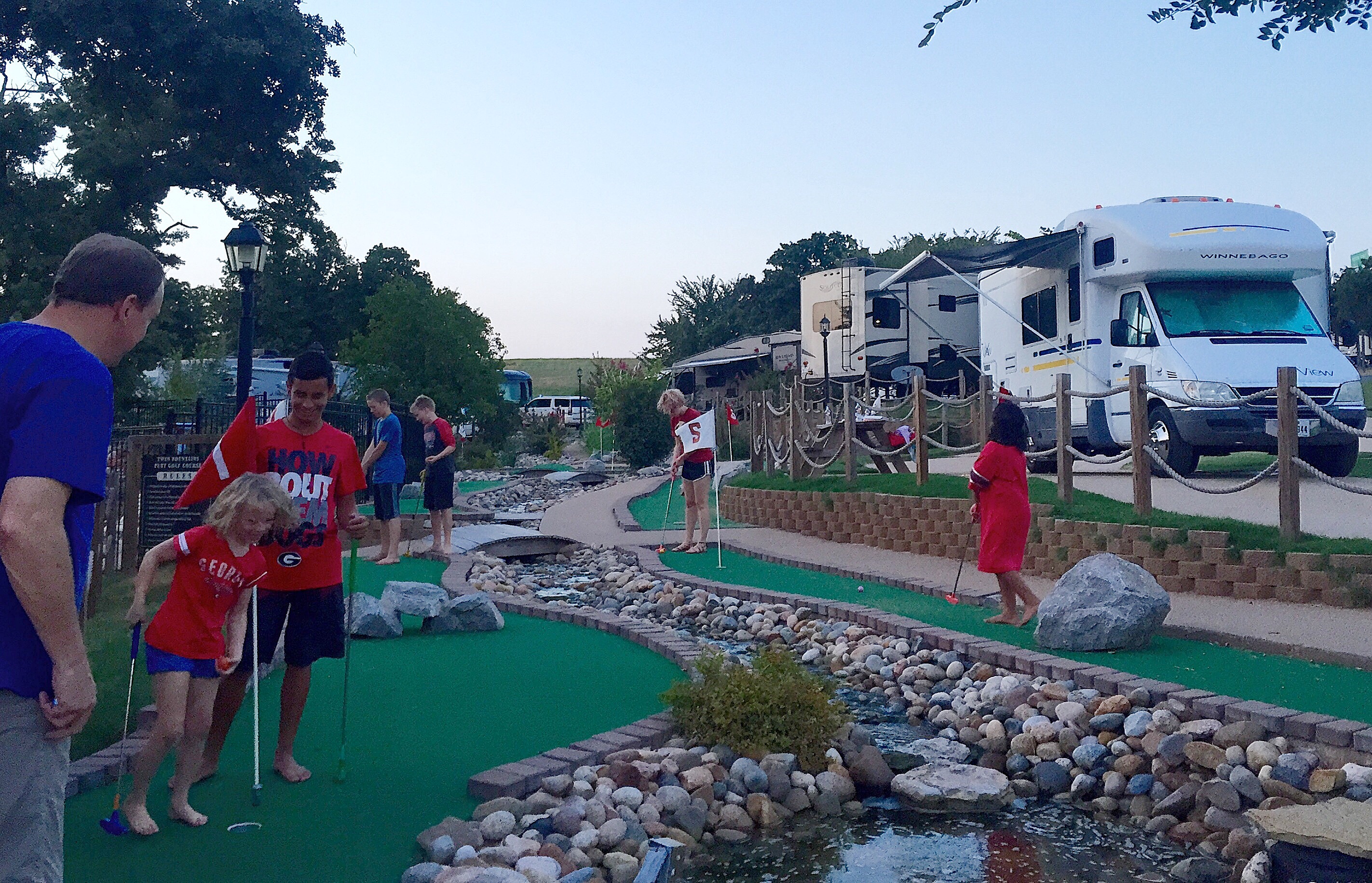
In the evening, we found a campground with a pool, mini-golf, and pizza. Remember that 90’s movie with Tom Cruise and Nicole Kidman called Far and Away? It starts with Irish immigration and ends with the Oklahoma Land Races. That’s what we watched before bed, and though it may not be 100%  accurate, it’s full of big, memorable images of new Americans’ migration from crowded eastern cities to the promising West. You can see a “Sooner” in action at the very end.

image

Today, we moved on to Tulsa at a snail’s pace. Even if we were very organized people, I don’t think we could clear out of a campground quickly. There are always ten steps to every task. It’s crowded when eight people are all up and moving around the RV at once, and something is always breaking. The big lesson of RV living is patience, and we will be in the schoolroom working on it for awhile.

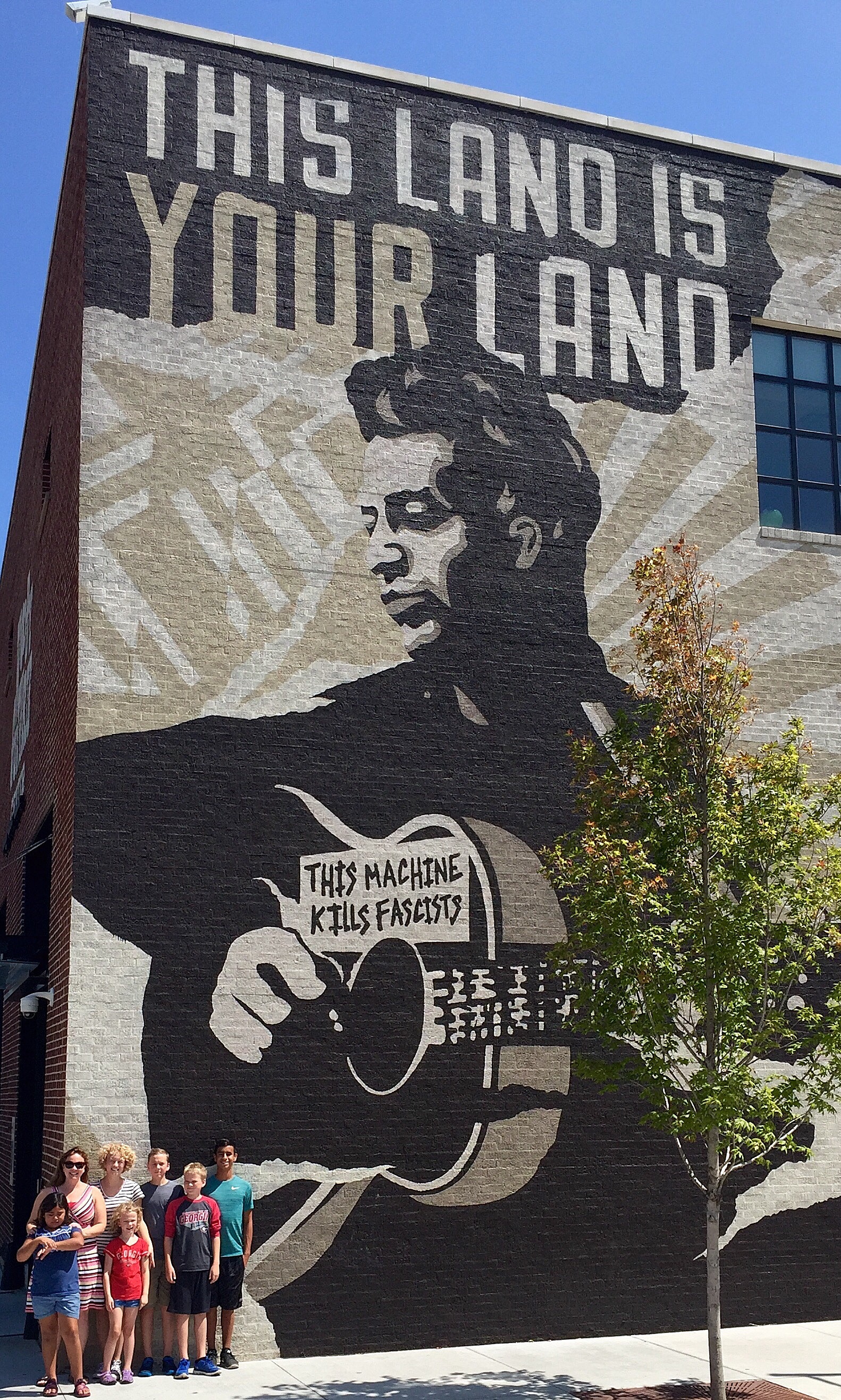
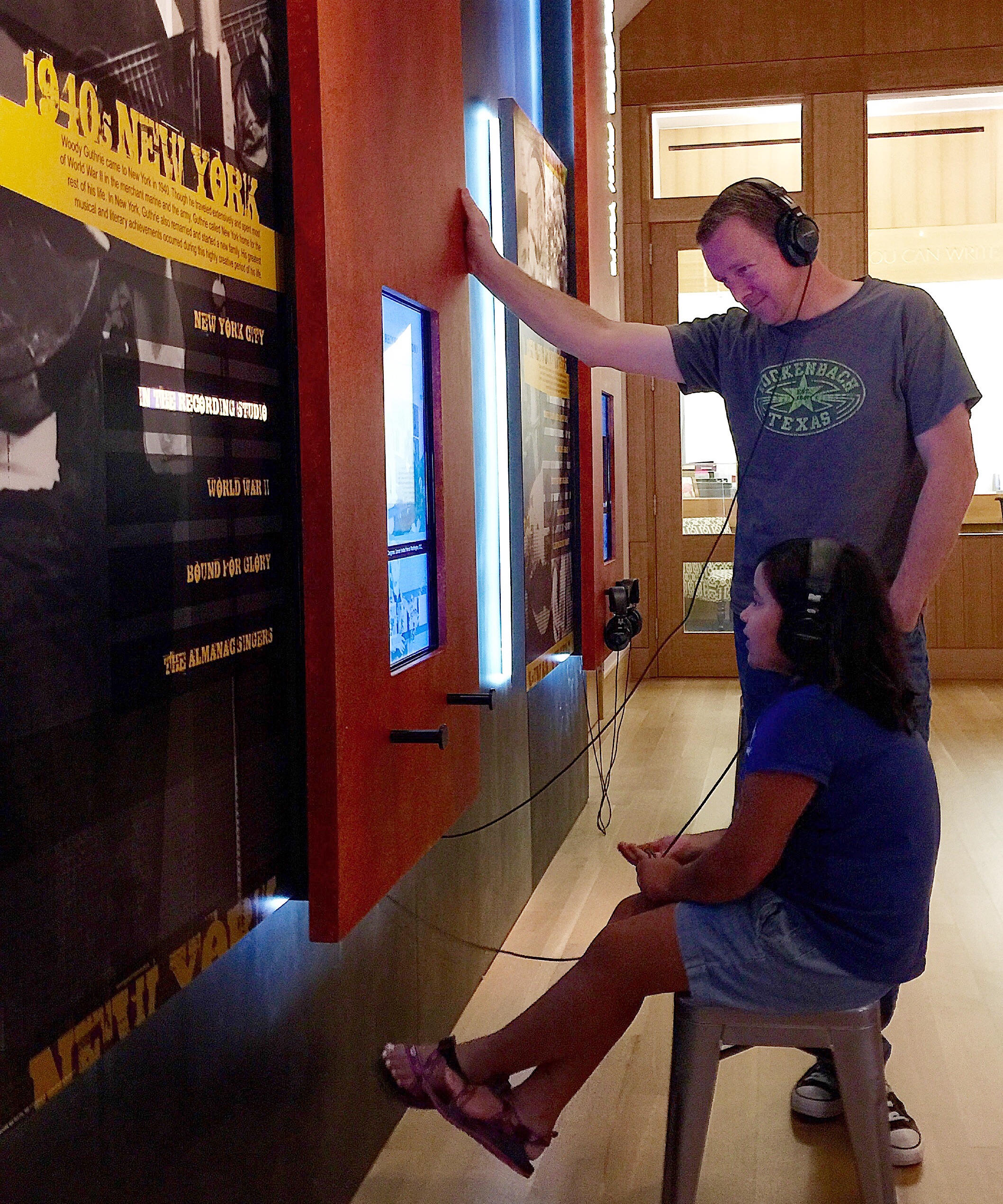
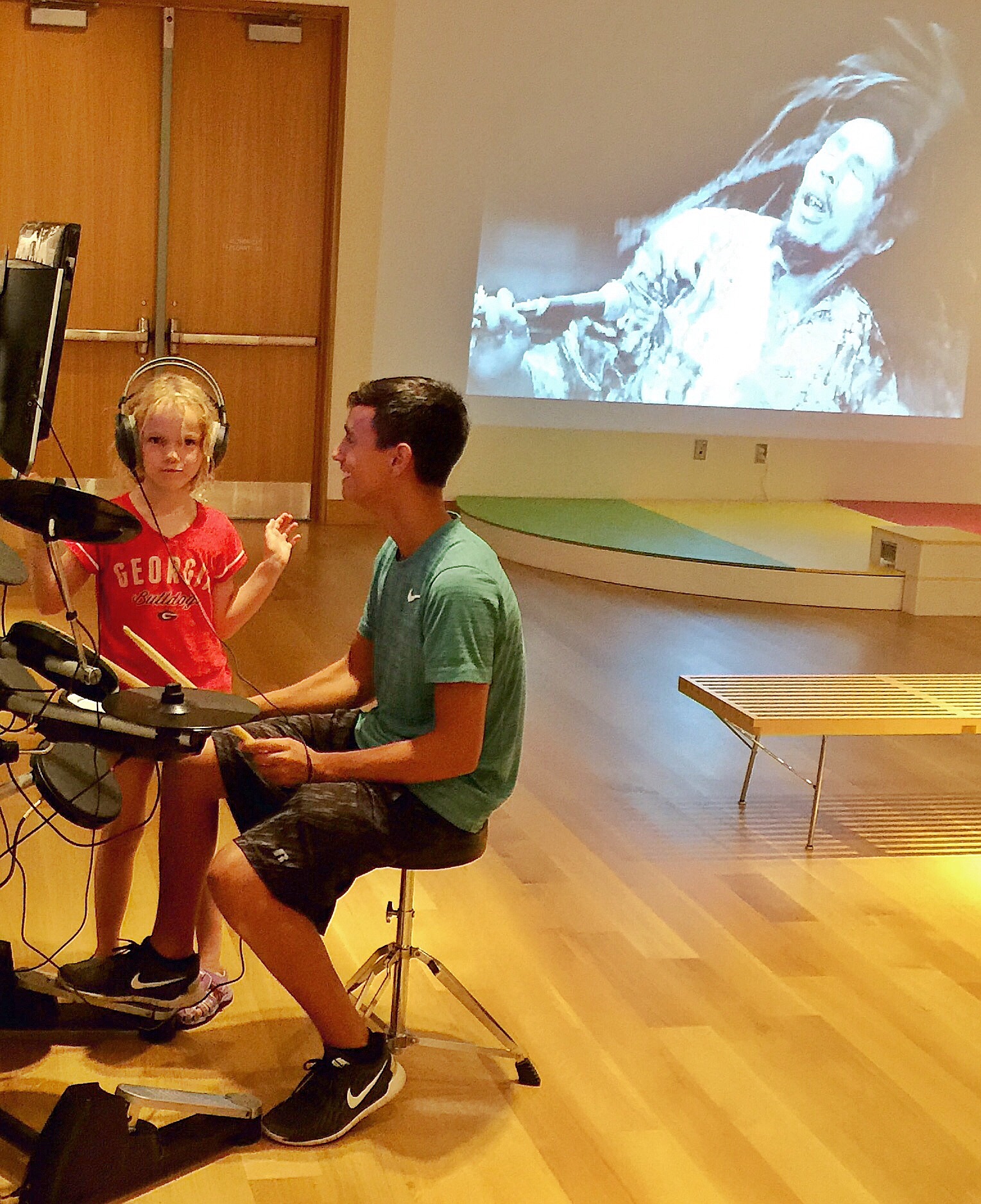
Tulsa turns out to be a really cute town with a trendy arts district. We visited the fabulous Woody Guthrie Center, and now we’ll probably be singing his songs for the rest of the trip. We’ve already worn out This Land is Your Land and The Car Song. Tonight our dreams will be full of Oakies, hobos, and Dust Bowl days. Nan, our six-year-old, liked Woody, but she really loved Bob Marley, who was featured in a special exhibit. She’ll be dreaming of Jamaica.image

image

image

image

image

It Looked So Good on Facebook

I’ve been posting pictures of our family travels for several years. I love to capture and/or stage a moment of sweetness and light that’s fit to gaze upon with a happy sigh. I wouldn’t dream of posting a photo that hadn’t been cheered up by one of the editing apps on my phone, either; I want to record how vivid the moment really was, and filters help me do it. But like everyone else who struggles with the blessings and curses of social media, I often feel false when I think of all the things viewers will not see when they look at my dolled-up images. A picture may be worth a thousand words, but some important ones are still omitted from my photo stories. I thought writing about our adventures would provide a fuller description of what actually happens when two middle-aged parents, six kids, and a dog roam the country together in an RV.

I just read a great little book by Frederick Buechner called On the Road with the Archangel. It’s a retelling of the apocryphal Book of Tobit, which I’d never heard of, since my Protestant-oriented Bible doesn’t include it. (I started out reading the book to my husband, Brandon, and neither of us was sure what was and wasn’t “apocryphal,” so we wikkied it and took a delightful side trip before we ever got to the story. We found a chart that listed every book included in the Bibles of all the various Christian tribes. I don’t care what anybody says, wikipedia is great, and it is as expansive as the library of Nineveh, as long as your battery holds out.) Anyway, the Book of Tobit and On the Road with the Archangel are set during the Assyrian captivity of the Northern Kingdom of Israel, and the stories feature parents, children, a dog, and a journey.  There’s also an angel, sent by God, to aid the other hapless characters. I like reading Buechner because he writes about people with affection; he makes them likable despite their foolishness and frailty and obliviousness of the jaw-dropping kindness God is extending to them.
Based on the chaotic exit we made from Lubbock on our departure day (one week and one day late), we don’t expect to appear any less ridiculous than the folks in Buechner’s book. Like Tobit, we trust “how, though never condoning the shadows that dwell in the human heart, [the Holy One] is forever dispatching angels of light to deal with them mercifully.”