In the Garden


image

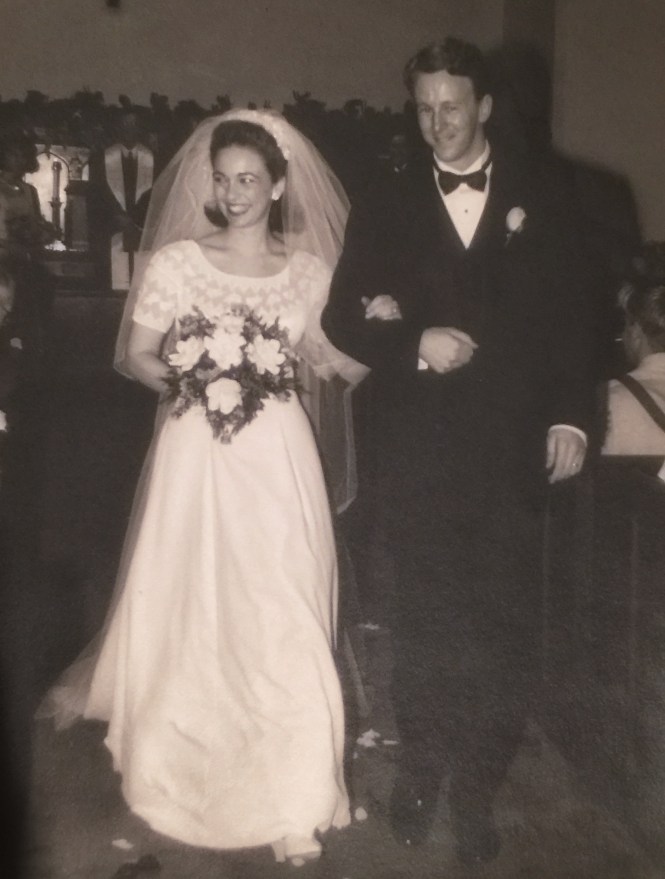
“Selfishness in a relationship is like a tick on a dog,” Frank Mashburn warned in a sermon during my wedding ceremony. “One person will suck the other dry after awhile.” I got married in South Georgia, so the illustration was one with which the audience could easily identify. I nodded along in agreement with the rest of the congregation, but it was probably ten years before I realized Frank was addressing me in that sermon. That’s the hurdle in attempting to exhort a self-absorbed 23-year-old, I guess.
image

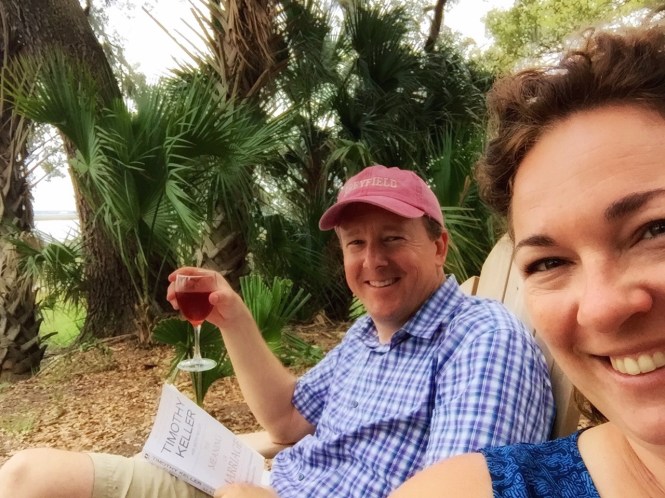
Brandon and I went honeymooning back in Georgia to mark our twentieth wedding anniversary, and we read Tim Keller’s The Meaning of Marriage, a book which echoes Frank’s nuptial caution. With burning cheeks, I look back on that smug girl at the church altar (and the smug girl from just a few minutes ago), and I’m thankful, not only that Brandon has stayed married to me, but that marriage has been an instrument for revealing the ugly things I didn’t know about myself and directing me toward the real source of beauty, goodness, and hope.

Keller’s book has reminded me that the little victories and big joys in marriage have come when I have set aside my agenda for the sake of someone else. Brandon, who was clearly listening to the wedding homily more closely than I, is great at this kind of cheerful service. It’s a counterintuitive notion for a self-preservationist like me, but it is natural to God. Keller says, “From John 17 and other passages we learn that from all eternity, each person [of the Trinity]–Father, Son, and Holy Spirit–has glorified, honored, and loved the other two. So there is an ‘other-orientation’ within the very being of God.”  Reviewing the sometimes-uncomfortable learning experiences of the last twenty years, I’m encouraged to see evidence of change in me, however small, and this gives me hope for whatever is coming next.
image

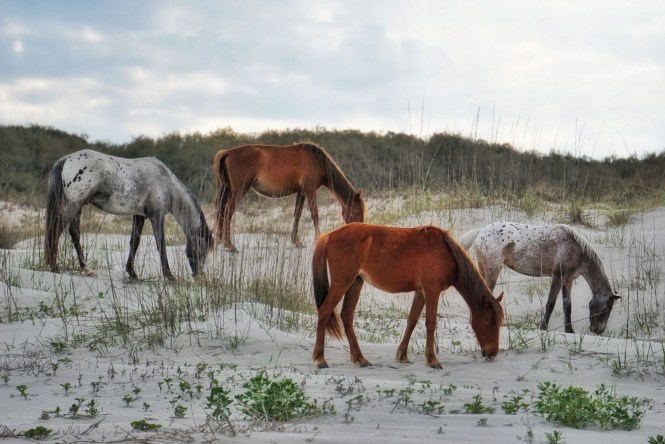
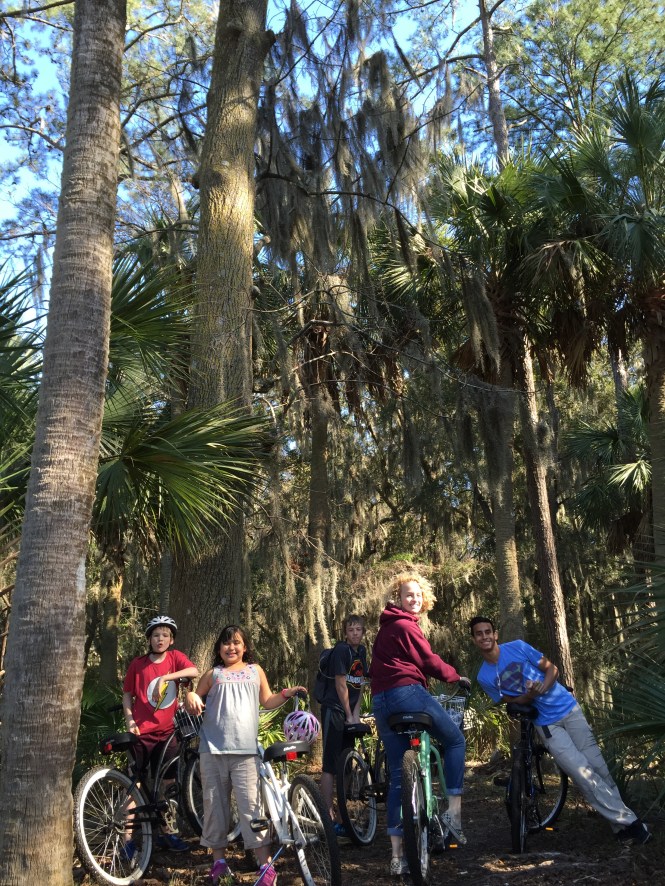
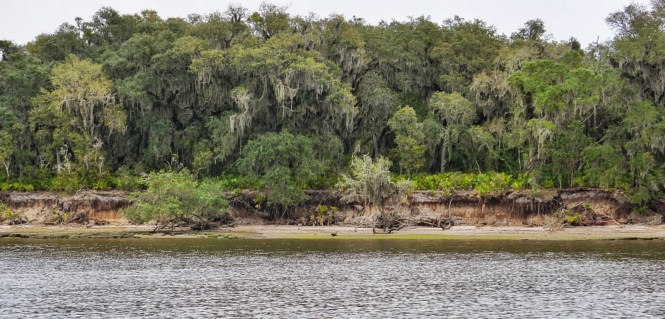
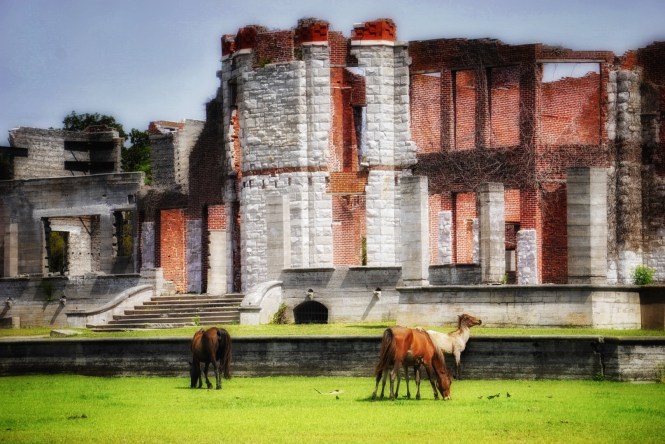
I don’t really like to be alone. If I go out to get groceries by myself, and it takes longer than I expect, I start to miss my “people.” A few years ago, though, I spent a whole day by myself, and I loved it. I’d gone on a business trip with Brandon, and while he was in meetings, I woke up before the sun, drove from Jacksonville, FL to St. Marys, GA, and boarded a ferry to Cumberland Island, the southernmost of Georgia’s barrier islands. At one time much of Cumberland was cleared for cotton like the mainland, but the National Park Service took it over in the early 1970s. It is 36,000 acres of martime forest, salt marsh, freshwater wetlands, and undeveloped beach. There’s a herd of feral horses and the ruins of a grand mansion from the days when wealthy northern industrialists built vacation homes in the area. I wandered around on foot all day, and when I caught the last ferry home that evening, I had to keep my sunglasses to hide the bawling I did all the way back. It was so quiet there that I was uncharacteristically quieted, too. I remember trying to tell Brandon about it later; I think it was the most incoherent I’ve ever sounded. I decided he would just have to see for himself someday.
image

image

image

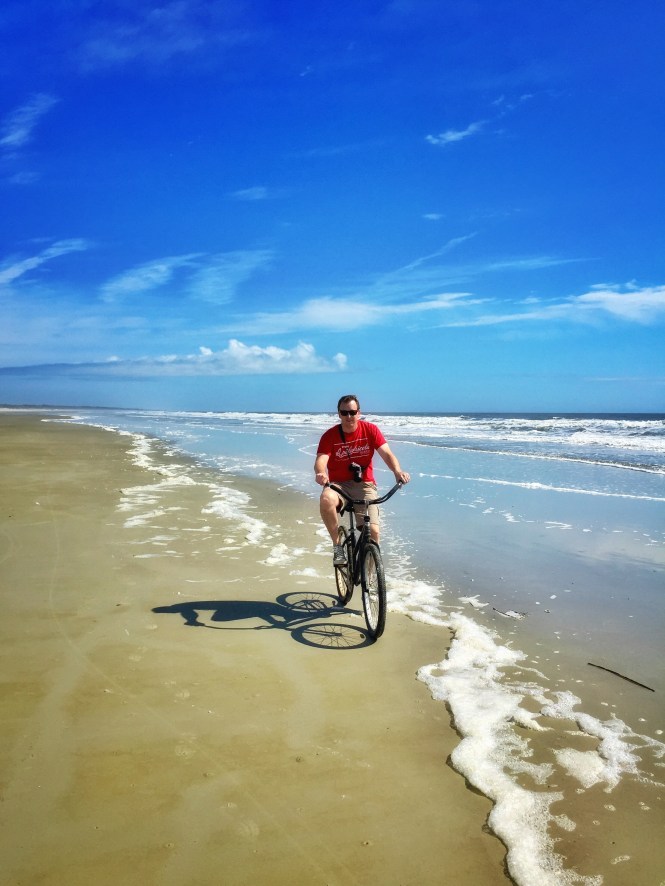
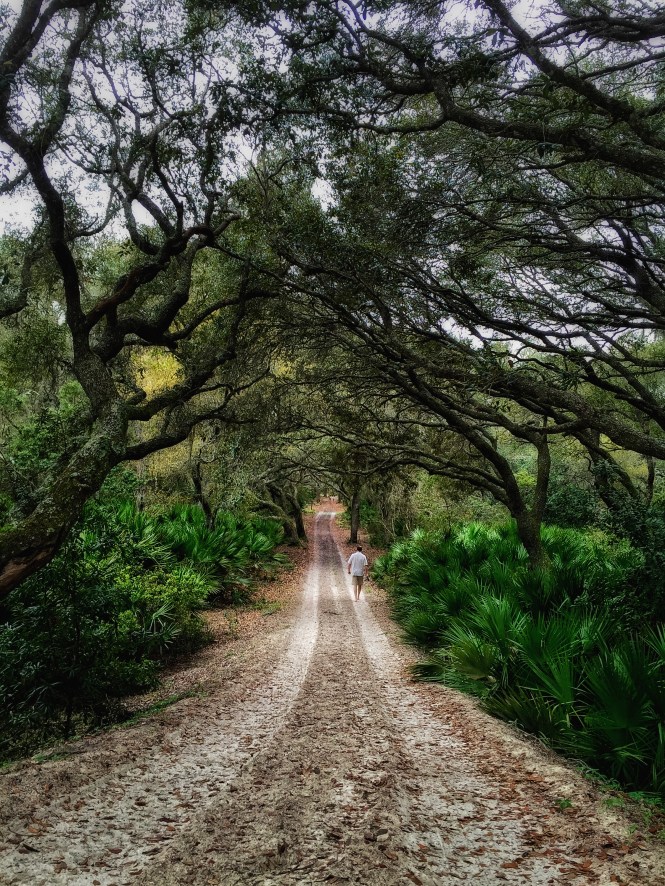
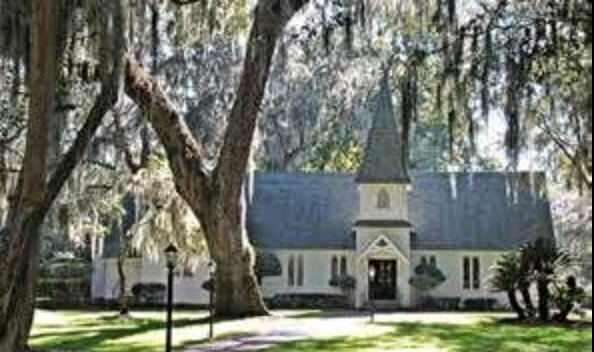
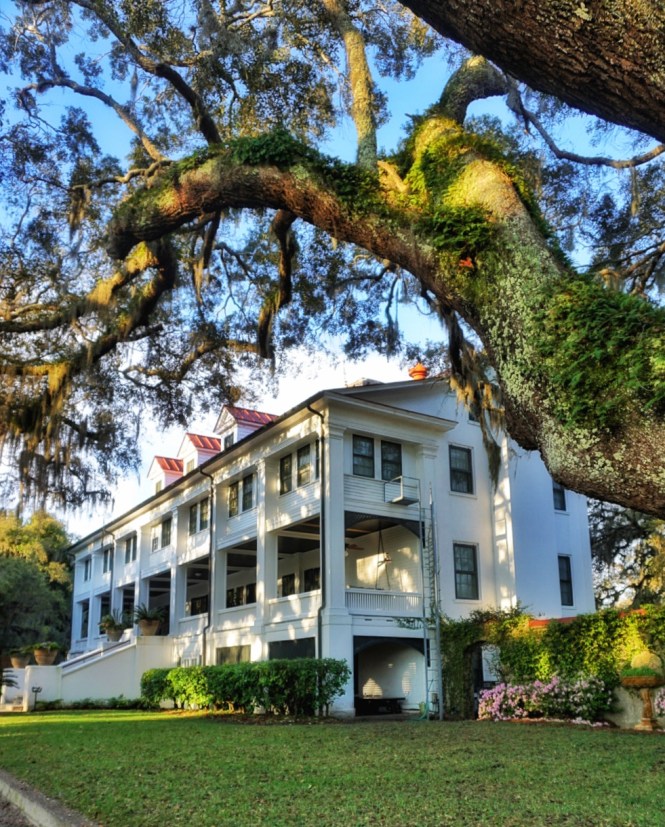
The only lodging on Cumberland, besides a tent, is in an old, Gilded Age “cottage” repurposed as an inn. It’s an oddly elegant place for such wild surroundings, but when we walked off the property, it felt like we were the only people on the island. We scoured the woods and marshes for hours, never seeing another person. We biked up and down miles of deserted Atlantic shore. We considered the transience of our lives as we gazed at the crumbling ruins of the old Carnegie mansion and stood in the doorway of the little church where John Kennedy, Jr was married. Back at the inn, we ate delicious food, freshly-caught, organically-grown, thoughtfully-prepared, and cheerfully-served by a small army of staff. Over dinner, we chatted with interesting guests, who may have judged us, with our large family and dusty Texas hometown, as exotic as we found them! Our daily tasks were to enjoy and explore, and when we were tired from all that, to rest.
image

imageimage

image

image

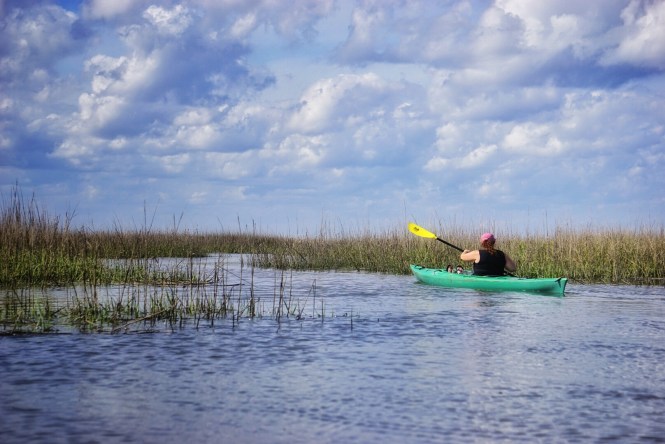
In our little Eden, I was a perfect wife. Now we are traveling home, our minds already preoccupied with the pressing assignments of a new week, and our lovely island rendezvous is trapped in a few photos which will only occasionally be revisited. I packed a little ziplock of treasures from the island: sand dollars, whelk shells, and shark tooth fossils. What wasn’t crushed in transit will stink mightily when I open the bag.  After the emotional rush of reunion with the children, I am likely to slip back into a familiar pattern of easy-irritation and short-tempered exchange. I will step on the scale and find that despite a week of hiking, biking, and kayaking, I didn’t lose a single pound. (Preoccupation with how I look is an excellent distraction from concern over how I treat others.) After a few days, my burning resolve to reach new heights of wifely and motherly performance will be reduced to a smoldering heap (under a blanket, on the couch). I might even fall asleep while Brandon tries to tell me about his own struggles with “re-entry.” I will probably be discouraged. Relational failures are glaring, but acts of love are often so quiet and ordinary that they escape tally. Keller, quoting W. H. Auden,  says longtime love is a “creation of time and will” fueled by a generosity one receives from God, through Jesus, and then extends to another. My progress in learning to love unselfishly may be slow, but as a favorite Bill Mallonee song from our courting days goes, “I will strain my soul to hear the words of love spoken.”
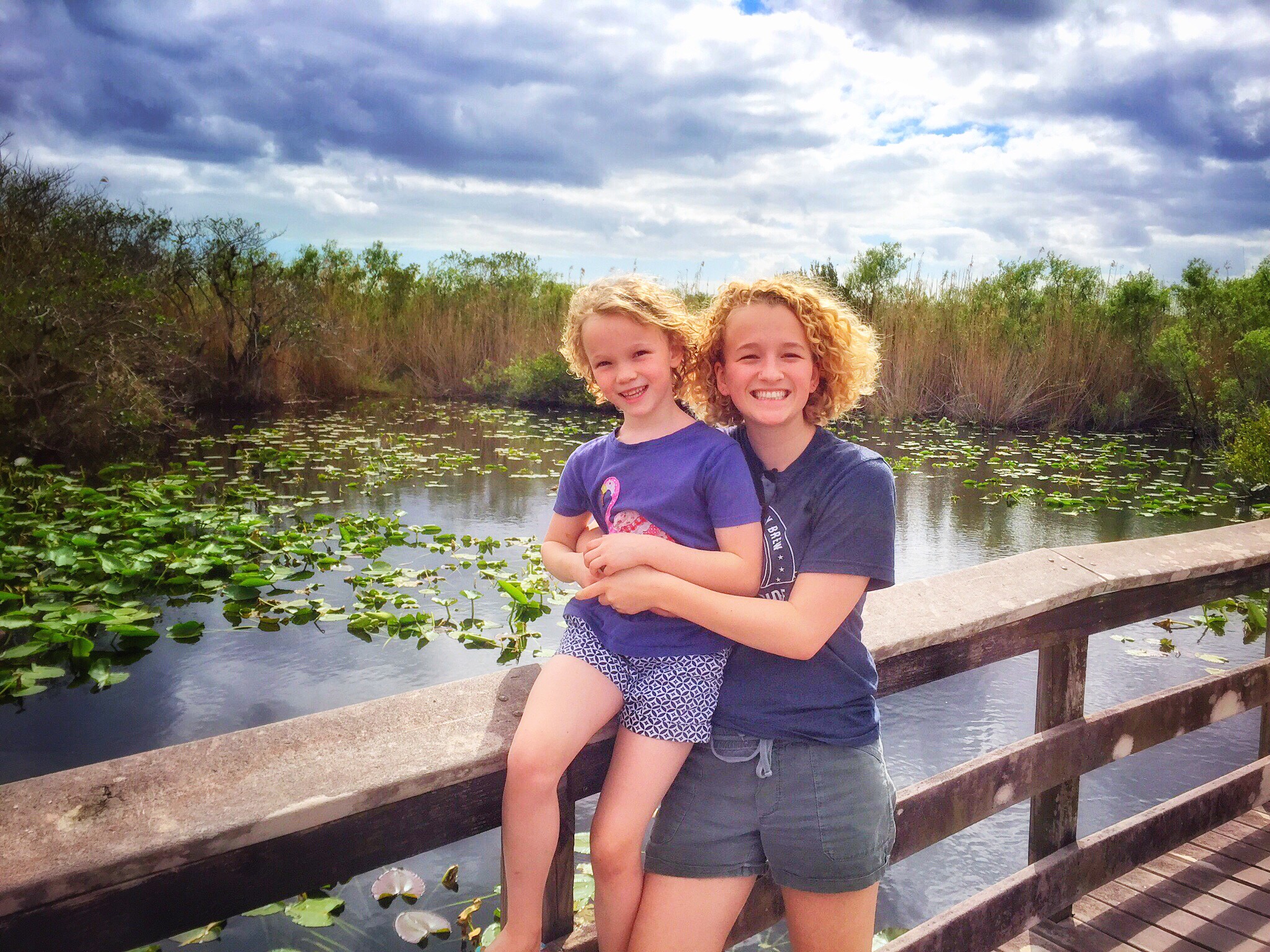
A Land Remembered

 Florida Everglades 


I went off to college with my friend, Hope. We were pursuing degrees in nursing, but since Hope’s boyfriend, Brent, was in the forestry school, we also got a healthy dose of wildlife biology. Brent had to memorize long lists of Latin names for every critter in the Southeast; some of them still pop into my head from time to time: Odocoileus virginianus, Meleagris gallopavo, Sus scrofa. He made sure we learned a proper philosophy of land stewardship, and in return we persuaded him to dress up and boot-scoot-boogie at our sorority formals.

It’s not surprising that Brent’s favorite book is A Land Remembered by Patrick L. Smith. The story chronicles the rise of the fictional McIvey family from impoverished wilderness squatters in the mid-1800s to real estate moguls in the 1960s. The book introduces readers to a Florida most don’t realize existed, and it warns about the consequences of a reckless use of natural resources. I confess, outside of colonial Spanish history, I mostly thought of Florida in terms of gimmicky recreation. Thanks to Brent’s recommendation, we enjoyed a fabulous history lesson listening to the McIvey’s Florida odyssey while driving through the state on an adventure of our own.

In our audiobook, the first generation of McIveys wander into Florida trying to avoid the Civil War. They almost starve for the first decade they live there, and they don’t avoid the war altogether. Tobias McIvey is conscripted to round-up and drive cattle north to Confederate camps. He makes it back alive, and he realizes there might be money in selling the wild cattle roaming the Florida wilderness. He also decides he’s too close to civilization (and the misbehavior of the residents there), so he moves his family from Northern Florida to the more-isolated Kissimmee River area above Lake Okeechobee.

Our first Florida stop was St. Augustine.  Founded in 1565, it’s the oldest city in America. A lot of its touristy history spots are focused on colonial Florida, but we did get our first taste of Henry Flagler, Standard Oil co-founder, hotelier, and railroad-builder. And we learned about “crackers.” I thought this was just a derogatory term from my Georgia childhood, but it turns out the name was associated with Scotch-Irish drifters, like Tobias McIvey, who herded wild cattle with long, cracking whips in the early days of Florida.

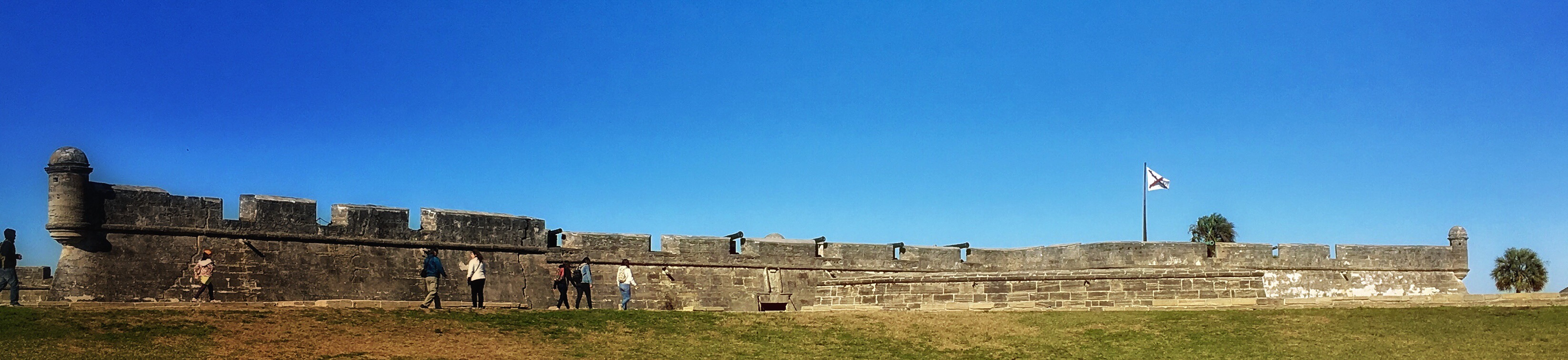
  Spanish fort Castillo de San Marcos was built to defend against pirates, natives, and French, British, and South Carolinian invaders.

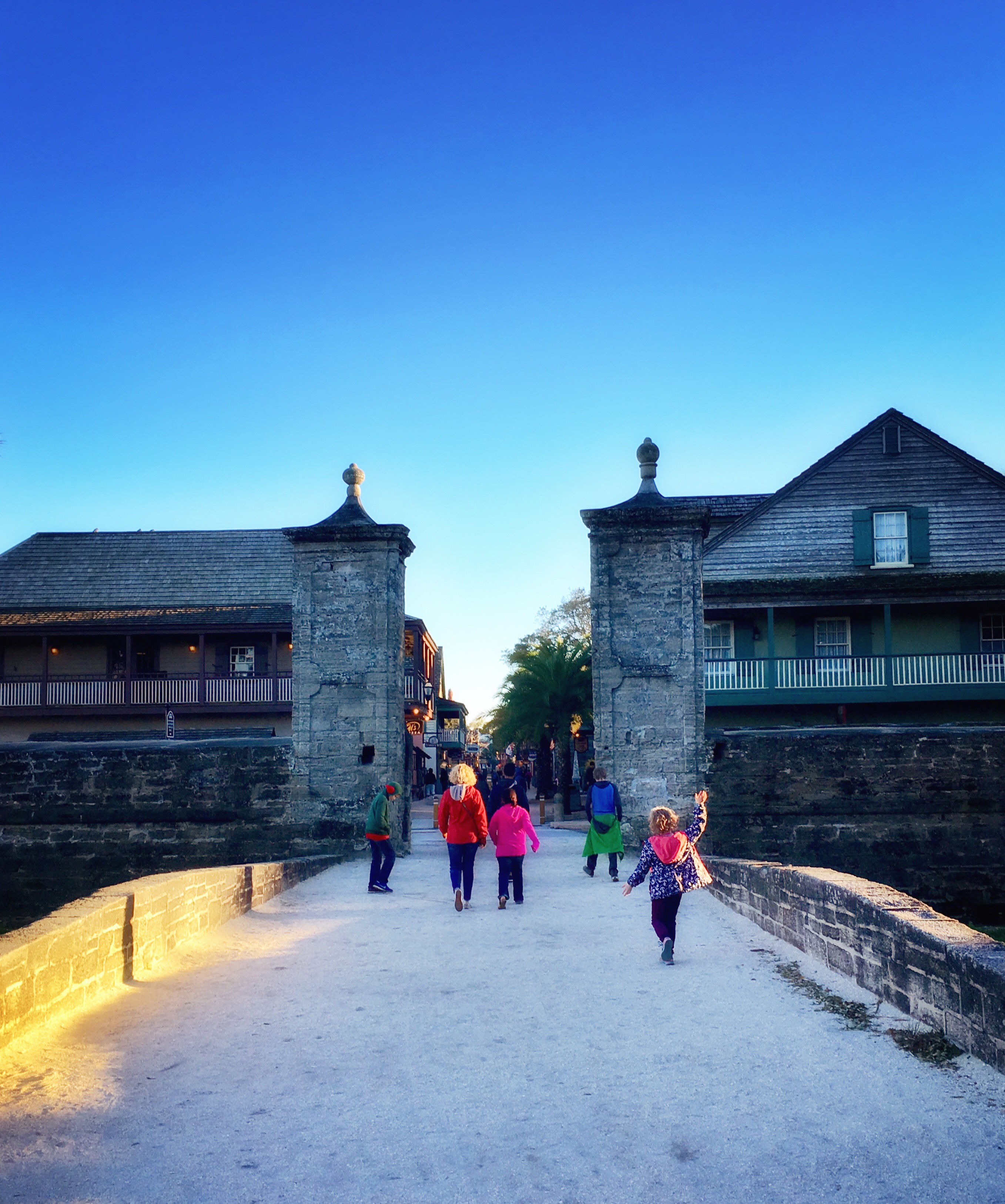
  St. Augustine was once a walled city. The city gates survive thanks to a bunch of old ladies who camped out around them in protest until an 1880s mayor scrapped his plan to tear them down.

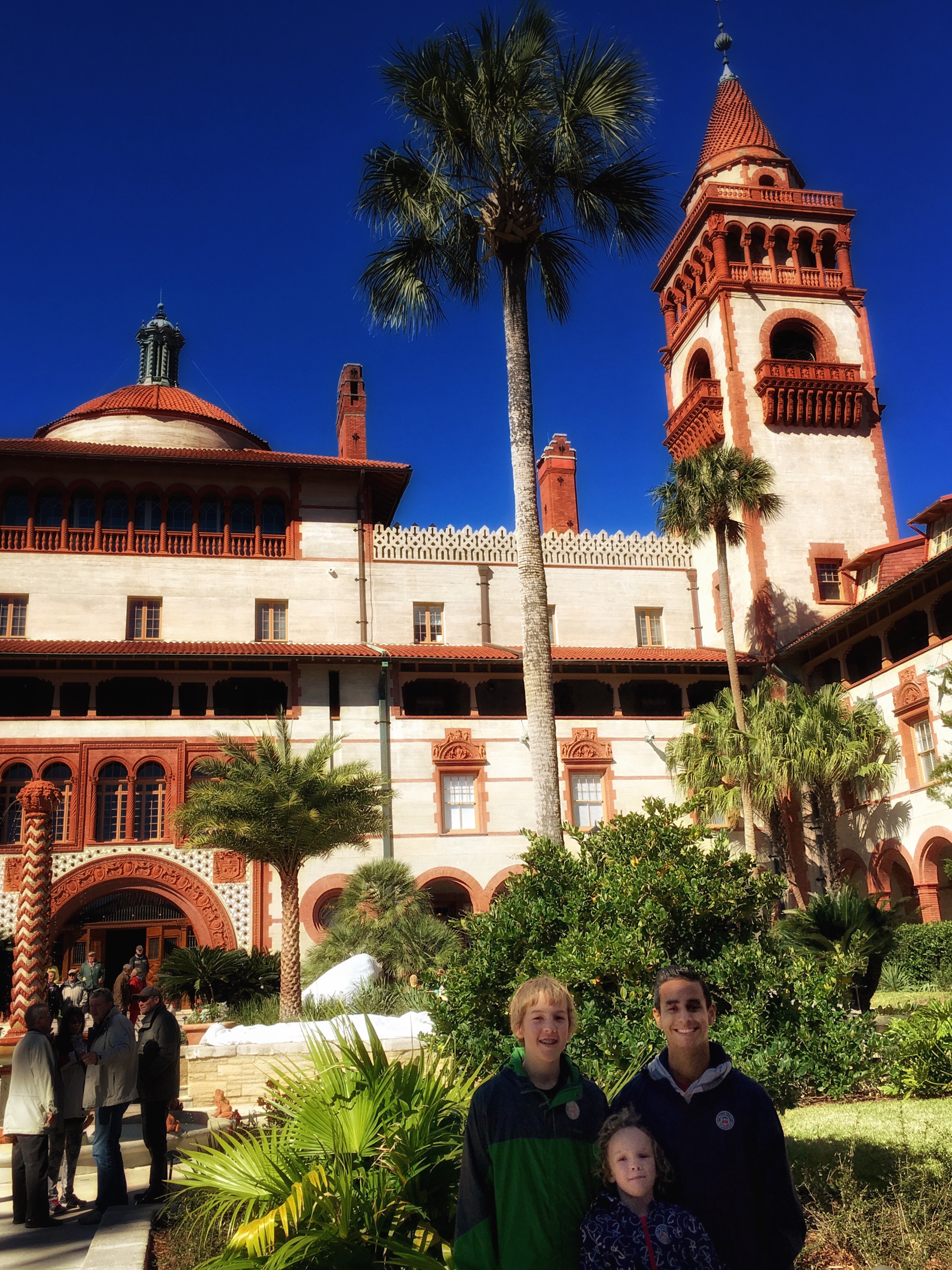
  Henry Flagler’s luxurious hotel is now a college.

As we traced the coast toward Miami, we were still riveted by the McIvey saga. Tobias has made enough money on cattle to diversify into oranges. But a terrible freeze in 1894 kills orchards all over the state. It’s so bad, settlers walk away from their land altogether. Tobias hears that there are surviving orange trees at Fort Dallas, so the family loads up a wagon and heads south for new trees. (We looked and looked on our map, but we could not find Fort Dallas. Finally, I wikkied it, and discovered Fort Dallas is now called Miami!) In Fort Dallas, the McIveys purchase new trees and a huge parcel of land on a long, swampy island right off the settlement. They head back to Kissimmee, just before Mr. Flagler arrives with his railroad and turns Fort Dallas into a vacation paradise.


In Miami, we stayed with Rosa Figueroa, the mother of our Lubbock friend, Abi Morales. We arrived in the  evening, and some of Abi’s cousins were just leaving. Instead, they lingered, chatting away with the kids until after midnight. Mrs. Rosa mothered us all, making coffee in the morning and hot chocolate before bedtime, and loading the RV with extra provisions when we left. I loved listening to her stories of growing up in Puerto Rico and working as a nurse in New York City.

We visited Calle Ocho to watch lightning-fast rounds of Dominos and taste Cuban dishes. (We learned that yucca, like okra, tastes better fried than boiled.)

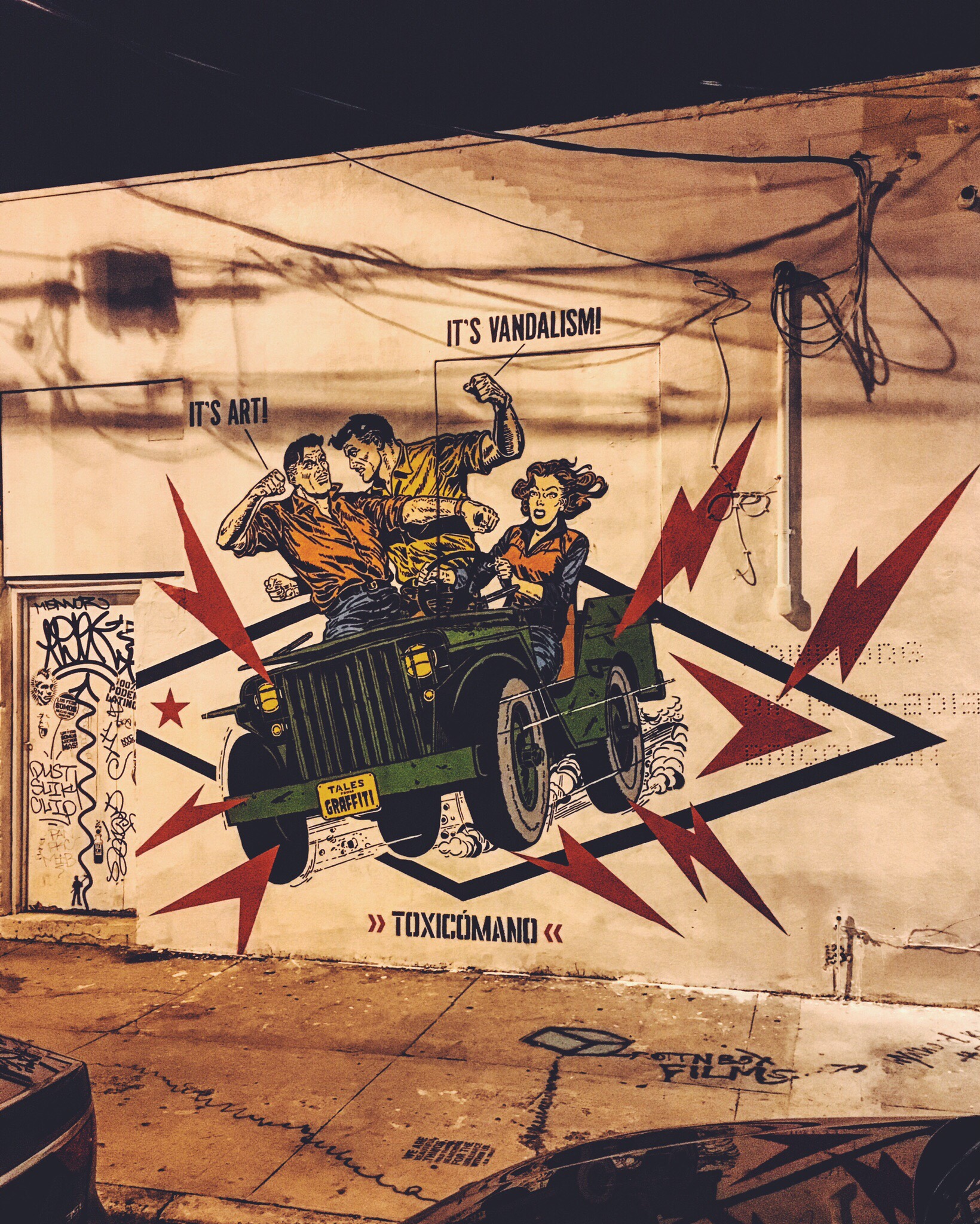
Jane was thrilled by all the graffiti art in Wynwood.  It was dark, so my pictures aren’t very good, but here’s a link to see more of the murals, which cover the sides of buildings all over the district: www.thewynwoodwalls.com

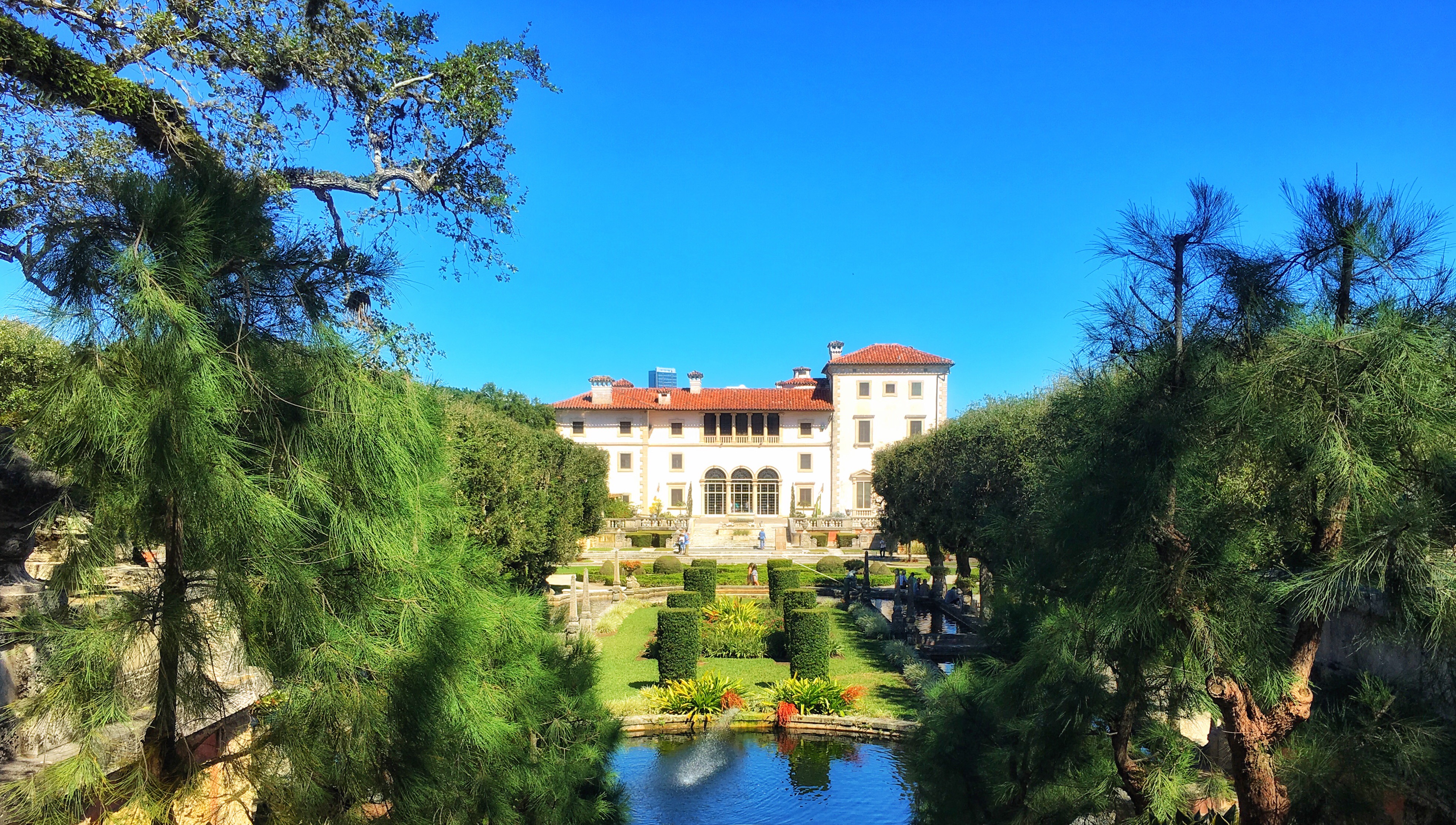
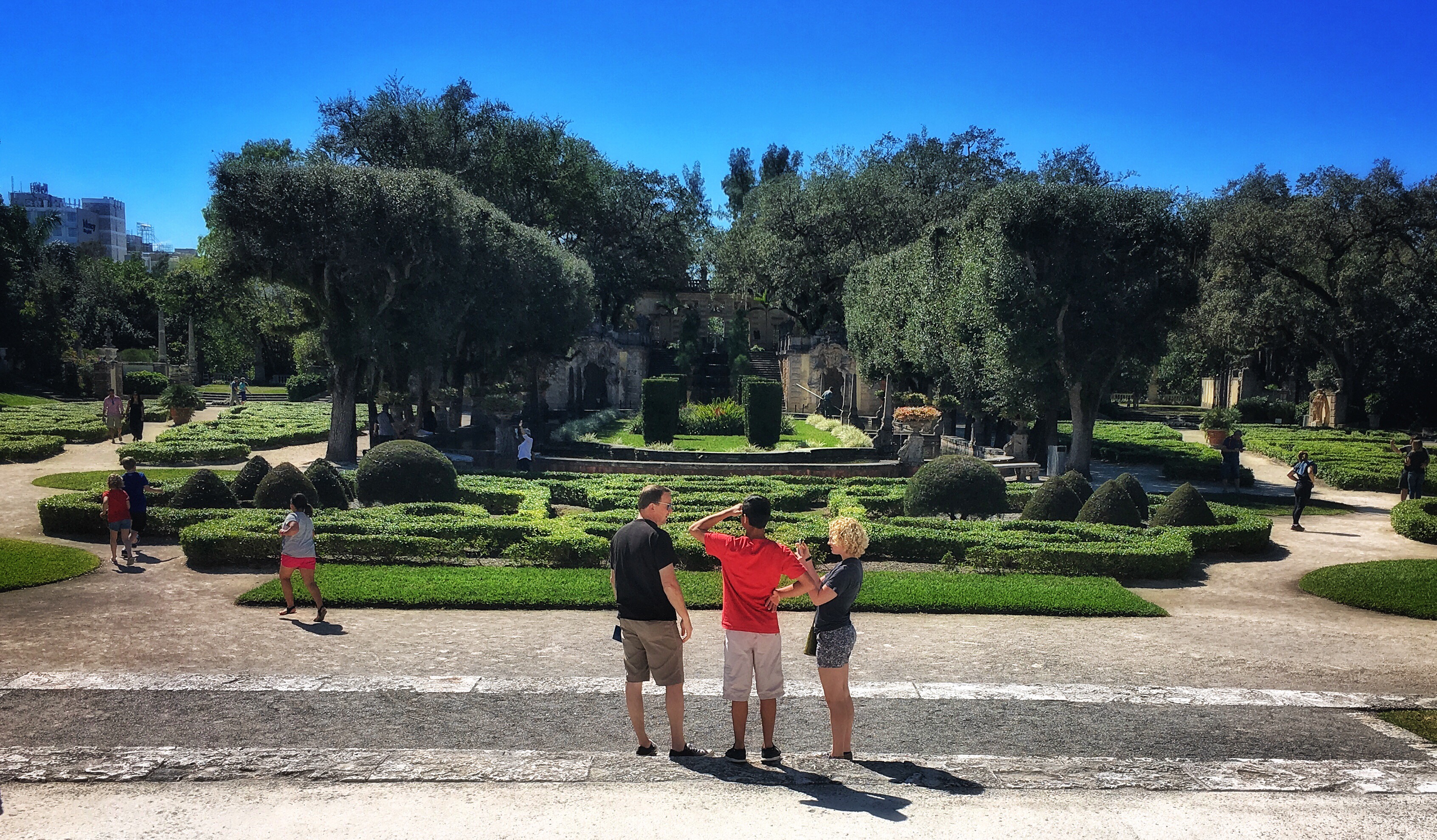
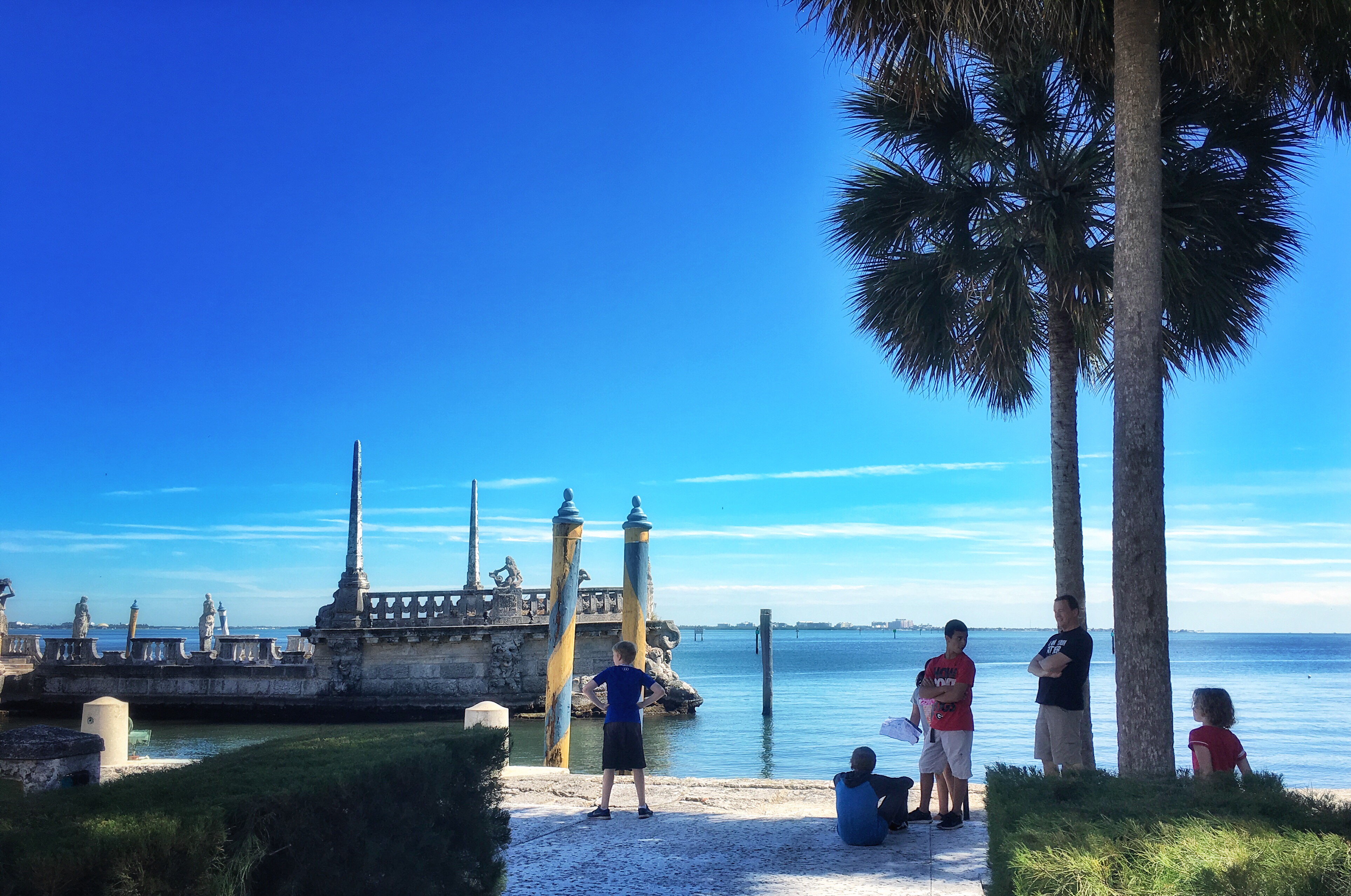
Meanwhile in our audiobook, two more generations of McIveys toil away on the Florida frontier and profit from economic booms and busts of the early twentieth century. The last McIvey, Sol, accumulates a huge fortune by draining more and more of the Everglades for his agriculture and real estate businesses. He’s successful, but often unhappy, and he is increasingly uneasy with the distance between his way of living and that of his grandparents. We visited a huge, old estate on Biscayne Bay, just like the mansion Sol built in the book, and we felt his ghost all over it!

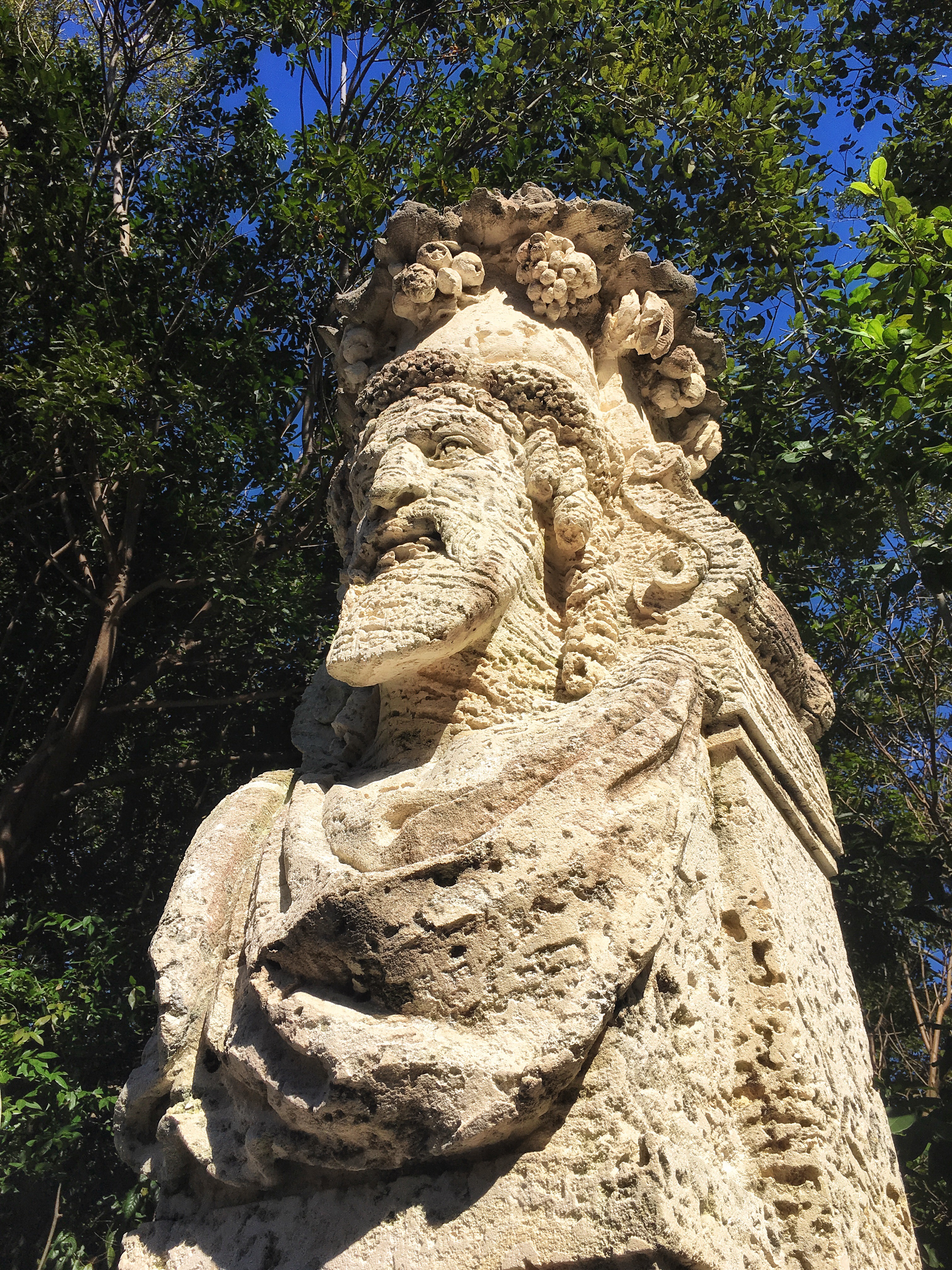
Villa Vizcaya

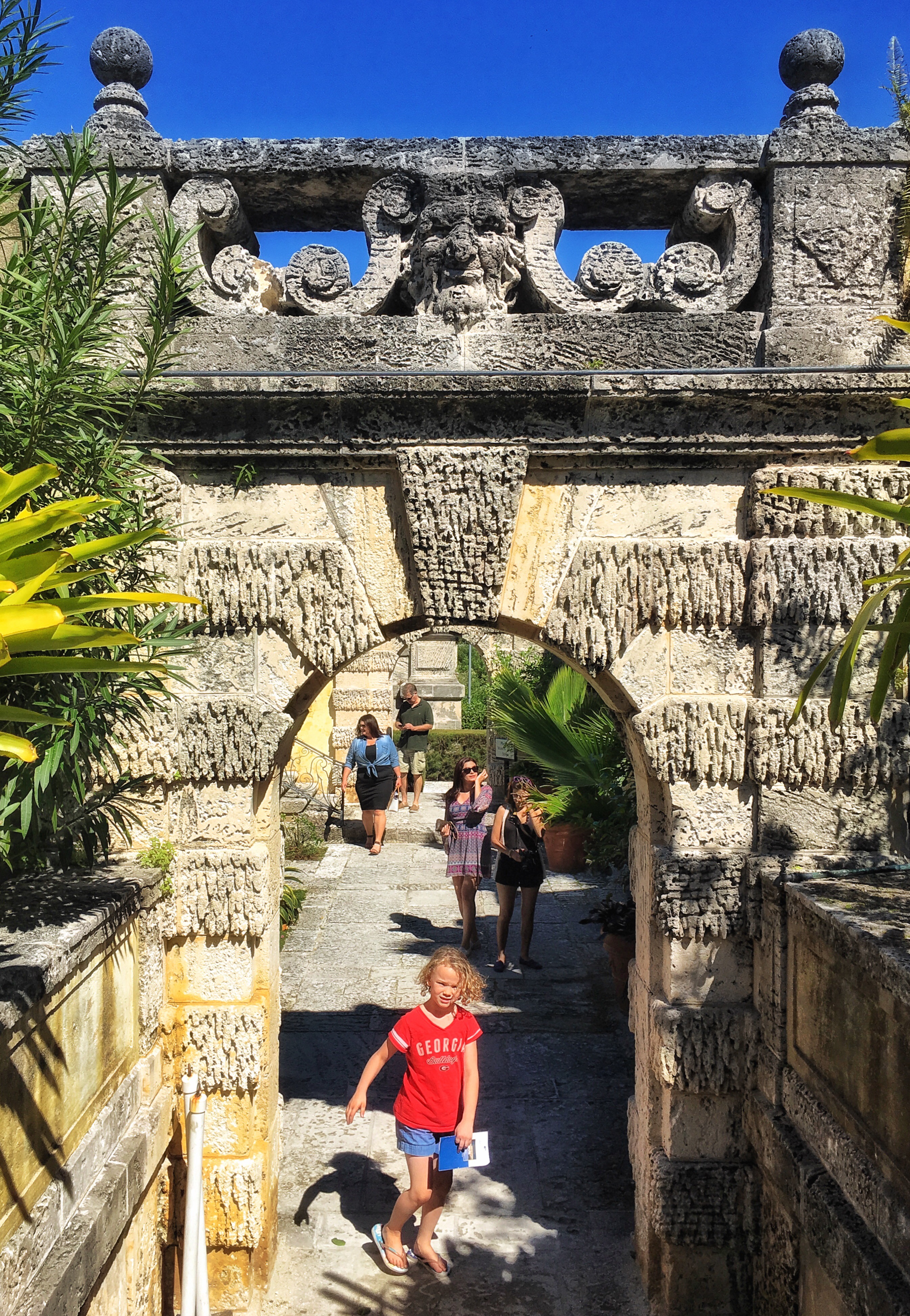
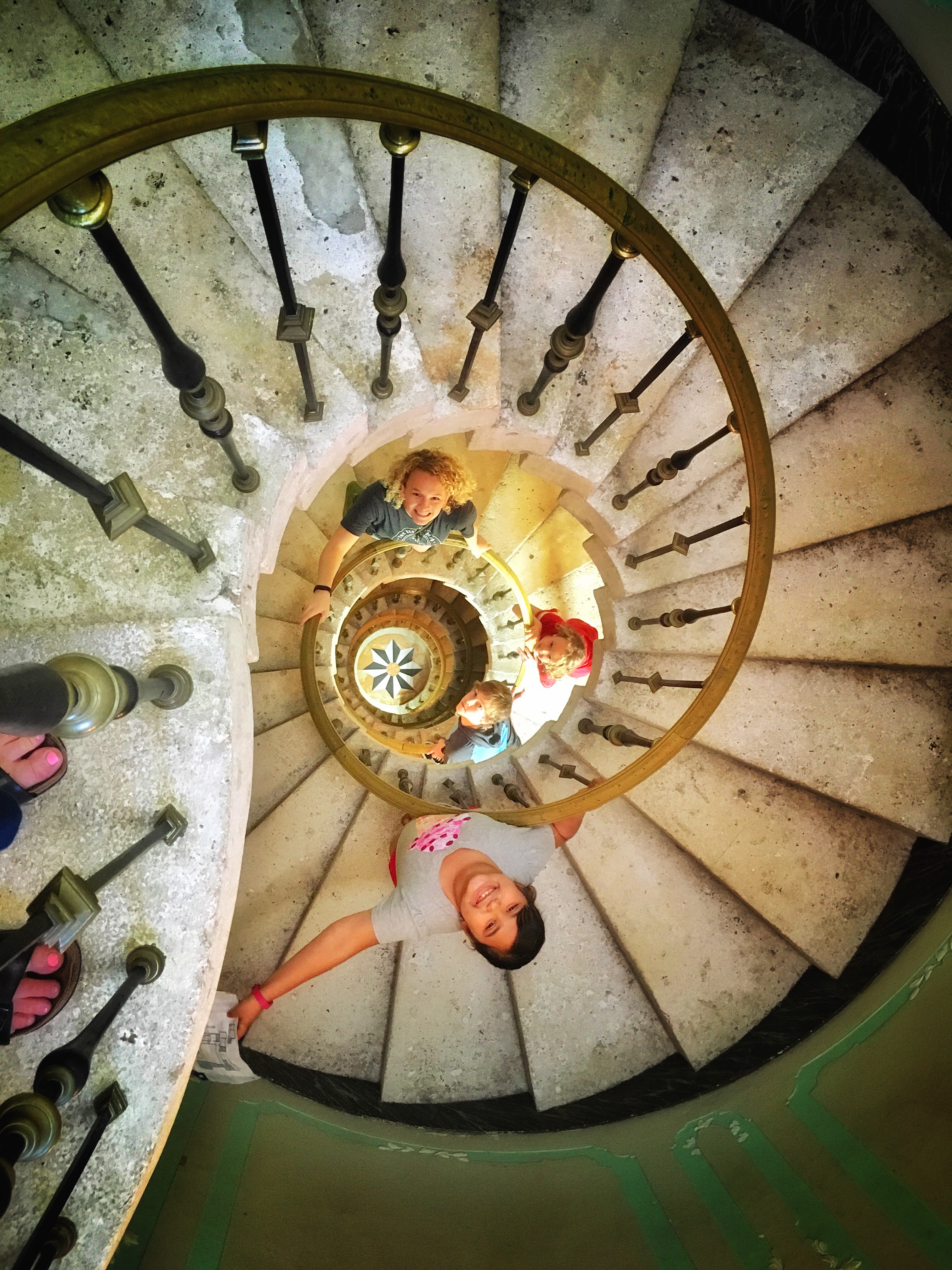
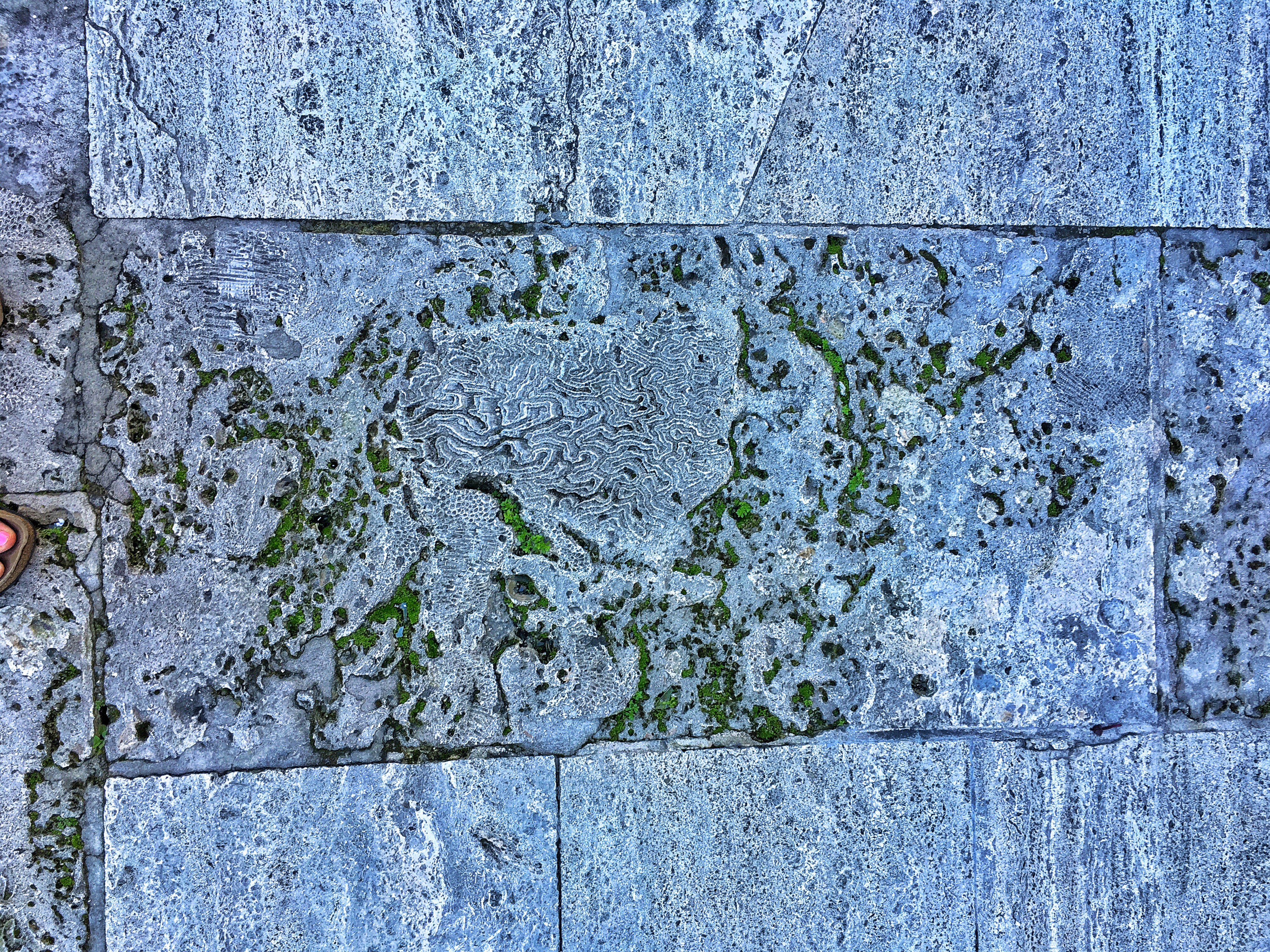
I was fascinated by the swirling fossils in the coral rock used to build the mansion.

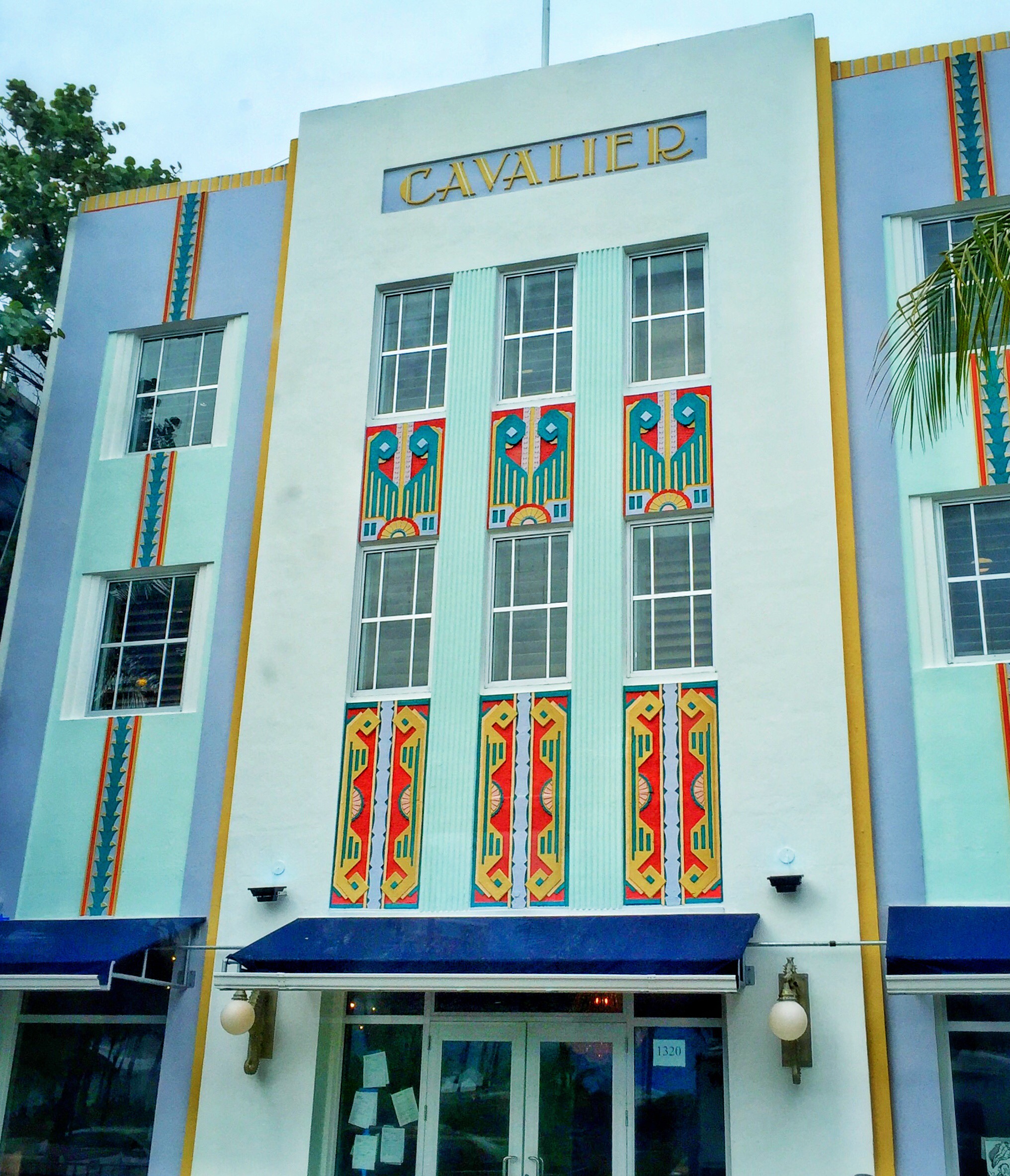
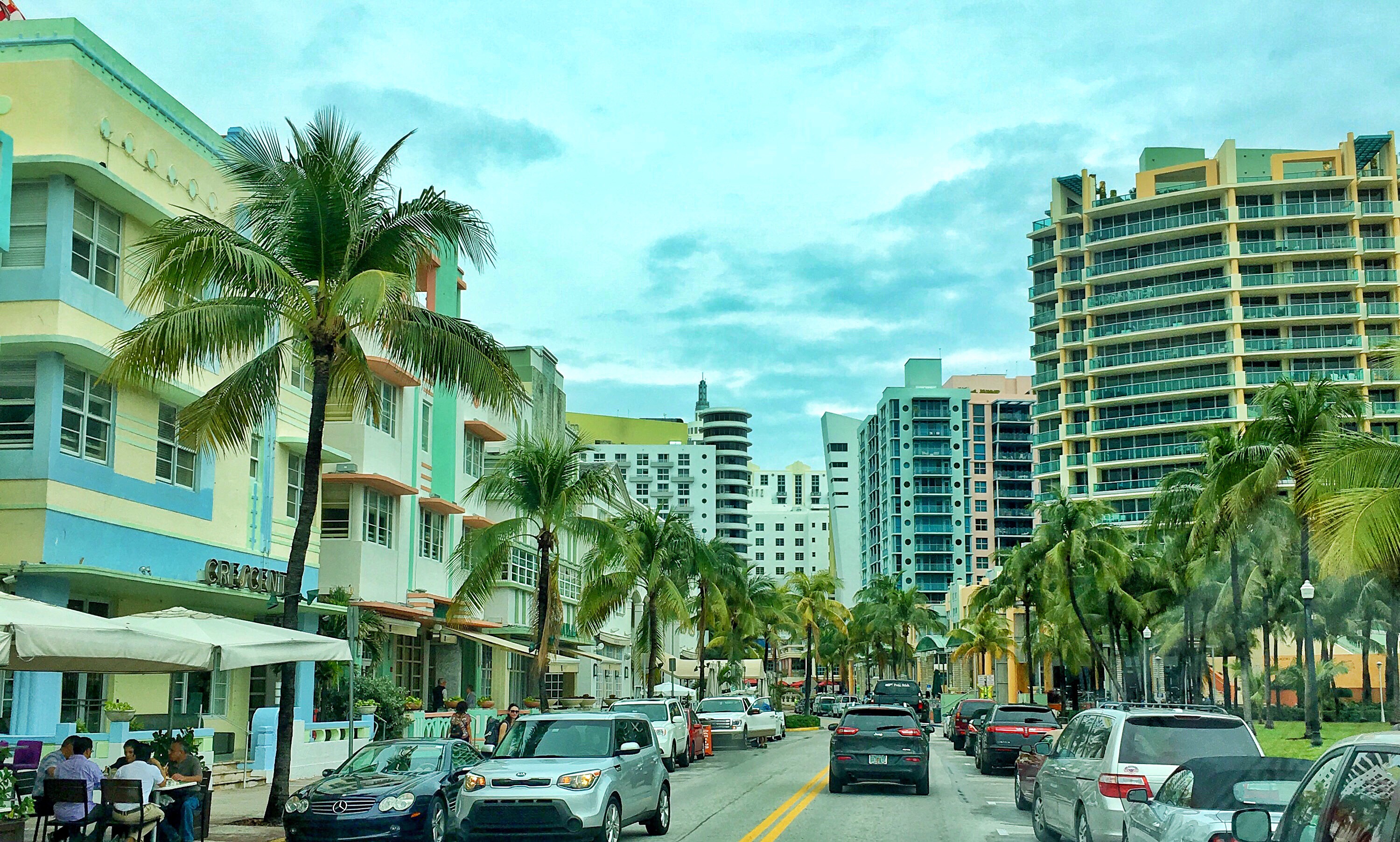
A Land Remembered ended as we drove along Ocean Drive on South Beach gazing up at the colorful rows of Art Deco buildings. We knew the ocean was there, but we couldn’t quite see it. About that time Sol, now an old man, curses the big hotels he built that “blocked out the sea.” Meandering along the famous road, we found ourselves crying over Sol, and all his regrets, but we could understand how it happened, too. Like the generations before him, he worked tirelessly to make progress, but what he earned was a disappointment he couldn’t reverse.


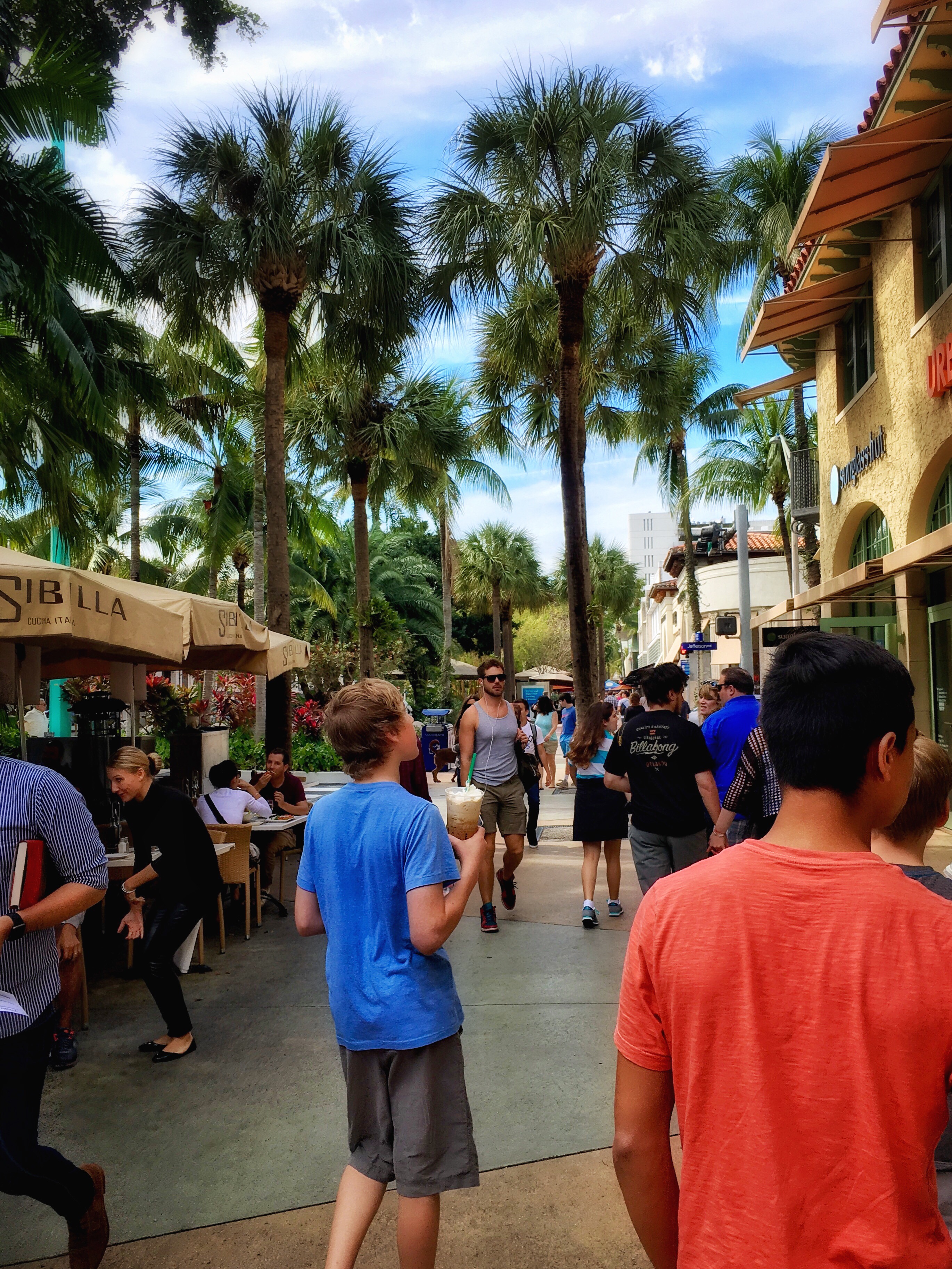
We were a little disappointed not to run across any naked people on the beach. Perhaps it was too chilly. There were lots of interesting people to watch on Lincoln Road, though.


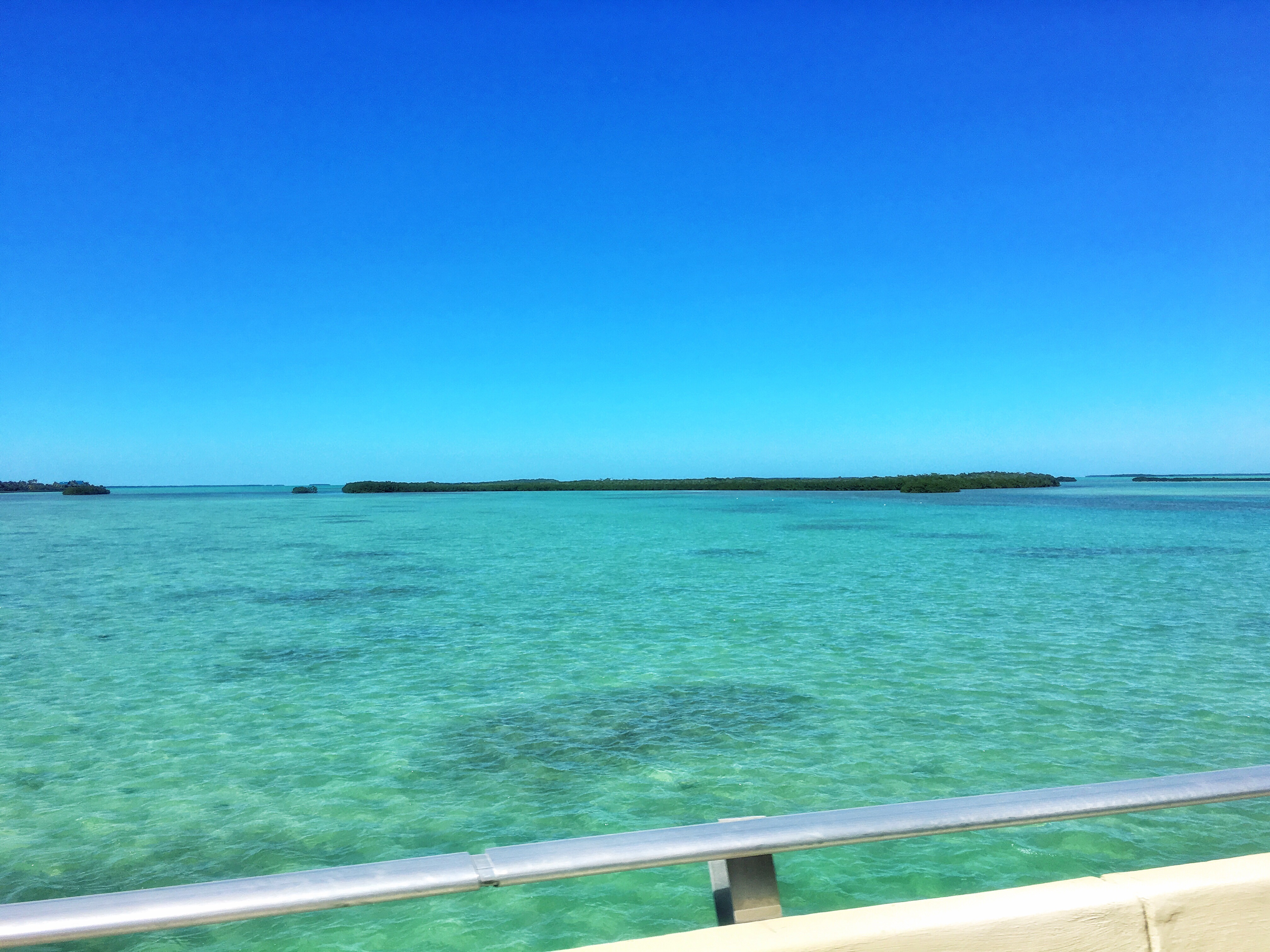
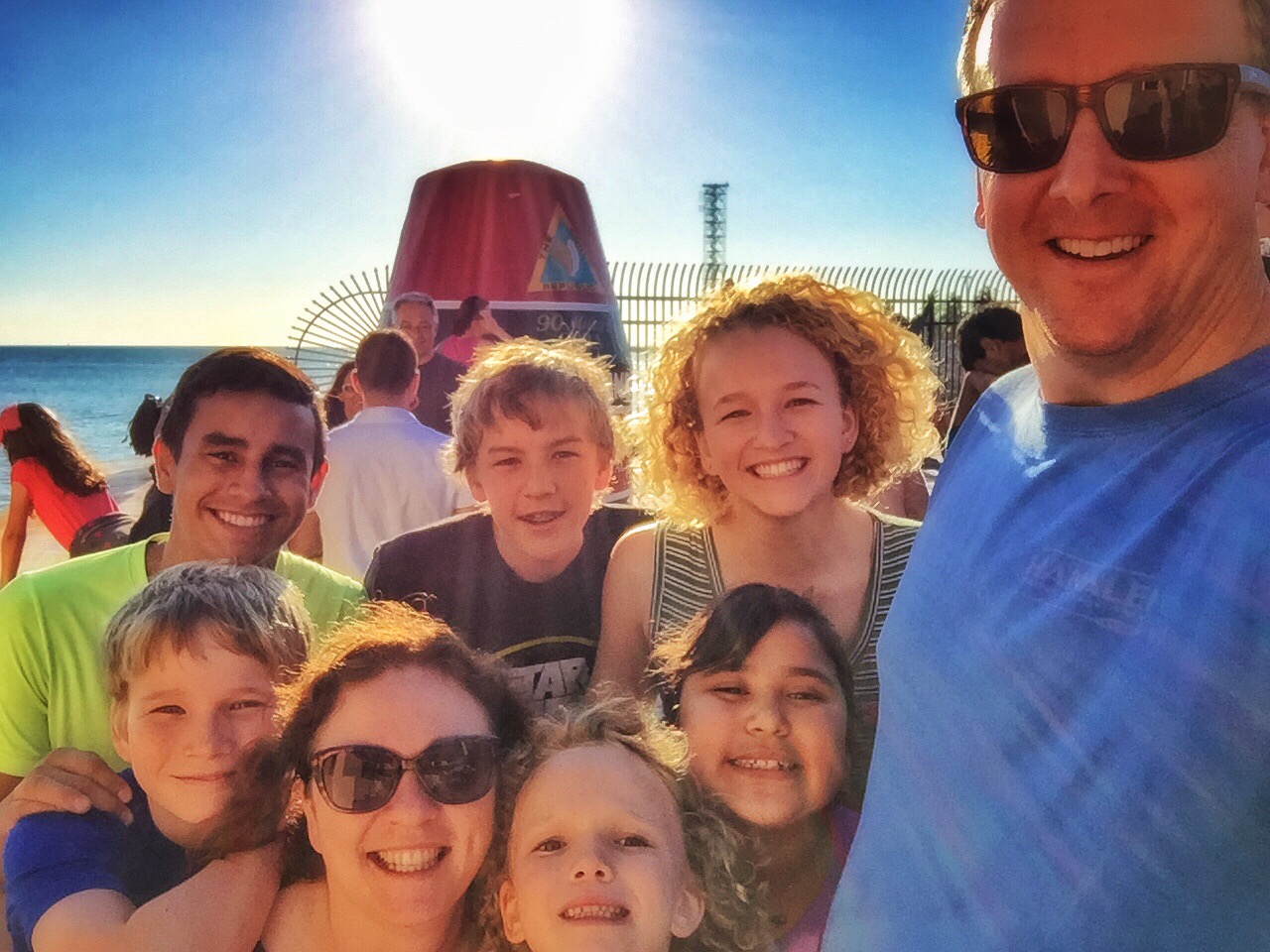
After Miami, we pushed on south toward the quiet, shallow waters of the Florida Keys. Southern-most point selfie at Key West

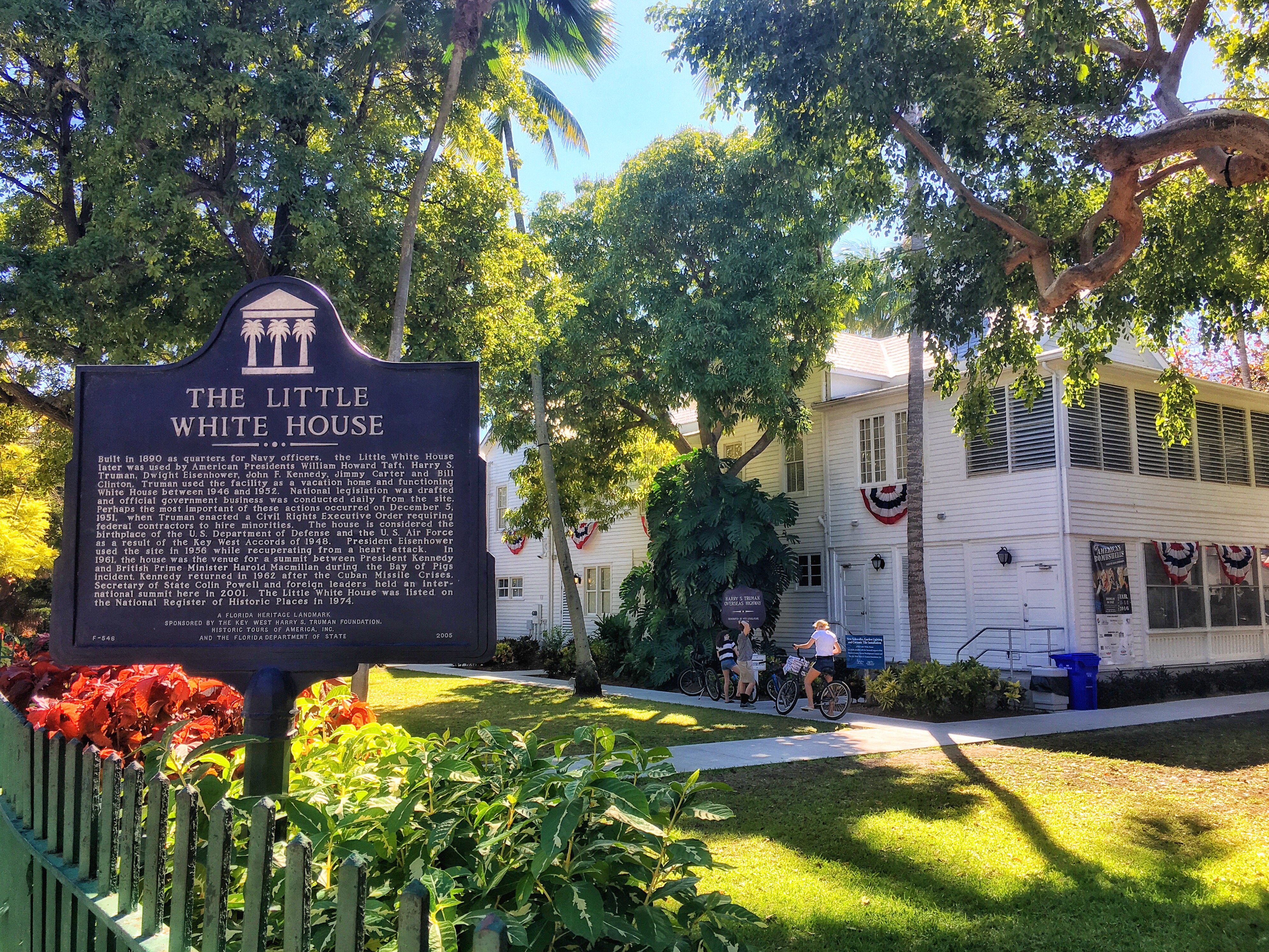
While touring Truman’s Little White House, we wowed our guide with the stories we learned about Truman from a fellow we met in San Diego recently. The guide was able to find a picture of Truman and our source’s father in a book.
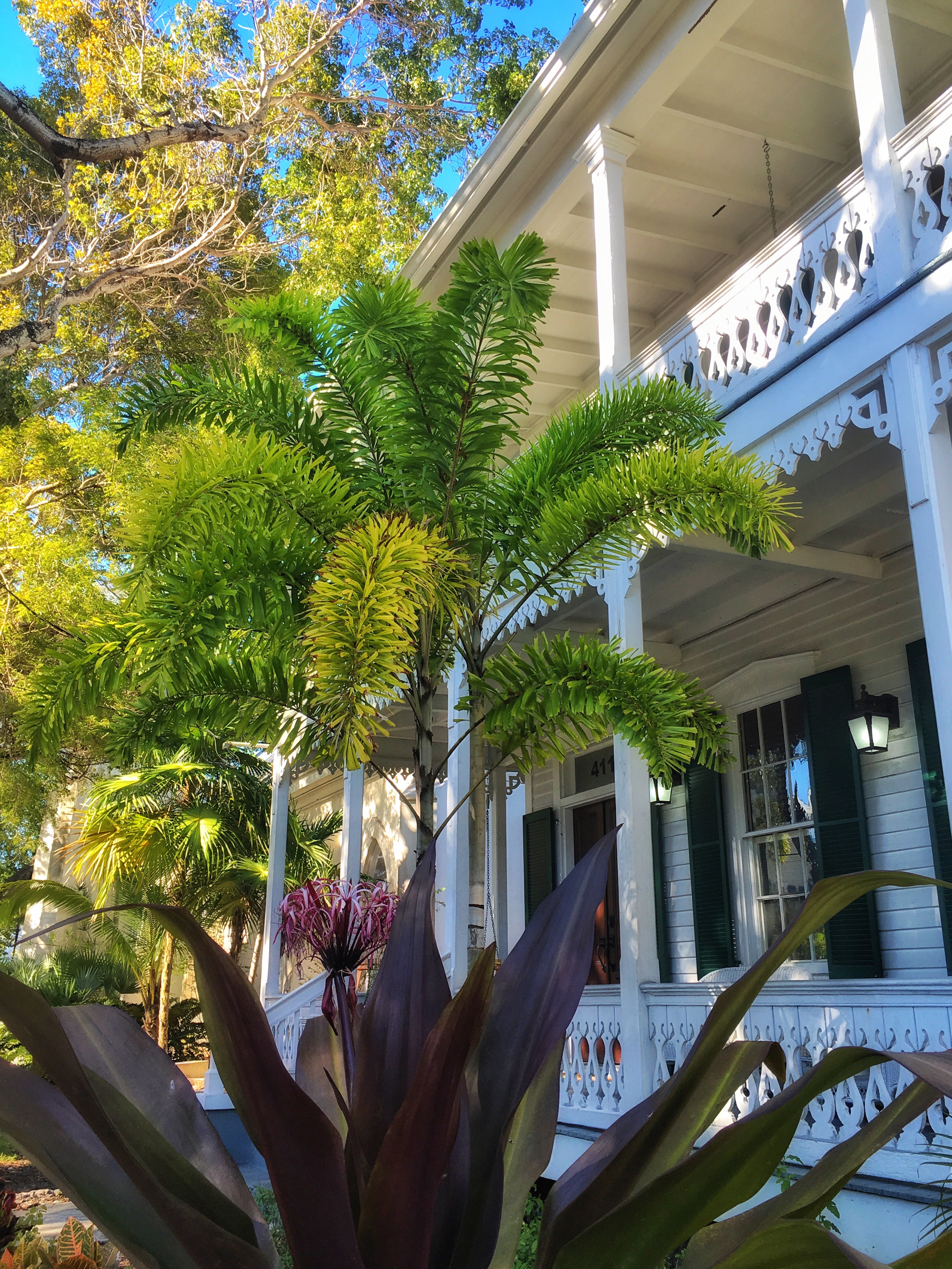
For me, the best part of Key West was all the gingerbread.  

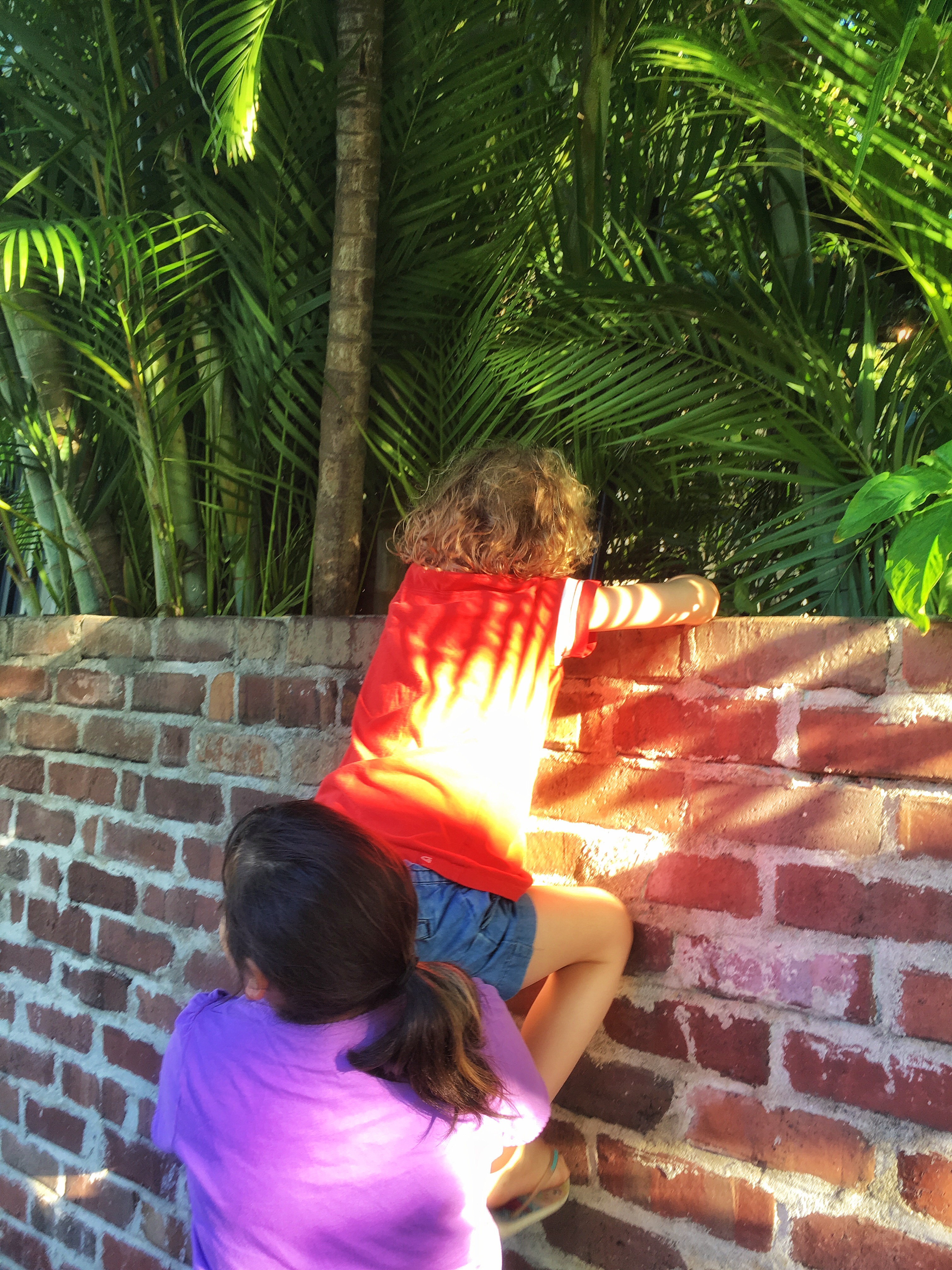
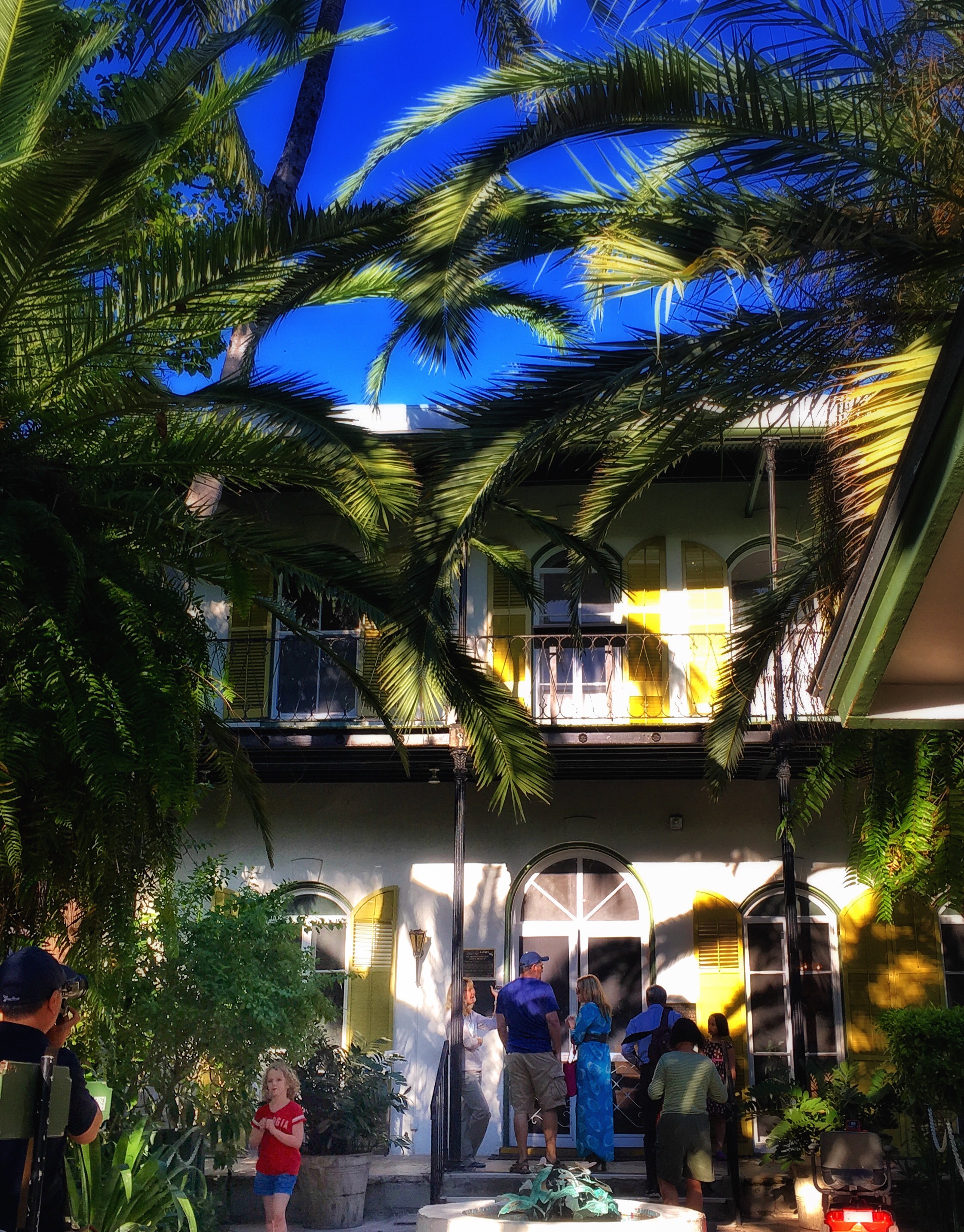
  Nan was determined to get a look at Hemingway’s polydactyl cats without paying the $13 entrance  fee.  At the ticket booth, they thought she was cute and let her slip in briefly.

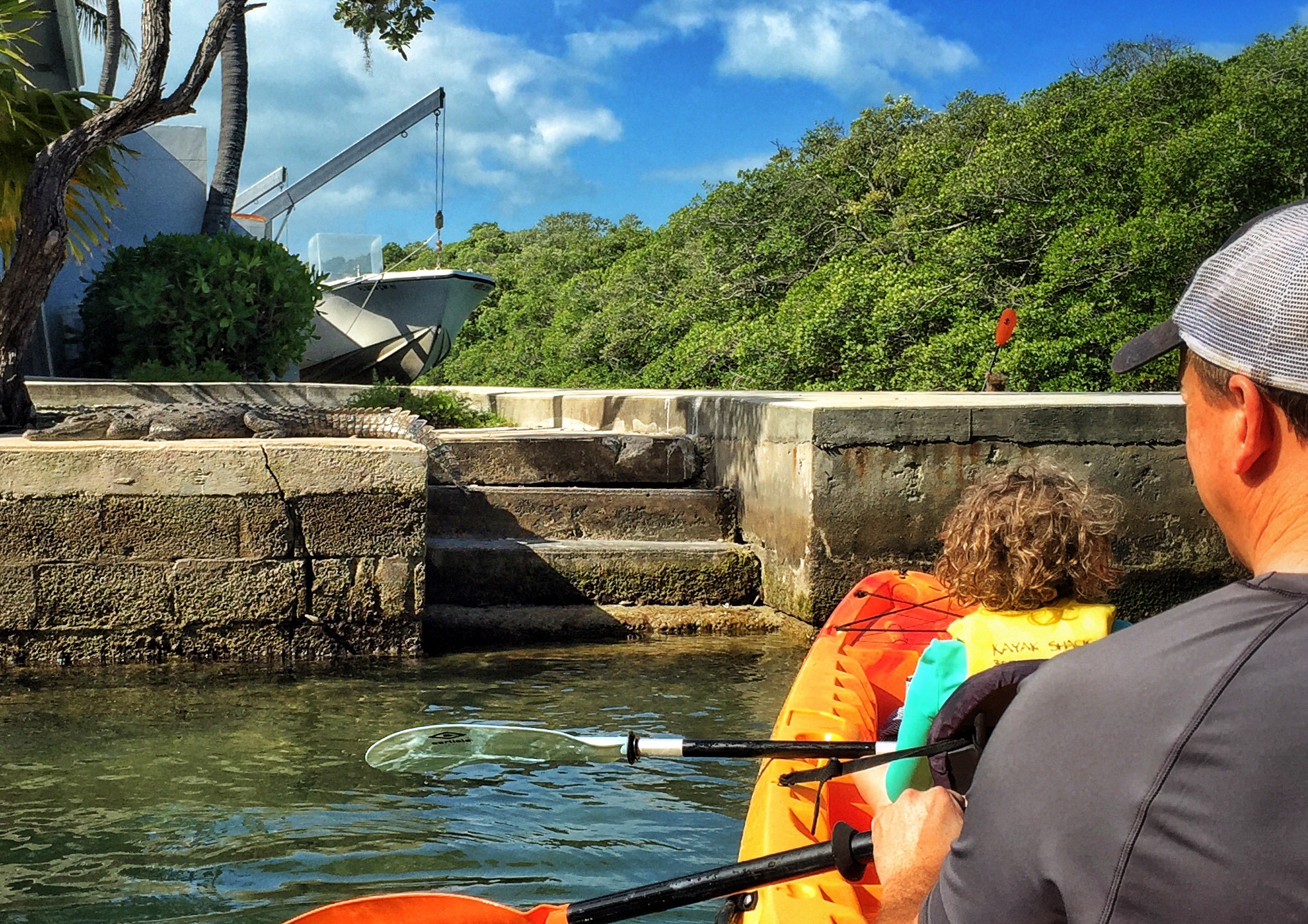
 We saw a crocodile sunning itself on a dock at the start of our kayaking trip and decided not to fall out of our boats.

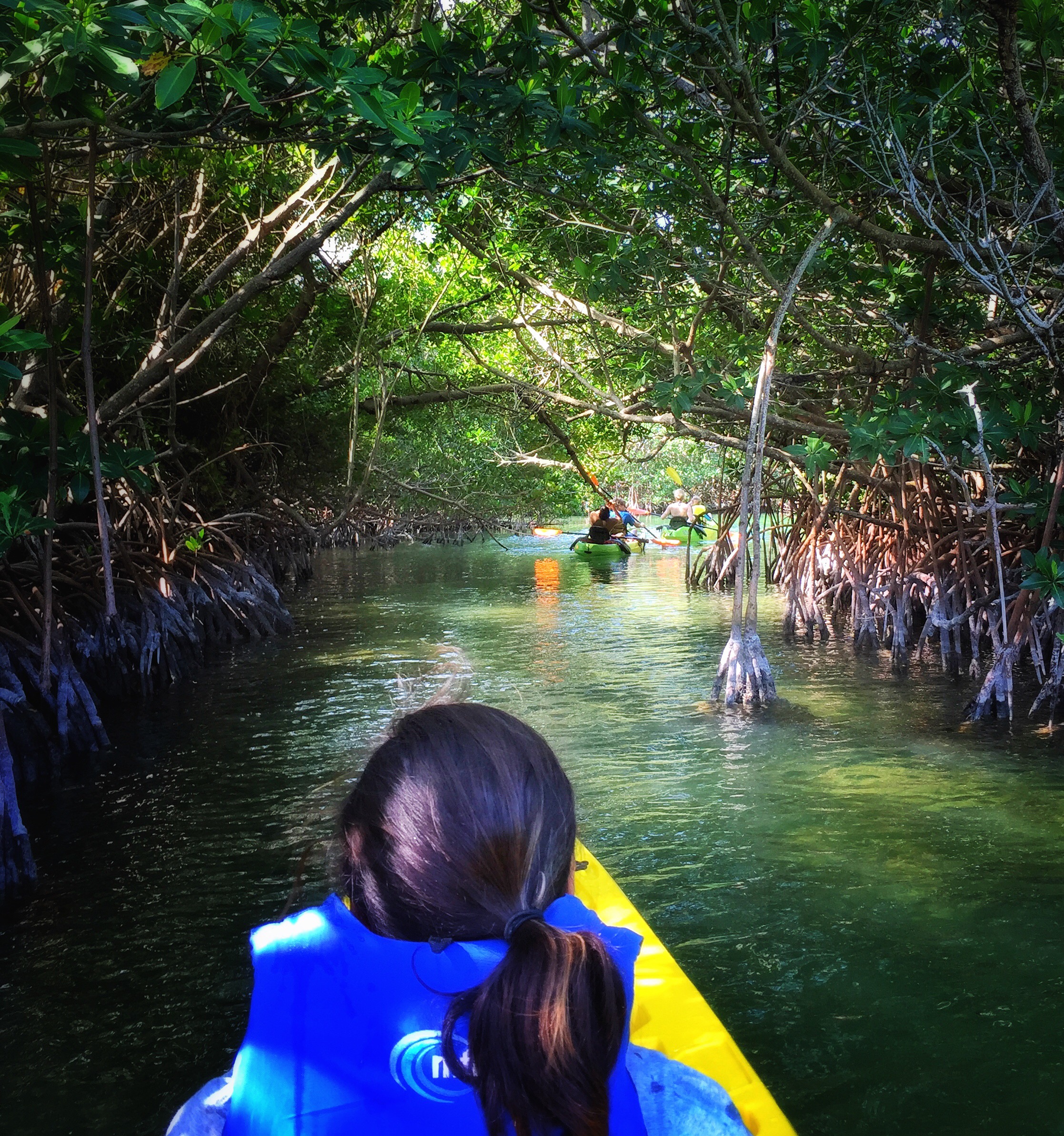
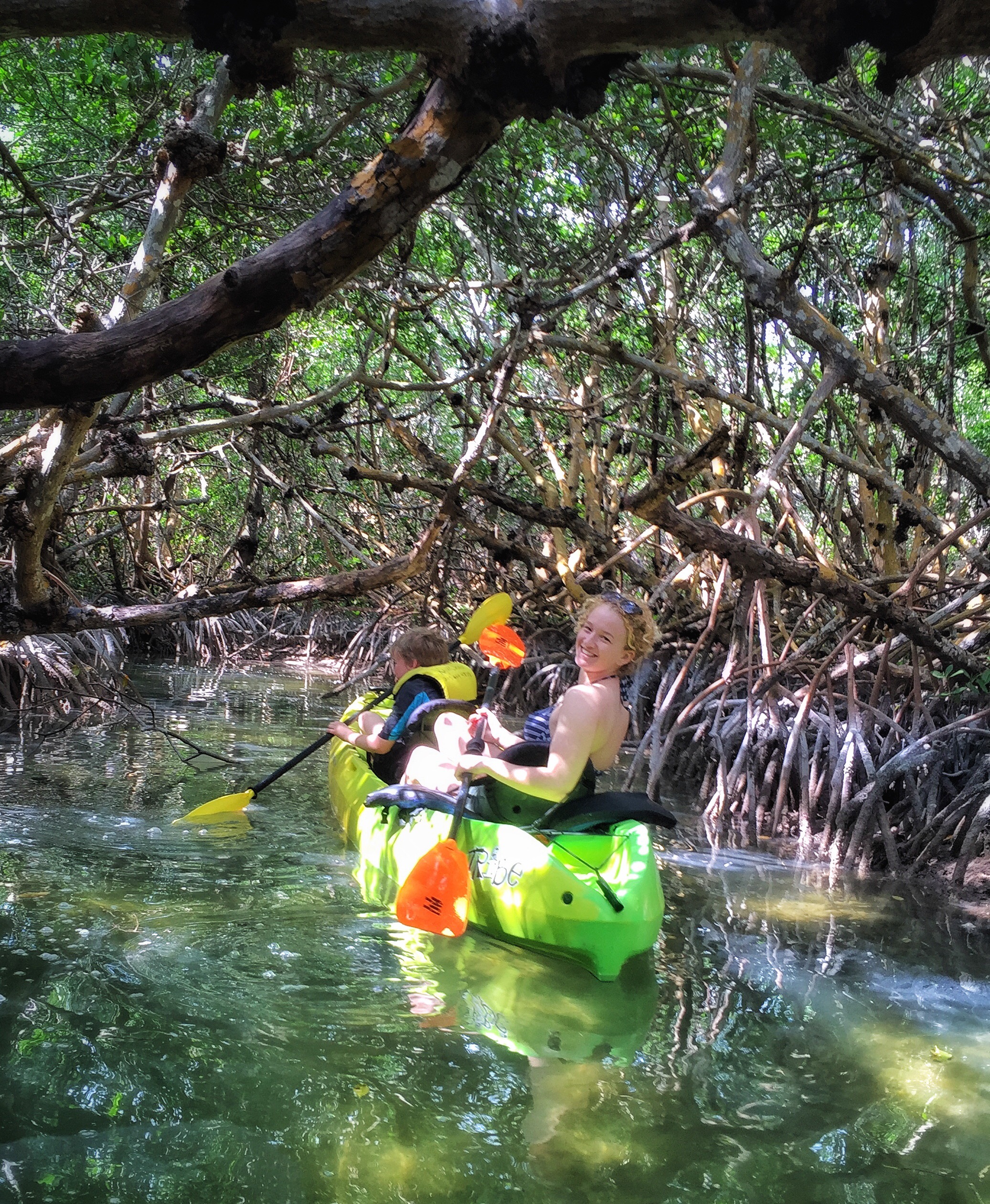
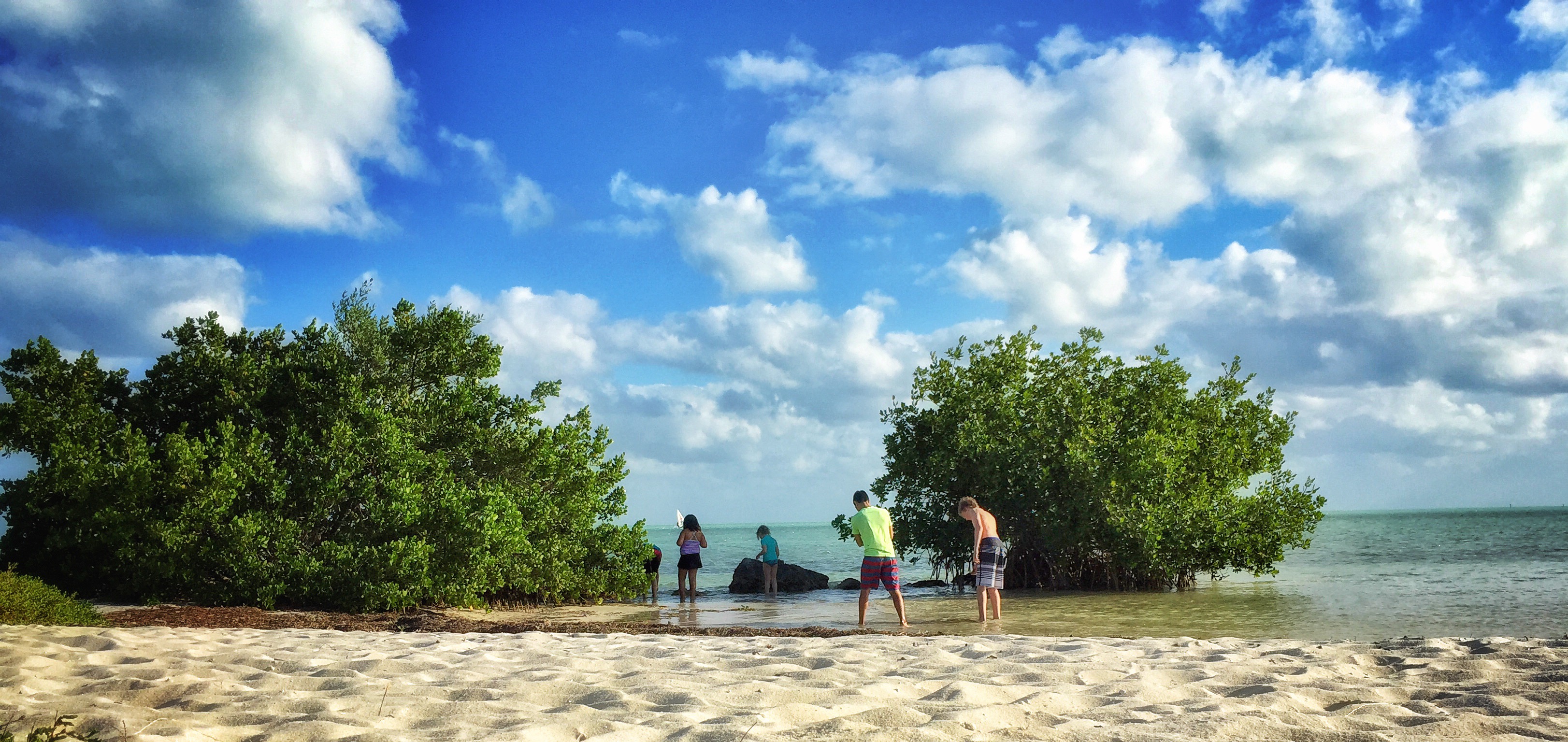
The mangroves were a little creepy, but they were full of colorful iguanas and a variety of waterbirds. In the water, we could see fish, rays, crabs, jellyfish, sea urchins, and corals.
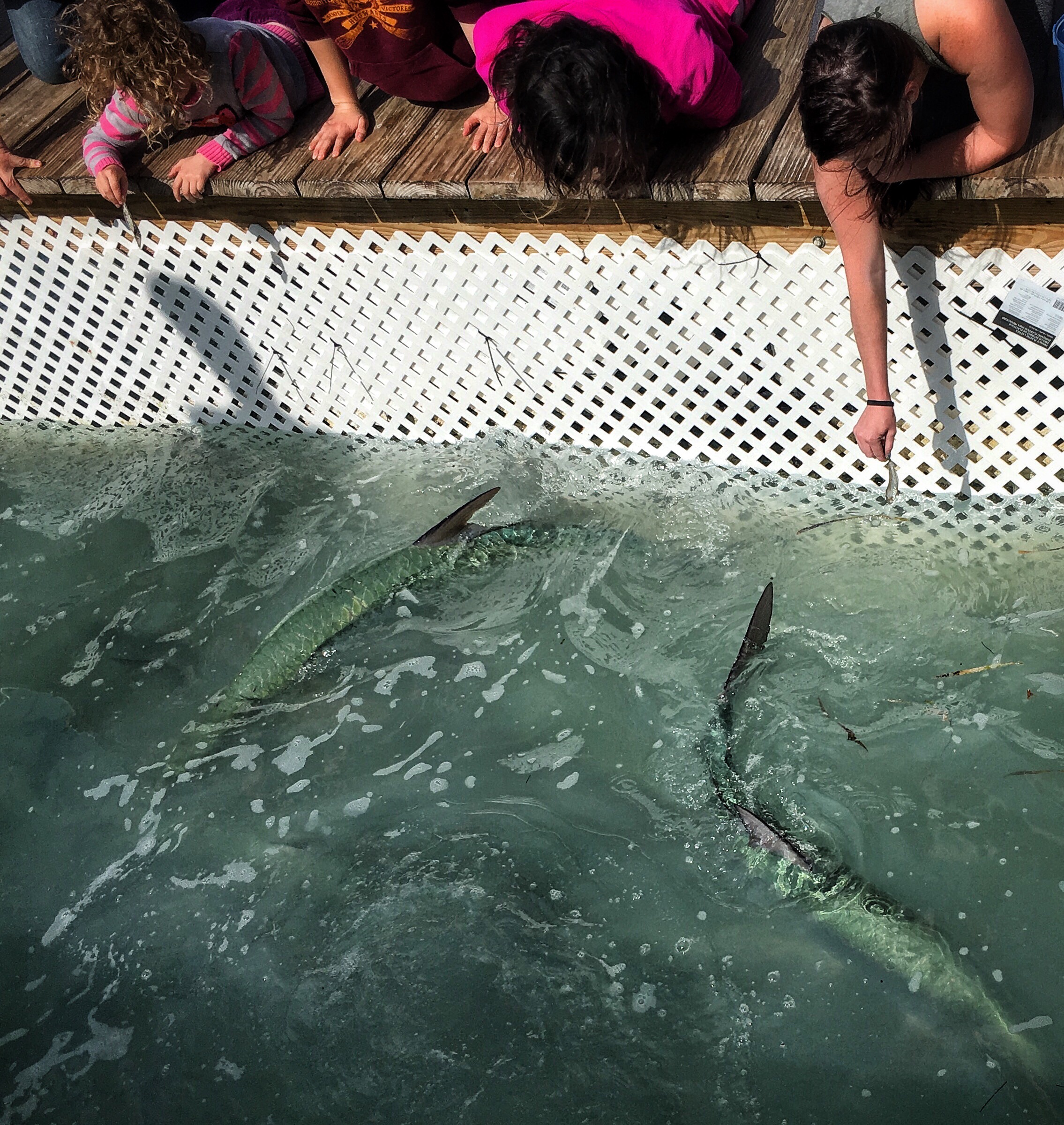
After we turned-in our kayaks, we ate lunch and fed the huge tarpons at Robbie’s Marina. No one lost a finger.

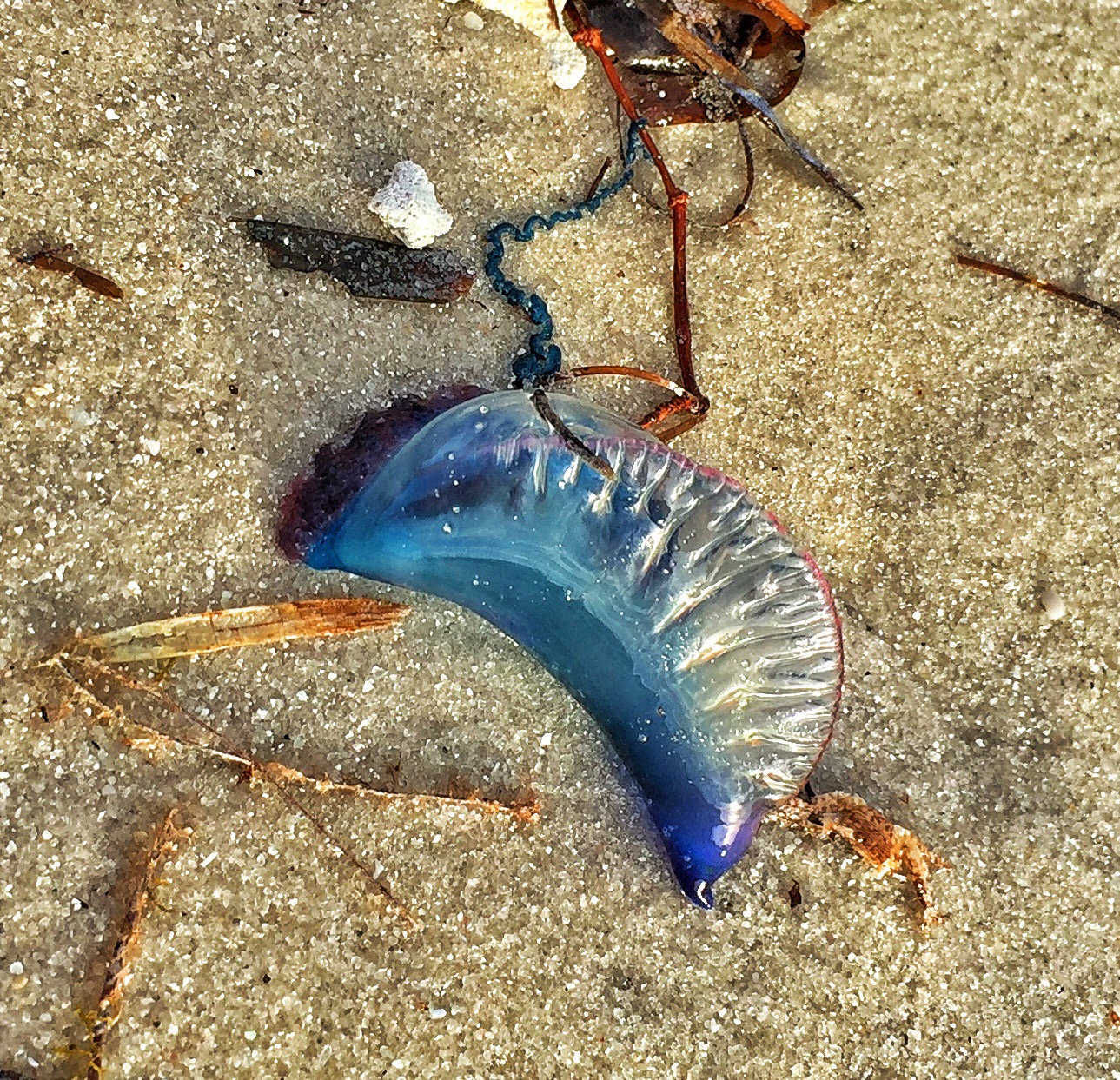
Our biggest find on the beach was something we initially dismissed as plastic. Fortunately, the tentacles and electric-blue color warned us not to touch it. It turned out to be a Portuguese Man-O-War.

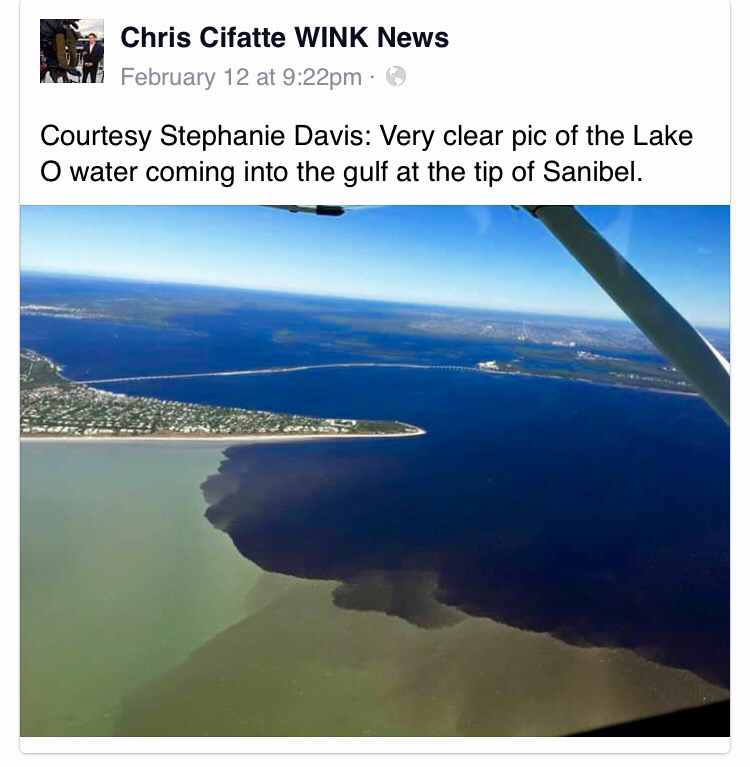
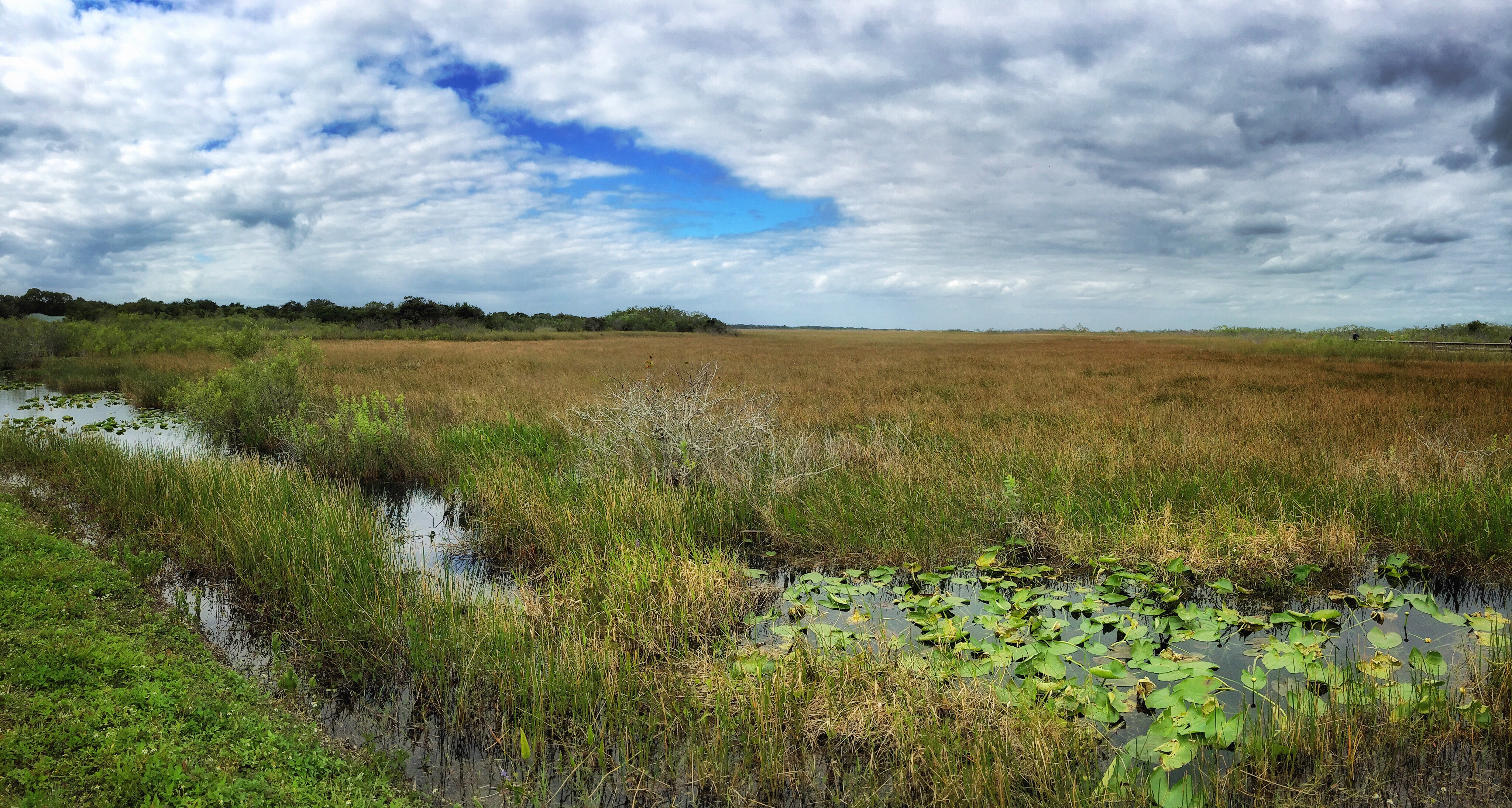
Throughout our trip, I read headlines about Lake Okeechobee spillage into the estuaries below the lake. There were huge aerial photos of the polluted, brown water (some say too polluted to ever correct) flowing into the Gulf of Mexico. I thought about the McIveys, and how many of the good-faith efforts to prevent flooding disasters, along with irresponsible industrial and agricultural pollution, have turned the pristine sanctuary that was Lake Okeechobee into a pariah. I like to think I’d have done better, but I’m not sure I would have. The McIvey’s didn’t have bad intentions; for a long time they were just trying to survive. But collectively, they changed Florida for good and ill. We wrestled with this dilemma—how to utilize natural resources without destroying them–as we drove through miles of farmland between Everglades park and the vast, concreted entertainment center of present day Kissimmee. We didn’t solve the problem, but we won’t be forgetting this cautionary tale anytime soon.


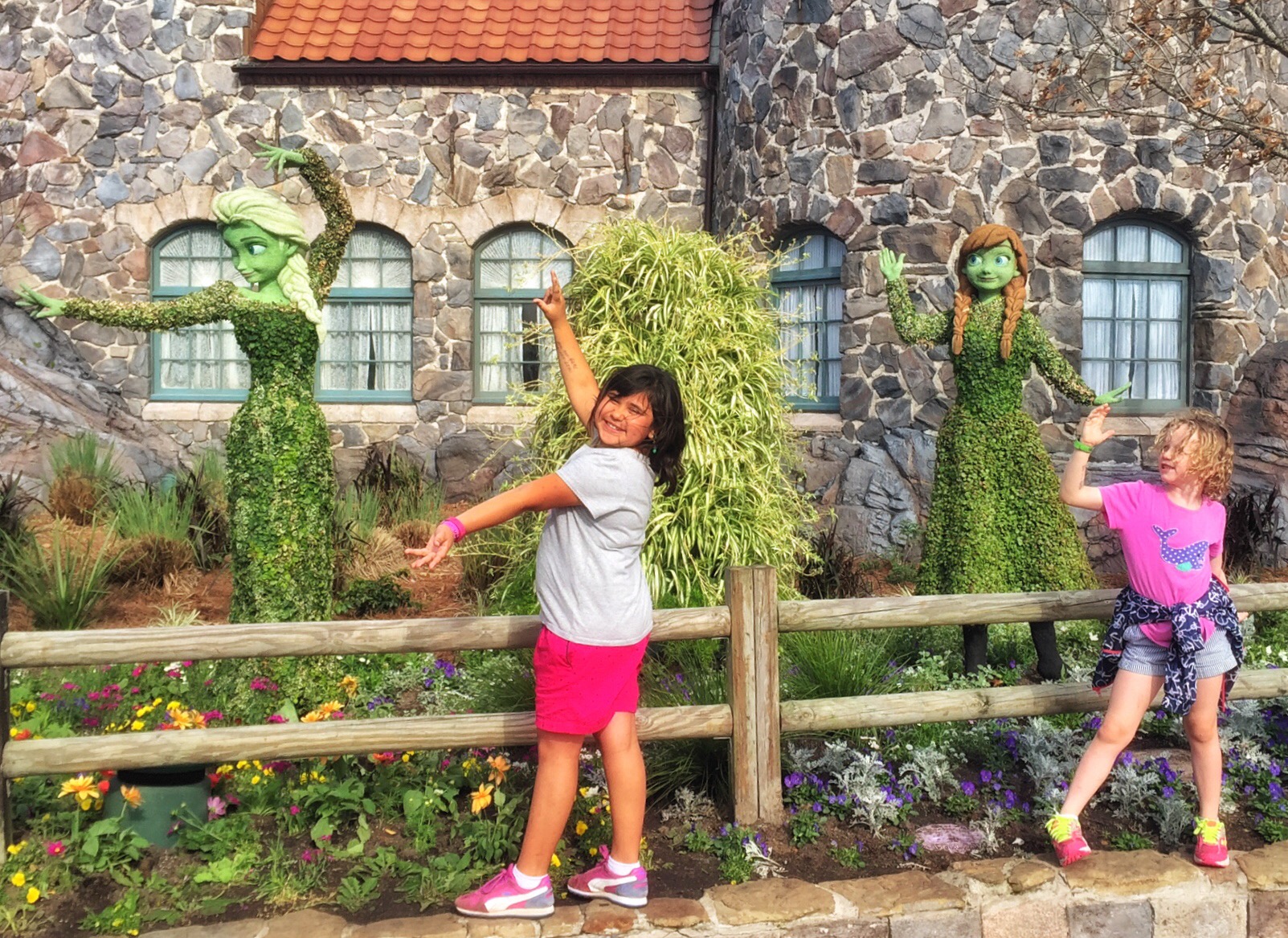
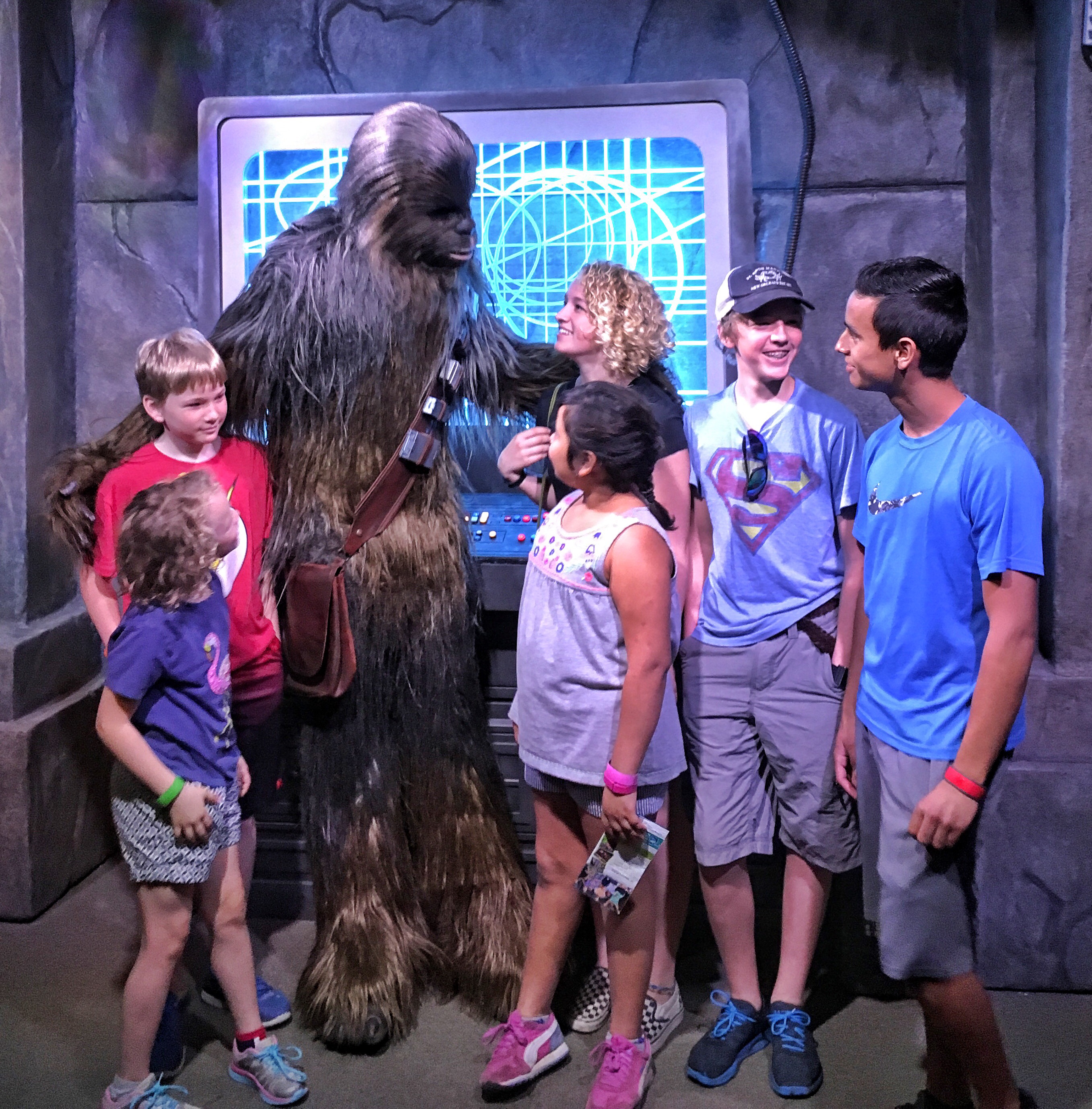
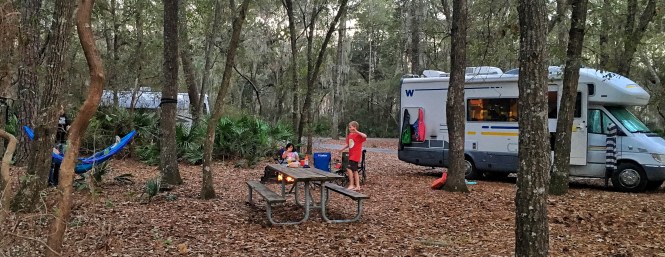
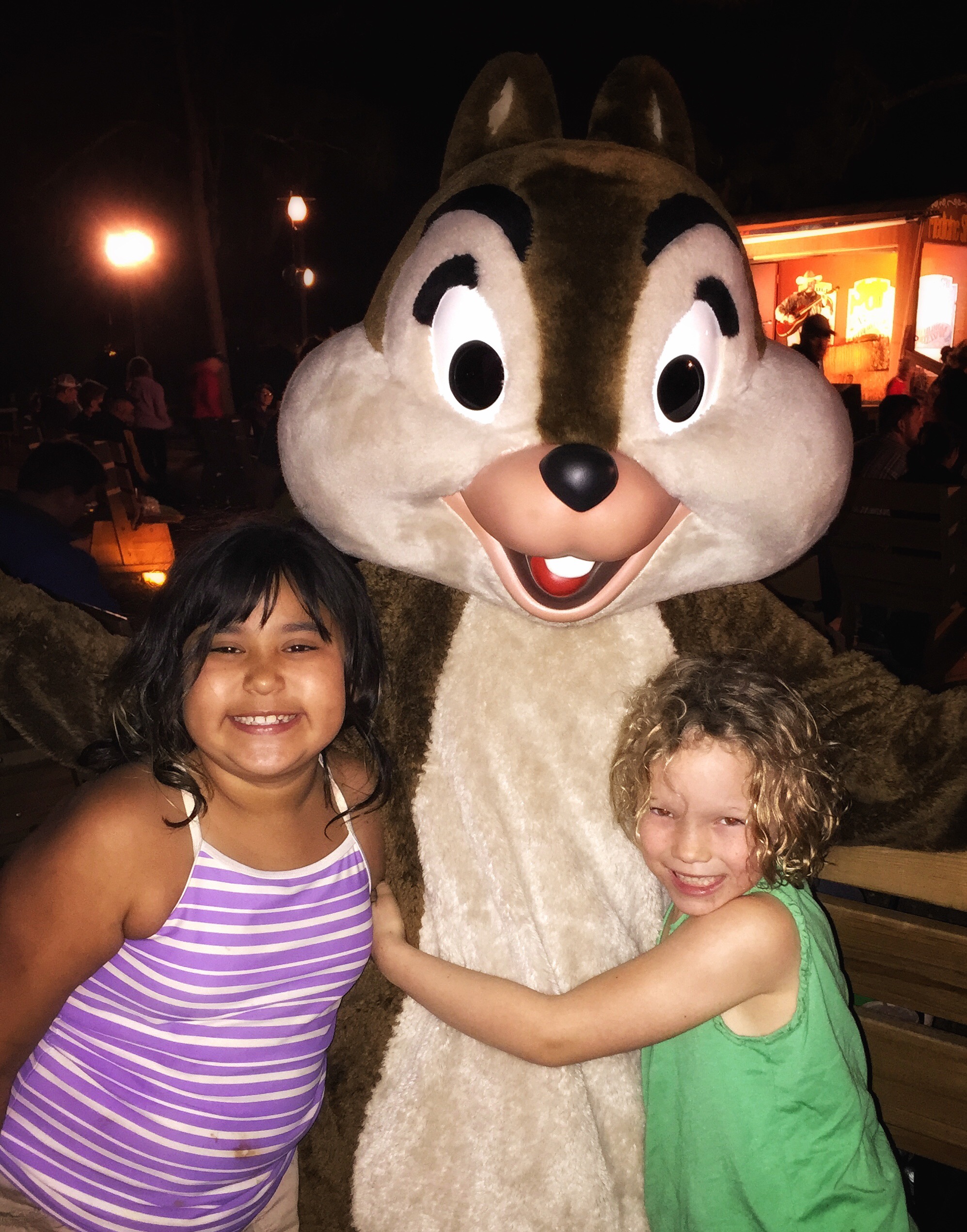
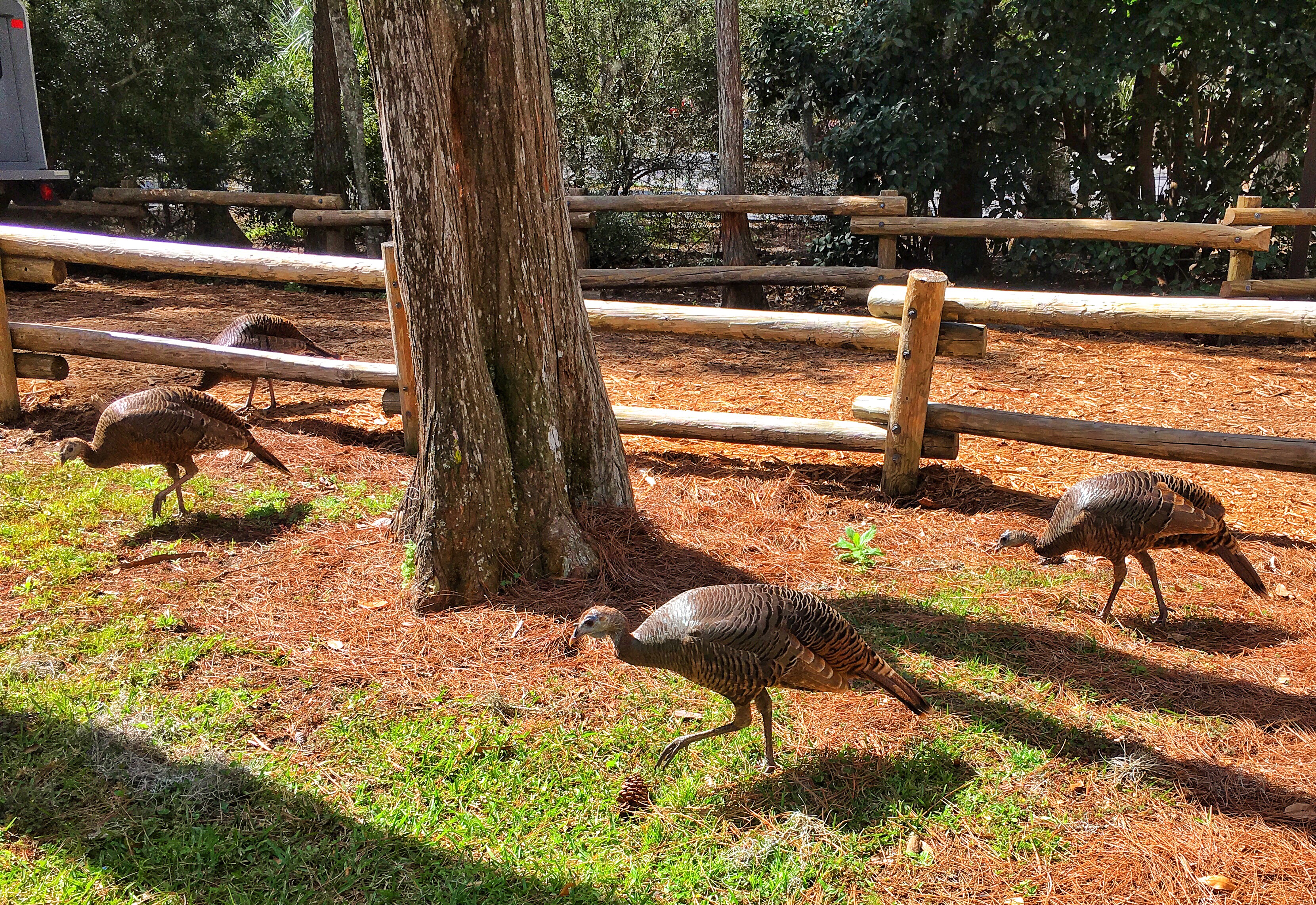
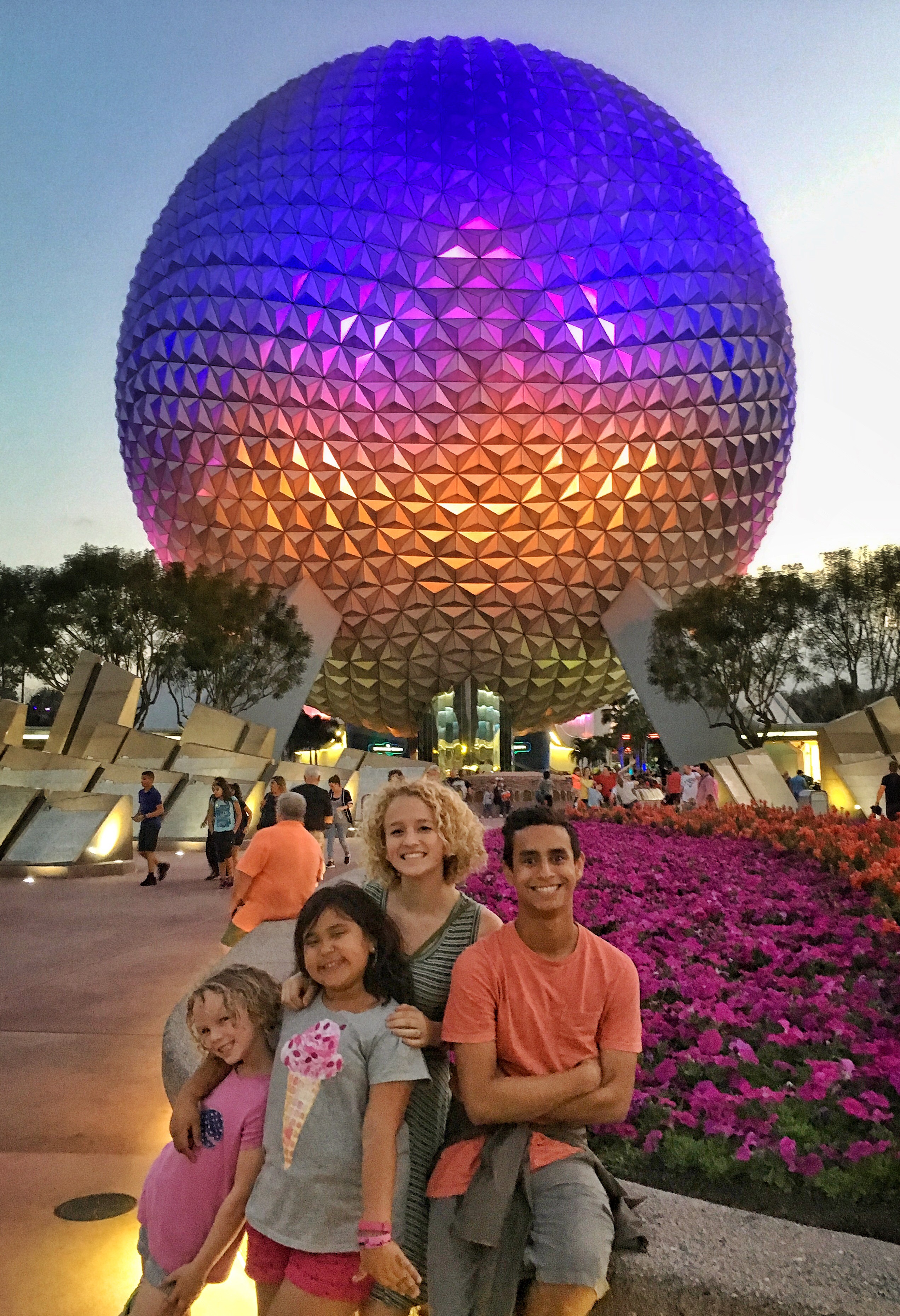
Brandon had a conference in Orlando, so he dropped us off at Fort Wilderness, the campground at Disney World. Our campsite was visited by turkeys and armadillos, and we sang campfire songs with some friendly chipmunks.Fast passes, magic bands, character encounters–the place just overwhelms me. Thankfully, our friend, Stacey Gross, is a Disney vacation planner, and she helped us make reservations and buy tickets for a couple of parks. We came, we saw, we Disney-ed.  

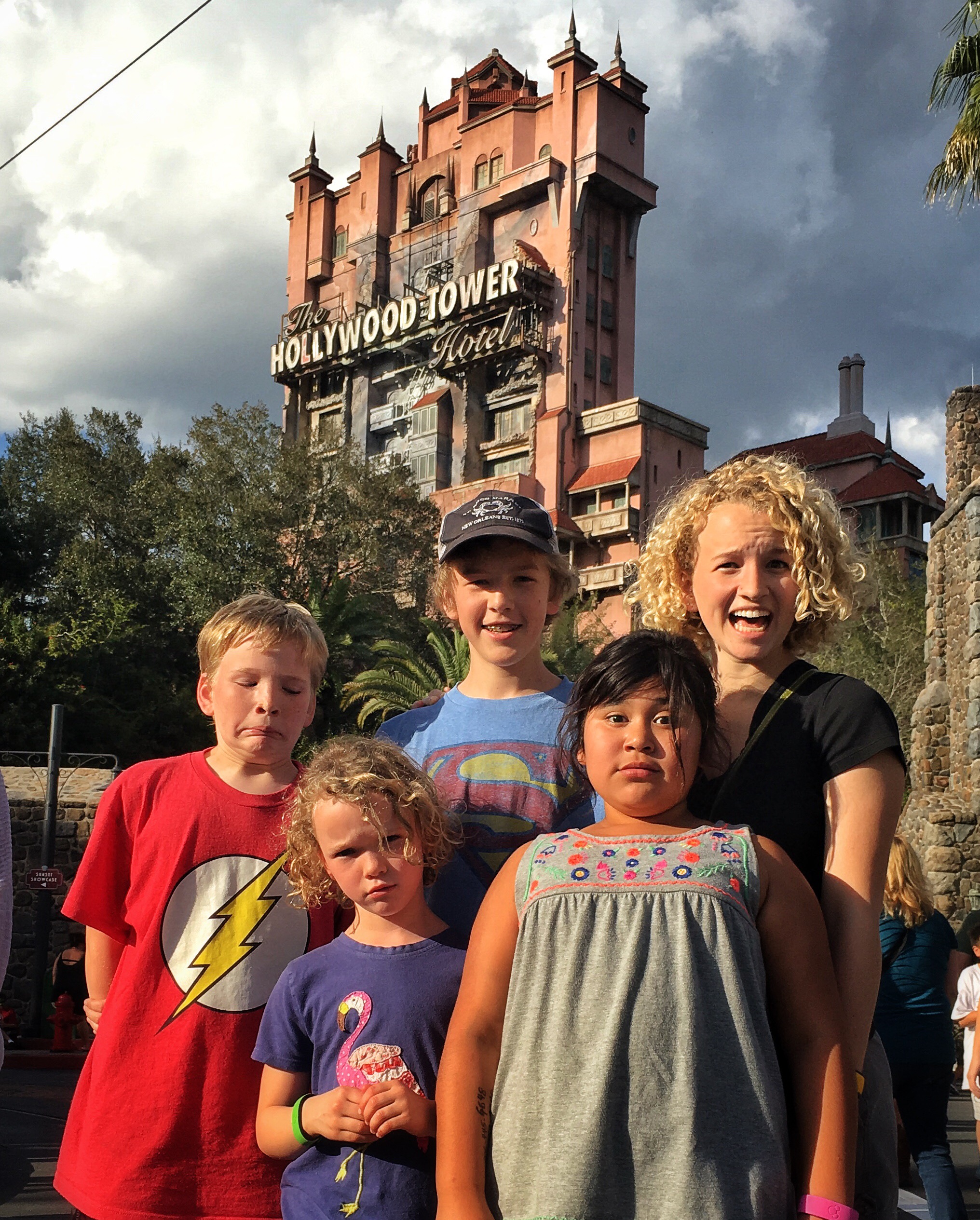
Everything was great until the Tower of Terror ride. Jake and I were too ill to be photographed.

As we headed west toward home, we made one last Sunshine State stop. During winter, manatees migrate from the Gulf of Mexico into spring-warmed waters of the Crystal River.  Local guides outfit visitors with wetsuits and snorkel kits, and then they ferry them to popular manatee hangouts.  Tourists are allowed to float on top of the water and watch the protected mammals, and sometimes a curious manatee approaches a snorkeler.

OLYMPUS DIGITAL CAMERA

Sunday and Shrimp

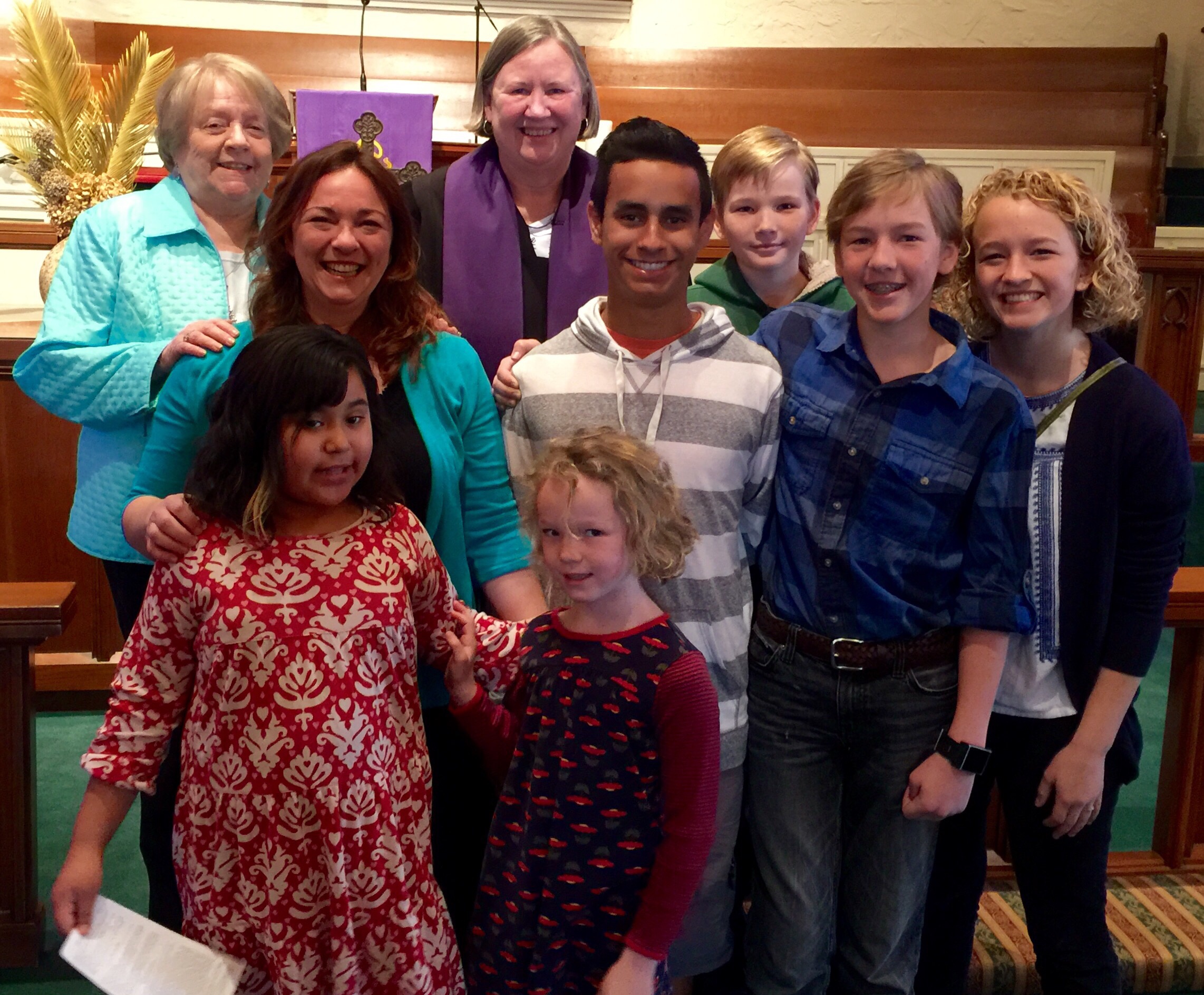
When I’m homesick for Georgia, I sometimes think the problem is just a landscape issue; Lubbock looks so different from the place where I grew up. But a short visit with my aunts at St. Simons Island reminded me that it is people, not just places, that I miss. Since most of my “people” are in central and southwest Georgia, we didn’t visit with a whole lot of family on this coastal trip, but we did catch up with my dad’s sisters at church. As I listened to the familiar voice of Aunt Marcia, preaching in the pulpit, and Aunt Margot, whispering commentary beside me in the pew, I was reminded of all the people, long separated from me now, who nurtured me as I grew up. As the daughter of a Methodist preacher, I reluctantly grew accustomed to moving from one small town to another every few years, but I also became confident of a welcome in each new situation. I was a child of the church, and a warm, new, church family welcomed me over and over. That sense of expectation has never left me, and it has served me well through multiple moves as an adult. Still, I look forward to a homecoming that does not end!  

 
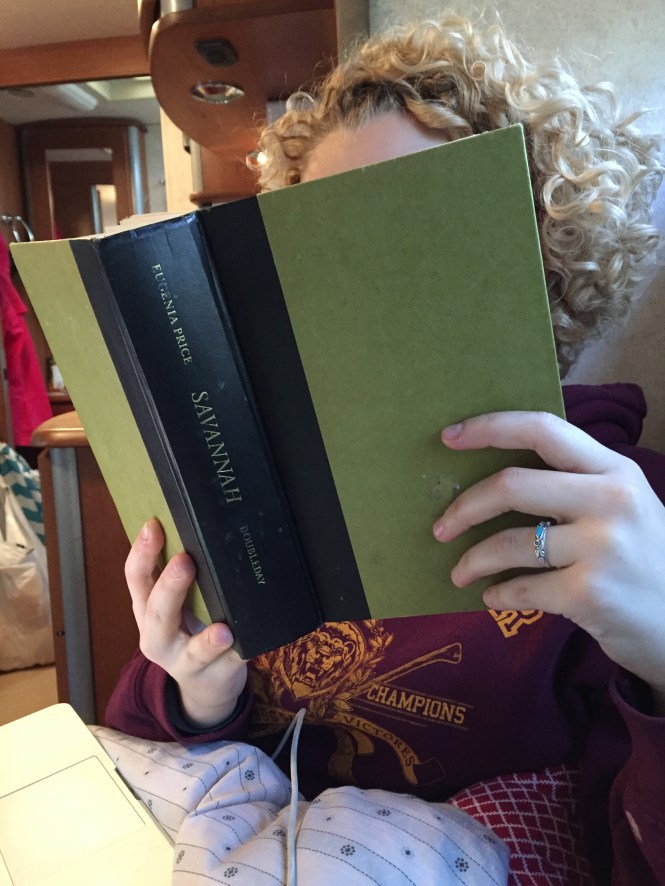
 Growing up, all the girls at my house loved the historical novels of Eugenia Price. I was disappointed not to find any audio versions of her stories, but I did pack a hard copy of The Beloved Invader, set on St. Simons. Jane gobbled it up in a couple of long RV rides.  

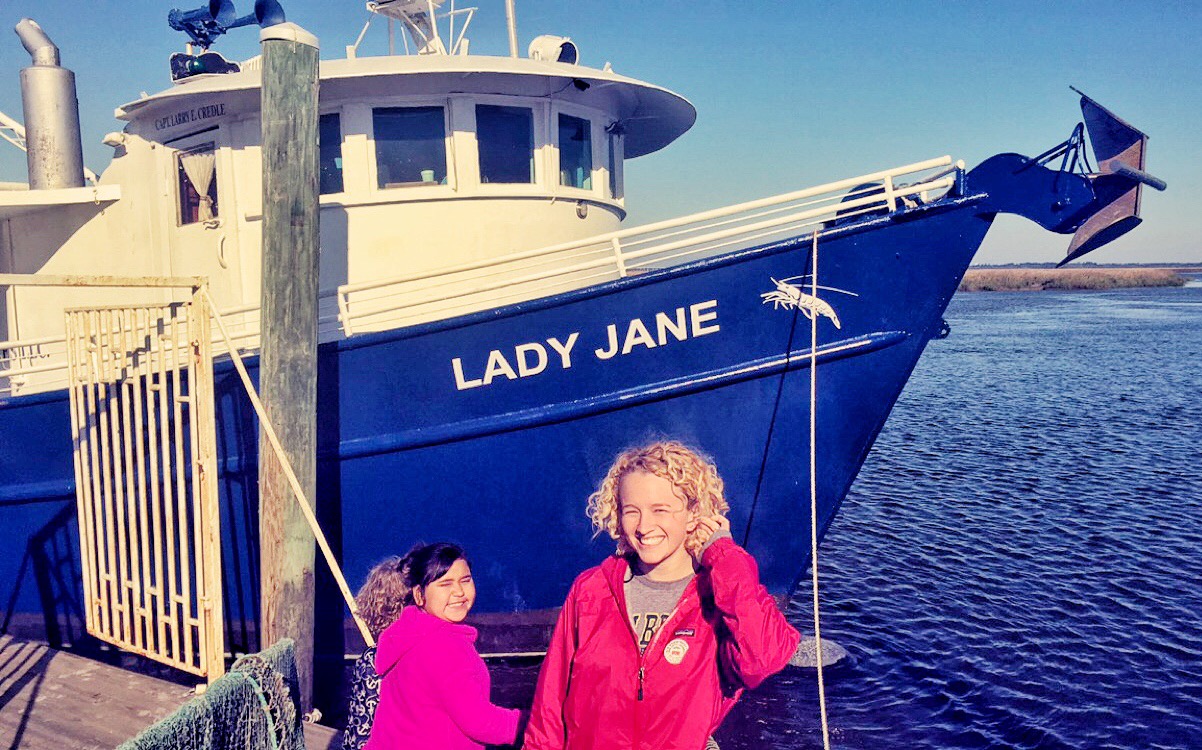
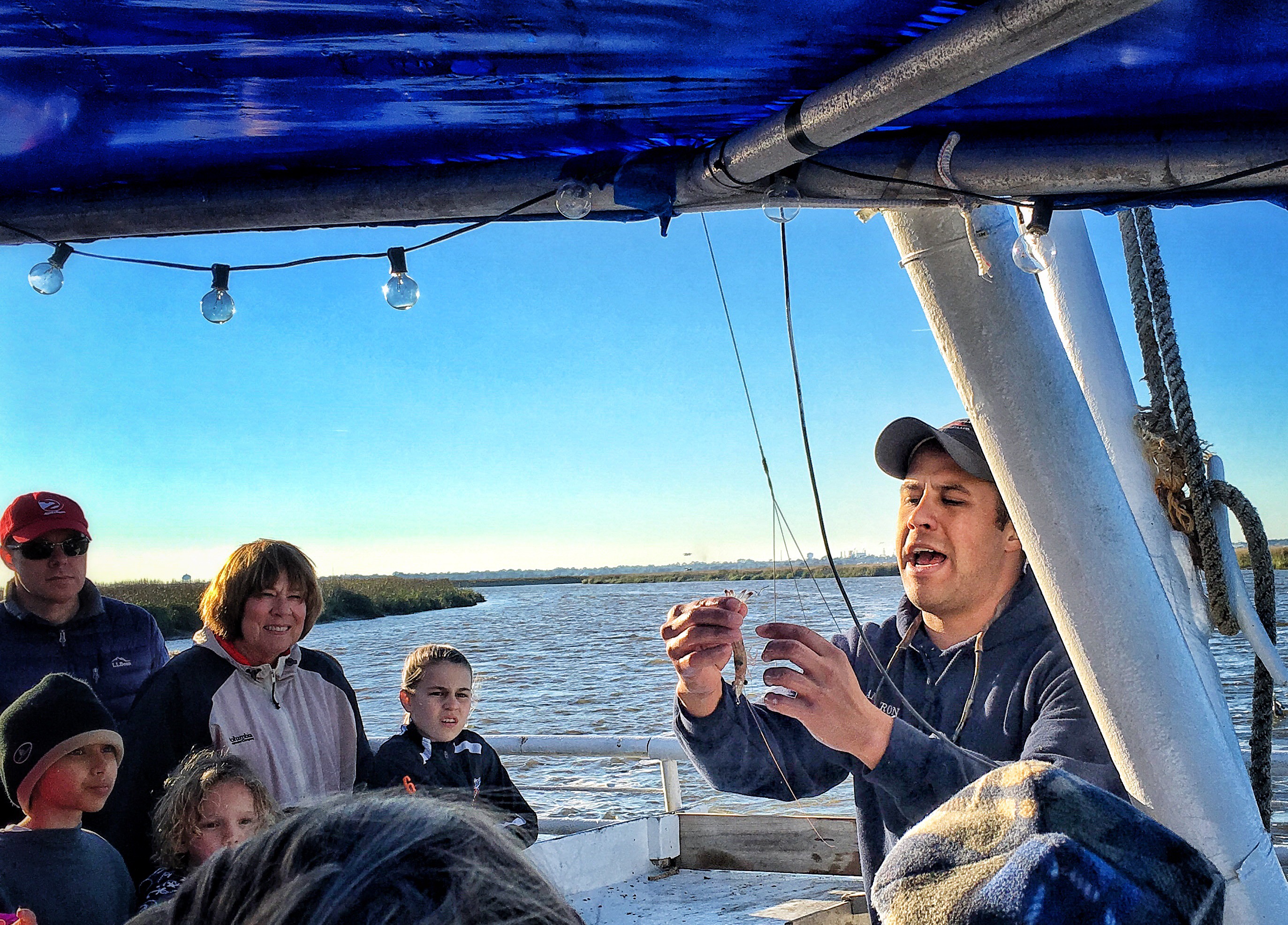
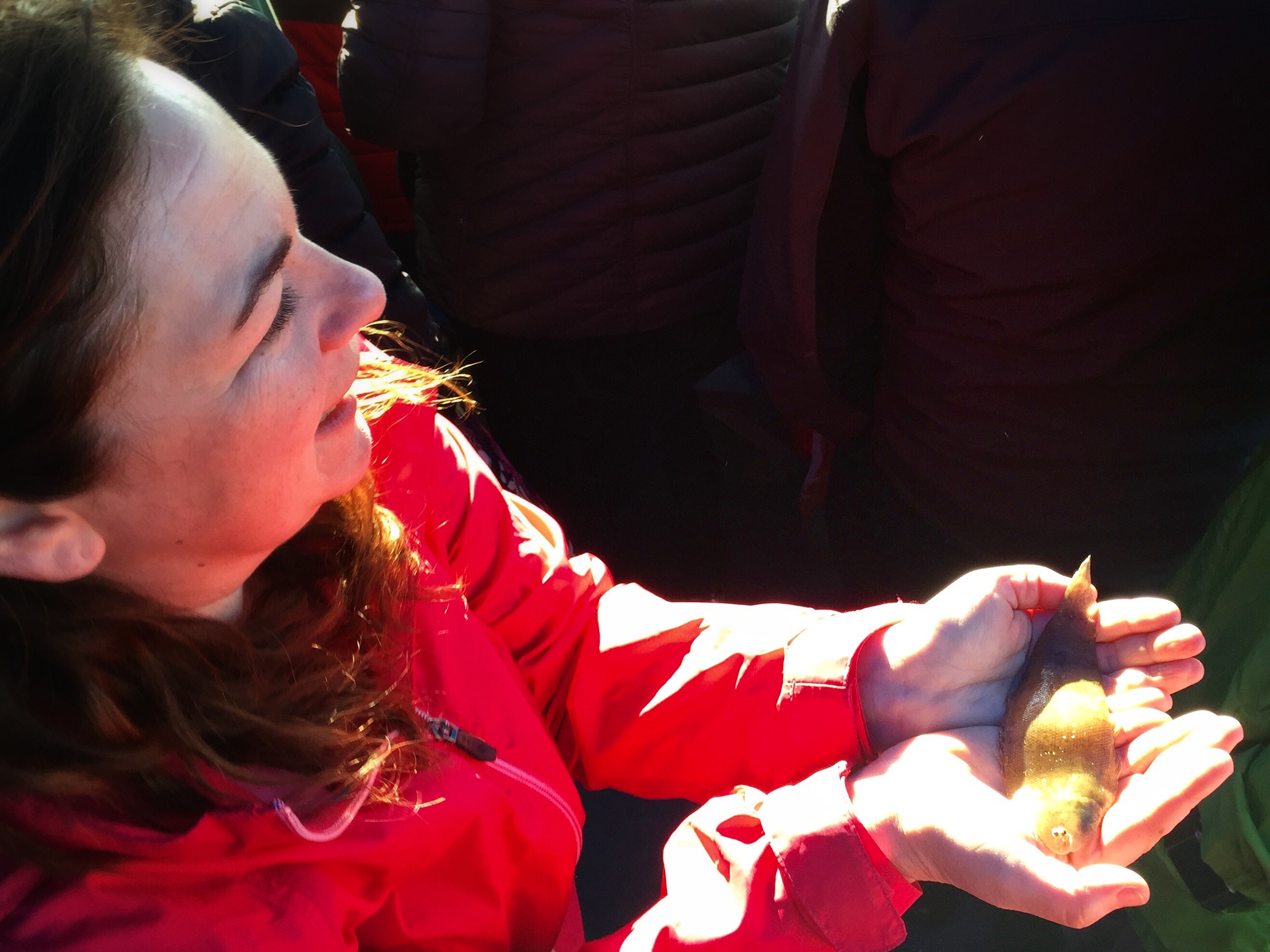
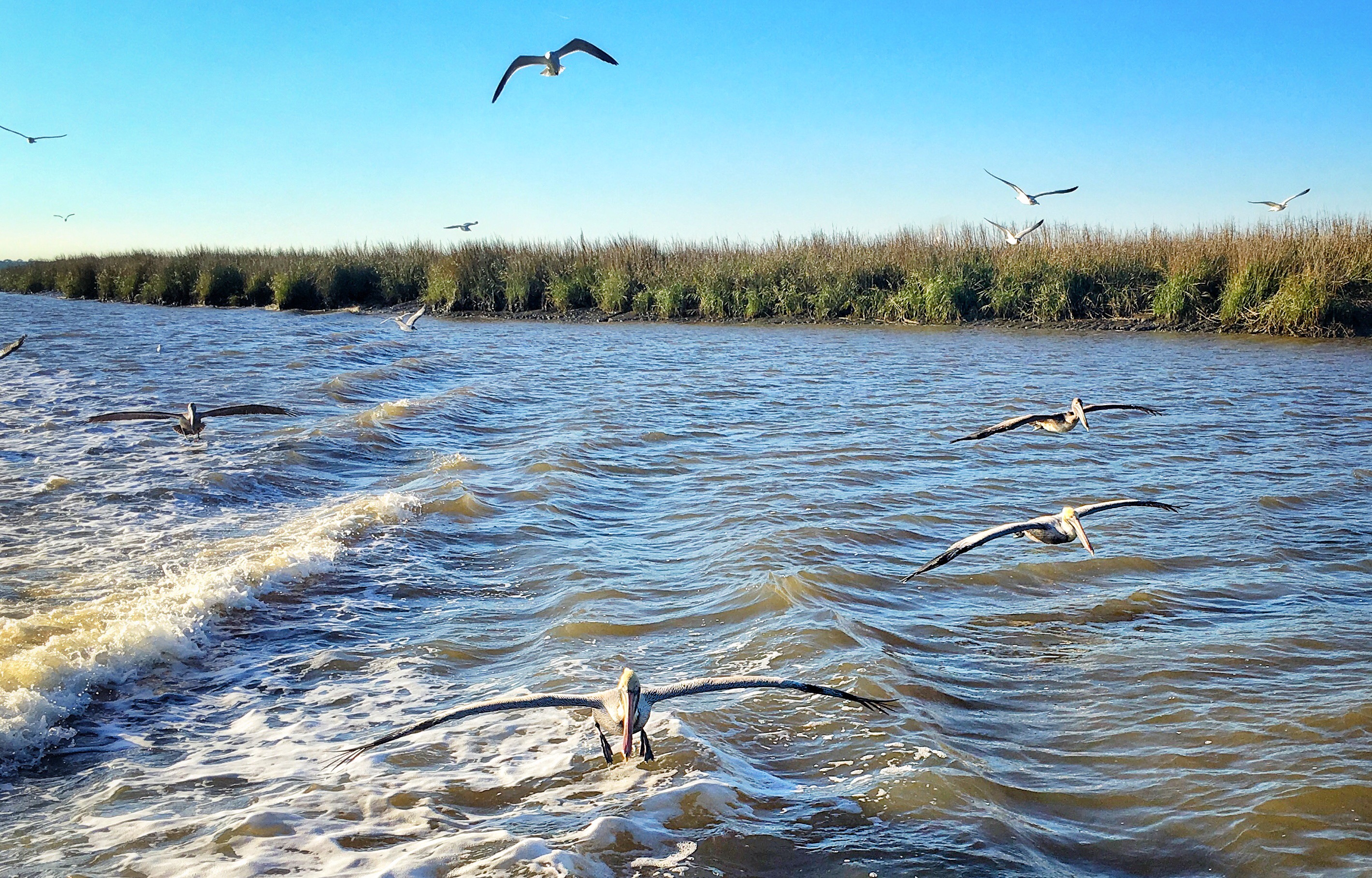
It was too cold for the beach, but we zipped up our jackets and cruised through the salt marshes on a shrimp boat. The crew trawled the net a few times, and then taught us about the creatures they netted.     

Tongue fish. Ew.  

Tickling a horseshoe crab 

Pelican side-show 

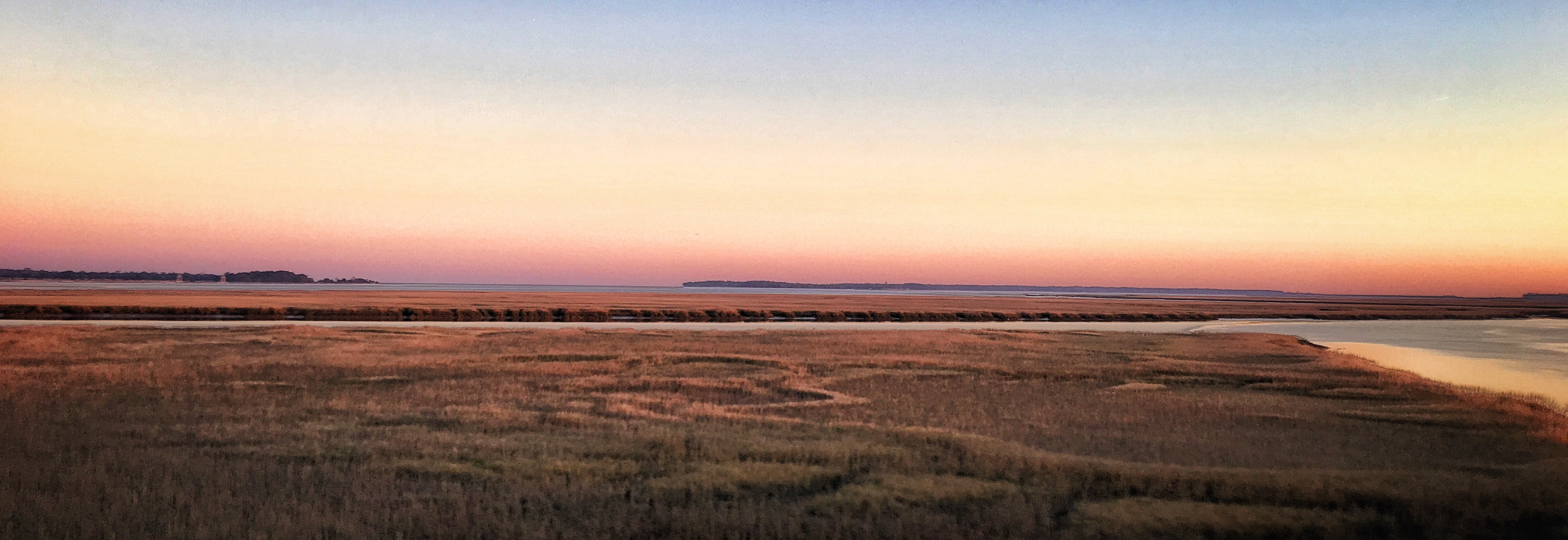
I’ve heard a salt marsh described as an enormous apartment complex for creatures. Even when it seems still, I imagine it bristling with the activity of thousands of animals, birds, fishes, insects, and all kinds of other living things too small to see. It’s also really beautiful.

“Oh, what is abroad in the marsh and the terminal sea?

Somehow my soul seems suddenly free

From the weighing of fate and sad discussion of sin,

By the length and the breadth and the sweep of the marshes of Glynn.”
-Sidney Lanier, “The Marshes of Glynn”

Land of Trembling Earth

imageimage

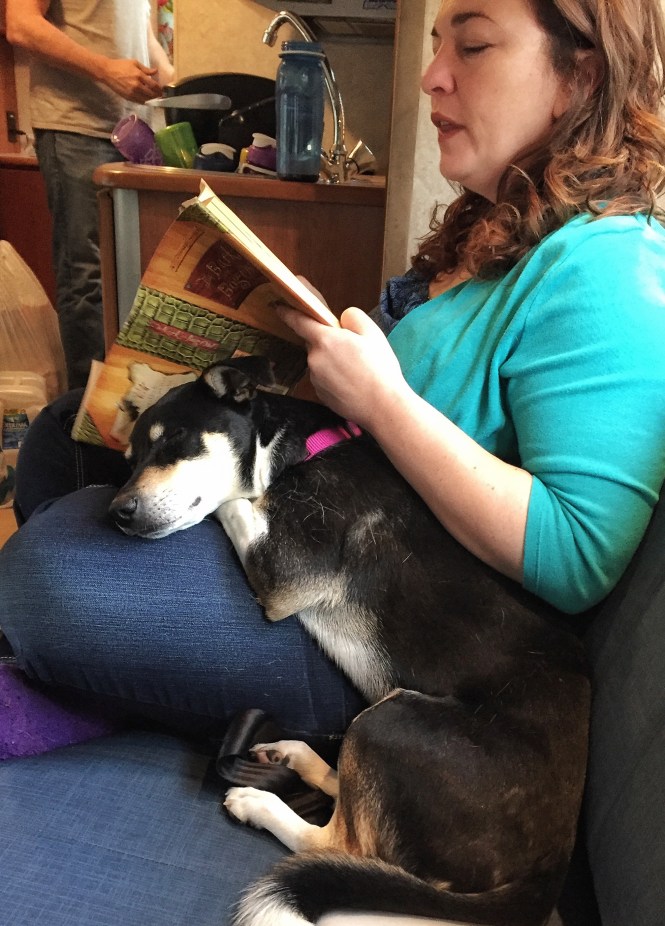
Sometimes it feels like the members of our family are at war with each other. In the confines of the RV, these tendencies toward insult, offense, anger, tirade, and tears are painfully magnified. Reading a book together is often a salve to our hurt feelings. We get still and quiet, and we call a truce for the sake of a story.

image

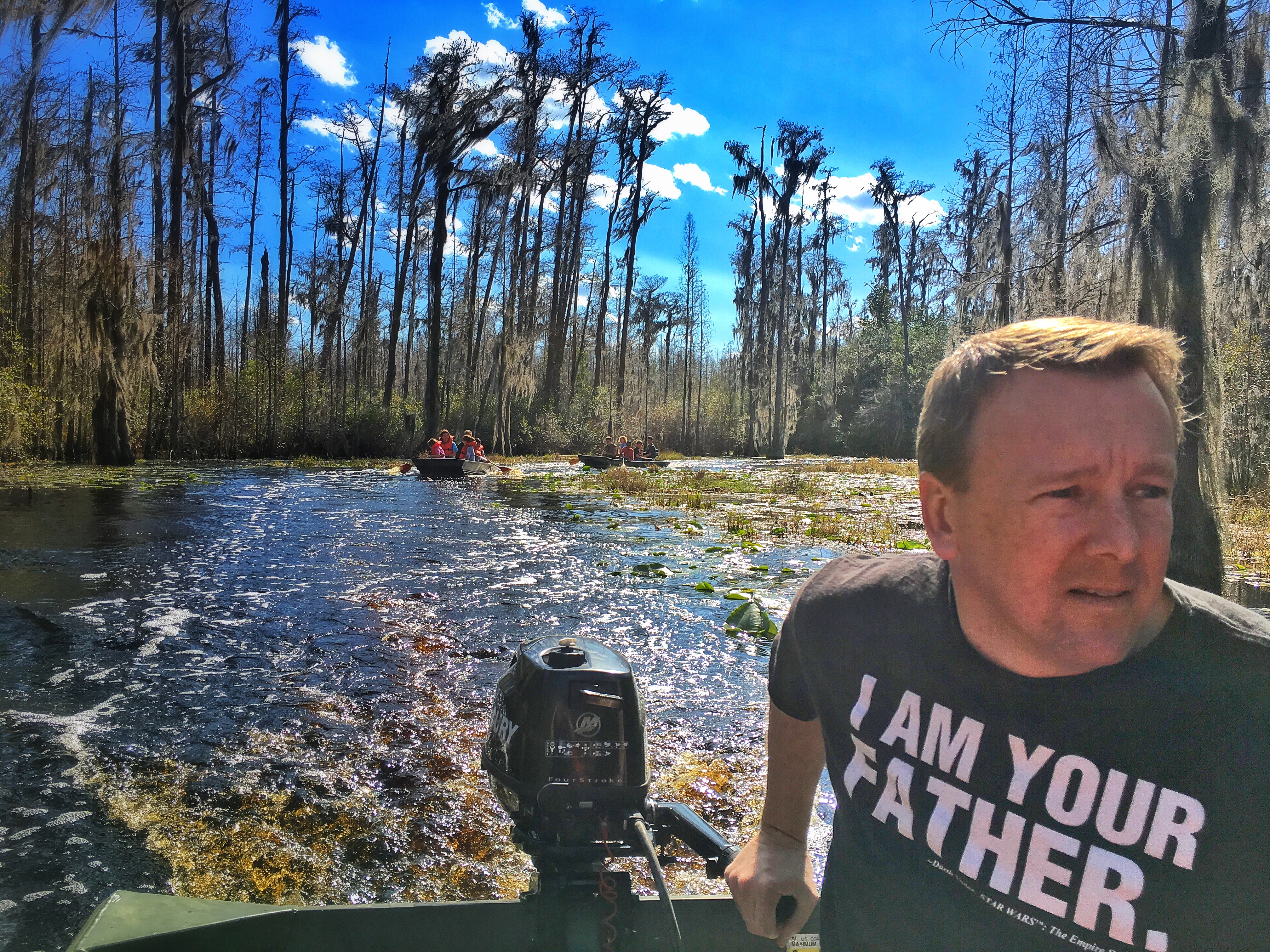
One of our favorite series is The Wilderking Trilogy by Jonathan Rogers. We knew Jonathan when we lived in Nashville, and we enjoyed his large family and his attachment to our common homeland. (He grew up in Warner Robins, Georgia.) Back then, the older kids eagerly awaited each new installment of Aidan’s adventures on an imaginary island, whose landscape resembles South Georgia. Since the younger kids didn’t remember the stories so well and we were visiting the Okefenokee Swamp, which figures significantly in Secret of the Swamp King, we began reading through the trilogy again. We drove into the swamp, just as Aidan, a character modeled loosely on the Bible’s David, began his swampy sojourn. From then on, our eyes were peeled for feechies. (I can’t tell you what a feechie is, you’ll have to read the books!)

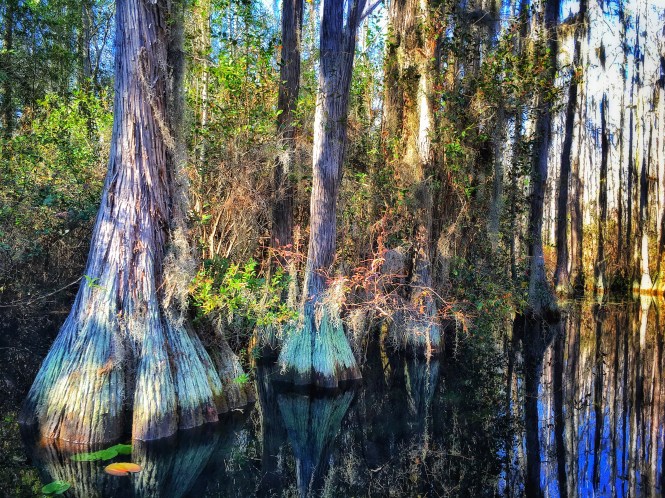
   On a guided tour, we took turns “poking the peat.” Peat is grassy refuse that is carried along in the water until it piles together enough to form the “land” in the swamp. It’s not always very stable. This is how Okefenokee got its name, which means “land of trembling earth.”
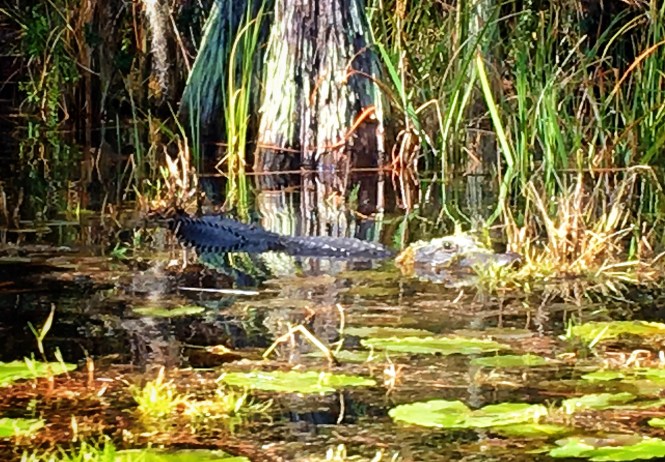
 We learned that the scales on an alligator’s back are called “scoots,” and they act like solar panels. They also have an extra set of clear eyelids, like built-in goggles, for seeing underwater.

imageThere were water birds than we could come up with names for.

image

Swinging through the woods feechie-style

image

imageimage

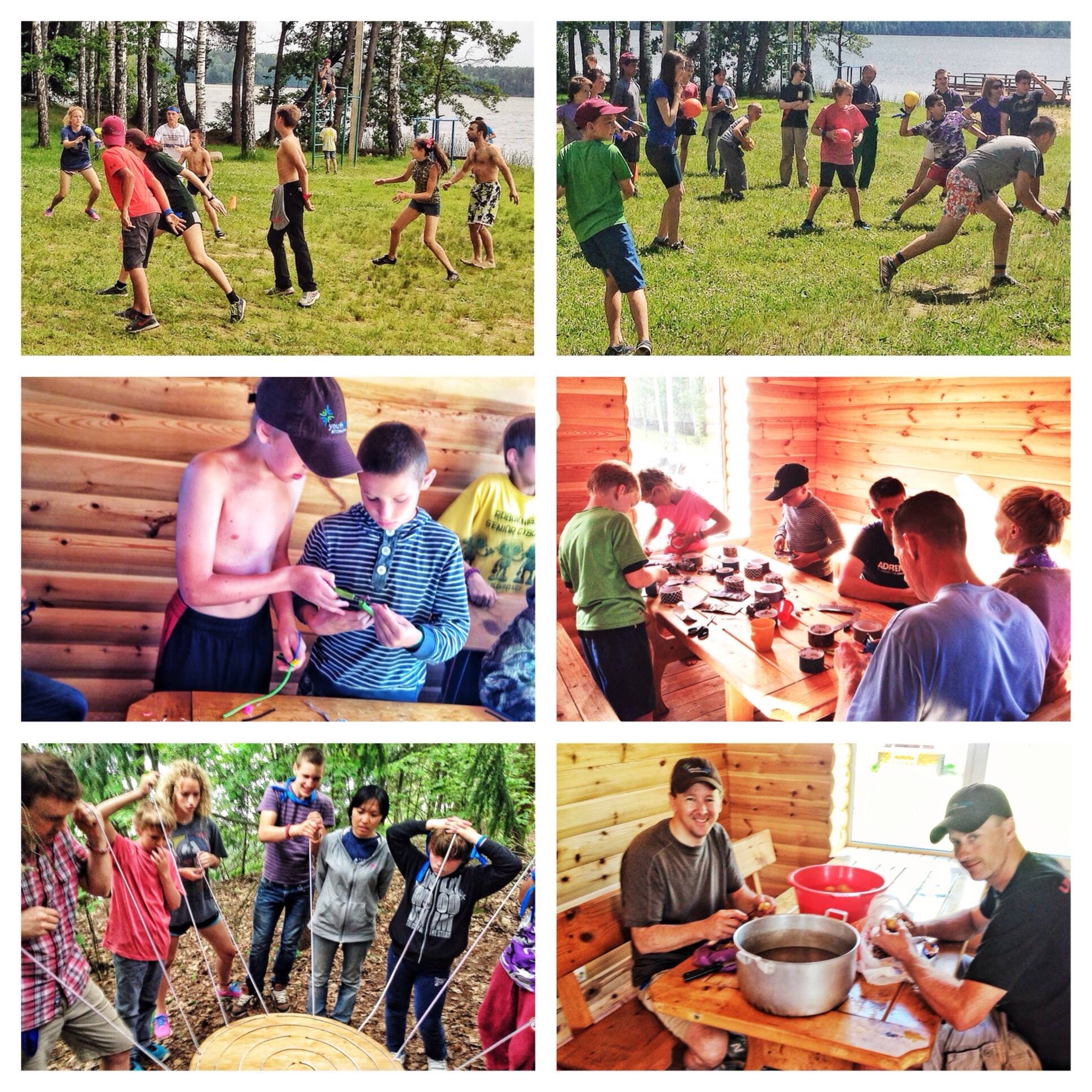
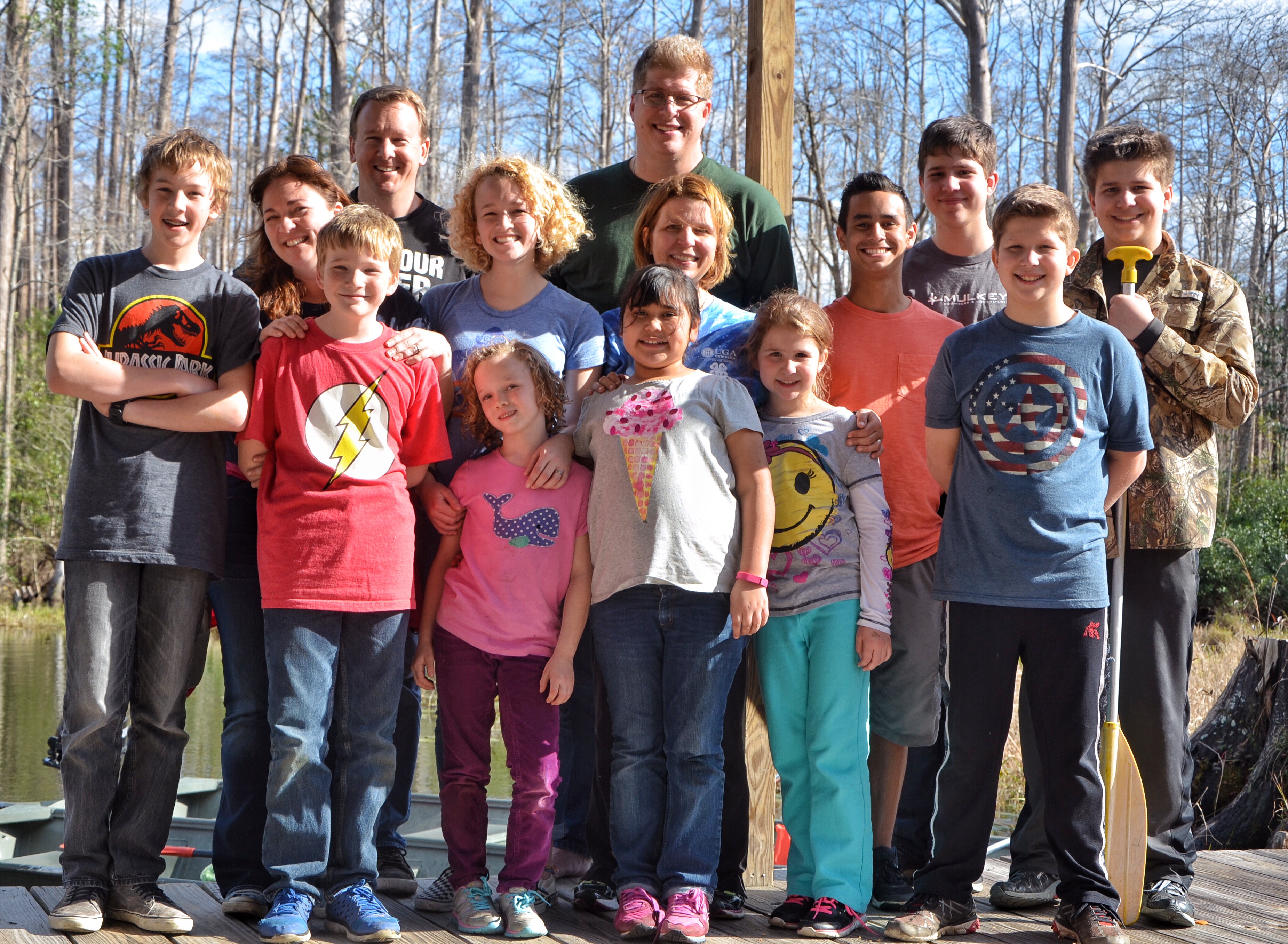
Completely unbothered by the five-hour trek, our friends, the Brownes, drove down from Monroe to join us for a day in the swamp. We met the Brownes through Lifeshape, a group within Chick-fil-A that matches employees with ministries around the world. Brandon has traveled to Russia several times teaching leadership and business seminars to equip local orphanage mentors and help connect them with job opportunities in their communities. A couple of summers ago, our family was invited to participate in summer camp in Belarus along with kids from a nearby orphanage and the church members in their town that mentor them. That’s when the Browne and Mulkey kids cemented their friendships.  

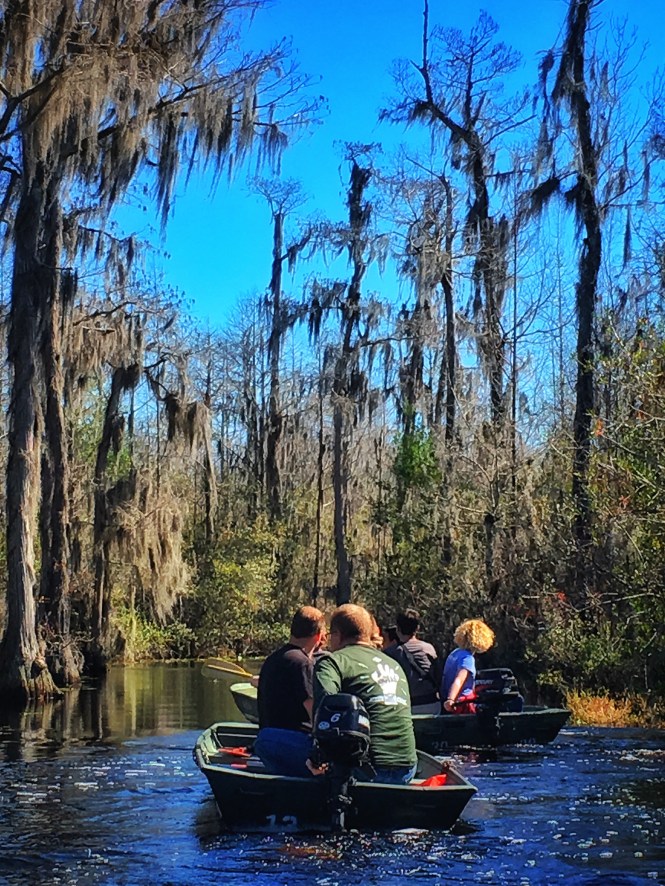
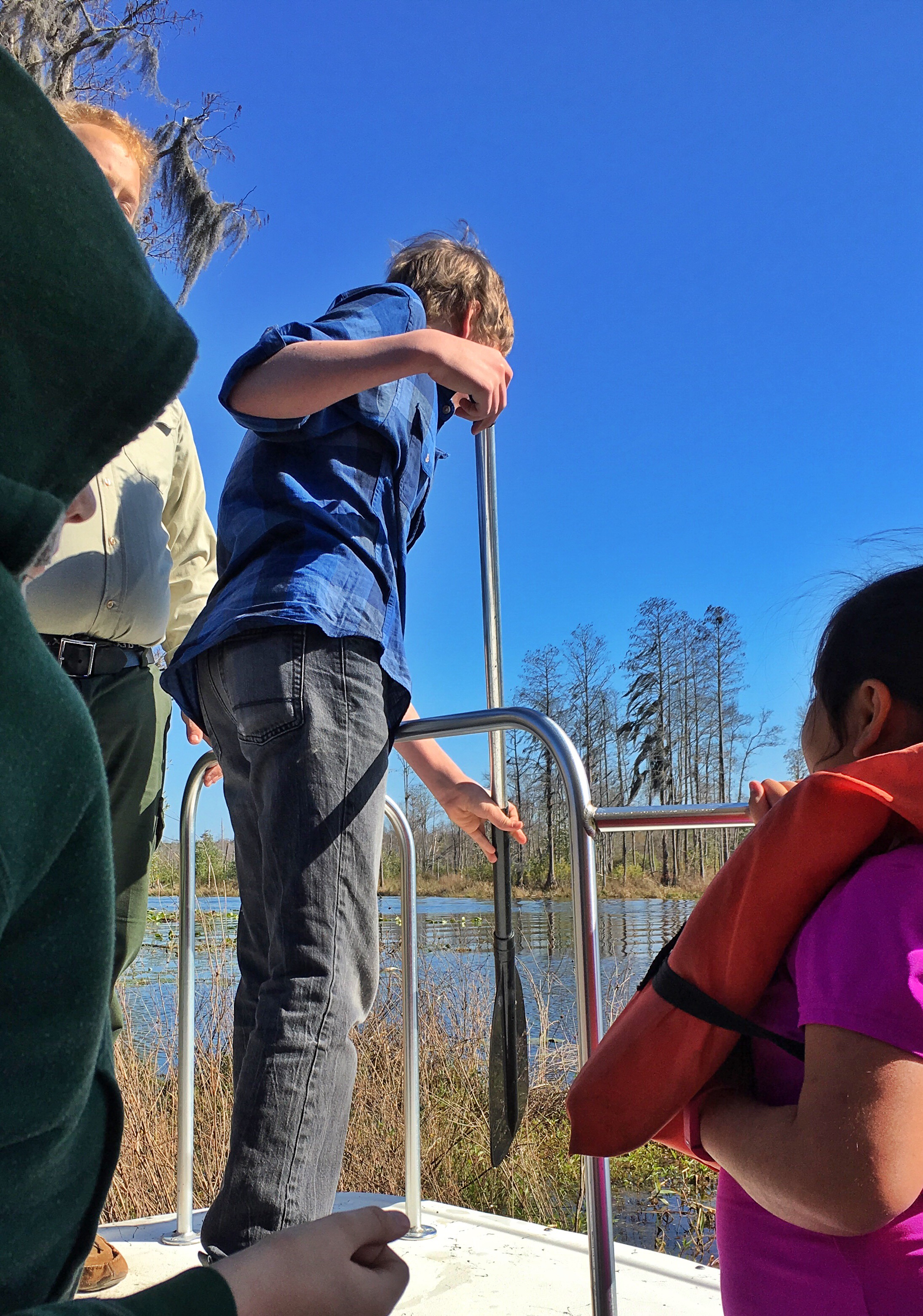
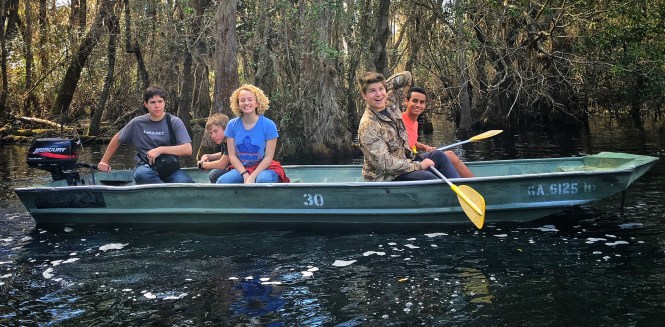
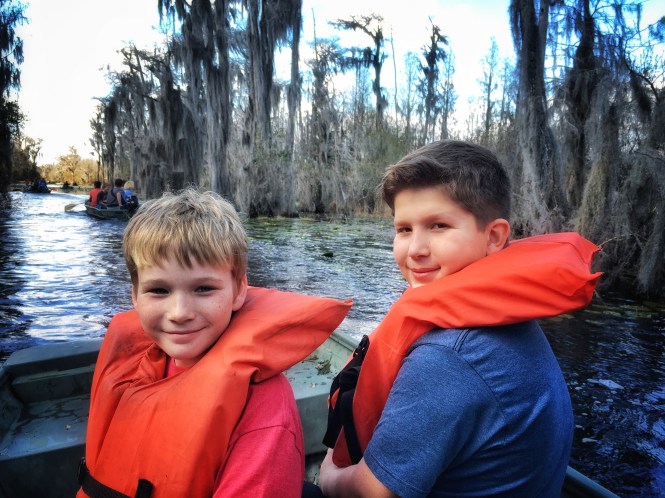
Our swamp time was no less exciting. We rented boats and wandered through the watery wilderness all day.

image

image

image

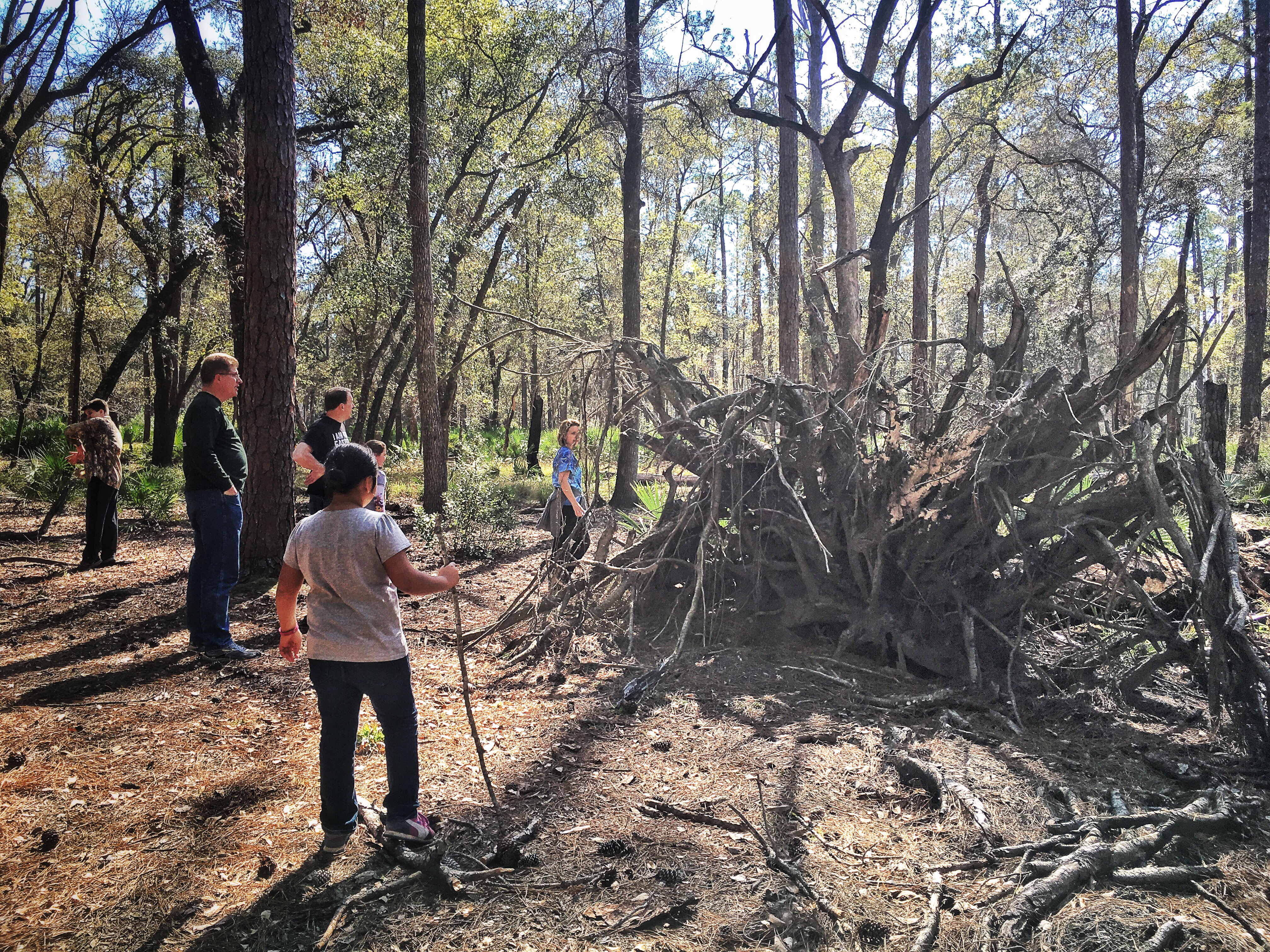
image   Checking out the fire damage at Billy’s Island (named for Seminole Chief Billy Bowlegs). The last big fire burned for almost one year.

image

Not only is there a very cute captain driving this boat, but in the pic you can see how yellow the water is. The ranger claimed tannins kill 98% of the bacteria, so it’s safe to drink. My kids drank a lot; no diarrhea, yet…

On our way out of the swamp, two friends from my school days in Jesup met me for breakfast. For a few hours Becky, Shellie, and I were transformed into the chattering, giggling girls we used to be. And we were a little surprised, I think, that we had changed so quickly into grown-ups, with children of our own, who are the age we were at the height of our friendships. My kids ate breakfast at an adjoining table, eyebrows raised at the sudden increase in my twang and the rapid rate of our conversation, some of which was completely incomprehensible to them!

image

Moon River and Me

image

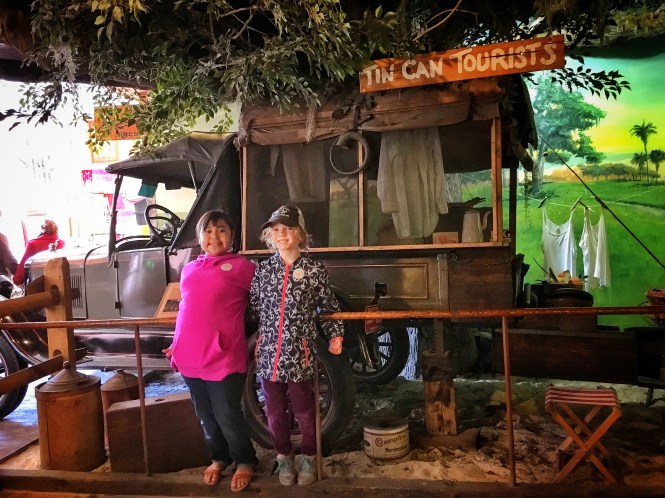
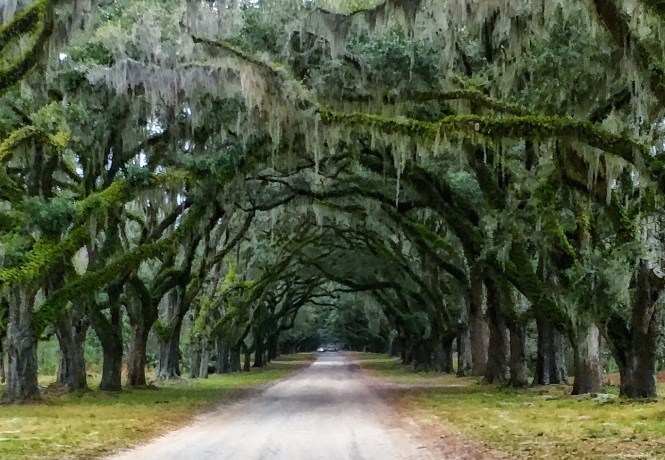
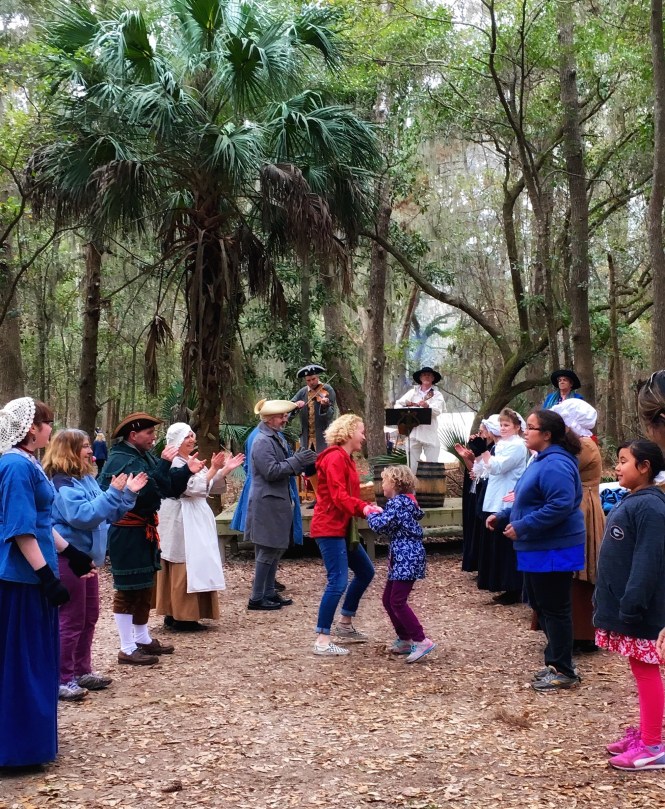
Like Tin Can Tourists of old, we love free stuff, so we made a beeline for Savannah and the Georgia History Festival. All weekend, museums and historical sites were free. We started at Wormsloe Plantation and the Colonial Faire and Muster event.

image

image

image

image

image

image

image

image

image

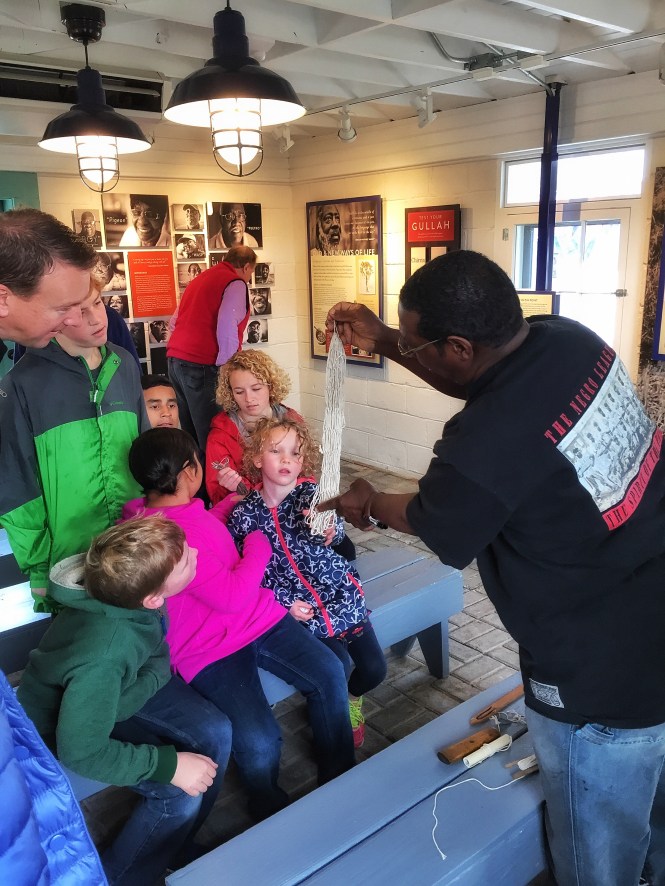
Crossing Moon River (an inlet named after the Johnny Mercer song from Breakfast at Tiffany’s), we camped at Skidaway Island. Nearby is Pin Point, a once-isolated coastal community established on land purchased by freedmen. Supreme Court Justice Clarence Thomas grew up there; everyone called him “Boy” back then. At Pin Point, we were greeted with key lime cupcakes, lessons in Gullah lingo, and demonstrations of crab net knitting. The small museum there, usually open Thursday-Saturday, walks visitors through the workings of an oyster factory and offers a glimpse into a unique American community. It’s a little off the tourist path, but it is well worth experiencing.

image

image

image

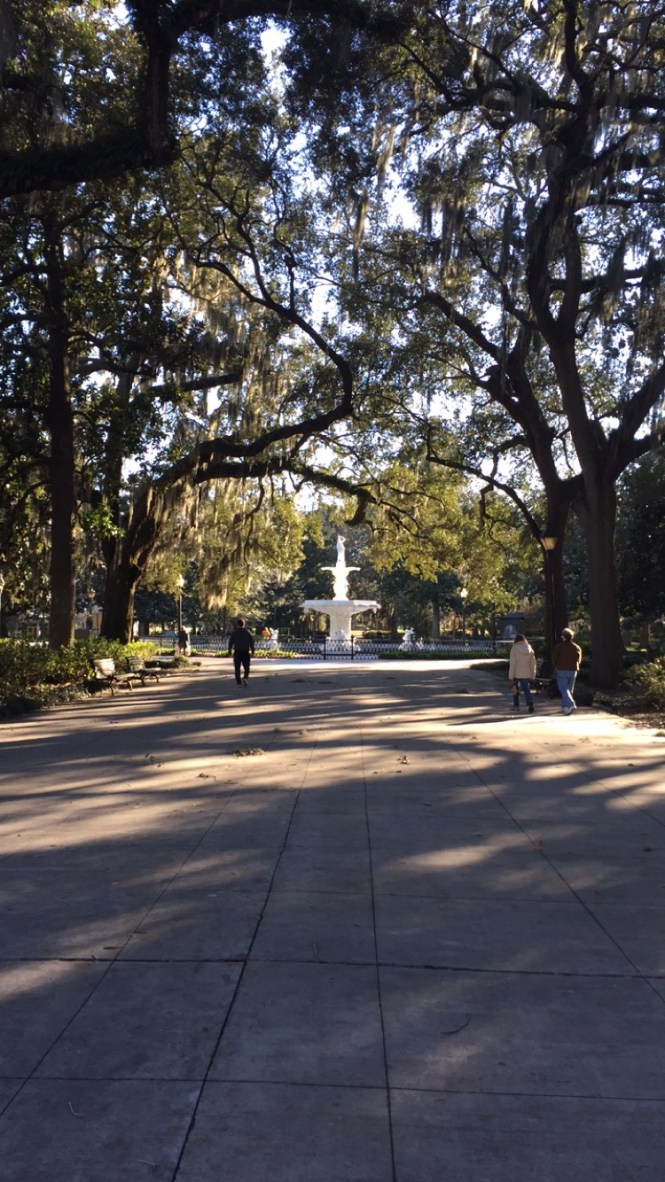
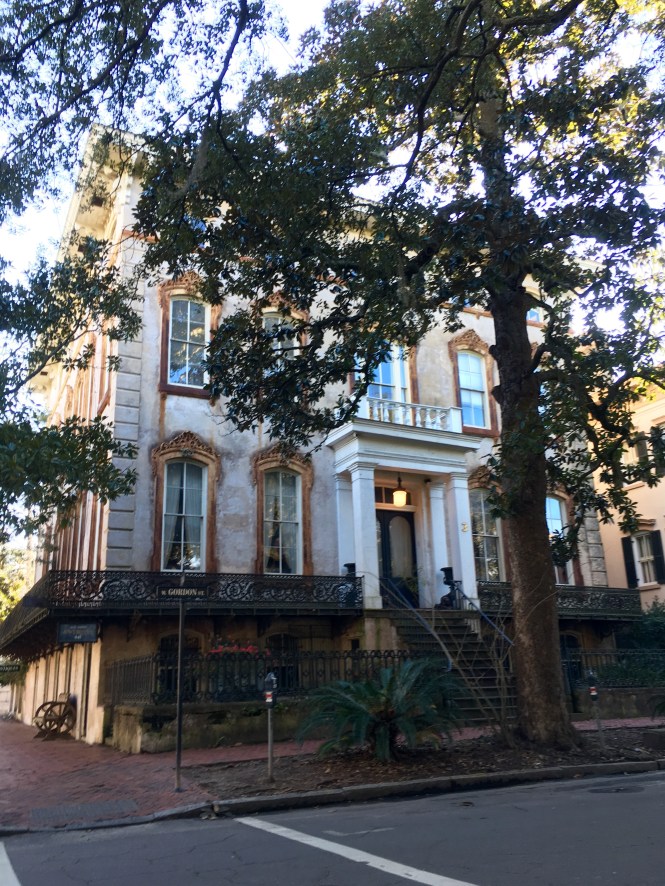
In the city, we wandered through shady old squares, trying to convince the kids to resist handling the Spanish moss. Every time I washed clothes, I dreaded finding a wad of moss (and its itchy inhabitants) in some kid’s pocket. So far, no one is scratching. We walked through a historic home, looked for Forest Gump’s bench, and visited the synagogue of Congregation Mickve Israel. It was founded in 1733, just six months after Oglethorpe established the Georgia colony, by settlers fleeing persecution in Portugal.

image

image

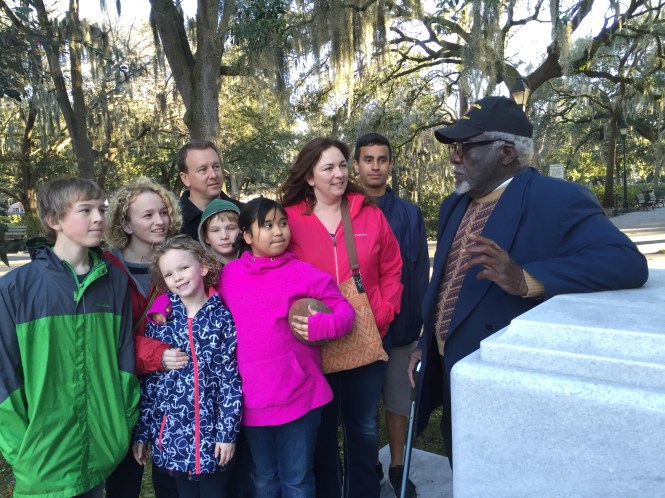
As we strolled along, admiring tributes to heroes from Tomochichi to Casimir Pulaski, we ran into a living hero, Lt. John White. Lt. White was having his picture taken beside the World War II memorial for a news article, and the photographer asked us to be in the photo, too, posing as tourists listening to White’s stories. And did we get stories! Lt. White greeted us in the language of one of the Polynesian islands where he served with the first African-American combat unit. Later, he was the first black police officer sworn-in for Savannah and the state of Georgia, and he was a bodyguard for the Rev. Martin Luther King, Jr., when King visited Savannah. He also told us about his memorable arrest of a preacher, who signed people up for insurance all over Florida and then murdered them. The murderer confessed in his sleep!

image

Here’s a link to the news article:

http://savannahnow.com/accent/2016-02-11/looking-pearls-savannahs-john-white-innovater-treasured-legend

image

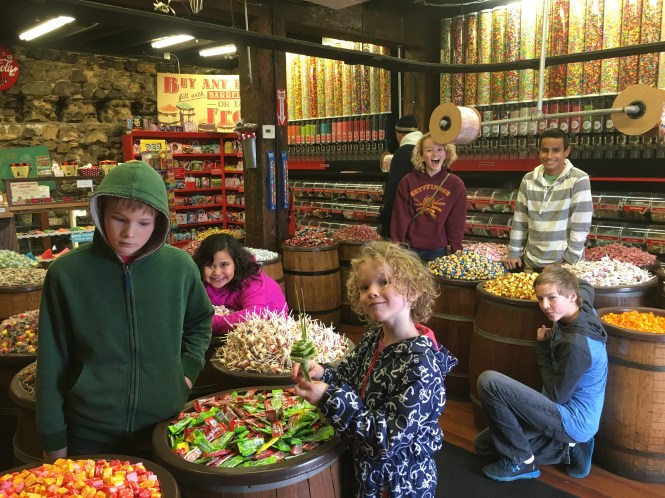
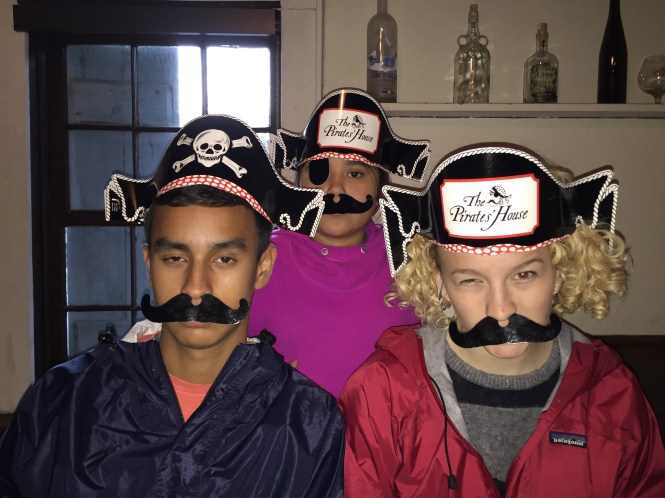
We celebrated Fat Tuesday at the Old Pirate House and the Savannah Sweet Shop.

image

image.jpeg


Fried Bobby

After a long day of driving, we rested briefly at the home of our old friend, Mary, in Columbia. Mary fed us, and we attempted to catch up on the events of the eighteen years since we’d last seen each other. We last visited Mary when she was living in a convent in Chicago (not as a nun). She worked in various programs hosted by the order, and her tour of the convent and community peaked my interest in Dorothy Day and the Catholic workers movement. Nowadays, she is married to George, a native of Greece and a marine geologist, and they have a daughter, Sophia. They work at the University of South Carolina. I was delighted to find Mary much like always; she’d just returned from studying in Paris when I first met her, and she was continually slogging through some novel written in French. Now she’s learning Greek, so she can talk to her in-laws.

image

We managed to make it to Charleston without ever encountering rain, but we ran ourselves a little ragged trying to squeeze two days of activities into one: boat ride to Ft. Sumter, dress parade at the Citadel, eating and strolling and eating and strolling. After dark, we scared ourselves silly with a pirate and ghost tour.

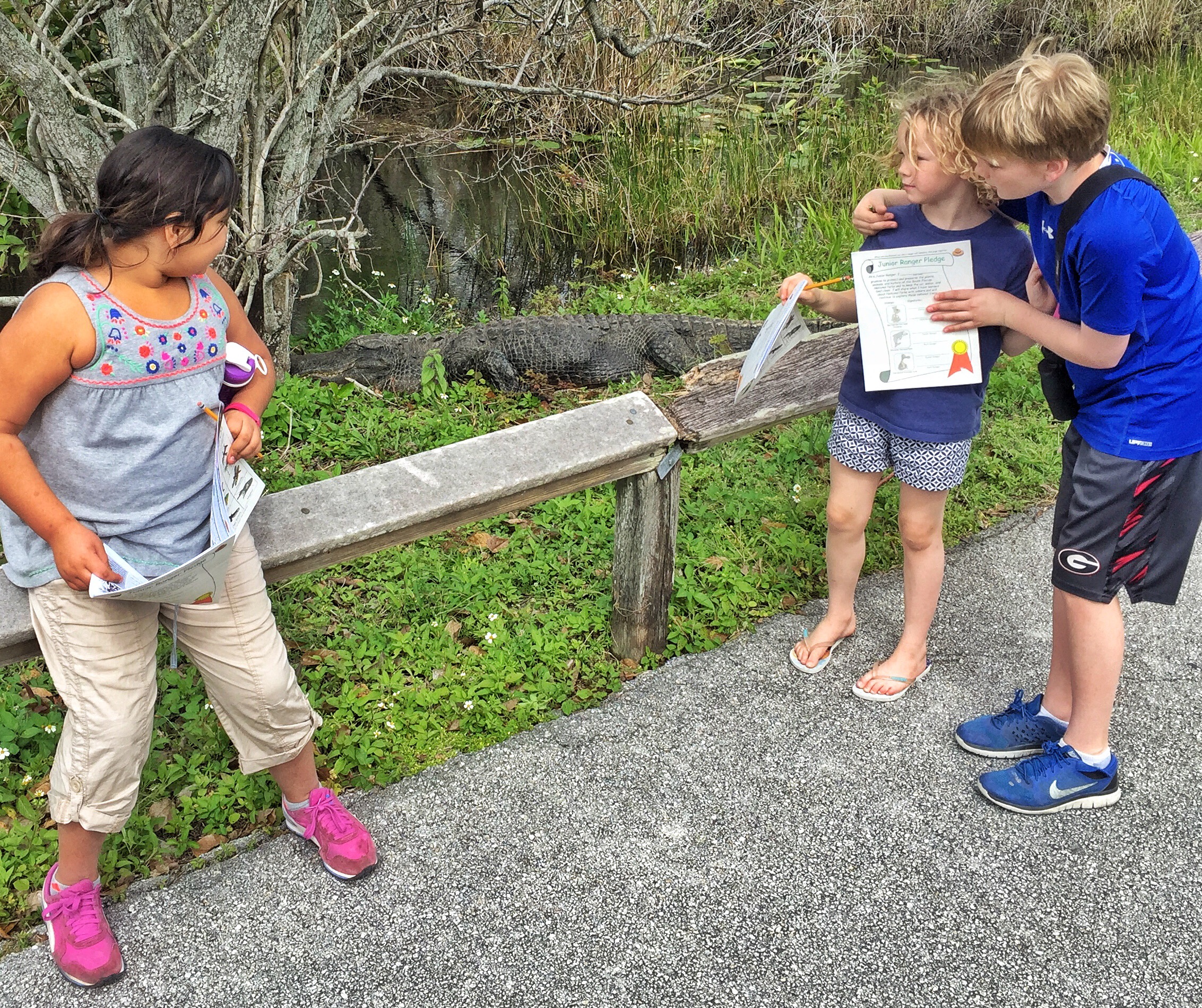
Raising the U.S. flag over Ft. Sumter and working on the hardest Jr. Ranger badge ever. We decided it should’ve earned a Sr. Ranger designation.

We don’t have camellias in Lubbock, so I stopped to greet every one I met in Charleston.

Cadets punctuated every sentence with copious “yes ma’ams” on the Citadel campus.

image

There may have been a few nightmares following the ghost tour.

As we walked past the rows of stately, pastel-colored houses, I recalled an ill-fated trip to Charleston in my youth. I confessed it, while we trekked to lunch on King Street:

When I was in college, I was crazy about a boy named Bobby. He had large, beautiful brown eyes, a sister (my good friend) with red hair, and was destined to take over the family farm in South Georgia. I’d been told our great-grandfathers were childhood friends. Clearly, he was my destiny, and I pestered his sister to fix us up. Finally, I got my way.

We enjoyed a series of epically charming dates, to my mind at least. One Friday evening, having exhausted the romantic destinations available locally, I suggested we drive to Charleston. “I’ve never been there,” I bemoaned, “We could get there in time to see the sun come up at the beach.”

The sunrise was lovely. If Bobby, possibly fatigued from a long night of driving, was somewhat reserved, I had enough enthusiasm for both of us. We went to town, strolled the beautiful old neighborhoods, and ate shrimp and grits.

Our happy idyll ended in a car wreck just outside of Charleston. We weren’t injured, though Bobby, who’d been napping in the reclined passenger seat, slid under the seatbelt and woke up in the footboard. The car, however, was a mess, and we were hours from home. A policeman dropped us at a McDonald’s, where we used the payphone to call Bobby’s sister. She arrived after dark, and we rode back to Athens in silence and with the windows rolled down. We stank from our morning at the beach.

I didn’t hear much more from Bobby after that. Crushed, I harassed his sister for an explanation of what went wrong.    “Well,” she finally conceded, “I think he was a little overwhelmed. Like on the drive to Charleston when you talked so much and asked so many questions.”
“What questions?” I pressed.
“You know,” she answered gently, “Stuff like ‘What are you thinking about?’ It made him kind of nervous because he wasn’t thinking about anything, really, and he had to come up with something.”
“Oh,” I said, a little more shine wearing off my Charleston adventure.

We arrived at Kickin’ Chicken, our lunch destination. The children were still shaking their heads about my irresponsible behavior.
“You won’t even drive after dark anymore!”
“I can’t believe you wrecked the car; what did Poppy say?”
“Now I know what NOT to say to a boy.”
“Hey look at that!” I interrupted, pointing to the side dishes on the restaurant menu.

Bobby Fries: French-fried potatoes with cheese, bacon, and a special ranch sauce.

We ordered a large basketful.

The Dodge


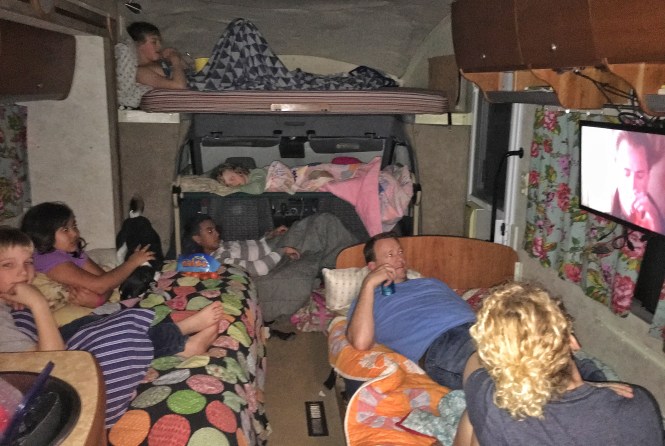
For the first time in the history of our family, we left town before our estimated time of departure. We were motivated by fear. A winter storm was approaching, and we needed to get out of town ahead of a nasty wind. Problem was, where to go? We wanted to travel down the Atlantic coast from Charleston to the Keys, and since we had time constraints, it was necessary to get to Charleston quickly. Unfortunately, the storm that brought wind to Lubbock was also spawning a wall of thunderstorms from Louisiana to Georgia. Little red tornado symbols dotted our route.
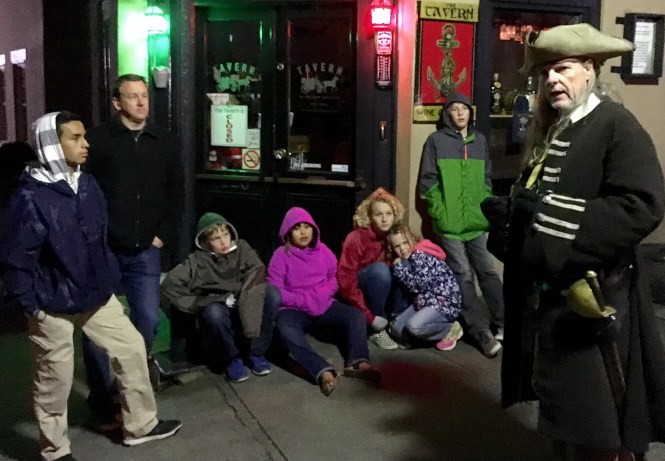
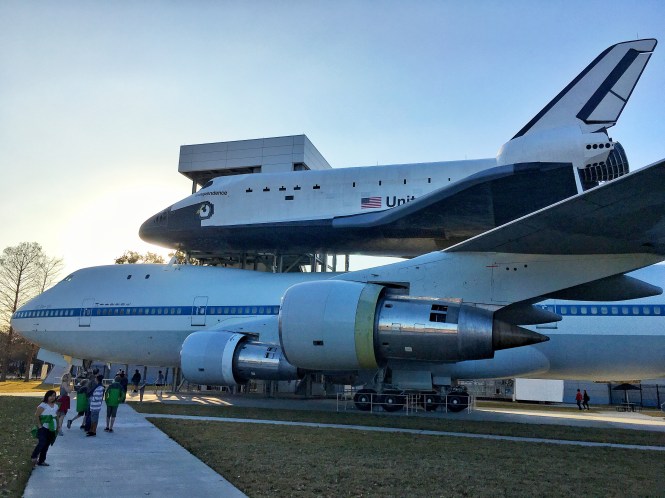
At Abilene, we decided to veer south. If we had to wait out bad weather for a day, why not visit the Space Center in Houston rather than a casino campground in Shreveport? (We aren’t big gamblers, but the bathrooms are really nice at those RV parks.)

image

Mission Control from the Apollo missions era

image

Saturn rocket

image

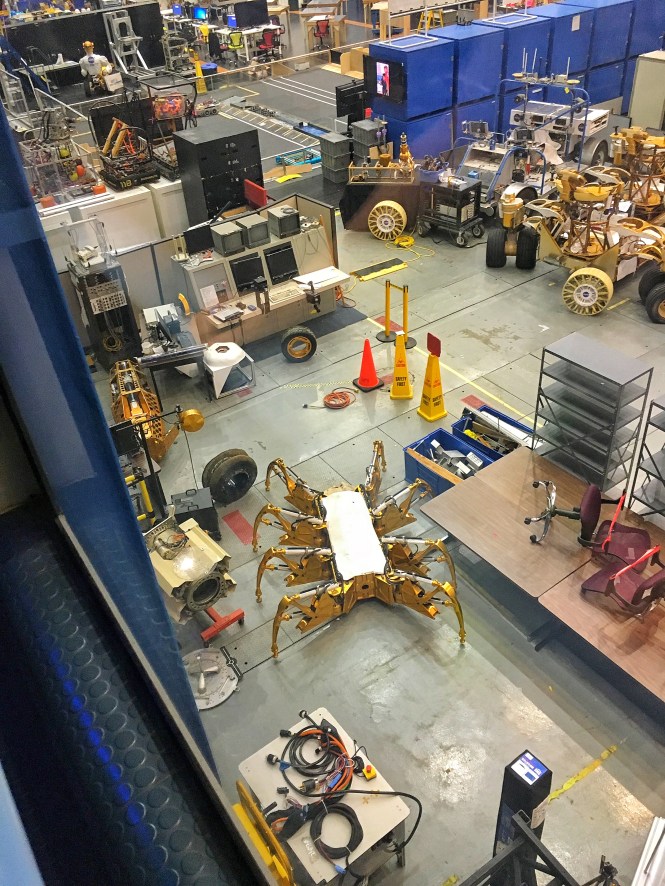
An engineering project on the testing floor


image

We capped off our visit by watching The Right Stuff and instantly creating a new generation of Chuck Yeager and John Glenn fans. In the movie, Yeager casually agrees to test a new plane, which might be capable of breaking the sound barrier, as he sips his beer in a ramshackle desert bar. Georgia exclaimed, “Just like that? He didn’t have to sign any papers?” Poor 21st century kid. I pretty much have to sign a release form for her to even get out of bed in the morning.

image

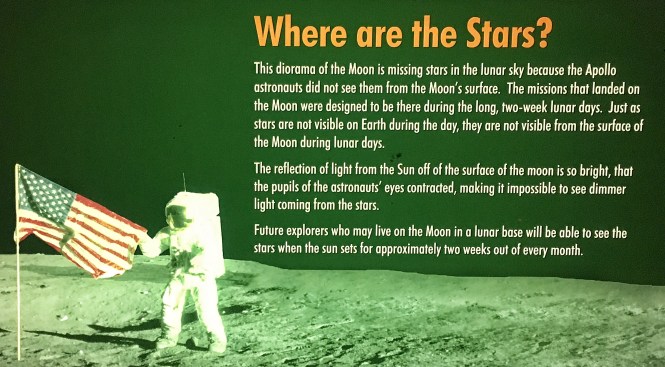
Brandon told the kids about how many people believed the first moon landing was faked. This led them to the source of all reliable information on conspiracies, odd occurrences, and strange facts: the Good Mythical Morning podcast. (My boys are still loyal to Rhett and Link, despite not being invited into the studio when we staked out their parking lot on a trip to Los Angeles. I think if they’d known about our Middle Georgia roots, we’d have been shown right in.) Here’s a link to their show on debunking the moon landing conspiracy theories:


We camped on Galveston Island. Galveston looms large in my imagination because of a book I read several years ago about the Hurricane of 1900.

It wasn’t rainy, but there was a thick, spooky fog hanging over the beach much of the time we were there. My mind was already on the weather, as I tracked the progress of the storms ahead of us, and I decided we should download the audiobook of Isaac’s Storm. I love Erik Larson books. His books are non-fiction, but they read like novels, and they are packed with juicy details, which he excavates from mounds of decaying letters, journals, and historic documents. We explored the old downtown, searching for remnants of the great city described in Larson’s book. A friendly dog-walker pointed us toward the neighborhood, close to the beach, where Isaac Cline’s well-built home had stood, and we rode a ferry to the Bolivar peninsula at the same spot where a locomotive full of passengers disappeared into the bay on the day of the hurricane.

Isaac’s Storm is full of all kinds of crazy weather stories, but it is most compelling because it draws a tragic picture of how the pride of the age contributed to the loss of 6,000 Galveston residents. We chewed on the warning, as we traveled east, keeping well behind the big green blobs on the weather.com radar maps.

Sola Bona

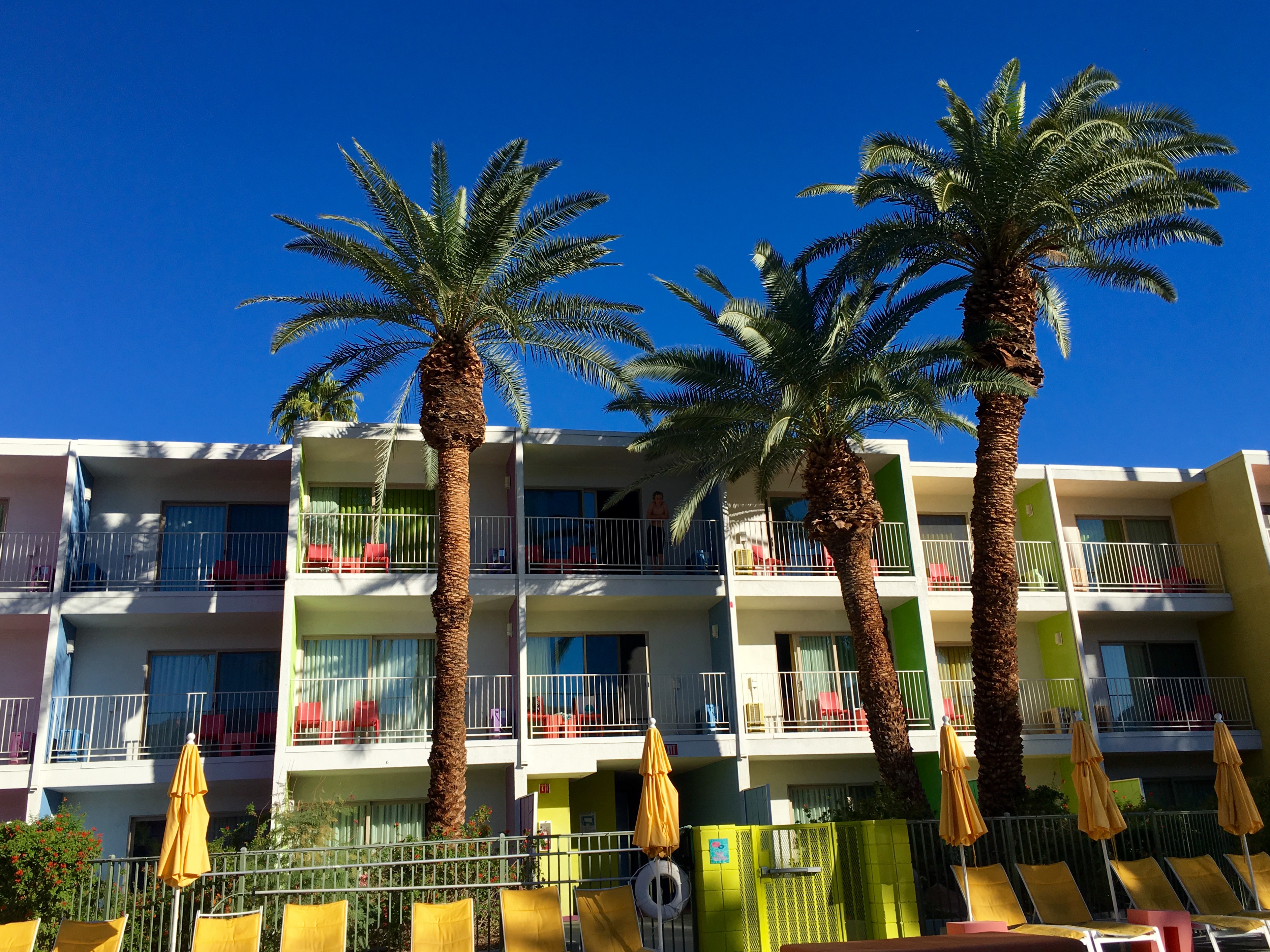
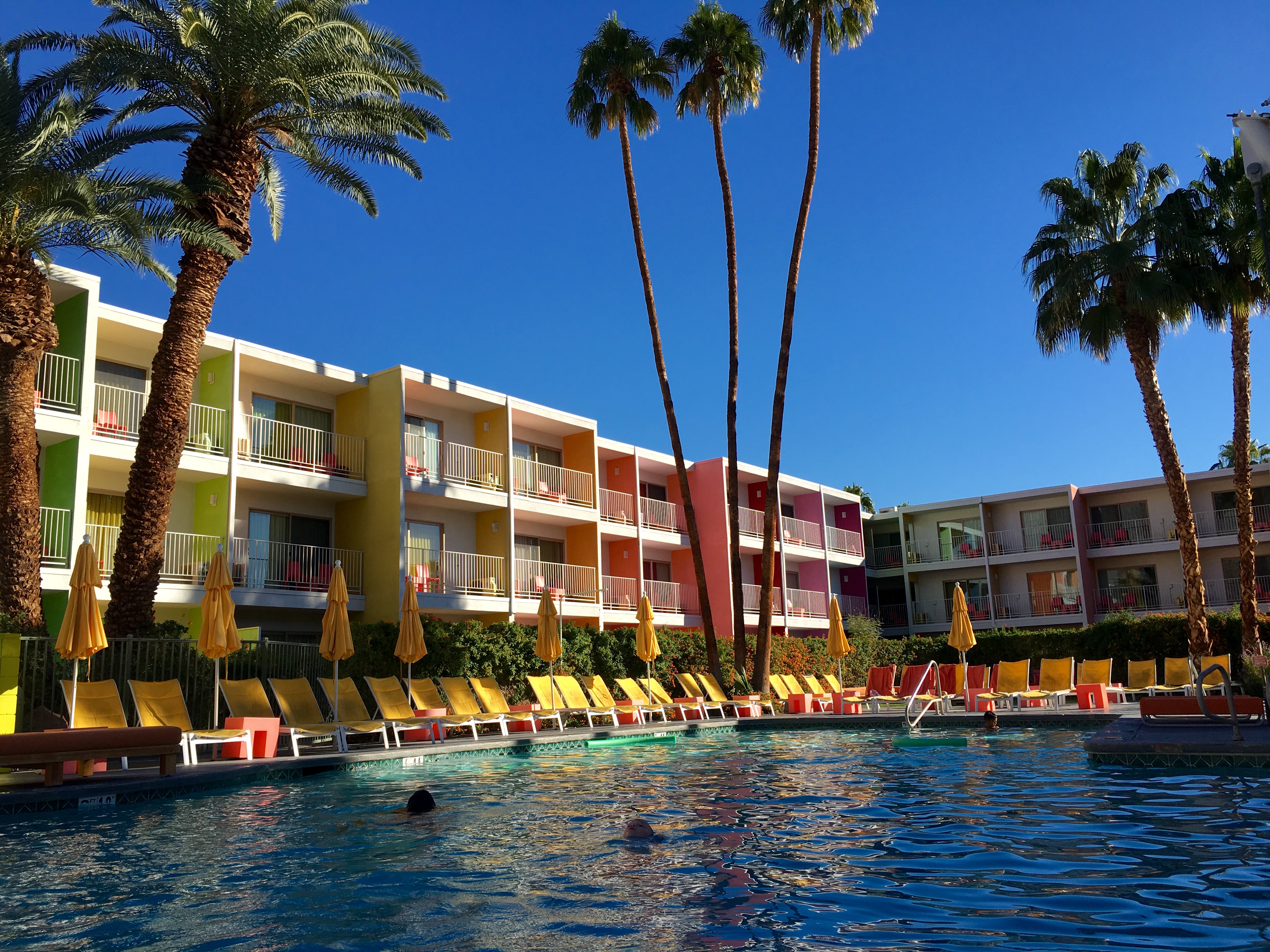
Like a rubber band stretched too far, we sprang back from the Pacific toward home. All of us were feeling that tug to be back in place, our proper place, and we’d reached the part of the trip in which we felt slightly less gracious about each other’s shortcomings. My estimation of the trip’s success plummeted, as the force and frequency of the fighting escalated, until I finally hit my travel rock-bottom: “This was the worst idea. I will never go anywhere with y’all again.” (If you’ve been following our travels, this may sound familiar.) After my rant, there was silence in the car, although I could still hear faint protestations in the very back, as two siblings quietly continued to trade abuse. When we pulled into our Palm Springs hotel, which was straight from a Mad Men set, I barely registered the toothy grin and winking chit-chat of the host as he described the heated pool and Friday night drink specials. “We’ll just eat our leftover bagels,” I pronounced gloomily, “and go to bed.”

image

image

image

The next day, I reclined on an over-sized, orange bed by the pool watching two brightly restored military planes hum above my head. Towering palms dipped forward slightly to frame an otherwise uninterrupted sky, and in and out of the fronds darted tiny, gray hummingbirds. I wondered why I could so easily judge the whole trip a failure as soon as some moments proved less perfect than others. Did it all mean too much to me, or did I give it the wrong meaning, or both?

We’d been capping-off Jane’s philosophy class by listening to Tim Keller’s The Reason for God. Keller had described how we make idols of very good gifts, things that ought to be thoroughly enjoyed, by finding our identity in them. If we lose that good thing, or fail at it, or it fails us, we lose our sense of self and self-worth. Only Christ, he contended, is reliable enough to build an identity upon. Keller said Jonathan Edwards called Jesus our sola bona, our only good. I’d stopped the audiobook and told the kids how I freaked out when I got close to marriage because I was afraid that Brandon wouldn’t meet all my knight-in-shining-armor expectations for a husband. I almost wrecked the whole thing, and it wasn’t until I acknowledged that he couldn’t and shouldn’t be my “everything,” that I was able to marry. As I considered what a slow-learner I am, a large figure shadowed my blue sky. Brandon leaned down, smiling, and presented a coffee with one hand and bagel with the other.

image

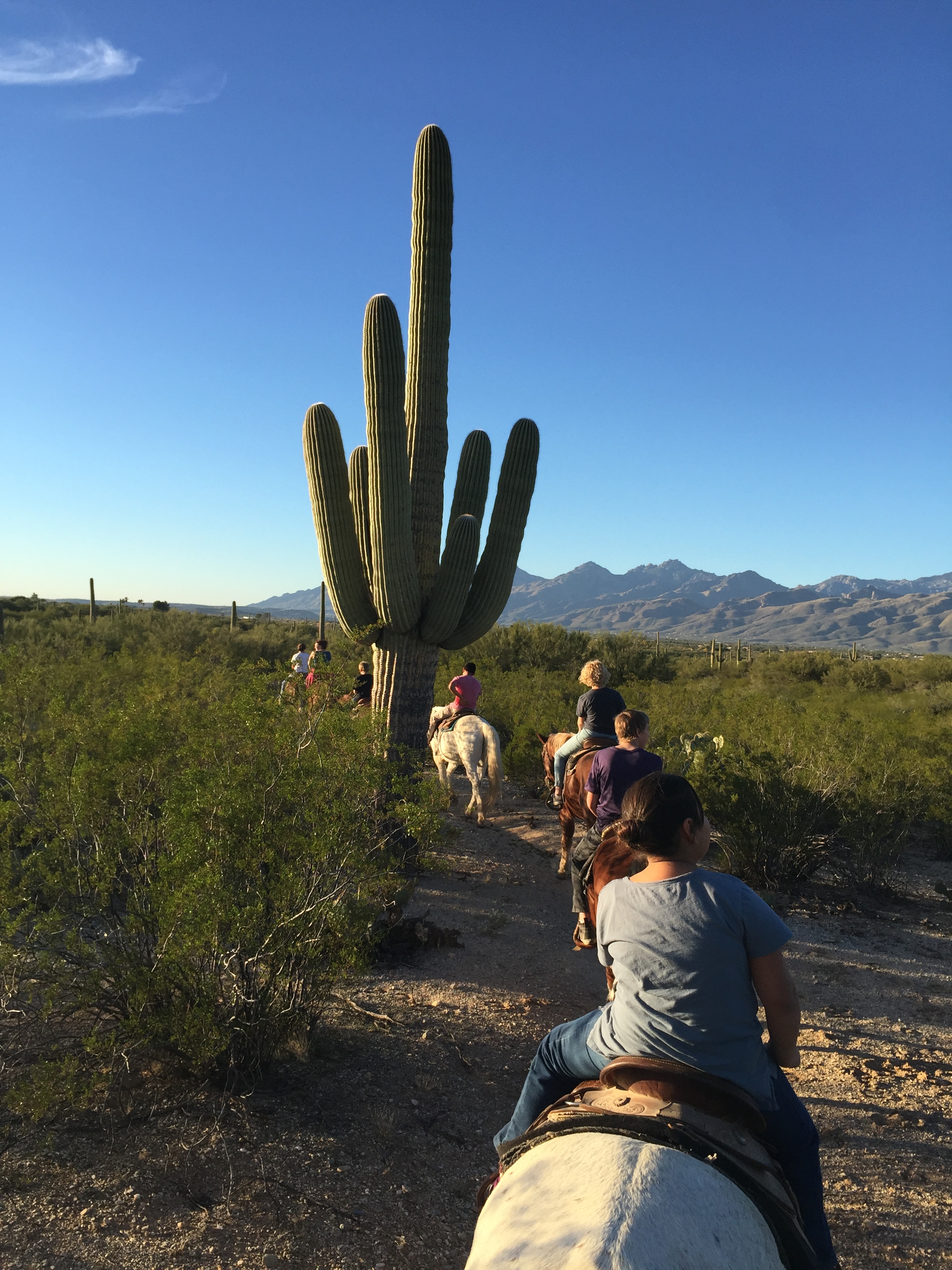
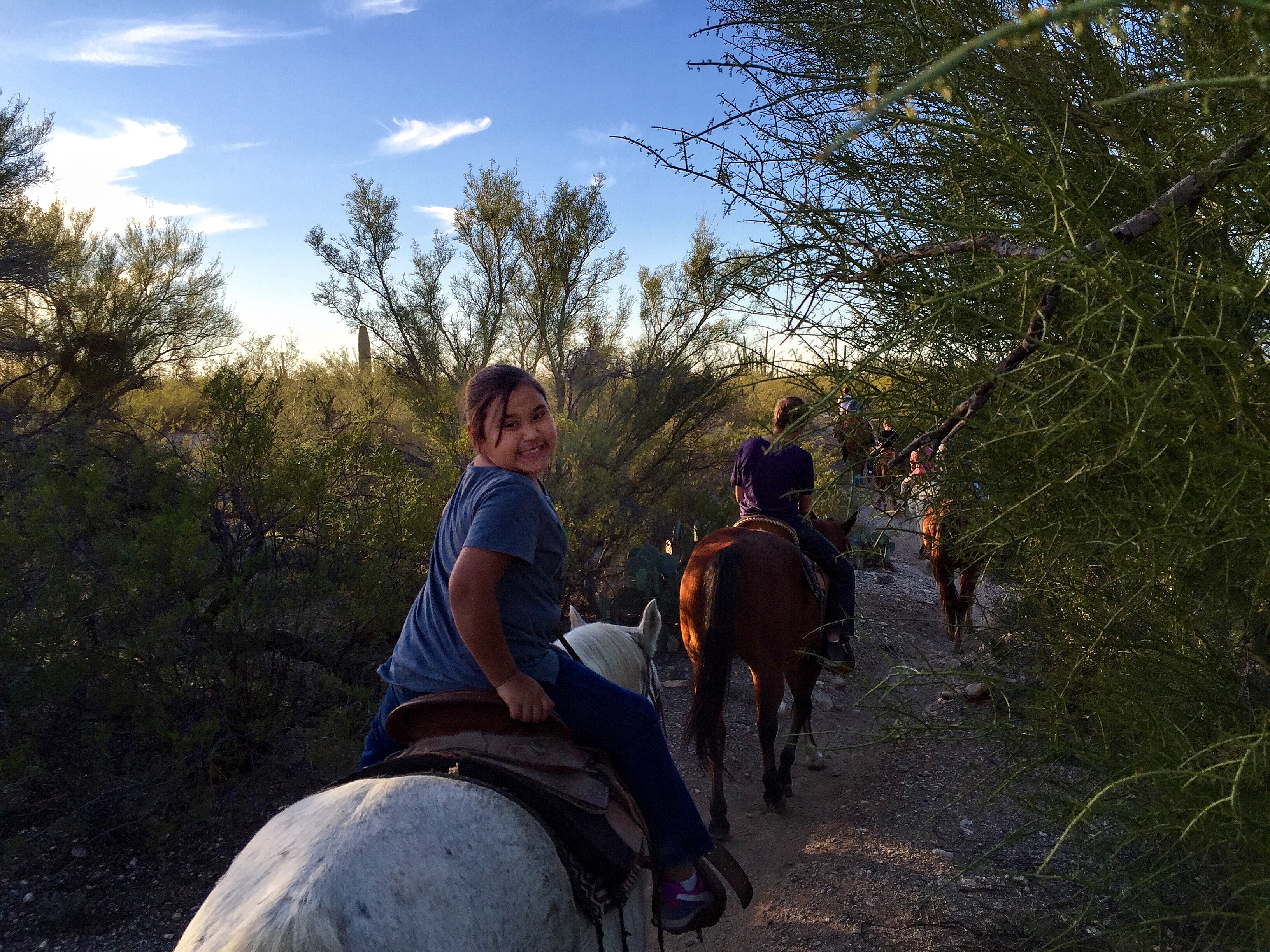
From Palm Springs, we drove to Tucson to see the giants in the Saguaro National Park. A rodeo family took us on a guided horseback tour, and then we ate at one of those steakhouses where servers named Maverick cut off men’s ties and hang them from the ceiling.

image

image

image

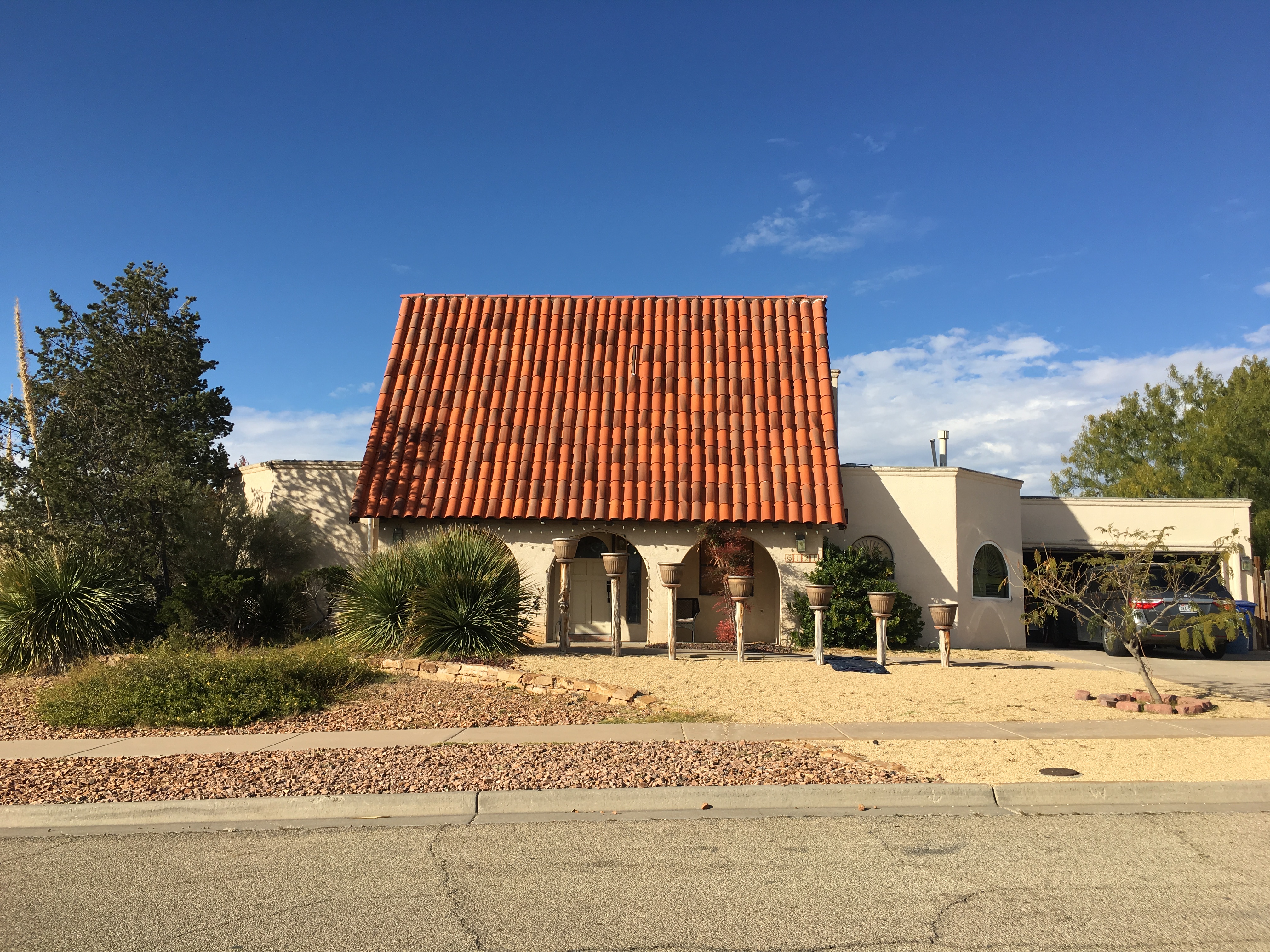
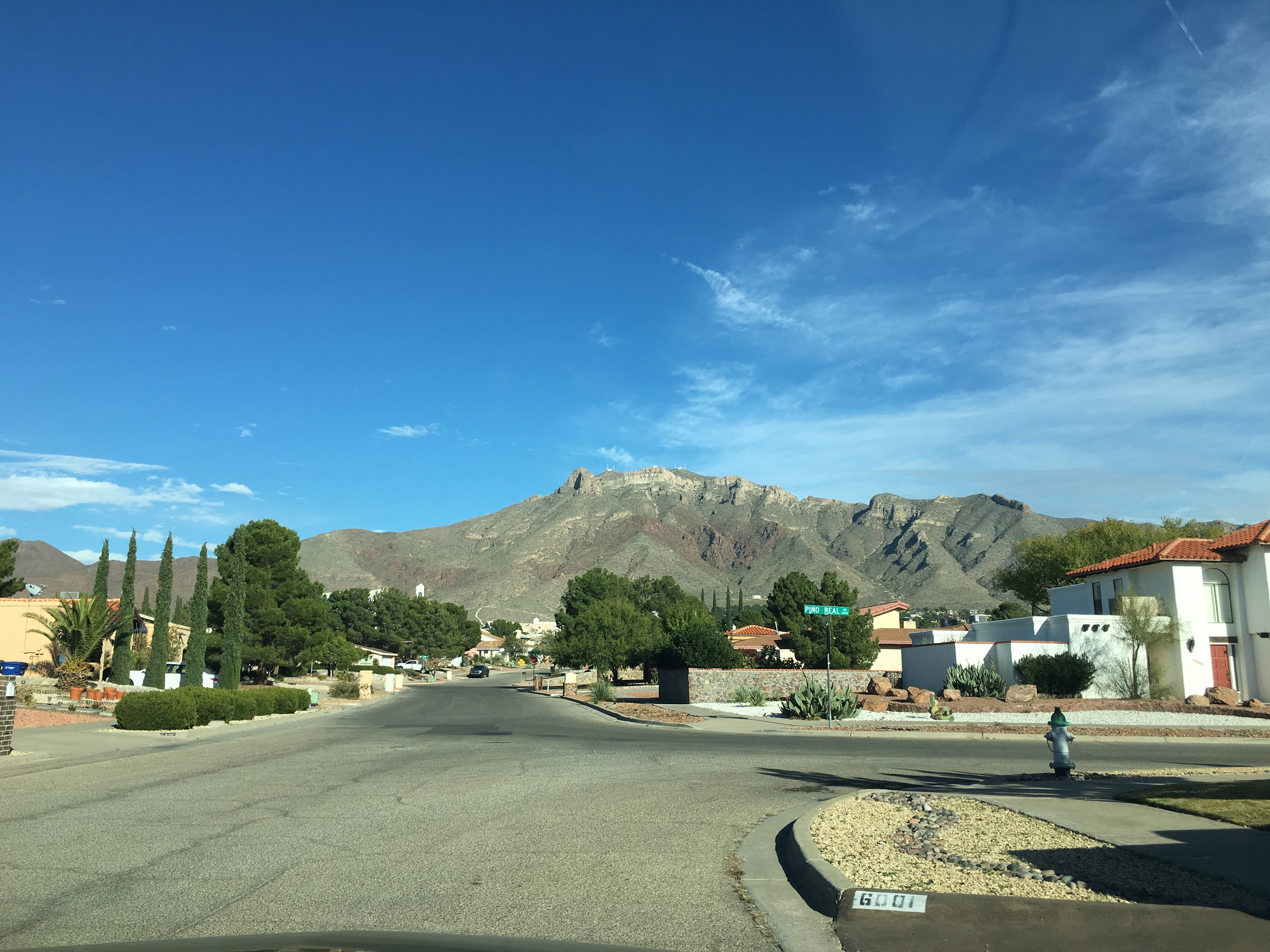
Our last stop, before picking up the repaired RV, was El Paso.  Brandon grew up there, but none of us had ever seen it. A mounting urgency to reach home convinced us that a drive-by would suffice. El Paso has doubled in size since he moved away, but the towering Franklin Mountains, which divide the city in more than geographical ways, and the view of Mexico: dusty hills dotted by tiny houses behind a trickling river and a tall fence, was just as Brandon had described. We rode past his boyhood haunts, while he told about shaking scorpions out of his towels and catching big air on homemade skateboard ramps and chasing the family’s enormous (and fast) Afghan hound. We imagined Aunt Melissa’s terrified face as a grocery cart, which the neighborhood kids had convinced her to ride, sailed down the street powered by a bedsheet full of wind. We tried to think of them, Melissa, Brandon, and Jason, smaller, younger, and more carefree. As we struggled to envision those former incarnations, my stomach twisted with the uncomfortable foreboding that is always present these days. Our family is changing.

image

image

image

Back in Lubbock, many of our friends were inexplicably trading holiday celebrations for mourning rituals. We were driving home through the desert, but I kept thinking of our time in the ocean. Sorrow really does roll over a person like “sea billows.” Sometimes it is the steady rocking motion of the tide: constant news headlines that are terrifying, but still distant and somewhat unreal. And sometimes it is a powerful breaker crashing directly overhead. “The thing that I dreaded is upon me.”

I thought of a toddler I once knew, cruising the furniture in my living room with more self-assurance than a new walker ought to possess. That boy is tall now, with a deep baritone voice and a compelling confidence in the sola bona. Under a recent Instagram photo from his dad’s hospital bed, he wrote, “Whatever happens to my [earthly] father, I know that my Father in heaven has it all under control. I love both my fathers. Very, very much.” Corrected and instructed, I grabbed some extra Kleenex and went out to meet the next change.

image

Endless Summer

image

image

image

image

image

image

image

image

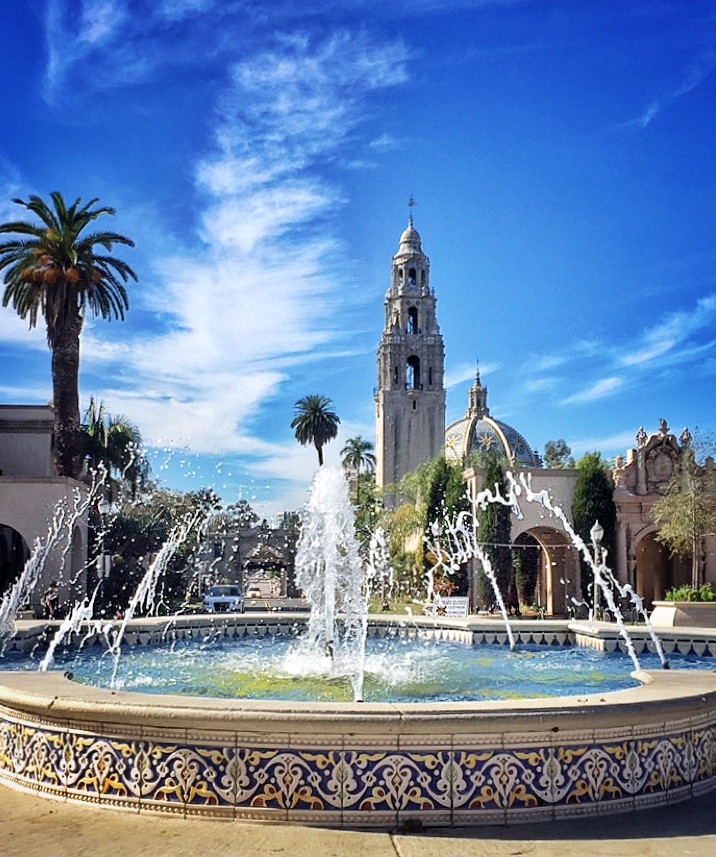
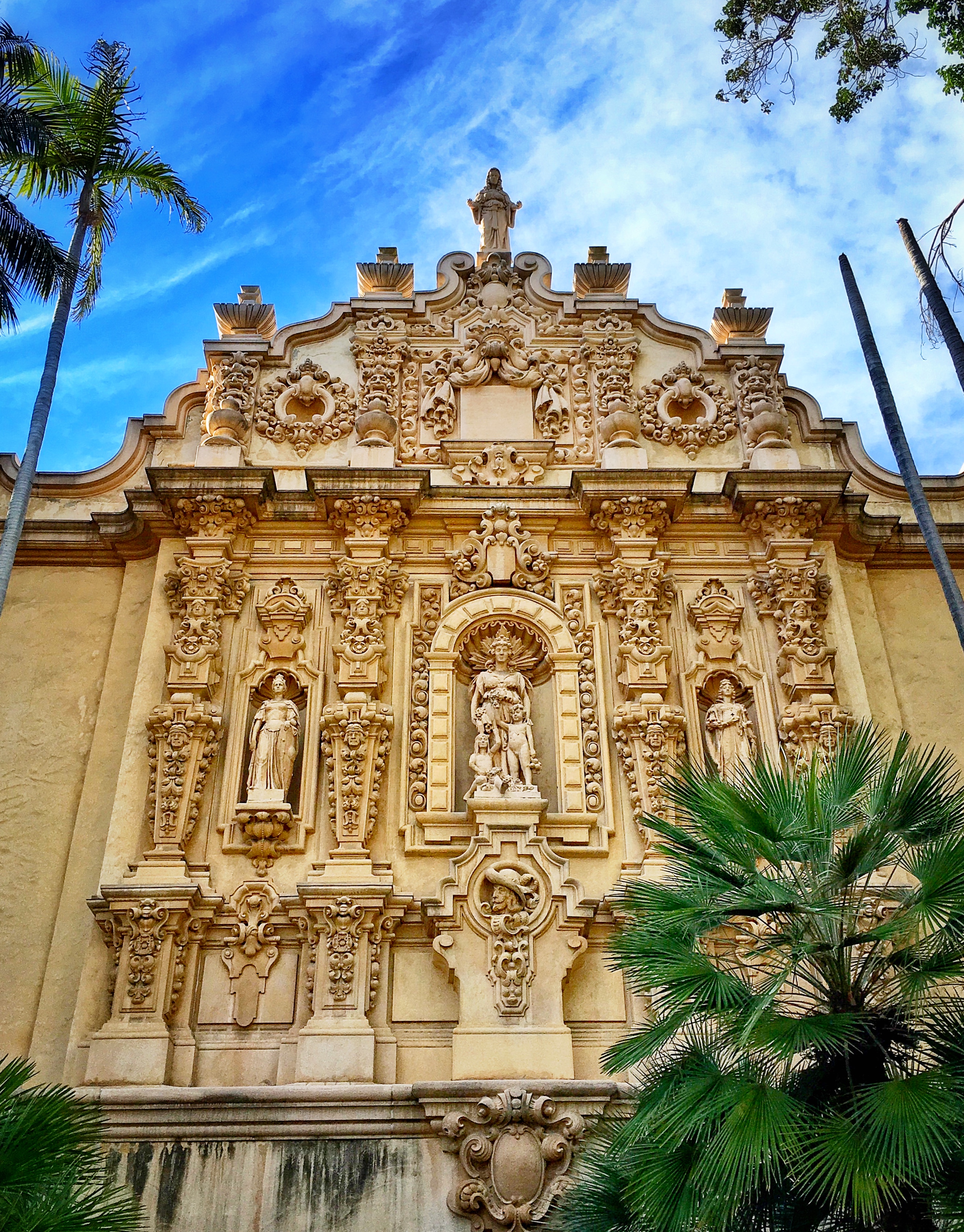
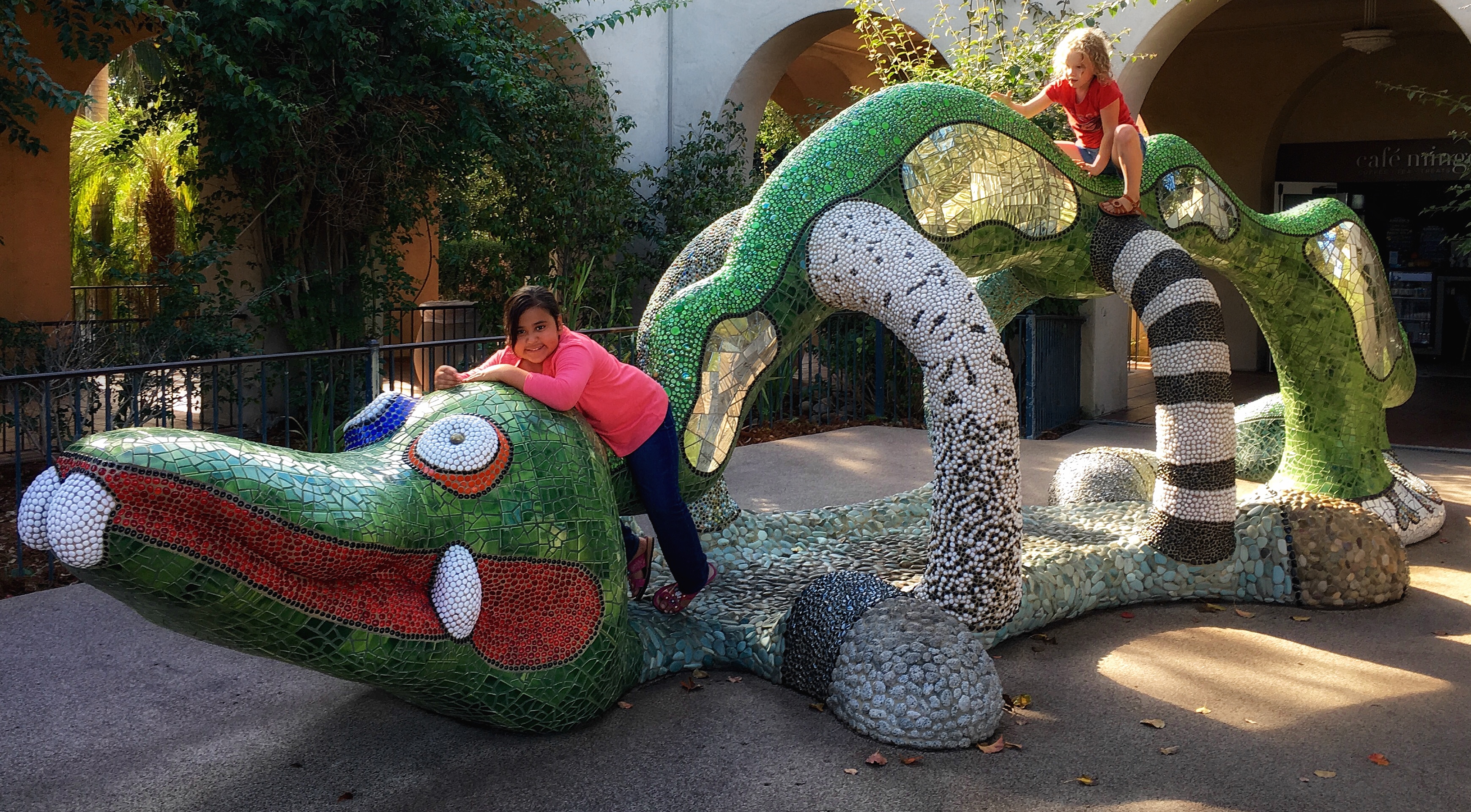
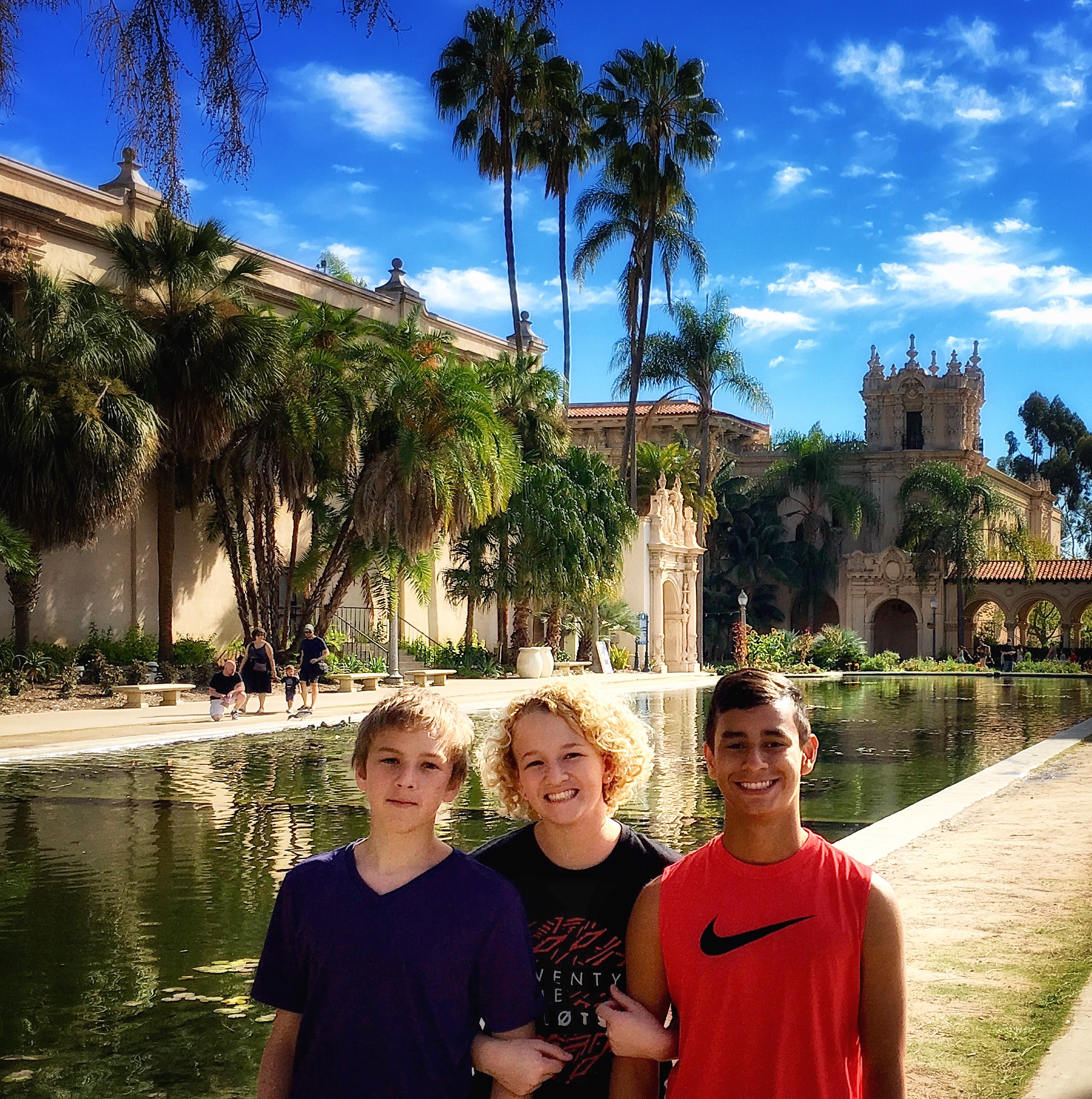
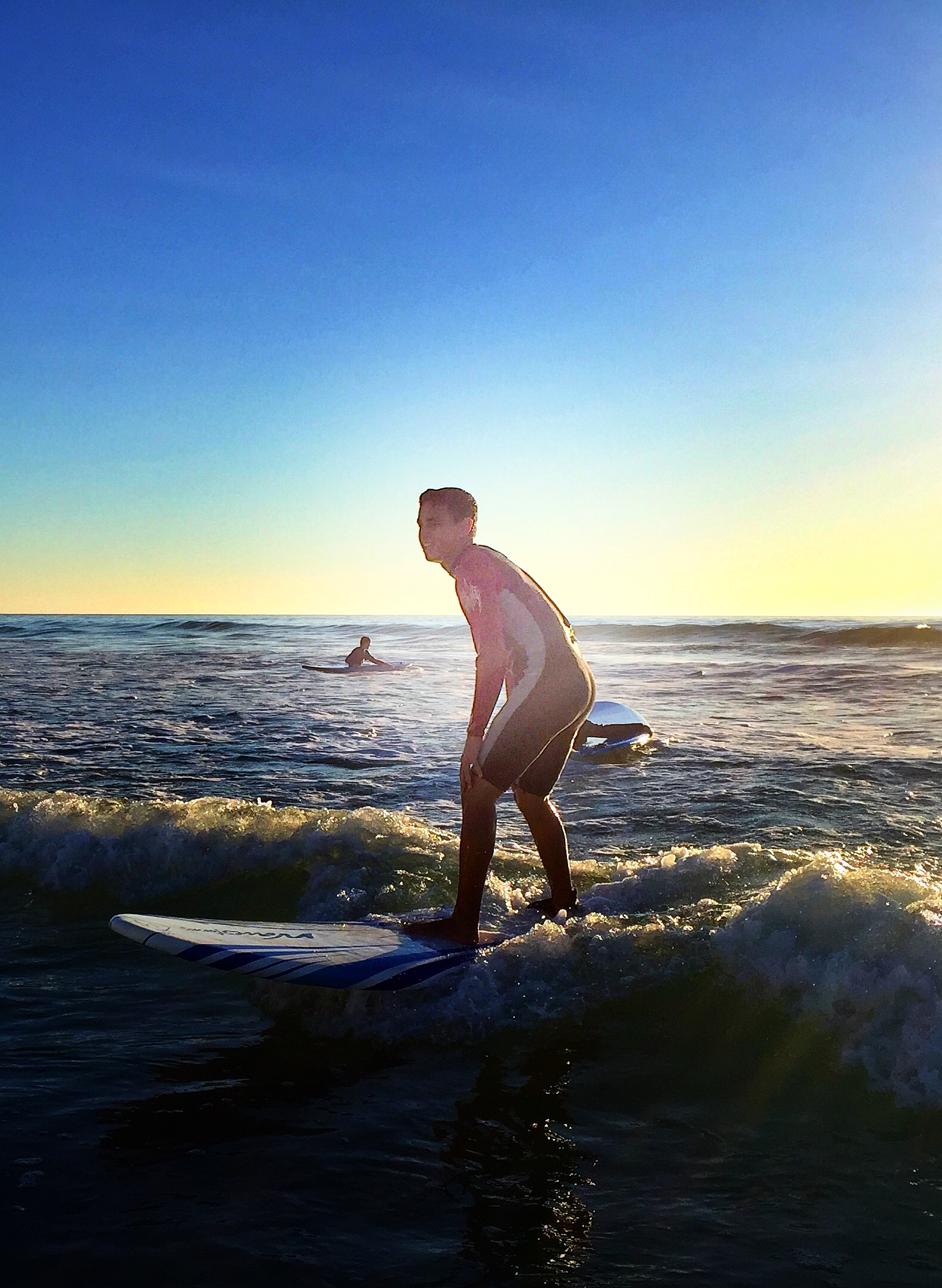
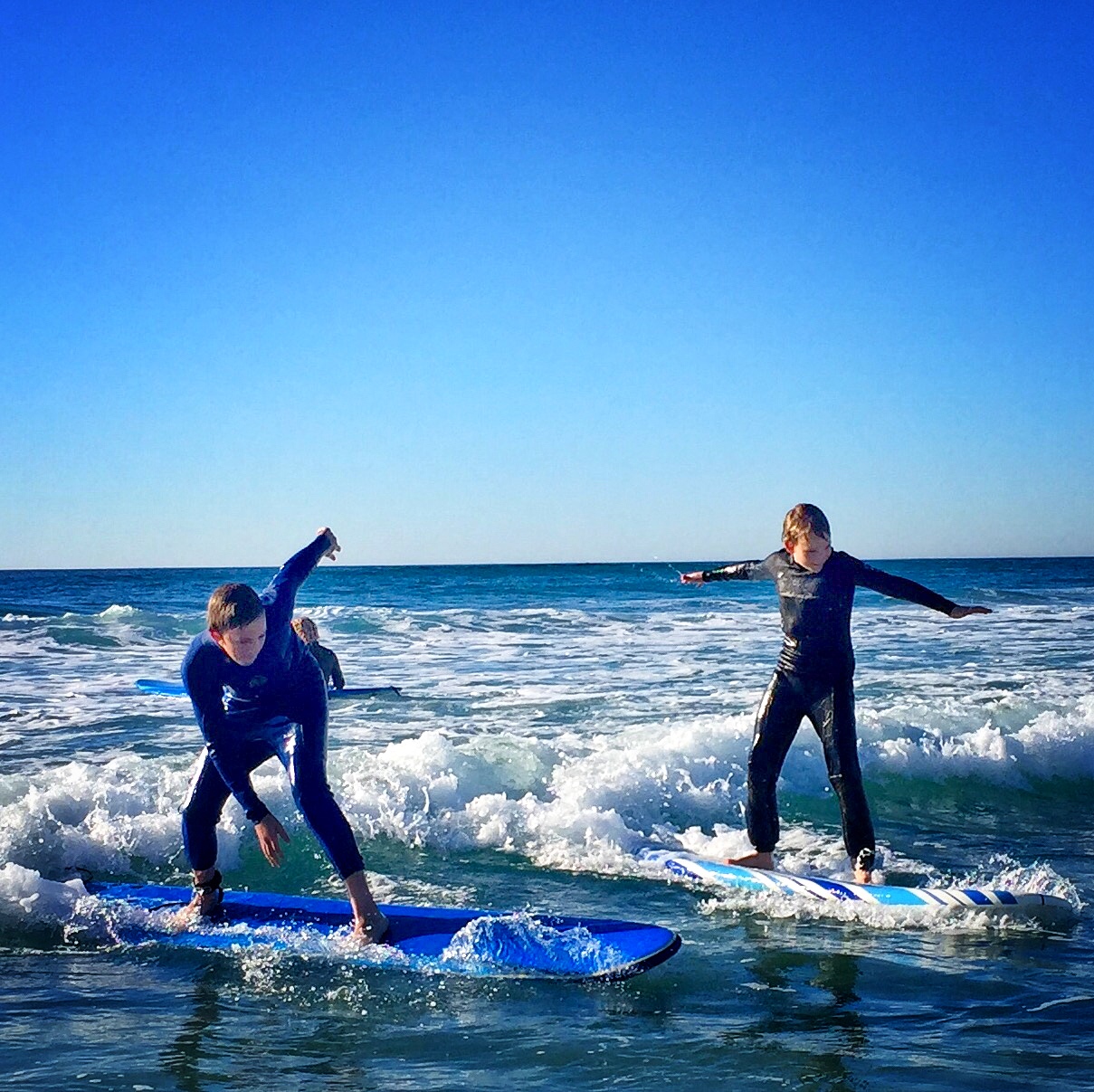
Los Angeles experienced a couple of days of winter while we were there; the wind blew and the temperature dipped into the low 60s. Then it was over, and we drove along the coast to San Diego in sunshine and blue sky. We didn’t have a lot of time in San Diego, so we pow-wowed over the best strategy for seeing as much as possible. We managed to fit in Old Town, Balboa Park, Coronado Island, and Cabrillo National Monument. We had a lovely time, even though the tide pools at Point Loma weren’t quite visible and our car was robbed in the Old Town parking lot. (As we cancelled debit cards and researched identity theft, we tried to remember this was learning, too.) Our problem was two touristy temptations: Legoland and San Diego Zoo. Both required a whole day and a lot of cash. We finally decided we should look for something to do outdoors, like a boat ride or fishing or surfing. Turns out, it’s cheaper to get a surfing lesson than to go to a theme park.

I was a little nervous about the idea. I’d encountered the Pacific Ocean years before as a college student. Along with a bunch of other Gulf of Mexico innocents, I’d attempted to body surf at Zuma Beach and nearly drowned. I still recalled burning lungs and black-spotty vision as I tumbled around in a sandy washing machine unable to tell up from down. But Brandon found a surfing school with high ratings on tripadvisor. From the looks of the instructors, he was sure we’d have a memorable California experience, whether we learned to surf or not.
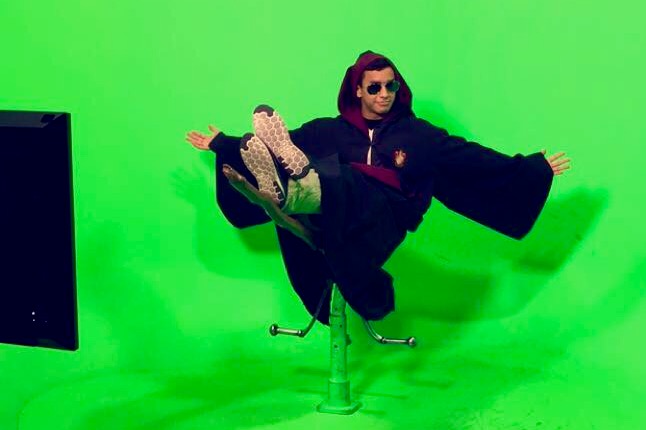
image

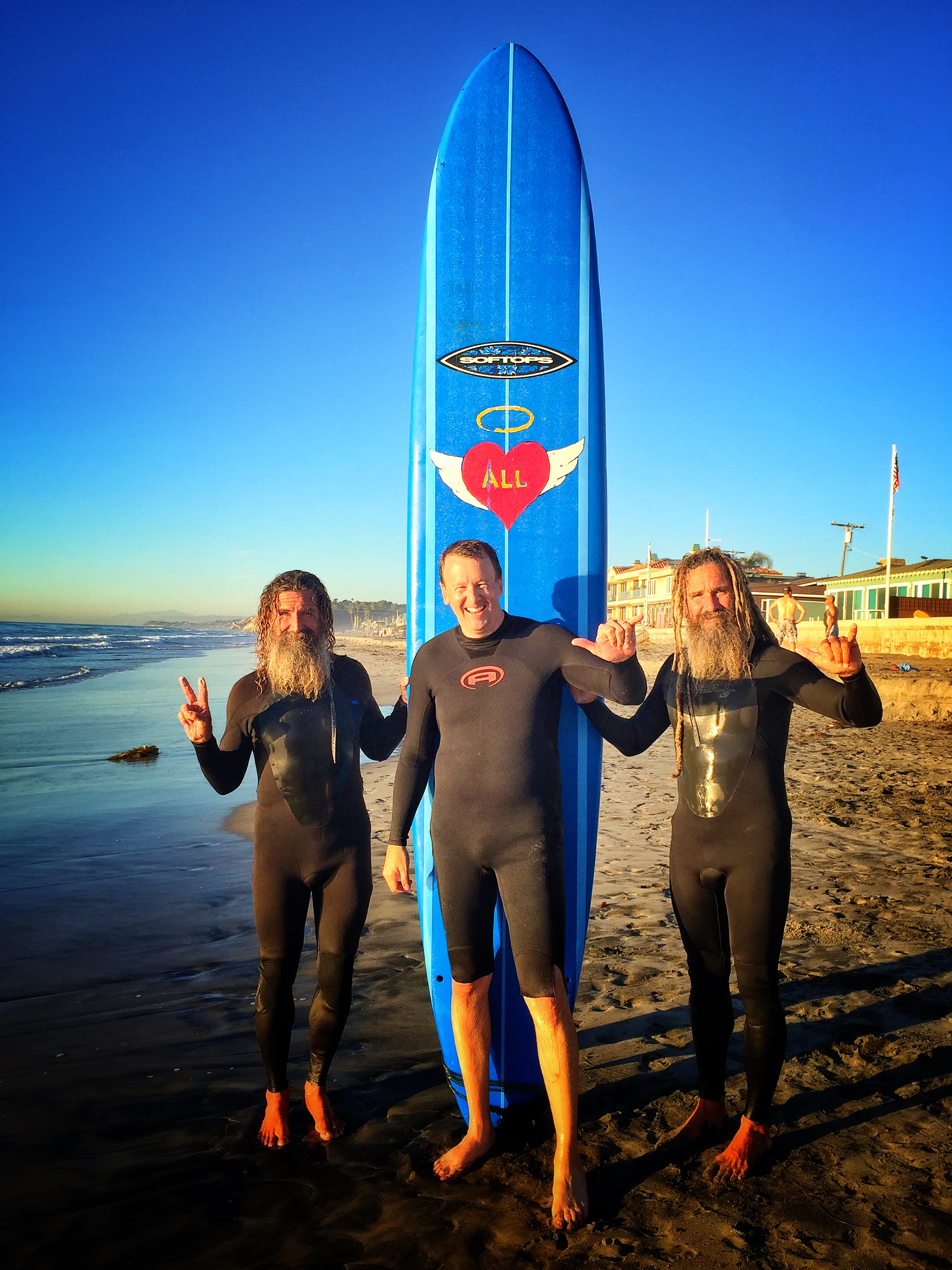
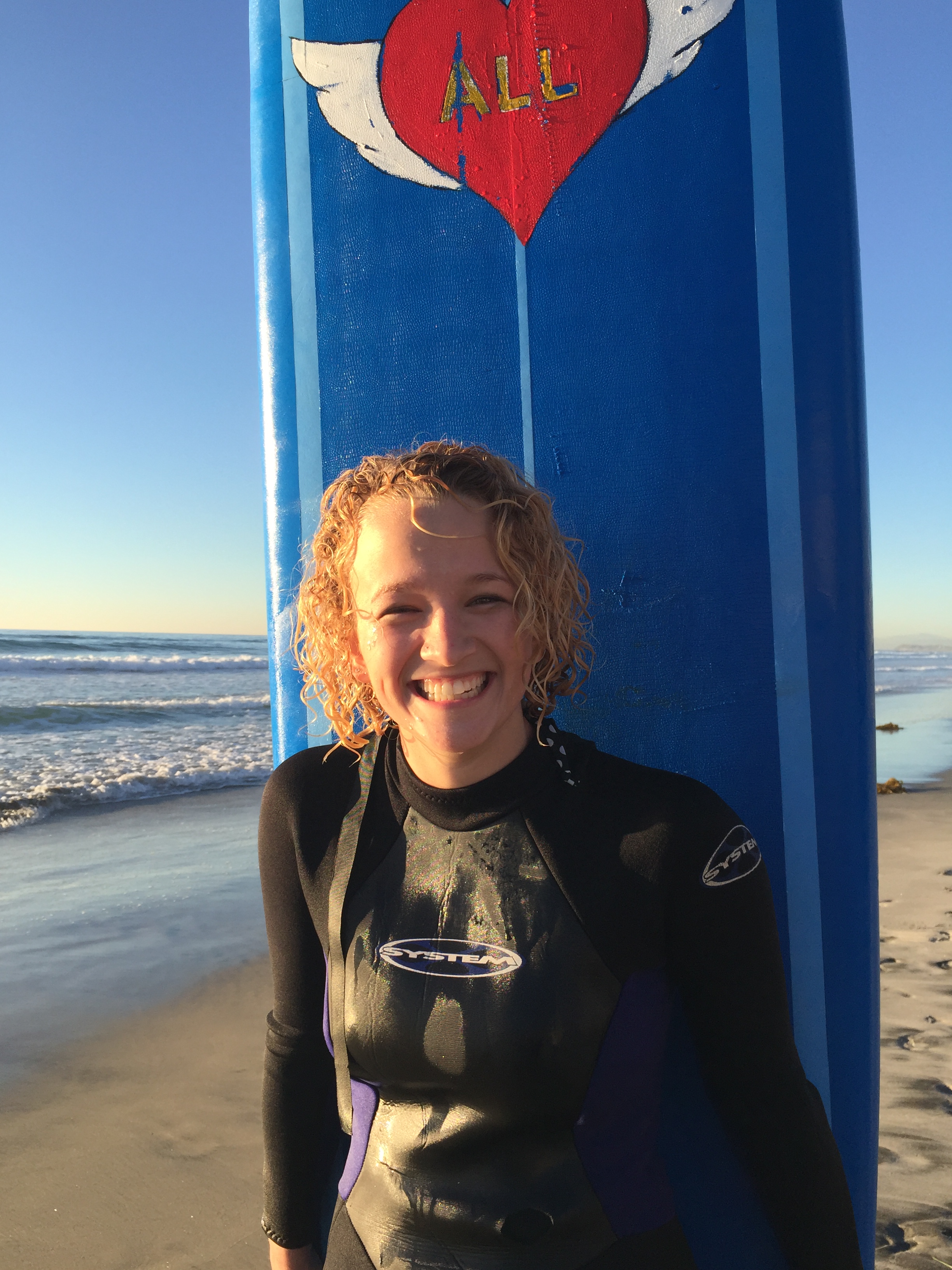
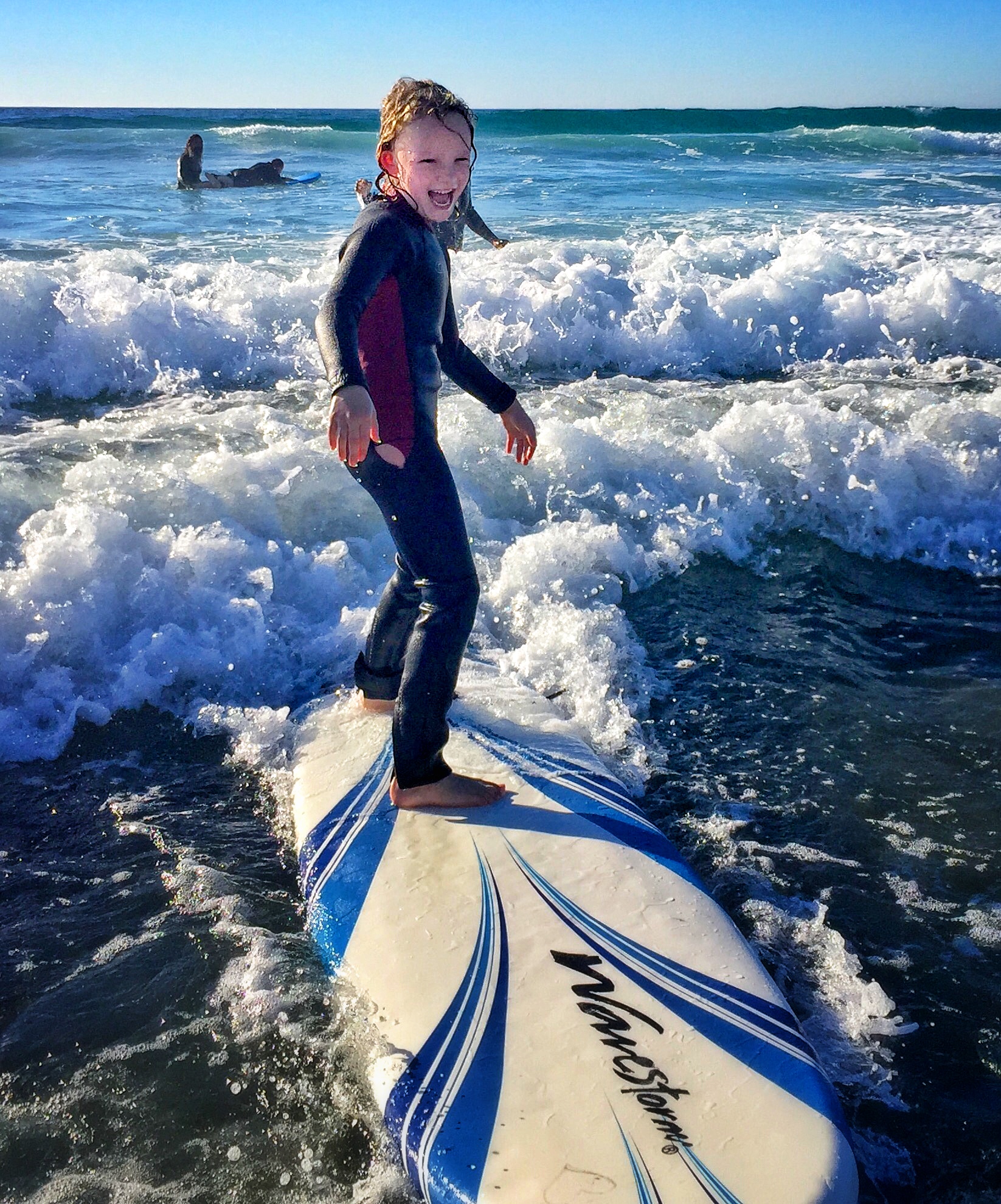
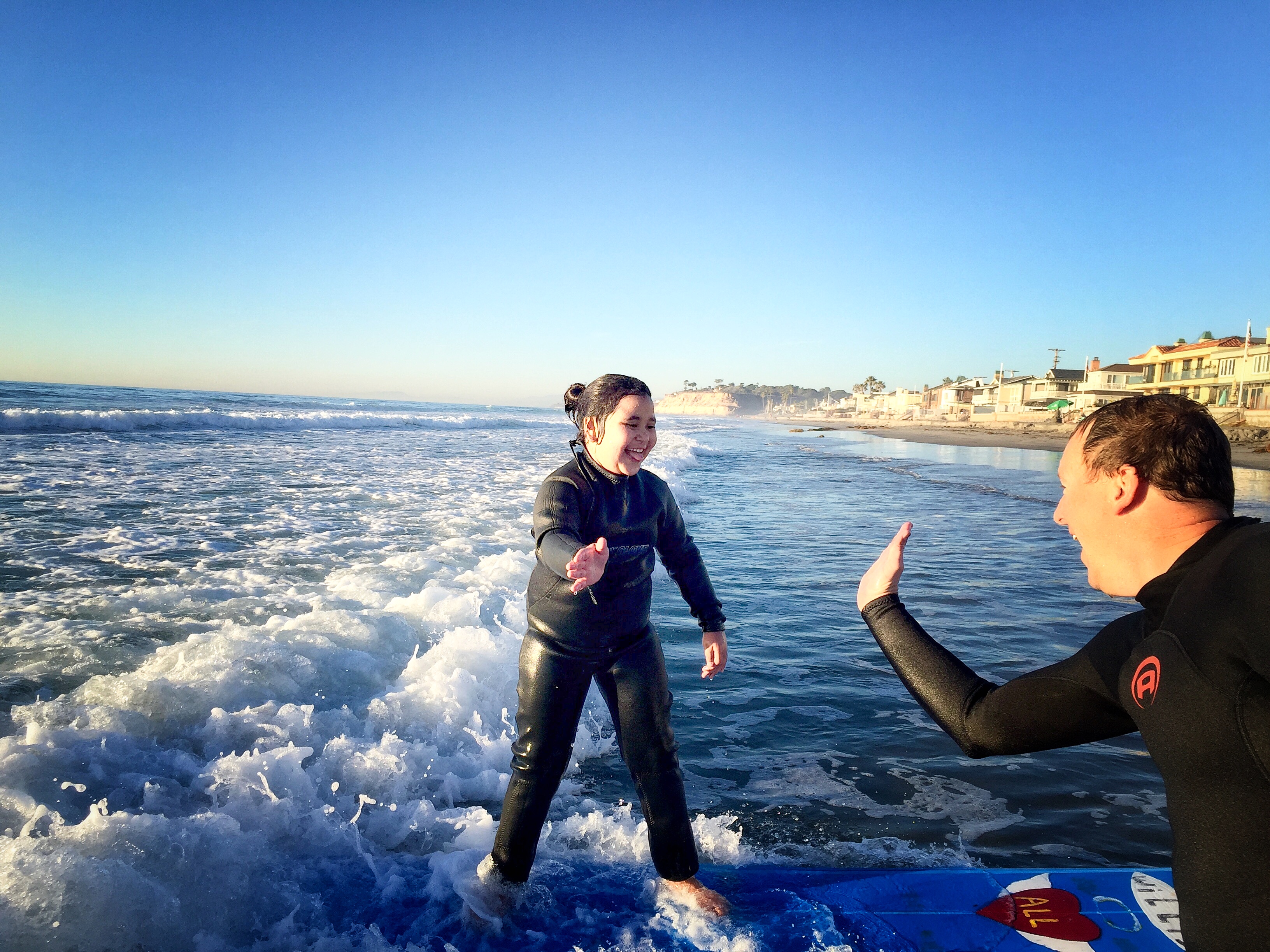
Surfing was some of the most fun I’ve had with our family EVER. The World-Famous Willis Brothers were delightfully gnarly, and we spent several hours enjoying the ocean. While we were still practicing in the sand, a sun-burned Australian strolled up to greet us. His name was Robbie Page, and he said he was getting a lesson next. Back at our KOA cabin, still giggly with post-surfing euphoria, we googled the lot of them. They really were famous surfers!

image

image

image

image

image

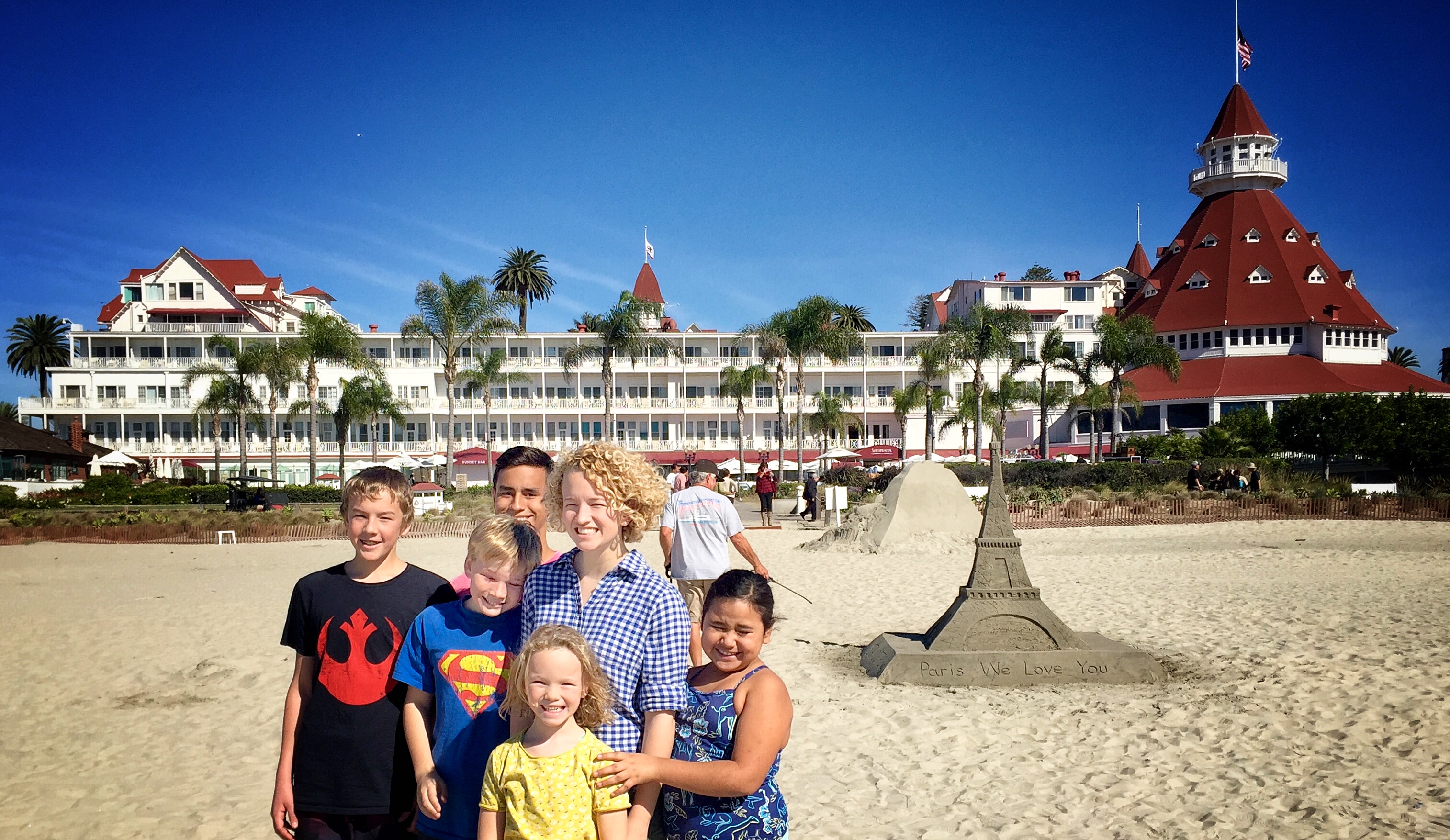
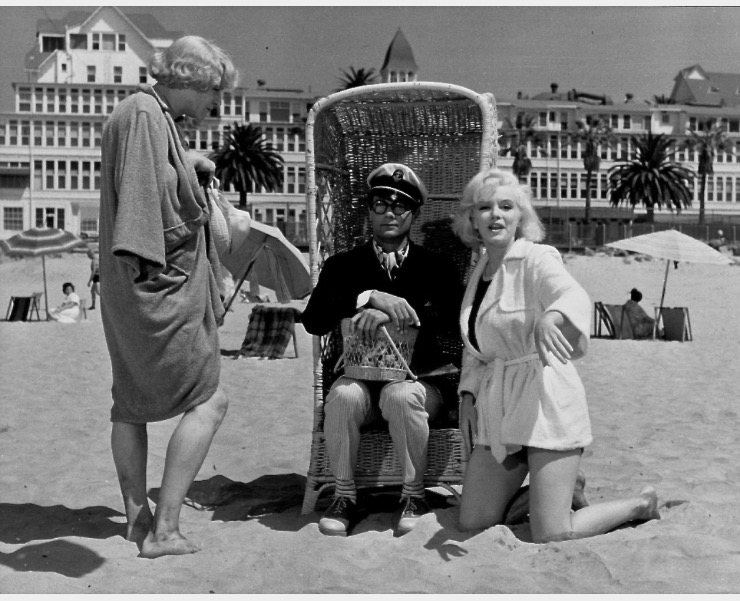
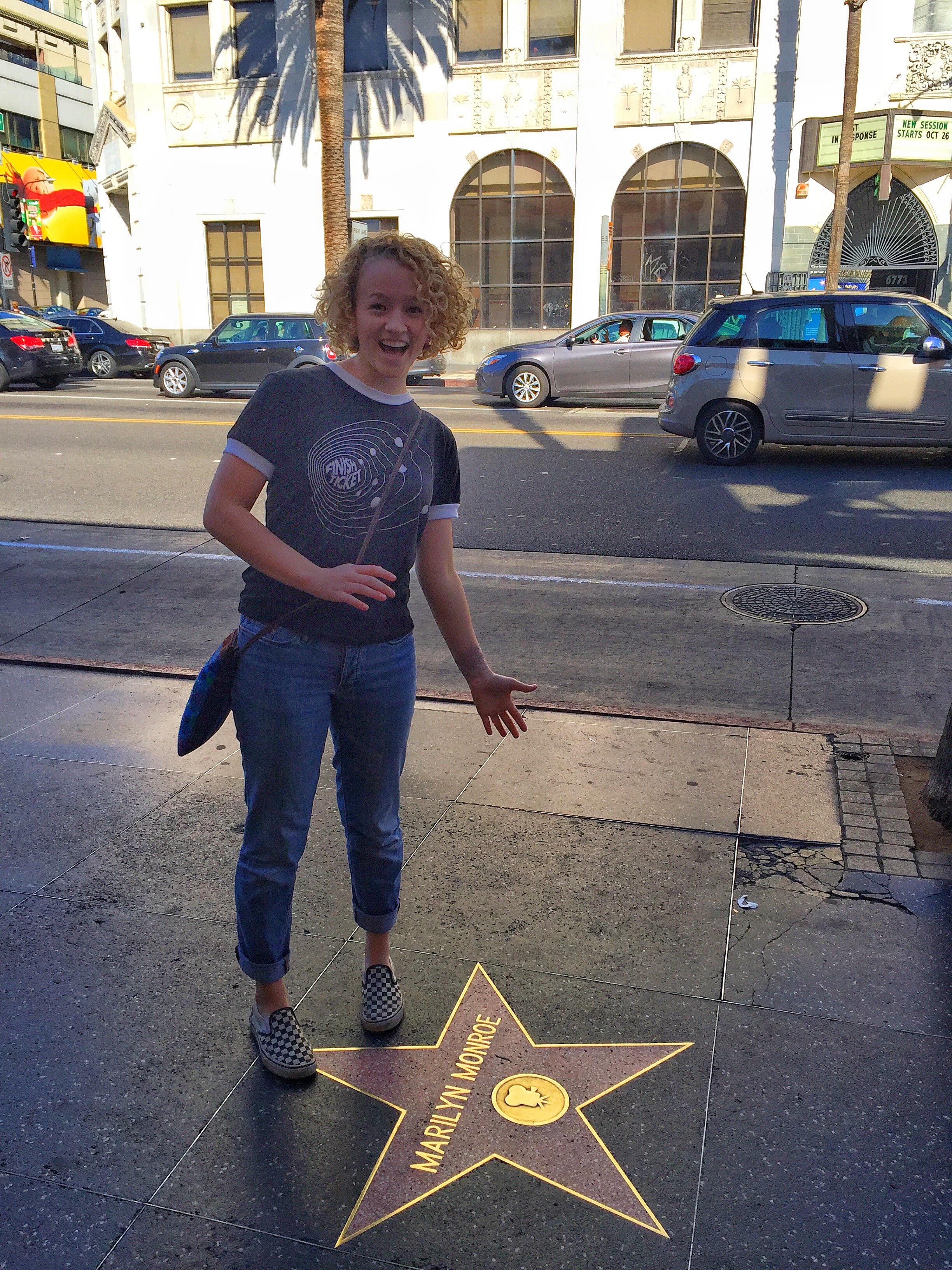
As a P.S., I have to mention that this was not our only encounter with interesting characters in San Diego. Jim and Marilyn, a retired couple working the information counter at Coronado Island visitor center entertained us with stories of their youth. They’d both been Navy kids, who graduated from high school together on Coronado, but it was thirty years later before they met again and married. Jim claimed to have kissed Marilyn Monroe (on the lips, added his wife) following a dare when the actress was filming Some Like it Hot at Hotel del Coronado. He also told about going fishing with President Truman when Jim’s father was Truman’s Key West pastor in the early 1950s. When he was about ten, our storyteller said he was given permission to answer a telephone that was always present with the president. “When you answer, “ Truman instructed, “you must ask who it is and why he is calling.” The earnest boy insisted on following protocol even when an expletive shouting General MacArthur demanded to speak to the president immediately. Truman took the call, muttering under his breath, “That fellow needs to go.” A few weeks later, MacArthur was relieved of his command.

image

image

la-la

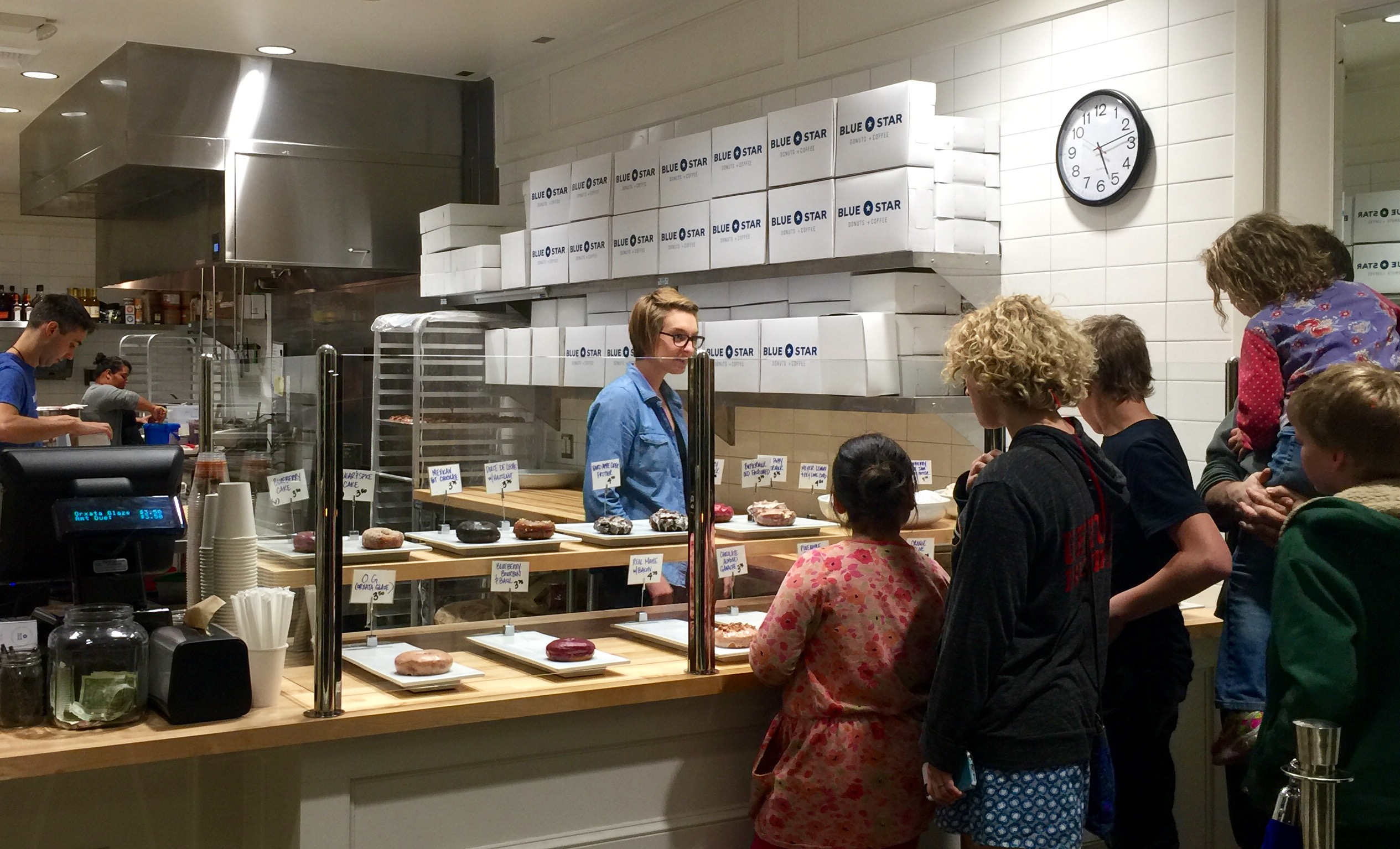
in homage to the hip venice neighborhood we invaded for a few days while getting to know los angeles, this post contains no capital letters. i found a cute little vacation house close to the beach to rent on vrbo.com. we’ve been renting this way since our trip to washington, d.c. a few years ago. that time, we stayed in an old row house apartment in the eastern market for much cheaper than a hotel, and we tasted real neighborhood life in another city. also, we could do laundry and cook our own meals. this is not as economical as an rv park, but there are perks. this time, the perks included strolling down chic abbot kinney blvd, window shopping, and munching expensive doughnuts. the shops all had one-word names printed in interesting fonts above the doorways, and they were packed with hipsters, casually forking over their lifesavings for vintage t-shirts. poor jane almost blended-in, but she was saddled with a large family unit and a dog that clearly lacked a boutique pedigree.

image

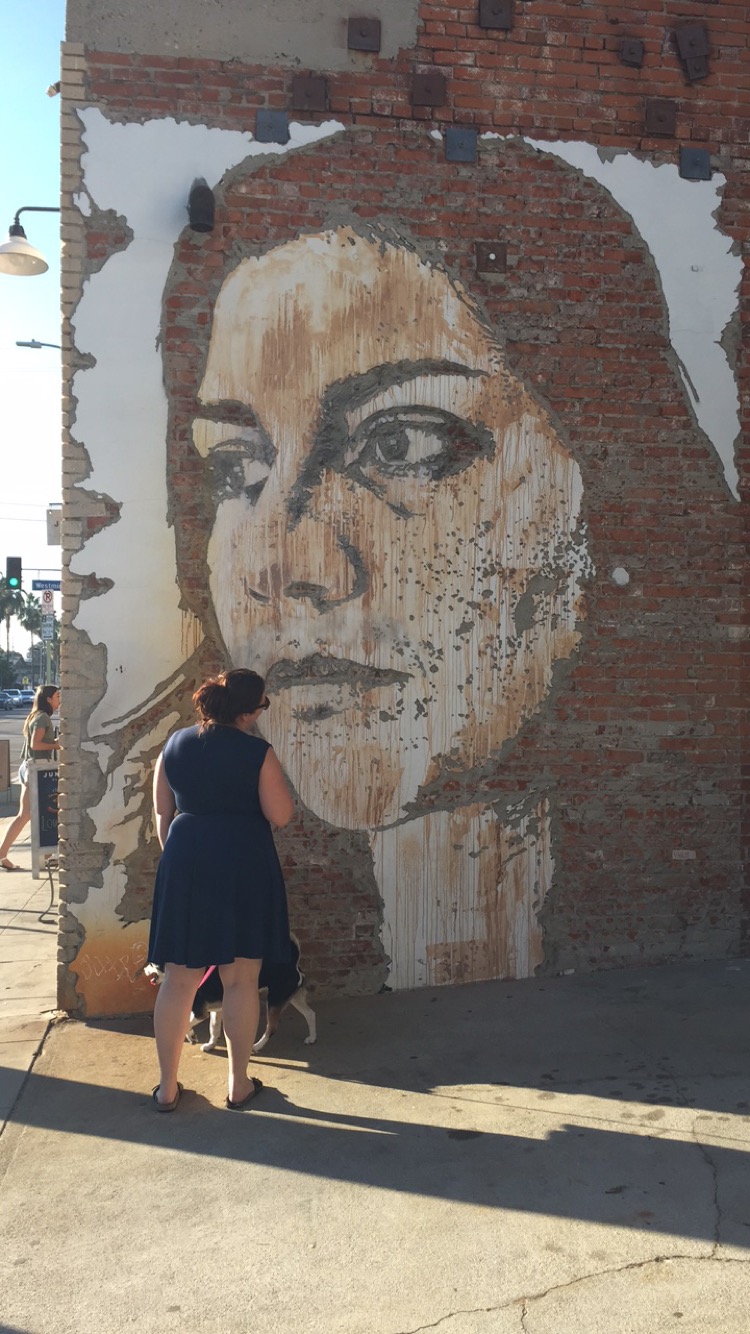
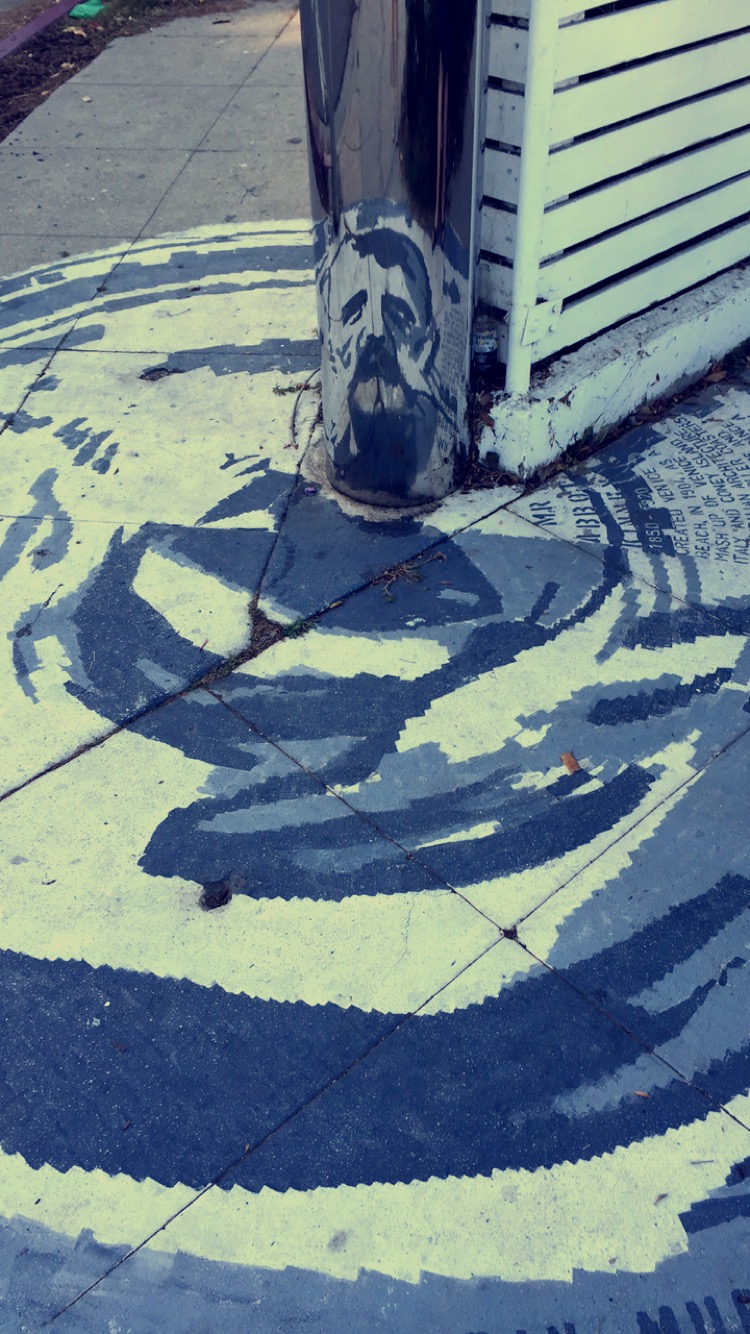
neighborhood art

image

image

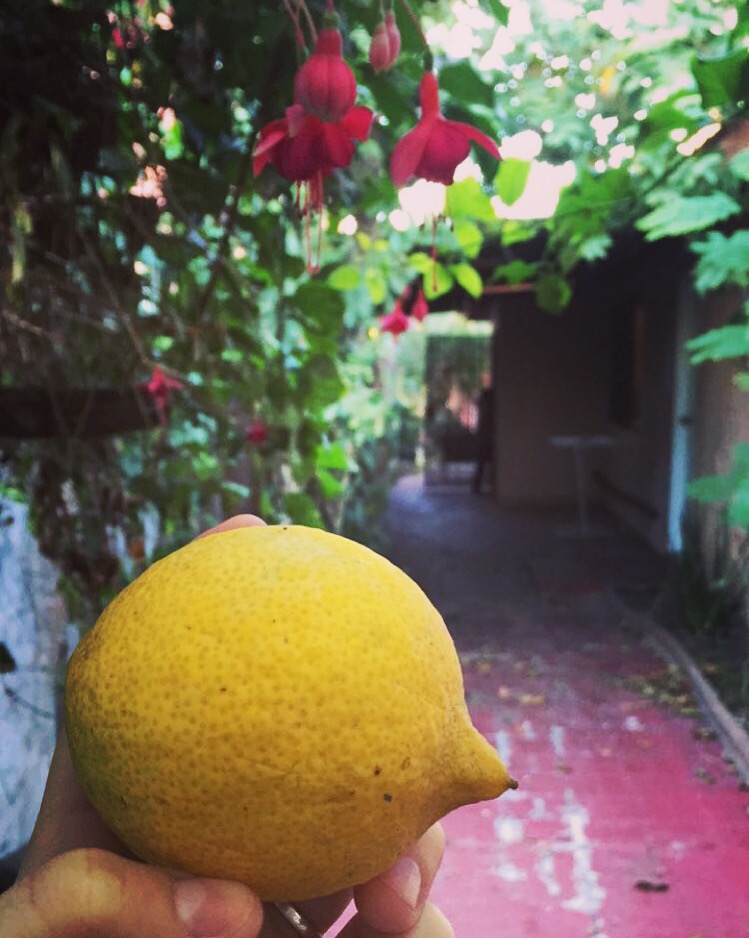
peter picked a number of lemons from the tree in our yard. hopefully, i won’t find them rotten in the glove compartment when we get home.

image

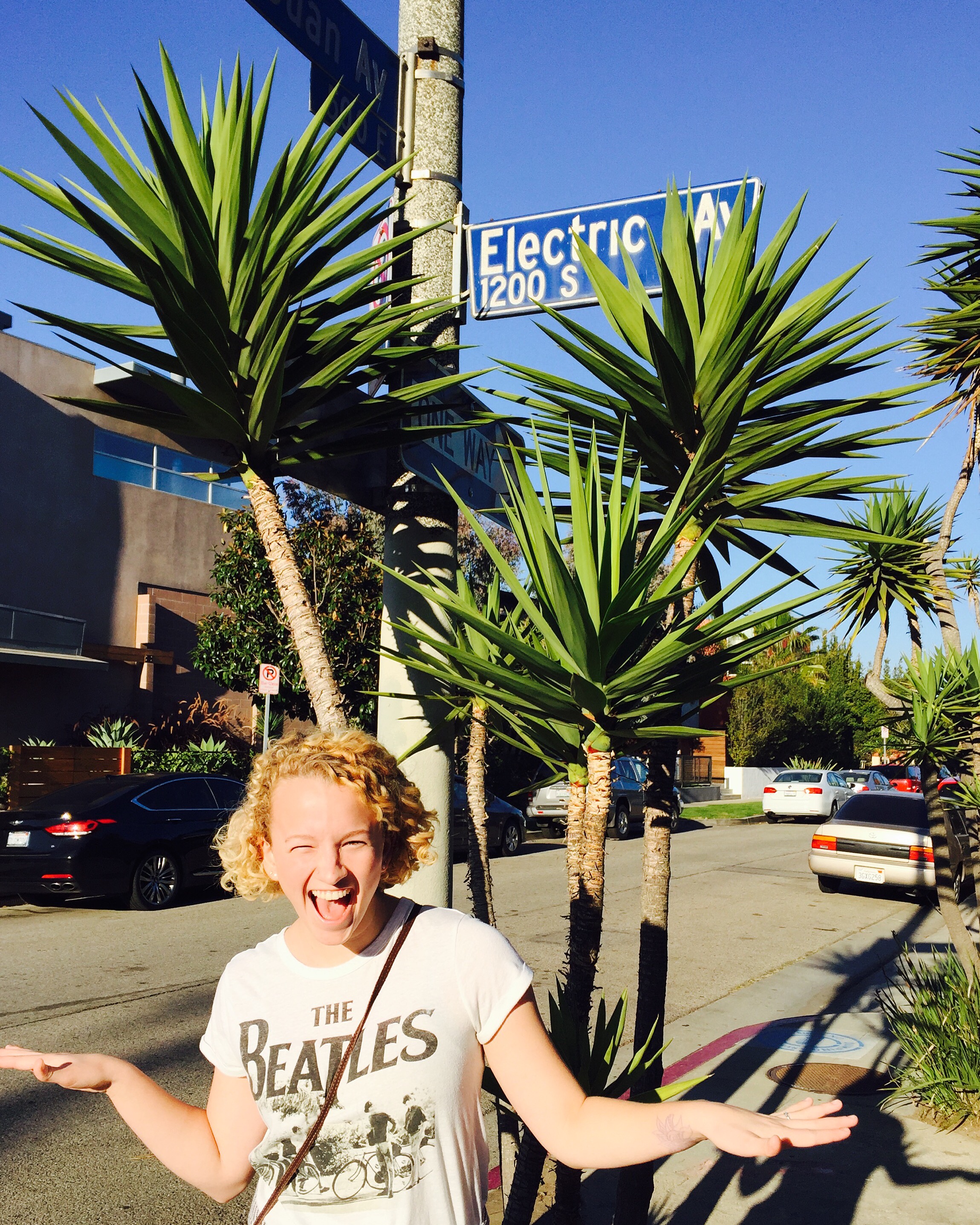
jane, rocking onto electric avenue

image

fancy doughnuts

image

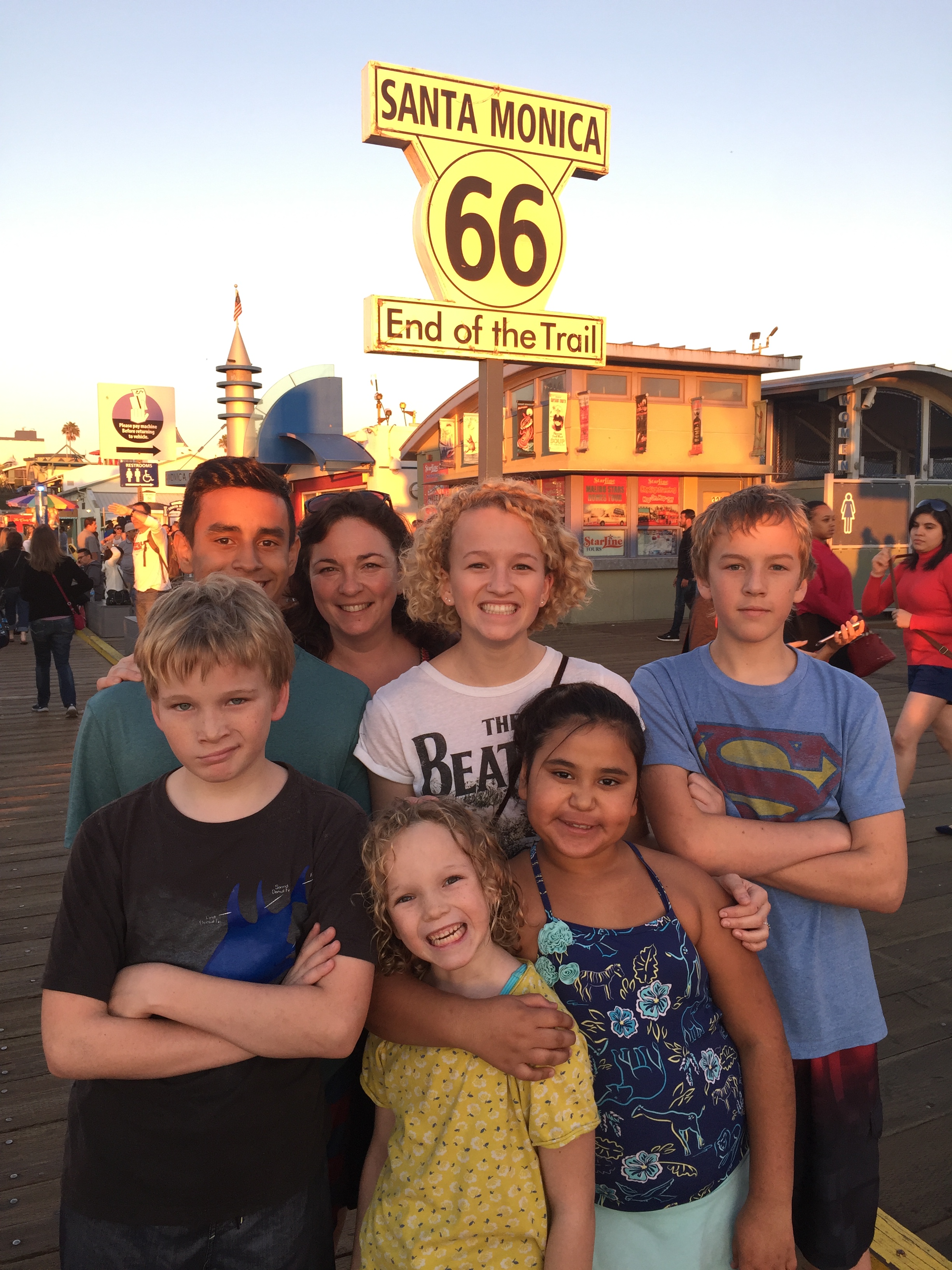
we had a great time exploring the beach, santa monica pier, olvera street, getty center, la brea tar pits, and warner brothers studios, but i have to admit, a good deal of our time was spent gawking. we fully embraced our cheesy tourist impulses. it started innocently enough. while sitting in traffic on the way to the pier, i glanced to my right and found myself eyeball to eyeball with tim robbins, celebrity.
“brandon, i whispered, “i think i see a celebrity.”
brandon, generally focused on avoiding a wreck (we narrowly escaped twice), cut his eyes to the right long enough to confirm my suspicions.
“you do. you do see a celebrity.”
by now the kids were interested, though only a couple of them knew whom we were spying.
“he doesn’t look very rich,” someone observed.
“does he know about smoking being bad for you?” wondered another concerned youth.
finally the light changed and our star moved on, smirking and trailing a little cloud of smoke. “maybe it wasn’t him,” i second-guessed as the euphoria of the moment wore off. “maybe he doesn’t even live in los angeles. let’s check on-line; the internet knows all.”
we checked. tim robbins does live in l.a., and he is a smoker. after that, our eyes were peeled for glory.
we were delighted to see another actor or two during our tour of warner brothers studios. our by-day tour guide was a by-night assistant producer full of fun stories about movies and tv. (mary jane is laughing all through the upside-down-kiss scene in spiderman because his nose was stuffed with tissues to keep him from drowning in the manufactured rainstorm.) peter had watched the first episode of the new supergirl tv show, so he was excited to visit the set of her underground lair. we couldn’t take pictures there, which only added to its air of exclusivity!

image

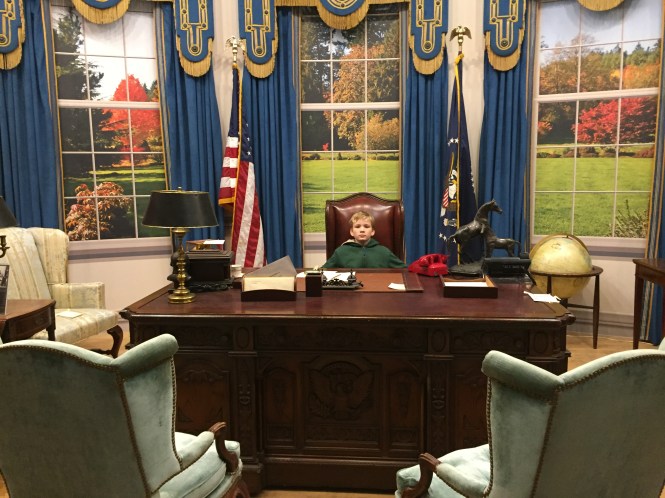
president barlett’s desk from west wing, available to rent from wb prop building

image

or maybe some mr. smiths from matrix?

image

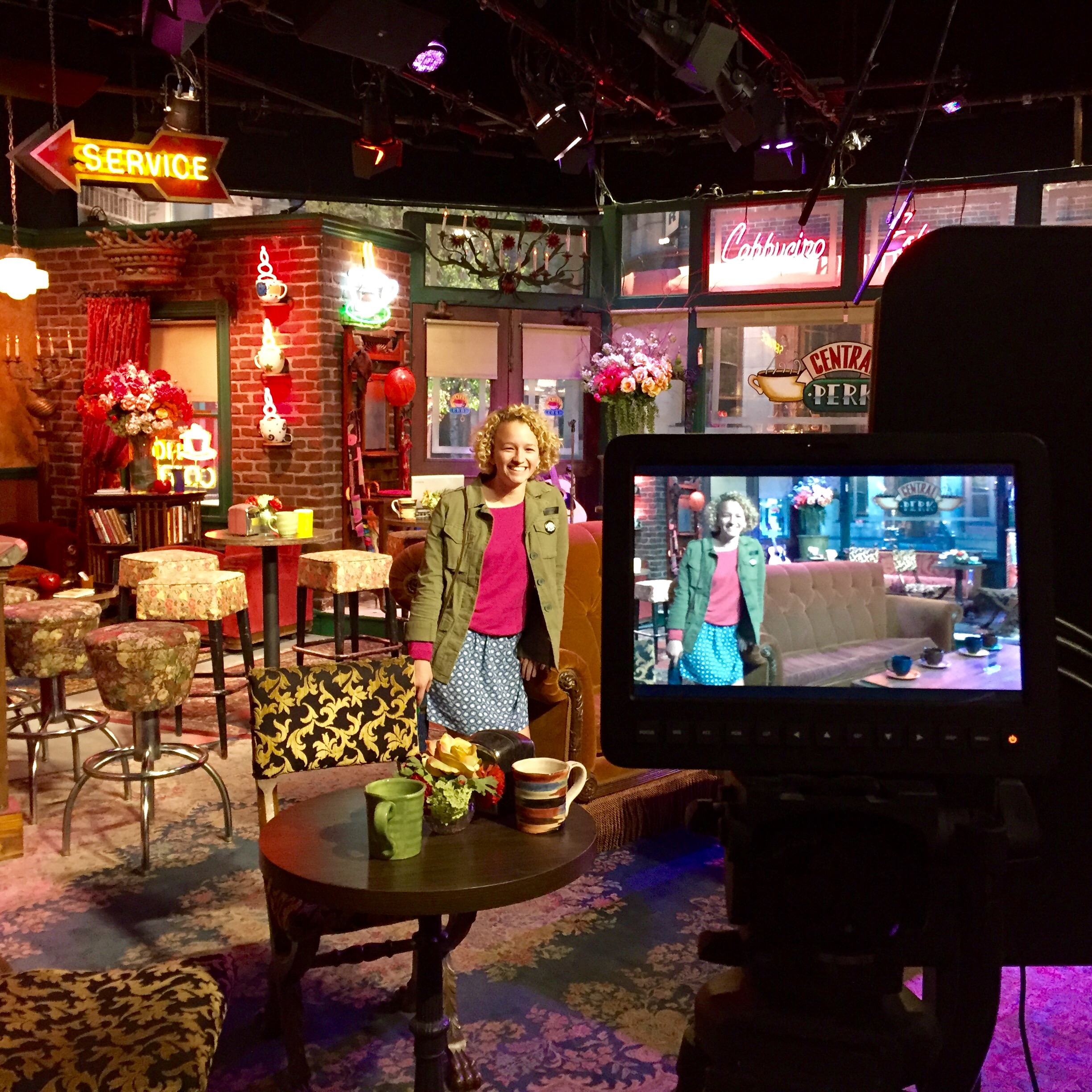
central perk set

image

trying out special effects

image

image

image

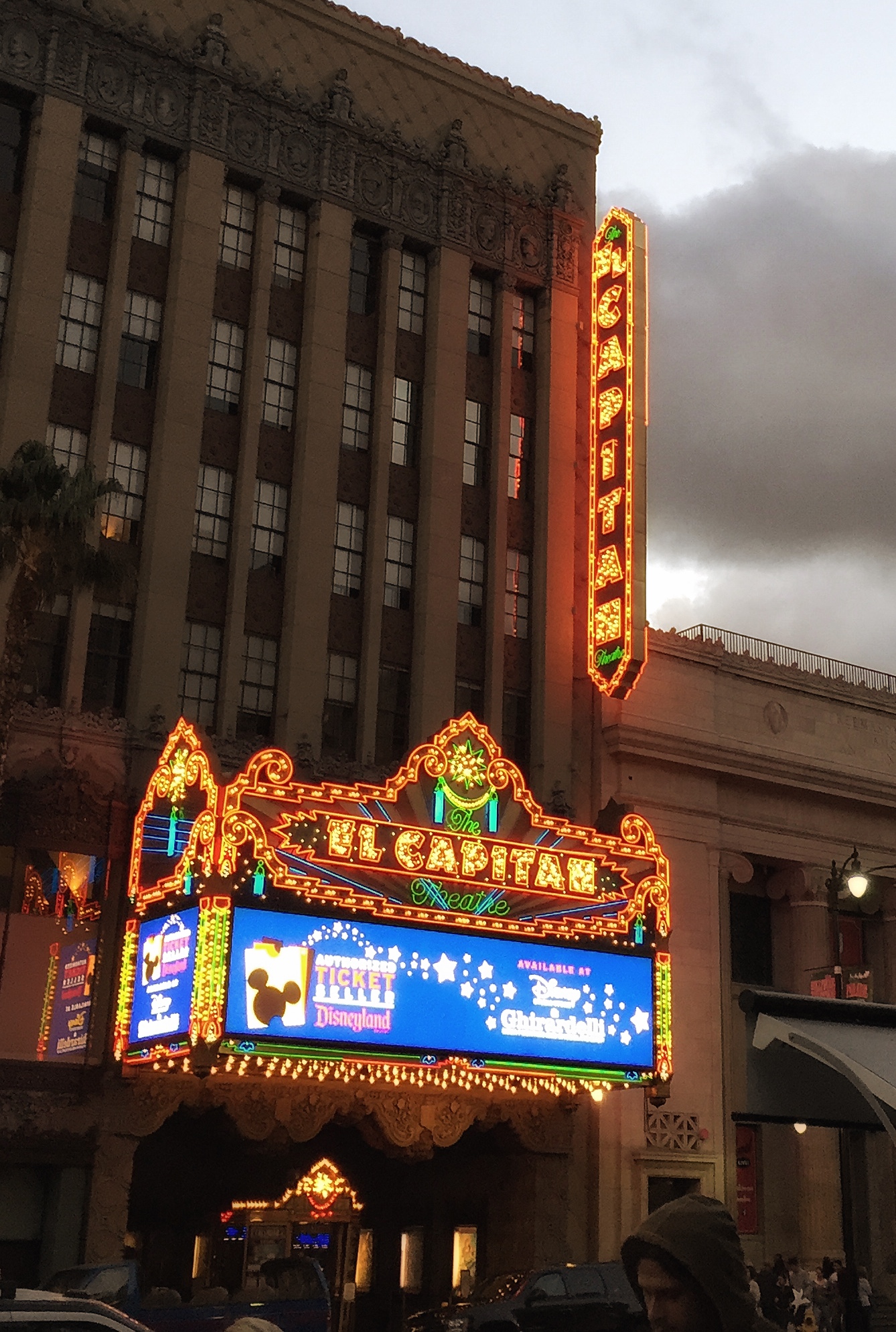
brandon took the little girls to a show at el capitan theatre while the rest of us went on the studio tour.

image

image

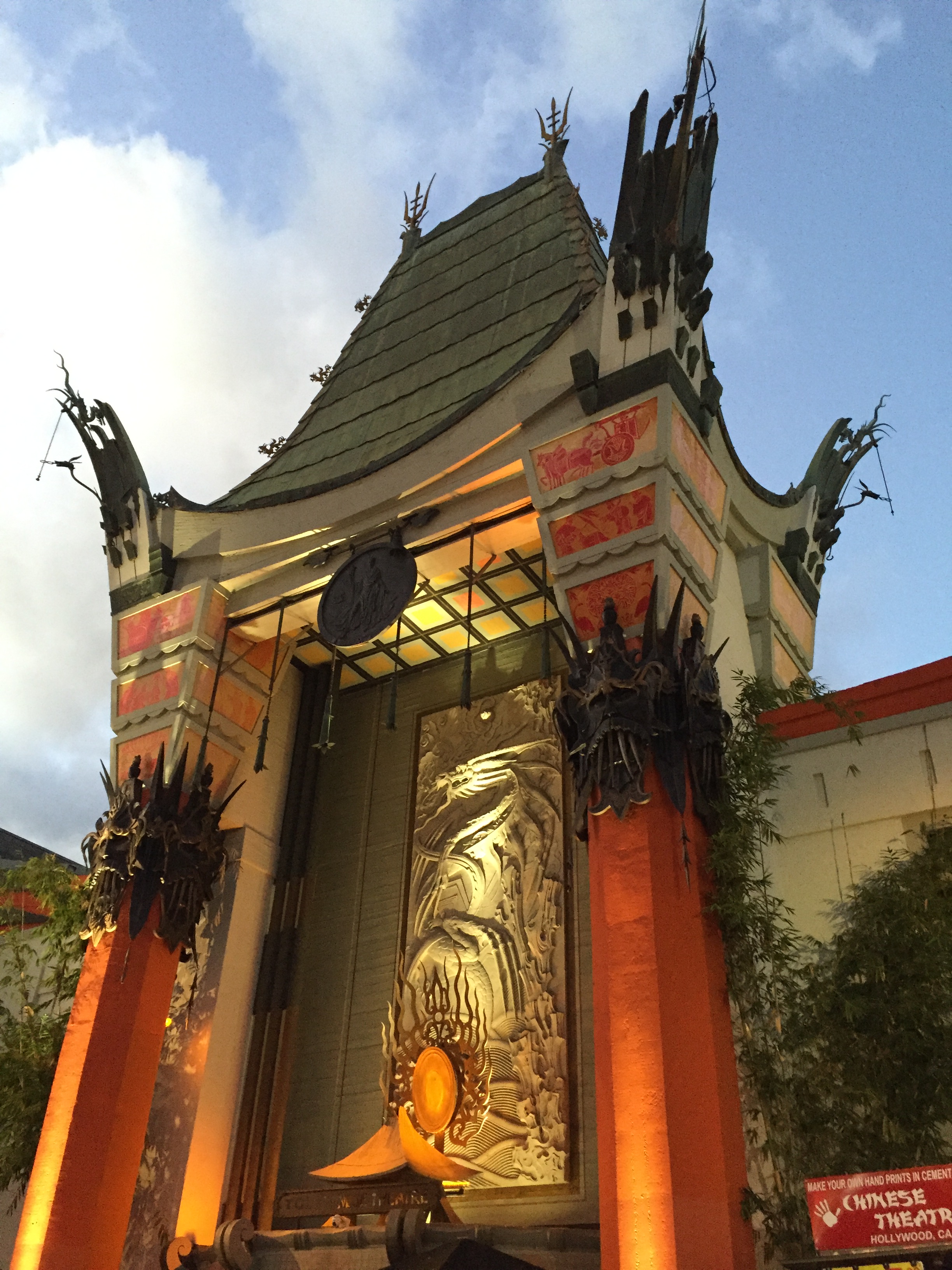
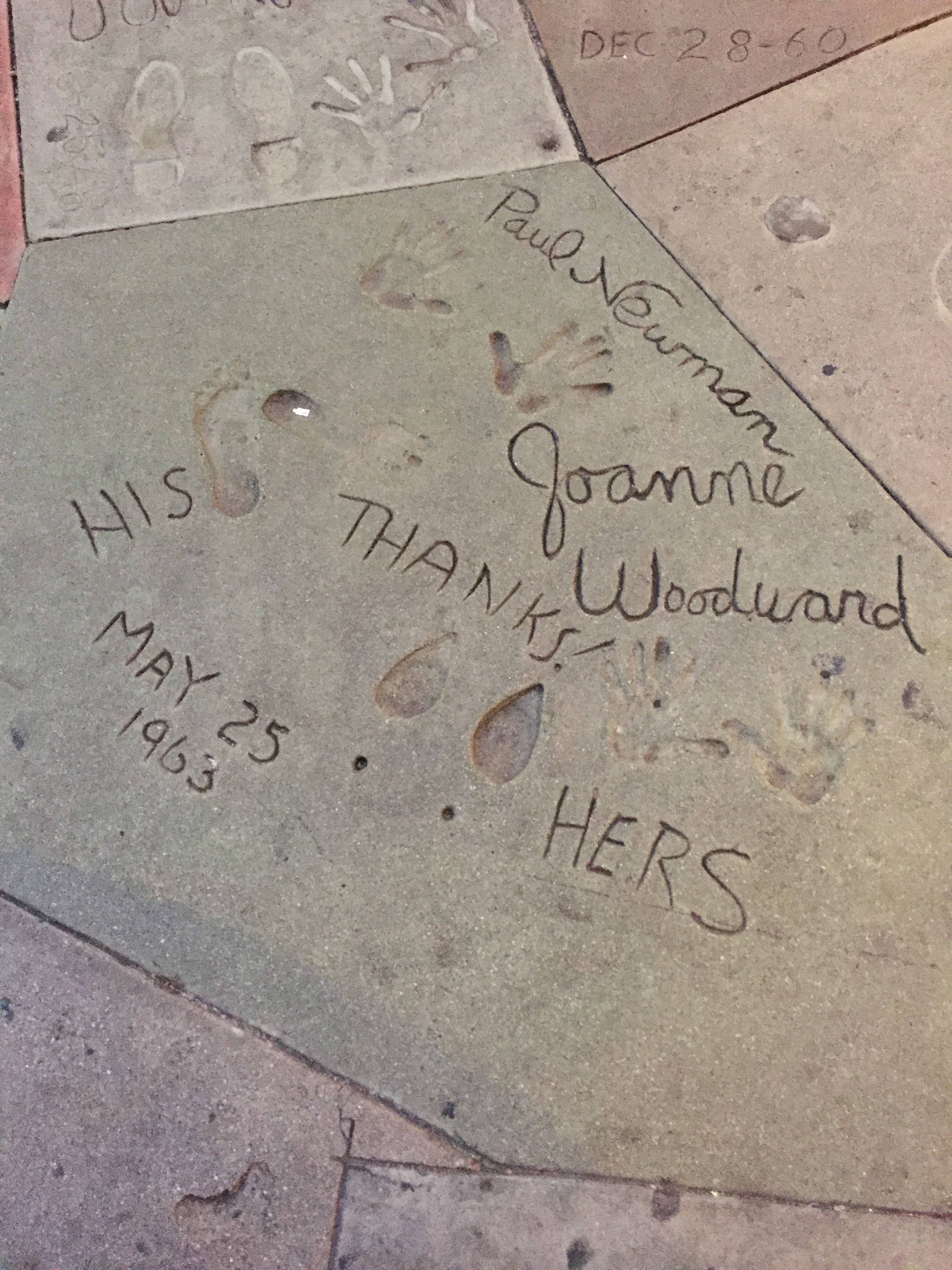
chinese theatre and hollywood stars

image

image

image

image

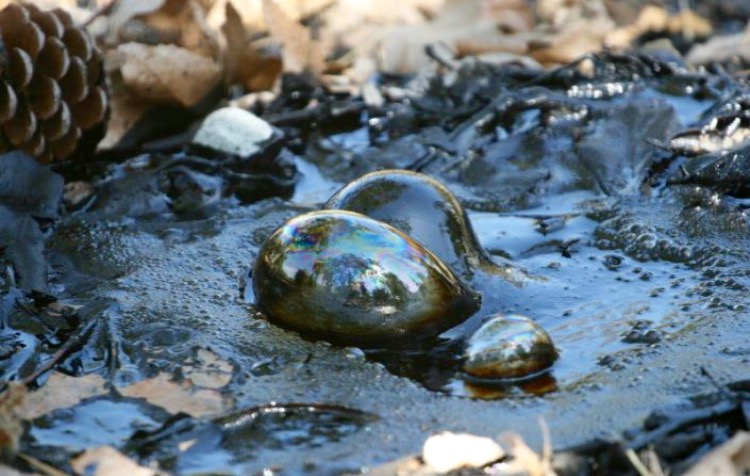
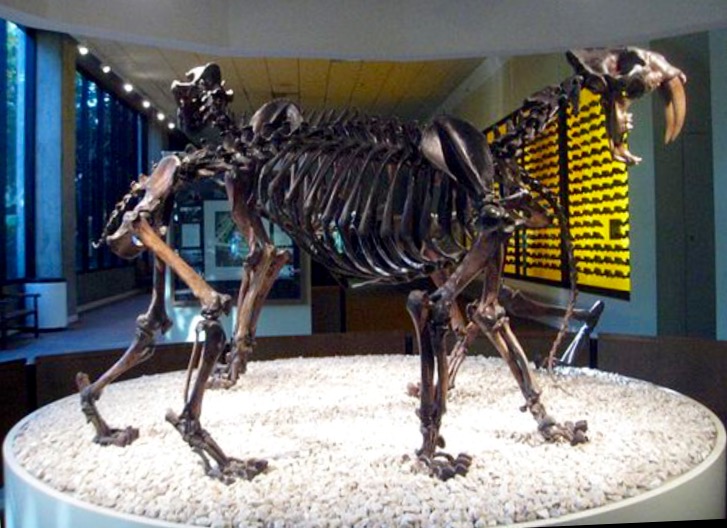
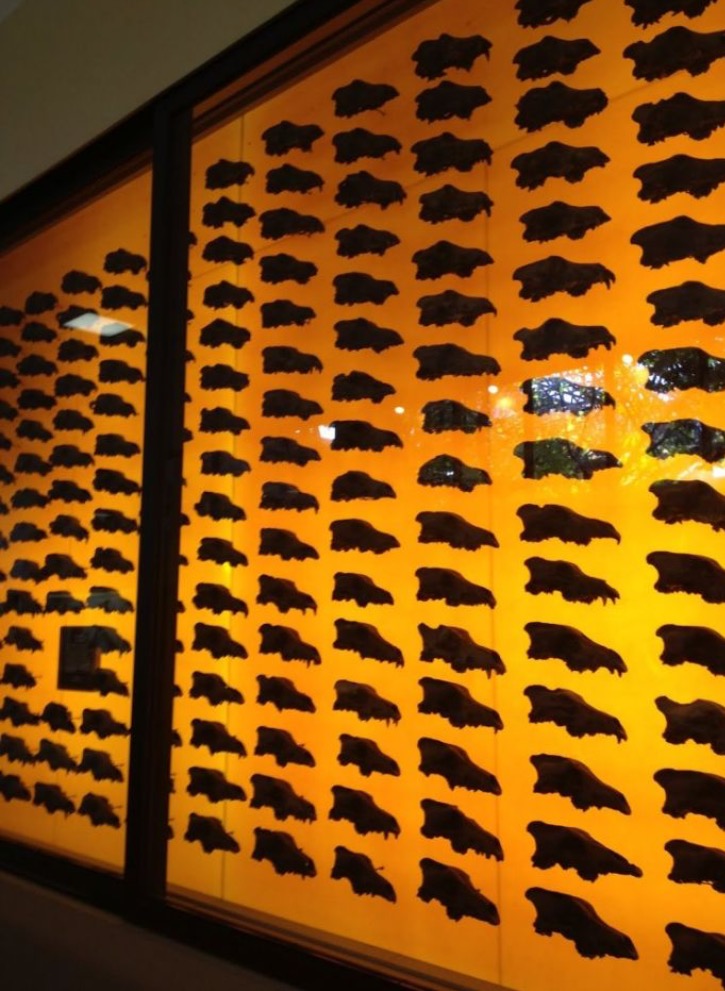
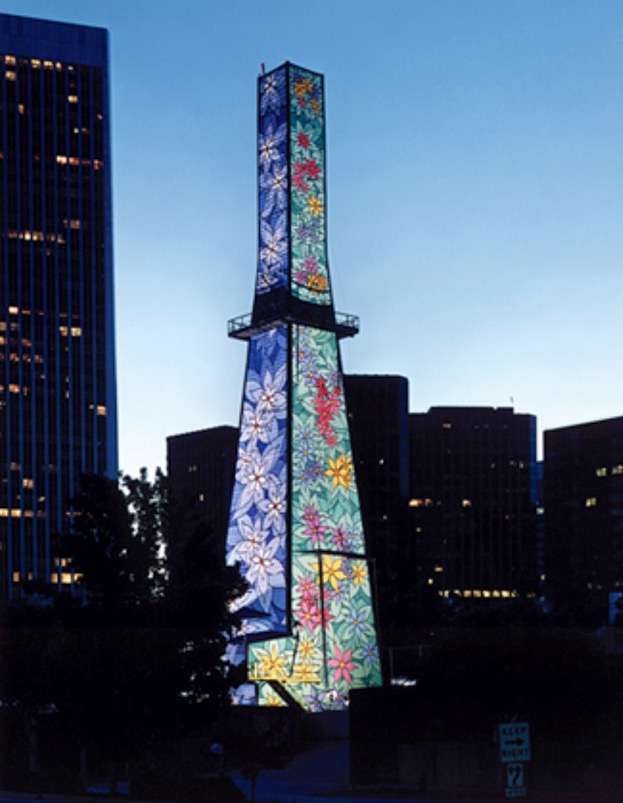
am i the only person who didn’t know that there is a really large and active oil field under the city of los angeles? that’s what preserved the thousands of ancient bones still being unearthed at la brea tarpits–asphalt–not tar. a great former fourth-grade math teacher scooped us up as we walked into the museum and enthusiastically led us through a tour of the museum and research facility. we forgot about celebrities (mostly), and spent the rest of our time in l.a. trying to identify disguised oil derricks like this one next to beverly hills high school:

image

image

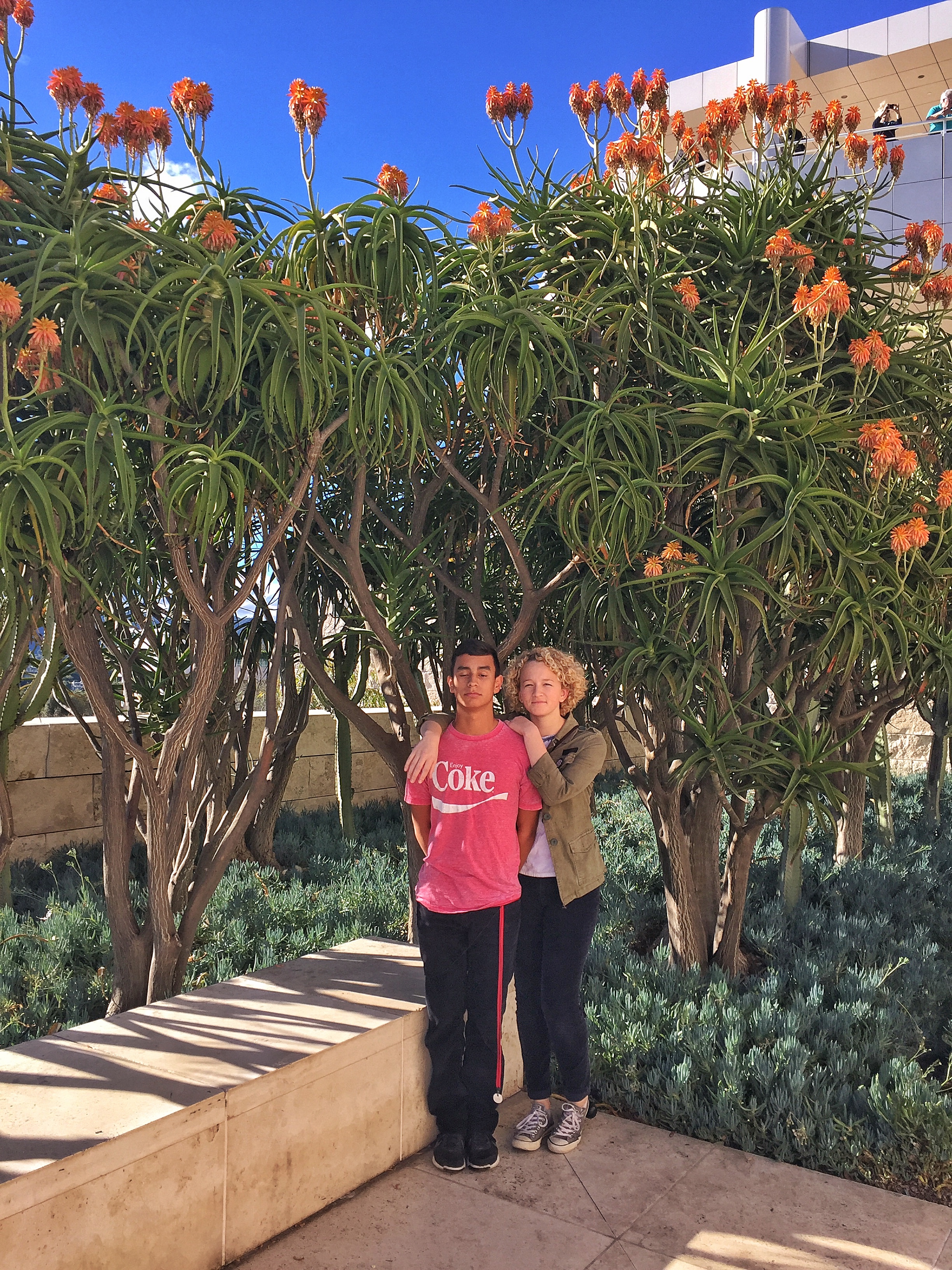
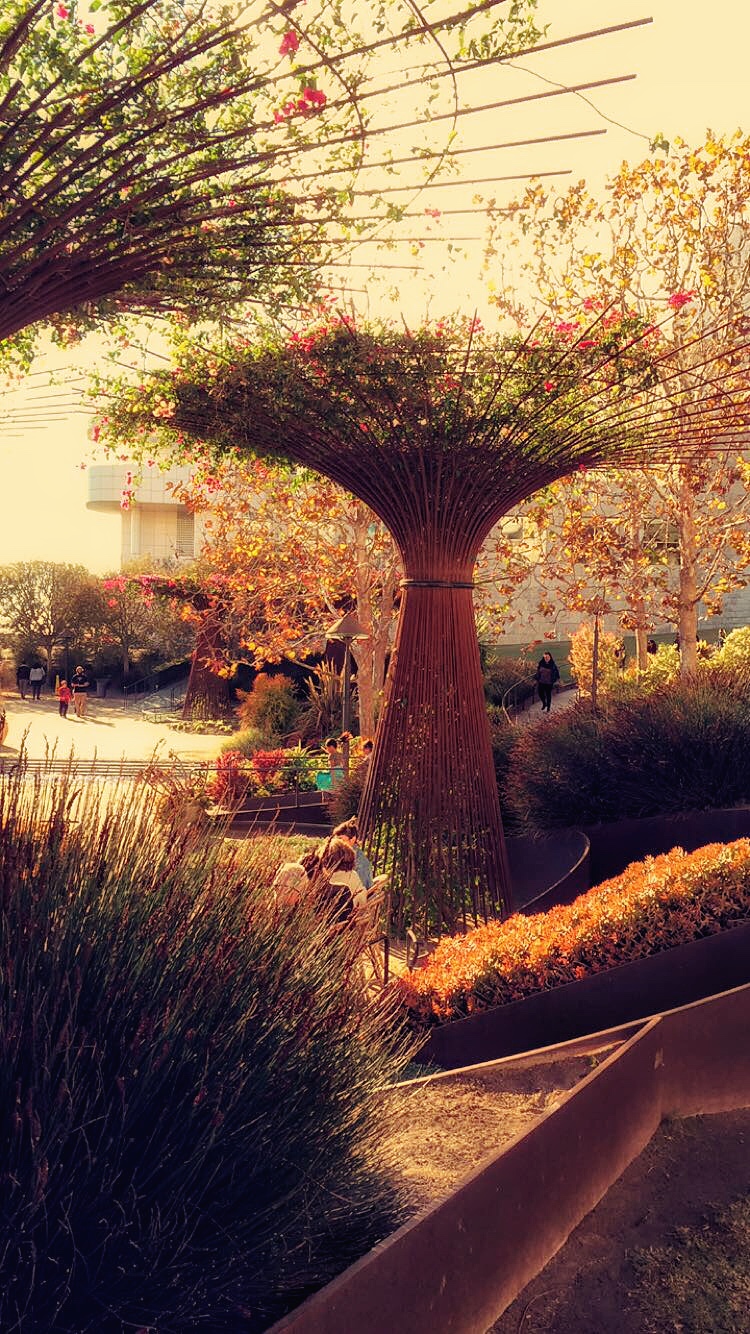
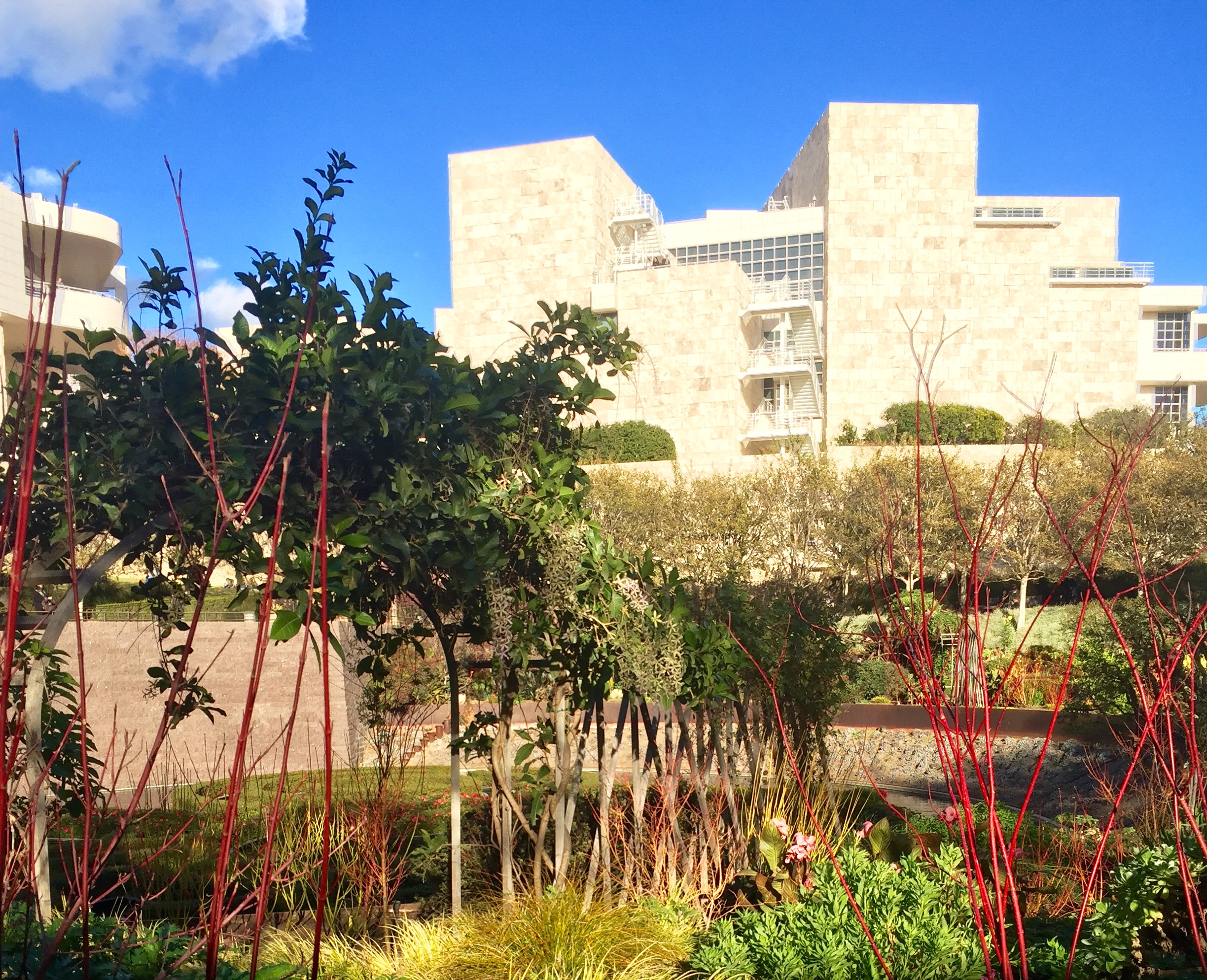
what’s outside at the getty center is a striking as art on the inside.

image

image

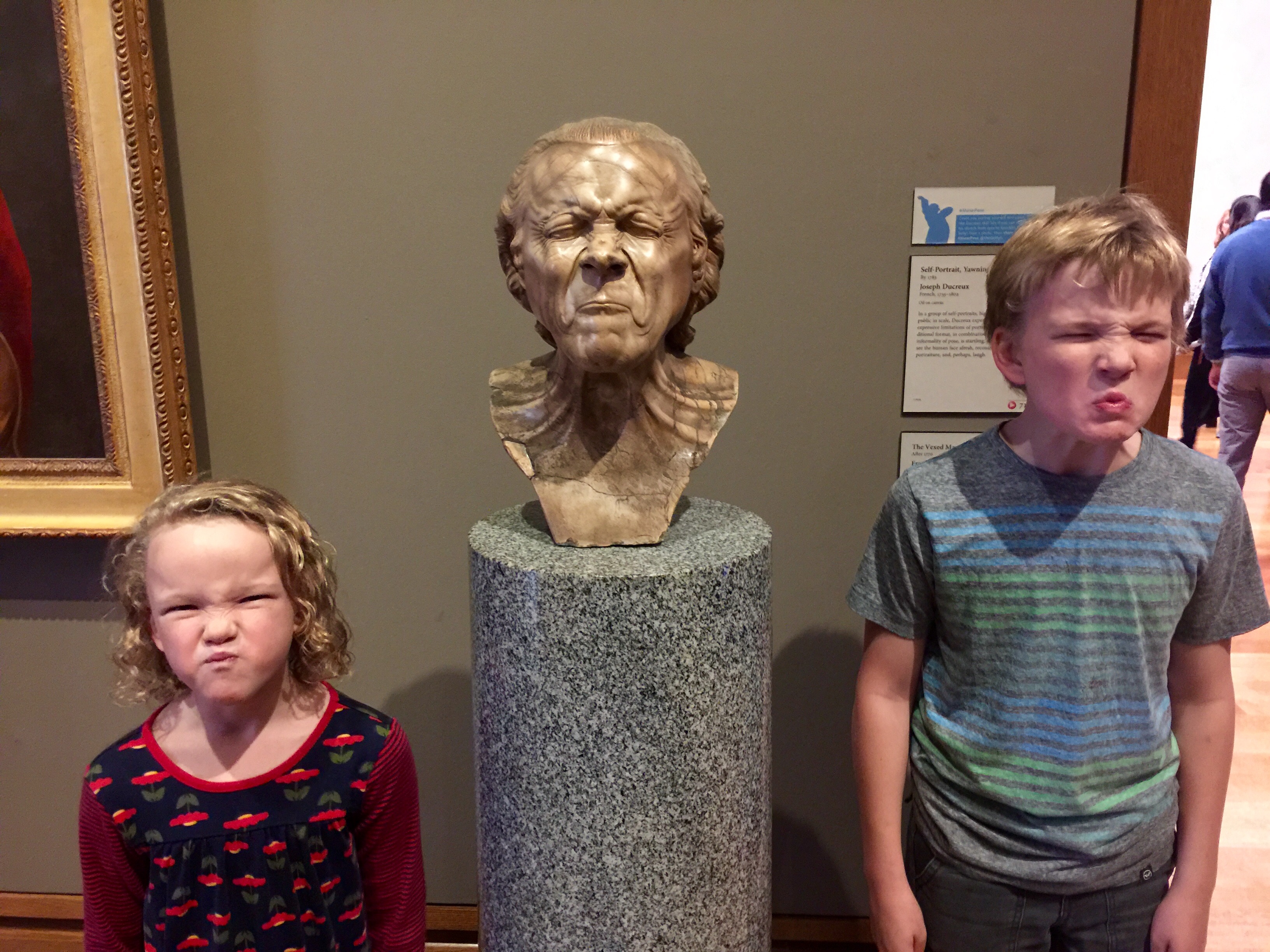
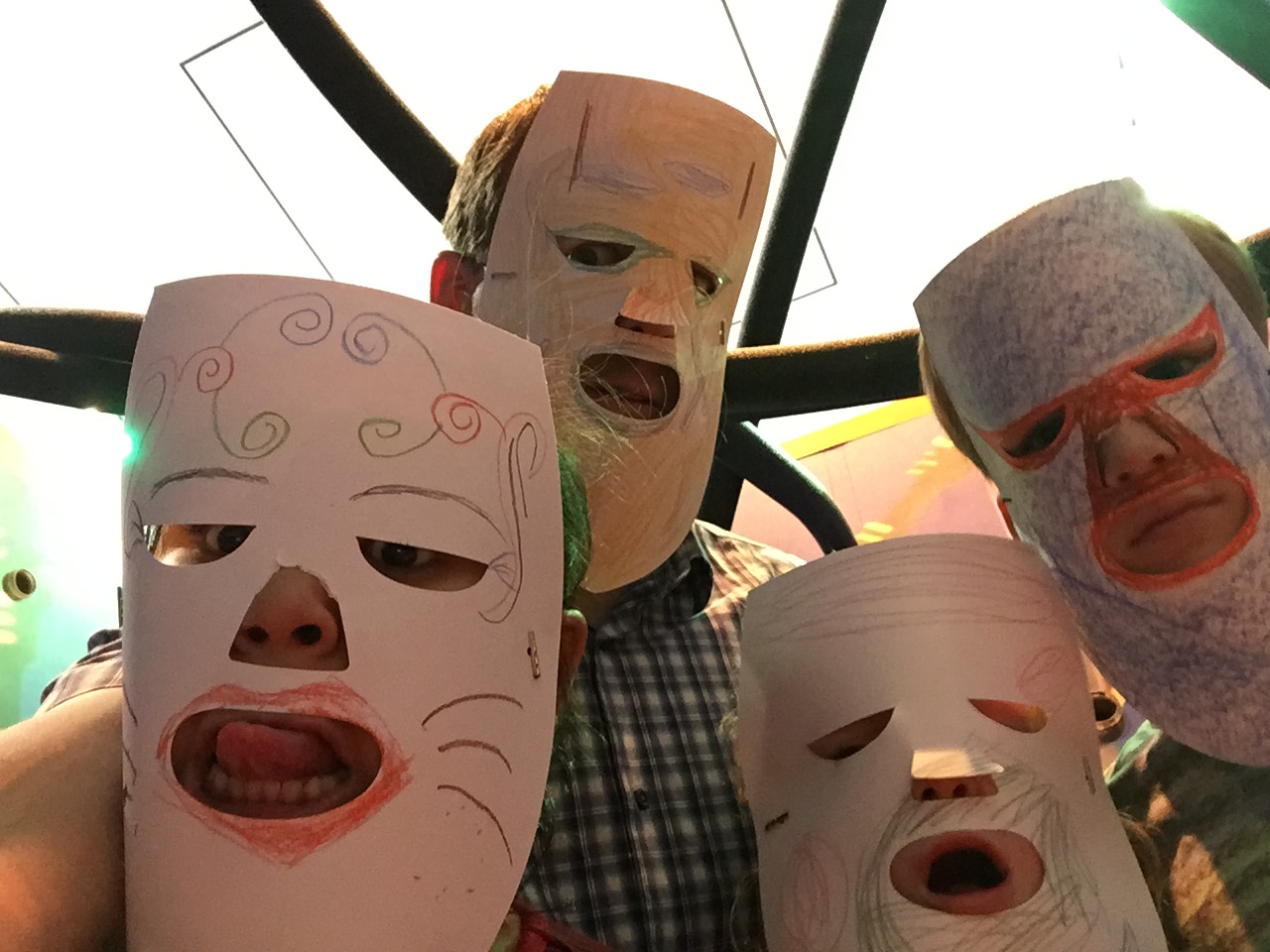
vexed and masked

image

image

image

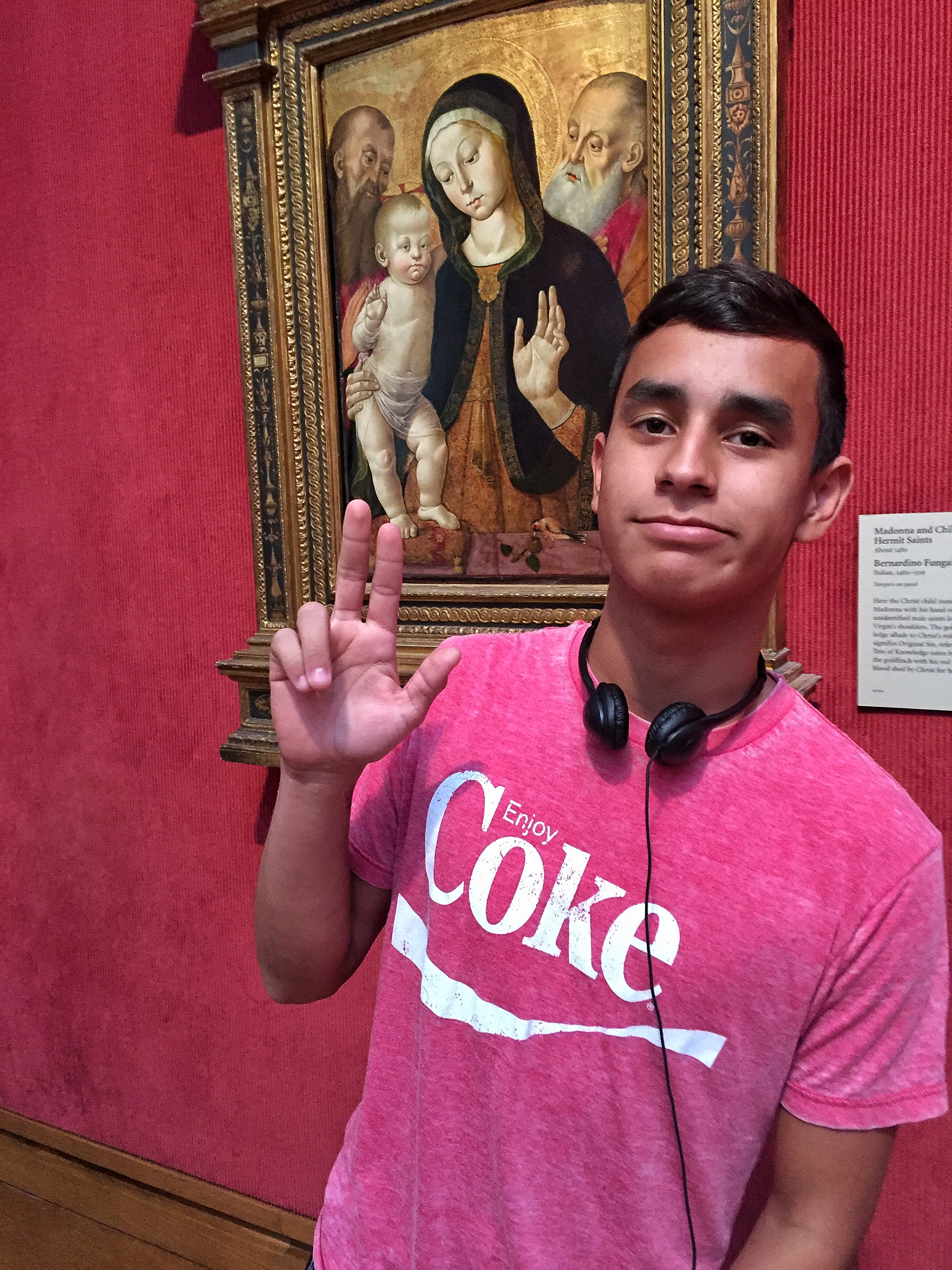
we like our baby jesus hip and peaced-out

image

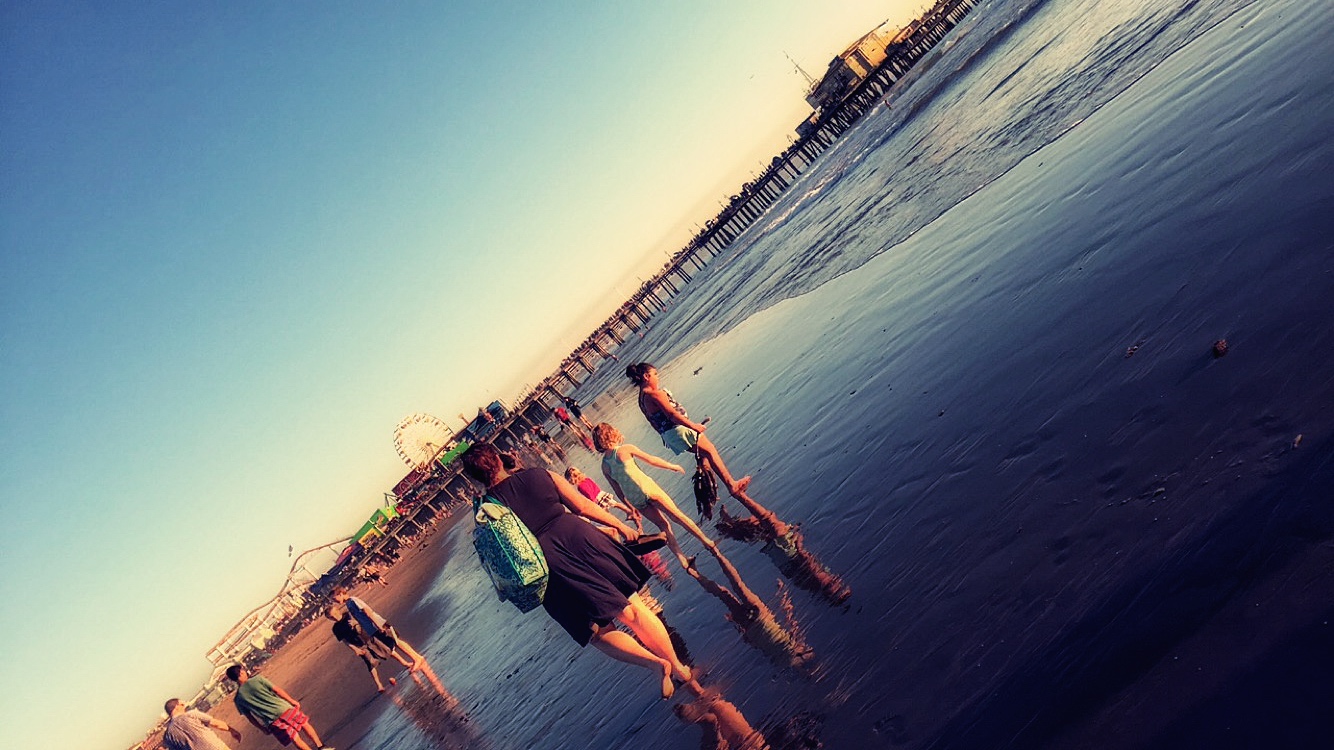
on the beach in santa monica, we ran into some former lubbockites and found we had friends in common!

image

image

image

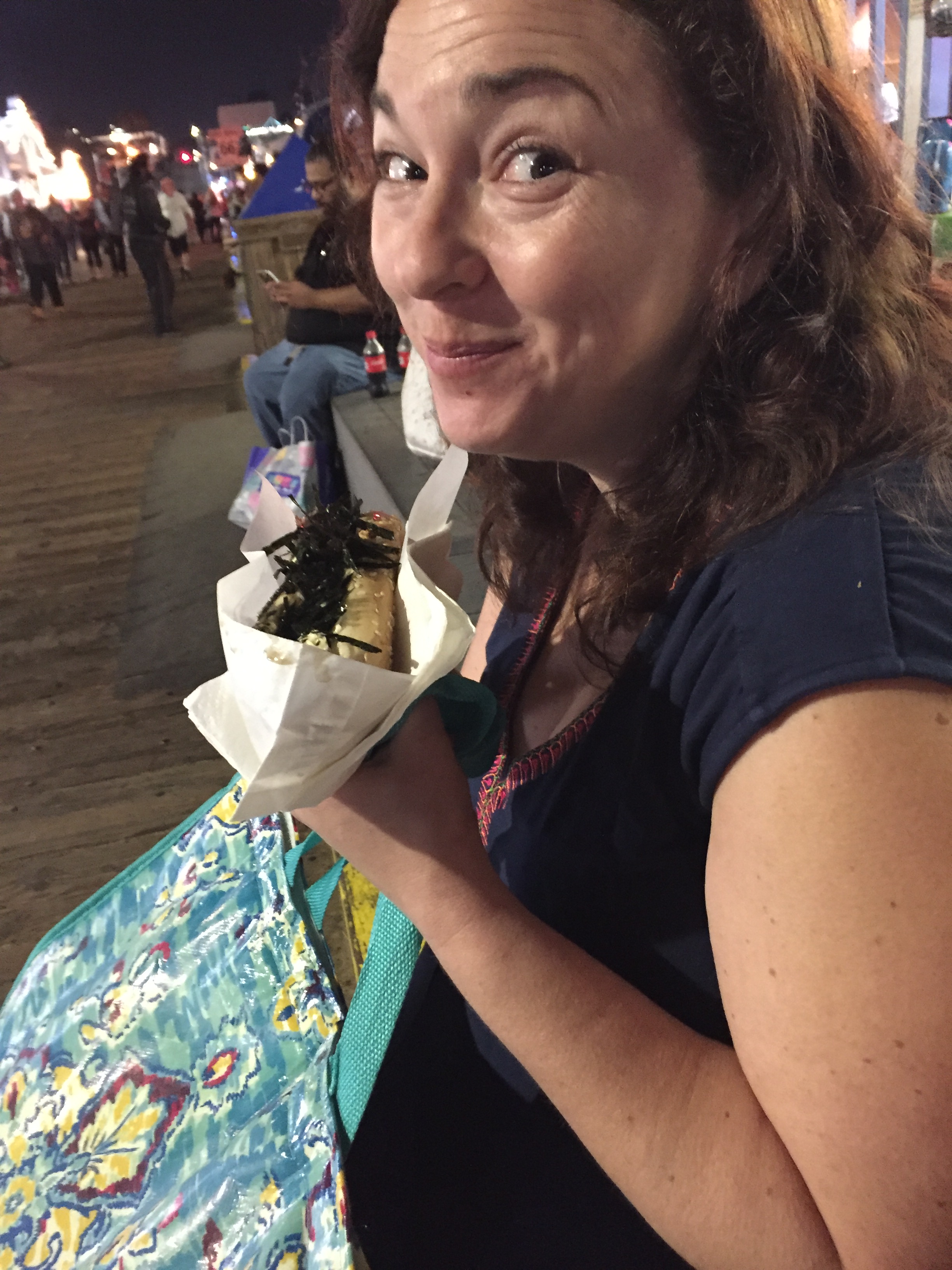
seaweed-topped hotdogs at santa monica pier

image

image

image

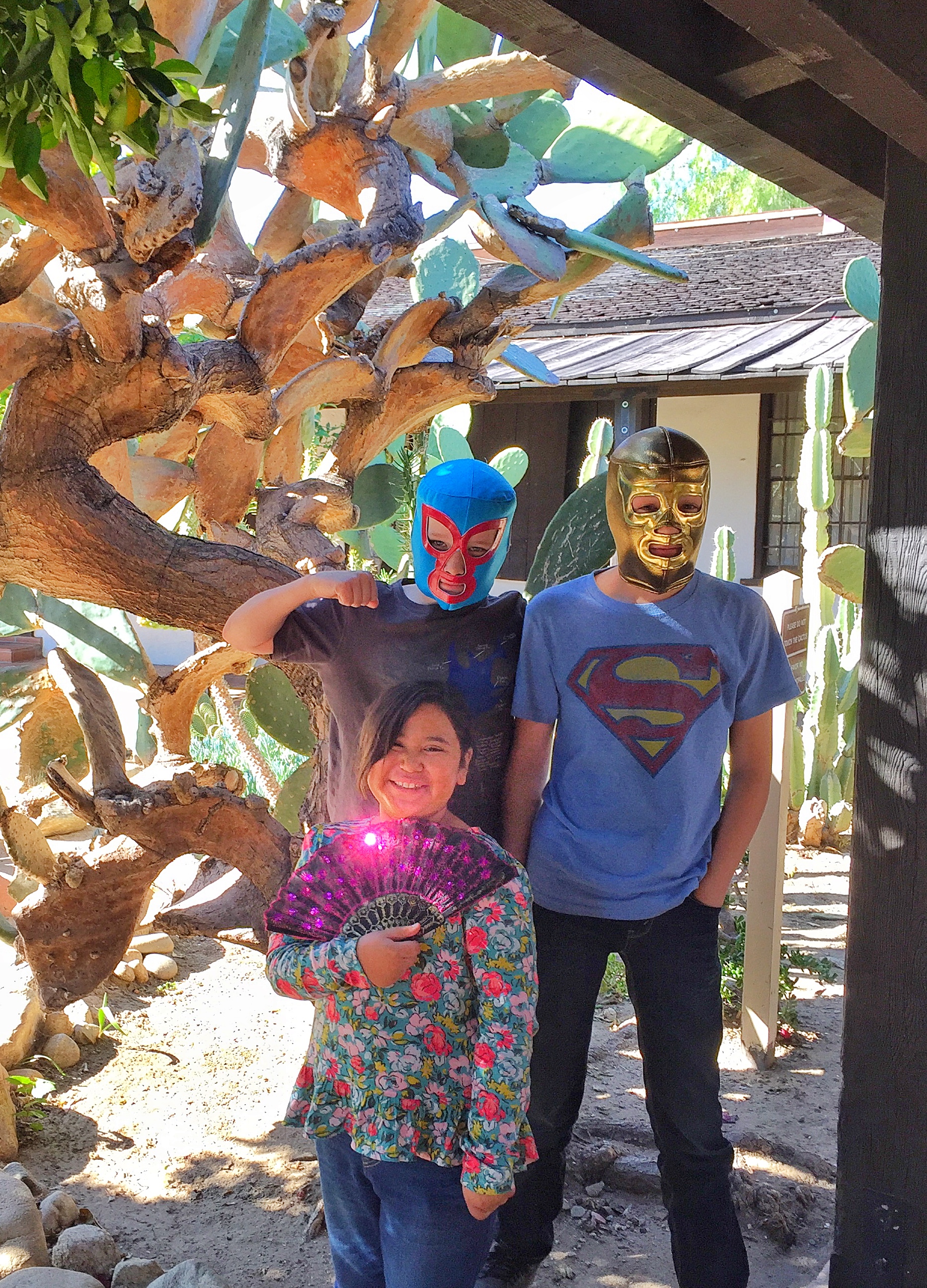
nacho libre masks and tasty mexican food on olvera street

image

image

the boys in a burbank parking lot, trying to get boo radley (or youtube stars, rhett and link) to come out. pete spent a good chunk of time snooping out the address online.

image

they did not succeed. this is what we did instead of going to view the largest section of berlin wall outside germany. sigh.