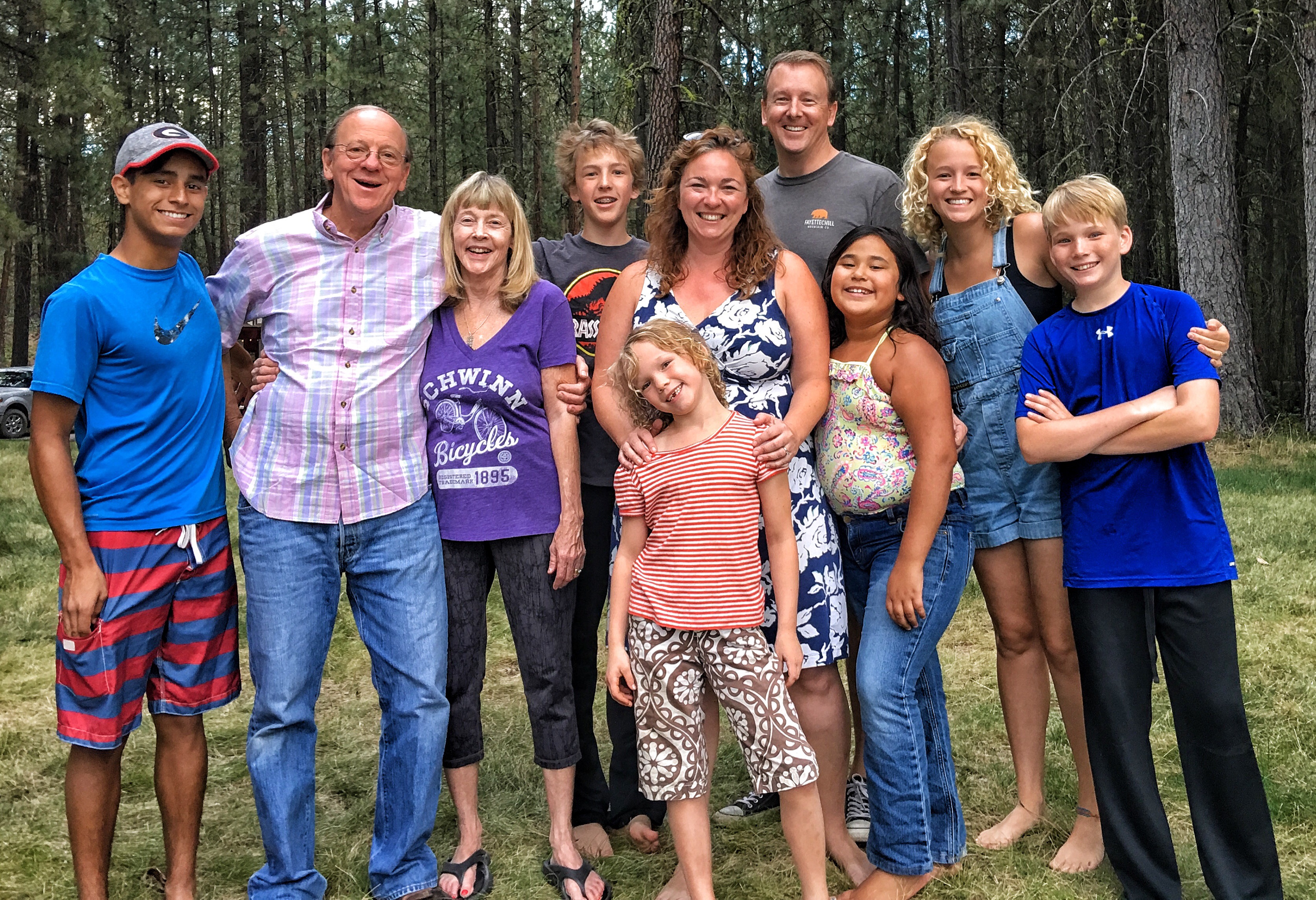
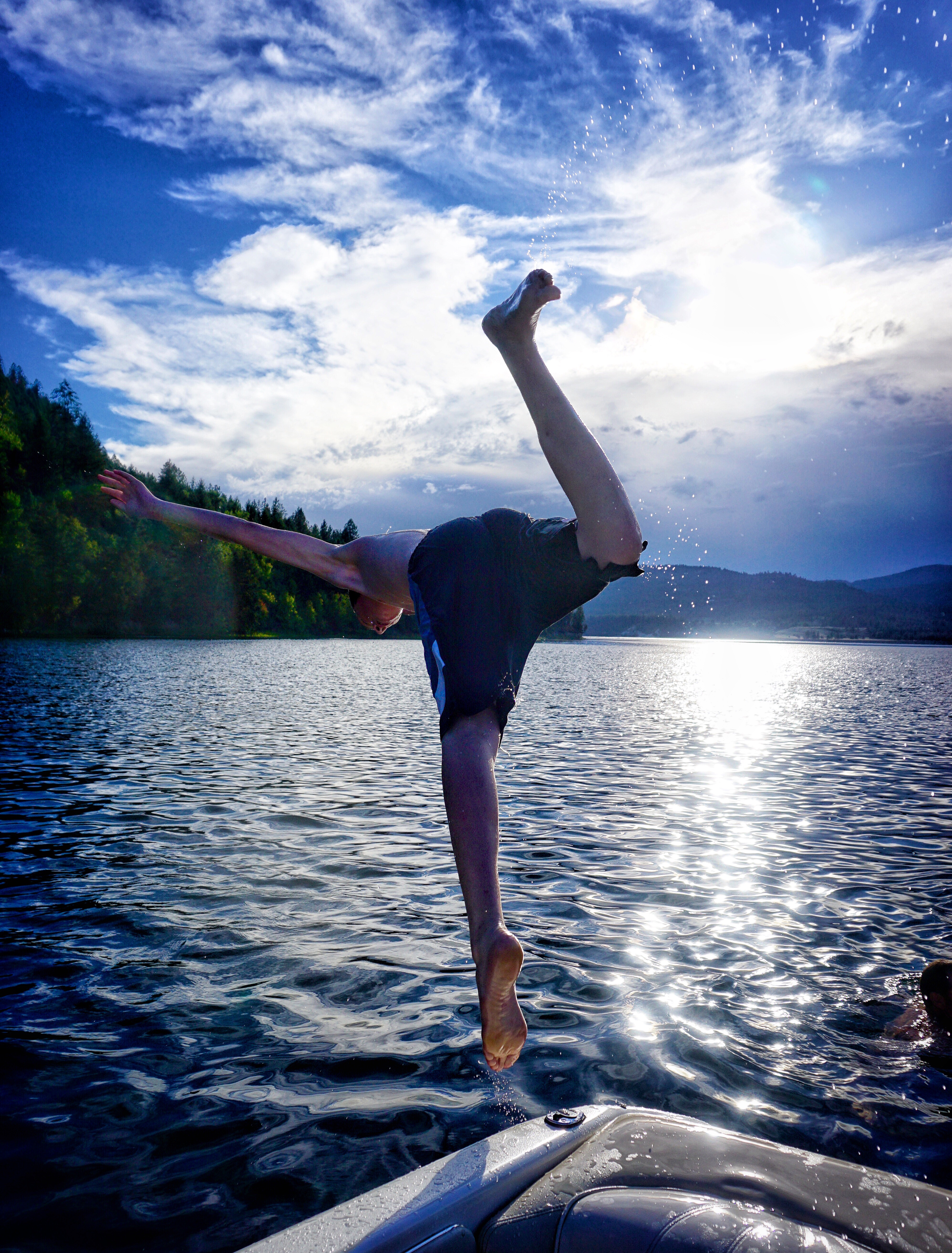
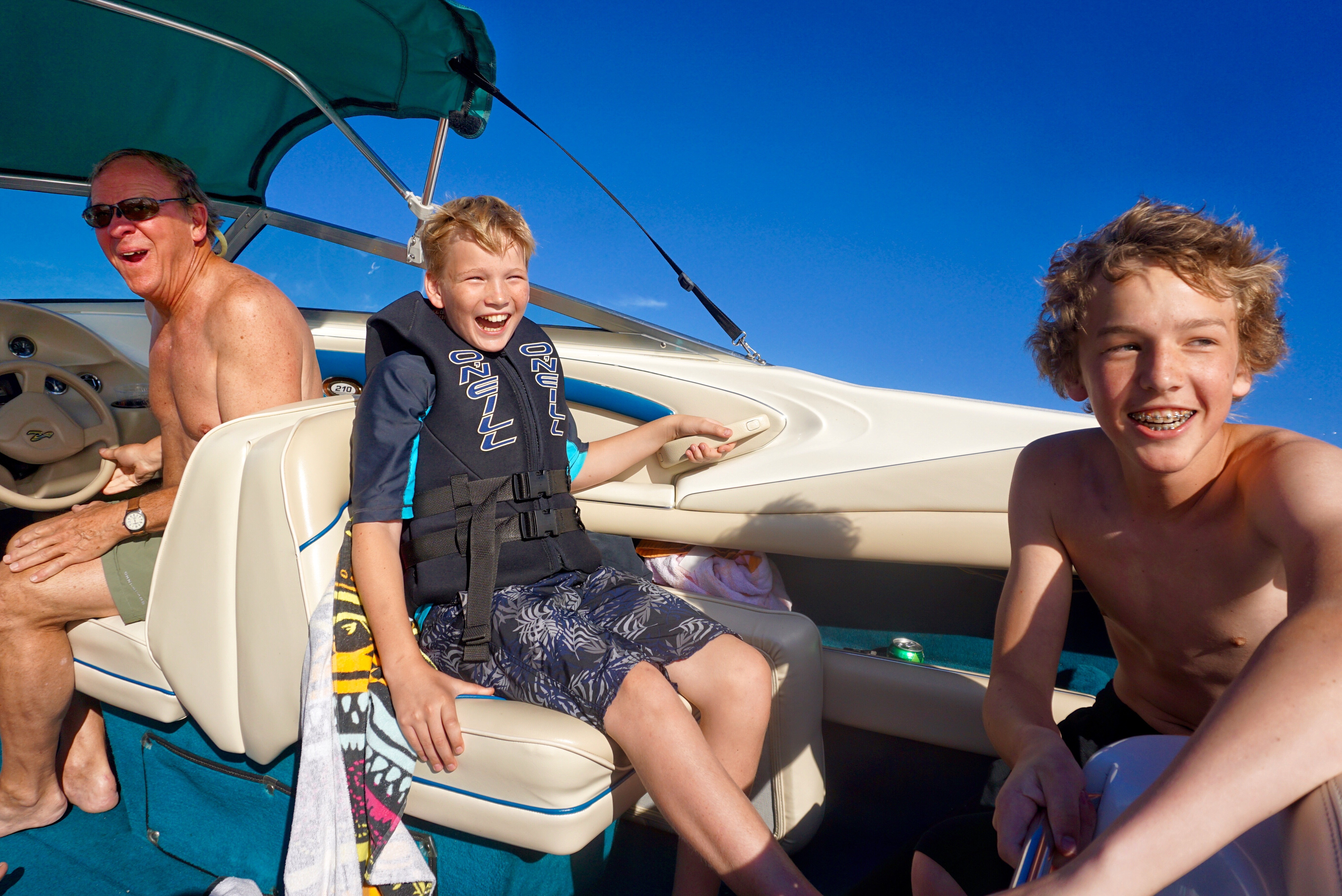
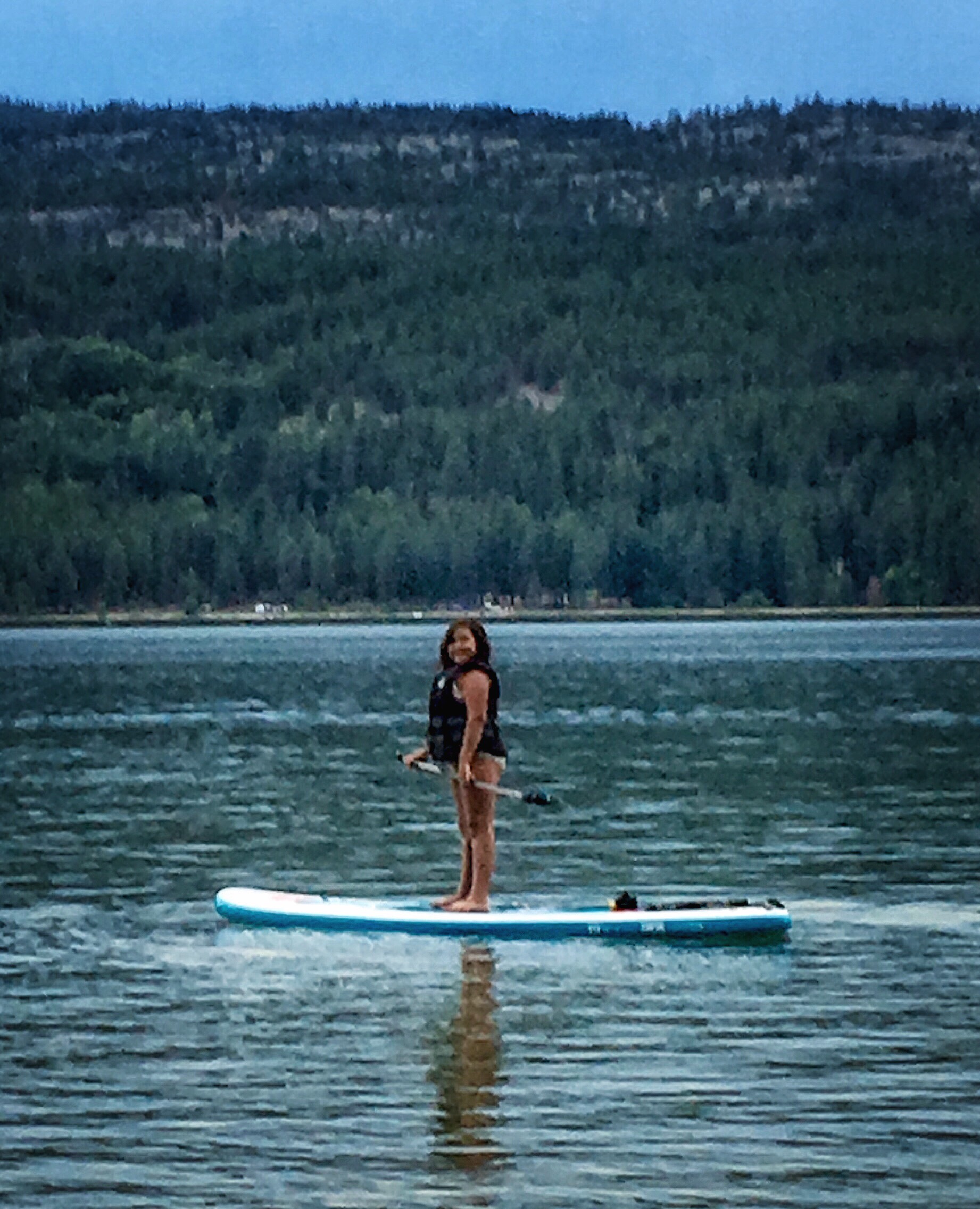
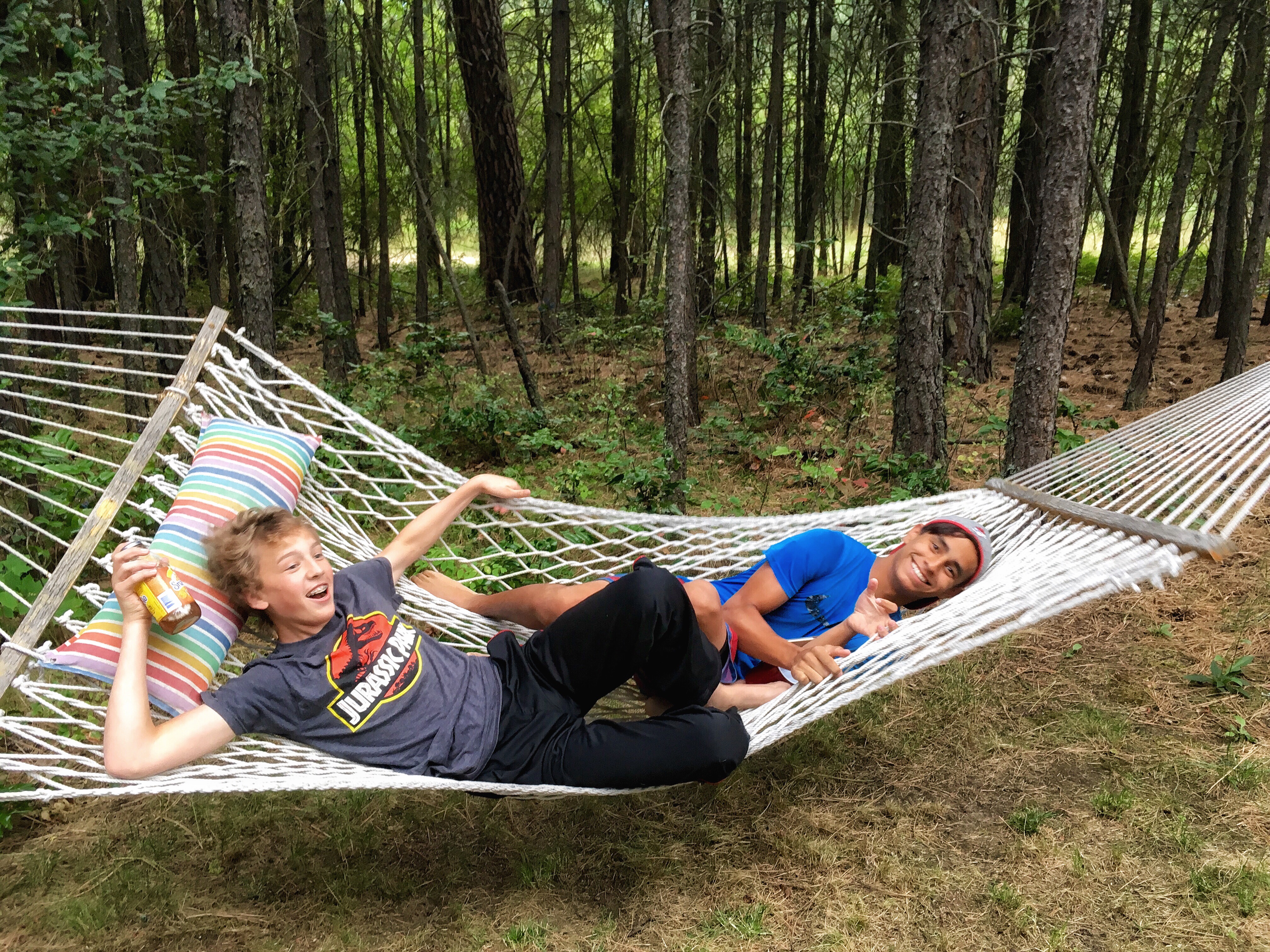
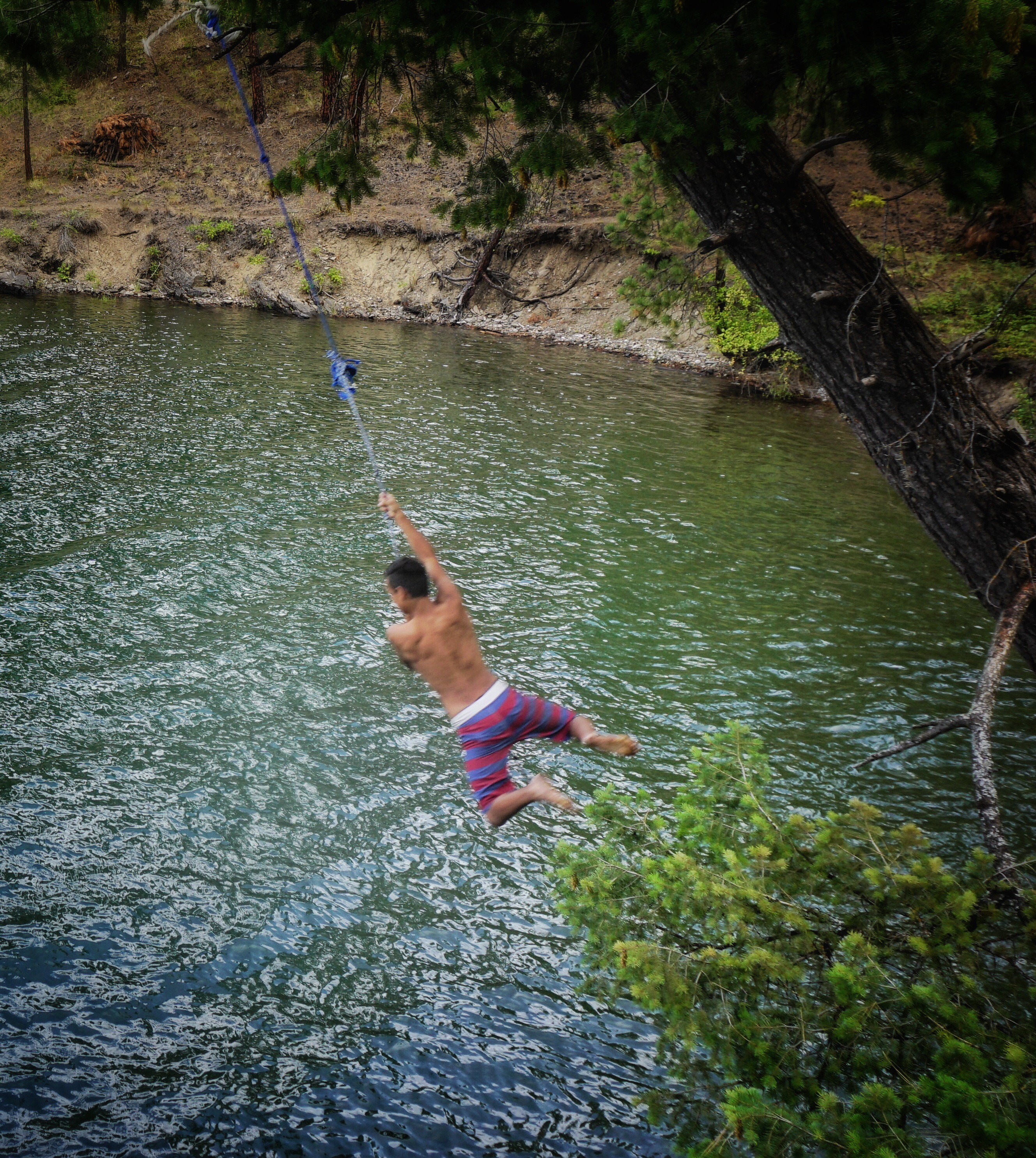
My mother’s cousin, Suzy, and her husband, Pat, moved from Virginia to California in the 1970’s. They enjoyed city-living in San Francisco, finished medical school, and traveled with friends. But when it was time for a family, they joined the “urban refugees” of that day and made their home in a rural logging town in need of an internist. Suzy worked in the school system and raised two boys, and the family’s spare time was filled with hiking, mountain biking, swimming, and skiing. Suzy and Pat hosted us at their lake house, entertaining us with stories of their adventures in small-town Washington and delighting the kids with water escapades.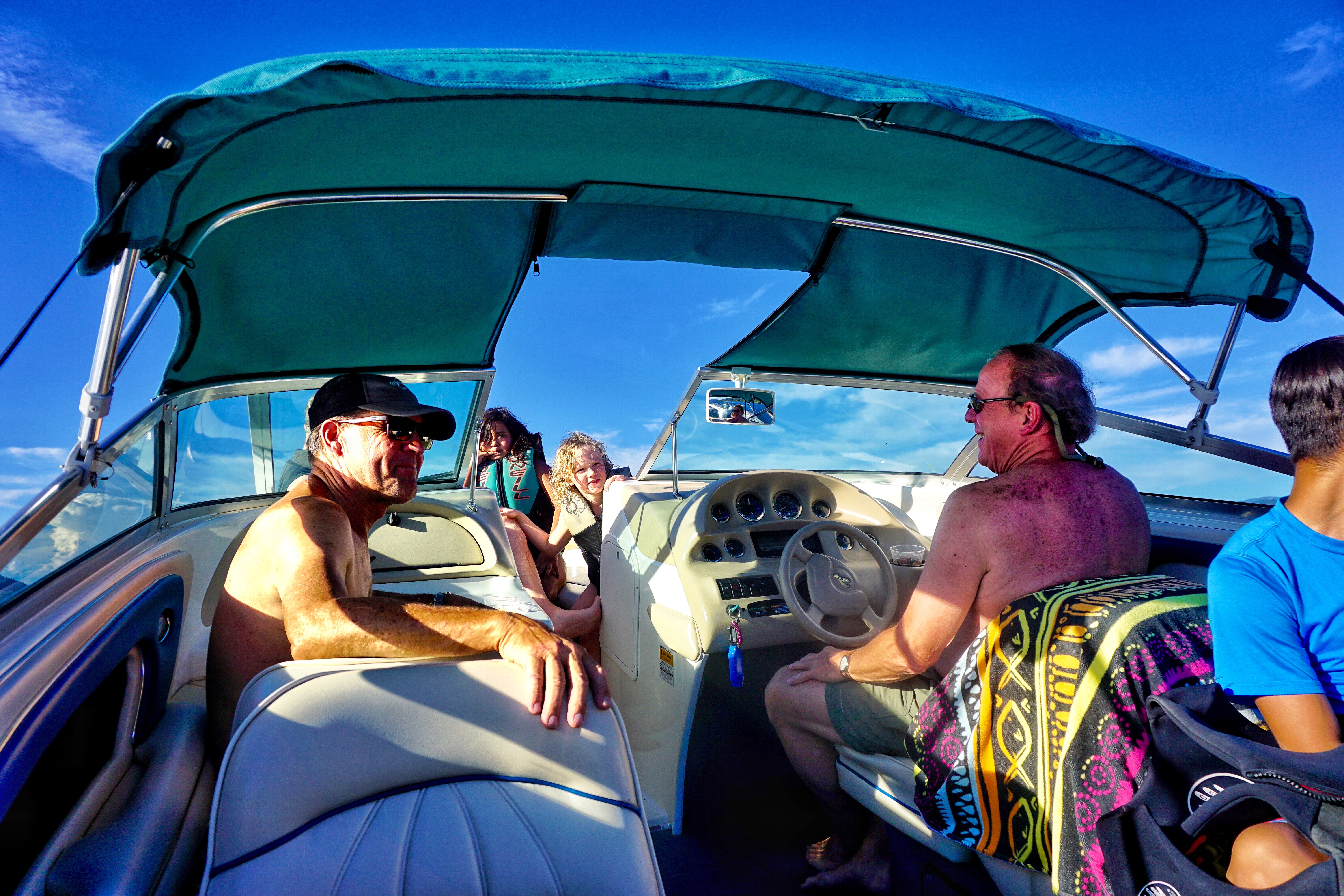 “Uncle” Billy, friends with Suzy and Pat since they met 40 years ago in Bolivia, joined in the fun.
Learning about the northwestern logging industry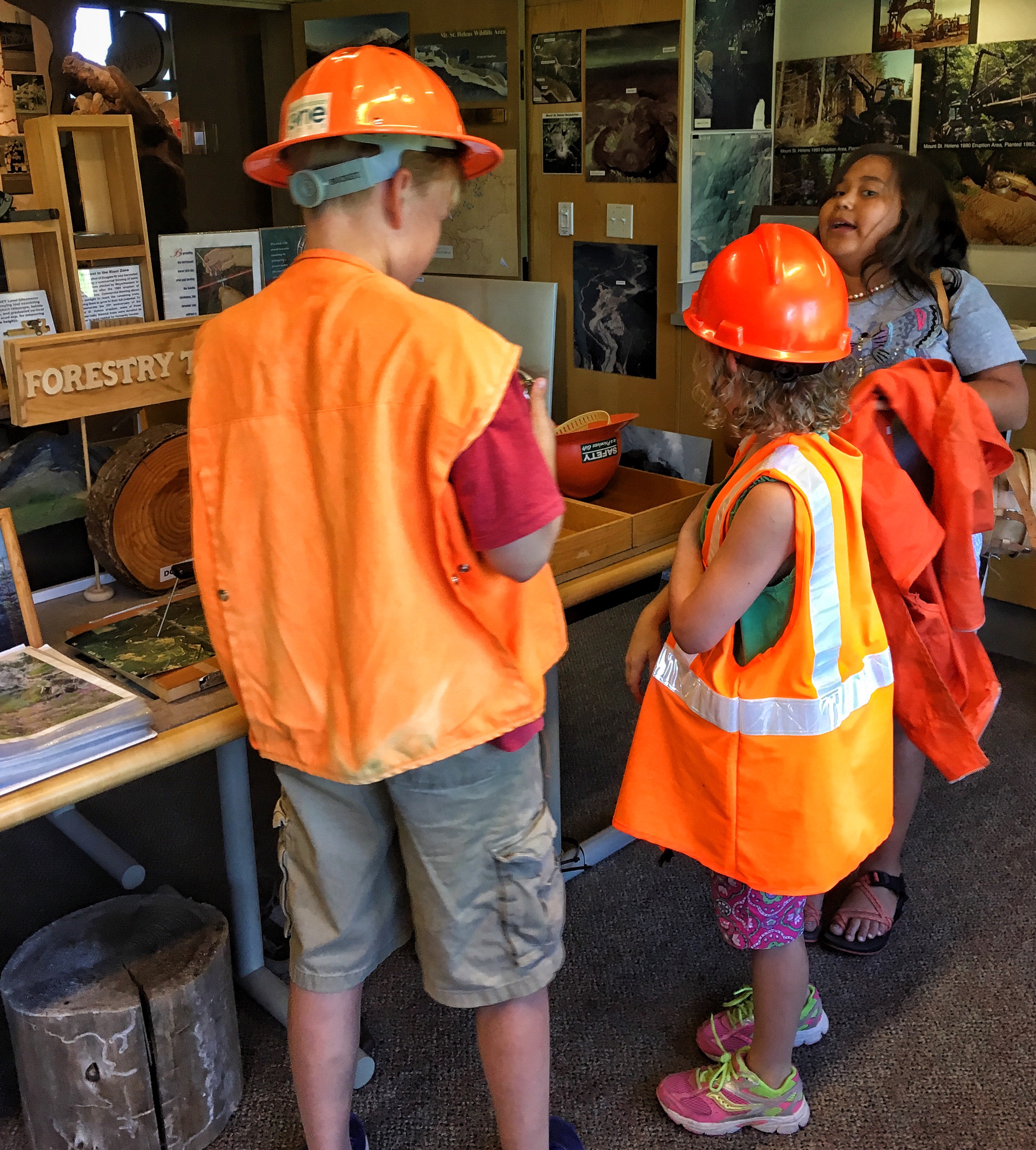
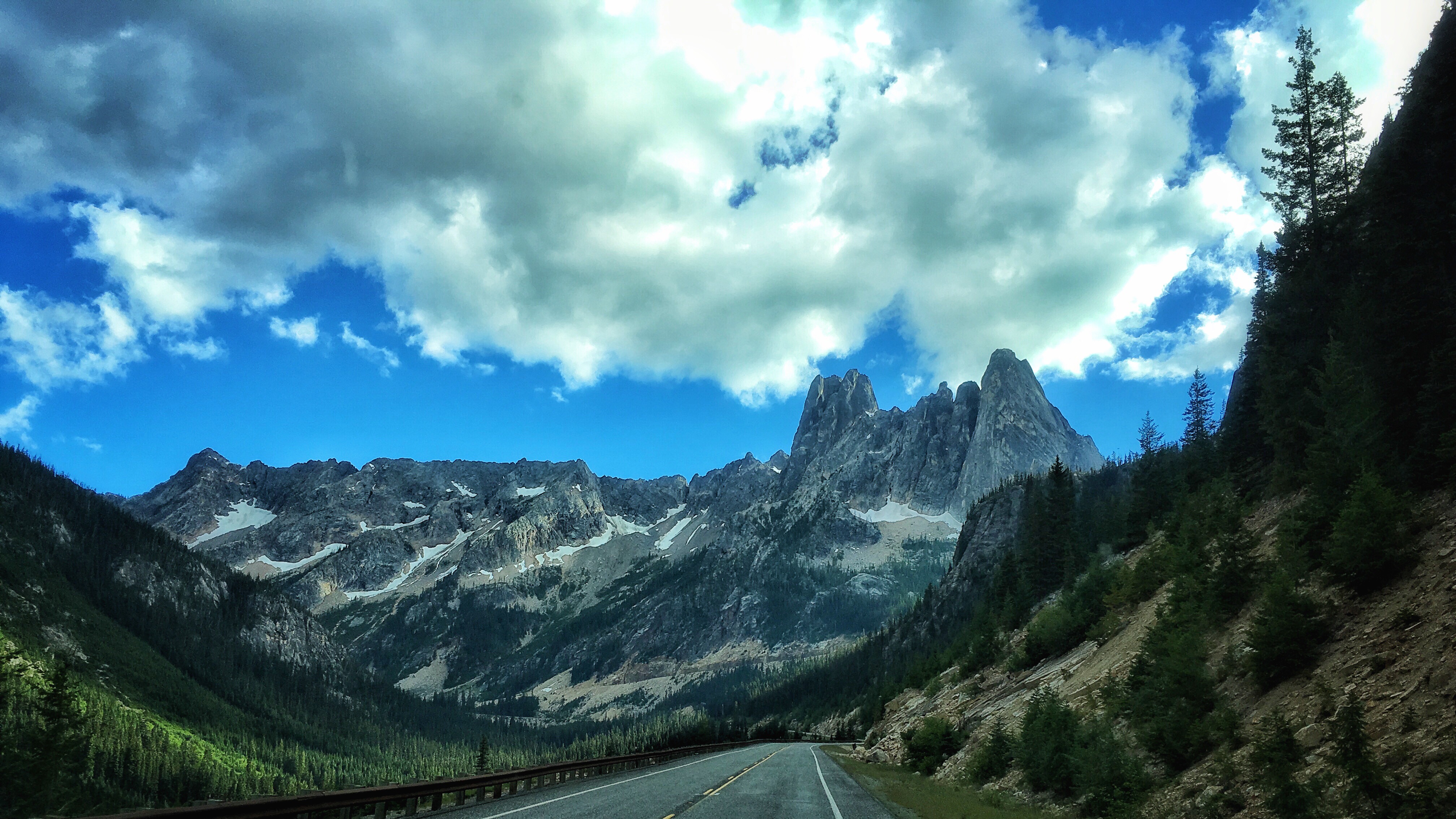
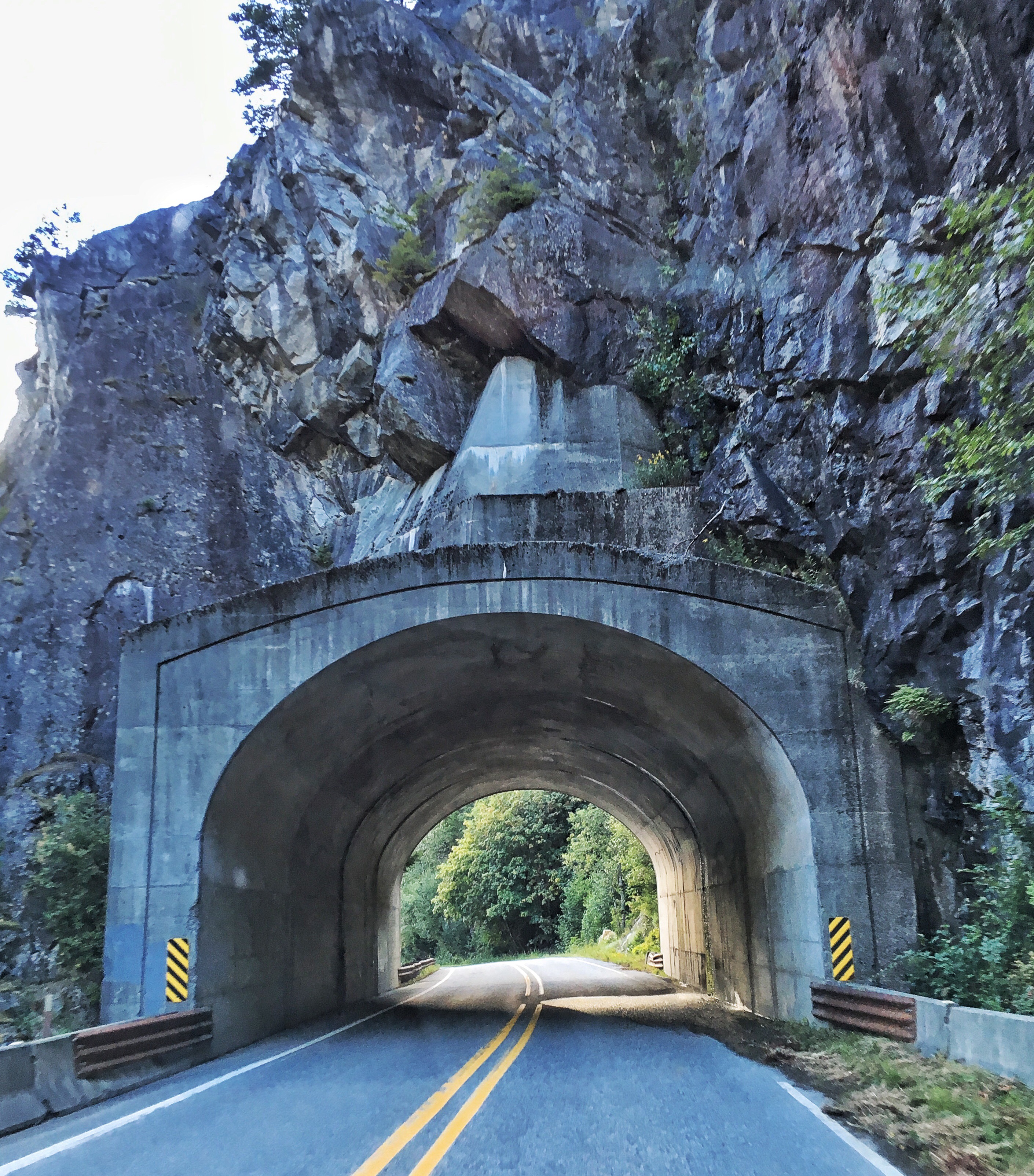
Gorgeous (and slightly terrifying) drive through the Cascades
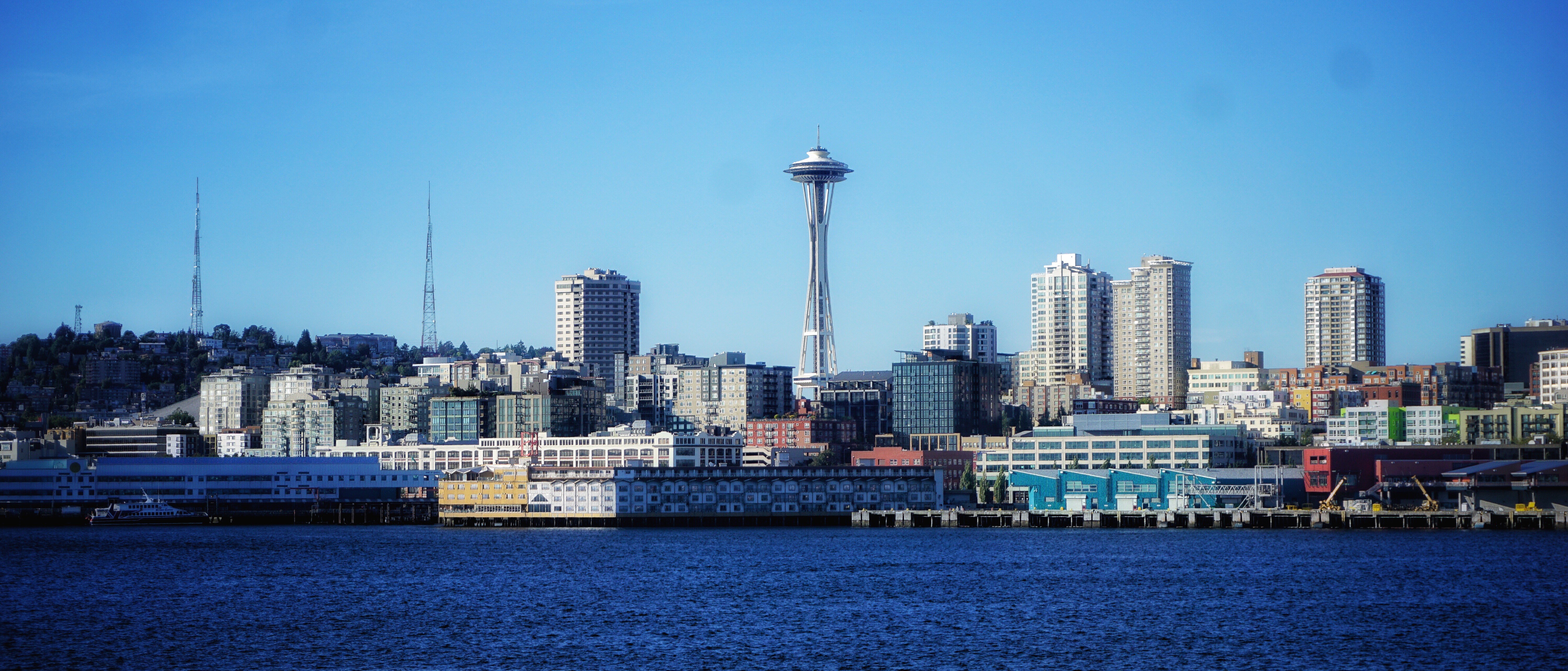 In Seattle, we started with a tour under the city. The first years of the city were a muddy mess. The town flooded daily with the tides; sewage and seawater created deadly pools in deep wagon wheel ruts. When Seattle burned in 1889, the city constructed buildings of brick, at least three stories tall. Then they built the streets at second-story height. (For the two years until sidewalks joined the streets and buildings, ladies climbed ladders to reach the street after shopping.) Under the raised sidewalks, the lower channels remain, and we wandered through them, listening to stories of scrappy Seattle, a town that avoided financial ruin in the late 1800s by outfitting Klondike-bound prospectors with gold-sniffing gophers and stolen house pets, like Buck from The Call of the Wild, for use as sled dogs. The city improved its earnings from $325, 000 to $25 000,000 in eight months. Our tour guide reminded us that Boeing in 1916, Microsoft in the 1979, and Amazon in the 1994 are evidence of the continuing legacy of financial genius in Seattle.
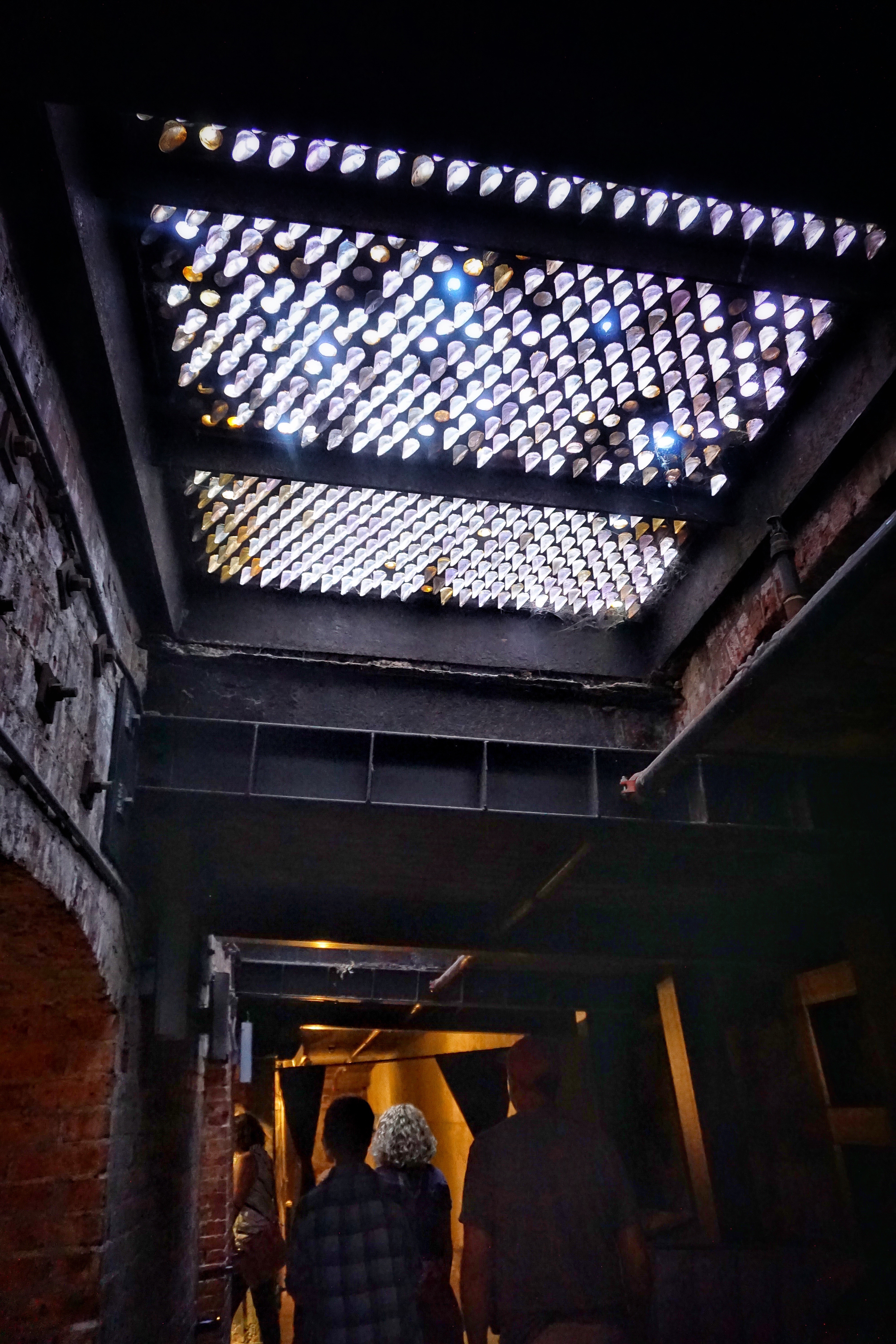
Glass prisms in the sidewalk above light underground lanes
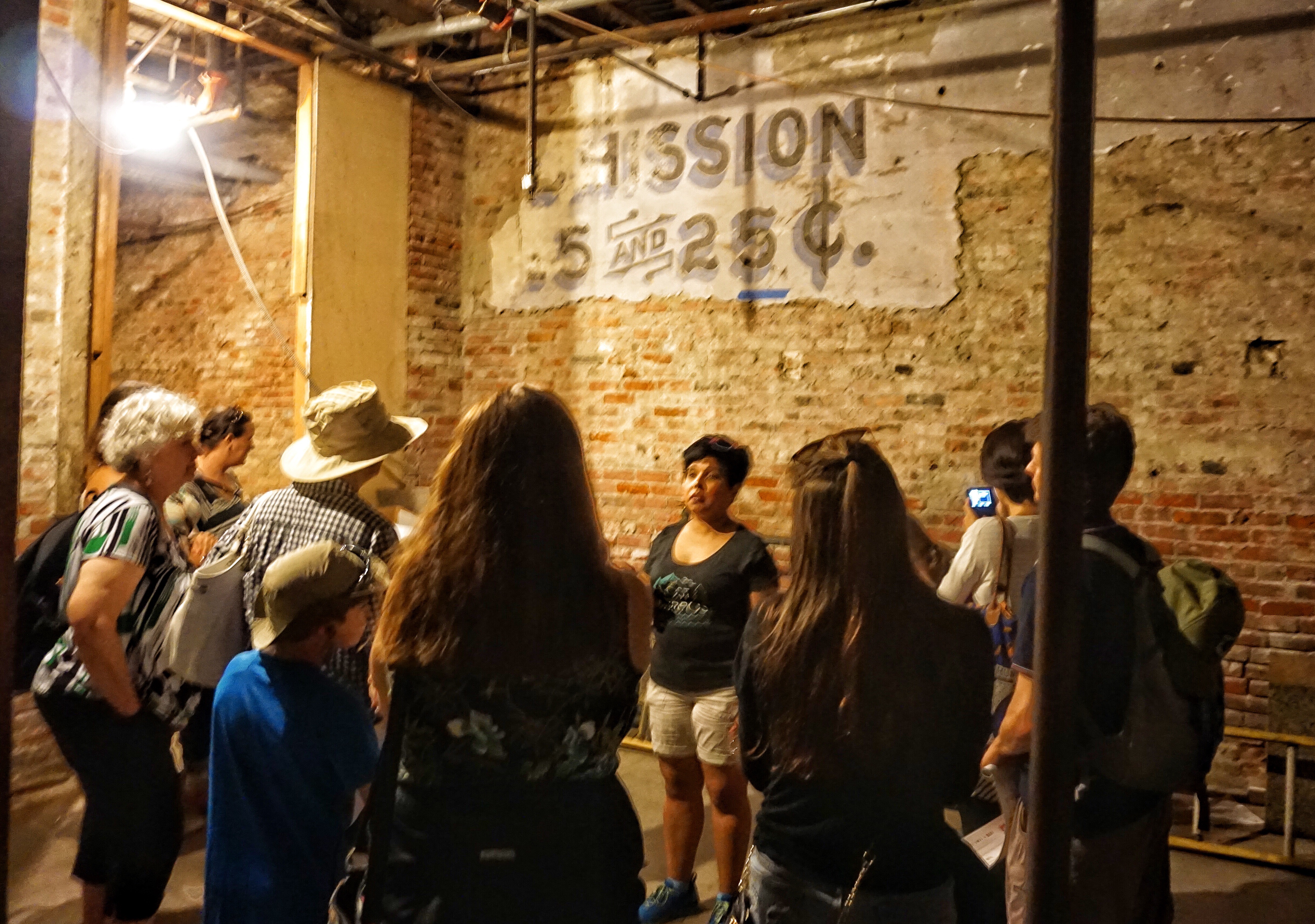
Underneath the J&M, where Wyatt Earp introduced faro to Seattle, and Jimi Hendrix and Kurt Cobain brought new sounds.
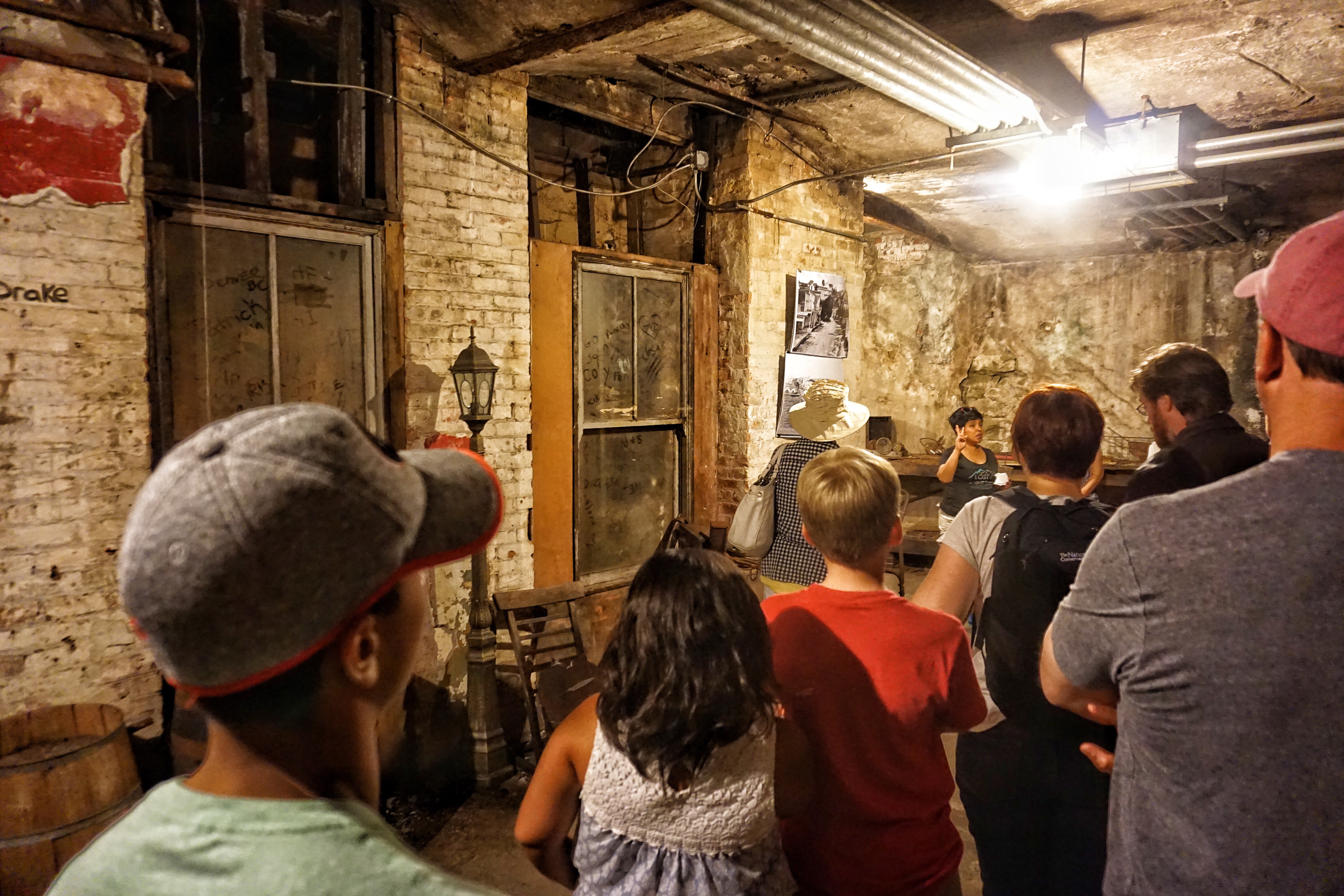
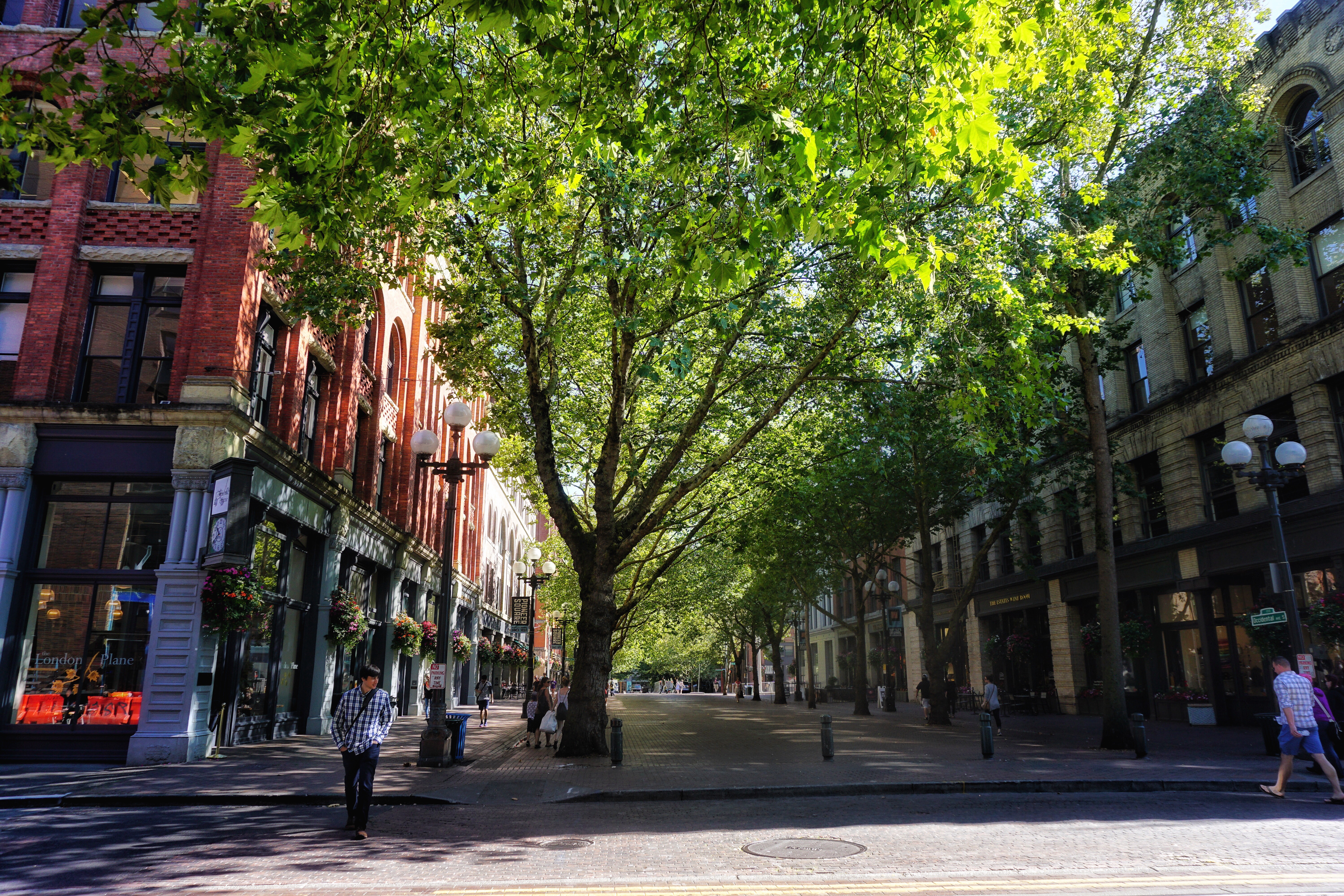
As we wandered the lively, green city, I marveled at the gritty determination that possessed the early settlers of the Pacific northwest. One of my favorite books about this time is The Living by Annie Dillard. It’s a big, sprawling adventure story, and Dillard’s descriptions of the area made me long to see it for myself, but a reader shouldn’t get too attached to any one character; the environment is so harsh, they almost all succumb!
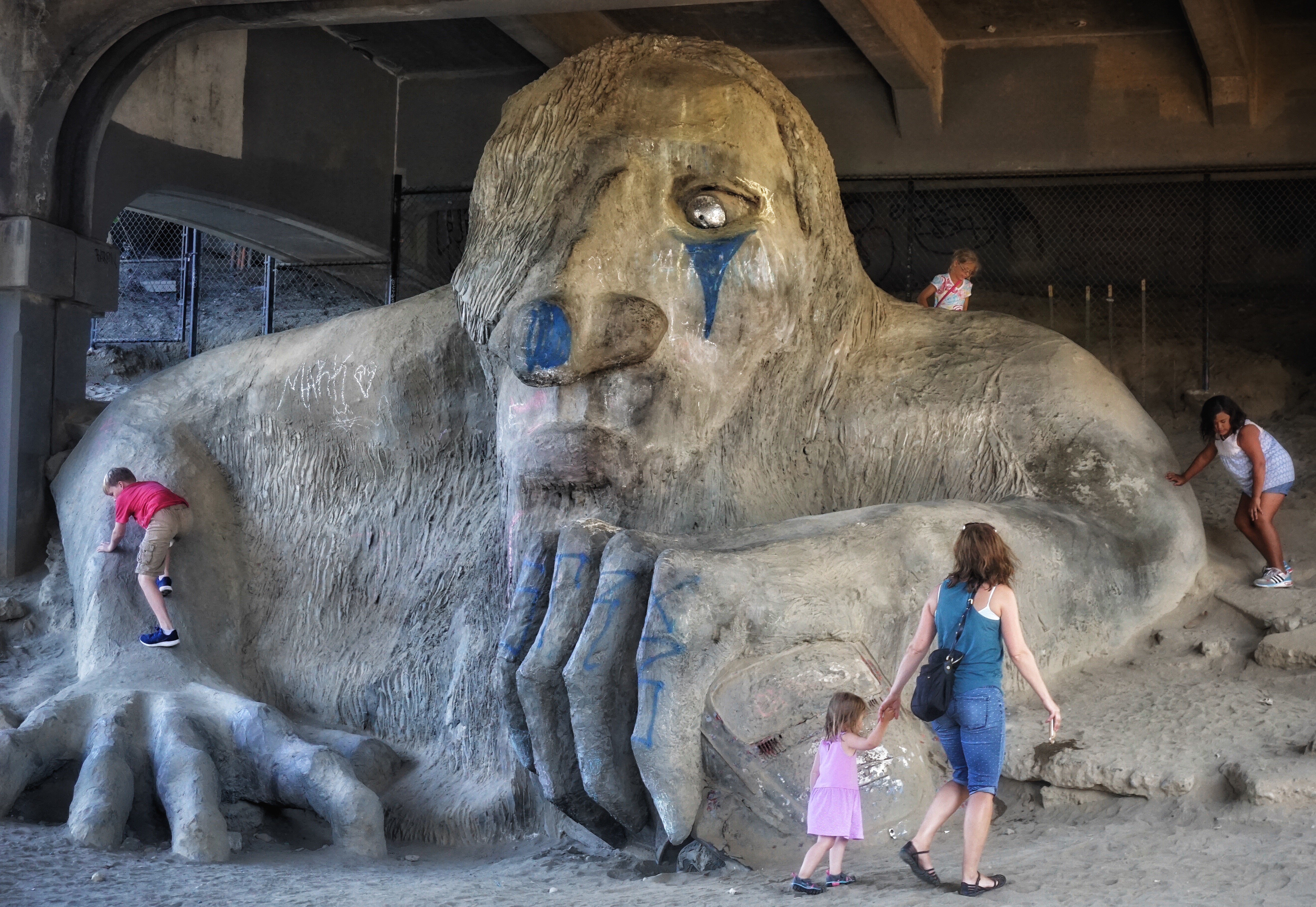 The car-crushing Fremont troll under the Aurora Ave. bridge
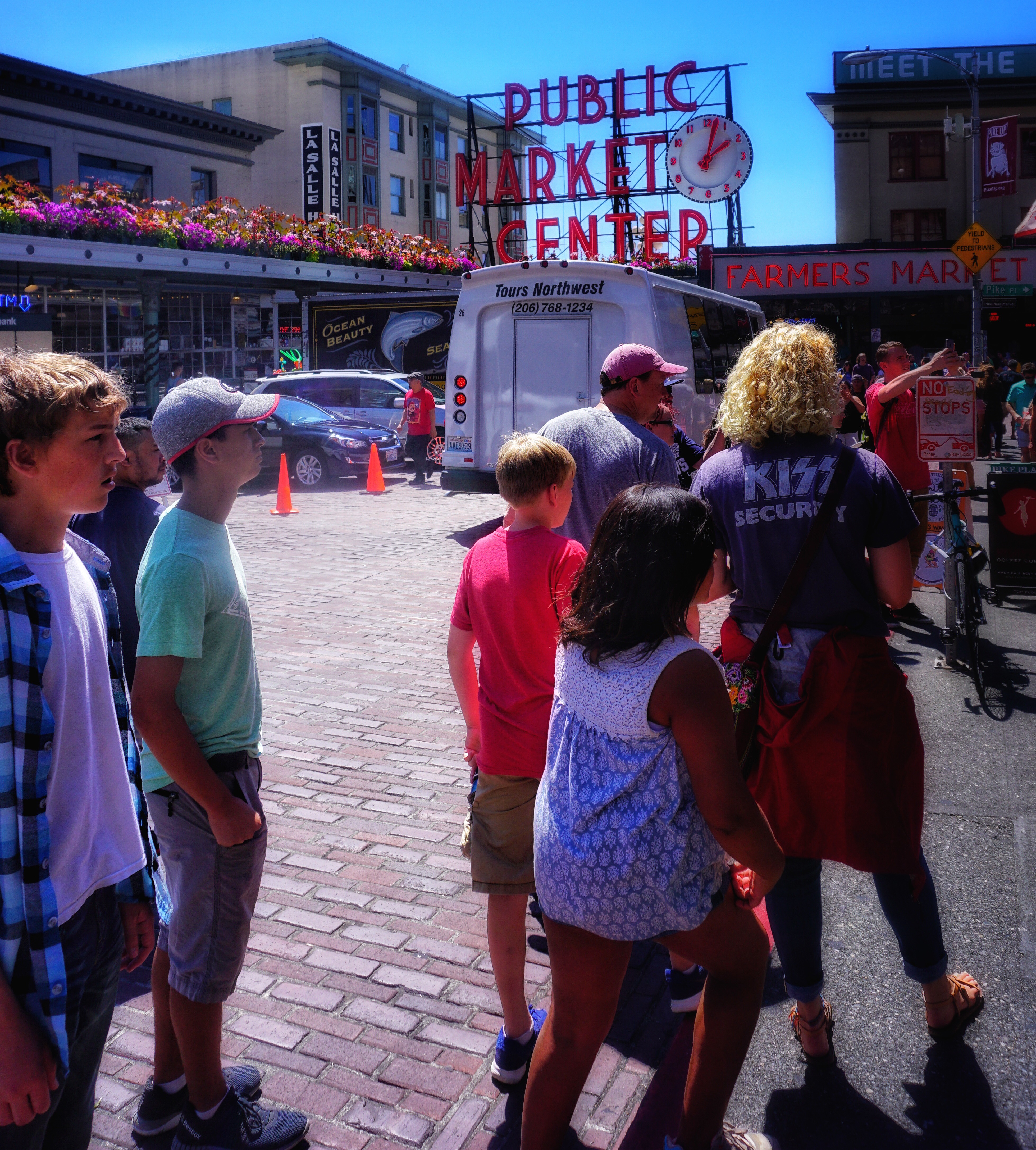
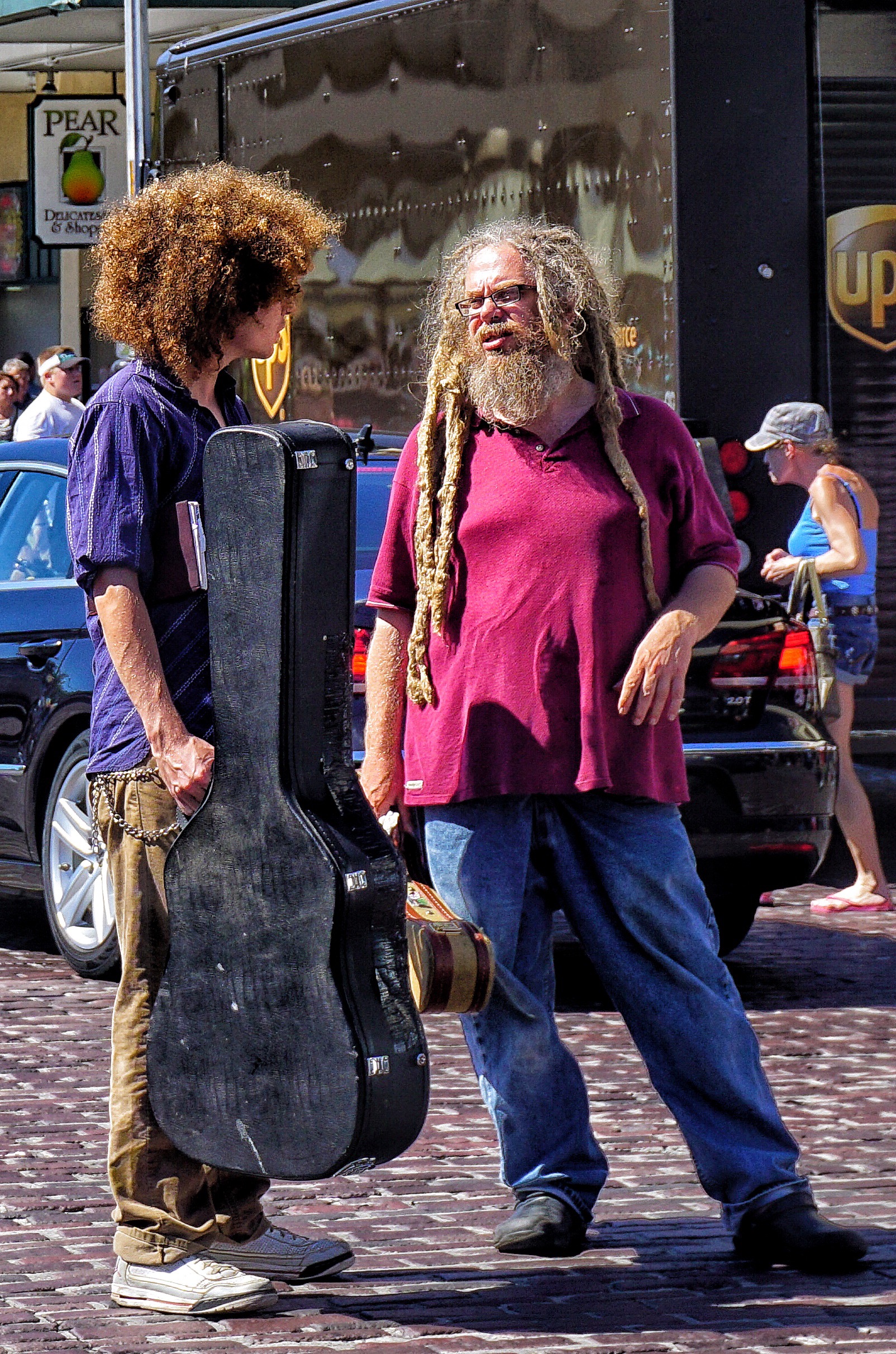 Excellent people-watching opportunities at the fish market

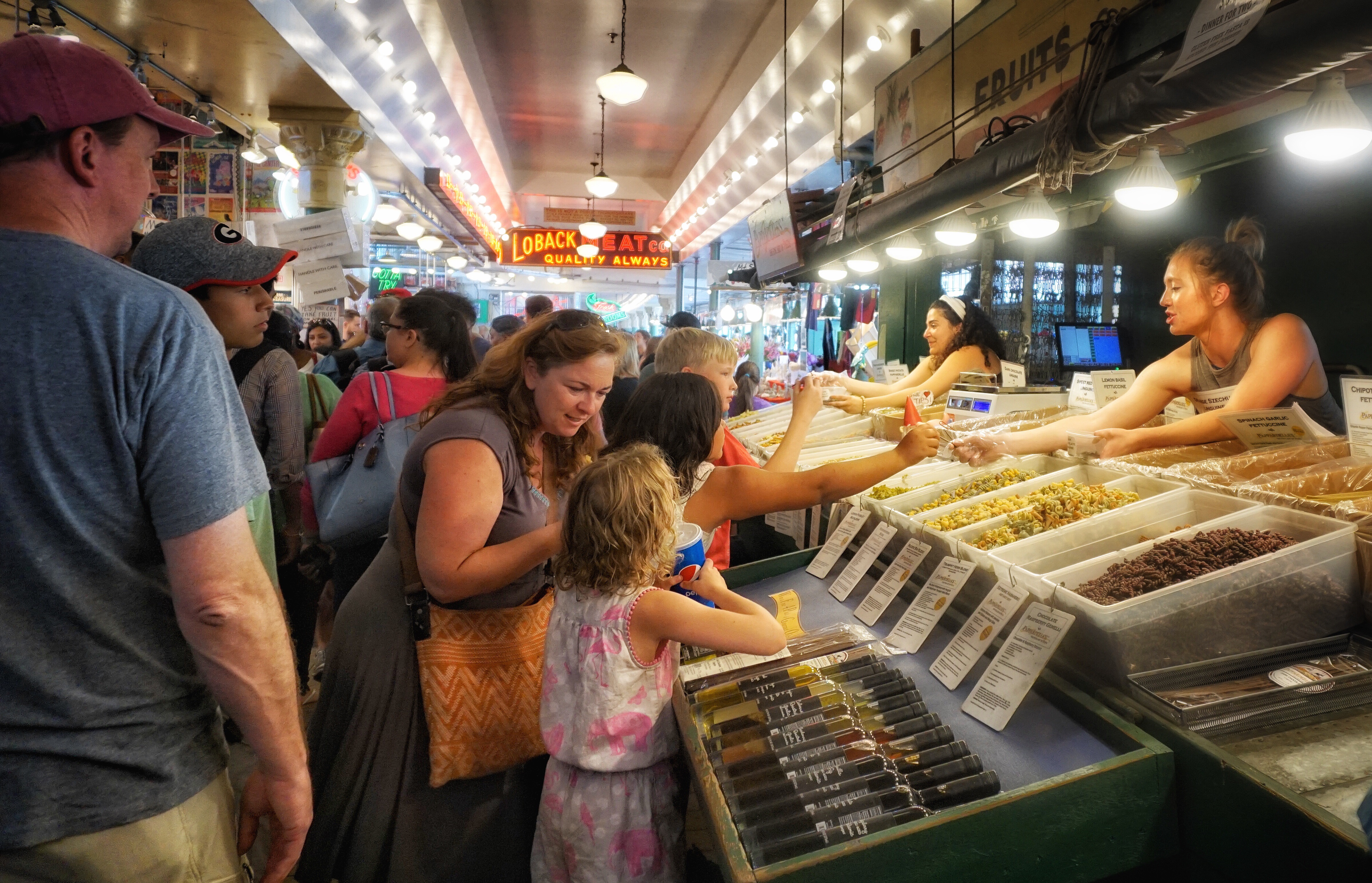
Captured by a savvy saleswoman, we left with a pound of chocolate pasta!
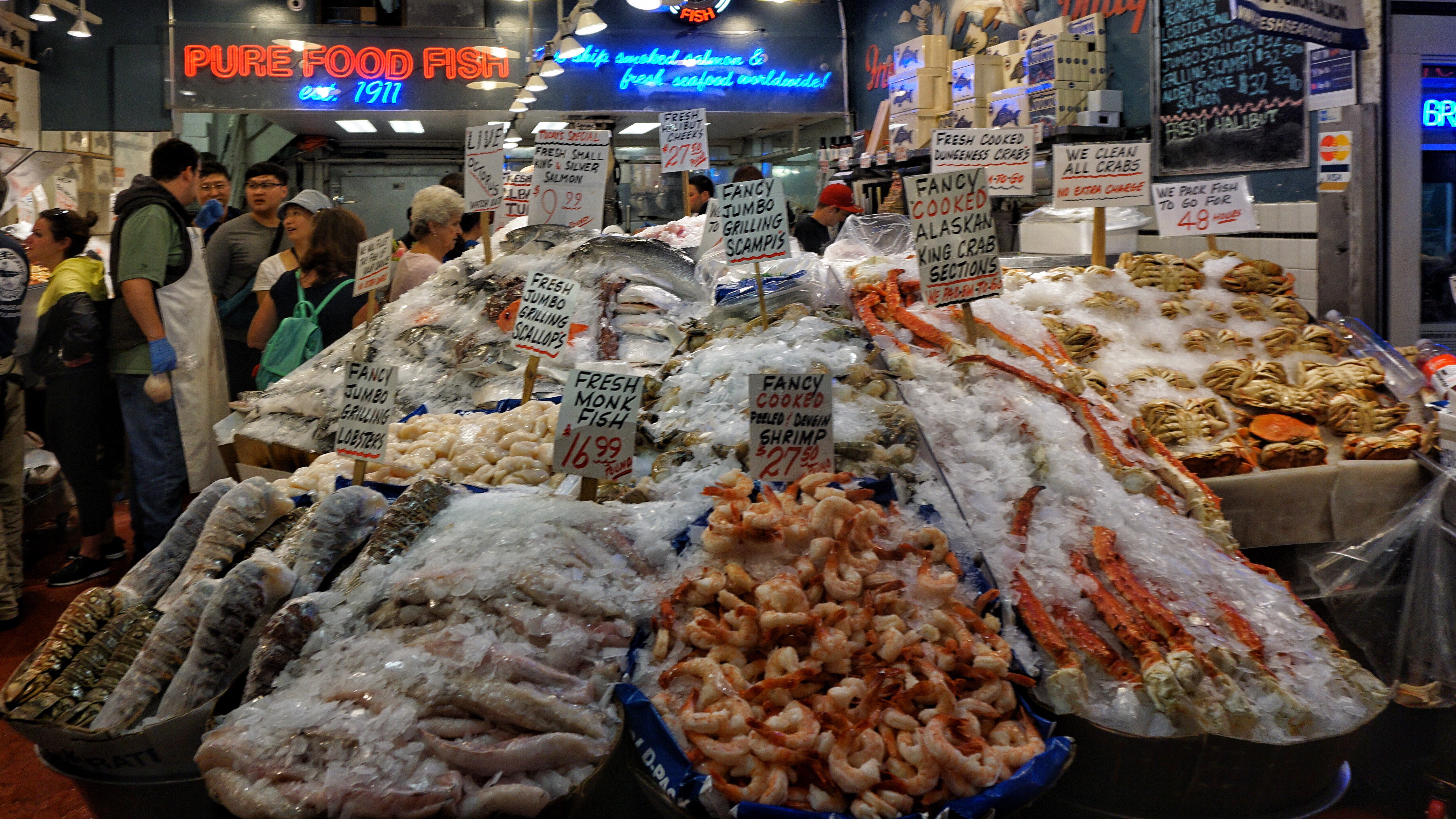
Here’s a fish thrower:
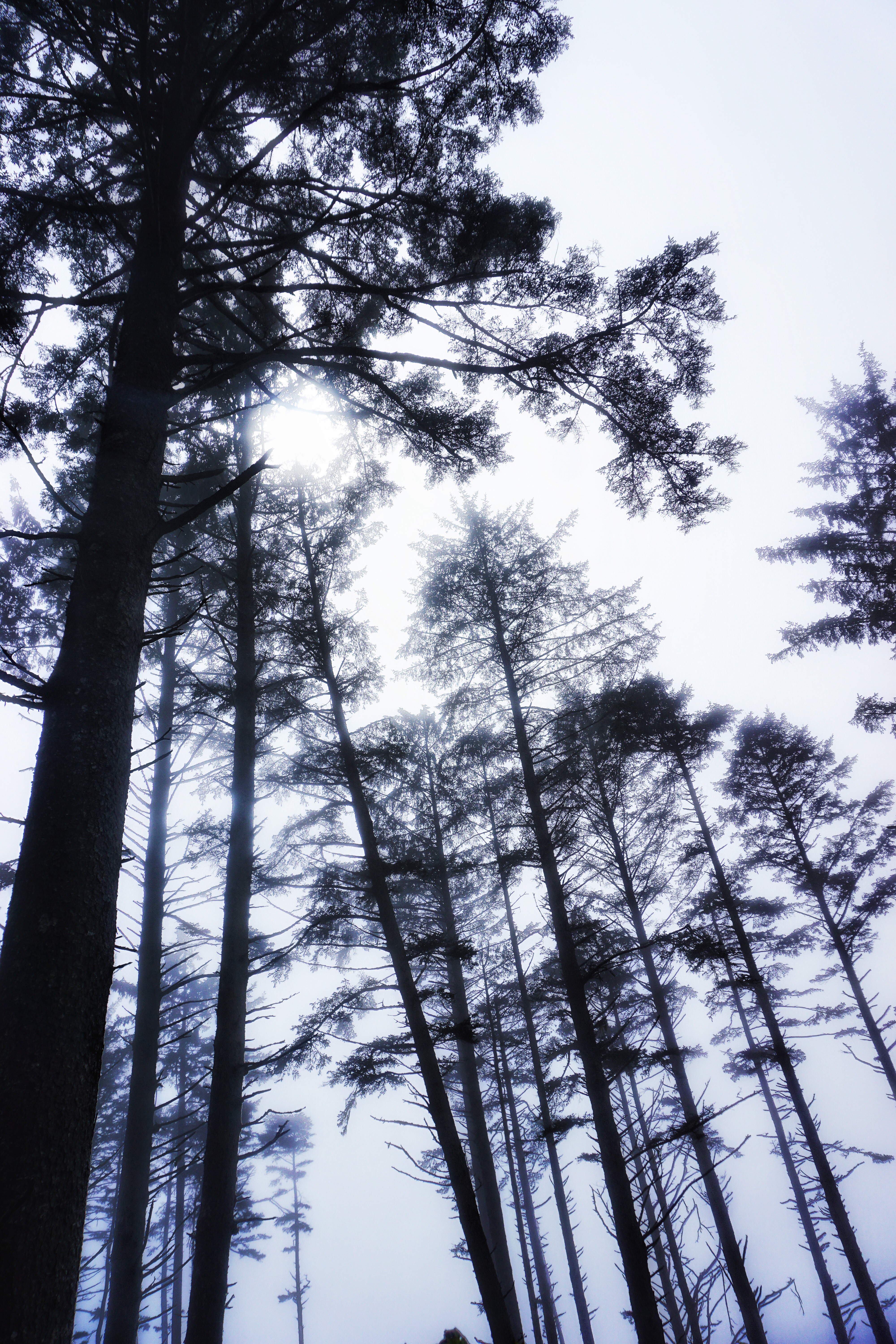
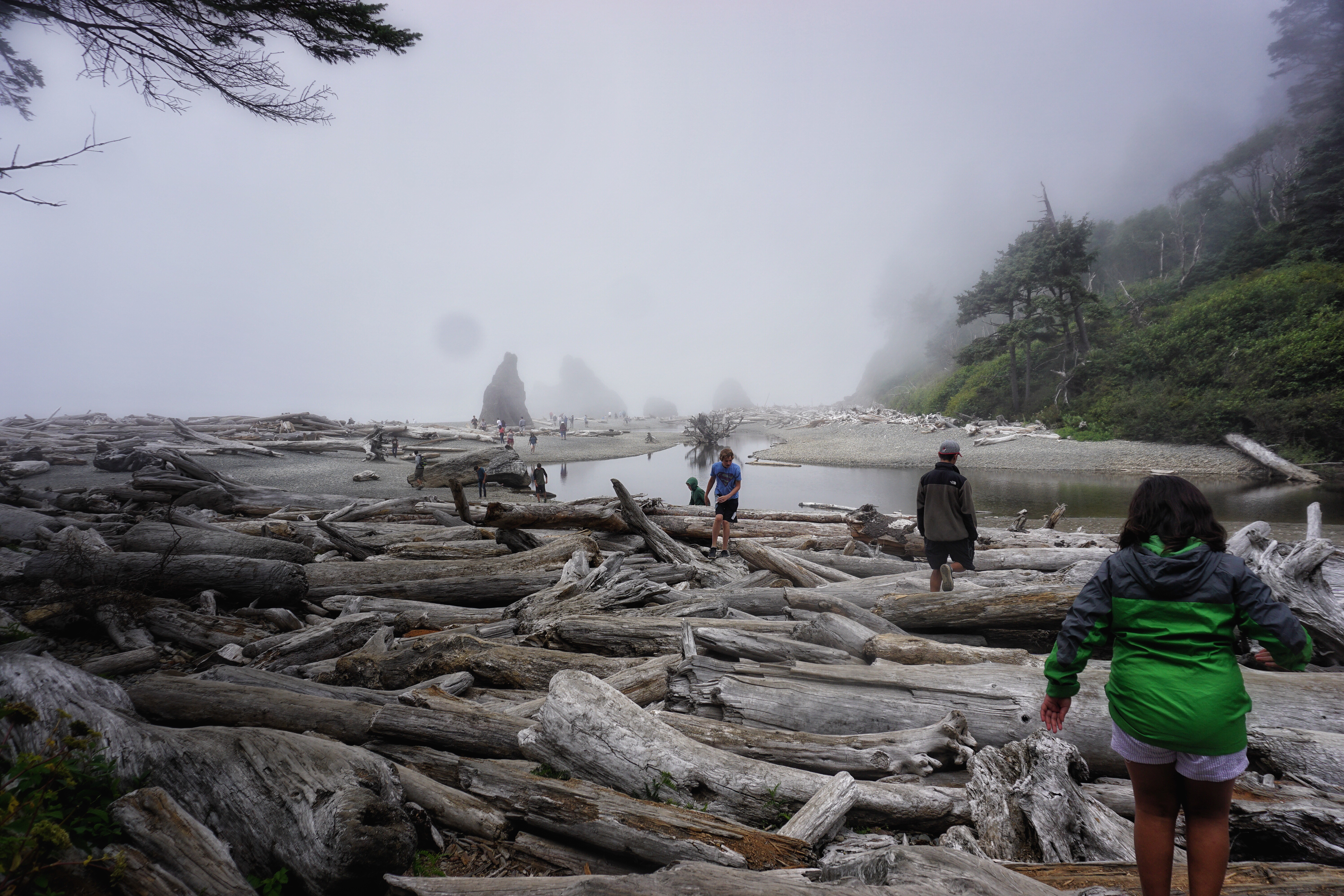
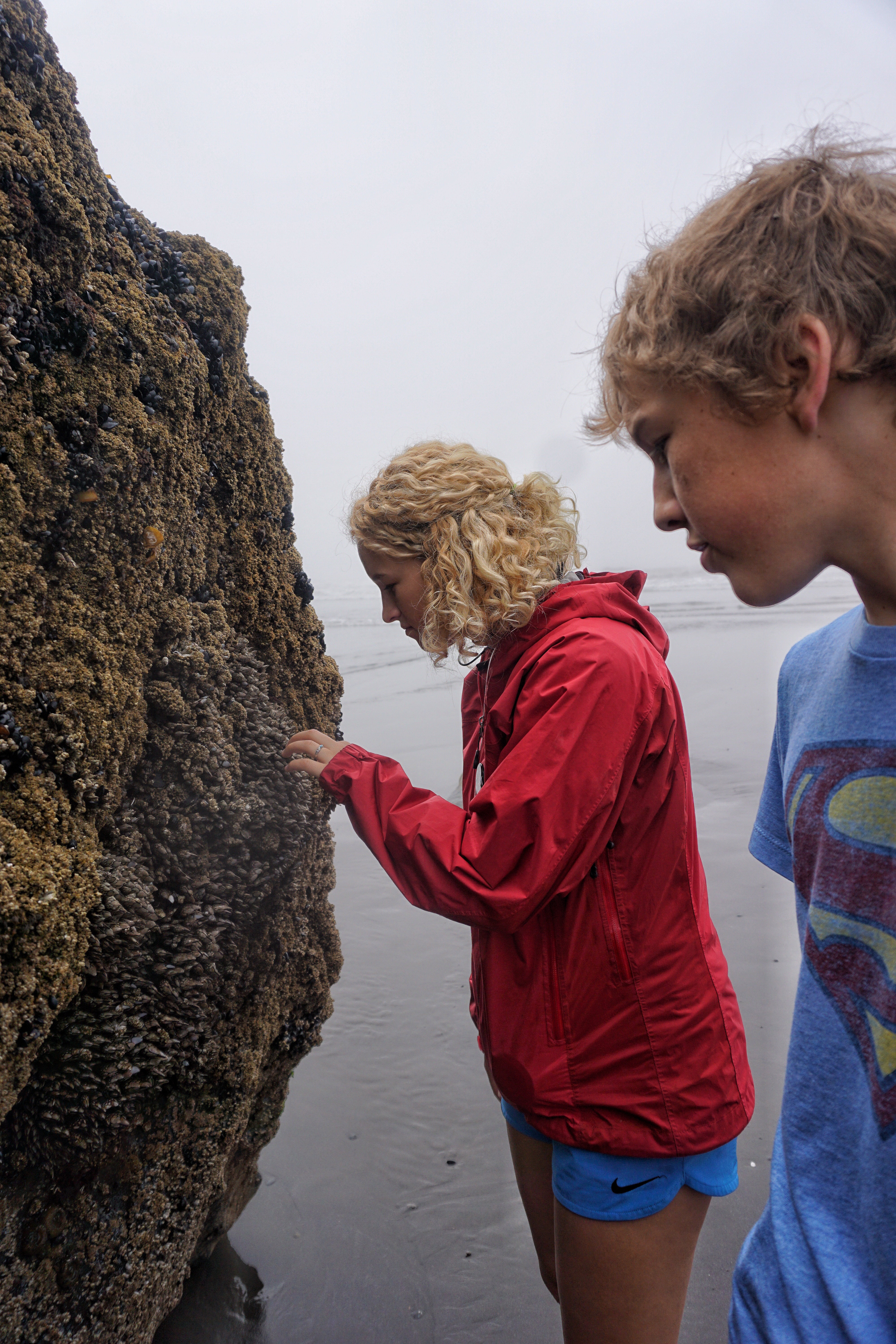
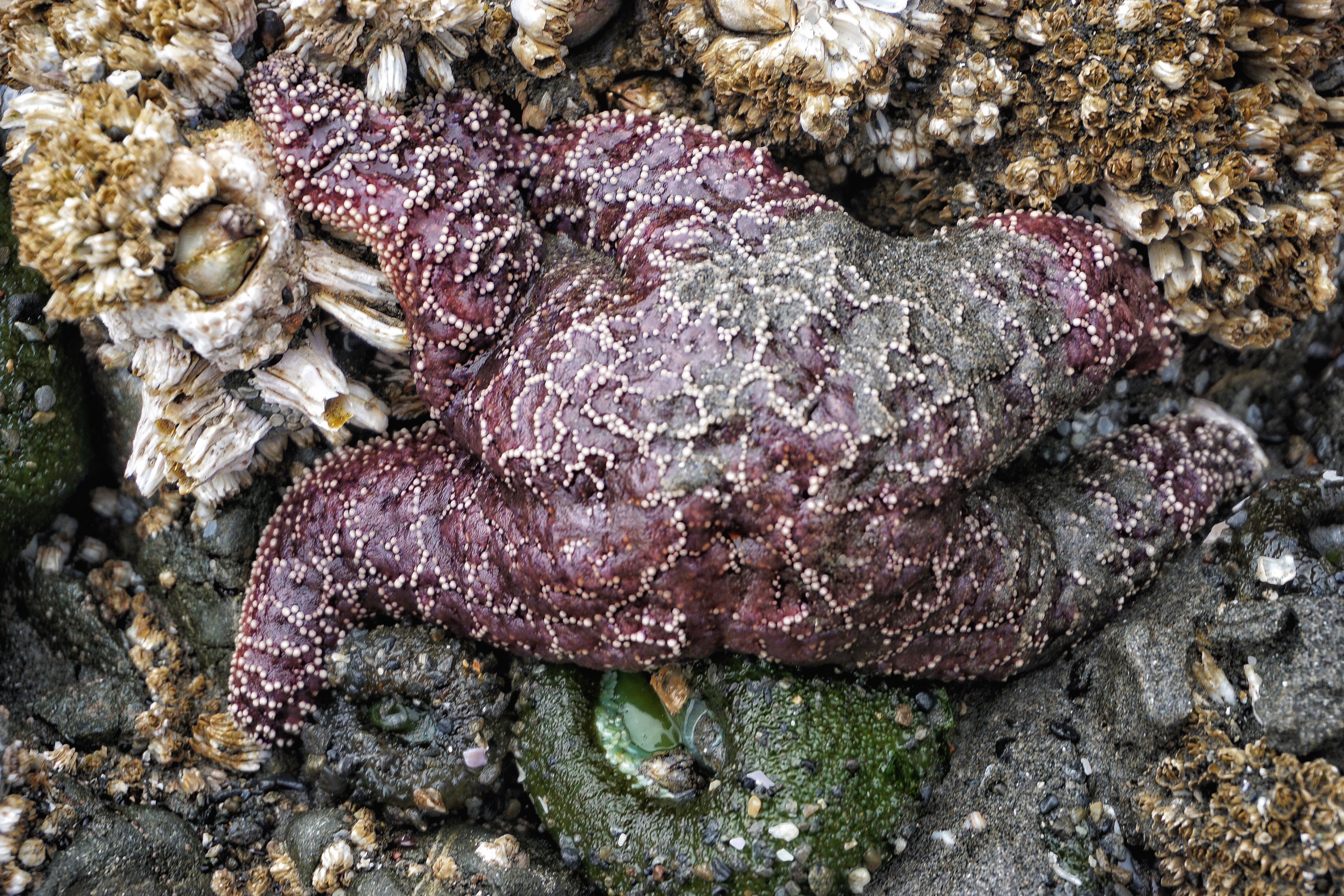
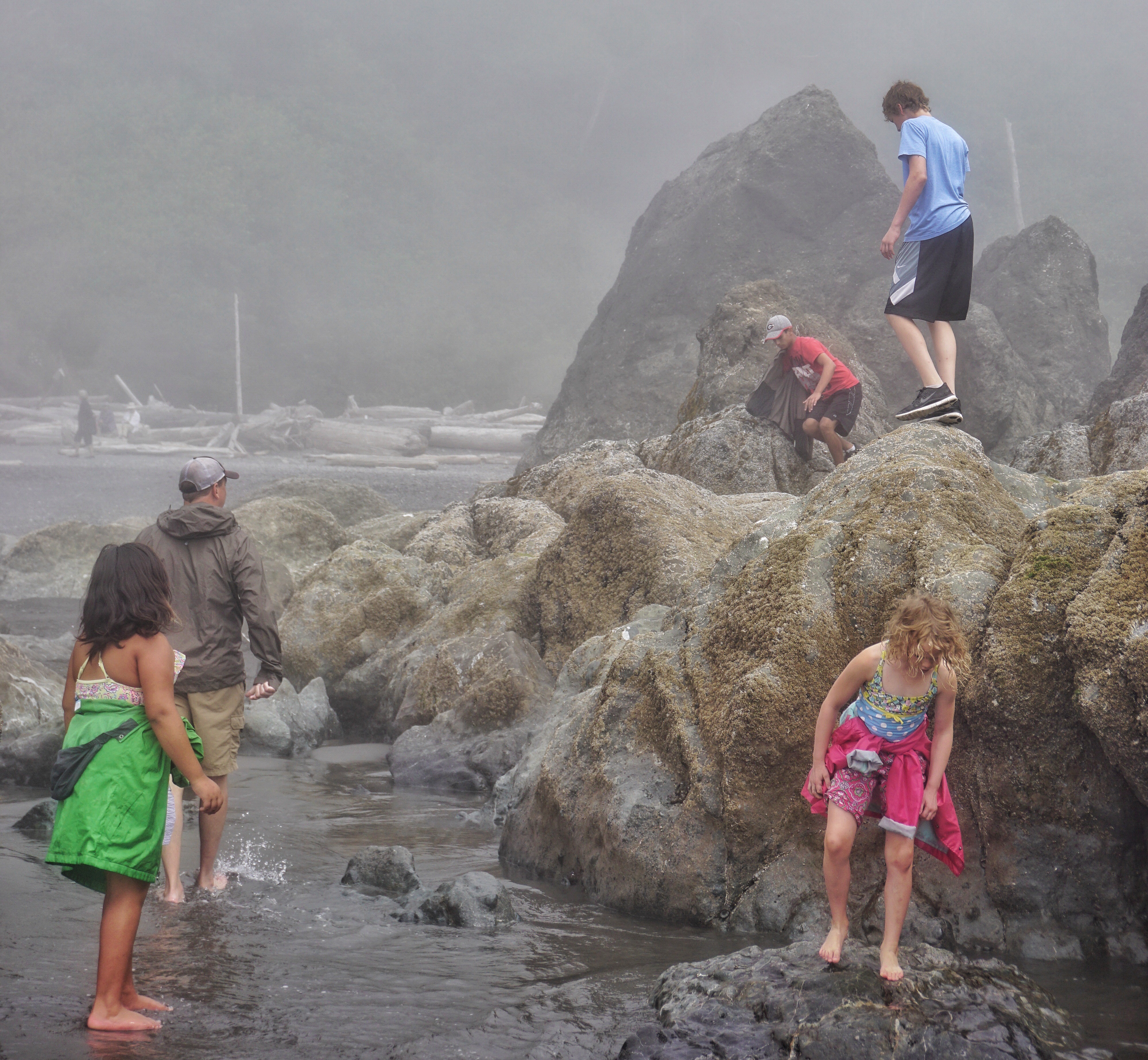
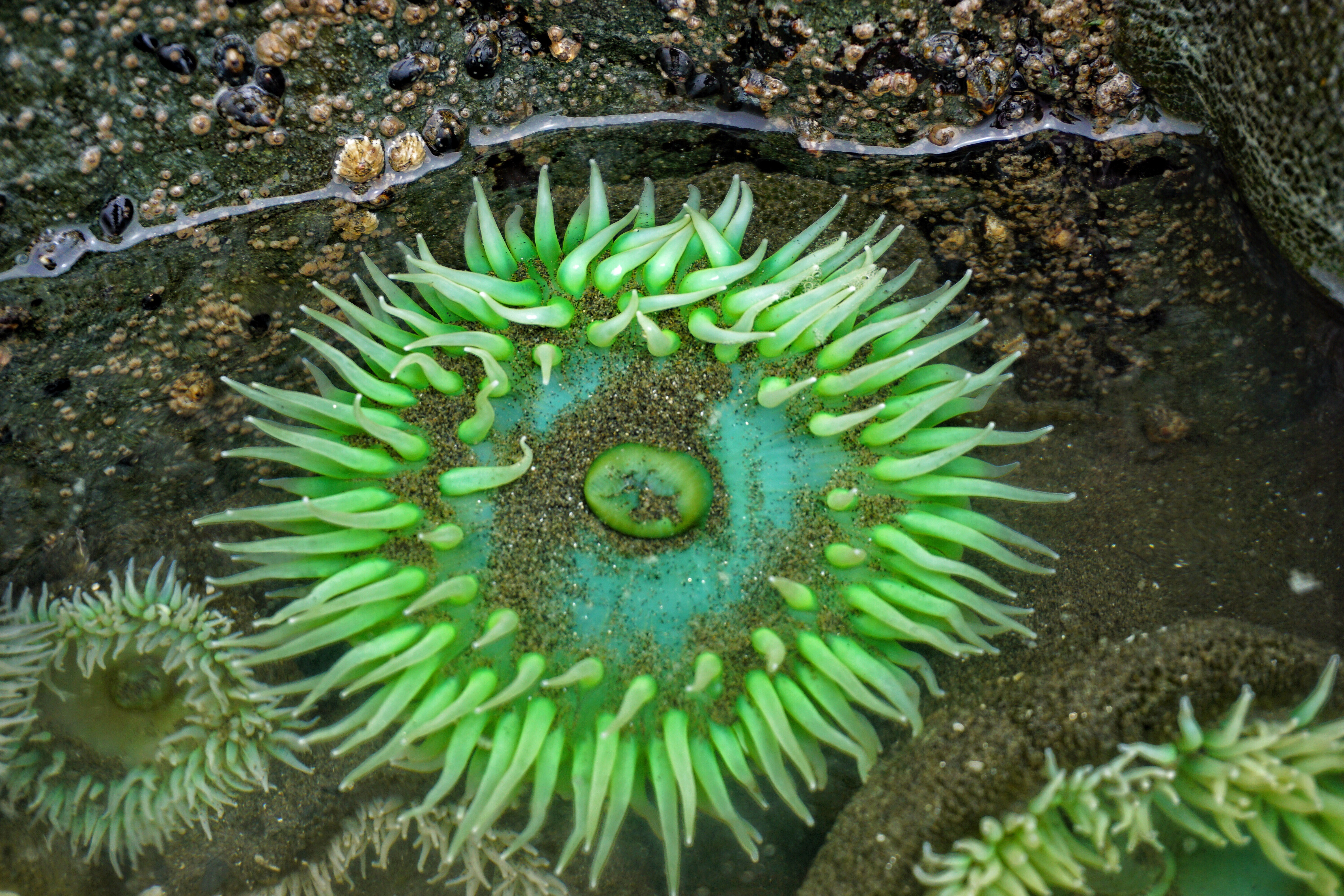
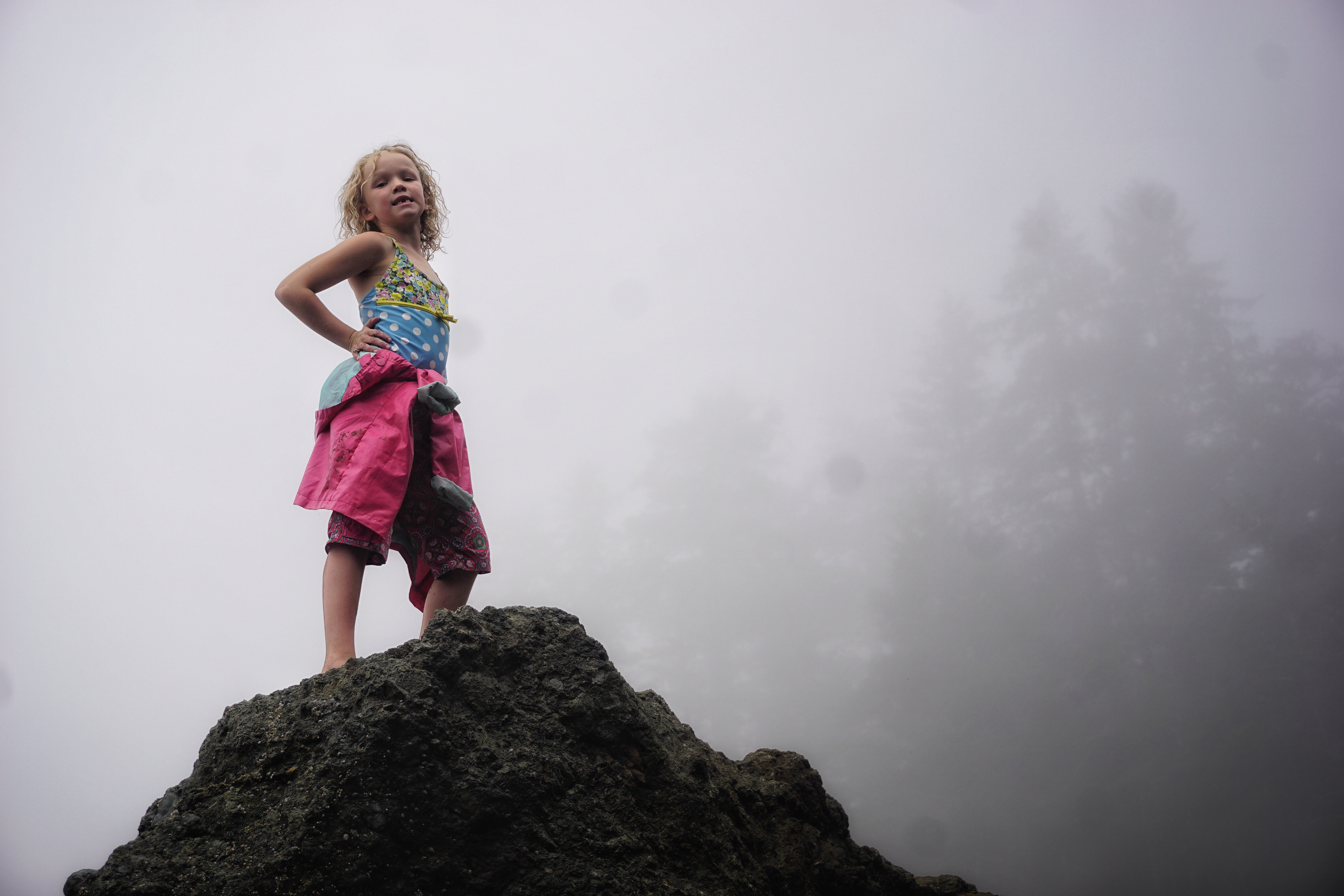
Ruby Beach

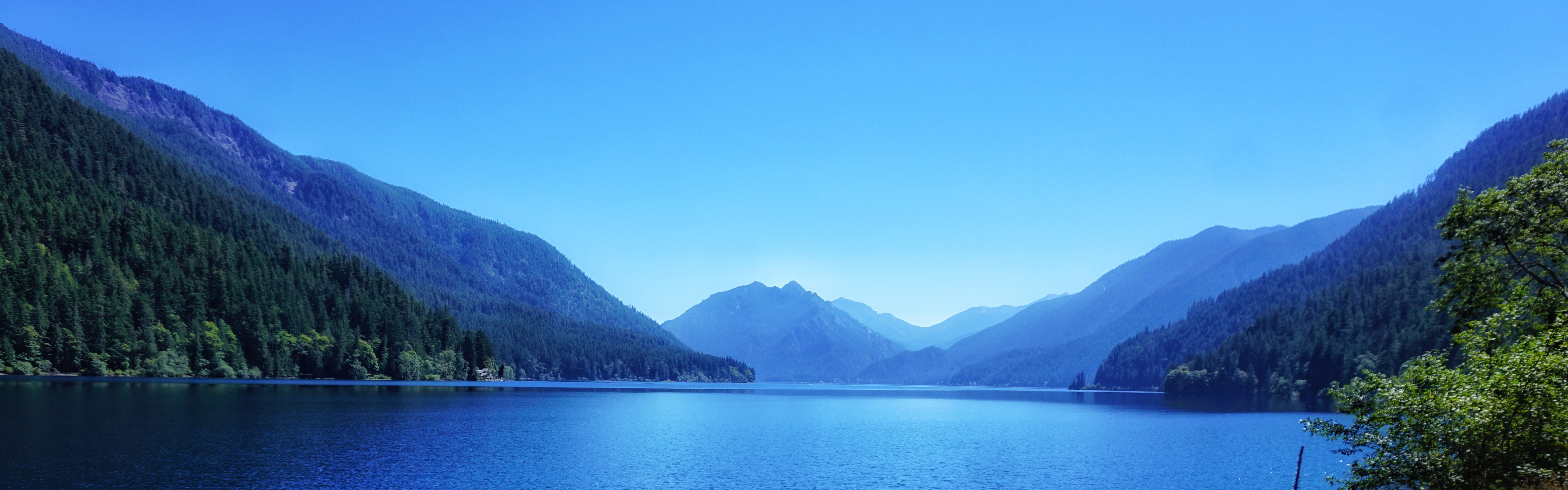 Crescent Lake
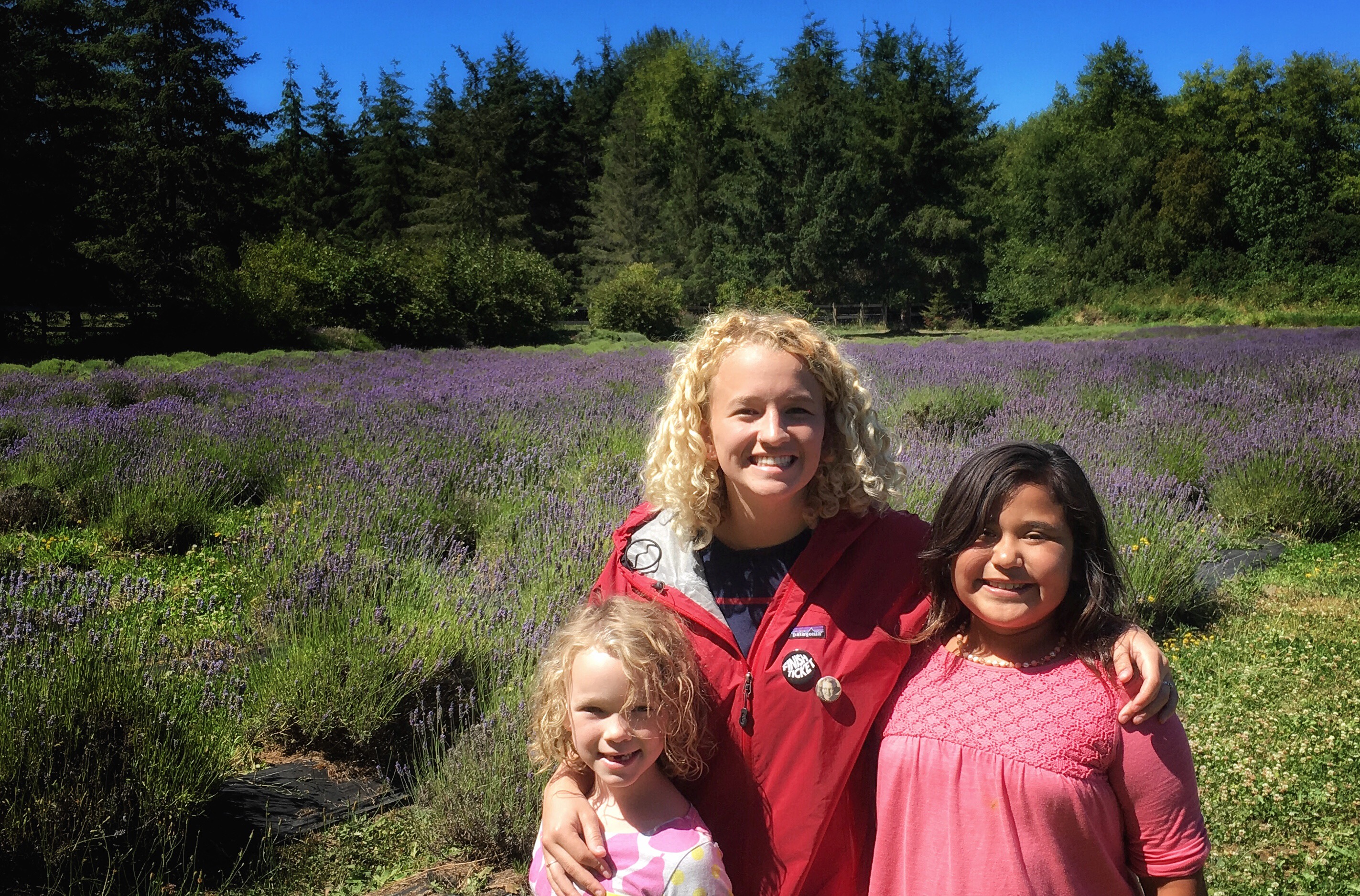
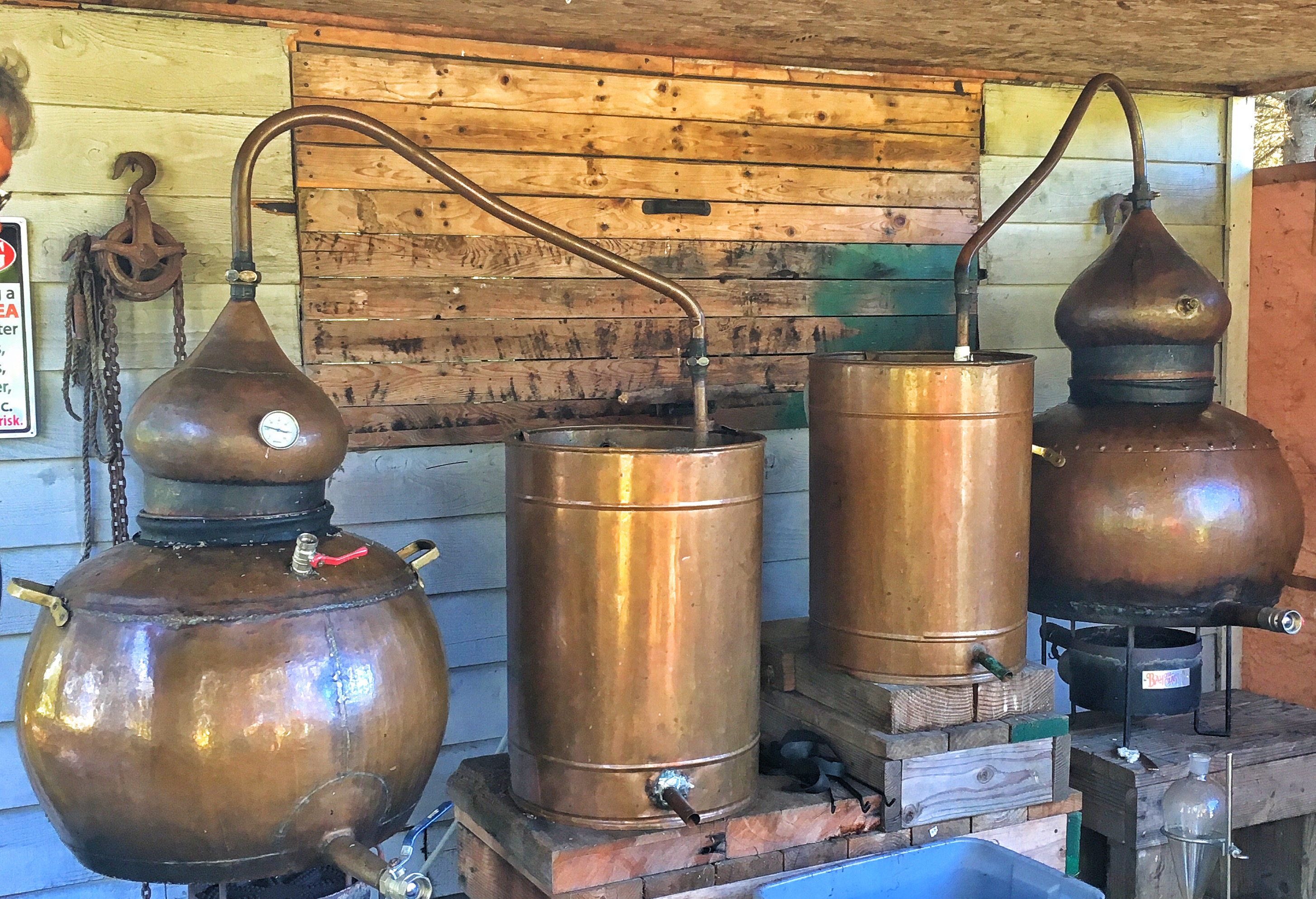
Oil-distilling contraption at a lavender farm
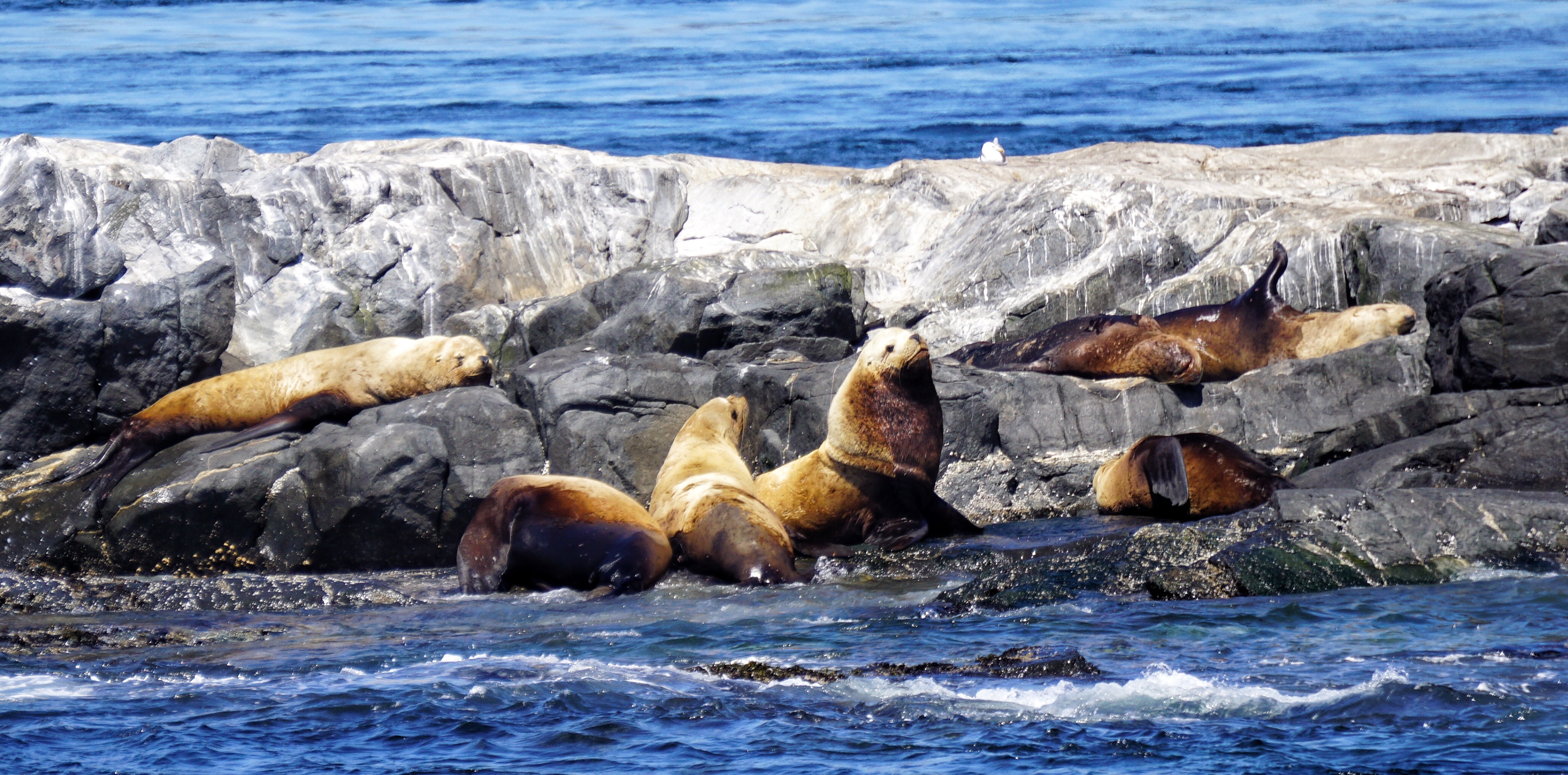
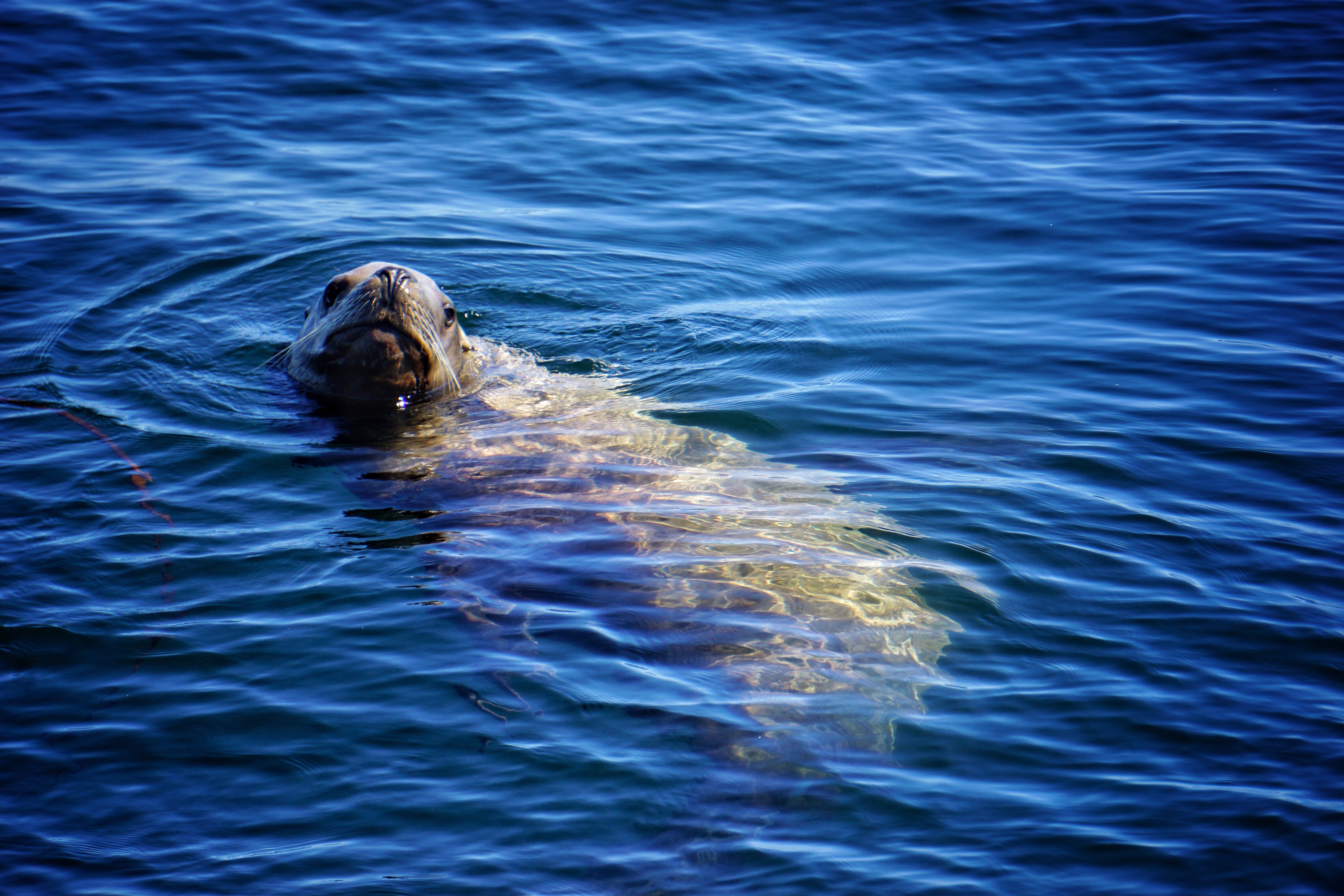
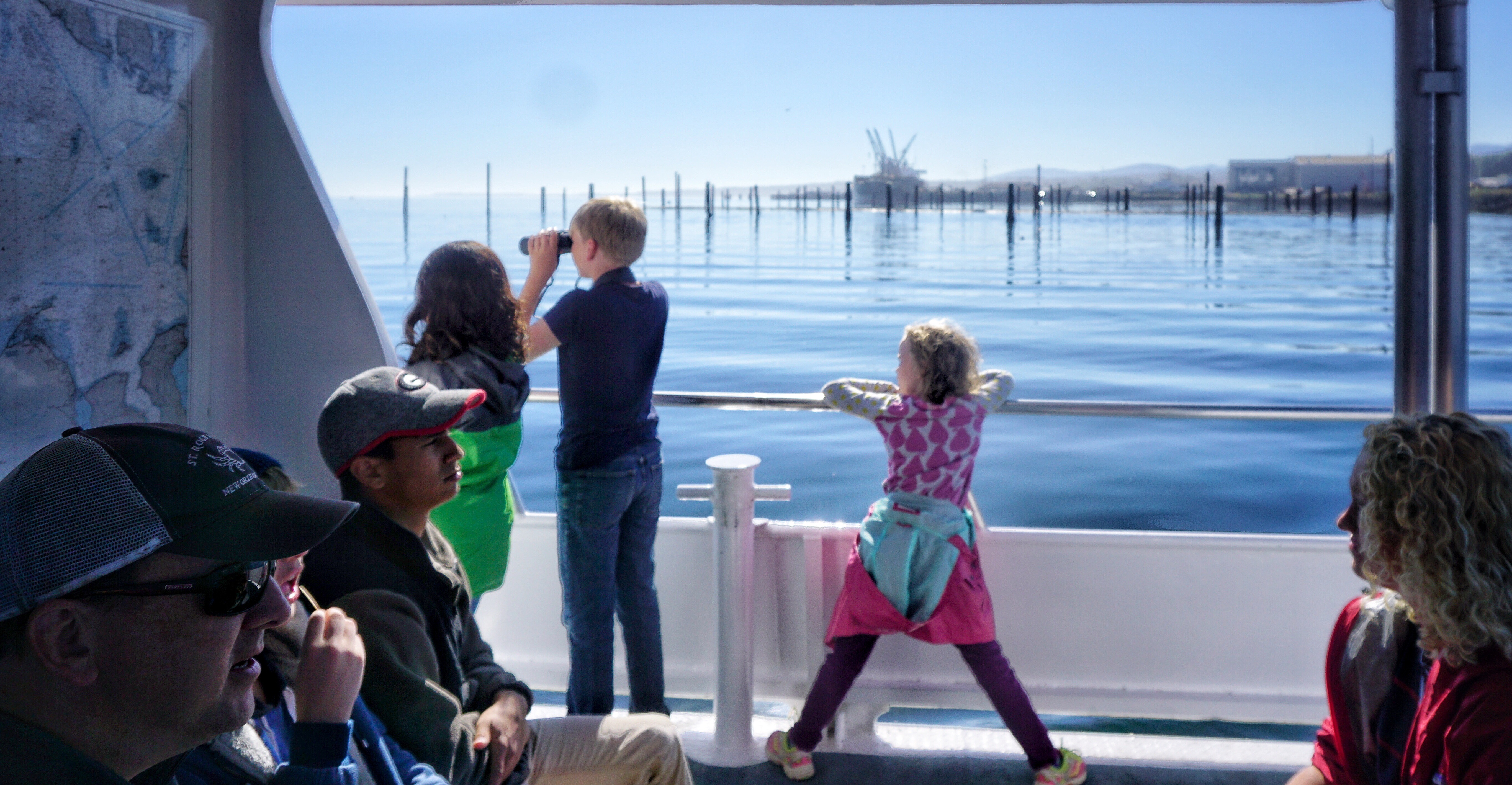 Whale watching in the Strait of Juan de Fuca
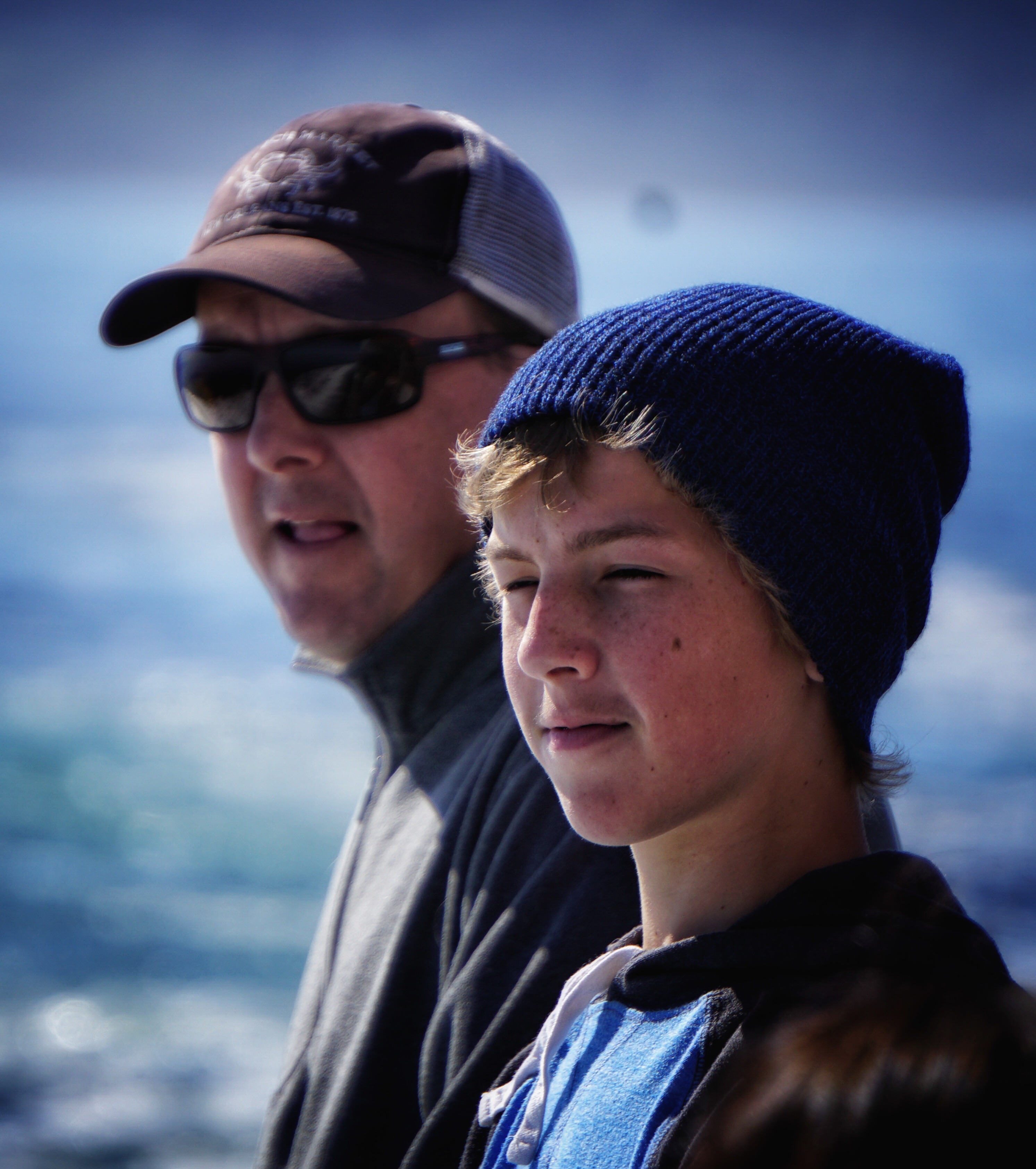
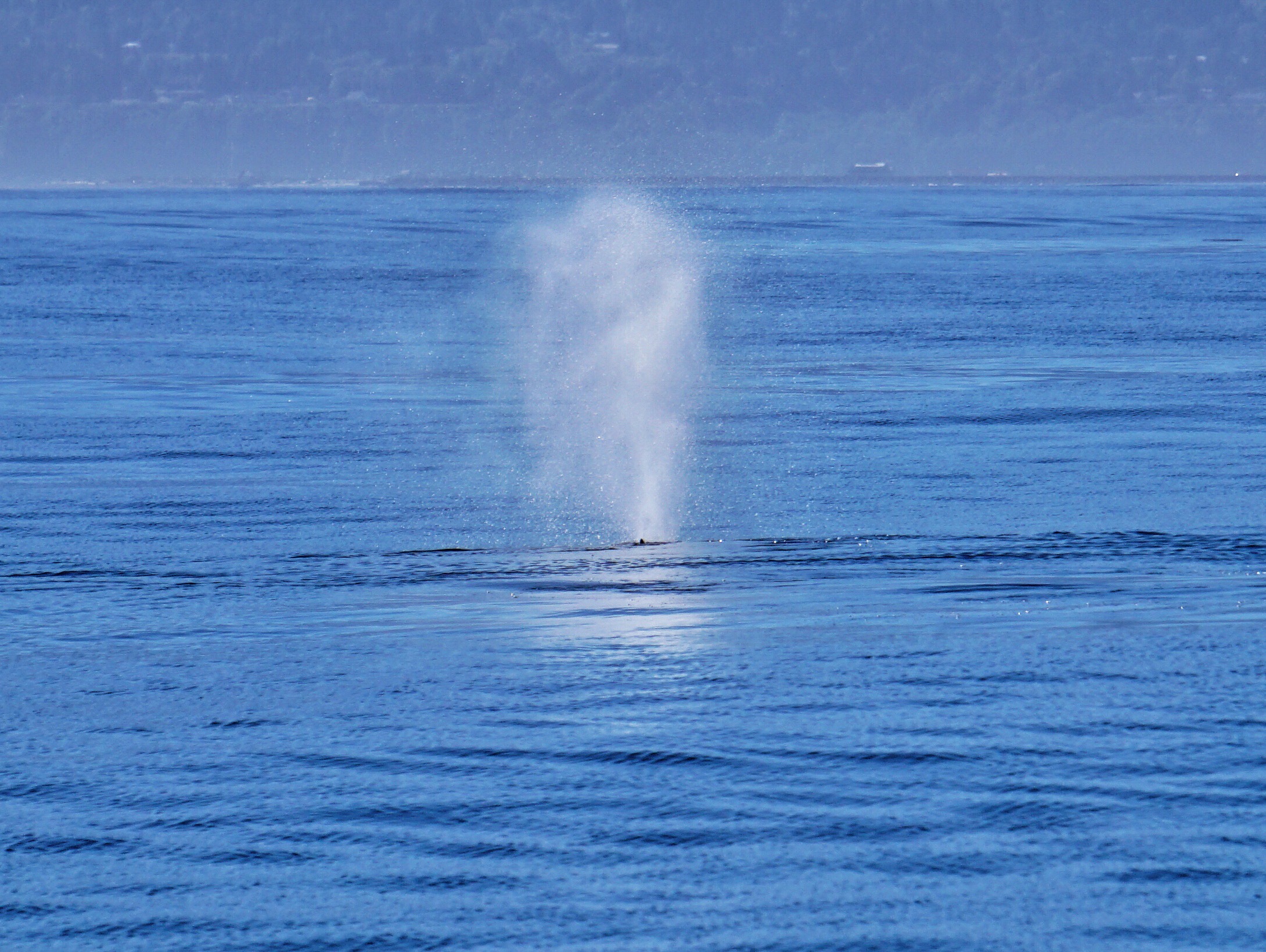
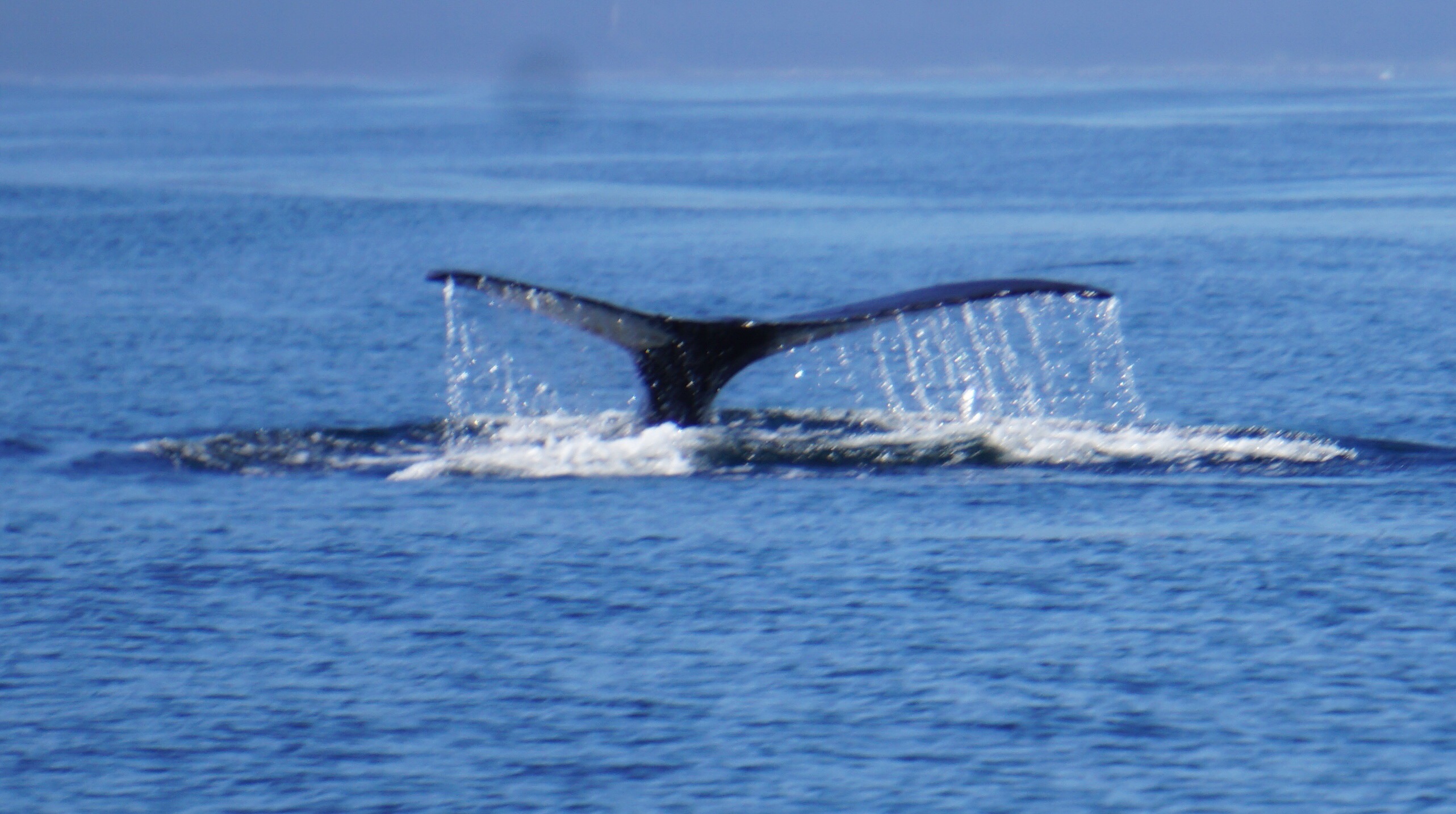
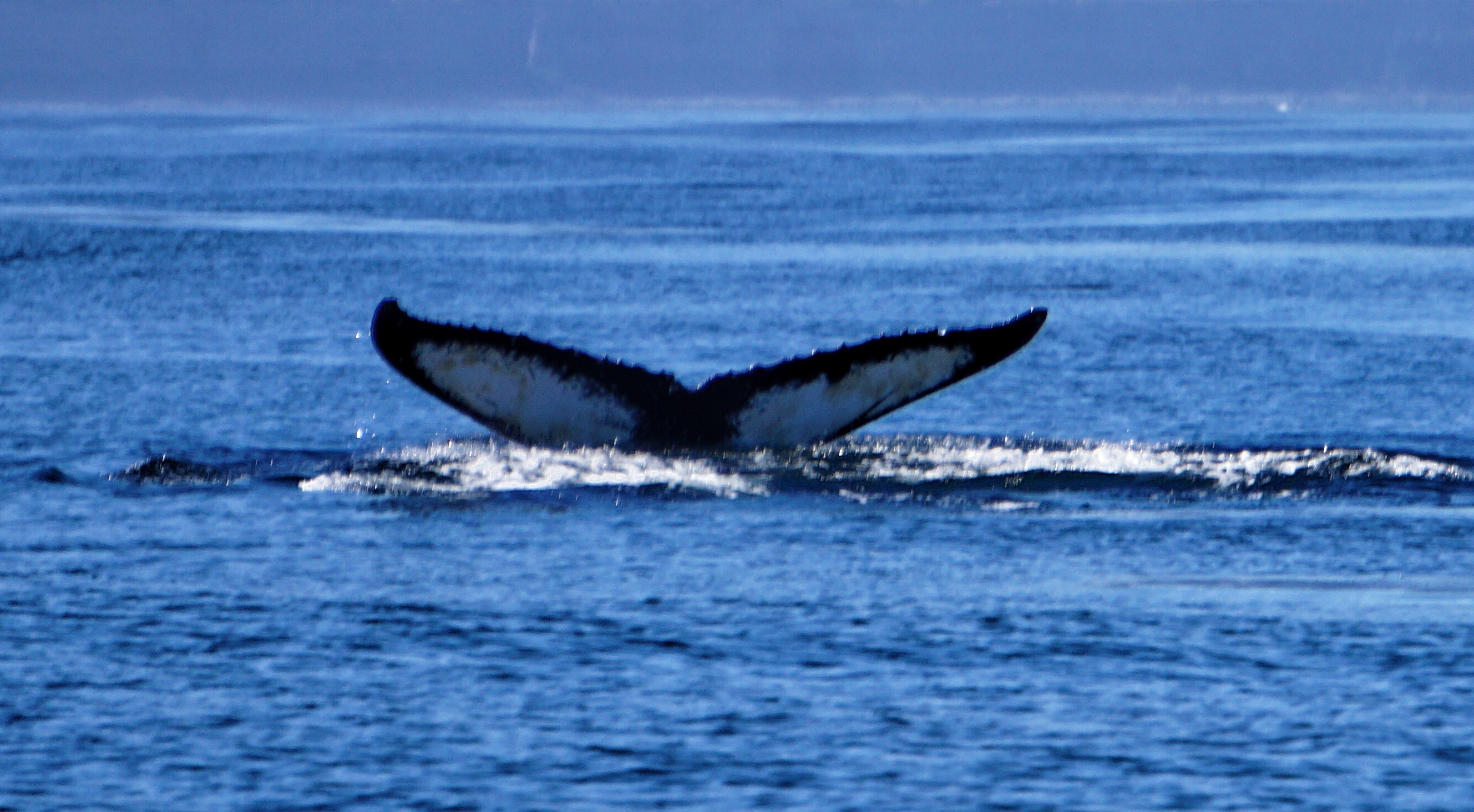
We saw lots of humpback and gray whales. When one giant followed alongside our boat for awhile, just underneath the surface of the water, I may have jumped up and down, clapping my hands in the style of a small child.
 On the Road with the Archangel
Beautiful photos! What a wonderful gift you and Brandon have given to your family, this year!
LikeLike